

Introduction
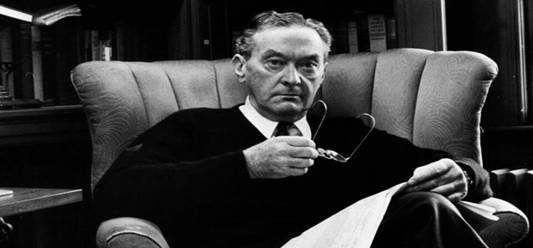
Walter Lippmann, a prominent American journalist and political commentator, made important contributions to the field of media theory, particularly in relation to modern media and its impact on society. Lippmann’s ideas centered near around the concept of technocracy and the role of media in shaping public opinion. Let’s discuss Lippmann’s theories and explore some recent examples that illustrate their relevance in today’s media landscape.
Lippmann argued that modern societies are too complex for individuals to fully comprehend the vast array of information and events occurring around them. He coined the term “technocracy” to describe a system where experts, rather than the general public, hold the knowledge and make decisions on behalf of society. Lippmann believed that due to the sheer volume and complexity of information, individuals rely heavily on mediated representations of reality to form their opinions and make sense of the world.
According to Lippmann, the media plays a pivotal role in shaping public opinion by filtering and interpreting information before presenting it to the public. He coined the term “manufacturing consent” to describe the media’s ability to shape the narrative and influence public perception. Lippmann argued that this selective presentation of information can lead to distorted views of reality and ultimately impact the decision-making processes of individuals and societies.
Recent examples highlight Lippmann’s theories in action. The phenomenon of “fake news” has become increasingly prevalent in the digital age. Misinformation and disinformation can spread rapidly through social media platforms, leading to widespread public confusion and even influencing elections and public discourse. In these instances, the media’s role in verifying and contextualizing information becomes crucial in preventing the distortion of reality and maintaining the integrity of public discourse.
Another example is the media coverage of political events and policy debates. Media outlets often focus on specific aspects of complex issues, selectively highlighting certain viewpoints and neglecting others. This bias can shape public opinion by presenting a skewed understanding of the topic at hand. The media’s role as gatekeepers of information, deciding what to cover and how to frame it, becomes a powerful tool in shaping public discourse and influencing public opinion.
Additionally, the rise of personalized news algorithms and echo chambers on social media platforms further supports Lippmann’s theories. These algorithms tailor content to individual preferences and beliefs, creating information bubbles where individuals are exposed only to viewpoints that align with their existing opinions. This phenomenon can reinforce existing biases, limit exposure to diverse perspectives, and contribute to the fragmentation of public discourse.
In conclusion, Walter Lippmann’s theories on modern media and technocracy continue to resonate in today’s media landscape. His insights into the power of media to shape public opinion and the complexities of information dissemination remain highly relevant. Recent examples such as the spread of fake news, biased media coverage, and personalized news algorithms highlight the ongoing influence of media in shaping public discourse and the need for critical engagement with mediated representations of reality. As consumers of media, it is essential to be aware of these dynamics and strive for a well-rounded understanding of the complex issues facing society today.
About the Author