

Introduction
Noam Chomsky, a distinguished linguist, philosopher, and political activist, revolutionized the field of media studies with his groundbreaking theory of “Manufacturing Consent” and the Propaganda Model. Chomsky’s critical analysis challenged the traditional understanding of media as a neutral watchdog, highlighting the pervasive influence of corporate and political elites in shaping public opinion. In this section, we will cover Chomsky’s theory and explore prominent recent examples that illustrate its relevance in today’s media landscape.
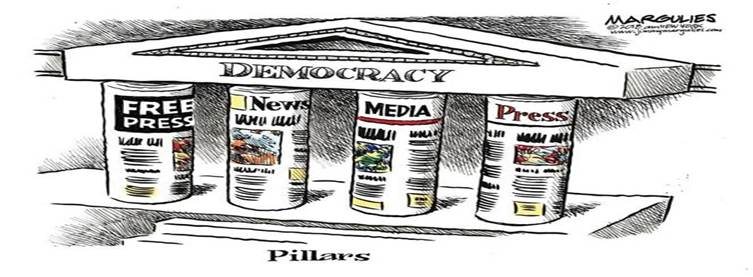
From a journalism standpoint, Noam Chomsky’s theory of “Manufacturing Consent” provides an essential lens through which we can critically examine the functioning of the media in a democratic society. Chomsky argues that the media, far from being an independent entity serving as a restriction on power, often plays a role in reinforcing existing power structures. Understanding this theory empowers journalists to navigate the complexities of media production, challenge dominant narratives, and fulfill their crucial role as watchdogs of democracy.

A. Manufacturing Consent: Unveiling the Propaganda Model
Noam Chomsky and Edward S. Herman’s seminal work, “Manufacturing Consent,” exposes the mechanisms by which media, often unwittingly, serve the interests of powerful entities. The Propaganda Model, developed by Chomsky and Herman, outlines five filters that shape media content: ownership, advertising, sourcing, flak, and ideology.
1. Ownership: The concentration of media ownership in the hands of a few corporations results in a narrowing of perspectives and a potential bias toward elite interests. Media outlets owned by conglomerates may prioritize profitability and cater to the agendas of their corporate owners.
2. Advertising: The reliance on advertising revenue creates a symbiotic relationship between media outlets and corporations. This relationship can influence media content, as outlets may avoid or downplay stories that could harm their advertisers’ interests.
3. Sourcing: Journalists often rely on official sources, such as government officials and corporate spokespersons, which can result in a narrow range of perspectives and limit critical analysis. Alternative or dissenting voices may be marginalized or excluded from media coverage.
4. Flak: Powerful entities can exert pressure and create a culture of intimidation that discourages critical journalism. Organizations and individuals who challenge established narratives may face backlash, including smear campaigns, lawsuits, or threats to funding and access.
5. Ideology: Dominant ideologies and narratives shape media content, framing debates within certain boundaries and excluding alternative perspectives. Chomsky argues that the media often serves to reinforce existing power structures and perpetuate societal norms.
B. Recent Examples: Unmasking the Manufacturing Consent
Prominent recent examples showcase the continued relevance of Chomsky’s theory in the contemporary media landscape:
1. Coverage of War and Conflict: Media coverage of international conflicts often reflects the perspectives of political elites or military establishments, shaping public opinion and justifying interventionist policies. Alternative narratives or voices challenging the prevailing consensus may be marginalized or ignored.
2. Corporate Influence on Climate Change Reporting: In discussions surrounding climate change, media outlets owned by fossil fuel companies have been accused of downplaying or undermining scientific consensus to protect their economic interests. This bias in reporting can hinder public understanding and delay effective action.
3. Election Campaigns and Political Coverage: Media outlets influenced by corporate interests can shape electoral debates and favor candidates aligned with the economic elites. The influence of money in politics, coupled with biased media coverage, can undermine the democratic process.
C. Watchdogs of democracy
From a journalism standpoint, Noam Chomsky’s theory of “Manufacturing Consent” provides an essential lens through which we can critically examine the functioning of the media in a democratic society. Chomsky argues that the media, far from being an independent entity serving as a check on power, often plays a role in reinforcing existing power structures. Understanding this theory empowers journalists to navigate the complexities of media production, challenge dominant narratives, and fulfill their crucial role as watchdogs of democracy.
1. Coverage of Social Movements: Media coverage of social movements can be influenced by the interests of political and economic elites. Mainstream media outlets may marginalize or misrepresent grassroots movements, failing to provide nuanced and comprehensive coverage. This can perpetuate stereotypes and hinder the public’s understanding of important social issues.
2. Digital Media and Filter Bubbles: The rise of digital media platforms and personalized algorithms has exacerbated the issue of filter bubbles, where individuals are exposed only to information that aligns with their existing beliefs. This reinforcement of ideological perspectives limits the diversity of viewpoints and can contribute to polarization within society.
By critically engaging with Noam Chomsky’s theory of “Manufacturing Consent” and the Propaganda Model, journalists can identify and challenge the structural biases and influences that impact media content. This knowledge helps them work toward media independence, look for different points of view, and hold those in power accountable. Embracing a critical approach to media production and consumption is essential for upholding the principles of journalism and ensuring a well-informed and democratic society.
Noam Chomsky’s theory of “Manufacturing Consent” and the Propaganda Model offer invaluable insights into the complex relationship between media, power, and public opinion. By unpacking the filters that shape media content, including ownership, advertising, sourcing, flak, and ideology, Chomsky encourages us to critically analyze the media’s role in society. Recent examples from war coverage to climate change reporting and social movements illustrate the ongoing relevance of this theory. For journalism students, understanding and grappling with these ideas is essential for cultivating a responsible and independent media that serves the public interest, challenges power structures, and upholds the principles of democracy.
About the Author