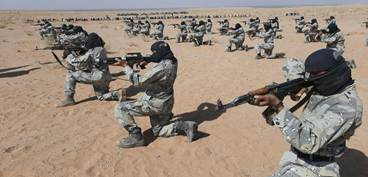


The Afghanistan international conflict has endured for several decades, with profound regional and global implications. Originating from the Soviet invasion in 1979, the conflict has evolved over time, involving multiple domestic and international actors. This detailed analysis aims to provide a comprehensive understanding of the Afghanistan conflict, examining its historical context, key players, evolving dynamics, and the quest for peace and stability.
1. Historical Context
The Afghanistan conflict traces its roots to the Soviet invasion in 1979, when the Soviet Union sought to prop up a communist government in Afghanistan. The invasion was met with resistance from various Afghan factions, giving rise to the Mujahideen, who fought against Soviet forces with support from the United States and other countries. Following the Soviet withdrawal in 1989, internal power struggles led to a period of civil war and the eventual rise of the Taliban.
2. Key Players
The Afghanistan conflict involves numerous key players, each with their own interests and agendas:
- Afghan Government: The internationally recognized Afghan government, supported by the United States and its allies, seeks stability, governance, and development in the country. It has undergone multiple transitions, with successive leaders working towards building a viable state.
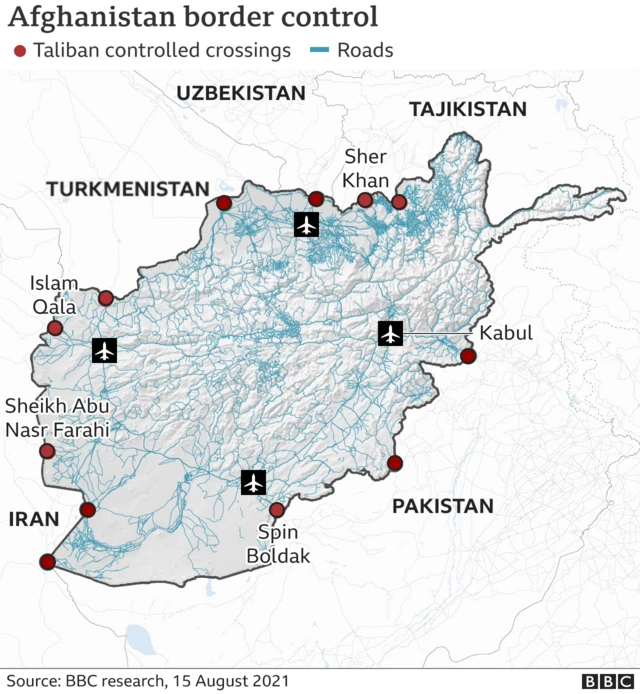
- Taliban: The Taliban emerged in the early 1990s and eventually gained control over most of Afghanistan, imposing a strict interpretation of Islamic law. They provided a safe haven for international terrorist groups, including Al-Qaeda. Following the 2001 U.S.-led invasion, the Taliban was overthrown but later regrouped and re-emerged as an insurgent force.
- International Military Coalition: Led by the United States, a multinational coalition deployed forces to Afghanistan in 2001 to oust the Taliban regime and combat terrorism. The coalition worked to stabilize the country, rebuild institutions, and train Afghan security forces.
- Regional and International Actors: Neighboring countries, such as Pakistan, Iran, and Russia, have had varying degrees of involvement and influence in the Afghan conflict. Additionally, international organizations such as the United Nations and NATO have played critical roles in facilitating peace processes and providing humanitarian assistance.
3. Evolving Dynamics and Challenges
The Afghanistan conflict has evolved over time, with shifting dynamics and persistent challenges:
- Insurgency and Counterinsurgency: The conflict has been characterized by an insurgency led by the Taliban and other militant groups, who continue to wage a guerrilla war against Afghan government forces and international troops. The counterinsurgency efforts by Afghan security forces and their international allies have sought to dismantle militant networks and establish stability.
- Counterterrorism Efforts: The fight against terrorism has been a central component of the conflict, with a focus on eliminating Al-Qaeda and other extremist groups that have sought refuge in Afghanistan. Counterterrorism operations, including targeted airstrikes and intelligence cooperation, have been ongoing.
- Governance and State-Building: The Afghan government has faced significant challenges in establishing effective governance, combating corruption, and extending its authority throughout the country. Building capable institutions, promoting the rule of law, and ensuring accountable governance remain essential for long-term stability.
- Humanitarian and Development Issues: The conflict has had devastating humanitarian consequences, including widespread displacement, civilian casualties, and limited access to essential services such as healthcare and education. Addressing humanitarian needs and promoting sustainable development are crucial for the well-being of the Afghan population.
4. Quest for Peace and Stability
Efforts to achieve peace and stability in Afghanistan have been ongoing:
- Peace Negotiations: Various peace initiatives and negotiations have been attempted over the years, involving the Afghan government, the Taliban, and regional and international stakeholders. These negotiations aim to reach a political settlement, ceasefires, and a framework for power-sharing.
- Reconciliation and Reintegration Efforts: Reconciliation and reintegration programs seek to provide pathways for former Taliban fighters to lay down their weapons, reintegrate into society, and participate in the political process. These initiatives aim to foster dialogue, build trust, and create conditions for sustainable peace.
- International Diplomacy: The international community, including regional powers, has played a crucial role in facilitating peace talks, supporting negotiations, and providing diplomatic assistance. Coordination and cooperation among these actors are vital in fostering a conducive environment for peace.
- Security Sector Reform: Enhancing the capacity and effectiveness of Afghan security forces is a key component of achieving stability. Training programs, equipment provision, and support from international partners aim to build a capable and professional Afghan security apparatus.
- Socio-Economic Development: Promoting socio-economic development, including infrastructure projects, access to education, healthcare, and employment opportunities, is crucial for improving livelihoods and addressing root causes of conflict. International aid and investment play a significant role in supporting development initiatives.
The Afghanistan international conflict is a multifaceted struggle characterized by historical, political, and social complexities. Understanding its origins, key players, evolving dynamics, and efforts for peace and stability is vital for journalism students seeking to report on this conflict. Reporting on the Afghanistan conflict requires careful consideration of diverse perspectives, adherence to ethical principles, and a commitment to accurate and balanced reporting. Journalists must deal with issues like access, safety risks, and cultural sensitivity to provide comprehensive coverage that promotes understanding and empathy.
By engaging in critical analysis, seeking multiple sources, and emphasizing the human impact of the conflict, journalism students can contribute to informed public discourse and advocate for sustainable peace in Afghanistan. Through responsible and ethical reporting, they have the opportunity to shed light on the complexities of the conflict, amplify marginalized voices, and foster global understanding of the Afghan people’s aspirations for peace and stability.
5. Media coverage
Media coverage has an important impact on the public perception and understanding of international conflicts. One such conflict that has received significant media attention is the protracted one in Afghanistan. As aspiring journalists, it is essential to explore the complexities of media coverage in international conflicts, with a specific focus on Afghanistan. This engaging and student-friendly section aims to provide a detailed examination of media coverage in the Afghan conflict, incorporating abstracts from a journalism perspective and promoting critical thinking and ethical reporting.
- Understanding the Afghan Conflict: To comprehend media coverage of the Afghan conflict, it is important to recognize the historical and political context. The conflict in Afghanistan originated with the Soviet invasion in 1979, followed by years of internal strife, the rise of the Taliban, and subsequent military interventions by international forces. The conflict involves a multitude of actors, complex tribal dynamics, and a struggle for power, stability, and influence in the region.
- Challenges Faced by Journalists: Journalists reporting on the Afghan conflict encounter numerous challenges. Firstly, gaining access to accurate and reliable information can be challenging due to the complexity of the conflict and the presence of multiple actors and interests. Journalists must navigate a web of political affiliations, cultural nuances, and potential security risks to gather diverse perspectives and present a comprehensive narrative.
- Safety: Safety is a critical concern, as Afghanistan remains a dangerous environment for journalists. They face risks such as violence, kidnapping, and censorship from various parties involved in the conflict. Journalists must prioritize their safety while continuing to report on the ground, often relying on local sources and fixers for guidance and protection.
- Ethical principles and responsible reporting practices: From a journalism perspective, reporting on the Afghan conflict requires adherence to ethical principles and responsible reporting practices. Journalists should prioritize accuracy, verifying information through multiple reliable sources, and fact-checking to counter misinformation and propaganda that often permeate conflicts. Maintaining objectivity while recognizing the complexities of the conflict and the diverse range of perspectives is crucial for fair and balanced reporting.
- Sensitive: Journalists must also be sensitive to the cultural, religious, and social contexts of Afghanistan. Respect for local customs, traditions, and the rights of the Afghan people is essential. Reporting should aim to amplify the voices of Afghan citizens, including marginalized communities and women, to ensure diverse perspectives are represented.
6. Ethical Considerations
Ethics plays a vital role in reporting on the Afghan conflict. Journalists must consider the potential impact of their reporting on the safety and security of individuals involved, including sources and subjects. The Afghan conflict often involves sensitive issues such as human rights abuses, civilian casualties, and ongoing peace negotiations. When writing about these issues, journalists should be kind, respectful, and dedicated to the truth and justice.
Promoting an informed understanding of the Afghan conflict requires responsible journalism. Journalists should avoid sensationalism, biases, and oversimplification, recognizing the nuances and complexities inherent in the conflict. They should seek to provide context, analysis, and in-depth reporting to foster public engagement and critical thinking among their audiences.
7. Media coverage in international conflicts
Media coverage in international conflicts, such as the Afghan conflict, carries significant responsibility. Journalists face numerous challenges when reporting on this multifaceted conflict, including access to reliable information, safety risks, and ethical dilemmas.
- By understanding the complexities, questioning biases, and adhering to ethical reporting practices, journalism students can navigate the intricacies of reporting on the Afghan conflict.
- Responsible reporting not only informs the public but also helps to foster understanding, empathy, and dialogue. As future journalists, students have the power to shed light on the human stories, amplify diverse perspectives, and contribute to a more comprehensive understanding of the Afghan conflict. By embracing critical thinking, empathy, and ethical reporting, they can contribute to a more informed and engaged global audience.
- Journalism students should strive for accuracy, balance, and objectivity in their reporting. They must seek out multiple sources of information, corroborate facts, and provide context to the events unfolding in Afghanistan. By presenting a comprehensive picture of the conflict, they can help the public understand the historical, political, and social dynamics at play.
- Ethical considerations are crucial when reporting on the Afghan conflict. Journalists should prioritize the safety and well-being of the Afghan people, including sources and subjects. They must be cautious not to further endanger individuals or contribute to potential harm through their reporting.
- Cultural sensitivity is paramount in reporting on Afghanistan. Journalists should respect the cultural norms, traditions, and religious beliefs of the Afghan people. They should be mindful of the potential impact of their reporting on local communities, taking care to avoid reinforcing stereotypes or perpetuating biases.
Conclusion
Journalism students have an opportunity to shed light on the human impact of the conflict. By telling the stories of Afghan individuals affected by the violence, displacement, and challenges of daily life, they can humanize the conflict and foster empathy among their audience.
In conclusion, media coverage in international conflicts like Afghanistan is a critical responsibility for journalists. Journalism students must navigate the challenges of reporting on a complex conflict, uphold ethical principles, and strive for accurate and balanced reporting. By providing comprehensive and empathetic coverage, they can contribute to a better understanding of the Afghan conflict and its implications for the Afghan people and the wider world.
About the Author