

Introduction
The evolution of digital, social, and new media has transformed the way information is disseminated, consumed, and shared in today’s interconnected world. The rise of digital platforms and social media networks has significantly impacted public opinion, shaping societal narratives and influencing collective beliefs and attitudes. In this introductory section, we will explore the evolution of digital, social, and new media and its profound impact on public opinion formation.
1. The Emergence of Digital Media:
a. From Traditional to Digital
The advent of digital media marked a significant shift from traditional forms of media, such as print and broadcast, to online platforms. The internet has revolutionized information access and distribution, allowing individuals to engage with news, opinions, and entertainment in real time and across various devices.
b. Interactivity and Personalization
Digital media provides users with interactive and personalized experiences. Through websites, sections, and apps, individuals can choose the content they consume, engage in discussions, and participate in shaping the narrative. This interactivity has given rise to a more engaged and empowered audience.
2. The Rise of Social Media
a. Connect, Share, and Influence
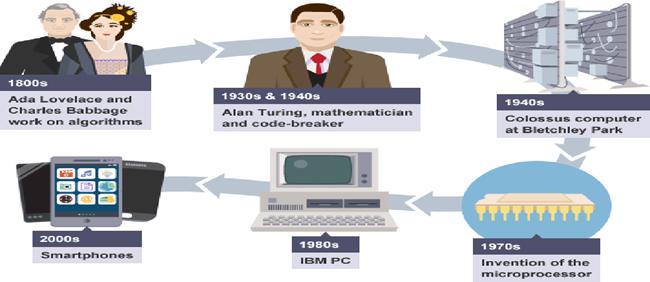
Social media platforms like Facebook, Twitter, Instagram, and YouTube have transformed the way people communicate and share information. These platforms enable individuals to connect with others, express their opinions, and share content on a global scale, fostering a sense of virtual community and enabling the rapid spread of ideas.
b. Amplification and Virility
Social media’s ability to amplify messages and make them go viral has profound implications for public opinion formation. Content shared on these platforms can quickly reach millions of users, transcending geographical boundaries and traditional media gatekeeping. Viral content has the power to shape public discourse and influence collective attitudes.
3. New Media and Citizen Journalism
a. Democratization of Media
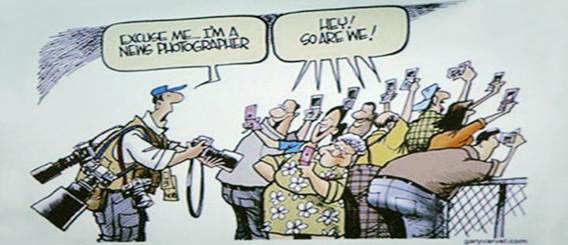
The advent of new media has democratized the creation and dissemination of information. Anyone with internet access can become a content creator, allowing for diverse perspectives and grassroots journalism. Citizen journalists, bloggers, and vloggers provide alternative viewpoints, challenging the dominance of traditional media.
b. Real-Time Reporting
New media has facilitated real-time reporting, empowering individuals to share news and events as they unfold. Through live streaming, on-the-ground reporting, and eyewitness accounts, the public gains immediate access to information, reducing reliance on traditional news outlets and enabling broader participation in shaping public opinion.
4. Impact on Public Opinion
a. Fragmentation and Echo Chambers
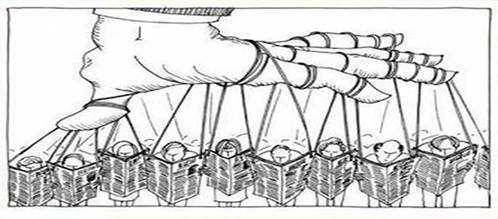
The abundance of digital, social, and new media platforms has led to the fragmentation of public opinion. Individuals can selectively consume content that aligns with their existing beliefs, leading to the formation of echo chambers and the reinforcement of preconceived notions. This can contribute to polarization and a lack of diverse perspectives.
b. Dissemination of Misinformation
The rapid dissemination of information on digital platforms has also given rise to the spread of misinformation and fake news. False narratives can quickly gain traction, impacting public opinion and decision-making processes. Addressing this challenge requires media literacy and fact-checking efforts.
5. Activism and Social Movements
Digital, social, and new media have played a crucial role in facilitating activism and social movements. Hashtags, online campaigns, and viral videos have mobilized public support, amplified marginalized voices, and brought attention to social issues, shaping public opinion and catalyzing societal change.
The evolution of digital, social, and new media has revolutionized the way information is created, shared, and consumed. It has had a profound impact on public opinion formation, enabling interactivity, personalization, and amplification of messages. However, challenges remain in the fragmentation of public opinion, the spread of misinformation, and the need for media literacy. It is important to use these types of media responsibly, encouraging different points of view, fact-checking, and critical thinking because they can change the world.
As digital, social, and new media continue to evolve, their impact on public opinion will continue to shape societal narratives, influence beliefs, and drive collective action. It is vital for individuals, media organizations, and policymakers to adapt and navigate this dynamic landscape to ensure that the power of digital media is harnessed for the betterment of society, fostering informed and inclusive public discourse. By recognizing the potential of digital, social, and new media to shape public opinion, we can navigate the complexities and leverage these platforms to facilitate meaningful dialogue, bridge divides, and drive positive change in our increasingly interconnected world.
About the Author