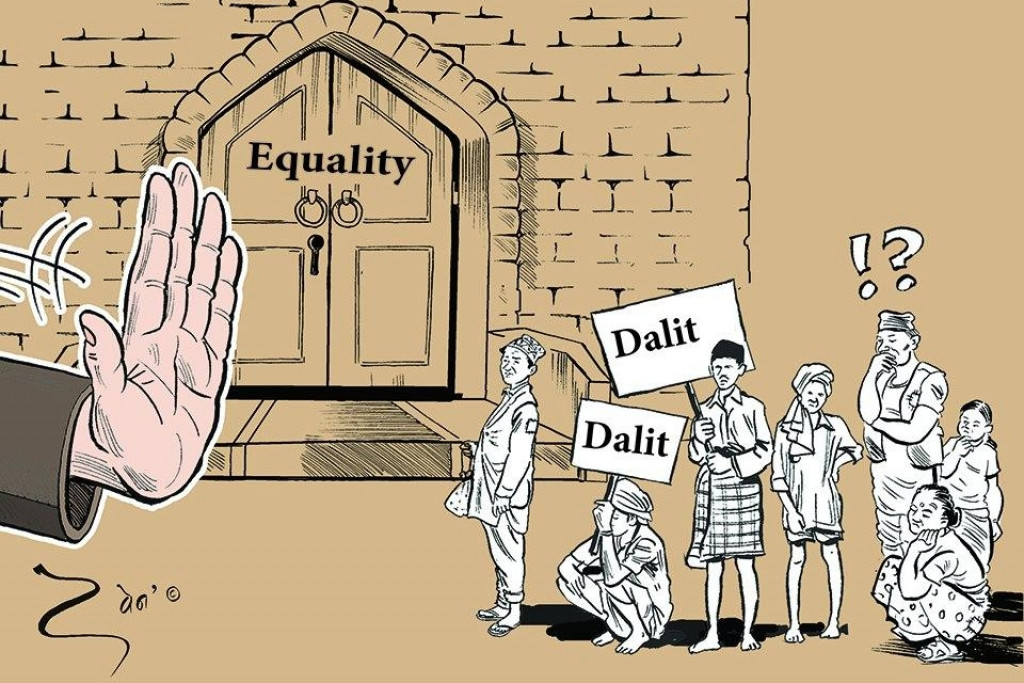


In the realm of media and storytelling, representation holds immense power. It can shape narratives, challenge stereotypes, and amplify the voices of marginalized communities. One important part of representation is talking about the problems and experiences of Dalits, Tribals, and people who are poor. These groups have historically been marginalized and underrepresented, leading to a lack of visibility and perpetuation of stereotypes.
From a journalistic point of view, it is very important to close this gap in representation and give these groups a place to tell their stories and share their points of view. By doing so, journalists can play a pivotal role in bringing to light the realities and complexities of the lives of Dalits, Tribals, and the economically weaker sections. Through in-depth reporting, they can help dismantle stereotypes, shed light on systemic injustices, and advocate for meaningful change.
1. Amplifying Voices
Journalism has the power to amplify the voices of marginalized communities such as Dalits, Tribals, and the economically weaker sections. By giving these communities a platform to share their stories, journalists can challenge dominant narratives and provide a more nuanced look at their experiences.
2. Uncovering Injustices
Through investigative journalism, journalists can uncover and shed light on the deep-rooted injustices and systemic discrimination faced by these communities. By examining social, economic, and political structures, journalists can hold power holders accountable and advocate for social change.
3. Breaking Stereotypes
Media often perpetuates stereotypes about Dalits, Tribals, and the economically weaker sections. Journalists can play a vital role in challenging these stereotypes by presenting diverse and authentic stories that showcase the resilience, achievements, and contributions of these communities.
4. Humanizing Experiences
By sharing individual stories and personal narratives, journalists can humanize the experiences of marginalized communities. This human element helps readers and viewers connect on an emotional level, fostering empathy and understanding.
5. Promoting Inclusivity
Representation of Dalits, Tribals, and economically weaker sections in media is key to encouraging inclusivity. By featuring diverse voices and experiences, journalists contribute to creating a more inclusive society where everyone’s story is valued and acknowledged.
Representation of Dalits, Tribals, and the economically weaker sections in media is of utmost importance. Journalists must close the representation gap, fight stereotypes, and make sure that these communities’ voices are heard. By doing so, journalism can act as a catalyst for social change, promote inclusivity, and advocate for a more equitable society. It is through authentic and diverse representation that we can ensure that the narratives of these marginalized communities are heard, understood, and valued.
A. Unveiling the Unseen: Spotlight on the Stories of Dalits in Indian Media
Introduction
Indian media has the power to shape narratives and influence societal perceptions. However, for far too long, the stories and experiences of Dalits have remained on the fringes, often overlooked or misrepresented. In this section, we will shed light on the importance of highlighting the stories of Dalits in Indian media, exploring the significance of representation and its potential to challenge stereotypes and foster empathy. We will also discuss prominent Bollywood examples that have contributed to unveiling the unseen narratives of Dalits.
Dalits, as an oppressed community, have historically faced discrimination and marginalization. Often, dominant narratives leave their stories untold or overshadow them. Representation in Indian media is crucial to rectify this imbalance, providing a platform for Dalits to share their experiences, challenges, and achievements.
B. Breaking Stereotypes: Bollywood’s Impact
“Article 15” (2019)
Directed by Anubhav Sinha, this hard-hitting film confronts the deeply entrenched caste system in Indian society. Inspired by true events, the movie follows a police officer played by Ayushmann Khurrana, who investigates a crime involving Dalit women. “Article 15” challenges stereotypes and sheds light on caste-based discrimination, urging viewers to question societal norms and biases.
“Fandry” (2013)
Directed by Nagraj Manjule, this Marathi film recounts the experiences of a young Dalit boy, Jabya, living in a caste-segregated village. “Fandry” highlights the challenges faced by Dalit communities and explores themes of love, dreams, and aspirations amidst social barriers. The film’s raw and poignant storytelling sheds light on the realities of caste-based discrimination.
C. Empathy and Understanding through Representation
1. Fostering Empathy
Representation of Dalits in Indian media fosters empathy by humanizing their experiences. By presenting authentic narratives, films and television shows allow audiences to connect with Dalit characters on an emotional level, challenging preconceived notions and promoting understanding.
2. Challenging Stereotypes
Through nuanced storytelling, Indian media has the power to challenge stereotypes associated with Dalits. By portraying diverse Dalit characters with depth and complexity, filmmakers can break away from one-dimensional portrayals, offering a more accurate representation and encouraging audiences to question societal prejudices.
D. Celebrating Dalit Achievements
“Paan Singh Tomar” (2012)
Based on the true story of an athlete turned rebel, this biographical film portrays the life of Paan Singh Tomar, played by Irrfan Khan. It highlights his journey from being a national steeplechase champion to becoming a bandit due to systemic injustice. “Paan Singh Tomar” celebrates the resilience and determination of a Dalit individual, shedding light on the challenges faced by marginalized communities.
“Masaan” (2015)
Set against the backdrop of the Ganges River in Varanasi, “Masaan” explores the lives of various characters from different social backgrounds, including a young Dalit woman named Devi, portrayed by Richa Chadha. The film addresses the intersections of caste, gender, and love, showcasing the aspirations and struggles of individuals from marginalized communities.
E. The Power of Dalit Representation
1. Empowerment and Visibility
Representation of Dalits in Indian media empowers the community by providing visibility and recognition. It allows Dalit individuals to see themselves represented on screen, fostering a sense of pride and inspiring others to break free from societal limitations.
2. Driving Social Change
Through authentic and inclusive storytelling, Indian media has the potential to challenge deep-seated prejudices and drive social change. By bringing the stories of Dalits to the forefront, media can raise awareness about the systemic injustices faced by the community, encouraging discussions and prompting a collective effort towards dismantling caste-based discrimination.
3. Inspiring Resilience
The representation of Dalits in Indian media also serves as a source of inspiration for individuals within the community. By showcasing the achievements, talents, and struggles of Dalit characters, films and shows instill a sense of hope, encouraging others to pursue their dreams and overcome societal barriers.
VI. The Responsibility of Indian Media:
4. Diverse Storytelling
Indian media has a responsibility to ensure diverse storytelling that accurately represents the experiences of Dalits. By collaborating with Dalit filmmakers, actors, and writers, the industry can ensure authentic narratives and avoid misrepresentation or appropriation.
F. Collaboration and Inclusion
The inclusion of Dalit voices in the creative process is vital to capture the nuances and complexities of their experiences. Collaboration with Dalit filmmakers, actors, and writers not only adds authenticity but also fosters a more inclusive and representative media landscape.
Sensitivity and Accuracy
While representing Dalit stories, it is crucial for Indian media to approach the subject matter with sensitivity and accuracy. Thorough research, consultation with the community, and avoiding harmful stereotypes are essential in portraying the experiences of Dalits responsibly.
The representation of Dalits in Indian media is an imperative step toward challenging stereotypes, fostering empathy, and amplifying marginalized voices. Films like “Article 15,” “Fandry,” “Paan Singh Tomar,” and “Masaan” have played a significant role in shedding light on the struggles and resilience of Dalit communities. By providing a platform for their stories, Indian media can help bridge the representation gap, drive social change, and contribute to a more inclusive society.
It is crucial for the industry to continue pushing the boundaries of representation, collaborating with Dalit voices, and ensuring diverse storytelling that accurately portrays the experiences of Dalits. Through these collective efforts, Indian media can not only unveil the unseen narratives of Dalits but also promote empathy, understanding, and meaningful progress toward a more equitable society.
G. Voices Unheard: The Importance of Tribal Representation in Indian Media
Indian media has the power to shape narratives, influence perceptions, and bring marginalized voices to the forefront. However, mainstream media often fails to hear or misrepresent the stories and experiences of tribal communities. In this section, we will go over the significance of tribal representation in Indian media, exploring the importance of giving voice to these communities and shedding light on their rich cultural heritage. We will support our analysis with prominent examples that have contributed to tribal representation in Indian media.
1. The Need for Tribal Representation
Tribal communities, with their distinct cultures, traditions, and struggles, form an integral part of India’s diverse fabric. Yet, they have long faced marginalization and underrepresentation in media. It is crucial to showcase their narratives, challenges, and achievements in order to bridge the gap, challenge stereotypes, and promote understanding and empathy.
H. Portraying Authentic Tribal Stories: Prominent Examples
“Sonchiriya” (2019)
Directed by Abhishek Chaubey, “Sonchiriya” is a gritty drama set in the Chambal region of Madhya Pradesh. The film revolves around a gang of dacoits, some of whom belong to tribal communities. It not only describes the complexities of their lives but also explores themes of identity, oppression, and survival.
“Eeb Allay Ooo!” (2019)
Directed by Prateek Vats, “Eeb Allay Ooo!” is a thought-provoking film that sheds light on the life of a young man employed as a monkey repeller in Delhi. The protagonist belongs to a tribal community and faces numerous challenges while navigating the urban landscape. The film skillfully highlights the struggles faced by tribal individuals in adapting to unfamiliar environments.
1. Preserving Cultural Heritage
a. “Rudhramadevi” (2015)
Directed by Gunasekhar, “Rudhramadevi” is a historical drama that depicts the life of Rani Rudrama Devi, a 13th-century queen from the Kakatiya dynasty in present-day Telangana. The film showcases the rich cultural heritage and warrior spirit of the tribal communities that played a significant role in the region’s history.
b. “Manjhi: The Mountain Man” (2015)
Directed by Ketan Mehta, “Manjhi: The Mountain Man” is a biographical drama based on the life of Dashrath Manjhi, also known as the “Mountain Man.” The film narrates the inspiring story of a tribal man who single-handedly carved a path through a mountain using only a hammer and chisel, symbolizing the determination and resilience of tribal communities.
2. Empowering Tribal Voices
a. Fostering Cultural Exchange
Tribal representation in Indian media fosters cultural exchange and promotes a deeper understanding of tribal traditions, customs, and values. By showcasing the richness and diversity of tribal cultures, media plays a crucial role in preserving and celebrating these unique heritages.
b. Challenging Stereotypes
Authentic tribal representation challenges stereotypes and dispels misconceptions surrounding tribal communities. By portraying multi-dimensional characters with depth and complexity, media can help dismantle preconceived notions, encouraging viewers to embrace a more nuanced appreciation for tribal identities.
3. The Power of Tribal Representation
a. Empowerment and Visibility
Tribal representation in Indian media provides visibility and recognition to these communities, empowering them by acknowledging their stories and experiences. It helps tribal individuals find pride in their cultural heritage and enables younger generations to see themselves reflected positively in media narratives.
b. Promoting Social Change
By highlighting the struggles, aspirations, and achievements of tribal communities, media contributes to promoting social change. Authentic tribal representation in Indian media can raise awareness about the challenges faced by these communities, such as land rights, displacement, and lack of access to basic amenities. It encourages viewers to question systemic injustices, advocate for the rights of tribal communities, and support initiatives that aim to improve their living conditions.
4. The Responsibility of Indian Media
a. Collaborating with Tribal Communities
Indian media has a responsibility to collaborate with tribal communities to ensure accurate and authentic storytelling. By involving tribal filmmakers, writers, and actors in the creative process, media can provide a platform for their voices and perspectives, avoiding misrepresentation or appropriation.
b. Sensitivity and Cultural Respect
While representing tribal stories, it is essential for Indian media to approach the subject matter with sensitivity and cultural respect. Thorough research, consultation with tribal communities, and avoiding harmful stereotypes are crucial to portray the experiences of tribal communities responsibly.
c. Amplifying Grassroots Initiatives
Indian media can play a crucial role in amplifying the efforts of grassroots organizations and individuals working towards the upliftment of tribal communities. By shining a spotlight on initiatives that empower tribal voices and support their rights, media can create awareness and inspire collective action.
Tribal representation in Indian media is of utmost importance in challenging stereotypes, fostering empathy, and amplifying the voices of marginalized communities. Films like “Sonchiriya” and “Eeb Allay Ooo!” have contributed to unveiling the unseen narratives of tribes and highlighting their struggles and resilience. By showcasing the rich cultural heritage and addressing the challenges faced by tribal communities, media can bridge the representation gap and promote a deeper understanding of their lives.
Indian media has a responsibility to collaborate with tribal voices, ensuring diverse and authentic storytelling. By doing so, media can empower tribal communities, challenge misconceptions, and contribute to a more inclusive society that values and celebrates the diverse cultures and experiences of all its members. Let us continue to support and advocate for tribal representation in Indian media, recognizing the transformative power of storytelling in driving social change and promoting equality.
I. Stories of Resilience: Celebrating the Achievements of Dalits, Tribals, and Economically Weaker Sections in Indian Media
Indian media has a significant influence on society, shaping narratives and perceptions. It is crucial for the media to highlight the achievements and resilience of marginalized communities, including Dalits, Tribals, and economically weaker sections. By showcasing their accomplishments, Indian media can challenge stereotypes, promote inclusivity, and inspire positive change. In this section, we will analyze the importance of celebrating the achievements of these communities in Indian media, supported by prominent examples that have shed light on their remarkable journeys.
1. Recognizing Extraordinary Achievements
a. Breaking Social Barriers
Indian media has played a pivotal role in showcasing the extraordinary achievements of individuals from marginalized communities who have broken through social barriers. By highlighting their success stories, media encourages others to believe in their own potential and challenges societal norms that limit opportunities for Dalits, Tribals, and the economically weaker sections.
b. Inspiring Future Generations
By celebrating the accomplishments of individuals from these communities, Indian media provides inspiration for future generations. These stories become a source of motivation and encourage young people to strive for excellence, overcome obstacles, and reach for their dreams, regardless of societal barriers.
2. Prominent Examples of Celebrating Achievements
a. “Neerja” (2016)
Directed by Ram Madhvani, “Neerja” is a biographical film based on the life of Neerja Bhanot, a flight attendant who sacrificed her life while saving passengers during the hijacking of Pan Am Flight 73 in 1986. Sonam Kapoor’s portrayal of Neerja garnered critical acclaim and brought attention to her courage and selflessness. Neerja’s story serves as an example of a brave individual from an economically weaker section who displayed immense strength in the face of adversity.
b. “Newton” (2017)
Directed by Amit V. Masurkar, “Newton” explores the life of a principled government clerk, played by Rajkummar Rao, who goes to great lengths to conduct fair elections in a conflict-ridden area. The film sheds light on the challenges faced by individuals working at the grassroots level and showcases their determination and dedication. It highlights the important role played by individuals from economically weaker sections in upholding democratic values.
3. Challenging Stereotypes and Fostering Empathy
a. “Peepli Live” (2010)
Directed by Anusha Rizvi, “Peepli Live” is a satirical comedy that exposes the exploitative nature of the media and political systems in rural India. The film humorously portrays the struggles of a poor farmer, Natha, played by Omkar Das Manikpuri, who becomes the center of a media circus after declaring his intention to commit suicide. “Peepli Live” challenges stereotypes associated with economically weaker sections, provoking viewers to reflect on the complexities of poverty and the urgency for systemic change.
b. “Talvar” (2015)
Directed by Meghna Gulzar, “Talvar” is a gripping crime drama based on the controversial Aarushi Talwar murder case. The film presents multiple perspectives and explores the flaws in the investigation process. It highlights the plight of the domestic help, played by Konkona Sen Sharma, who comes from an economically weaker section and becomes a key figure in the case. “Talvar” raises questions about the biases and prejudices that often hinder justice for individuals from marginalized backgrounds.
4. Empowerment through Representation
a. Challenging Preconceptions
Indian media has the power to challenge preconceived notions about Dalits, Tribals, and the economically weaker sections by presenting multifaceted and nuanced portrayals of their achievements. These stories break away from one-dimensional stereotypes and humanize the experiences of individuals from these communities, fostering a more empathetic and inclusive society.
b. Inspiring Social Change
By showcasing the achievements of Dalits, Tribals, and the economically weaker sections, Indian media can inspire social change and promote equal opportunities. These stories serve as reminders that talent, determination, and hard work transcend societal barriers, encouraging viewers to challenge systemic inequalities and advocate for a more equitable society.
5. Promoting Inclusivity and Representation
a. Diverse Casting and Storytelling
Indian media should prioritize diverse casting and storytelling to ensure authentic representation. By providing opportunities to actors from marginalized communities, media can amplify their voices, talents, and experiences while also challenging the prevalent underrepresentation.
b. Collaborative Efforts
Collaboration between filmmakers, writers, and individuals from Dalit, tribal, and economically weaker sections is vital to accurately portray their achievements. Engaging with community members ensures that their stories are shared with respect, authenticity, and cultural sensitivity.
6. The Responsibility of Indian Media
a. Ethical and Responsible Reporting
Indian media should uphold ethical and responsible reporting when covering the achievements of individuals from marginalized communities. Sensitivity, accuracy, and avoiding sensationalism are crucial to ensure that their stories are represented in a respectful and meaningful manner.
b. Platform for Amplification
Indian media should actively provide platforms for the voices of Dalits, Tribals, and the economically weaker sections. This can be done through dedicated programs, interviews, and discussions that celebrate their achievements and highlight their contributions to society.
Celebrating the achievements of Dalits, Tribals, and the economically weaker sections in Indian media is a powerful means of challenging stereotypes, promoting empathy, and inspiring positive social change. Films like “Neerja,” “Newton,” “Peepli Live,” and “Talvar” have successfully showcased the resilience, talents, and determination of individuals from these communities. It is crucial for Indian media to continue prioritizing authentic representation, diverse storytelling, and collaboration with community members to ensure that their achievements are recognized, celebrated, and amplified. By doing so, Indian media can contribute to a more inclusive and equitable society where everyone’s accomplishments are acknowledged and celebrated, regardless of their background.
J. The Power of Visibility: How Representation in Indian Media Can Empower Dalit, Tribal, and Economically Weaker Section Communities
Introduction
Representation in Indian media holds immense power, as it shapes narratives, influences perceptions, and reflects societal realities. For far too long, the voices and experiences of marginalized communities, including Dalits, Tribals, and economically weaker sections, have been underrepresented or misrepresented.
In this section, we will delve into the significance of visibility and representation in Indian media, exploring how it can empower these communities. We will support our analysis with prominent examples that highlight the transformative power of visibility and representation.
1. Breaking the Cycle of Underrepresentation
a. Overcoming Stereotypes
Visibility and representation in Indian media provide an opportunity to challenge prevailing stereotypes and misconceptions about Dalits, Tribals, and economically weaker sections. By showcasing diverse narratives and complex characters, media can dismantle one-dimensional portrayals, fostering a deeper understanding and empathy for these communities.
b. Countering Marginalization
Representation offers a platform to counter marginalization and give voice to communities that have been historically excluded or silenced. It empowers Dalits, Tribals, and economically weaker sections by acknowledging their existence, experiences, and contributions to society.
2. Prominent Examples of Empowerment through Representation
a. “Bhonsle” (2018)
Directed by Devashish Makhija, “Bhonsle” follows the journey of a retired Mumbai police officer, played by Manoj Bajpayee, who develops a bond with a young migrant woman from the Northeast. The film highlights the struggles faced by marginalized communities and underscores the importance of solidarity in challenging societal prejudices.
b. “Perariyathavar” (2013)
Directed by Dr. Biju, “Perariyathavar” focuses on the lives of manual scavengers, a marginalized group in India. The film sheds light on their struggles, exploitation, and resilience in the face of social and economic hardships, encouraging viewers to confront the injustices faced by these communities.
3. Empowerment through Representation
a. Enhancing Self-Perception
Visibility in Indian media allows individuals from marginalized communities to see themselves represented positively on screen. This representation fosters a sense of belonging, boosts self-esteem, and nurtures aspirations, empowering them to embrace their identity and strive for success.
b. Inspiring Future Generations
When Dalit, tribal, and economically weaker section individuals see positive and successful role models in Indian media, it inspires future generations to believe in their own potential. Representation cultivates hope, motivation, and ambition, encouraging them to overcome obstacles and pursue their dreams.
4. Fostering Social Change
a. Challenging Prejudices
Representation in Indian media challenges deep-rooted prejudices and biases by humanizing the experiences of marginalized communities. By portraying multidimensional characters and their narratives, media can prompt viewers to question their own biases and work towards dismantling systemic barriers.
b. Advocating for Equality
Visibility and representation in Indian media create opportunities to advocate for equal rights and opportunities. It amplifies the voices of Dalits, Tribals, and economically weaker sections, enabling them to advocate for change, demand justice, and fight against discrimination.
5. The Responsibility of Indian Media
a. Diverse Casting and Storytelling
Indian media must prioritize diverse casting and storytelling to ensure authentic representation. By including actors from these communities and involving their voices in the creative process, media can bring forth nuanced narratives that resonate with their lived experiences.
b. Collaboration and Inclusion
Collaboration between filmmakers, writers, and individuals from marginalized communities is crucial for accurate representation. Engaging with community members ensures that their stories are shared authentically, with cultural sensitivity and respect.
Visibility and representation in Indian media hold the power to empower Dalit, Tribal, and economically weaker section communities. By challenging stereotypes, countering marginalization, and fostering social change, representation becomes a catalyst for empowerment and progress. Films like “Bhonsle” and “Perariyathavar” exemplify the transformative potential of visibility in shaping narratives and inspiring societal change.
Through authentic representation, Indian media enhances self-perception and inspires future generations, fostering a sense of belonging and encouraging individuals from marginalized communities to pursue their aspirations. By challenging prejudices and advocating for equality, media plays a crucial role in dismantling systemic barriers and amplifying the voices of these communities.
To fulfill the responsibility of Indian media, diverse casting and storytelling must be prioritized. Collaboration with community members ensures that their stories are authentically represented, respecting their cultural nuances and experiences. By providing platforms and opportunities for these communities, media can create a more inclusive and equitable industry.
The power of visibility in Indian media lies in its ability to shape narratives, challenge stereotypes, and empower marginalized communities. It is through these representations that society can recognize the richness of diversity and work towards a more inclusive future. By continuing to prioritize authentic representation and amplifying the voices of Dalits, Tribals, and economically weaker sections, Indian media can drive positive social change and inspire a generation that celebrates the strength and resilience of all its members.
About the Author