

Introduction
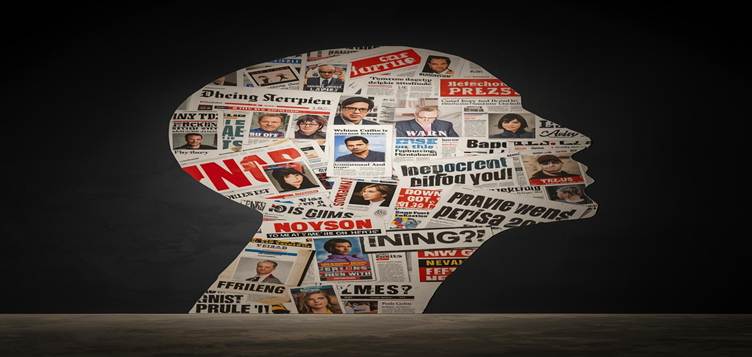
Public opinion plays a crucial role in shaping democratic societies, and India, with its vibrant and diverse population, is no exception. The diverse cultural, linguistic, and socio-economic fabric of India adds complexity to the formation and expression of public opinion. This section aims to provide a detailed analysis of public opinion in India, exploring its significance, determinants, and impact on the nation’s governance. Additionally, we will probe into one abstract from the perspective of journalism, highlighting the role of media in shaping public opinion.

1. Significance of Public Opinion
Public opinion refers to the collective thoughts, beliefs, and attitudes held by individuals within a society. It acts as a driving force behind policy decisions, electoral outcomes, and public discourse. In India, a country with a rich democratic tradition, public opinion has an important effect on the political landscape. It serves as a referendum on the government’s actions, holding leaders accountable to the wishes of the people.
2. Determinants of Public Opinion
Understanding the factors that influence public opinion is crucial to grasping the nuances of the Indian context. Several determinants shape public opinion in India, including socio-economic factors, cultural and religious beliefs, educational background, regional identities, and media influence. These factors, combined with historical events and political affiliations, shape the diverse perspectives found within Indian society.
3. Role of Media in Shaping Public Opinion
Journalism is often described as the fourth pillar of democracy, and it plays a significant role in shaping public opinion. In India, the media has evolved as a powerful tool for disseminating information and influencing public sentiment. However, with the rise of digital platforms and social media, journalism faces new challenges and responsibilities. Journalists must maintain journalistic integrity, providing unbiased, fact-based reporting to foster an informed public opinion. They must guard against sensationalism and fake news, which can distort public sentiment and erode the credibility of the media.
4. Impact of Public Opinion on Governance
Public opinion has a direct impact on the governance of India. It acts as a feedback mechanism, allowing citizens to voice their concerns and preferences. Governments often gauge public opinion to understand the needs of the people and shape their policies accordingly. Public sentiment also influences electoral outcomes, as political parties strive to align their agendas with the aspirations of the public. Elected representatives, aware of the power of public opinion, are more likely to address public grievances and work towards the welfare of the nation.
Public opinion in India is a dynamic and ever-evolving concept, shaped by a multitude of factors. Understanding its significance, determinants, and impact on governance is crucial for aspiring journalists. The media, as the custodian of public opinion, has a responsibility to report objectively and foster an informed citizenry. By comprehending the intricacies of public opinion, journalists can contribute to the healthy functioning of Indian democracy, ensuring that the voices and concerns of the public are accurately represented.
I. ITS FUNCTIONS IN SOCIETY
Introduction
Public opinion serves as the lifeblood of a thriving democracy, and in India, a nation of immense diversity and democratic values, it plays a vital role in shaping the socio-political landscape. This engaging section aims to explore in detail the various functions of public opinion in India. From providing a check on governmental actions to fostering informed decision-making, public opinion acts as a catalyst for positive change. Additionally, we will delve into one abstract from the perspective of journalism, highlighting the role of media in reflecting and amplifying public opinion.

1. Public Opinion as a Check on Governance
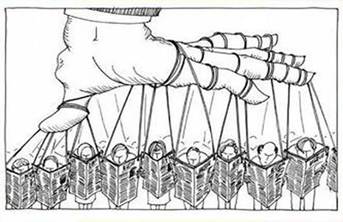
Public opinion acts as a crucial mechanism for holding the government accountable and ensuring transparent governance. In India, citizens express their views through various channels, including public demonstrations, social media platforms, surveys, and electoral processes. The government, recognizing the significance of public sentiment, considers public opinion when formulating policies, making legislative decisions, and implementing reforms. By providing feedback and critique, the public contributes to the continuous improvement of the nation’s governance.
2. Public Opinion as a Catalyst for Social Change
Public opinion plays a transformative role in India’s social fabric. It acts as a catalyst for change, driving societal progress by influencing public discourse on issues such as gender equality, caste discrimination, religious tolerance, and environmental conservation. Public opinion mobilizes collective action, inspiring citizens to participate in social movements, advocacy campaigns, and community initiatives. Through their collective voices, the public puts pressure on policymakers to address social injustices and enact positive reforms.
3. Public Opinion as a Tool for Policy Formation
Public opinion is invaluable in shaping policy decisions. Governments rely on public sentiment to identify the needs, desires, and concerns of the population. By conducting surveys, opinion polls, and public consultations, policymakers gain insights into the priorities and preferences of the citizens they represent. Public opinion guides the formulation and implementation of policies that align with the aspirations of the people. It ensures that policies are responsive to the changing dynamics and evolving needs of Indian society.
4. Role of Media in Reflecting and Amplifying Public Opinion
Journalism acts as a conduit between public opinion and the larger society. In India, the media plays a crucial role in reflecting and amplifying the voices of the people. Journalists act as facilitators, reporting on public sentiment and providing platforms for public discourse. They cover diverse perspectives, enabling the public to make informed decisions. Journalists have a responsibility to report objectively, ensuring that public opinion is accurately represented. By doing so, they empower the citizenry and strengthen the democratic fabric of the nation.
The functions of public opinion in India are multifaceted and integral to the functioning of a robust democracy. It serves as a check on governance, propels social change, shapes policy decisions, and is amplified by the media. Aspiring journalists must recognize the power and significance of public opinion in their reporting. By accurately reflecting and analyzing public sentiment, journalists contribute to an informed citizenry, facilitating a vibrant democracy where the voices of the people are heard and valued.
About the Author