

Film campaign planning is the strategic process of organizing and executing promotional activities to generate awareness, excitement, and audience engagement for a film before and after its release. The planning typically involves setting clear objectives, identifying target audiences, choosing the right communication channels, developing creative content, scheduling promotional events, and continuously monitoring and optimizing the campaign based on analytics.
Key Steps in Film Campaign Planning
- Objective Setting: Define what the campaign aims to achieve (e.g., high box office, brand partnerships, franchise building).
- Audience Identification: Determine the primary and secondary target audiences.
- Content Creation: Develop posters, trailers, teasers, interviews, and interactive content.
- Channel Selection: Choose platforms—TV, radio, print, outdoor, and especially digital (social media, YouTube, OTT ads).
- Event Planning: Organize launch events, press conferences, and fan interactions.
- Analytics & Optimization: Track performance metrics (reach, engagement, sentiment) and adjust the campaign accordingly.
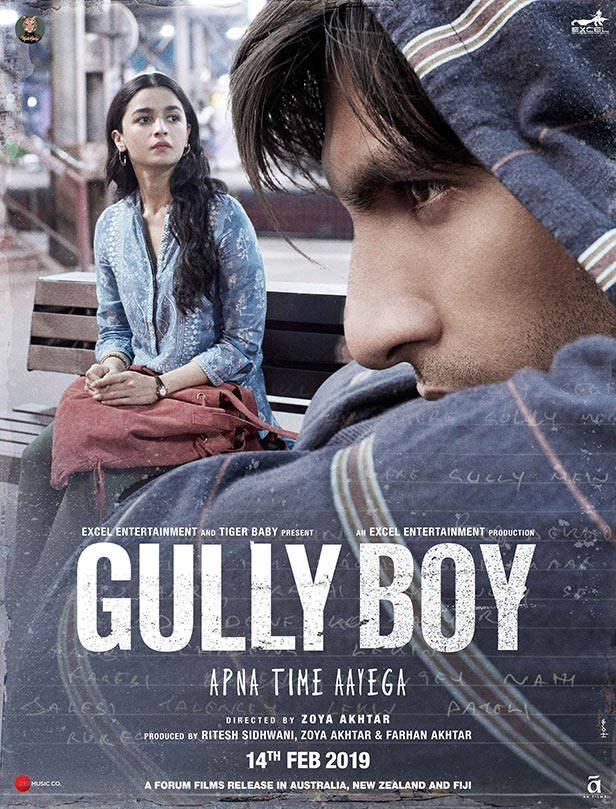
Indian Movie Example: “Gully Boy” (2019)
Campaign Overview:
- Objective: Build hype for a youth-centric film inspired by Mumbai’s rap culture, aiming for both critical acclaim and youth engagement.
- Target Audience: Urban youth, hip-hop fans, and Bollywood moviegoers.
Campaign Strategies:
- Trailer & Song Launch:
- The song “Apna Time Aayega” dropped on YouTube and music platforms, instantly going viral.
- Social Media Engagement:
- Ranveer Singh and Alia Bhatt engaged fans on Instagram, sharing rap challenges and behind-the-scenes videos.
- Interactive hashtags like #GullyBoyChallenge encouraged user-generated content and rap entries.
- Collaborations:
- We collaborated with Indian rappers and influencers who shared original music and remixes.
- Street Events:
- The events included live rap battles and flash mobs in major cities.
- Analytics:
- We utilized YouTube Studio and Meta Insights for monitoring engagement and optimizing content, with a particular focus on cities and demographics demonstrating the highest level of interest.
Outcome:
- The result was a significant increase in online buzz and viral trends.
- The film had a strong box office opening and achieved critical success.
- The movie significantly increased the mainstream popularity of hip-hop culture in India.
In summary:
Film campaign planning is a structured and data-driven approach to promoting a movie. Using “Gully Boy” as an example, we see how a well-planned campaign—leveraging digital, grassroots, and influencer marketing—can generate excitement and drive a film’s commercial and cultural success.
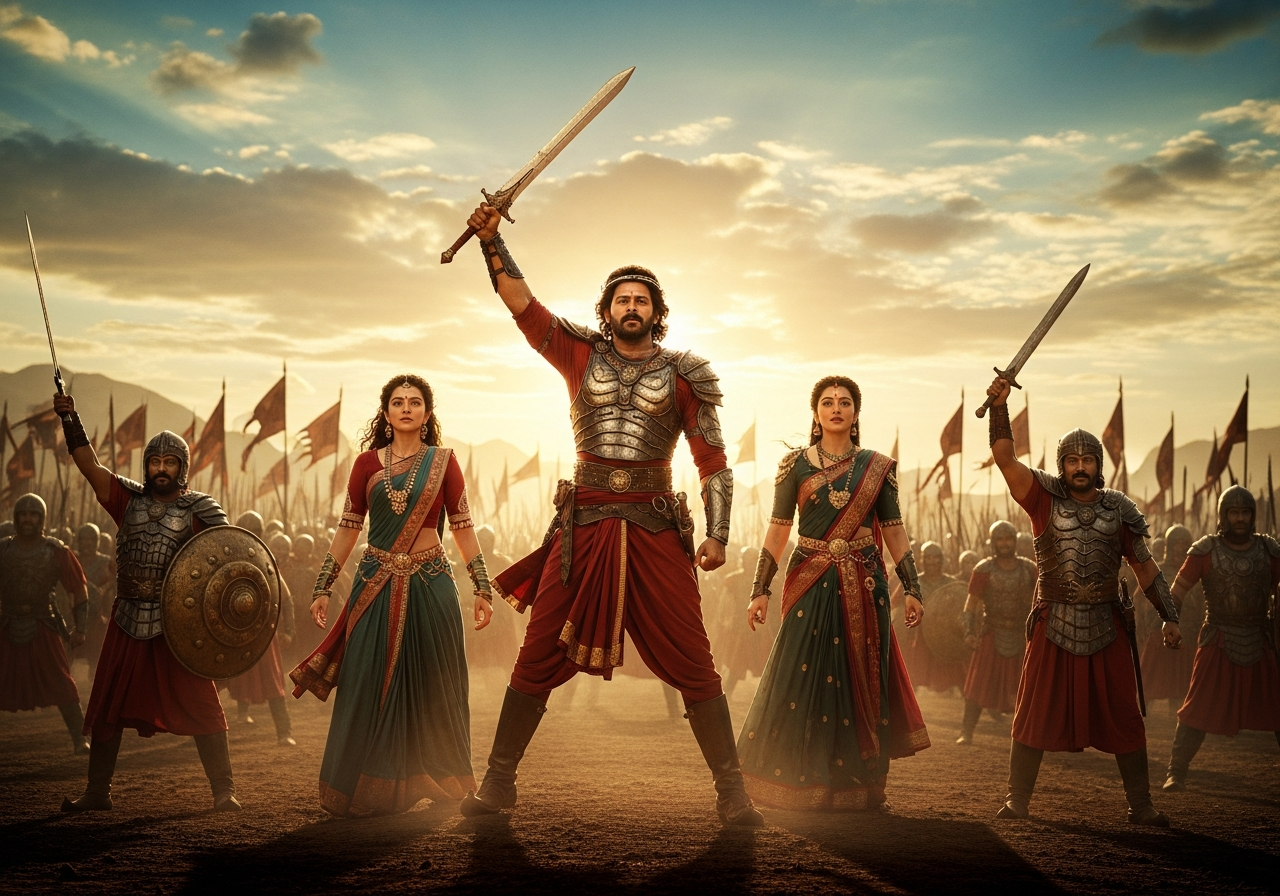
Campaign Planning: Case Study of “Baahubali 2: The Conclusion” (2017)
Film Overview:
“Baahubali 2: The Conclusion” is an epic action film and one of the most successful Indian movies, released in multiple languages nationwide.
1. Objective Setting
- Primary Goal: Maximize nationwide box office revenue and create a pan-India phenomenon.
- Secondary Goals: Boost merchandise sales, expand franchise potential, and enhance digital footprint.
2. Target Audience
- Demographics: All age groups, across urban and rural India, including non-Telugu-speaking regions.
- Geographic Focus: National (Telugu, Hindi, Tamil, Malayalam, and Kannada markets) and the Indian diaspora abroad.
3. Campaign Strategies
A. Pre-Release Buzz
- Teaser & Trailer Launch:
- The teaser and trailer were released on YouTube and social media, garnering millions of views within a matter of hours.
- There were exclusive trailer launch events held in multiple cities.
- Social Media Campaigns:
- “#WKKB” (Why Kattappa Killed Baahubali) trended on Twitter, creating curiosity and viral discussions.
- Official pages posted behind-the-scenes content, character posters, countdowns, and interactive quizzes.
- Influencer Collaborations:
- Regional and national celebrities promoted the film.
- Popular social media accounts amplified memes and fan theories.
B. Partnerships & Merchandising
- Brand Tie-ups:
- Amul, Ola, and apparel brands formed partnerships for co-branded promotions.
- Merchandising included toys, apparel, and comic books.
- In-Theatre & Outdoor Promotions:
- Life-size statues, billboards, and mall installations recreated iconic scenes for audience engagement.
C. Regional Customization
- We customized trailers and posters to cater to various regional markets.
- We conducted interviews and made TV show appearances in multiple languages.
D. Analytics & Optimization
- We utilized YouTube Studio and Meta Insights to track engagement and make necessary adjustments to our ad spending.
- Google Analytics tracked official website traffic and ticket sales conversions.
4. Evaluation & Results
- Reach:
Trailers and songs collectively reached hundreds of millions across platforms before release. - Engagement:
Social media posts received record-breaking likes, comments, and shares.
“#Baahubali2” trended consistently pre- and post-release. - Box Office:
The film set new records, becoming the highest-grossing Indian film at the time. - Franchise Growth:
The massive campaign success paved the way for spin-offs, animated series, and a dedicated fan community.
Conclusion
“Baahubali 2: The Conclusion” exemplifies how strategic campaign planning—including viral content, regional customization, cross-platform promotion, and data-driven optimization—can turn a film release into a national event and commercial milestone.
About the Author