

Introduction
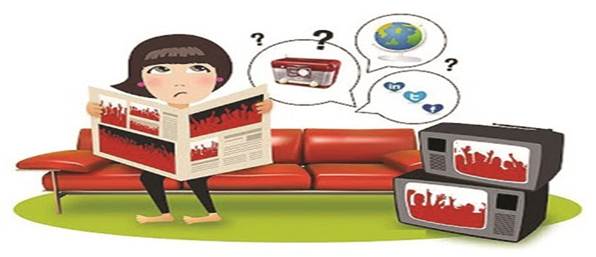
In today’s interconnected world, the media has an important function in forming public opinion and influencing policymaking. As promising journalists, it is vital to understand how the media can impact political discourse and policy decisions. This section explores the various ways in which media influences political opinions and policymaking, offering helpful observations from a journalism standpoint.
1. The Power of Information
Media acts as a primary source of information for the public, offering news and analysis on political events and policies. Through accurate and unbiased reporting, journalists inform citizens about political developments, enabling them to form opinions. By presenting multiple perspectives, the media encourages critical thinking and fosters a well-informed electorate.
2. Agenda Setting
Media outlets are empowered to shape public discourse by determining the topics and issues that receive extensive coverage. This process, known as agenda setting, influences the public’s perception of what is important. By selectively highlighting certain issues, the media can generate public interest and bring political matters into the spotlight, influencing policy debates.
3. Framing
Framing refers to the presentation and contextualization of news stories. Journalists employ different frames to shape the way the audience interprets political events and policies. The media’s framing choices can influence public opinion by emphasizing specific aspects or angles, thereby influencing how people perceive and understand political issues.
4. Political Bias
Journalism, like any human effort, is liable to biases. Biases can arise from various factors, such as personal beliefs, organizational interests, or societal pressures. When media outlets exhibit biases in their reporting, it can sway public opinion and contribute to the polarization of political discourse. It is essential for journalists to strive for objectivity and balance in their reporting to ensure a fair representation of political viewpoints.
5. Role as a Watchdog
One of the core functions of the media is to serve as a watchdog over government activities and policies. Through investigative journalism and holding those in power accountable, the media plays a crucial role in exposing corruption, malfeasance, and policy failures. By highlighting these issues, the media can influence public opinion and put pressure on policymakers to take corrective actions.
6. Media Effects on Policy Making
Media can have a direct impact on policymaking by shaping public sentiment and influencing policymakers. When politicians perceive a groundswell of public opinion on a particular issue, they are more likely to respond and take action. Media coverage and public opinion polls can influence policy priorities, agenda setting, and the decision-making process, driving lawmakers to address pressing concerns.
In an era dominated by media, understanding its role in influencing political opinions and policymaking is paramount for aspiring journalists. Through the power of information, agenda setting, framing, and serving as a watchdog, the media exerts significant influence on public discourse and policy decisions. As journalists, it is our responsibility to approach our work with integrity, strive for objectivity, and ensure that the information we provide fosters a well-informed citizenry capable of making educated decisions about their political future.
About the Author