


A. METHOD OF LADDERING SERVES AS A GUIDE TO CREATIVITY
Introduction
Laddering is a technique to find out what people value. The method of laddering as a guide to creativity is a technique that is particularly advantageous in drawing goals and essential values, and therefore, perhaps helpful during early stages of creativity. The creative advertisements are more effective in motivating people to buy products than advertising that simply lists product benefits and features.
According to Stephan Vogel, Ogilvy and Mather Germany’s chief creative officer, “Nothing is more memorable, longer lasting, works with less media spending, and builds a fan community…faster.” However, categorizing product benefits comprises finding out what the consumer really needs and wants, not just listing various product features.
Laddering of creative techniques
Laddering is a method for creating a framework that serves as a starting point for initiating creative work. It is primarily a method that involves addressing both general and specific ideas related to creativity. The idea ladders provide a foundation for creative work, beginning with specific ideas. There are five laddering creative techniques, which are as follows:
1. Problem definition
The first technique is problem definition, which includes problem analysis and all other features associated with clearly defining the problem.
2. Idea generation
Idea generation involves the divergent processes of generating ideas.
3. Idea selection
Idea selection is a convergent process that involves distilling numerous ideas into practical solutions.
4. Idea implementation
In the idea implementation step, the marketers or researchers turn the refined ideas into reality.
5. Processes
In this step, marketers or researchers identify the structures and methods that examine the entire process of creativity from start to finish.
Case study
Laddering creative techniques (Regular Beer versus Craft Beer)
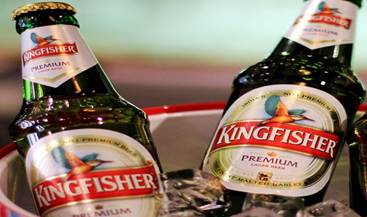
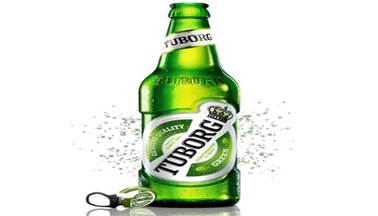
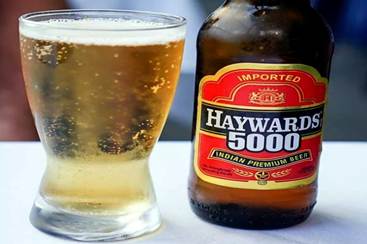
Regular beer is generally mass-manufactured and is usually a pale yellow that is delightful when ice-cold and in large volumes. However, craft beer centers more on flavors and habitually has higher alcohol content than regular beer.
Regular bear

Craft Beer




Laddering techniques involve comparing specific ideas to general ideas.
The specific ideas
The craft beer centers more on flavors and habitually has higher alcohol content than regular beer. It is a complex mix of ingredients and processes that leads to the winning position in the world of craft beer.
The craft beer industry has evolved over years through small innovations in key aspects of the brewing process. The craft beer society aspires for its members to resemble the finest of their beers, possessing not only hidden depths but also an amber quality.
The general ideas
The general ideas come from the derived themes, like points of departure, which can be further developed in a potential text. For example, craft beer brings a revolution to the beverage industry with its breakdown into many types and flavors that make up a successful drink.


B. ADVERTISING FORMULATION
Introduction
Advertising formulation is the process of defining a campaign’s goals and objectives. It allows formulators to create a guide. It studies the market and uses those figures to regulate what campaign methods will be best at reaching consumers and enticing them to seek the business service.
Advertising formulation is defining what you want to achieve in terms of promotion. It could be as easy as telling potential customers what you sell and how it helps them. The general objective of an advertising campaign is to inform people about the product, convince buyers, and make it available to customers. The steps of advertising formulation are as follows:
1. Research
Conducting market research for the product under advertisement is the first step. One needs to find out the product demand, competitors, and others.
2. To know the target audience
In the first step, we need to know who is profitable enough to buy the product and who the targeted audience should be.
3. Setting the budget
In this step, establish the budget by considering all elements such as presentation, media, and other necessary formalities that contribute to the advertising process and identify areas that require funding.
4. Determining the theme of advertising
The campaign’s theme must be based on the brand’s advertising colors, size, shape, graphics, music, and jingle.
5. Selecting suitable media channels
The selection of appropriate media should focus on those that will effectively reach the target customers.
6. Media scheduling
The scheduling of media channels suitably helps to reach target consumers at the right time or in the right place.
7. Executing the campaign
At the end the campaign has to execute, and then the feedback should be taken.
About the Author