

Introduction
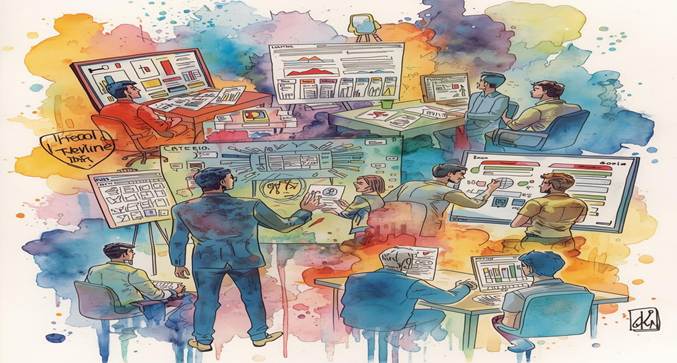
Media project management applies structured planning, execution, and control processes to deliver media content—such as films, videos, digital campaigns, podcasts, or social media projects—on time, within budget, and to creative standards, adapting traditional project management to the fast-paced, collaborative nature of media workflows.
Core Elements
It encompasses defining project scope (e.g., a 30-second ad or feature film), assembling cross-functional teams (creatives, technicians, clients), managing timelines via tools like Gantt charts or Asana, budgeting for assets (e.g., shoots, editing), and mitigating risks like scope creep or talent delays. Phases mirror film production: pre-production (planning/storyboarding), production (content capture), and post-production (editing/delivery), with agile methods common for iterative digital work.
Key Differences from General PM
Media projects emphasize creative approvals, stakeholder feedback loops (e.g., client revisions), and deliverables like final cuts or live streams, often using software such as StudioBinder, Celtx, or Monday.com for asset tracking and real-time collaboration.
Importance in Media Business
Effective management cuts costs by 20-30% through efficient resource allocation, ensures brand alignment, and speeds time-to-market, as seen in campaigns where poor planning leads to missed viral windows.
About the Author