

Introduction
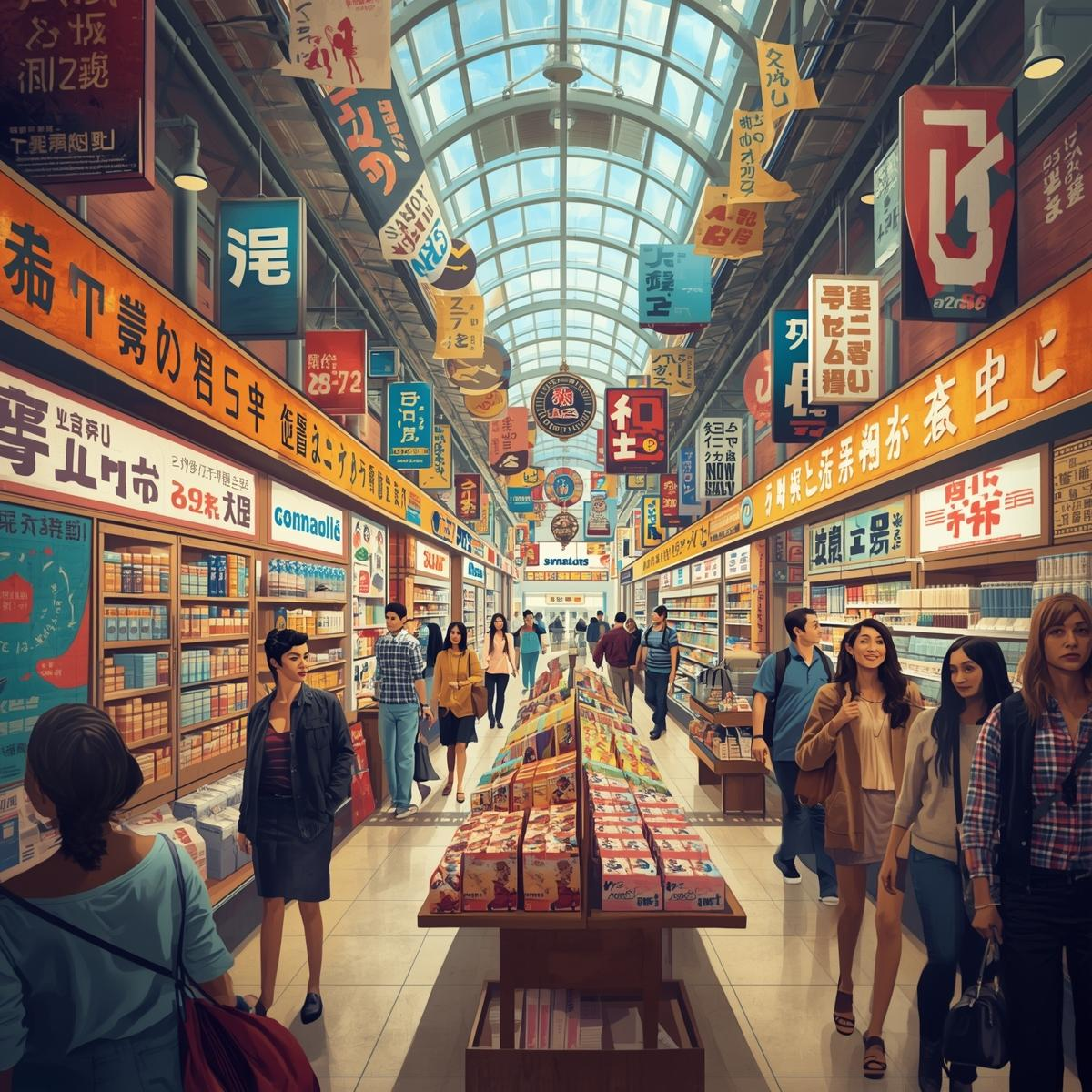
The producer doesn’t care where consumers buy its product. The aim of the retail advertiser differs from that of the national advertiser. The retailer’s advertisements encourage support by consumers and build store trustworthiness among them. The retailer is primarily focused on promoting their store rather than any specific brand. The general move towards retail advertising is “buying at our store.” The retailer is unconcerned with the sale of any definite brand, unlike the national advertiser.
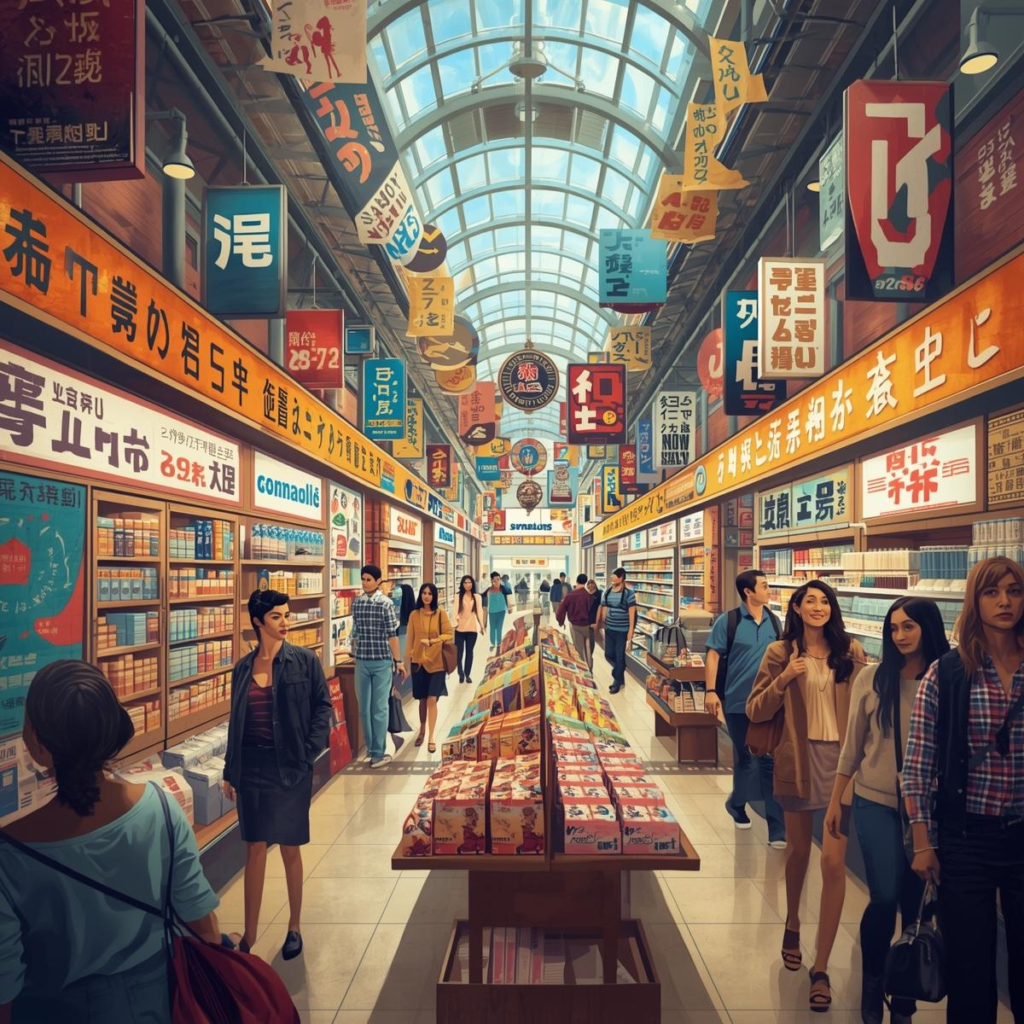
The retailer must contend in one of the most reasonable arenas of business and move enormous volumes of products. Moreover, retail advertising must convey the store’s image in order to primarily attract specific types of consumers. To attain these objectives, retailers often communicate price information, service and return policies, and the range of products available.
The local retailers, like supermarkets, department stores, etc., have a wide range of products that they wish to render to their potential target market. Now audio-visual media is very helpful for advertising, and the local retailers prefer it for their product assortments. However, they prefer local channels primarily due to cost considerations. The advertising options and media preferences of these retailers ultimately depend on whether they are re-advertising national brands or originally advertising local brands.
The intention of these retailers to advertise these product brands is to let the potential market know about the accessibility and special promotional offers. Newspapers are an excellent medium in terms of cost and complicated space. The brand image has already established itself, so the quality of the advertisement holds no significance here. Moreover, the local advertisers get striking rates from the newspaper.
Original advertisers at the local level have the same purpose as that of the national brand advertisers, but the local retailers have a possibility in three areas regarding their choices:
1. Product versus service selling
2. Extent of product mix
3. Number and geographic distribution of customers
For example, in Kolkata, a supplement on glossy pages comes with every Friday issue of The Telegraph in Salt Lake City. This supplement features all the advertisements of retailers in and around Salt Lake. Direct mail can also be used in cases where the products have a wider mix. Handbills are also used at times for announcements and special promotions. But for both direct mail and handbills, the number of customer prospects should be large enough.
Another significant area of retailers is their store likeness. Though many consider the product advertisement media as primary for retailers and store likeness promotion media as secondary, there are many retailers who depend on the faithfulness of their customers towards their brand name and their footfall. Many retailers argue that getting the customer into the shop is the most complicated job.
Store likeness advertising has the following objectives:
1. Brand remembrance
2. Brand positioning
3. Brand Purchase objective
In India, retailing has caught up in a big way. Today one finds the presence of huge retail stores like Crossroads, Shoppers Stop, and Big Bazaar, etc., that are doing well. It has a bright future and looks all set to grow. Currently, it is an urban phenomenon found in metropolises such as Mumbai, Delhi, and Bangalore. However, this trend is expanding into smaller towns, which represent the market of the future.
We outline the main purposes of retail advertising below.
1. Selling the business: To sell the business, attract customers to the location and, in the case of a shop, enhance what is known as ‘store traffic,’ i.e., try to enhance the number of people passing in the course of the shop. Expecting them to enter could lead them to purchase items they might not have otherwise.
2. Selling special or own-branded goods: Certain retail distributors are selected to serve as dealers for specific brands. An example is that some supermarket retailers sell their own branded goods, which manufacturers pack in the name of the supermarket (for example, D-Mart sells PREMIA). Some enormous department stores have a special brand name for all their products; consistently, they will be cheaper, and they compete with national brands.
Competition between national and own brands is strong, and there is always a risk that the national brands will be delisted in favor of a store’s own branded products. Own-branded products are frequently made to the retailer’s own terms or recipes and are not simply replicas of existing national brands. All the retail outlets are able to use advertising to encourage the sale of their stock.
3. Clearance Sale: To clear the stock of the shop, such as by promoting seasonal products, special offers could be made. Examples are the sale of assured products during winter or the summer sale of air conditioners during winter and water heaters during summer.
Typically, the retailer operates in a geographically limited market. This approach approach allows him to focus his advertising communication on the likes, preferences, and buying habits of the targeted audience. The retailer advertises for an impetuous, relatively quicker response to most of this local advertising, while the national advertiser’s prime attention is in establishing long-run favorable attitudes and building brand equity.
The principal media for retail advertising are:
1. Local weekly newspapers.
2. Local daily newspapers, of which most are ‘evening’
3. Public transport outside posters and inside cards.
4. Direct mail to regular customers.
5. Local commercial television
6. Independent local radio
7. Window bills and point-of-sale displays within the shop and in-store displays
8. Catalogues.
Retail advertising is categorized by four main aspects:
1. Creating an representation
2. Establishing its position
3. Unique kind of goods offered
4. Reasonable price offers
Although telephone ordering and the use of credit accounts and credit cards are rising features, the object of the advertising is to convince people to visit the shop so that they not only buy the desired items but also pay attention to the large assortments of brands and various products, and some cross-selling happens through the well-prepared efforts of the store salespeople.
About the Author