

Introduction
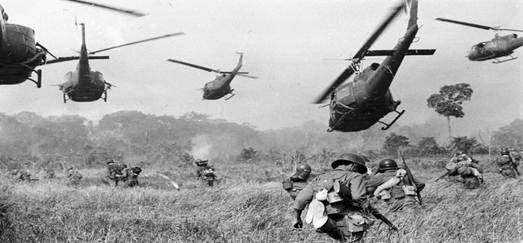
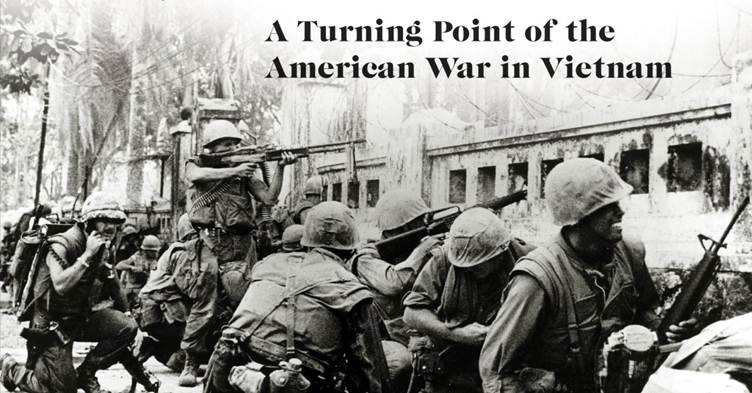
Initially deployed in modest numbers during the 1950s, American military advisors were widely implemented starting in 1961, and active combat forces were added in 1965. Moreover, over 500,000 Americans were serving in the military in Vietnam by 1969. The North, in turn, provided backing, political guidance, and regular combat soldiers for the battle in the South as the Soviet Union and China poured weapons, supplies, and advisers into the region. By 1973, all American combat units had left the country due to the mounting expenses and losses of the conflict. The North’s full-scale invasion of South Vietnam in 1975 resulted in its collapse.
The North Vietnamese communist government fought South Vietnam and its main ally, the United States, in the long, expensive, and contentious Vietnam War. The ongoing Cold War between the United States and the Soviet Union exacerbated the issue. Over 3 million people died in the Vietnam War, more than half of whom were Vietnamese civilians (including over 58,000 Americans).
Even after President Richard Nixon signed the Paris Peace Accords and ordered the withdrawal of U.S. soldiers in 1973, the American people’s opposition to the war remained deeply divided. South Vietnam was taken over by communist forces in 1975, which put an end to the war. The following year, South Vietnam was united as the Socialist Republic of Vietnam.
1. Origins and Key Players
The roots of the Vietnam War can be traced back to the country’s struggle for independence from French colonial rule in the mid-20th century. The conflict escalated after the division of Vietnam into communist North Vietnam, led by Ho Chi Minh, and the anti-communist South Vietnam, supported by the United States. The United States, driven by the domino theory and fears of communism spreading in Southeast Asia, committed military forces and became deeply tangled in the war.
2. Tactics and Technologies
The Vietnam War witnessed a stark contrast between conventional warfare and guerrilla tactics. The Viet Cong, a communist insurgency group in South Vietnam, employed hit-and-run attacks, ambushes, and complex tunnel systems, making it a formidable opponent. The U.S. and its allies, on the other hand, relied heavily on superior firepower, air strikes, and advanced technologies such as helicopters and napalm. This clash of strategies created a challenging and protracted conflict.
3. Escalation and Anti-War Movement
As the war dragged on, public sentiment in the United States grew increasingly divided. The images of violence, civilian casualties, and the controversial use of chemical defoliants like Agent Orange sparked widespread protests and an anti-war movement. Opponents argued against the war’s moral justification and criticized the U.S. government’s policies, leading to a significant shift in public opinion and a demand for troop withdrawal.
4. End of the War and Legacy
By the early 1970s, with mounting casualties and limited progress, the United States began withdrawing its forces from Vietnam. The Paris Peace Accords were signed in 1973, effectively ending American involvement, but the war continued between North and South Vietnam. In 1975, North Vietnamese forces captured Saigon, the South Vietnamese capital, leading to the reunification of Vietnam under communist rule.
The Vietnam War left a profound impact on the countries involved and the global stage. It claimed the lives of millions of people and caused immense suffering. The conflict exposed the limitations of military power and sparked debates on foreign intervention. It also influenced subsequent U.S. foreign policy decisions and shaped public skepticism towards future military engagements.
The Vietnam War serves as a reminder of the complexities and consequences of armed conflicts. It remains a symbol of the struggles for independence, the brutality of warfare, and the power of grassroots movements. Understanding this significant section in history allows us to reflect on the lasting legacy of the Vietnam War and strive for peaceful resolutions in future conflicts.
The Vietnam War stands as a defining moment in the history of media coverage of wars. The Vietnam War signified a significant shift in the dynamic between journalists and the military, and also in the public’s confidence in media reporting. The media’s coverage of the Vietnam War had a profound impact on public opinion, political discourse, and the anti-war movement. Analyzing the Vietnam War from the media’s perspective reveals the challenges faced by journalists, the evolving role of media in shaping public perception, and the consequences of media coverage on both the war itself and the field of journalism.
5. The Power of Television
The Vietnam War was the first televised war, bringing the harsh realities of combat directly into people’s living rooms. Television news networks, such as CBS with Walter Cronkite and NBC with its “Five O’Clock Follies,” provided graphic footage of the war, including scenes of violence, civilian casualties, and the emotional toll on soldiers. The immediacy and visual impact of television coverage deeply affected public opinion, provoking a sense of horror and disbelief among viewers.
6. Embedded Journalism
During the Vietnam War, the concept of embedded journalism emerged, where journalists were assigned to military units to provide on-the-ground reporting. This close proximity to soldiers allowed journalists to witness combat firsthand but also posed challenges to independent reporting. While embedding offered access to the frontlines, it also raised questions about objectivity and potential censorship, as journalists had to rely on military cooperation and faced pressure to present a positive image of the war effort.
7. The Pentagon Papers
The release of the Pentagon Papers in 1971 was a watershed moment for media coverage of the Vietnam War. The leaked documents, originally commissioned by the U.S. Department of Defense, revealed government deception, including the extent of U.S. involvement in Vietnam and the discrepancy between official statements and private assessments. The publication of the Pentagon Papers by The New York Times and The Washington Post highlighted the role of investigative journalism in uncovering hidden truths and holding the government accountable.
8. Media Criticism and Public Skepticism
The Vietnam War exposed the public to the harsh realities of war and raised doubts about the government’s narrative. Media coverage of the war led to increased skepticism among the public, as discrepancies between official statements and on-the-ground reporting became evident. Journalists faced criticism from government officials and segments of society who accused them of bias, anti-war sentiment, and undermining national security.
9. Changing Public Opinion
The media’s coverage of the Vietnam War played a significant role in shaping public opinion and fueling the anti-war movement. Television footage of the war’s brutality, combined with the publication of graphic images in print media, contributed to a sense of outrage and mobilized public opposition to the conflict. Journalistic reporting challenged the government’s claims of progress, exposing the realities of the war and its human cost.
10. Legacy and Lessons Learned
The Vietnam War had a profound impact on journalism, prompting a re-evaluation of the media’s role in war reporting. The war highlighted the importance of independent journalism, accountability, and the need for accurate, unbiased reporting. It also underscored the ethical dilemmas journalists face in balancing patriotism, objectivity, and the responsibility to inform the public. The lessons learned from the Vietnam War continue to influence media practices and the relationship between journalists, the military, and the public.
Conclusion
The media’s coverage of the Vietnam War had far-reaching implications, shaping public opinion, challenging government narratives, and playing a pivotal role in the anti-war movement. The war marked a transformative period for journalism, as journalists confronted the complexities of reporting in a conflict zone, grappled with issues of objectivity and censorship, and navigated the delicate balance between patriotism and the responsibility to inform the public.
The Vietnam War remains a critical case study in the power of media in shaping public perception and holding institutions accountable during times of war. The lessons learned from the Vietnam War continue to resonate, guiding journalists to approach war reporting with critical scrutiny, ethical considerations, and an unwavering commitment to truth and transparency.
The Vietnam War highlighted the power of visual media, particularly television, in shaping public sentiment and influencing policy debates. The vivid images of destruction, wounded soldiers, and civilian suffering conveyed the human cost of war, making it difficult for viewers to remain indifferent. The war’s graphic nature fuelled public outrage, sparking anti-war protests and amplifying calls for an end to the conflict.
The embedded journalism model employed during the Vietnam War presented journalists with unprecedented access to combat zones. While this approach provided intimate insights into the daily lives of soldiers, it also raised concerns about journalistic independence and impartiality. Journalists had to navigate the fine line between portraying the reality of war and facing pressure from military authorities to present a positive narrative. This tension highlighted the challenges of maintaining objectivity when operating within a tightly controlled environment.
The release of the Pentagon Papers exposed a significant disconnect between the government’s public statements and the private assessments of military officials. This revelation shook public trust in the government’s handling of the war and underscored the critical role of investigative journalism in holding institutions accountable. The publication of classified documents showcased the media’s capacity to uncover hidden truths, challenge official narratives, and shed light on the discrepancies between policy objectives and on-the-ground realities.
The media’s coverage of the Vietnam War also initiated a broader reflection on the role of journalism in democratic societies. It raised questions about the responsibility of the press to challenge government narratives, demand transparency, and provide an accurate portrayal of events. Journalists faced scrutiny from those who believed their reporting undermined national security or weakened public morale. However, the media’s commitment to reporting the truth and providing an accurate depiction of the war ultimately proved essential in informing public opinion and fostering an open dialogue about the consequences of military intervention.
The Vietnam War’s legacy continues to shape the field of journalism, influencing the reporting and analysis of conflicts. Journalists today strive to balance the duty to inform the public with the ethical considerations of reporting on sensitive and often dangerous situations. The Vietnam War is a reminder of how important it is for journalists to be objective and independent in order to hold governments accountable, promote transparency, and get people involved in issues that are important to the country and the world.
In conclusion, the media’s coverage of the Vietnam War marked a pivotal moment in the history of war reporting. Journalists faced unprecedented challenges, grappled with ethical dilemmas, and brought the realities of the war to the forefront of public consciousness. The lessons learned from this era continue to inform journalistic practices, emphasizing the need for responsible, critical, and independent reporting in times of conflict. The media’s role in shaping public perception and holding institutions accountable remains a powerful force in ensuring an informed and engaged citizenry.
About the Author