


A. Print Advertising campaign
Here are four notable print advertising campaigns by Lowe Lintas (often referred to as MullenLowe Lintas in recent years), each with a brief analysis and criticism:
- Surf Excel – “Daag Ache Hain” (Dirt is Good)
Analysis:
The print campaign echoed the TV message that stains acquired through fun and empathy are signs of positive action, not naughtiness. Visuals showed children helping others, getting dirty in the process, reinforcing the brand’s promise that Surf Excel can handle those stains.
Criticism:
While positively received for its progressive message, some critics argued that the campaign’s effectiveness was stronger on TV than in print, where the emotional context could be harder to convey in a single static image.
- Idea Cellular – “What an Idea, Sirji!”
Analysis:
The print ads illustrated innovative uses of mobile technology to solve real-life problems—like digitalizing education or enabling social change. Often featuring the “Sirji” character, the campaign connected the brand with smart, impactful ideas.
Criticism:
Though attention-grabbing, some print executions became formulaic, relying heavily on the “Sirji” persona and sometimes lacking clarity for audiences unfamiliar with the broader campaign context from TV.
- Tanishq – “A Jewel for Every Tradition”
Analysis:
The campaign showcased Tanishq jewelry on models representing diverse Indian cultures and customs, visually reinforcing the brand’s versatility and inclusivity.
Criticism:
While the visuals were striking, some critics pointed out that the campaign might have leaned too heavily on traditional motifs, potentially missing the opportunity to appeal to more contemporary, youthful consumers.
- Bajaj V – “Invincible Indians”
Analysis:
Print ads highlighted stories of ordinary Indians who had performed heroic acts, linking their stories to the strength and spirit of the Bajaj V motorcycle (built from the metal of the INS Vikrant warship). The campaign used strong visuals and storytelling.
Criticism:
Some felt the campaign risked over-glorifying the connection between the motorbike and national pride, and that the storytelling sometimes overshadowed product features and benefits.
B. TVC Advertising campaign
- Surf Excel – “Daag Ache Hain” (Dirt is Good)
Analysis:
This iconic campaign showed children getting dirty while performing good deeds (e.g., helping friends, siblings, or elders), reinforcing the idea that stains are a sign of positive actions. It positioned Surf Excel as a brand that celebrates learning and empathy, not just cleanliness.
Criticism:
While emotionally resonant and widely loved, some critics argue the message could inadvertently encourage children to get dirty unnecessarily, or that the repeated formula has become predictable over time.
- Tanishq – “Remarriage”
Analysis:
This groundbreaking TVC broke social taboos by featuring a remarriage (a woman with a daughter getting married again), highlighting Tanishq’s inclusive, progressive approach. The ad was praised for its sensitivity and for representing modern Indian realities.
Criticism:
Although celebrated, some conservative audiences found the theme controversial. Others felt the focus on social issues sometimes overshadowed the product itself (the jewelry).
- Lifebuoy – “Help a Child Reach 5”
Analysis:
This campaign featured emotional stories from rural India, emphasizing the importance of handwashing with soap to prevent childhood diseases. The ads showed real-life stories, making a strong case for behavioral change.
Criticism:
While impactful and socially responsible, critics noted that the ads could be perceived as too somber or “preachy,” and that the focus was more on social messaging than on product differentiation.
- ICICI Prudential Life Insurance – “Bande Achhe Hain”
Analysis:
This series of TVCs depicted men performing small, everyday acts of care for their families, challenging the stereotype of emotionally distant men. It effectively drove home the need for life insurance by connecting it with love and responsibility.
Criticism:
Some critics felt the ads reinforced traditional gender roles by implying only men are responsible for family security, and that the storytelling was occasionally overly sentimental.
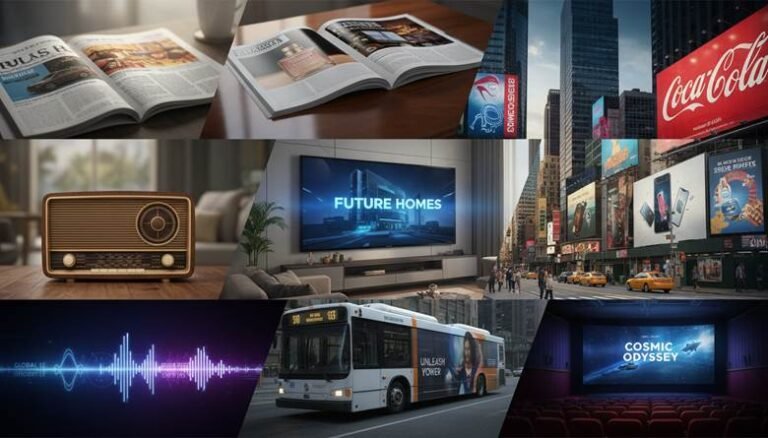
C. Outdoor Advertising campaign
Here are four notable outdoor advertising campaigns by Lowe Lintas (now MullenLowe Lintas Group), each with accompanying analysis and criticism:
- Hindustan Unilever – “Kan Khajura Tesan”
Analysis:
Though primarily a digital radio initiative, this campaign included creative outdoor installations in rural India—like painted walls and posters in villages to promote the free entertainment channel. These visuals drove awareness and encouraged people to give missed calls to access HUL’s branded content.
Criticism:
While innovative in reaching “media dark” areas, critics noted that the outdoor elements were basic and worked best when paired with digital/mobile support, not as strong standalones.
- Idea Cellular – “No Ullu Banoing”
Analysis:
This campaign used witty billboards and outdoor visuals featuring the phrase “No Ullu Banoing” (Don’t Be Fooled), warning against misinformation and fake offers. The campaign cleverly used colloquial language and bright visuals to catch the urban commuter’s attention.
Criticism:
Some felt that the phrase, while catchy, might not resonate with non-Hindi speakers or those unfamiliar with the slang, potentially limiting its effectiveness outside North India.
- Tanishq – “Festival of Diamonds”
Analysis:
During major Indian festivals, Tanishq rolled out striking outdoor billboards showcasing new diamond collections with festive themes and dazzling visuals, often placed at high-traffic urban locations to attract festive shoppers.
Criticism:
These ads were visually appealing but sometimes criticized for lacking innovation, as they relied heavily on glamour shots without strong storytelling or a unique hook.
- Bajaj V – “INS Vikrant Scrap Installations”
Analysis:
To highlight the Bajaj V motorcycle’s unique feature—being made from the metal of the decommissioned INS Vikrant aircraft carrier—Lowe Lintas created outdoor installations using actual scrap from the ship at public venues and dealerships, generating buzz and national pride.
Criticism:
While the installations drew crowds and media attention, some critics felt the campaign risked being seen as exploitative of national sentiment, and the connection between the scrap and the motorcycle’s performance was sometimes unclear.
D. Digital Advertising campaign
Here are four notable digital advertising campaigns by Lowe Lintas (now MullenLowe Lintas Group), each with a brief analysis and criticism:
- Hindustan Unilever – “Kan Khajura Tesan”
Analysis:
An innovative mobile-driven campaign targeting media-dark rural areas of India, it used missed calls to deliver free entertainment and brand messages via mobile. Digital activation was combined with on-ground promotions and content distribution.
Criticism:
While it reached millions and won global awards, critics noted it was more successful in reach than in fostering deep engagement or long-term brand loyalty, and scalability in other markets remained uncertain.
- Swiggy – “Voice of Hunger”
Analysis:
This Instagram-based campaign challenged users to send creative voice notes shaped like food items’ waveforms, driving huge user-generated content and viral participation. It leveraged platform-native features for engagement and brand recall.
Criticism:
Though highly engaging and viral among young, tech-savvy users, the campaign’s gimmicky nature meant its long-term brand impact was questionable, and it excluded those less familiar with Instagram’s quirks.
- Fastrack – “Move On”
Analysis:
Targeted at Gen Z, this digital campaign used social media, memes, and influencers to propagate its message about moving on from setbacks. The content was bold, irreverent, and interactive.
Criticism:
While resonant with the youth audience, some found the tone flippant and argued it risked trivializing serious issues like relationships and emotional health for the sake of being edgy.
- Tanishq – “#PerfectMatch”
Analysis:
A digital-first bridal campaign, #PerfectMatch showcased unconventional couples and stories, using videos, influencer collaborations, and user-generated content to break stereotypes and celebrate modern relationships.
Criticism:
The campaign was praised for inclusivity and storytelling, but some criticized it for a limited digital-only reach in a category where in-person experience is crucial and for potentially alienating traditional consumers.
About the Author