


Introduction
Public service advertisements and statements serve as promotional sources, addressing issues of general concern for citizens. The earliest public service announcements (in the form of moving pictures) were made before and during the Second World War years in both the UK and the US.
In the UK, amateur actor Richard Massingham set up Public Relationship Films Ltd in 1938 as a specialist agency for producing short educational films for the public. In the films, he typically played a bumbling character who was slightly more stupid than average and often explained the message of the film through demonstrating the risks if it was ignored. The films taught road safety, swimming, disease prevention, and crossing the street. During the war, he was commissioned by the Ministry of Information to produce films for the war effort.
Massingham began to produce longer films, for both private companies and the government, after the war. In the US, the Ad Council (initially called the War Advertising Council) was set up in 1941, when America entered World War II. After the war, PSAs were used to educate the public on a broader range of important issues.
We possibly heard, saw, or read PSAs directed at raising awareness about issues such as the dangers of smoking, the threat posed by drug use, the importance of education, and the need for safety when traveling in vehicles. PSAs can be seen on television, heard on the radio, and read in magazines and newspapers. In modern times, media need to donate some amount of airtime or print space for messages in the public interest. With free airtime, the cost of producing PSAs can be kept low while still achieving a big impact for the public good. If we want to create awareness, provide information, influence behaviors, or stress the importance of an issue, PSAs are a beneficial way to reach a large audience at a minimum cost.
Advantages of PSA’s
- PSAs are generally inexpensive.
- If the airtime is donated or space is free in print media, then only the cost of production is required. By maintaining a small budget, we can keep the costs for PSAs reasonable.
- Most public and private stations will allow you to include a telephone number for more information in your PSA.
- PSAs tend to be very effective at encouraging the audience to take action; for example, wearing a helmet while riding a bike, using a seat belt when driving a car, and not smoking in public places.
- PSA’s can raise awareness on certain issues like smoking, drinking, drugs, etc.
Limitations of PSA’s
- Because PSA’s depend on donated time or small budgets, we are unable to get them to run on all the media platforms.
- The rivalry among nonprofit groups for free airtime is intense.
- Due to the nature of donations, stations often do not track or report when your PSAs have been played.
- PSAs do require somewhat more work on our part, and they tend to be ineffective at influencing policy.
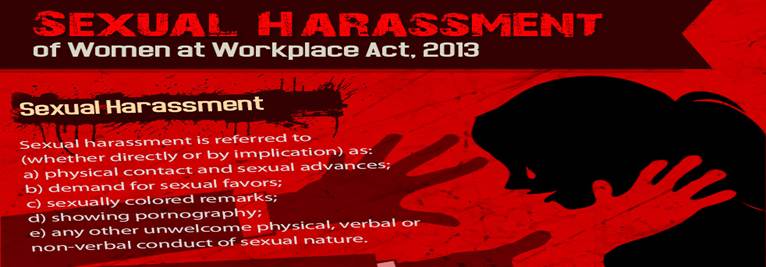
Public service advertisements images in India
Case study: Bell Bajao
This US- and India-based human rights organization launched its ‘Bell Bajao!/Ring the Bell’ campaign in 2008 to call on men and boys across India to take a stand against domestic violence (DV) by performing a simple bystander intervention—ringing the doorbell when they witnessed DV taking place. The campaign’s integrated cultural, organizing, and media strategy sought to make the issue part of mainstream conversation; increase knowledge about and change community attitudes towards DV and towards HIV-positive women; and alter individual behavior. By the end of 2010, with the support of the United Nations Trust Fund to End Violence Against Women’s PSAs on television, radio, and print, their online multimedia campaign, educational materials, and traveling video van, over 130 million people had been reached.

The Bell Bajao PSAs depict men and boys who hear males shouting, women crying, and objects falling—indicating incidence of domestic violence. They find an excuse to interrupt the violence by ringing the doorbell and asking the abuser, who appears in the doorway, for a small, unrelated, and unnecessary service. It is clear to the audience that the bell-ringer is just doing it as an ‘excuse’ to intervene, to halt the violence. See PSA: “software engineer.” Mobile video vans broadcasting the campaign PSAs allowed youth advocates to engage directly with individuals and encourage community involvement and participation through games, puppetry, street theater, and quizzes.
About the Author