

MEDIA COVERAGE OF INDIAN GOVERNMENT’S
Introduction
Media is key to determining public perception and influencing public discourse on government policies. In the Indian context, where governance affects the lives of over 1.3 billion people, the media’s coverage of government policies is of utmost importance. This section provides a detailed exploration of the use of media in covering the policies of the Indian government, shedding light on the dynamics, challenges, and responsibilities faced by journalists in this critical domain.
1. The Role of Media in Democracy
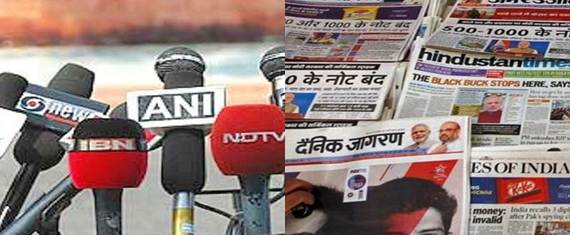
A robust and independent media is essential for a thriving democracy. In India, the media, being the fourth pillar of Indian democracy, acts as a crucial bridge between the government and its citizens, providing information, analysis, and scrutiny of government policies. By holding the government accountable, the media serves as a watchdog, facilitating transparency and fostering informed public debates.
2. The Power of Agenda Setting
Media coverage has the power to set the agenda for public discussions on government policies. Journalists and news organizations decide which policies receive prominence and how they are framed, influencing public perception and understanding. The media’s selection of policy issues, angles, and narratives shapes the public’s priorities, making agenda setting a significant responsibility for journalists.
3. Objective Reporting vs. Advocacy Journalism
Journalists face the challenge of maintaining objectivity while reporting on government policies. Striking the right balance between objective reporting and advocacy journalism can be complex. While journalists should present factual information and diverse perspectives, they must also critically analyze policies, evaluate their impact, and hold the government accountable for its actions.
4. Challenges of Access and Information Flow
Journalists often face challenges in accessing accurate and timely information about government policies. Government agencies may selectively disseminate information, hindering journalists’ ability to provide comprehensive coverage. Obtaining access to key decision-makers, relevant documents, and data can be a daunting task, requiring persistence, source-building, and investigative skills.
5. Media Biases and Ideological Influences
Media biases and ideological influences can impact the coverage of government policies. Journalists and news organizations may hold inherent biases that influence their reporting, framing, and interpretation of policies. These elements can result in either a favorable or critical portrayal of government initiatives, potentially shaping public opinion in the process.
6. Balancing Complexity and Simplification
Government policies often involve intricate details and technical jargon that may be challenging for the general public to comprehend. Journalists face the task of simplifying complex policy matters without oversimplifying or distorting the information. For communication to work and for people to understand, it’s important to find the right balance between accuracy and accessibility.
The media’s coverage of government policies in India carries immense significance in a democratic society. Journalists play a critical role in informing citizens, analyzing policies, and holding the government accountable. By understanding the dynamics of media coverage, the challenges faced by journalists, and the ethical responsibilities they carry, media students can equip themselves to become informed, fair, and responsible journalists who contribute to a vibrant and well-informed democracy.
A. ECONOMIC POLICY
Introduction
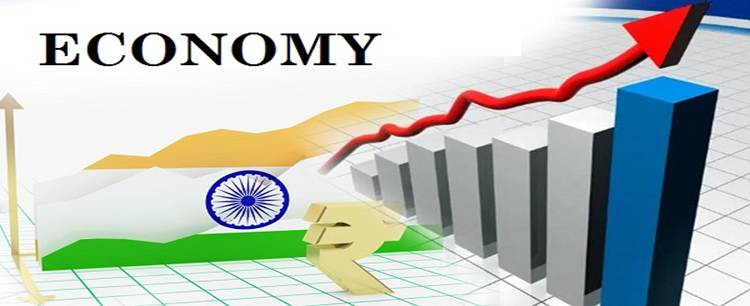
The Indian economy is a dynamic and complex landscape, where government policies hold significant implications for millions of citizens. The role of media in covering economic policy is crucial, as it shapes public perception, influences investor sentiment, and provides valuable insights to stakeholders. This section delves into the nuanced use of media in the coverage of Indian economic policy, analyzing key aspects, challenges, and recent prominent examples from a journalistic standpoint.
Journalists covering economic policy face the challenge of simplifying complex economic concepts while maintaining accuracy and depth. Reporting on economic policies demands a careful balance between technical details and their impact on people’s lives. Journalists play a critical role in providing unbiased analysis, examining the consequences of policies, and facilitating informed public discussions. Their ability to uncover crucial information, critically evaluate economic decisions, and present diverse viewpoints is instrumental in shaping the public’s understanding and fostering an environment of accountability.
1. Setting the Narrative: Media’s Agenda-Setting Power
Media outlets possess the power to shape the narrative around economic policies. Through careful selection of stories, framing, and emphasis on specific aspects, they influence public perception and the priorities of economic debates. Journalists, as agenda-setters, hold a responsibility to prioritize issues of national importance, provide nuanced perspectives, and avoid sensationalism while covering economic policy.
2. Interplay between Politics and Economics
The coverage of economic policy often intersects with political considerations. Media coverage tends to focus on the political implications of economic decisions, highlighting winners and losers, and scrutinizing the government’s approach. Journalists must navigate this complex terrain, offering objective analysis while avoiding partisan biases and maintaining the necessary independence to critique policies irrespective of political affiliations.
3. The Role of Experts and Analysts
Media coverage of economic policy frequently incorporates expert opinions and analysis. Journalists rely on economists, financial experts, and policy analysts to provide insights and interpret the potential impacts of policies. Engaging a diverse range of experts allows for a comprehensive evaluation of economic policies and fosters a more informed public discourse.
4. Balancing Complexity and Accessibility
Economic policies are often intricate, involving technical jargon and complex concepts. Journalists face the challenge of presenting these policies in a manner that is accessible to a broad audience without oversimplifying or diluting the core issues. Skillful storytelling, clear explanations, and relatable examples help bridge the gap, ensuring that the complexities of economic policy are understood by the public.
5. Recent Prominent Examples
Recent economic policy developments in India have garnered significant media attention. Examples include the introduction of the Goods and Services Tax (GST), demonetization, and various reforms such as the Insolvency and Bankruptcy Code (IBC). Media coverage of these policies highlighted their potential impact on businesses, employment, and overall economic growth. Journalists played a critical role in analyzing the consequences, soliciting expert opinions, and scrutinizing the government’s approach.
6. Sensitizing Socioeconomic Impact
Media coverage of economic policy should strive to shed light on the socioeconomic impact of government decisions. Journalists have a responsibility to go beyond abstract economic indicators and explore the real-world consequences of policies on different sections of society. By highlighting stories of individuals and communities affected by economic policies, media coverage can bring forth the human dimension and foster empathy among the public.
7. Diverse Perspectives and Stakeholder Engagement
Media coverage should aim to incorporate diverse perspectives and engage with various stakeholders affected by economic policies. This includes seeking input from businesses, labor unions, think tanks, and grassroots organizations to provide a holistic view of the impacts and potential alternatives. By representing a range of voices, journalists can contribute to a more inclusive and well-rounded analysis of economic policies.
8. Monitoring and Accountability
Media plays a crucial role in monitoring the implementation and effectiveness of economic policies over time. Journalists should follow up on policy outcomes, track progress, and assess whether the intended objectives are being achieved. By holding the government accountable for its economic decisions, media coverage acts as a vital check and balance, ensuring transparency and responsible governance.
9. Data Journalism and Fact-Checking
Economic policy discussions heavily rely on data and statistics. Journalists equipped with data journalism skills can effectively analyze and present complex economic information to the public. Fact-checking economic claims and scrutinizing government data adds credibility to media coverage and safeguards against the spread of misinformation or propaganda.
10. Economic Policy as a Public Interest Issue
Media coverage of economic policy should frame it as a matter of public interest rather than a purely technical or academic subject. Journalists can highlight the links between economic policies and broader societal issues such as poverty, inequality, employment, and environmental sustainability. By contextualizing economic policy within the larger socioeconomic context, media coverage can foster public engagement and promote an informed public dialogue.
The media’s coverage of Indian economic policy plays a pivotal role in informing, engaging, and empowering citizens. Journalists, armed with journalistic integrity, analytical skills, and a commitment to responsible reporting, have the ability to shape public understanding, influence policy debates, and hold the government accountable. By comprehensively covering economic policies, aspiring journalists can contribute to a more informed citizenry, promote transparency, and actively participate in shaping India’s economic future.
About the Author