

A. The Evolution of LGBTQ Representation in Media: From Stereotypes to Authenticity
The representation of the LGBTQ community in media has undergone a remarkable transformation over the years. From being marginalized and reduced to harmful stereotypes, LGBTQ characters and narratives have gradually moved towards authenticity and inclusivity. This section explores the journey of LGBTQ representation in media, highlighting prominent examples from across the world that have contributed to this evolution.
1. Early Stereotypes
In the early days of media, LGBTQ characters were often portrayed through damaging stereotypes, reinforcing societal biases and discrimination. Examples include the flamboyant and overly sexualized depictions of gay men, the predatory and tragic portrayals of lesbian women, and the portrayal of transgender individuals as objects of ridicule. These stereotypes perpetuated misconceptions and limited the understanding of LGBTQ experiences.
2. Challenging Stereotypes and Visibility
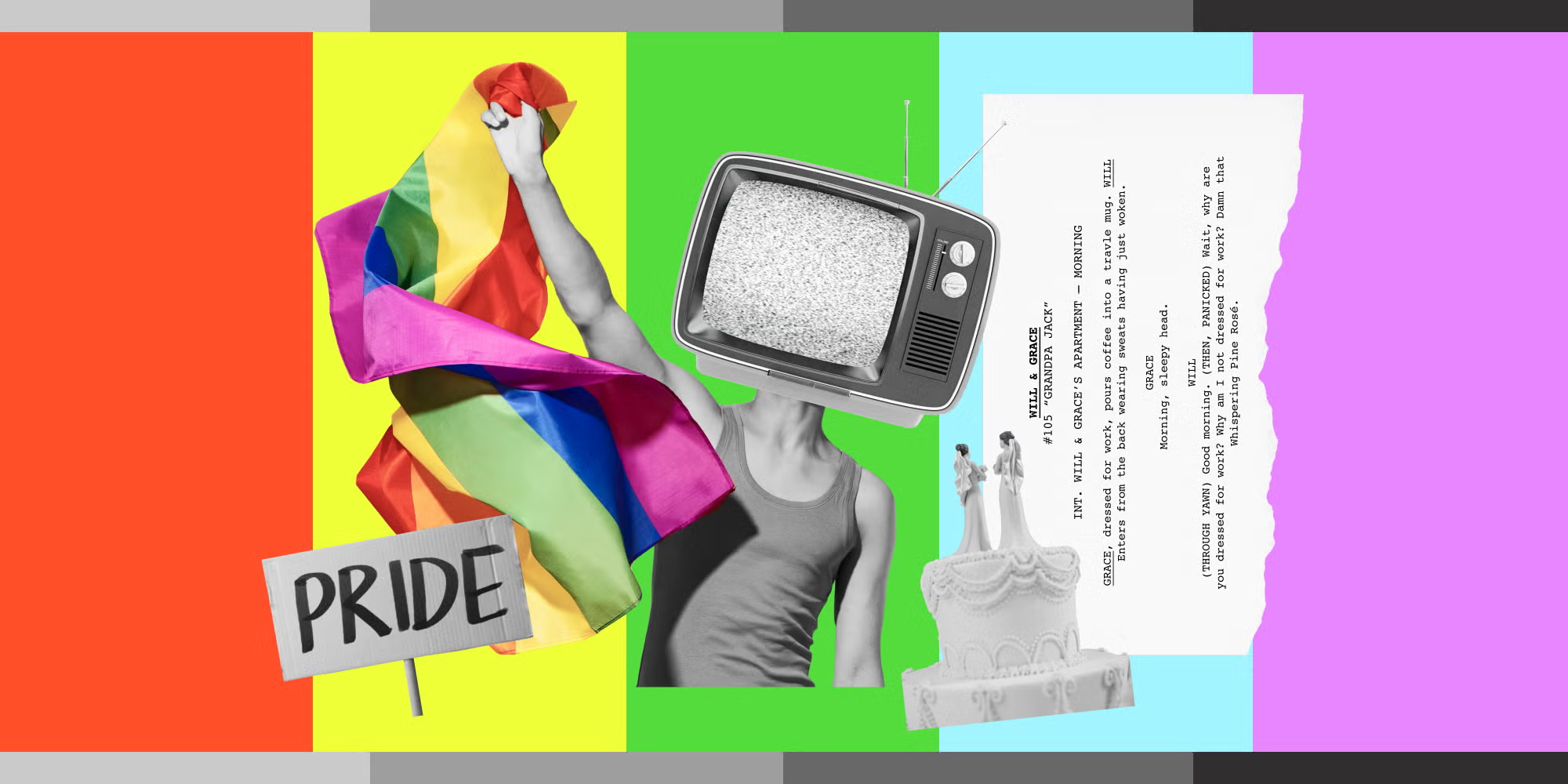
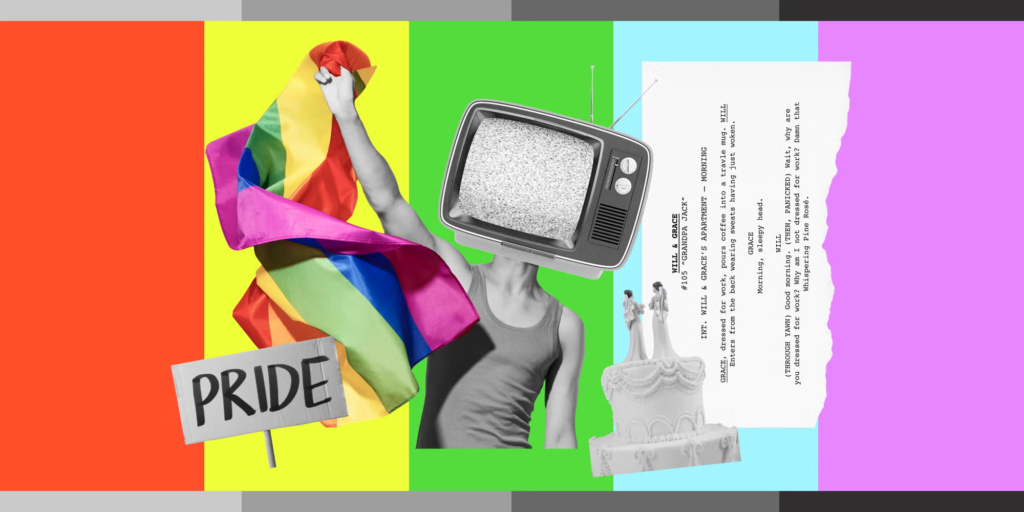
As societal attitudes began to shift, so did the portrayal of LGBTQ characters in media. Notable examples include the groundbreaking 1993 film “Philadelphia,” which addressed HIV/AIDS and homophobia, and the popular TV series “Will & Grace,” which depicted a gay man as a lead character in a non-stereotypical manner. These representations helped challenge stereotypes and brought LGBTQ issues into the mainstream consciousness, contributing to greater visibility and understanding.
3. Complex and Multidimensional Characters
In recent years, there has been a significant shift towards portraying LGBTQ characters as complex and multidimensional individuals, reflecting the diversity within the community. One notable example is the critically acclaimed TV show “Pose,” which explores the lives of transgender individuals of color in the ballroom scene of 1980s and 1990s New York. The series provides nuanced portrayals, addressing intersectionality and showcasing the challenges and triumphs of its characters.
4. Intersectionality and Inclusive Storytelling
LGBTQ representation has expanded to embrace intersectionality, recognizing that identities intersect and influence one another. The TV series “Orange is the New Black” is celebrated for its diverse LGBTQ representation, featuring characters from different racial, ethnic, and socioeconomic backgrounds and exploring their complex journeys. By acknowledging the intersectionality of identities, media narratives become more authentic, relatable, and inclusive.
5. International Progress
LGBTQ representation in media is not limited to a single country but is a global phenomenon. Several countries have made notable strides in this regard. For instance, the Indian web series “Made in Heaven” explores the lives of LGBTQ characters in the context of the country’s conservative society, challenging societal norms and shedding light on the struggles faced by the community. In Denmark, the TV series “Rita” showcases a lesbian lead character who navigates her personal and professional life, contributing to the normalization of LGBTQ experiences.
6. Transgender Representation
Transgender representation in media has gained significant attention in recent years, with a greater focus on authentic storytelling. The groundbreaking series “Transparent” follows the journey of a transgender woman and her family, portraying the complexities and challenges of transitioning. Moreover, the film “A Fantastic Woman” from Chile explores the experiences of a transgender woman facing discrimination and grief, earning critical acclaim and an Academy Award for Best Foreign Language Film.
7. Inclusive Animation
Even in the realm of animation, LGBTQ representation has made progress. The animated series “Steven Universe” features LGBTQ characters and relationships, promoting inclusivity and acceptance among younger audiences. Additionally, the film “Luca” from Pixar presents a heartwarming story about two young boys discovering their identity and the power of friendship, resonating with viewers of all ages.
The evolution of LGBTQ representation in media is a testament to the changing cultural landscape and the tireless efforts of advocates for authentic storytelling. From harmful stereotypes to multidimensional characters, media has gradually embraced LGBTQ narratives, challenging societal norms and fostering greater understanding and acceptance. Prominent examples from around the world have played a significant role in this evolution, demonstrating the power of media in shaping public perception and driving social change.
As LGBTQ representation continues to progress, it is important to acknowledge that there is still work to be done. The media industry must strive for more diverse and inclusive storytelling, amplifying the voices of LGBTQ individuals from all walks of life. It is crucial to move beyond tokenism and superficial representation, ensuring that LGBTQ characters are not defined solely by their sexual orientation or gender identity but are portrayed as fully realized individuals with unique experiences, dreams, and aspirations.
Furthermore, the responsibility lies not only with creators and storytellers but also with media consumers. As viewers, we have the power to support and engage with media that authentically represents the LGBTQ community. By actively seeking out and supporting inclusive content, we contribute to the demand for more diverse narratives and encourage the industry to continue evolving.
Conclusion
In conclusion, the evolution of LGBTQ representation in media from harmful stereotypes to authentic portrayals reflects a growing societal understanding and acceptance of the LGBTQ community. Through groundbreaking films, TV series, and other forms of media, we have witnessed the power of storytelling in challenging prejudices, fostering empathy, and promoting inclusivity. As the journey of LGBTQ representation continues, it is vital to prioritize intersectionality, encourage diverse storytelling, and celebrate the complexity of LGBTQ characters. By doing so, we pave the way for a future where LGBTQ individuals are truly seen, heard, and celebrated in the media landscape.
B. Breaking Barriers: Celebrating LGBTQ Characters in Film and Television
In recent years, Indian cinema and television have undergone a significant transformation, gradually embracing diversity and inclusivity. One of the most notable breakthroughs has been the increasing representation of LGBTQ characters on screen. This positive shift marks a significant departure from the traditional portrayal of LGBTQ individuals in Indian media, where they were often relegated to stereotypes or completely ignored. In this section, we will explore the evolution of LGBTQ representation in Indian film and television, highlighting prominent examples and the impact they have had on society.
1. The Early Days: Stereotypes and Silence
For a long time, LGBTQ characters in Indian cinema and television were depicted through stereotypes and caricatures, perpetuating harmful stereotypes and reinforcing societal biases. Homosexual characters were often used for comic relief or as objects of ridicule, failing to address the complexities and realities of their lives. This lack of authentic representation contributed to a culture of silence and ignorance surrounding LGBTQ issues.
2. Winds of Change: International Influence
The global LGBTQ rights movement, coupled with exposure to international cinema and television, played a pivotal role in challenging the status quo and bringing about a more nuanced portrayal of LGBTQ characters in Indian media. Movies and TV shows from around the world have inspired Indian filmmakers and content creators to approach LGBTQ stories with sensitivity and authenticity.
“Fire” (1996)
Deepa Mehta’s groundbreaking film “Fire” created a significant stir in Indian cinema. It portrayed a lesbian relationship between two women trapped in loveless marriages. Despite facing backlash and protests, the film sparked important conversations about sexual identity and desire in India.
“Mango Souffle” (2002)
Directed by Mahesh Dattani, “Mango Souffle” was one of the first Indian films to explore the theme of homosexuality with a blend of humor and sensitivity. The film revolved around a gay man struggling to come out to his conservative family, shedding light on the challenges faced by LGBTQ individuals in a traditional Indian society.
C. Indian Film Industry: Pushing Boundaries
“My Brother… Nikhil” (2005)
Directed by Onir, this film was inspired by the real-life story of Dominic D’Souza, an Indian swimmer who was diagnosed with HIV during the 1980s. It not only highlighted the stigma surrounding HIV/AIDS but also sensitively portrayed a gay relationship. The film shattered stereotypes and showcased the power of love and acceptance in the face of adversity.
“Aligarh” (2016)
Based on the true story of Dr. Shrinivas Ramchandra Siras, “Aligarh” delves into the life of a gay professor who faced discrimination and persecution in a conservative Indian society. Directed by Hansal Mehta, the film shed light on the importance of personal freedoms and the need for acceptance and empathy.
“Maja Ma” (2022)
“Maja Ma,” an Amazon Prime movie starring Madhuri Dixit, has the potential to break new ground by exploring the theme of lesbianism in Indian cinema. The film could depict a compelling and sensitive narrative that delves into the complexities of same-sex relationships between women in a conservative Indian society.
Through the powerful performance of Madhuri Dixit, the film could portray the emotional journey of Pallavi discovering her attraction towards another woman and the challenges she faces in coming to terms with her sexual identity. By addressing lesbianism in a respectful and authentic manner, “Maja Ma” has the potential to contribute to the evolving landscape of LGBTQ representation in Indian cinema and foster greater acceptance and understanding.
3. Television’s Role in Driving Change
“Satyamev Jayate” (2012)
Hosted by Aamir Khan, this widely acclaimed talk show dedicated an episode to the LGBTQ community in India. It brought together LGBTQ individuals, their families, and activists to discuss the challenges they face and the importance of inclusivity. The show sparked nationwide conversations and raised awareness about LGBTQ rights.
“Made in Heaven” (2019)
This Amazon Prime Video series follows two wedding planners in Delhi who navigate the complex dynamics of Indian weddings while dealing with their own personal struggles. The show unapologetically tackles issues of sexuality, gender, and class, portraying LGBTQ characters with depth and empathy.
D. The Ripple Effect: Changing Perceptions
The increased representation of LGBTQ characters in Indian film and television has had a profound impact on society. By challenging stereotypes and highlighting the experiences and struggles of LGBTQ individuals, these stories have played a crucial role in breaking down barriers and fostering acceptance. Here are some ways in which the representation of LGBTQ characters has influenced societal perceptions:
- Encouraging Conversations: Authentic portrayal of LGBTQ characters in Indian film and television has opened up conversations about sexual orientation and gender identity. It has allowed people to confront their own biases and challenge societal norms, leading to greater understanding and empathy.
- Humanizing LGBTQ Individuals: By depicting LGBTQ characters as multidimensional individuals with hopes, dreams, and emotions, Indian media has humanized them, allowing audiences to connect with their stories on a personal level. This shift has helped break down stereotypes and dismantle preconceived notions about LGBTQ individuals.
- Empowering LGBTQ Youth: The increased visibility of LGBTQ characters has had a profound impact on young people who are grappling with their own sexual orientation or gender identity. Seeing relatable and positive portrayals of LGBTQ characters on screen can provide a sense of validation, support, and encouragement to embrace their true selves.
- Challenging Legal and Social Barriers: The representation of LGBTQ characters in popular media has played a vital role in influencing public opinion and fostering acceptance, which in turn has contributed to the push for legal and social reforms. It has fueled movements advocating for LGBTQ rights, leading to significant legal milestones, such as the decriminalization of homosexuality in India in 2018.
- Increasing Diversity in Narratives: The inclusion of LGBTQ characters in Indian film and television has expanded the narrative landscape and enriched storytelling. It has provided opportunities for LGBTQ actors, writers, and directors to share their own experiences and perspectives, bringing greater authenticity and diversity to the entertainment industry.
The journey of LGBTQ representation in Indian film and television has been a transformative one, marked by significant progress and cultural shifts. From the early days of harmful stereotypes and silence to the present era of nuanced and authentic portrayals, Indian media has come a long way in breaking barriers and celebrating LGBTQ characters.
Prominent examples such as “Fire,” “Mango Souffle,” “My Brother… Nikhil,” “Aligarh,” “Satyamev Jayate,” and “Made in Heaven” have pushed boundaries, challenged societal norms, and paved the way for greater acceptance and inclusion. These stories have not only entertained audiences but also educated and inspired change.
As we celebrate the achievements and progress made so far, it is important to acknowledge that there is still work to be done. Continued efforts are needed to ensure that LGBTQ characters are represented with sensitivity, respect, and authenticity. By embracing diverse stories and amplifying the voices of LGBTQ individuals, Indian film and television can continue to shape public opinion, break down barriers, and create a more inclusive society for all.
E. Behind the Scenes: LGBTQ Filmmakers and Their Impact on Media Representation
In the realm of filmmaking, LGBTQ voices have emerged as powerful catalysts for change, driving forward the representation of LGBTQ characters and stories on the silver screen. These filmmakers bring their unique perspectives and personal experiences to their craft, challenging societal norms and amplifying the voices of marginalized communities. In this section, we will explore the significant impact of LGBTQ filmmakers in reshaping media representation, with a focus on prominent examples from India.
F. Breaking Barriers: Pioneering LGBTQ Filmmakers in India
Over the years, LGBTQ filmmakers in India have played a pivotal role in challenging the status quo and pushing the boundaries of storytelling. By infusing their narratives with authenticity and personal journeys, they have paved the way for a more inclusive cinematic landscape.
Onir
Onir, a trailblazing filmmaker, has been at the forefront of LGBTQ representation in Indian cinema. His film “My Brother… Nikhil” (2005) explored the life of a gay man living with HIV/AIDS, shedding light on the challenges faced by the LGBTQ community. Onir continues to champion LGBTQ stories through films like “I Am” (2010), an anthology film that delves into themes of sexuality and identity.
Faraz Arif Ansari
Faraz Arif Ansari, a queer filmmaker, has been instrumental in creating inclusive narratives in Indian cinema. His directorial debut, “Sisak” (2017), is India’s first silent LGBTQ love story. The film beautifully portrays the budding connection between two gay men on a Mumbai local train, highlighting the complexities and vulnerabilities of queer love.
G. Representation Matters: Impact on Media Landscape
a. Authenticity in Storytelling: LGBTQ filmmakers bring their lived experiences and personal journeys to their storytelling, resulting in authentic and nuanced representations of queer characters and communities. By drawing from their own struggles, triumphs, and identities, these filmmakers provide a much-needed perspective that resonates with LGBTQ audiences and educates the wider public.
b. Challenging Stereotypes: LGBTQ filmmakers challenge prevailing stereotypes and clichés associated with LGBTQ characters, presenting them as fully fleshed-out individuals rather than one-dimensional caricatures. Their stories showcase the diverse range of identities within the LGBTQ community, breaking down misconceptions and fostering empathy.
H. Trailblazing Films: Driving Change in Indian Cinema
- “Margarita with a Straw” (2014): Directed by Shonali Bose, this poignant film explores the journey of a bisexual woman with cerebral palsy, played by Kalki Koechlin. The film not only addresses themes of disability but also challenges societal norms around sexuality and relationships, offering a compassionate portrayal of a bisexual character.
- “Ek Ladki Ko Dekha Toh Aisa Laga” (2019): Directed by Shelly Chopra Dhar, this heartwarming film features Sonam Kapoor as a young woman navigating her feelings for another woman in a conservative Punjabi family. The film delicately addresses the challenges faced by LGBTQ individuals in traditional Indian households, promoting acceptance and love.
I. Beyond Filmmaking: Advocacy and Representation
a. LGBTQ Film Festivals: LGBTQ filmmakers have played a vital role in organizing and curating LGBTQ film festivals, providing a platform for LGBTQ voices to be heard and celebrated. Festivals like Kashish Mumbai International Queer Film Festival and Reel Desires: Chennai International Queer Film Festival have become important showcases for LGBTQ stories, fostering dialogue and community engagement.
b. Activism and Advocacy: Many LGBTQ filmmakers actively engage in advocacy work, using their platforms to raise awareness, challenge discriminatory laws, and fight for equal rights. By combining their art with social activism, LGBTQ filmmakers have been instrumental in driving social change and dismantling oppressive systems.
J. Future Perspectives: Continuing the Journey
a. Increased Opportunities: The contributions of LGBTQ filmmakers have paved the way for greater representation and inclusivity in the industry. As more LGBTQ voices emerge, it is crucial to create an environment that fosters their talent and provides equal opportunities for storytelling, ensuring that diverse narratives are brought to the forefront.
b. Intersectionality and Diversity: LGBTQ filmmakers have the power to explore intersectional identities and highlight the experiences of LGBTQ individuals from diverse backgrounds. By including voices from different genders, religions, castes, and abilities, these filmmakers can broaden the understanding of LGBTQ issues and foster a more comprehensive representation of the community.
c. Changing Public Perceptions: The impact of LGBTQ filmmakers extends beyond the boundaries of cinema. Their work has the potential to challenge societal norms, educate the public, and shape public opinion. By telling authentic stories and humanizing LGBTQ characters, these filmmakers contribute to dismantling stereotypes, fostering empathy, and promoting acceptance in society.
The influence of LGBTQ filmmakers in reshaping media representation cannot be overstated. Through their creative vision, these filmmakers have challenged stereotypes, highlighted the diverse experiences of LGBTQ individuals, and driven conversations around identity and acceptance. With their unique perspectives, personal journeys, and unwavering dedication, LGBTQ filmmakers in India continue to break barriers, advocate for change, and pave the way for a more inclusive and diverse film industry.
As audiences, it is essential to support LGBTQ filmmakers and their work. By embracing and celebrating their stories, we can contribute to a more inclusive media landscape that reflects the true diversity of our society. Let us continue to amplify LGBTQ voices, encourage authentic storytelling, and create a space where every individual’s story is seen, heard, and valued. Together, we can foster a world where media representation truly reflects the beauty and complexity of the LGBTQ community.
K. Transgender Narratives in Media: Addressing Challenges and Celebrating Progress
In recent years, Indian media has made significant strides in representing transgender characters and shedding light on the challenges faced by the transgender community. These narratives have played a crucial role in raising awareness, challenging societal norms, and promoting inclusivity. In this section, we will explore the journey of transgender narratives in Indian media, highlighting the challenges faced and celebrating the progress made. We will also delve into prominent Bollywood movies that have portrayed transgender characters with depth and sensitivity.
1. Historical Challenges
The representation of transgender individuals in Indian media has historically been fraught with stereotypes, ignorance, and marginalization. Transgender characters were often reduced to caricatures and used for comic relief, perpetuating harmful stereotypes and reinforcing societal biases. However, there has been a gradual shift towards more nuanced and authentic portrayals in recent years.
L. Progressive Portrayals: Bollywood’s Impact
“Laxmii” (2020): Directed by Raghava Lawrence, “Laxmii” features Akshay Kumar in the lead role, portraying a transgender character. The film addresses the discrimination faced by transgender individuals and advocates for their rights. While the film received mixed reviews, it sparked conversations about transgender visibility in mainstream Bollywood cinema.
“Gulabo Sitabo” (2020): Directed by Shoojit Sircar, this comedy-drama features Amitabh Bachchan and Ayushmann Khurrana. Although not explicitly focused on transgender characters, the film includes a subplot involving a transgender woman, played by Vijay Raaz. The character is portrayed with empathy and serves as a catalyst for exploring themes of acceptance and understanding.
M. Independent Cinema: Embracing Authenticity
“Narthaki” (2016): Directed by Arun Mozhi Manickam, “Narthaki” is a Tamil film that explores the life of a transgender classical dancer. The film delves into the challenges faced by the protagonist, addressing issues of societal acceptance, gender identity, and artistic expression. “Narthaki” received critical acclaim for its sensitive portrayal and authentic representation.
“Ka Bodyscapes” (2016): Directed by Jayan Cherian, “Ka Bodyscapes” delves into the lives of three individuals, including a transgender woman, navigating personal and societal struggles. The film tackles topics such as LGBTQ rights, artistic freedom, and religious conservatism. Despite facing censorship challenges in India, the film garnered international recognition for its bold storytelling.
N. The Role of Digital Platforms
“The Married Woman” (2021): Based on the novel by Manju Kapur, this web series explores the journey of Astha, a married woman who falls in love with a transgender artist named Peeplika. The series sensitively portrays the complexities of Astha’s self-discovery, her exploration of unconventional love, and Peeplika’s struggles with societal acceptance.
“Bombay Begums” (2021): Directed by Alankrita Shrivastava, this Netflix series portrays the lives of five women from diverse backgrounds in Mumbai. The character of Ayesha, played by Plabita Borthakur, is a transgender woman who grapples with her identity and fights against discrimination. The series highlights the challenges faced by transgender individuals while showcasing their resilience and strength.
O. Celebrating Progress and Addressing Challenges:
- Representation Matters: The inclusion of transgender narratives in Indian media plays a crucial role in raising awareness, challenging stereotypes, and promoting acceptance. Authentic representation humanizes transgender individuals, fosters empathy, and educates the public about the challenges they face.
- Advocacy and Sensitization: Films and web series that tackle transgender narratives have the power to act as catalysts for social change. They provide a platform for advocacy and sensitization, encouraging dialogue and challenging societal prejudices. By addressing the challenges faced by the transgender community, these narratives promote inclusivity and foster a more accepting society.
- Collaborative Efforts: The progress made in representing transgender narratives in Indian media is a result of collaborative efforts between filmmakers, activists, and members of the transgender community. By involving transgender individuals in the creative process, these narratives gain authenticity and ensure that the stories are told with sensitivity and respect.
- Empowering Transgender Voices: The inclusion of transgender characters in mainstream Bollywood movies and web series not only creates visibility but also opens up opportunities for transgender actors to showcase their talent and break stereotypes. It allows them to share their own experiences and challenges, providing a platform for their voices to be heard.
The journey of transgender narratives in Indian media has been marked by both challenges and progress. From being relegated to harmful stereotypes to gradually embracing authentic portrayals, Indian cinema is making significant strides in representing the transgender community. Movies like “Laxmii,” “Gulabo Sitabo,” and “Narthaki,” and web series like “The Married Woman” and “Bombay Begums” have contributed to raising awareness, fostering dialogue, and challenging societal norms.
It is essential to continue the momentum and ensure that transgender narratives receive the attention they deserve. Filmmakers and content creators must prioritize authentic representation, involve transgender individuals in the creative process, and collaborate with activists to tell these stories with sensitivity and respect. By doing so, Indian media can continue to contribute to the empowerment of the transgender community, promote inclusivity, and drive social change.
As audiences, it is our responsibility to support and appreciate these narratives. By engaging with movies and web series that authentically represent transgender characters, we can contribute to a more inclusive and diverse media landscape. Let us celebrate the progress made thus far, while also recognizing the importance of continuing to amplify transgender voices and advocate for their rights in Indian media and society at large. Together, we can foster a more inclusive and accepting world for everyone.
P. Beyond the Binary: Non-Binary and Genderqueer Representation in Media
The traditional gender binary of male and female has long dominated mainstream media, leaving little room for non-binary and genderqueer individuals to see themselves reflected on screen. However, in recent years, there has been a remarkable shift as media creators have begun to acknowledge and represent the diverse gender identities that exist beyond the binary. In this section, we will explore the significance of non-binary and genderqueer representation in media, with a particular focus on prominent global movies and TV shows, including the impactful series “Sex Education” by Netflix.
1. Understanding Non-Binary and Gender-Queer Identities
Non-binary and genderqueer individuals identify outside the binary categories of male and female. They may identify as both, neither, a combination, or another gender identity altogether. Representation of these identities in media is essential in validating their experiences and dismantling societal norms that perpetuate the binary gender system.
2. Challenging the Status Quo: Impactful Global Movies
“Boys Don’t Cry” (1999)
This groundbreaking film, directed by Kimberly Peirce, is based on the real-life story of Brandon Teena, a transgender man. While the film primarily focuses on Brandon’s experiences, it sheds light on the complexities of gender identity and challenges faced by individuals who don’t conform to societal expectations. Hilary Swank’s powerful performance earned her an Academy Award for Best Actress.
“The Danish Girl” (2015)
Directed by Tom Hooper, this film is inspired by the life of Lili Elbe, one of the first known recipients of gender confirmation surgery. The story portrays Lili’s journey as a transgender woman and the support she receives from her spouse, Gerda Wegener. Eddie Redmayne’s sensitive portrayal of Lili earned him critical acclaim and an Academy Award nomination.
Q. Television’s Role in Representation: Prominent TV Shows
“Transparent” (2014-2019)
This groundbreaking series, created by Jill Soloway, follows the life of Maura Pfefferman, a transgender woman navigating her transition. The show delves into the experiences of Maura and her family as they confront their own identities and navigate relationships. “Transparent” played a significant role in bringing transgender stories to the mainstream and fostering empathy and understanding.
“Pose” (2018-present)
Set in the late 1980s and early 1990s, “Pose” explores the African-American and Latino LGBTQ ballroom culture in New York City. The series highlights the lives of various characters, including Angel, a transgender woman, and portrays their resilience, creativity, and challenges faced in a society marked by prejudice and discrimination. The show has received critical acclaim for its authentic representation and diverse cast.
1. “Sex Education” and Non-Binary Representation
The Netflix series “Sex Education” has garnered praise for its inclusive approach to sexuality and gender. In its third season, the show introduces the character of Cal, portrayed by non-binary actor Dua Saleh. Cal’s journey as a non-binary student navigating high school allows for meaningful discussions around gender identity and the challenges faced by non-binary individuals.
2. Impact and Importance of Representation
Non-binary and genderqueer representation in media holds immense significance. By depicting these identities with depth and authenticity, media creators provide a platform for non-binary individuals to see themselves reflected positively. It challenges societal norms, educates the public, and fosters understanding and acceptance.
Representation in media also has a ripple effect, empowering non-binary and genderqueer individuals to embrace their identities and encouraging broader conversations around gender diversity. It allows audiences to expand their understanding of gender and promotes inclusivity.
The growing representation of non-binary and genderqueer identities in global movies and TV shows signifies a powerful shift in media towards inclusivity and acceptance. Movies like “Boys Don’t Cry” and “The Danish Girl” and TV series like “Transparent” and “Pose” have contributed to raising awareness and fostering empathy. The inclusion of non-binary characters in shows like “Sex Education” further strengthens the representation of diverse gender identities.
As media continues to evolve, it is vital for creators to prioritize authentic and positive portrayals of non-binary and genderqueer individuals. By doing so, media can become a catalyst for social change, challenging norms and fostering a world that embraces and celebrates the richness of gender diversity.
R. Queer Representation in Film-making: Unleashing the Power of LGBTQ Storytelling
The landscape of Indian filmmaking is undergoing a transformative shift, with an increasing number of movies and web series embracing LGBTQ storytelling. This progressive wave of queer representation in Bollywood is breaking barriers, challenging societal norms, and amplifying the voices and experiences of the LGBTQ community. In this section, we will explore the significance of queer representation in Indian filmmaking and examine prominent Bollywood movies and web series that have contributed to this empowering movement.
1. From Stereotypes to Authenticity: The Changing Narrative
“Dostana” (2008)
While not centered on LGBTQ characters, “Dostana” played a significant role in initiating conversations around homosexuality in Indian cinema. The film follows two men pretending to be a gay couple, using humor to challenge stereotypes and open up discussions on LGBTQ representation. While it was met with mixed responses, “Dostana” marked a crucial starting point for future explorations of queer themes in Bollywood.
“My Brother… Nikhil” (2005)
Directed by Onir, this impactful film sheds light on the life of a gay man diagnosed with HIV/AIDS and the challenges he faces within a society steeped in prejudice. “My Brother… Nikhil” not only addresses LGBTQ issues but also emphasizes the importance of compassion, acceptance, and the power of familial bonds. It served as a milestone in highlighting the struggles and resilience of the queer community in India.
2. Pioneering the Path: Bollywood’s Trailblazers
“Margarita with a Straw” (2014)
Directed by Shonali Bose, this powerful coming-of-age drama follows the journey of a young bisexual woman with cerebral palsy, portrayed brilliantly by Kalki Koechlin. The film fearlessly explores themes of sexuality, disability, and self-discovery, challenging societal norms and offering a poignant portrayal of queer experiences. “Margarita with a Straw” shattered barriers and ushered in a new era of authentic representation.
“Ek Ladki Ko Dekha Toh Aisa Laga” (2019)
Directed by Shelly Chopra Dhar, this heartfelt film features Sonam Kapoor Ahuja as a young woman who falls in love with another woman. The movie sensitively addresses the challenges faced by LGBTQ individuals within a traditional Indian family, highlighting the significance of love, acceptance, and breaking free from societal expectations. “Ek Ladki Ko Dekha Toh Aisa Laga” emphasized the power of familial bonds in fostering understanding and acceptance.
S. Embracing Authentic Narratives: Web Series Leading the Way
“Made in Heaven” (2019)
Created by Zoya Akhtar and Reema Kagti, this Amazon Prime Video series fearlessly delves into themes of sexuality, gender, and class through the lives of two wedding planners in Delhi. The show presents diverse queer characters with depth and complexity, challenging stereotypes and promoting inclusivity. “Made in Heaven” addresses queer experiences within the context of modern urban life and sets a new standard for LGBTQ representation.
“Four More Shots, Please!” (2019-present)
Created by Rangita Pritish Nandy, this popular Amazon Prime Video series centers around the lives of four women in Mumbai. The character of Umang Singh, portrayed by Bani J, is a bisexual gym trainer navigating her sexual identity and relationships. “Four More Shots Please!” celebrates diversity, normalizes LGBTQ experiences, and explores the complexities of love, friendship, and self-discovery.
T. Challenging Stereotypes and Ignorance
Queer representation in Indian filmmaking challenges stereotypes, dispels ignorance, and fosters greater understanding and acceptance of the LGBTQ community. By portraying diverse and authentic narratives, these movies and web series challenge the prevalent stereotypes surrounding queer individuals, breaking down barriers and promoting empathy.
a. Amplifying LGBTQ Voices
Through queer representation, Indian filmmaking amplifies the voices of the LGBTQ community, giving them visibility and agency in the storytelling process. By centering LGBTQ characters and their experiences, these narratives empower individuals within the community, validating their identities and fostering a sense of pride.
b. Fostering Dialogue and Education
Queer representation in Bollywood sparks important conversations and promotes education about LGBTQ issues. By depicting the struggles, triumphs, and everyday lives of LGBTQ characters, these films and series provide a platform for dialogue, allowing audiences to engage with diverse perspectives and challenge preconceived notions.
c. Influencing Social Change
The impact of queer representation in Indian filmmaking extends beyond the screen, influencing societal attitudes and driving social change. By presenting LGBTQ characters as relatable and multi-dimensional, these narratives humanize queer experiences, encouraging empathy and dismantling prejudices. As more people engage with these stories, it creates a ripple effect, fostering a more inclusive and accepting society.
U. The Road Ahead: A Continued Commitment
While significant progress has been made, there is still a long way to go in achieving full and meaningful queer representation in Indian filmmaking. It is essential for filmmakers, producers, and industry stakeholders to continue prioritizing diverse storytelling and authentic LGBTQ narratives.
Additionally, it is crucial to include LGBTQ individuals in the creative process, ensuring that their voices are heard and their perspectives are authentically represented. Collaborative efforts between filmmakers and the LGBTQ community can result in more nuanced and accurate portrayals, further enriching the storytelling landscape.
Moreover, supporting and celebrating queer representation in Indian filmmaking as audiences is vital. By actively engaging with and promoting movies and web series that champion LGBTQ narratives, viewers can contribute to a more inclusive media culture and advocate for further progress in representation.
Queer representation in Indian filmmaking is a powerful force that challenges stereotypes, amplifies LGBTQ voices, fosters dialogue, and influences societal attitudes. Through movies like “Margarita with a Straw” and “Ek Ladki Ko Dekha Toh Aisa Laga” and web series such as “Made in Heaven” and “Four More Shots Please!,” Bollywood is paving the way for authentic and diverse storytelling.
By embracing and celebrating queer representation in Indian filmmaking, we can contribute to a more inclusive society, where LGBTQ individuals are seen, heard, and valued. Let us continue to support and advocate for LGBTQ narratives, recognizing the transformative power of storytelling and the importance of diverse representation in shaping a more accepting and equal future.
V. Role of journalism in shaping LGBTQ representation in the media
In recent years, the representation of the LGBTQ (Lesbian, Gay, Bisexual, Transgender, and Queer) community in the media has become an increasingly significant topic of discussion. This paradigm shift in media portrayal reflects a broader societal transformation, as voices that were once marginalized are now being recognized and celebrated. This section aims to delve into the crucial role of journalism in shaping LGBTQ representation in the media, exploring its impact, challenges, and progress made thus far.
1. Pioneering Visibility
Journalism plays a pivotal role in amplifying the voices and stories of the LGBTQ community, fostering visibility, and challenging long-standing stereotypes. By providing a platform for diverse perspectives, journalists can shed light on the experiences, struggles, and achievements of LGBTQ individuals. Through interviews, personal narratives, and investigative reporting, journalists have the power to humanize and contextualize LGBTQ issues, thus breaking down societal barriers and fostering empathy.
2. Advocacy for Social Change
Journalism has the power to advocate for social change and push the boundaries of public discourse surrounding LGBTQ rights. Journalists can highlight the discrimination, violence, and inequalities faced by the community, leading to informed public debates and discussions. By raising awareness and challenging prejudice, journalists can contribute to shaping policies, laws, and public opinion, ultimately driving positive social change.
3. Intersectionality and Inclusive Storytelling
It is crucial for journalists to understand and embrace the intersectional nature of LGBTQ identities. Intersectionality recognizes that individuals can experience discrimination and oppression based on multiple facets of their identities, such as race, gender, class, or disability. Journalists must strive to represent diverse voices within the LGBTQ community, recognizing and addressing the unique challenges faced by individuals at these intersections. By adopting inclusive storytelling practices, journalists can ensure that the experiences and struggles of all LGBTQ individuals are authentically represented.
4. Ethical Considerations
Journalists covering LGBTQ issues must be mindful of ethical considerations to avoid reinforcing harmful stereotypes or invading individuals’ privacy. Sensitivity, respect, and informed consent are crucial when reporting on personal stories within the LGBTQ community. It is essential for journalists to approach their work with cultural competency, seeking to understand the nuances and complexities of gender and sexual identities. By adhering to ethical standards, journalists can create a safe and supportive environment for LGBTQ individuals to share their stories.
5. Progress and Challenges
While progress has been made in LGBTQ representation, challenges persist. Journalists must confront biases within the media industry, ensuring that newsrooms and editorial teams are diverse and inclusive. It is imperative to address the lack of representation of transgender and non-binary individuals, as well as LGBTQ voices from marginalized communities. Additionally, journalists should strive for ongoing self-education and awareness to avoid perpetuating harmful stereotypes or biases unintentionally.
The representation of the LGBTQ community in media is a dynamic and evolving process that relies on the dedication and commitment of journalists. Through their reporting, journalists can foster visibility, advocate for social change, embrace intersectionality, and navigate ethical considerations. By amplifying diverse voices and challenging societal norms, journalism can play a pivotal role in transforming media representation and creating a more inclusive and accepting society. As future journalists, it is essential for university students to understand the power and responsibility they hold in shaping the narrative surrounding LGBTQ issues, ultimately striving for equality and justice for all.
About the Author