

Introduction
In the vibrant political landscape of India, election campaigns play a crucial role in shaping public opinion. The Bharatiya Janata Party (BJP), one of India’s major political parties, has effectively utilized the media to amplify its messages and connect with voters. This section will provide an in-depth analysis of the BJP’s use of media in its election campaigns, exploring key strategies employed, their impact, and the broader implications for journalism.
1. Harnessing Mass Media
The BJP has leveraged traditional mass media channels, such as television, radio, and print, to disseminate its campaign messages. Through carefully crafted advertisements, interviews, and editorials, the party reaches a wide audience, maximizing its visibility and influence. Mass media platforms allow the BJP to target diverse segments of society and create a narrative that resonates with the electorate.
2. Digital Dominance
The BJP has embraced the digital era, recognizing the potential of social media and online platforms in reaching and mobilizing voters. The party’s extensive social media presence, including active accounts on platforms like Facebook, Twitter, and Instagram, enables direct communication with supporters and facilitates the rapid dissemination of party propaganda. This digital dominance has allowed the BJP to engage with tech-savvy audiences and counter rival narratives.
3. Narrative Building
BJP election campaigns are characterized by their ability to craft persuasive narratives. The party strategically positions itself as a champion of nationalism, development, and cultural preservation. By utilizing media platforms, the BJP has effectively propagated its ideologies and policy initiatives, often presenting them as the solutions to the nation’s challenges. This narrative building creates an emotional connection with voters and reinforces the party’s image.
4. Media Management
The BJP has adeptly managed media relations, nurturing favorable relationships with select media outlets. Through exclusive interviews, press conferences, and well-placed opinion pieces, the party ensures its messages are amplified by sympathetic journalists and media houses. By establishing a symbiotic relationship, the BJP maintains a positive media narrative while keeping detractors at bay.
5. Balancing Political Communication
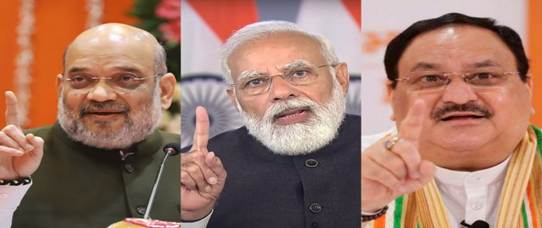
The BJP employs a delicate balance between centralized political communication and decentralized messaging. The party’s leadership, including icons like the prime minister, sets the overarching agenda and narrative. However, regional and local leaders are empowered to tailor their messages to specific constituencies, ensuring a personalized approach that resonates with diverse voter groups.
6. Controversies and Media Scrutiny
Media coverage of the BJP’s election campaigns is not without controversy. Critics accuse some media outlets of biased reporting, favoring the party and providing uncritical coverage. On the other hand, the BJP often faces intense media scrutiny, particularly regarding sensitive issues such as religious tensions or policy decisions. These dynamics reflect the delicate balance between media objectivity and partisan biases.
7. Amplification through Public Events
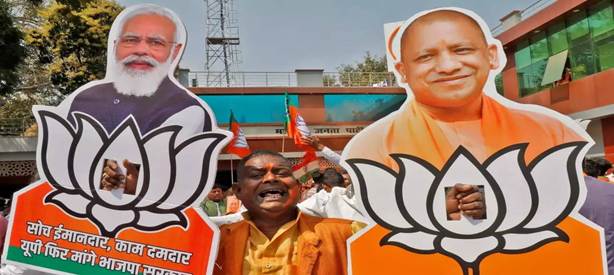
In addition to mass media and digital platforms, the BJP leverages large-scale public events as a powerful tool for media coverage. Rallies, roadshows, and public addresses featuring key party leaders generate immense media attention. These events create a sense of momentum and enthusiasm around the party, projecting an image of widespread support and energizing the party’s cadre.
8. Branding and Symbolism
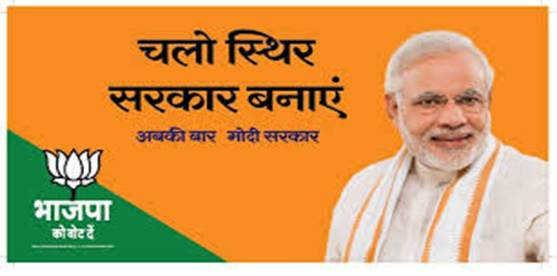
The BJP excels in crafting a strong brand identity and employing symbolic messaging in its election campaigns. The party’s distinctive logo, slogans, and symbols, such as the lotus flower, effectively create a visual association with the BJP’s values and ideology. This branding strategy enhances recognition and recall among voters, further reinforced through media coverage and advertisements.
9. Strategic Messaging
The BJP carefully tailors its messaging to appeal to different segments of society. By understanding the diverse demographics and regional dynamics of India, the party delivers targeted messages that resonate with specific voter groups. The media plays a crucial role in amplifying these messages, ensuring they reach the intended audiences and generate the desired impact.
10. Responding to Media Landscape Changes
The BJP has displayed an ability to adapt to evolving media trends. As the consumption patterns shift towards digital platforms, the party has embraced technologies such as live streaming, podcasts, and interactive content to engage with a younger and tech-savvy audience. This adaptability allows the BJP to remain at the forefront of media innovation and maintain relevance in an ever-changing media landscape.
The BJP’s use of media in its election campaigns highlights the party’s astute understanding of the evolving media landscape and its potential to shape public opinion. Through a multifaceted media strategy that encompasses mass media, digital platforms, narrative building, and media management, the BJP has successfully connected with voters, disseminated its political agenda, and consolidated its support base. This case study emphasizes the importance of journalistic scrutiny, media ethics, and the responsibility of journalists to provide fair and unbiased coverage of political campaigns.
The BJP’s adept use of media in its election campaigns has contributed significantly to the party’s electoral success and political influence in India. Through a multi-pronged approach encompassing mass media, digital platforms, public events, branding, and strategic messaging, the BJP has effectively shaped public opinion, mobilized voters, and projected a powerful political image. This case study serves as a reminder of the dynamic interplay between politics and media, highlighting the importance of media literacy, ethical journalism, and critical analysis in navigating the complexities of political campaigns.
For aspiring journalists, understanding the BJP’s media strategies provides invaluable insights into the evolving role of media in democratic processes. It underscores the need for journalistic integrity, responsible reporting, and the constant evaluation of media’s impact on the political landscape. By studying and analyzing the BJP’s media tactics, journalism students can learn more about the media’s influence on electoral politics and develop the skills necessary to navigate this dynamic relationship.
For example:
These examples highlight the BJP’s effective use of media to shape public opinion, mobilize supporters, and maintain a strong political presence. They underscore the significant influence that media platforms and coverage can have on election outcomes and the subsequent implications for democratic processes.
- Extensive Media Coverage: The BJP’s election campaigns receive extensive media coverage across various platforms, including television, radio, print, and digital media. This broad coverage ensures that the party’s messages and campaign events reach a wide audience, increasing visibility and generating public discourse.
- Strategic Messaging and Sound Bites: The BJP effectively utilizes strategic messaging to convey its agenda and policies. The party crafts concise and impactful sound bites that resonate with the electorate and are easily picked up by the media. These carefully crafted messages, often backed by slogans and catchphrases, help shape public opinion and maintain a consistent narrative.
- Media Management: The BJP maintains strong relationships with select media outlets, ensuring favorable coverage and amplification of its messages. Party leaders regularly engage with journalists, granting interviews and participating in press conferences, providing exclusive news stories and access. This media management strategy helps the BJP maintain a positive media image and control the narrative surrounding its campaigns.
- Social Media Dominance: The BJP has embraced social media as a powerful tool in its election campaigns. The party effectively utilizes platforms such as Twitter, Facebook, and YouTube to disseminate its messages, engage with supporters, and counter rival narratives. With a robust social media presence, the BJP reaches a vast online audience, including tech-savvy youth, shaping political discourse and mobilizing support.
- Influencer Endorsements: In recent years, the BJP has leveraged the influence of social media influencers and celebrities to garner support. Prominent individuals with large followings on platforms like Instagram and YouTube are often seen endorsing the party’s campaigns, policies, and leaders. These endorsements attract attention, generate buzz, and sway public opinion through the power of celebrity influence.
- Narrative Building and Branding: The BJP is adept at building a strong narrative and branding itself effectively. The party projects a clear and consistent image, emphasizing themes such as nationalism, cultural preservation, and economic development. The media plays a crucial role in amplifying this narrative, which resonates with the party’s supporters and creates a sense of identity among its base.
- Visual Spectacles and Public Events: The BJP organizes large-scale public events, rallies, and road shows that capture media attention and create visual spectacles. These events, often featuring prominent party leaders, are meticulously planned to generate enthusiasm, demonstrate strength, and project a powerful image of public support. Media coverage of these events contributes to the party’s visibility and reinforces its messaging.
About the Author