


Introduction
Business creation involves the systematic process of identifying opportunities, developing ideas, and launching a new enterprise through structured steps like feasibility analysis and planning. This entrepreneurial journey transforms concepts into viable, operational businesses that address market needs. Common challenges include securing finance and navigating legal requirements.
Key Steps
The process typically follows these core stages:
- Identify business opportunities by scanning markets for inefficiencies or unmet needs.
- Generate and refine ideas through creativity, drawing from personal experience, market surveys, or trends.
- Conduct feasibility studies covering market, technical, financial, and socio-economic aspects to assess viability.
- Prepare a detailed business plan outlining strategy, operations, marketing, and financial projections.
- Launch by handling legal formalities, securing resources, and implementing operations.
Example
Airbnb exemplifies business creation: founders Brian Chesky and Joe Gebbia spotted a hotel shortage during a San Francisco conference in 2007, rented out air mattresses in their apartment, and built a platform connecting hosts with travelers. Despite early funding struggles, persistence led to a $74 billion market cap by solving a common accommodation problem.
Case Studies
| Company | Origin Story | Key Success Factors |
| Square | Co-founder Jim McKelvey couldn’t accept a credit card for a $2,000 glassware sale, prompting a simple mobile POS system with Jack Dorsey. | Solved everyday merchant pain points; innovated for untapped markets despite profitability hurdles. |
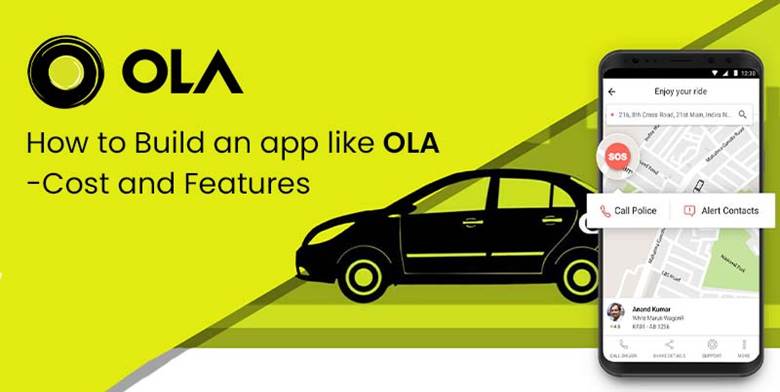
| Ola Cabs | Bhavish Aggarwal founded it in 2010 to offer reliable rides in India, focusing on customer needs like surge pricing alternatives. | Customer-centric features and adaptation to urban mobility demands boosted market share. |
| Zomato | Deepinder Goyal started in 2008 as a restaurant database, expanding to food delivery internationally. | Leveraged tech skills for global scaling, diversifying revenue in food tech. |
Steps to create a business from idea to launch
Creating a business from idea to launch requires a structured sequence of steps to validate the concept, secure resources, and execute effectively. This process minimizes risks and builds a foundation for growth. Key stages include ideation, planning, legal setup, and market entry.
Core Steps
Follow these sequential steps to transform an idea into a launched business:
- Develop the idea: Brainstorm and refine your concept by identifying a market problem and solution.
- Conduct market research: Analyze demand, competitors, target audience, and trends to confirm viability.
- Create a business plan: Outline strategy, operations, marketing, finances, and projections for guidance and funding.
- Choose structure and name: Select a legal form (e.g., sole proprietorship, LLC) and register a unique business name.
- Secure funding: Explore options like bootstrapping, loans, investors, or grants to cover startup costs.
- Handle legal and admin tasks: Register the business, get licenses/permits, get an EIN/tax ID, open a bank account, and set up insurance.
- Build brand and operations: Develop logo, website, source products/supplies, and establish processes.
- Market and launch: Promote via social media, SEO, and campaigns; launch the product/service to customers.
Case study of a successful Indian startup journey
Ola Cabs provides a compelling case study of a successful Indian startup, founded by Bhavish Aggarwal, who pivoted from a travel booking site to revolutionizing urban mobility after a frustrating taxi experience in 2010. The company grew from a single-room office in Mumbai to operating in over 250 cities across multiple countries, achieving unicorn status valued at $1.5 billion. Its journey highlights problem-solving, rapid adaptation, and deep market penetration in tier-2/3 cities.
Origin and Idea
Bhavish Aggarwal, an IIT Bombay graduate, left a stable Microsoft job in 2010 to launch OLAtrips.com for holiday packages. A pivotal bad taxi ride—where the driver abandoned him midway—exposed India’s fragmented transport system, prompting a pivot to on-demand cab aggregation. Starting modestly, Aggarwal handed out business cards at upscale spots, aiming for just 100 daily rides.

Growth Milestones
- Secured early angel investments from IIT peer Zishaan Hayath and others like Anupam Mittal (~₹5 million), followed by Tiger Global ($4 million then $20 million).
- Expanded aggressively post-2013 Uber entry, reaching 100+ cities by 2016 (vs. Uber’s 30), introducing India-specific features like vernacular support and cash payments.
- Attracted massive funding from SoftBank ($210 million in 2014), fueling diversification into food delivery, fintech (Ola Money), EVs (Ola Electric), and AI (Krutrim).
Challenges Overcome
Intense price wars with Uber strained finances, while state-specific regulations, driver protests, and union issues created hurdles. Ola countered by localizing solutions, training drivers, and pushing deeper into non-metro markets where competitors lagged. The COVID-19 pandemic hit ride demand, but acceleration into EVs sustained momentum.
Key Lessons Aggarwal’s success stems from solving real Indian problems over copying models, relentless pivots based on data, and betting on “Bharat” beyond metros. Resilience amid family doubts and funding droughts underscores his vision for tech-driven GDP growth.
About the Author