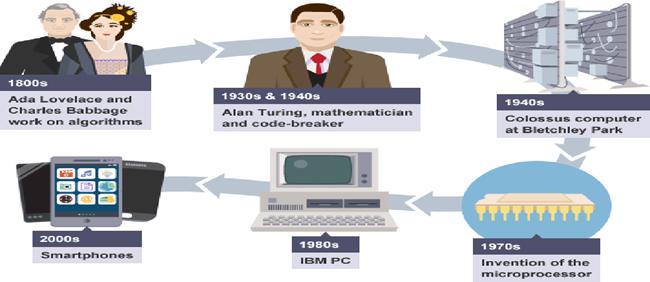
The advent of digital media marked a significant shift from traditional forms of media, such as print and broadcast, to online platforms. The internet has revolutionized information access and distribution, allowing individuals to engage with news, opinions, and entertainment in real time and across various devices.
b. Interactivity and Personalization
Digital media provides users with interactive and personalized experiences. Through websites, sections, and apps, individuals can choose the content they consume, engage in discussions, and participate in shaping the narrative. This interactivity has given rise to a more engaged and empowered audience.
2. The Rise of Social Media
a. Connect, Share, and Influence
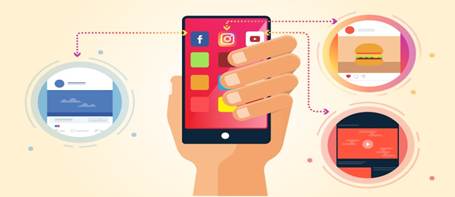
Social media platforms like Facebook, Twitter, Instagram, and YouTube have transformed the way people communicate and share information. These platforms enable individuals to connect with others, express their opinions, and share content on a global scale, fostering a sense of virtual community and enabling the rapid spread of ideas.
b. Amplification and Virility
Social media’s ability to amplify messages and make them go viral has profound implications for public opinion formation. Content shared on these platforms can quickly reach millions of users, transcending geographical boundaries and traditional media gatekeeping. Viral content has the power to shape public discourse and influence collective attitudes.
3. New Media and Citizen Journalism
a. Democratization of Media
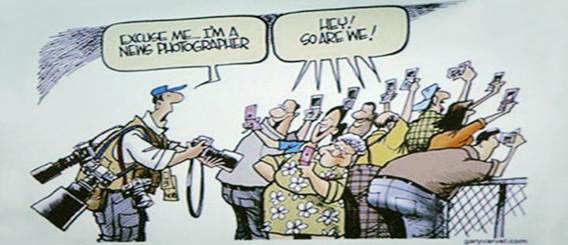
The advent of new media has democratized the creation and dissemination of information. Anyone with internet access can become a content creator, allowing for diverse perspectives and grassroots journalism. Citizen journalists, bloggers, and vloggers provide alternative viewpoints, challenging the dominance of traditional media.
b. Real-Time Reporting
New media has facilitated real-time reporting, empowering individuals to share news and events as they unfold. Through live streaming, on-the-ground reporting, and eyewitness accounts, the public gains immediate access to information, reducing reliance on traditional news outlets and enabling broader participation in shaping public opinion.
4. Impact on Public Opinion
a. Fragmentation and Echo Chambers
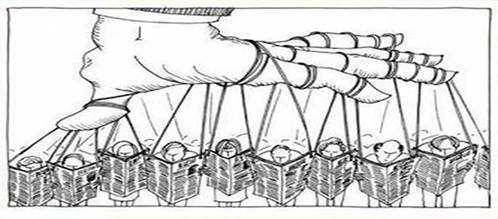
The abundance of digital, social, and new media platforms has led to the fragmentation of public opinion. Individuals can selectively consume content that aligns with their existing beliefs, leading to the formation of echo chambers and the reinforcement of preconceived notions. This can contribute to polarization and a lack of diverse perspectives.
b. Dissemination of Misinformation
The rapid dissemination of information on digital platforms has also given rise to the spread of misinformation and fake news. False narratives can quickly gain traction, impacting public opinion and decision-making processes. Addressing this challenge requires media literacy and fact-checking efforts.
5. Activism and Social Movements
Digital, social, and new media have played a crucial role in facilitating activism and social movements. Hashtags, online campaigns, and viral videos have mobilized public support, amplified marginalized voices, and brought attention to social issues, shaping public opinion and catalyzing societal change.
The evolution of digital, social, and new media has revolutionized the way information is created, shared, and consumed. It has had a profound impact on public opinion formation, enabling interactivity, personalization, and amplification of messages. However, challenges remain in the fragmentation of public opinion, the spread of misinformation, and the need for media literacy. It is important to use these types of media responsibly, encouraging different points of view, fact-checking, and critical thinking because they can change the world.
As digital, social, and new media continue to evolve, their impact on public opinion will continue to shape societal narratives, influence beliefs, and drive collective action. It is vital for individuals, media organizations, and policymakers to adapt and navigate this dynamic landscape to ensure that the power of digital media is harnessed for the betterment of society, fostering informed and inclusive public discourse. By recognizing the potential of digital, social, and new media to shape public opinion, we can navigate the complexities and leverage these platforms to facilitate meaningful dialogue, bridge divides, and drive positive change in our increasingly interconnected world.
YouTube, as the world’s largest video-sharing platform, is the primary destination for official trailers, teasers, behind-the-scenes footage, and cast interviews. The viral potential of YouTube content means that a well-crafted trailer can reach millions within hours, sparking global conversations and building anticipation.
Short video platforms capitalize on snackable, shareable content—such as quick clips, challenges, or memes—that can trend rapidly. Studios often collaborate with influencers or create official challenges to encourage user-generated content, enhancing organic reach and engagement.
Examples:
RRR (2022): The film’s trailer release on YouTube garnered over 100 million views, while dance challenges on TikTok and Instagram Reels helped the film trend internationally.
Barbie (2023): Warner Bros. used YouTube for trailer drops and partnered with TikTok for themed filters and challenges, generating viral buzz and massive pre-release interest.
Pathaan (2023): The official YouTube trailer broke records for most views in 24 hours, and short behind-the-scenes clips and dance challenges spread widely on Instagram Reels.
By harnessing the reach and engagement of YouTube and short video platforms, film promotions can build excitement, create viral moments, and drive audiences to theaters or streaming platforms.
A. TRAILER LAUNCHES, REACTION VIDEOS, INFLUENCER WATCH PARTIES
Here’s an overview of how YouTube and short video platforms are used for trailer launches, reaction videos, and influencer watch parties, with examples from international, national (Indian), and local/regional films.
1. Trailer Launches
International Example:
Avengers: Endgame (2019):
Marvel Studios launched the official trailer on YouTube, which broke viewership records with over 289 million views in 24 hours. The trailer’s release became a global event, shared across Instagram Reels and TikTok as fans remixed scenes and audio.
National (India) Example:
KGF: Chapter 2 (2022):
The trailer premiered on YouTube and amassed over 100 million views in just a few days, trending nationwide. Clips from the trailer were widely shared on Instagram Reels and Moj (an Indian short video platform).
Local/Regional Example:
Minnal Murali (Malayalam, 2021):
The trailer was released on YouTube and promoted via short clips on ShareChat and Josh (popular in South India), helping the film reach a broad regional audience.
2. Reaction Videos
International Example:
Spider-Man: No Way Home (2021):
Fans and influencers worldwide posted real-time reaction videos on YouTube within hours of the trailer launch. Some channels received millions of views, adding to the hype and spreading the trailer organically.
National (India) Example:
RRR (2022):
The movie’s trailer inspired countless Indian and international YouTubers to upload reaction videos, many trending in YouTube’s Top 10. We further clipped these reactions and shared them as short videos across Instagram Reels.
Local/Regional Example:
Sairat (Marathi, 2016):
Regional YouTube creators posted reaction and review videos, which boosted the film’s reach beyond Maharashtra, especially among the Marathi-speaking diaspora.
3. Influencer Watch Parties
International Example:
The Gray Man (2022, Netflix):
Netflix hosted YouTube and TikTok watch parties with international influencers who streamed their live reactions, encouraging fans to join and discuss in real time.
National (India) Example:
Gehraiyaan (2022, Amazon Prime Video):
Leading Bollywood influencers and digital creators were invited to virtual watch parties, sharing snippets of their reactions on Instagram Stories and Reels, boosting post-release engagement.
Local/Regional Example:
Jathi Ratnalu (Telugu, 2021):
Telugu YouTubers and local Instagram creators organized online watch parties, sharing highlights and memes on short video platforms, making the film viral within the Telugu-speaking community.
Summary Table
Platform
Trailer Launch
Reaction Videos
Influencer Watch Parties
International
Avengers: Endgame
Spider-Man: No Way Home
The Gray Man
National (India)
KGF: Chapter 2, RRR
RRR, KGF: Chapter 2
Gehraiyaan
Local/Regional
Minnal Murali, Sairat
Sairat, Jathi Ratnalu
Jathi Ratnalu
Conclusion: YouTube and short video platforms play a pivotal role in modern film promotion at every level—amplifying reach, building hype, and encouraging community participation through innovative digital experiences.
B. INDIAN PLATFORMS: SHARECHAT, CHINGARI, ROPOSO
Here’s a focused answer on how Indian short video platforms—ShareChat, Chingari, and Roposo—are used for film promotion, with illustrative case studies and examples from Indian and local films.
YouTube & Short Video Platforms for Film Promotion: Indian Platforms
1. ShareChat
About: ShareChat is a leading Indian social media and short video app available in 15+ regional languages, popular in Tier 2 and 3 cities.
Film Promotion Usage:
Case Study: Pushpa: The Rise (2021)
The film’s catchy songs and dialogues were promoted via ShareChat stickers and short video challenges in Telugu, Hindi, and other languages.
Users created thousands of lip-sync and dance videos to the song “Srivalli,” pushing organic reach even to non-metro audiences.
Example: KGF: Chapter 2 (2022)
ShareChat users widely shared the trailer and “Rocky Bhai” dialogues as short clips, memes, and status updates, contributing to the film’s trend in multiple languages.
2. Chingari
About: Chingari is a homegrown short video platform, popular for its viral content and “trending challenges.”
Film Promotion Usage:
Case Study: Bhool Bhulaiyaa 2 (2022)
The “Hare Ram” dance challenge was officially launched on Chingari, with influencers and users participating in the trend, leading to millions of views and boosting the song’s popularity.
Example: Local Films (e.g., Gujarati or Marathi releases)
Regional movie promotions often run hashtag challenges (e.g., “#DanceLikeHero”) on Chingari, leveraging local influencers to create buzz for film releases in their respective language belts.
3. Roposo
About: Roposo is a video-sharing social media platform that focuses on entertainment content across India’s major languages.
Film Promotion Usage:
Case Study: Liger (2022)
The film’s promotion included exclusive behind-the-scenes content and actor interactions on Roposo. Fans could duet with stars or create their own short videos using official film audio and stickers.
Example: Local Films (e.g., Kannada, Tamil)
Roposo partnered with film producers to offer early access to music tracks and exclusive snippets, encouraging user-generated content and meme creation, which helped local films gain visibility.
Summary Table
Platform
Case Study (National)
Local/Regional Example
ShareChat
Pushpa: The Rise, KGF 2
Status clips, memes for local films
Chingari
Bhool Bhulaiyaa 2
Marathi/Gujarati challenges
Roposo
Liger
Kannada/Tamil music launches
Conclusion: ShareChat, Chingari, and Roposo are vital for film promotion in India, especially for reaching vernacular and regional audiences. These platforms foster viral trends, influencer collaborations, and user-generated content, making them powerful tools for both national blockbusters and local films to build buzz and engagement across diverse Indian markets.
The synergy between OTT platforms and theatrical releases represents a dynamic shift in content distribution and consumption. Rather than existing as mutually exclusive options, these two modes increasingly complement each other. Theatrical releases can serve as high-profile events that build anticipation and buzz, while OTT platforms offer films a longer lifecycle, reaching wider and more diverse audiences.
This synergy enables filmmakers and studios to maximize revenue, enhance audience engagement, and experiment with new release strategies, such as simultaneous or staggered premieres. As consumer preferences evolve, the collaboration between OTT and theatrical channels is reshaping the future of entertainment, offering greater flexibility and accessibility while preserving the unique value of both experiences.
A. NETFLIX, AMAZON PRIME VIDEO, JIOCINEMA, HOTSTAR STRATEGIES
Here’s a refined and structured overview of OTT & theatrical synergy, including strategic approaches by Netflix, Amazon Prime Video, and JioHotstar (successor to JioCinema and Hotstar), along with illustrative case studies and film examples.
1. OTT & Theatrical Synergy: A New Distribution Paradigm OTT platforms and theatrical releases are increasingly viewed not as competing channels, but as complementary tools. Theatrical runs can build cultural impact and prestige, while OTT ensures wider reach and longer tail viewership. This synergy allows studios and platforms to optimize both revenue and audience engagement.
2. Netflix Strategies
Awards-Driven Limited Theatrical Runs Netflix frequently employs short theatrical releases to qualify for awards while prioritizing streaming. Roma (2018), for example, premiered in select theaters across 42 countries just three weeks before streaming, earning 10 Oscar nominations and winning Big Three awards.
“Sneak-Preview” Hybrid Model More recently, Netflix experimented with a hybrid model for Glass Onion: A Knives Out Story—a 17-day theatrical run in 696 U.S. theaters, followed by a blackout period before streaming.
Major Blockbusters on IMAX In 2025, Netflix announced a pivot toward large-scale theatrical engagement with Greta Gerwig’s The Chronicles of Narnia reboot. The film will play exclusively on around 1,000 IMAX screens across 90 countries for up to four weeks before debuting on Netflix, supported by a robust marketing campaign.
3. Amazon Prime Video Strategies
Traditional Wide Release for Prestige Amazon broke ground earlier with Manchester by the Sea (2016), which secured a wide theatrical release (over 1,200 theaters) before streaming, earning critical acclaim and Best Picture nominations.
Hybrid Releases with Short Windows A more recent example is Red One, which had a 28-day theatrical window before streaming on Prime Video. The film grossed $175 million globally and maintained strong box office retention.
Expanding Indian Theatrical Footprint Starting in 2026, Amazon MGM Studios plans to release 3–4 Indian films theatrically each year before streaming, signaling a renewed focus on theatrical-first strategies in India.
4. JioHotstar (formerly JioCinema & Hotstar)
Platform Consolidation and Vertical Integration In February 2025, JioCinema and Disney+ Hotstar merged under the JioStar joint venture, launching JioHotstar, which now combines extensive content libraries and sports rights with vertical distribution control.
OTT-After-Theatrical Model in Indian Cinema Several Indian films have followed a traditional theatrical-first release before transitioning to streaming on JioHotstar:
• Subham (Telugu horror-comedy) – theatrical release on May 9, 2025; OTT debut on JioHotstar from June 13, 2025. • DNA (Tamil thriller) – theatrical release on June 20, 2025; OTT streaming from July 19, 2025. • Ronth (Malayalam crime thriller) – theatrical release mid-June 2025; OTT from July 22, 2025. • Sweetheart! (Tamil romantic comedy)—theatrical release March 14, 2025; OTT from April 11, 2025.
Direct OTT Releases & Mixed Strategies Sarzameen (Hindi action drama) skipped theatrical release and launched directly on JioHotstar on July 25, 2025. Soothravakyam (Malayalam suspense thriller) was released theatrically on July 11, 2025; its OTT rights were acquired by Lionsgate Play and Amazon Prime Video in August.
5. Key Insights and Comparative Analysis
Netflix focuses on prestige and cultural buzz through strategic theatrical windows, with recent expansion into large-scale blockbusters to amplify global impact.
Amazon Prime Video balances prestige (wide releases) with efficiency (short theatrical windows), especially in markets like India.
JioHotstar benefits from full vertical integration, enabling flexible release strategies—from traditional theatrical runs to direct OTT premieres—tailored to regional content and audience preferences.
6. Case Study Highlights
Roma (Netflix): Prestige-driven theatrical release, Oscar recognition.
Glass Onion: Hybrid sneak-preview model.
Narnia Reboot: IMAX-first strategy.
Manchester by the Sea (Amazon): Traditional theatrical-first success.
Red One: Short-window hybrid release.
Subham, DNA, and Ronth: Indian films with clear theatrical-to-OTT trajectories.
Sarzameen: Direct OTT premiere.
Soothravakyam: Theatrical release with multi-platform OTT licensing.
B. PRE-RELEASE BUZZ VS. POST-RELEASE ENGAGEMENT
Below is a structured analysis of OTT & Theatrical Synergy: Pre-release Buzz vs. Post-release Engagement, including international and national (Indian) case studies, film examples, and a summary.
OTT & Theatrical Synergy:
Pre-release Buzz vs. Post-release Engagement
1. The Concept
Pre-release Buzz: The excitement and anticipation generated before a film’s release are driven by marketing, trailers, social media, star cast, and exclusive previews—especially through theatrical premieres.
Post-release Engagement: The sustained interaction and discussion after the film’s release, primarily supported by OTT availability, social media trends, user reviews, memes, and repeat viewing.
Synergy: Theatrical releases create event-like anticipation (buzz), while OTT ensures the film remains in the cultural conversation, accessible to broader audiences for a longer period (engagement).
2. International Case Study: Glass Onion: A Knives Out Mystery (Netflix, 2022)
Pre-release Buzz: Netflix gave the film a limited one-week theatrical run in major markets before streaming. The star-studded cast, mystery genre, and director Rian Johnson’s reputation generated massive media and social media attention. Result: Sold-out shows, headlines about Netflix’s rare theatrical move, and Oscar buzz.
Post-release Engagement: After streaming began, the film trended globally on Netflix, sparking meme culture, fan theories, and extensive online discussion. The accessibility on OTT enabled viewers who missed the theatrical window to watch and discuss it, keeping the film relevant for weeks.
3. National (Indian) Case Study: Jawan (2023)
Pre-release Buzz: Starring Shah Rukh Khan, Jawan had a massive promotional campaign, with trailers, music launches, and nationwide media coverage. The theatrical release was treated as a cultural event; advance bookings broke records.
Post-release Engagement: After an extremely successful theatrical run, the film debuted on Netflix. The OTT release sparked renewed conversations, with fans dissecting plot twists, sharing clips, and introducing the film to new audiences who hadn’t seen it in theaters. The #JawanOnNetflix trend brought the film back into the spotlight, amplifying its lifecycle.
4. Comparative Examples
International:
Roma (Netflix): Limited theatrical run for Oscar buzz, then global post-release discussion upon streaming.
Dune (Warner Bros.): Simultaneous release in theaters and HBO Max. Pre-release anticipation for visuals, post-release engagement focused on accessibility and rewatchability online.
National (India):
RRR (2022): Extensive theatrical campaign, followed by viral OTT popularity on Netflix and ZEE5, which reached international audiences and fueled post-release social media trends.
Shershaah (2021): Skipped theatrical release due to COVID-19 but leveraged OTT (Amazon Prime Video) for post-release engagement, with songs and scenes trending long after launch.
5. Summary
Pre-release Buzz is most effectively built through theatrical events, media campaigns, and exclusivity, making the release an “event.”
Post-release engagement thrives on OTT platforms, which provide longevity and accessibility and encourage ongoing discussions, memes, and repeat viewing.
The synergy of these strategies maximizes both box office returns and long-term popularity, as seen in both international and Indian contexts.
In essence: Theatrical releases ignite anticipation and cultural excitement, while OTT platforms ensure films remain relevant, discussed, and accessible—prolonging their impact well beyond opening weekend.
Indian films cater to a wide range of linguistic, cultural, and regional audiences. As a result, publicity assets must be crafted thoughtfully to resonate with different segments while maintaining a consistent brand identity for the film. These materials are not only designed to inform audiences about the film’s release but also to create excitement, establish visual identity, and connect emotionally with viewers.
In summary, the art of designing publicity assets for Indian films plays a crucial role in shaping public perception, driving audience engagement, and ensuring a film’s commercial success in a highly competitive market.
Here are four movie case studies—two old and two new—highlighting the design and impact of publicity assets such as motion posters, lyric videos, and BTS (behind-the-scenes) reels, as well as the tools used in their creation:
I. MOTION POSTERS, LYRIC VIDEOS, BTS REELS
Here’s an analysis of motion posters, lyric videos, and BTS (behind-the-scenes) reels in Indian film marketing, with case studies of both old and new movies:
1. Motion Posters
Old Movie Example: “Ghajini” (2008)
Innovation: One of the first Indian films to use a motion poster for promotion.
Impact: The animated poster, featuring Aamir Khan’s muscular look and the film’s intense theme, created immense pre-release buzz and set a trend for dynamic digital promotional materials.
New Movie Example: “KGF: Chapter 2” (2022)
Modern Use: High-quality motion posters introducing lead characters were released online.
Impact: The visually rich and animated posters were widely shared on social media, attracting national attention and building anticipation across linguistic audiences.
2. Lyric Videos
Old Movie Example: “Dil Se” (1998)
Approach: Songs like “Chaiyya Chaiyya” were promoted through TV music channels with on-screen lyrics, though not as stylized as today’s lyric videos.
Impact: Made the songs accessible, allowing audiences to sing along and increasing recall value.
New Movie Example: “Pushpa: The Rise” (2021)
Strategy: Official lyric videos for songs like “Srivalli” and “Daakko Daakko Meka” were released on YouTube, featuring animated text and visuals from the movie.
Impact: These videos went viral, contributing to the songs’ popularity even before the movie’s release, and helping the film reach pan-Indian audiences.
3. BTS (Behind-the-Scenes) Reels
Old Movie Example: “Lagaan” (2001)
Method: Special behind-the-scenes TV features showcased the making of the cricket sequences and the film’s scale.
Impact: Helped audiences appreciate the effort and authenticity, enhancing the movie’s prestige and word-of-mouth promotion.
New Movie Example: “Pathaan” (2023)
Modern Approach: Short BTS reels were released as Instagram Reels and YouTube Shorts, highlighting action training, stunts, and candid moments with the cast.
Impact: Created a sense of excitement, allowed fans to connect with the stars, and drove engagement across digital platforms.
Summary Table
Asset Type
Old Movie Example
Impact
New Movie Example
Impact
Motion Poster
Ghajini (2008)
Created trend, built anticipation
KGF: Chapter 2 (2022)
Went viral, expanded reach
Lyric Video
Dil Se (1998)
Song recall, audience engagement
Pushpa (2021)
Viral reach, pre-release song success
BTS Reel
Lagaan (2001)
Built credibility, audience connection
Pathaan (2023)
Social media buzz, fan engagement
Conclusion: Motion posters, lyric videos, and BTS reels have become increasingly sophisticated and vital to film marketing over time. Old films laid the groundwork, while new movies leverage digital platforms and innovative design to maximize reach, hype, and audience connections.
II. TOOLS: CANVA, ADOBE PREMIERE PRO, CAPCUT, INSHOT
Here’s how tools like Canva, Adobe Premiere Pro, CapCut, and InShot are used in the creation of publicity assets for films, with examples and case studies from both old and new movies:
1. Canva
Use:
Design posters, social media graphics, infographics, event invites, and simple motion assets.
Film Examples:
Old Movie (“Dilwale Dulhania Le Jayenge”, 1995):
While Canva wasn’t available, similar graphic design tools were used for creating posters and lobby cards. If the movie were promoted today, Canva would be used for Instagram posts and fan engagement graphics.
New Movie (“RRR”, 2022):
Canva was used by the marketing team for rapid creation of shareable social media posters, countdown graphics, and regional language promotional posts, helping the film’s pan-India appeal.
2. Adobe Premiere Pro
Use:
Professional video editing for trailers, teasers, motion posters, lyric videos, and BTS reels.
Film Examples:
Old Movie (“Lagaan”, 2001):
Early digital editing suites like Adobe Premiere were used to cut trailers and TV promos, as well as to stitch together BTS featurettes aired on television.
New Movie (“Pathaan”, 2023):
Adobe Premiere Pro was central for editing sleek trailers, high-adrenaline BTS reels, and music video teasers released across YouTube and social media.
3. CapCut
Use:
Mobile-friendly, quick video edits for TikTok/Reels, meme videos, short lyric clips, and influencer collaborations.
Film Examples:
Old Movie (“Kabhi Khushi Kabhie Gham”, 2001):
While CapCut did not exist, similar short-form edits for TV spots were done with available tools. If promoted today, CapCut would be used for meme edits and Instagram Reels.
New Movie (“Jawan”, 2023):
CapCut was widely used for snappy, viral BTS clips, dance challenges, and fan engagement reels, making the promotional content more accessible and shareable.
4. InShot
Use:
Quick edits, resizing videos for different platforms, adding text, stickers, and effects for Instagram Stories and Facebook posts.
Film Examples:
Old Movie (“Dil Se”, 1998):
Modern re-releases or anniversary promotions use InShot for creating retro-style lyric videos and throwback content for social media.
New Movie (“Pushpa: The Rise”, 2021):
InShot was used to cut and format lyric videos, dialogue snippets, and dance step tutorials for Instagram and YouTube Shorts, driving fan challenges and trends.
Summary Table
Tool
Function in Film Publicity
Old Movie Example
New Movie Example
Canva
Posters, social graphics
DDLJ (if today)
RRR
Adobe Premiere Pro
Trailers, BTS reels, lyric videos
Lagaan
Pathaan
CapCut
Short-form, mobile-friendly video assets
K3G (if today)
Jawan
InShot
Quick edits for stories, lyric cutdowns
Dil Se (modern promos)
Pushpa: The Rise
Conclusion: Modern tools like Canva, Adobe Premiere Pro, CapCut, and InShot have transformed film publicity, making high-quality graphic and video content creation accessible, efficient, and tailored for a digital, social-first audience. Old movies relied on traditional editing suites, while new films leverage these tools for engaging and viral promotions.
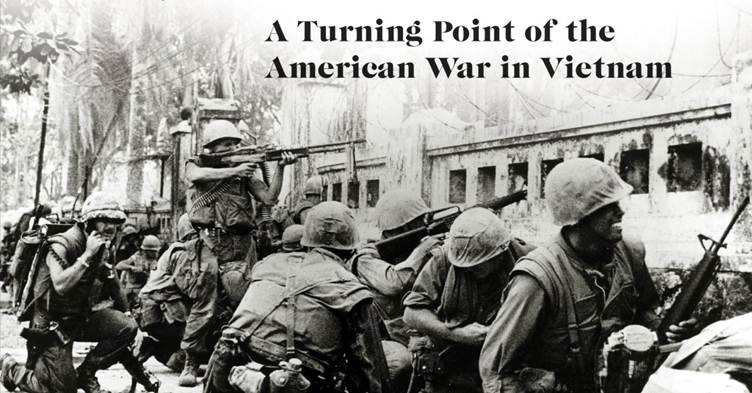
Initially deployed in modest numbers during the 1950s, American military advisors were widely implemented starting in 1961, and active combat forces were added in 1965. Moreover, over 500,000 Americans were serving in the military in Vietnam by 1969. The North, in turn, provided backing, political guidance, and regular combat soldiers for the battle in the South as the Soviet Union and China poured weapons, supplies, and advisers into the region. By 1973, all American combat units had left the country due to the mounting expenses and losses of the conflict. The North’s full-scale invasion of South Vietnam in 1975 resulted in its collapse.
The North Vietnamese communist government fought South Vietnam and its main ally, the United States, in the long, expensive, and contentious Vietnam War. The ongoing Cold War between the United States and the Soviet Union exacerbated the issue. Over 3 million people died in the Vietnam War, more than half of whom were Vietnamese civilians (including over 58,000 Americans).
Even after President Richard Nixon signed the Paris Peace Accords and ordered the withdrawal of U.S. soldiers in 1973, the American people’s opposition to the war remained deeply divided. South Vietnam was taken over by communist forces in 1975, which put an end to the war. The following year, South Vietnam was united as the Socialist Republic of Vietnam.
1. Origins and Key Players
The roots of the Vietnam War can be traced back to the country’s struggle for independence from French colonial rule in the mid-20th century. The conflict escalated after the division of Vietnam into communist North Vietnam, led by Ho Chi Minh, and the anti-communist South Vietnam, supported by the United States. The United States, driven by the domino theory and fears of communism spreading in Southeast Asia, committed military forces and became deeply tangled in the war.
2. Tactics and Technologies
The Vietnam War witnessed a stark contrast between conventional warfare and guerrilla tactics. The Viet Cong, a communist insurgency group in South Vietnam, employed hit-and-run attacks, ambushes, and complex tunnel systems, making it a formidable opponent. The U.S. and its allies, on the other hand, relied heavily on superior firepower, air strikes, and advanced technologies such as helicopters and napalm. This clash of strategies created a challenging and protracted conflict.
3. Escalation and Anti-War Movement
As the war dragged on, public sentiment in the United States grew increasingly divided. The images of violence, civilian casualties, and the controversial use of chemical defoliants like Agent Orange sparked widespread protests and an anti-war movement. Opponents argued against the war’s moral justification and criticized the U.S. government’s policies, leading to a significant shift in public opinion and a demand for troop withdrawal.
4. End of the War and Legacy
By the early 1970s, with mounting casualties and limited progress, the United States began withdrawing its forces from Vietnam. The Paris Peace Accords were signed in 1973, effectively ending American involvement, but the war continued between North and South Vietnam. In 1975, North Vietnamese forces captured Saigon, the South Vietnamese capital, leading to the reunification of Vietnam under communist rule.
The Vietnam War left a profound impact on the countries involved and the global stage. It claimed the lives of millions of people and caused immense suffering. The conflict exposed the limitations of military power and sparked debates on foreign intervention. It also influenced subsequent U.S. foreign policy decisions and shaped public skepticism towards future military engagements.
The Vietnam War serves as a reminder of the complexities and consequences of armed conflicts. It remains a symbol of the struggles for independence, the brutality of warfare, and the power of grassroots movements. Understanding this significant section in history allows us to reflect on the lasting legacy of the Vietnam War and strive for peaceful resolutions in future conflicts.
The Vietnam War stands as a defining moment in the history of media coverage of wars. The Vietnam War signified a significant shift in the dynamic between journalists and the military, and also in the public’s confidence in media reporting. The media’s coverage of the Vietnam War had a profound impact on public opinion, political discourse, and the anti-war movement. Analyzing the Vietnam War from the media’s perspective reveals the challenges faced by journalists, the evolving role of media in shaping public perception, and the consequences of media coverage on both the war itself and the field of journalism.
5. The Power of Television
The Vietnam War was the first televised war, bringing the harsh realities of combat directly into people’s living rooms. Television news networks, such as CBS with Walter Cronkite and NBC with its “Five O’Clock Follies,” provided graphic footage of the war, including scenes of violence, civilian casualties, and the emotional toll on soldiers. The immediacy and visual impact of television coverage deeply affected public opinion, provoking a sense of horror and disbelief among viewers.
6. Embedded Journalism
During the Vietnam War, the concept of embedded journalism emerged, where journalists were assigned to military units to provide on-the-ground reporting. This close proximity to soldiers allowed journalists to witness combat firsthand but also posed challenges to independent reporting. While embedding offered access to the frontlines, it also raised questions about objectivity and potential censorship, as journalists had to rely on military cooperation and faced pressure to present a positive image of the war effort.
7. The Pentagon Papers
The release of the Pentagon Papers in 1971 was a watershed moment for media coverage of the Vietnam War. The leaked documents, originally commissioned by the U.S. Department of Defense, revealed government deception, including the extent of U.S. involvement in Vietnam and the discrepancy between official statements and private assessments. The publication of the Pentagon Papers by The New York Times and The Washington Post highlighted the role of investigative journalism in uncovering hidden truths and holding the government accountable.
8. Media Criticism and Public Skepticism
The Vietnam War exposed the public to the harsh realities of war and raised doubts about the government’s narrative. Media coverage of the war led to increased skepticism among the public, as discrepancies between official statements and on-the-ground reporting became evident. Journalists faced criticism from government officials and segments of society who accused them of bias, anti-war sentiment, and undermining national security.
9. Changing Public Opinion
The media’s coverage of the Vietnam War played a significant role in shaping public opinion and fueling the anti-war movement. Television footage of the war’s brutality, combined with the publication of graphic images in print media, contributed to a sense of outrage and mobilized public opposition to the conflict. Journalistic reporting challenged the government’s claims of progress, exposing the realities of the war and its human cost.
10. Legacy and Lessons Learned
The Vietnam War had a profound impact on journalism, prompting a re-evaluation of the media’s role in war reporting. The war highlighted the importance of independent journalism, accountability, and the need for accurate, unbiased reporting. It also underscored the ethical dilemmas journalists face in balancing patriotism, objectivity, and the responsibility to inform the public. The lessons learned from the Vietnam War continue to influence media practices and the relationship between journalists, the military, and the public.
Conclusion
The media’s coverage of the Vietnam War had far-reaching implications, shaping public opinion, challenging government narratives, and playing a pivotal role in the anti-war movement. The war marked a transformative period for journalism, as journalists confronted the complexities of reporting in a conflict zone, grappled with issues of objectivity and censorship, and navigated the delicate balance between patriotism and the responsibility to inform the public.
The Vietnam War remains a critical case study in the power of media in shaping public perception and holding institutions accountable during times of war. The lessons learned from the Vietnam War continue to resonate, guiding journalists to approach war reporting with critical scrutiny, ethical considerations, and an unwavering commitment to truth and transparency.
The Vietnam War highlighted the power of visual media, particularly television, in shaping public sentiment and influencing policy debates. The vivid images of destruction, wounded soldiers, and civilian suffering conveyed the human cost of war, making it difficult for viewers to remain indifferent. The war’s graphic nature fuelled public outrage, sparking anti-war protests and amplifying calls for an end to the conflict.
The embedded journalism model employed during the Vietnam War presented journalists with unprecedented access to combat zones. While this approach provided intimate insights into the daily lives of soldiers, it also raised concerns about journalistic independence and impartiality. Journalists had to navigate the fine line between portraying the reality of war and facing pressure from military authorities to present a positive narrative. This tension highlighted the challenges of maintaining objectivity when operating within a tightly controlled environment.
The release of the Pentagon Papers exposed a significant disconnect between the government’s public statements and the private assessments of military officials. This revelation shook public trust in the government’s handling of the war and underscored the critical role of investigative journalism in holding institutions accountable. The publication of classified documents showcased the media’s capacity to uncover hidden truths, challenge official narratives, and shed light on the discrepancies between policy objectives and on-the-ground realities.
The media’s coverage of the Vietnam War also initiated a broader reflection on the role of journalism in democratic societies. It raised questions about the responsibility of the press to challenge government narratives, demand transparency, and provide an accurate portrayal of events. Journalists faced scrutiny from those who believed their reporting undermined national security or weakened public morale. However, the media’s commitment to reporting the truth and providing an accurate depiction of the war ultimately proved essential in informing public opinion and fostering an open dialogue about the consequences of military intervention.
The Vietnam War’s legacy continues to shape the field of journalism, influencing the reporting and analysis of conflicts. Journalists today strive to balance the duty to inform the public with the ethical considerations of reporting on sensitive and often dangerous situations. The Vietnam War is a reminder of how important it is for journalists to be objective and independent in order to hold governments accountable, promote transparency, and get people involved in issues that are important to the country and the world.
In conclusion, the media’s coverage of the Vietnam War marked a pivotal moment in the history of war reporting. Journalists faced unprecedented challenges, grappled with ethical dilemmas, and brought the realities of the war to the forefront of public consciousness. The lessons learned from this era continue to inform journalistic practices, emphasizing the need for responsible, critical, and independent reporting in times of conflict. The media’s role in shaping public perception and holding institutions accountable remains a powerful force in ensuring an informed and engaged citizenry.
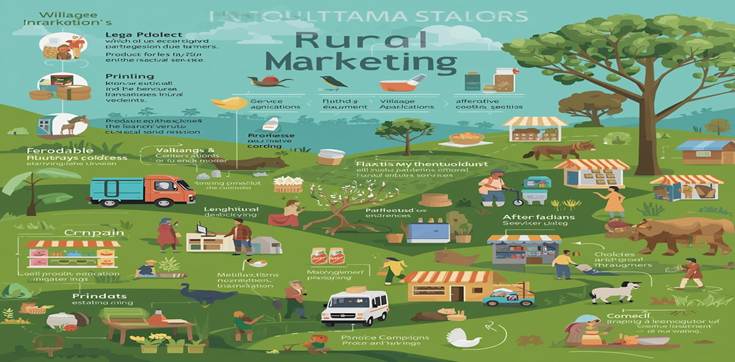
Companies modify products for rural needs by introducing small, affordable sachets (Low Unit Packs or LUPs) to enable trials, enhancing durability for tough conditions, and localizing branding for cultural resonance. Examples include CavinKare’s 4 ml Chik shampoo sachets at 50 paise and Coca-Cola’s Rs.5 bottles to compete with local drinks like tea. LG’s Sampoorna TV with Devanagari script displays catered to vernacular language users.
Service Strategies
Services prioritize empowerment and tech-enabled distribution, training locals as agents for door-to-door delivery and using apps for retailer access. HDFC Bank’s “Har Gaon Hamara” campaign deploys IVR toll-free numbers for banking education and loans in villages. Digital tools like ITC’s Unnati App and Virtual DS help stockists reach remote retailers efficiently.
Key Case Studies
Case Study
Description
Impact
HUL Project Shakti
Trains rural women (Shakti Ammas) as micro-entrepreneurs to sell HUL FMCG products door-to-door, customizing small packs for affordability.
Reaches 165,000+ villages, empowers 130,000+ women, and boosts hygiene and brand loyalty.
ITC e-Choupal
Sets up internet kiosks for farmers to access crop prices, buy inputs, and sell produce, extending to FMCG distribution via hubs.
Serves 4 million farmers across 40,000 villages, increases soy planting by 40%, and cuts middlemen costs.
Coca-Cola Rural Push
Launches Rs.5 bottles, pop-up stores at 47,000 haats/melas, and wall paintings for awareness.
Rural penetration rises from 9% to 25%, with sales up 37% by 2003.
1. Product Customization and Innovation
Strategy: Tailor products to meet the unique needs and preferences of rural consumers, often focusing on affordability, durability, and simplicity.
Case Study: Hindustan Unilever Limited (HUL) recognized that rural consumers wanted affordable detergents suited for handwashing in hard water conditions. They introduced “Wheel,” a low-cost detergent in small sachets. This packaging fit the rural buying pattern (small, frequent purchases), and the product was formulated to work with local water conditions. As a result, “Wheel” became a market leader in rural India.
2. Affordable Packaging (Small Packs)
Strategy: Offer products in small, affordable packaging to suit the lower purchasing power and consumption patterns of rural customers.
Case Study: CavinKare pioneered the sale of Chik Shampoo in sachets for just Rs. 1, making it affordable for rural consumers who couldn’t buy large bottles. This revolutionized shampoo sales in rural India, leading to massive market penetration and encouraging other companies to adopt similar strategies.
3. Distribution Innovations
Strategy: Develop unique distribution models to reach remote rural markets where traditional supply chains may not be feasible.
Example: ITC’s “e-Choupal” initiative.
Case Study: ITC set up e-Choupal internet kiosks in villages, enabling farmers to access market prices, weather forecasts, and agricultural information. This not only boosted ITC’s agribusiness but also empowered farmers to make better decisions, increasing loyalty and trust towards ITC’s branded products (e.g., agri-inputs).
4. Community Engagement and Education
Strategy: Build trust by engaging rural communities through education, demonstration, and relationship-building activities.
Example: Nestlé’s “Project Shakti” (with HUL).
Case Study: HUL’s “Project Shakti” trained rural women as entrepreneurs to sell HUL products in their communities. This not only generated local employment and empowered women but also increased product reach and awareness through trusted local figures. Project Shakti now covers thousands of villages in India.
5. Service Extension and After-Sales Support
Strategy: Provide reliable after-sales service and support in rural areas to build long-term customer loyalty.
Example: Mahindra & Mahindra’s outreach for tractors.
Case Study: Mahindra & Mahindra set up a widespread network of service centers and mobile service vans to provide timely after-sales support for its tractors in rural areas. This strategy reduced farmers’ downtime during critical agricultural seasons and built strong brand loyalty, making Mahindra the market leader in rural farm equipment.
6. Bundled Products and Value Packs
Example: Tata Tea’s “Jaago Re” Campaign
Case Study: Tata Tea bundled its tea with awareness campaigns on social issues relevant to rural India, such as voting and education. This approach not only sold the product but also connected emotionally with rural consumers, increasing brand loyalty. By aligning the product with social causes, Tata Tea became a household name in many villages, demonstrating how value-addition and bundling can drive engagement.
7. Credit Facilities and Easy Financing
Example: Hero MotoCorp’s Rural Bike Financing
Case Study: Hero MotoCorp collaborated with local banks and microfinance institutions to offer easy, low-interest loans for rural customers purchasing motorcycles. This strategy overcame the affordability barrier and led to a sharp increase in sales in rural areas. By addressing the financial constraints of rural buyers, Hero MotoCorp strengthened its position as India’s leading motorcycle brand.
Case Study: Coca-Cola used local languages, dialects, and rural celebrities in their ad campaigns, such as “Thanda Matlab Coca-Cola.” The messaging was simple and relatable, resonating with rural audiences and making the brand easily recallable. The company also sponsored local fairs and events to increase visibility, helping Coca-Cola become a popular beverage even in remote villages.
9. Partnerships with Local Retailers
Example: Colgate’s Partnership with Rural Kirana Stores
Case Study: Colgate Palmolive built strong relationships with local kirana (grocery) stores, providing them with promotional materials and product displays. They trained shopkeepers to educate customers about oral hygiene and the benefits of Colgate products. This grassroots approach increased trust and product uptake, making Colgate the preferred toothpaste brand in many rural households.
10. Mobile-Based Services and Digital Outreach
Example: Nokia Life Tools
Case Study: Nokia launched Life Tools, a mobile-based information service offering rural farmers updates on weather, market prices, and agricultural tips via SMS. The service was affordable and didn’t require internet access, making it perfect for rural users. This added value to Nokia’s handsets, increased customer loyalty, and helped Nokia maintain its lead in rural mobile markets until the smartphone revolution.
11. After-Sales Service and Mobile Support
Strategy: Provide reliable after-sales service even in remote rural areas.
Example: Mahindra & Mahindra Tractors
Case Study: Mahindra & Mahindra established a network of service centers and mobile vans to provide quick repairs and maintenance for farm equipment in villages. This support minimized farmer downtime during critical harvest seasons, increased satisfaction and loyalty, and made Mahindra the most trusted tractor brand in rural India.
12. Use of Rural Brand Ambassadors
Example: Emami Fair and Handsome’s Use of Local Influencers
Case Study: Emami collaborated with local village leaders and influencers to promote Fair and Handsome cream in rural areas. By leveraging the trust villagers had in these local figures, Emami increased product credibility and adoption. This strategy helped the brand break into regions where urban celebrity endorsements had little impact, proving the power of localized branding.
13. Seasonal and Festival Offers
Example: Samsung’s Festival Discounts on Home Appliances
Case Study: Samsung launched special discounts and bundled offers on televisions and refrigerators during harvest and festival seasons, when rural incomes are higher. By timing promotions with local festivals, Samsung tapped into periods of higher spending and saw a significant boost in rural sales, demonstrating the value of aligning marketing strategies with rural economic cycles.
14. Experiential Marketing and Product Demonstrations
Example: Syngenta’s Crop Demonstration Camps
Case Study: Syngenta, an agrochemical company, organized field demonstration camps in villages to show the effectiveness of their seeds and crop protection products. Farmers could see results firsthand, ask questions, and receive technical guidance. This hands-on approach built trust, educated farmers, and led to increased adoption of Syngenta’s products across rural regions.
15. Collaborations with Government and NGOs
Example: Lifebuoy’s Handwashing Campaign with Schools
Case Study: Lifebuoy partnered with government schools and NGOs to run hygiene awareness programs in rural areas. Free soap samples were distributed, and children were taught proper handwashing. The campaign educated millions, created positive brand associations for Lifebuoy, and boosted soap sales in rural households as hygiene awareness grew.
16. Mobile Vans and Rural Outreach Programs
Example: Maruti Suzuki’s Mobile Service Vans
Case Study: Maruti Suzuki deployed mobile vans equipped with service staff and spare parts to offer on-the-spot servicing for cars in rural areas. These vans traveled to remote villages, providing convenience for customers who lacked access to service centers. This initiative not only improved customer satisfaction and loyalty but also increased Maruti’s brand presence in India’s vast rural landscape.
DDB Mudra Group stands as one of India’s largest integrated marketing communications networks, renowned for blending creativity with emotional storytelling to drive brand success. Originating from Mudra Communications, founded in 1980 by A.G. Krishnamurthy, it evolved into a full-fledged group after acquisition by DDB Worldwide (part of Omnicom) in phases from 2005 to 2011, rebranding as DDB Mudra. Headquartered in Mumbai with offices across major cities, it employs over 1,000 people across specialized units.
Founding and Evolution
Started in a modest 500 sq ft space with 15 professionals, Mudra pioneered integrated services including advertising, media, digital, OOH, experiential, and design consultancy. Under leaders like Madhukar Kamath, it grew into India’s trendsetter, launching MICA (now a top communications institute). Post-merger, DDB Mudra adopted “Unexpected Works” as its mantra, earning accolades like APAC Agency of the Year (2022) and #1 in India for four straight years (2022-2025).
Key Services
The group operates through agencies like DDB Mudra (influence/behavioral change), MudraMax (media/experiential), and specialists in data-driven marketing, youth engagement, and retail design. Capabilities span advertising, OOH, digital, promotions, and strategy for sectors like consumer goods, health, and lifestyle.
Notable Achievements
DDB Mudra has clinched Lions awards five years running (2018-2023), Network of the Year (2023 & 2025), and global metals at Cannes, Spikes Asia, and WARC (e.g., Indeed’s B2B Grand Prix 2023). Clients include top Indian brands, with campaigns shifting culture via emotional, inclusive ideas.
A. Print Advertising Campaign
Here are four notable print advertising campaigns by DDB Mudra, including a brief description, an example, and a balanced criticism for each:
1. Rasna – “I Love You Rasna”
Example: A print campaign from the 1980s shows a cheerful Indian girl with the Rasna drink, with the tagline, “I Love You Rasna.” The visuals were bright, friendly, and targeted at families, quickly making Rasna a household name.
Criticism: While the campaign was highly effective and memorable, some later critics noted that the messaging heavily relied on nostalgia and did not evolve much with changing market preferences. New competitors saw the campaign’s lack of innovation as a missed opportunity to further modernize the brand.
2. Peter England—“The Honest Shirt”
Example: Print ads featured straightforward, clean visuals with crisp shirts and the tagline “The Honest Shirt,” communicating reliability and value.
Criticism: Though the campaign was successful in establishing trust, critics argued that the messaging was a bit too generic and could apply to any basic shirt brand. Some felt it didn’t do enough to distinguish Peter England’s unique style or fashion quotient in a competitive market.
3. LIC – “Zindagi ke saath bhi, zindagi ke baad bhi”
Example: Prints depicted life’s milestones (marriage, parenthood, and retirement) with the slogan “Zindagi ke saath bhi, zindagi ke baad bhi” (“With you in life and after life too”), emphasizing lifelong security.
Criticism: While highly emotional and resonant, critics have pointed out that the campaign sometimes leaned on sentimentality without adequately explaining product features or financial benefits, which could have educated consumers more about insurance options.
4. Volkswagen – “Talking Newspaper” (2010)
Example: A pathbreaking campaign where a chip embedded in the newspaper created an audio ad when the page was opened, accompanied by a print message introducing Volkswagen’s arrival in India.
Criticism: While innovative, the campaign faced backlash for being intrusive, startling readers, and even causing complaints about waste and environmental impact from the electronic chip. Some questioned whether the stunt translated into meaningful long-term brand engagement.
Here are four notable TVC (television commercial) advertising campaigns by DDB Mudra, each with an example and critical insight:
1. Volkswagen – “Das Auto” (2010 India Launch)
Example: The TVC introduced Volkswagen to India, using the German phrase “Das Auto” (The Car) with a minimalistic style, focusing on the brand’s reputation and engineering.
Criticism: While the campaign effectively positioned Volkswagen as a premium, global brand, critics felt it was too subtle and not localized enough for the Indian audience, who may not connect with the foreign language and understated messaging.
2. Reliance Jio—“Jio Digital Life”
Example: TVCs showcased families and youth embracing a new digital era with affordable 4G data, highlighting video calls, music, and internet access as part of daily Indian life.
Criticism: Though the campaign was relatable and aspirational, some critics argued it overpromised network performance, leading to disappointment when users faced actual service issues, thus risking a gap between perception and reality.
Example: The commercials featured typical Indian families excitedly shopping, emphasizing unbeatable savings and variety at Big Bazaar, with the jingle “Isse Sasta Aur Accha Kahin Nahin” (“There’s nothing cheaper or better”).
Criticism: While catchy and memorable, some found the TVCs formulaic and repetitive over time. The depiction of bargain-hunting sometimes reinforced stereotypes rather than elevating the brand’s value proposition.
4. McDonald’s India – “Aap Ke Zamane Mein, Baap Ke Zamane Mein”
Example: This humorous campaign drew comparisons between generations, with young people showing their parents how McDonald’s offers are better than what they had “in their time.”
Criticism: Despite the humor, some critics felt the campaign didn’t sufficiently differentiate McDonald’s from local QSR competitors. The generational comparison, while amusing, risked alienating older viewers who might not appreciate the contrast.
Summary Table:
Campaign
Example Description
Criticism
Volkswagen “Das Auto”
Minimal launch, global positioning
Too subtle, lacked local connection
Reliance Jio “Digital Life”
Digital empowerment, family scenes
Overpromised network performance
Big Bazaar “Isse Sasta…”
Family shopping, savings jingle
Formulaic, reinforced stereotypes
McDonald’s “Aap Ke Zamane Mein”
Generational humor, value comparison
Did not differentiate enough; risked alienation
C. Outdoor Advertising Campaign
Here are four notable outdoor advertising campaigns by DDB Mudra, including campaign examples and critical perspectives:
Example: DDB Mudra placed innovative billboards in metro cities like Mumbai and Delhi during Volkswagen’s India launch. Some billboards featured moving parts or lights that mimicked indicators, brake lights, or the iconic Beetle’s silhouette to highlight the brand’s engineering.
Criticism: While attention-grabbing and aligned with Volkswagen’s innovation, critics felt the messaging was more artistic than informative. The novelty sometimes overshadowed the product features, leaving viewers impressed but not necessarily motivated to buy.
2. Incredible India—“God’s Own Country” outdoor series
Example: Large-format outdoor hoardings with breathtaking visuals—such as Kerala’s backwaters and Rajasthan’s deserts—were used at airports, metro stations, and city centers as part of the “Incredible India” tourism push.
Criticism: Though visually appealing, critics noted that the campaign sometimes relied too heavily on stereotypical imagery. It didn’t always showcase the diversity and lesser-known destinations, possibly missing an opportunity for a more nuanced narrative.
3. BPL Mobile – “Network Coverage”
Example: Billboards displayed a simple, clever visual of network bars growing taller as they passed through the city, paired with the message “Full Signal, Everywhere.”
Criticism: The cleverness of the design was praised, but critics pointed out that the campaign could backfire if users’ actual network experience didn’t match the promise, potentially damaging brand credibility.
Example: Large, playful 3D installations and bus shelter wraps featuring the iconic fries and burgers were placed in high-traffic urban areas to promote the “Happy Price Menu.”
Criticism: While visually impactful, some critics argued that the campaign focused more on brand visibility than on communicating the menu’s value or variety. It risked being considered superficial brand recall rather than driving footfalls or deeper engagement.
Summary Table:
Campaign
Example Description
Criticism
Volkswagen Innovative Billboards
Moving/lit billboards
Artistic, sometimes unclear on product details
Incredible India Outdoor Series
Beautiful scenic hoardings
Overuse of typical imagery, lacked diversity
BPL Mobile Network Coverage
Signal bar visuals on billboards
Risk of over-promising actual network experience
McDonald’s Happy Price Menu
3D fries, bus shelter wraps
Visually strong, less focus on detailed messaging
D. Digital Media Advertising Campaign
Here are four notable digital advertising campaigns by DDB Mudra, with campaign examples and criticism for each:
1. Stay free: #ProjectFreePeriod
Example: Stayfree’s #ProjectFreePeriod was a digital campaign aimed at destigmatizing menstruation among sex workers. The initiative encouraged these women to use their menstrual days to learn new skills and build a better future. The campaign featured powerful videos, digital storytelling, and influencer outreach.
Criticism: While the campaign was lauded for its social impact and creativity, critics pointed out that it ran the risk of being perceived as performative if not followed up with genuine support and long-term impact. Some also felt that the focus on “productivity” during periods could reinforce problematic notions of constant self-improvement.
2. Spotify India—#There’sAPlaylistForThat
Example: DDB Mudra created quirky, relatable social media content and targeted digital ads that tied everyday Indian situations to curated Spotify playlists—like “Songs for Stuck in Traffic” or “Songs for Spicy Food Recovery.”
Criticism: Though the campaign resonated with urban youth, some critics argued that the humor and references were too niche, possibly alienating smaller towns or non-English-speaking audiences. There was also a risk of message fatigue due to repetition.
3. Volkswagen – “Digitally Wired Cars” Launch
Example: To showcase Volkswagen’s connected car features, DDB Mudra produced short digital films and interactive content demonstrating remote vehicle control, diagnostics, and safety features, distributed via YouTube, Instagram, and auto-enthusiast platforms.
Criticism: Although the campaign’s digital content was technically impressive, critics pointed out that it frequently concentrated too much on features and lacked an emotional narrative to deeply engage viewers. The technical language and demos sometimes alienated less tech-savvy customers.
4. McDonald’s India—“Eat Qual”
Example: The “EatQual” digital campaign promoted inclusivity by introducing packaging that made it easier for people with upper limb disabilities to enjoy McDonald’s burgers. The campaign used emotional storytelling on social media, digital films, and influencer partnerships.
Criticism: Though widely praised for advocacy, some critics questioned the scale and follow-through of the initiative, asking whether the change was implemented at all outlets or only for the campaign’s sake. Others felt the impact would be limited if not part of a broader accessibility plan.
Summary Table:
Campaign
Example Description
Criticism
Stayfree #ProjectFreePeriod
Digital films, skill-building initiative
Risk of performative activism; focus on “productivity” debated
Spotify #There’sAPlaylist…
Relatable playlists for life moments
Too urban/English-focused; risk of message fatigue
Volkswagen Digitally Wired
Feature demos, interactive content
Overly technical, lacked emotional engagement
McDonald’s EatQual
Inclusive packaging, digital storytelling
Scale and long-term impact questioned; execution consistency
FCB Ulka, a prominent creative agency under FCB Group India, has produced several landmark advertising campaigns, particularly for The Times of India, blending social commentary with bold visuals. These efforts often challenge norms and drive cultural conversations. Four notable campaigns exemplify their print and integrated prowess.
Times Out & Proud (2019)
FCB Ulka created a dedicated classifieds section in The Times of India for the LGBTQ+ community post-Section 377 decriminalization. Launched on International Day Against Homophobia, it included full-page print ads, digital films, OOH, and influencer activations, winning Gold at One Show APAC.
Sindoor Khela—No Conditions Apply (2017)
This campaign challenged Durga Puja’s exclusionary Sindoor Khela ritual via print ads and films urging “No Conditions Apply” for widows/divorcees. It sparked national debate, ranked #9 on WARC Creative 100, and garnered Cannes shortlists.
Full Page Print Innovation (2018)
Interactive print ads allowed readers to physically manipulate front-page elements to reveal hidden stories, celebrating TOI’s role in journalism. The innovative format blended tradition with engagement across newspapers.
Two Bins Life Wins (2021)
For Tata Trusts, print and OOH urged political parties to nominate 50% women candidates in Bihar elections via selfie campaigns. It boosted women’s representation and earned Cannes Lions nominations.
A.Print Advertising campaign
Here are four notable print advertising campaigns by FCB Ulka, each showcasing distinct creativity and impact:
Amul – “Floating Stories” (2024) This groundbreaking campaign featured photostories of women dairy farmers printed directly on milk using innovative hydrographic techniques. When milk was poured into a water trough, the images floated to life—symbolically bringing their empowering narratives to visibility. It served as both a poetic and powerful tribute to these women, earning widespread acclaim and approximately 1.9 million views on Twitter.
Goafest 2017—”Gods of Advertising” Designed for South Asia’s largest advertising festival, this print campaign depicted advertising legends as classical Greek gods. Rendered in fresco-style artwork and classical fonts, the posters, mailers, and press materials conveyed both grandeur and creativity—setting the tone for the festival.
Times of India—”Out & Proud Classifieds” (2021) As part of a socially impactful print initiative, FCB Ulka created a dedicated classifieds section in the newspaper for the LGBTQ community. This campaign, named “Out & Proud,” offered visibility and dignity to LGBTQ individuals through personal announcements and messages. It earned international recognition with a Bronze Lion at Cannes Lions 2021.
Amul – Iconic “Amul Girl” Campaign (1966 onward) Though predating FCB Ulka’s later work, the enduring “Amul Girl” mascot and the “Utterly Butterly” tagline were conceived by ASP, which later became part of FCB Ulka. This hand-drawn mascot appeared on hoardings, bus panels, and posters, becoming one of India’s most beloved and long-running print ad campaigns.
Summary of FCB Ulka’s standout print campaigns:
Floating Stories—Amul (2024): Milk-printed photostories celebrating women dairy farmers.
Gods of Advertising—Goafest (2017): Mythical-themed print visuals for an ad festival.
Out & Proud Classifieds—Times of India (2021): Inclusive print classifieds for the LGBTQ community.
Amul Girl Campaign—Amul (1966 onward): Iconic mascot and tagline in print advertising.
B. TVC Advertising campaign
Here are four notable TVC (television commercial) advertising campaigns created by FCB Ulka:
1. Sunfeast Dark Fantasy – “How Far Will You Go for a Dark Fantasy?” The campaign features a series of humorous and dramatic commercials that depict people going to extraordinary lengths to enjoy Sunfeast Dark Fantasy biscuits. The campaign leverages the theme of irresistible temptation and indulgence.
2. Tata Motors – Tata Nano “Khushiyon Ki Chaabi” This emotional TVC focused on how the Tata Nano became the “key to happiness” for middle-class Indian families. The commercials portray family moments, aspirations, and the joy of owning a car for the first time, making the Nano a symbol of dreams fulfilled.
3. Horlicks Women’s Plus—“Stories of Strength” A set of TVCs highlighting real-life women who broke stereotypes and achieved extraordinary things, aligning with the product’s focus on bone health and women’s empowerment. The campaign celebrated strength—both physical and emotional—in Indian women.
4. Amul Milk—“Har“Ghar Amul Ghar” A heartwarming TVC campaign showing how Amul milk is an integral part of joyful Indian households. The commercials focus on the everyday joys, family bonds, and health benefits associated with Amul, reinforcing the brand’s trusted image across generations.
C. Outdoor Advertising Campaign
FCB Ulka has executed four notable outdoor advertising campaigns, each showcasing creative innovation and impactful messaging:
Mumbai Traffic Police—“Falling Hoarding” FCB Ulka created a striking public safety campaign for the Mumbai Traffic Police. The outdoor installation featured a large billboard intentionally tilted forward, held up only by a giant seatbelt—visually dramatizing the message that “seatbelts save.” This clever and arresting visual earned recognition at Cannes Lions under the Outdoor Lions category for public awareness.
Tata Motors – 24×7 On-Road Assistance In a print and outdoor campaign for Tata Motors’ roadside assistance service, FCB Ulka used the everyday annoyance of newspaper ink smudging readers’ fingers. The ad showed a completely blackened newspaper page, with the tagline: “Don’t Get Your Hands Dirty.” This metaphor effectively communicated the brand’s clean and reliable assistance service.
Whirlpool—“Ek“Jodi Kapda, Skin Shirt” For Whirlpool, FCB Ulka launched a guerrilla-style outdoor initiative addressing clothing waste. Volunteers wore T-shirts that looked like human skin—designed to shock and provoke thought—encouraging shoppers to donate their used clothes. The campaign included T-shirts placed in apparel stores, each with a QR code leading to a donation site. It was entered in the Guerrilla Marketing category at Cannes.
Draftfcb Ulka Office Creative (OOH Showcase) FCB Ulka’s own office showcased creative outdoor installations, featured in an OOH Creative Showcase by afaqs! in July 2017. While details are limited, this internal campaign highlights the agency’s flair for creative expression and branding even within its workspace.
D. Digital Advertising Campaign
Here are four notable digital media advertising campaigns by FCB Ulka:
1. Horlicks Women’s Plus—“Stories of Strength”
A digital-first campaign celebrating real women who broke stereotypes and excelled in their fields—like India’s first female commando trainer and a female Dhaki (drummer). The campaign featured unscripted, authentic stories across social media and YouTube, emphasizing bone health and women’s empowerment.
2. Times of India—“Out & Proud Classifieds”
To support the LGBTQ+ community, FCB Ulka launched digital classifieds for LGBTQ+ announcements on Times of India’s website and social media. This innovative campaign gave the community a dignified, public platform online, earning international recognition and widespread social sharing.
3. ITC Sunfeast Farmlite – #HealthierYouAwaitsYou
For Children’s Day, FCB Ulka produced a digital film encouraging families to adopt healthier lifestyles. The story highlighted how kids follow their parents’ habits, urging adults to make positive changes. The campaign ran across Facebook, YouTube, and Instagram.
4. Tata Motors—#MadeOfGreat Digital Campaign
The digital activation celebrated everyday heroes and their inspiring journeys, aligning with the brand ambassador of Tata Motors, Lionel Messi. The campaign encouraged users to share their own #MadeOfGreat stories via Facebook, Twitter, and other digital platforms, creating high engagement and buzz online.
IMC is a method for producing an integrated brand involvement for consumers through different channels. In a short period of just over a decade, IMC has evolved around the world and developed the conventional type of business. To fully understand how integrated marketing works, it is beneficial to learn about its history. In the 1990s, many companies are shifting toward IMC, which includes coordinating the various promotional features along with other marketing actions that communicate with a firm’s customers.
According to the American Marketing Association, integrated marketing communication is a concept of marketing communication planning that recognizes the added value of a comprehensive plan that evaluates the strategic roles of a variety of communication disciplines.
Promoters of the IMC notion, such as Don Schultz of Northwestern University, argue for an even broader perspective that considers all sources of brand or company contact that a customer or prospect has with a product or service.
In the commencement, this type of marketing only comprised public relations, advertising, events, and direct marketing. However, as technology evolved, electronic media became a significant part of integrated marketing. Integrated marketing certified businesses to more easily shift their marketing strategy as technological advances. As an outcome, IMC suited a crucial marketing system in current time. Nowadays, integrated marketing integrates all forms of marketing, for example, digital blogging and content marketing, indoor and outdoor marketing, social media and mobile marketing, public relations, events, and others.
Integrated marketing approaches have to be consistent because combining contemporary and traditional marketing guarantees that communications integrate the best of both worlds and reach all significant stakeholders. Communication is most operative when messages are passed without any disturbance and have the best clarity.
B. Role of Integrated marketing Communication
Introduction
Currently, the world is experiencing rapid changes and developments in various fields that affect organizations at different levels of progress. The markets in this segment have experienced intense competition among active organizations as they strive to meet customer needs and satisfaction while gaining reasonable advantages that help them maintain their status in terms of the services they provide.
Due to the significance of marketing communications and its role in raising and decreasing the risks observed by customers and the fact that we cannot judge the service except after buying it, maximum service organizations pay more attention to the quality and size of their marketing communications to attain good communication with their customers. In practice, the communication role is to create, implement, and maintain a unitary message in all aspects of a marketing campaign. Several role have caused IMC to play into a main policy for marketers in India; few of them are given below
The Indian market is now consuming a rural-urban mix form.
Multiplicity buying pattern. (Like agriculture buying, Industrial and consumer buying)
Consumer awareness is quick and swift
Indian consumers are becoming increasingly interested in new technology.
Indian consumers exhibit a diverse range of demographic, geographic, psychographic, and other traits.
Diversity in economic situations
Media advertising is shifting to multiple forms of communication that focus on target media.
The market is evolving from being dominated by manufacturers to becoming retailer-dominated and controlled by consumers, along with other changes.
Technology is getting updated quickly.
There are enormous options available to grow with the market.
C. Tools of Integrated marketing communication
Introduction
Nowadays marketers have more options than ever regarding how and where to promote or advertise products and services. If companies are ethically planning, communicating, and following industry guidelines, they will most likely earn the trust of their customers and target audience. Marketing communication tools are used to promote a company’s products and services. The significant tools of Integrated Marketing Communications are as follows:
1. Advertising
This tool can get your messages to a large number of consumers professionally through such ways as radio, TV, magazines, newspapers, the Internet, billboards, and other mobile technological communication devices. An ad has a very significant role that increases the visibility of your products on a huge scale.
2. Social Media
Social media (such as Facebook or Facebook pages, Instagram, YouTube, TikTok, app-based product marketing, etc.) is a tool/medium to support your business. Coupons, contests, samples, premiums, demonstrations, displays, or incentives are some ways to use this tool.
3. Sales Promotions
Sales promotions are an additional effective communication marketing tool. For consumers, sales promotions usually comprise discounts, coupons, and contests. “Buy one, get one free,” “Offer for a limited period,” “Festive seasonal offers,” etc. are well-known techniques of sales promotion.
4. Public Relations
Public relations is a significant technique that establishes a friendly relationship between a company or organization and the public. This integrated marketing communications tool originates through public appearances, news/press releases, or event sponsorships to build trust and goodwill by presenting the product, company, or person in a positive light.
5. Personal Selling
Personal selling is another universal communication marketing tool. Personal selling contains all person-to-person contact with customers with the purpose of presenting the product to the customer, convincing him or her of the product’s value, and closing the sale. Unlike advertising, personal selling involves direct contact between the buyer and seller.
6. Direct Marketing
Direct marketing is the technique of selling products and goods directly to customers through different mediums. This tool is applied for email, mail, and catalogues to encourage direct responses to radio and TV to reach targeted audiences to increase sales and test new products and alternate marketing tactics.
7. Events and Experiences
These are company-sponsored activities and programs designed to create brand-related contacts with customers. Sponsorships increase the visibility of the company.
D. Communication process of IMC
Introduction
Definition: Communication is a two-way process wherein the message in the form of ideas, thoughts, feelings, and opinions is transmitted between two or more persons with the intent of creating a shared understanding.
The sender, or the communicator, is the person who initiates the conversation and has conceptualized the idea that he intends to convey it to others.
2. Encoding
The sender begins with the encoding process wherein he uses certain words or non-verbal methods such as symbols, signs, body gestures, etc., to translate the information into a message. The sender’s knowledge, skills, perception, background, competencies, etc., have a great impact on the success of the message.
3. Message
Once the encoding is finished, the sender receives the message that he intends to convey. The message can be written, oral, symbolic, or non-verbal, such as body gestures, silence, sighs, sounds, etc., or any other signal that triggers the response of a receiver.
4. Communication Channel
The sender chooses the medium through which he wants to convey his message to the recipient. It must be selected carefully to make the message effective and correctly interpreted by the recipient. The choice of medium relies on the interpersonal relationships between the sender and the receiver, as well as the urgency of the message. Oral, virtual, written, sound, gesture, etc. are some of the commonly used communication mediums.
5. Receiver
The receiver is the person for whom the message is intended or targeted. He endeavors to understand it as effectively as possible, ensuring the achievement of the communication objective. The degree to which the receiver decodes the message depends on his knowledge of the subject matter, experience, trust, and relationship with the sender.
6. Decoding
Here, the receiver interprets the sender’s message and tries to understand it in the best possible manner. Effective communication occurs only if the receiver understands the message in exactly the same way as it was intended by the sender.
7. Feedback
Feedback is the last step that confirms the receiver got the message and understood it as the sender intended. It increases the effectiveness of the communication, as it permits the sender to know the efficacy of his message. The receiver’s response can be verbal or non-verbal.
E. The IMC Planning Process
Introduction
Traditional media approaches to influence consumers have transformed with the Internet and social media adding complication to the marketing mix. Traditional media, the Internet, and social media offer chances to influence consumers in many ways. Philip Kotler, one of the legendary figures in marketing, provides a great quote that sums up integrated marketing communications. “Integrated marketing communication is a way of looking at the whole marketing process from the viewpoint of the customers.”
According to Belch G. & M. Belch, they suggest that the IMC process consists of six steps outlined below:
1. Contextual or Situational Analysis
The first stage of the IMC planning process is to conduct a situational/contextual analysis. This can involve a SWOT analysis (strengths, weaknesses, opportunities, and threats) and an external and internal environmental analysis.
2. Target Markets
You need to decide who your target markets are and map them on a demographic and psychographic level. Then you need to decide what the benefits are to the consumer and why they would use the product.
3. Communication Objectives
The third step of the IMC planning process is to decide what the communication objectives are. These are objectives that your company wants to communicate to the public and their target audience. Some examples of these are
Develop brand awareness
Change customer beliefs
Enhance brand image
Increase sales
Reinforce purchase decisions
4. Budget
The types of budgets that companies have can vary. These can be a percentage of sales, competitive partially, a percentage of profit, or a budget depending on objectives and tasks and how much the company can afford.
5. Marketing Mix Strategy
The marketing mix is selected in line with the communication objectives and in liaison with the budget selected.
6. Evaluating the program.
The final step of the IMC planning process is evaluating the program. This can be done by certain social media metrics, by analyzing online traffic with the use of Google Analytics, and by sales and social media tools that allow you to track engagement with certain items.
A robust and independent media is essential for a thriving democracy. In India, the media, being the fourth pillar of Indian democracy, acts as a crucial bridge between the government and its citizens, providing information, analysis, and scrutiny of government policies. By holding the government accountable, the media serves as a watchdog, facilitating transparency and fostering informed public debates.
2. The Power of Agenda Setting
Media coverage has the power to set the agenda for public discussions on government policies. Journalists and news organizations decide which policies receive prominence and how they are framed, influencing public perception and understanding. The media’s selection of policy issues, angles, and narratives shapes the public’s priorities, making agenda setting a significant responsibility for journalists.
3. Objective Reporting vs. Advocacy Journalism
Journalists face the challenge of maintaining objectivity while reporting on government policies. Striking the right balance between objective reporting and advocacy journalism can be complex. While journalists should present factual information and diverse perspectives, they must also critically analyze policies, evaluate their impact, and hold the government accountable for its actions.
4. Challenges of Access and Information Flow
Journalists often face challenges in accessing accurate and timely information about government policies. Government agencies may selectively disseminate information, hindering journalists’ ability to provide comprehensive coverage. Obtaining access to key decision-makers, relevant documents, and data can be a daunting task, requiring persistence, source-building, and investigative skills.
5. Media Biases and Ideological Influences
Media biases and ideological influences can impact the coverage of government policies. Journalists and news organizations may hold inherent biases that influence their reporting, framing, and interpretation of policies. These elements can result in either a favorable or critical portrayal of government initiatives, potentially shaping public opinion in the process.
6. Balancing Complexity and Simplification
Government policies often involve intricate details and technical jargon that may be challenging for the general public to comprehend. Journalists face the task of simplifying complex policy matters without oversimplifying or distorting the information. For communication to work and for people to understand, it’s important to find the right balance between accuracy and accessibility.
The media’s coverage of government policies in India carries immense significance in a democratic society. Journalists play a critical role in informing citizens, analyzing policies, and holding the government accountable. By understanding the dynamics of media coverage, the challenges faced by journalists, and the ethical responsibilities they carry, media students can equip themselves to become informed, fair, and responsible journalists who contribute to a vibrant and well-informed democracy.
Defence Policy
Introduction
The realm of Indian defense policy is crucial for national security and has far-reaching implications for the country’s geopolitical standing. The role of media in covering defense policy is of paramount importance, as it is instrumental in determining public perception, fostering transparency, and promoting informed debates. This section examines the complex role of media in covering Indian defense policy, highlighting key aspects, challenges, and recent prominent examples from a journalistic standpoint.
Journalists must delicately balance national security considerations with the public’s right to know when reporting on defense policy. Journalists play a critical role in providing accurate, timely, and comprehensive coverage of defense policies, armed forces, and national security challenges. By upholding journalistic principles of objectivity, verification, and accountability, journalists can contribute to an informed public discourse and ensure responsible reporting on defense matters.
1. Navigating National Security and Transparency
Coverage of Indian defense policy poses a unique challenge for media outlets due to the sensitive nature of national security. Journalists must delicately balance the need for transparency with the need to protect sensitive information that could jeopardize national interests. Striking a balance between the public’s right to know and the imperative of protecting classified information is a crucial responsibility for journalists covering defense policy.
2. Geopolitical Context and Strategic Implications
Media coverage of Indian defense policy should place it within the broader geopolitical context. Journalists must analyze the strategic implications of defense policies, taking into account regional dynamics, alliances, and emerging global trends. This contextualization enhances public understanding of the country’s defense posture and its implications for national security.
3. Expert Insights and Analysis
Coverage of defense policy necessitates seeking expert opinions and analysis from military strategists, defense analysts, and security experts. Journalists should engage with these experts to provide nuanced perspectives, offer historical context, and assess the efficacy of defense policies. Expert insights contribute to a more comprehensive understanding of defense matters and help bridge the gap between technical jargon and public comprehension.
4. Safeguarding National Interest
Media coverage of defense policy requires journalists to exercise caution and responsibility in protecting the national interest. Sensationalism or speculative reporting on sensitive defense matters can have adverse consequences, impacting national security and compromising the effectiveness of military operations. Ethical considerations and fact-checking are key to guaranteeing accurate and responsible reporting.
5. Prominent Recent Examples
Recent developments such as the acquisition of advanced defense equipment, border tensions, and military modernization efforts have garnered significant media attention. Journalists play a pivotal role in covering these events, providing analysis, expert opinions, and real-time updates to the public. Accurate and unbiased reporting on such incidents contributes to informed public discussions and helps foster trust in the media’s role as an informant during critical moments.
6. Defence Procurement and Accountability
Media coverage should scrutinize defense procurement processes, including contracts, acquisitions, and offsets. Journalists should investigate potential irregularities, conflicts of interest, and the transparency of procurement practices. Holding the government and defense establishments accountable ensures efficient utilization of public funds and enhances the overall efficacy of defense policy implementation.
7. Balancing National Security and Public Interest
Journalists covering defense policy must strike a delicate balance between national security imperatives and the public’s right to be informed. While ensuring the protection of sensitive information, journalists have a responsibility to keep the public informed about defense matters that directly impact their safety, national resources, and strategic interests. This delicate balancing act requires meticulous verification, responsible reporting, and adherence to ethical standards.
8. Bridging the Civil-Military Gap
Coverage of Indian defense policy can contribute to bridging the civil-military gap by facilitating a deeper understanding of the armed forces among the general public. Journalists should try to show the military’s roles, problems, and contributions in a way that makes people appreciate, respect, and empathize with them. Media coverage can create a sense of unity and national pride by making the experiences of armed forces personnel more relatable and showing how dedicated they are.
9. Embedding Journalists in Defence Operations
In some cases, journalists may be embedded with defense forces during operations to get firsthand accounts and insights. This practice allows journalists to report on defense operations with accuracy, authenticity, and a more profound understanding of the complexities involved. Embedding also enables journalists to showcase the professionalism and sacrifices of the armed forces while adhering to agreed-upon operational security guidelines.
10. Advocating for Transparency and Accountability
Media coverage should advocate for transparency and accountability in defense policies and decision-making processes. Journalists play an important role in looking into cases of corruption, mismanagement, or inefficiency in the defense establishment. By bringing these kinds of problems to light, media coverage can help create a culture of openness, responsible government, and constant improvement in the defense sector.
Media coverage of Indian defense policy serves as a critical pillar of democracy by providing citizens with vital information about national security, military operations, and defense strategies. Journalists, as responsible and ethical conduits of information, play a pivotal role in ensuring accurate, balanced, and comprehensive reporting. By adhering to journalistic principles and addressing the unique challenges of covering defense policy, media students can contribute to informed public discourse, transparency, and accountability in matters of national security.