Technology

Factors affecting rural consumer behaviour

  1. Globalization/modernization

2. Technological factors.

Introduction

Globalization and modernization expose rural Indian consumers to global brands and urban lifestyles via media and migration, shifting preferences from basic needs to aspirational purchases. Technological factors, including smartphones and digital payments, enhance access to information and e-commerce, accelerating informed buying despite infrastructure gaps. These drivers transform traditional behaviors in a market worth over $100 billion annually.

1. Globalization/Modernization

Introduction

Urban migration and schemes like MGNREGA boost disposable incomes, enabling premium buys during festivals. Aspirational shifts lead to two-wheelers over cycles in Punjab villages.

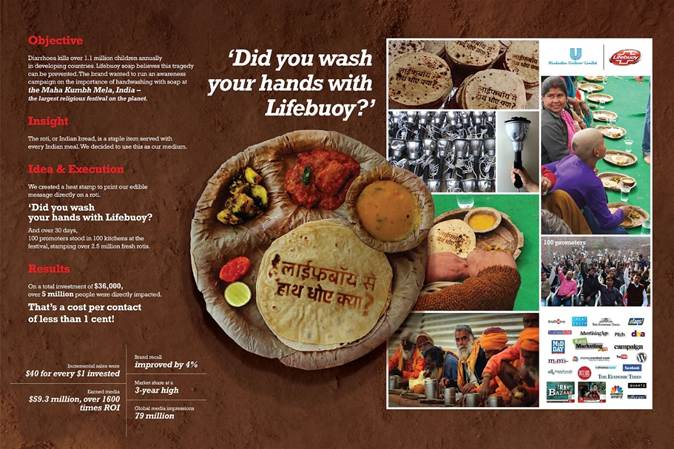
Example 1: HUL’s Lifebuoy campaigns modernized hygiene norms in Uttar Pradesh, increasing soap usage 3x through community demos aligned with evolving lifestyles.
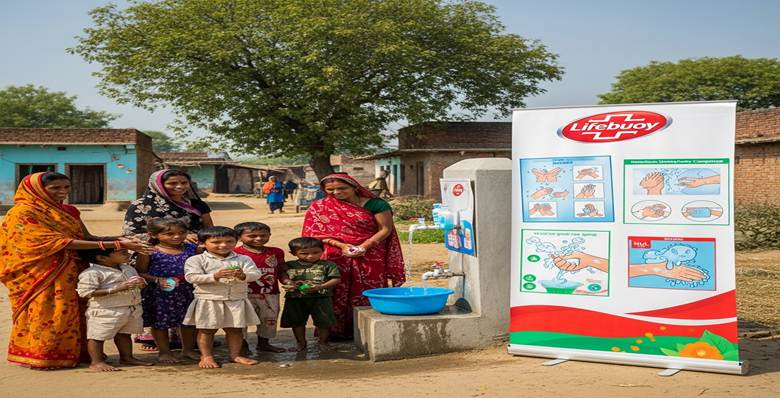
Here is a visual representation of HUL’s Lifebuoy campaign modernizing hygiene norms in Uttar Pradesh: the image features rural children and mothers in traditional attire washing their hands with Lifebuoy soap at a community handwashing station. A colorful Lifebuoy campaign banner and educational posters about handwashing are visible, set against a backdrop of typical rural North Indian houses and trees. This scene highlights health awareness and community participation, reflecting how Lifebuoy has helped promote improved hygiene practices in the region.
How it affects rural consumer behavior:

  • Exposure to new products and brands: Rural consumers are increasingly exposed to urban lifestyles, global brands, and new products through television, the internet, and migrants returning from cities.
  • Changing aspirations: Modernization leads to changes in preferences, with rural consumers aspiring for better quality, branded goods, and modern amenities.
  • Shift in consumption patterns: Traditional preferences may give way to global trends, changing food habits, fashion, and entertainment choices.

Example 2: A rural family that previously wore only traditional clothing now desires branded T-shirts and jeans after seeing advertisements and relatives wearing them.

Case Study: Hindustan Unilever’s Project Shakti

  • Background: HUL launched Project Shakti to empower rural women as direct-to-consumer sales agents for its products.
  • Impact: Products like Lifebuoy soap, Fair & Lovely, and Wheel detergent reached remote villages. Through micro-entrepreneurship, rural consumers were exposed to modern hygiene and beauty products, altering their buying patterns and preferences.
  • Result: The project not only increased product accessibility but also modernized consumption habits in rural India.

2. Technological Factors

Smartphones (72% rural penetration) and UPI enable COD e-commerce, with 36% digital payments from villages. Jio’s affordable data spurred online research, doubling rural online buys from 4% to 8% (2015-2016).

Example 1: BCG’s rural surveys across 14 states showed connected consumers like “Vikas” upgrading data packs, influencing 80% of purchases via apps in Maharashtra.
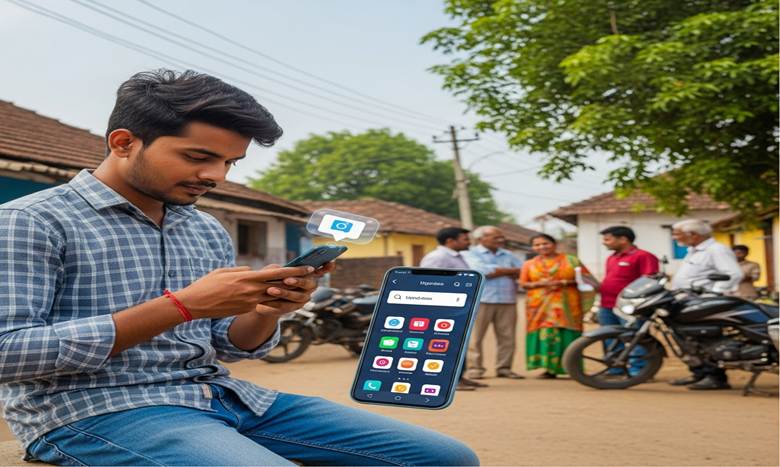
Here is a visual representation based on BCG’s rural surveys in Maharashtra: The image shows a young rural man, representing “Vikas,” using his smartphone in a village setting to upgrade his data pack through a mobile app. On his phone screen, icons of popular shopping apps are visible. In the background, other villagers are watching and discussing, illustrating how his actions influence their purchase decisions. The scene includes typical elements of a rural Maharashtra village, such as traditional houses, motorcycles, and lush greenery, highlighting digital adoption and peer influence among rural consumers.

How it affects rural consumer behavior:

  • Access to information: Mobile phones and the internet allow rural consumers to compare prices, learn about products, and access services previously unavailable.
  • Online transactions: Growth of digital payments and e-commerce introduces villagers to new ways of shopping.
  • Awareness and education: Technology spreads awareness about modern agricultural practices, healthcare, and financial products.

Example 2: A farmer uses a mobile app to check weather forecasts and compare crop prices in different markets before deciding when and where to sell his produce.

Case Study: ITC e-Choupal

  • Background: ITC set up e-Choupal digital kiosks in villages, giving farmers access to real-time information on crop prices, weather, and best farming practices.
  • Impact: Farmers became more informed, reduced their dependence on middlemen, and improved their income by selling their produce at better rates.
  • Result: This technological intervention transformed decision-making and purchasing behavior among rural farmers, making them more empowered and market-driven.

In summary:

Globalization/modernization brings new aspirations and products to rural consumers, changing what they buy and how they buy it (e.g., Project Shakti).

Technology empowers rural consumers with information and accessibility, enabling smarter choices and new consumption habits (e.g., ITC e-Choupal).
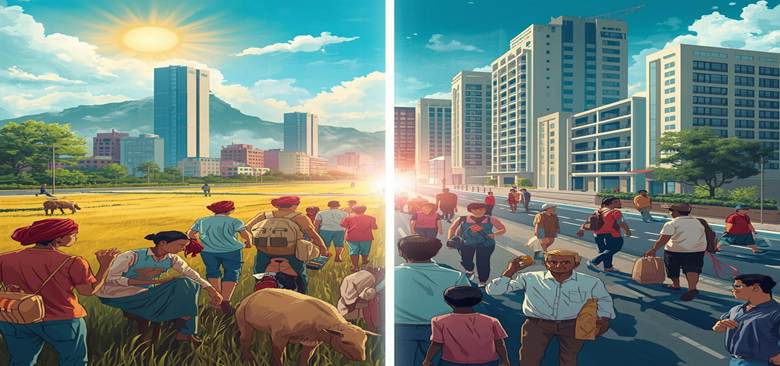
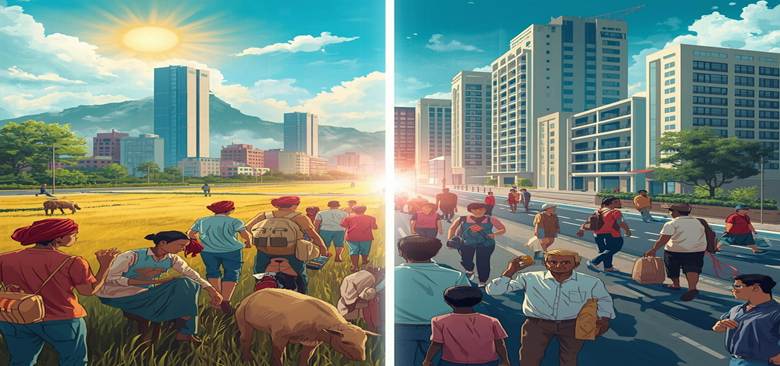
Rural consumer V/s Urban consumers-

A. Understanding basic difference between Rural and urban consumers’ behavior

B. Understanding the nature of competition in rural marketing.

Introduction

In India, rural consumers value quality, durability, and community involvement more than urban consumers who seek ease, brands, and trends. This is because rural spending (68.84% of population) is higher than urban spending (31.16%). Because their wages change with the seasons, people in rural areas like small packs and local shops, while people in cities choose high-end, tech-driven purchases. In rural areas, loyalty is shown through symbols, and in cities, it’s shown through ads.

Key Differences

AspectRural ConsumersUrban Consumers
Purchase FrequencyWeekly, small packs for affordability ​Less frequent, bulk/economy packs ​
Brand LoyaltyHigh via color/logo, less ad-driven ​Brand-conscious, influenced by trends ​
Shopping ChannelsVillage shops, haats for credit/bargains ​Malls, online for convenience ​
Decision FactorsFamily/elders, price sensitivity ​Individual, tech/products ​
Product PreferenceDurables for utility, sachets ​Advanced gadgets, fast food ​

Examples

Rural: Bihar villagers buy FMCG sachets post-Digital India exposure, valuing presence over ads. Urban: Delhi youth prefer online fast food via apps, prioritizing speed. Rural favors two-wheelers for practicality; urban opts luxury cars for status.​

Case Studies

Godrej’s “Godrej Ki Doli” campaign reached 1 crore+ rural consumers in 28,000 UP/AP/Maharashtra villages via door-to-door, contacting 1.7 lakh retailers and building loyalty without heavy ads. Bihar online buying study showed rural 35% rise via YouTube, but urban leads in tech adoption due to infrastructure. Migrants from rural to urban retain haat habits initially but shift to malls.

A. BASIC DIFFERENCES BETWEEN RURAL AND URBAN CONSUMER BEHAVIOR

1. Income and Spending Power

  • Rural Consumers: Usually have lower and more irregular incomes, leading to cautious spending and preference for affordable products.
  • Urban Consumers: Typically have higher, more stable incomes, allowing greater discretionary spending and willingness to try premium or new products.

2. Product Awareness and Information Sources

  • Rural Consumers: Rely more on word-of-mouth, local opinion leaders, and traditional media (radio, regional TV). Advertising impact is limited unless localized.
  • Urban Consumers: Exposed to multiple information channels like digital media, TV, print, social networks. More aware of brands and product options.

3. Buying Behavior

  • Rural Consumers: Prefer small pack sizes (sachets, single-use), buy less frequently, and make purchases mostly from local kirana stores or markets. Price sensitivity is high.
  • Urban Consumers: Buy in bulk or larger packs, shop more frequently in supermarkets, malls, and online platforms. More brand and quality conscious.

4. Brand Loyalty

  • Rural Consumers: Less brand loyal; will switch brands for price or availability.
  • Urban Consumers: More likely to be brand loyal, influenced by advertising and perceived quality.

5. Influencers

  • Rural Consumers: Influenced by family, community leaders, and local traditions.
  • Urban Consumers: Influenced by celebrities, social media influencers, peer groups, and advertising.

6. Payment Methods

  • Rural Consumers: Prefer cash; digital payment adoption is growing but still limited.
  • Urban Consumers: Comfortable with digital payments, cards, and wallets.

Example

  • Shampoo Purchase:
    • Rural Consumer: Buys ₹1 sachet from a kirana shop, influenced by neighbor’s recommendation.
    • Urban Consumer: Buys a branded family-size bottle from a supermarket or online, influenced by TV/online ads.

Case Study 1: Sachet Revolution (Hindustan Unilever Limited)

Problem:
HUL’s shampoo bottles were too expensive for rural consumers, who were hesitant to spend a large amount at once.

Solution:
HUL introduced ₹1 shampoo sachets, making the product affordable and accessible for rural consumers who preferred buying in small quantities.

Impact:

  • Massive increase in rural sales.
  • Urban consumers continued buying large bottles, valuing convenience and long-term savings.

Learning:
Rural consumers prioritize affordability and immediate needs, while urban consumers value convenience and are less sensitive to price per unit.


Case Study 2: Mobile Phones – JioPhone vs. Smartphones

Situation:
Urban consumers demand smartphones with advanced features for communication, work, and entertainment.

Solution for Rural Markets:
Reliance Jio launched the JioPhone, an affordable internet-enabled feature phone, catering to rural needs for basic connectivity and long battery life.

Impact:

  • JioPhone saw massive rural adoption.
  • Urban buyers continued purchasing high-end smartphones (Samsung Galaxy, iPhone).

Learning:
Urban consumers seek technology and status, while rural consumers focus on essential functions and affordability.


Case Study 3: Media Consumption and Advertising

Scenario:
A detergent brand wants to reach both rural and urban markets.

Approach:

  • Urban: Runs TV and digital ad campaigns featuring celebrities, and partners with e-commerce sites.
  • Rural: Sponsors local events, uses folk media, and organizes product demonstrations at village fairs, relying on word-of-mouth.

Impact:
Urban sales rise due to aspirational advertising; rural sales grow through trust-building, personal interaction, and localized messaging.

Conclusion:

Rural consumer behavior is driven by price, accessibility, and local influence, while urban consumer behavior is shaped by higher income, brand value, modern retail, and digital exposure. Successful businesses tailor their strategies to these fundamental differences.

B. UNDERSTANDING THE NATURE OF COMPETITION IN RURAL MARKETING

Nature of Competition in Rural Markets

  1. Fragmented Market: Many small players and unorganized local brands compete with large national brands.
  2. Low Brand Loyalty: Rural consumers often switch brands based on price, availability, or local influence.
  3. Price Sensitivity: Price is a key factor; even a small difference can sway consumers.
  4. Distribution Challenges: Companies compete to reach remote locations and ensure product availability.
  5. Communication Barriers: Marketing must overcome language, literacy, and cultural diversity.
  6. Trust and Relationship Building: Local relationships and word-of-mouth are vital; brands often compete for trust as much as for sales.
  7. Product Adaptation: Competition may lead to product modifications (smaller packs, local flavors, etc.) to suit rural needs.
  8. Non-traditional Promotions: Competitors use fairs, melas, van campaigns, and local influencers instead of only mass media.

Case Studies and Examples

Case Study 1: HUL vs. Local Brands – Detergent Market

Scenario:
Hindustan Unilever Limited (HUL) markets Wheel detergent in rural India, but faces competition from local, unbranded detergents sold at lower prices.

Competitive Strategies:

  • HUL introduced smaller, affordable sachets.
  • Launched rural-specific promotions (e.g., “Wheel Lucky Draw” at village fairs).
  • Built a robust rural distribution network using local wholesalers.

Outcome:
Wheel became a leading rural brand, but HUL had to continually innovate on price, pack size, and promotions due to persistent competition from local brands.


Case Study 2: Colgate vs. Neem Sticks

Scenario:
Rural India traditionally used neem sticks for oral hygiene.

Competitive Approach:

  • Colgate marketed toothpaste in small sachets to make it affordable.
  • Ran educational campaigns in villages about dental hygiene, sometimes partnering with local health workers.
  • Sponsored rural events and distributed free samples.

Outcome:
Colgate became the No.1 toothpaste in rural India, but competition from traditional practices and local brands remains strong, requiring ongoing education and adaptation.


Case Study 3: Britannia vs. Local Bakeries

Scenario:
Britannia aimed to grow biscuit sales in villages where local bakeries sold loose, unpackaged biscuits.

Competitive Moves:

  • Introduced low-priced “Tiger” biscuits in small packs (₹2–₹5).
  • Partnered with rural retailers and offered incentives.
  • Used mobile vans to reach remote villages, creating brand visibility.

Outcome:
Britannia gained a strong rural presence, but continues to face price and availability competition from local bakers.

INSTAGRAM
error: Content is protected !!