

- Channels of Distribution in Rural India
Channels of distribution refer to the pathways through which goods and services flow from producers to consumers. Distribution channels in rural India cater to specific challenges like dispersed populations, inadequate infrastructure, and low literacy rates. Companies have developed innovative models to penetrate rural markets.
A. ITC (e-Choupal)
Description:
ITC e-Choupal is a digital platform that connects rural farmers directly with ITC, bypassing traditional middlemen.
It provides real-time information on weather, prices, best farming practices, and market demand via internet kiosks installed in villages.
Local farmers, trained as ‘Sanchalaks,’ operate these kiosks.
Benefits:
Reduces information asymmetry.
Farmers get better prices for their produce.
ITC saves on procurement costs and ensures quality.
Example:
A soybean farmer in Madhya Pradesh checks e-Choupal for current market prices and weather updates before deciding the best time to harvest and sell his crop.
B. Godrej Adhaar
Description:
Godrej Adhaar is a rural retail initiative that offers a one-stop shop for farmers, selling seeds, fertilizers, pesticides, animal feed, and even consumer goods.
Stores also provide services like soil testing, veterinary advice, and farm equipment rentals.
Benefits:
Increases rural access to quality products.
Generates employment and entrepreneurial opportunities in rural areas.
Example:
A farmer visits a Godrej Adhaar store to buy certified seeds and receives free soil testing and crop advisory services.
C. HUL Shakti (Hindustan Unilever Limited)
Description:
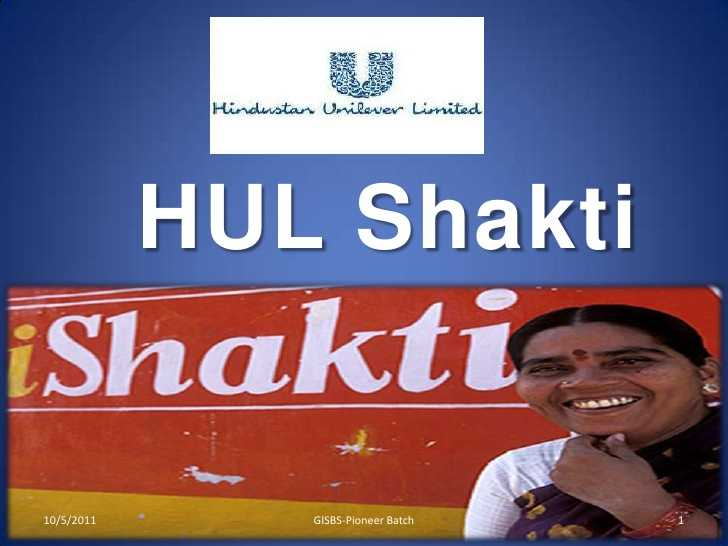
Project Shakti empowers rural women by turning them into direct-to-home distributors of HUL products.
HUL provides training and micro-credit support to women entrepreneurs, known as Shakti Ammas.
Benefits:
Expands HUL’s rural reach cost-effectively.
Promotes women’s empowerment and rural development.
Example:
A Shakti Amma sells soaps, shampoos, and detergents to 150 households in her village, earning extra income for her family.
D. Trade Management
Description:
It involves the efficient management and organization of the supply chain, including logistics, inventory, distributor relationships, and retailer training.
In rural areas, this means developing smaller SKUs (stock-keeping units), building last-mile connectivity, and educating retailers.
Benefits:
Enhances product availability.
Reduces stockouts and improves brand visibility.
Example:
FMCG companies appoint rural distributors and organize training programs for shopkeepers on product placement and customer service.
E. Rural Retailing
Description:
Refers to organized retail formats specifically designed for rural consumers, such as rural malls, haats (weekly markets), and mobile vans.
Retailers customize product assortments, pricing, and communication strategies.
Benefits:
Brings urban retail experience to rural customers.
Offers a wider range of products under one roof.
Example:
Hariyali Kisan Bazaar by DCM Shriram offers agricultural inputs, groceries, and household goods in a supermarket format in rural towns.
Case Study: ITC e-Choupal
Background:
ITC, a major Indian conglomerate, wanted to procure high-quality agricultural produce directly from farmers. The traditional mandi (market) system involved middlemen who often exploited both farmers and companies.
Solution:
Launched in 2000, e-Choupal set up internet kiosks in villages, operated by local farmers. These kiosks provided:
Real-time market price updates
Weather information
Best agricultural practices
Results:
Over 4 million farmers across 40,000 villages benefited.
Farmers’ incomes increased by 5–10% due to better price realization.
ITC reduced procurement costs and built long-term farmer relationships.
Exam Tip:
Highlight how e-Choupal used technology to transform rural supply chains, improve transparency, and empower farmers.
Summary Table
Channel Key Feature Benefit Example/Case Study
ITC e-Choupal Digital farmer kiosks Direct market access, better prices A soybean farmer checks market prices
Godrej Adhaar Rural retail stores Quality inputs and services, employment Farmer buys seeds & gets advice
HUL Shakti Women micro-entrepreneurs, women empowerment, rural reach Shakti Amma distributes HUL products
Trade Mgmt Efficient distribution Product availability, retailer support Rural retailer training
Rural Retailing Rural malls, haats Urban retail experience, variety Hariyali Kisan Bazaar
For exams:
Discuss the innovative approaches taken by companies to reach rural consumers.
Use ITC e-Choupal as a detailed case study.
Mention the social impact (empowerment, employment) in addition to business benefits.
About the Author