

Introduction
1. Causes and Background
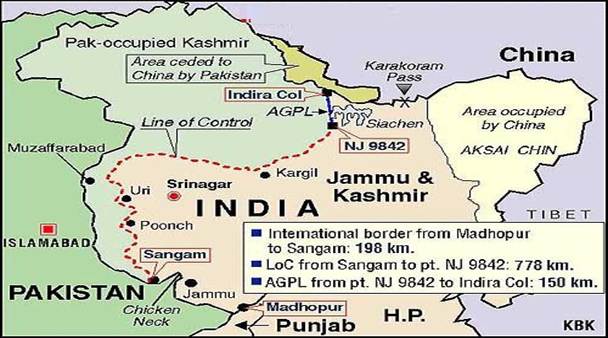
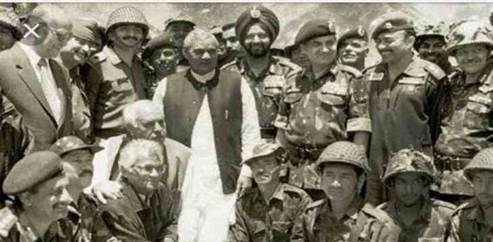
The roots of the Kargil Conflict can be traced back to the long-standing territorial dispute between India and Pakistan over the region of Jammu and Kashmir. The Line of Control (LoC), established in 1972, demarcated the de facto border between the two nations in the region. In early 1999, Pakistani military forces, operating covertly, infiltrated across the LoC into the Indian-controlled territory of Kargil. Their objective was to capture strategic positions along the heights and disrupt Indian supply lines.
2. Key Events and Military Strategies
The conflict began to escalate when the Indian Army discovered the presence of Pakistani infiltrators on the Indian side of the LoC. India responded by launching Operation Vijay, a military campaign aimed at evicting the Pakistani forces from the infiltrated positions. The challenging terrain of the Kargil sector, located at high altitudes in the Himalayas, posed significant logistical and operational challenges for both sides.
The Indian military, utilizing a combination of ground forces, artillery, and airpower, initiated a series of counter-offensives to dislodge the entrenched Pakistani troops. The Indian Air Force played a crucial role in providing close air support and carrying out targeted strikes against enemy positions. The conflict witnessed intense combat, with both sides engaging in artillery duels, infantry assaults, and aerial dogfights.
3. International Diplomacy and Escalation
As news of the conflict spread, international pressure mounted on Pakistan to withdraw its forces from the Indian side of the LoC. The international community, including the United States, urged Pakistan to respect the sanctity of the Line of Control and resolve the dispute through diplomatic means. India, on the other hand, maintained that the infiltrators must be completely expelled before any negotiations could take place.
The conflict witnessed a dangerous escalation when Pakistan attempted to widen the scope of the conflict by targeting Indian cities with cross-border shelling. This move heightened tensions between the two nations, with fears of a broader war and concerns over the nuclear capabilities of both countries.
4. Resolution and Aftermath
Despite the challenging terrain and intense combat, the Indian military gradually regained control of the infiltrated areas. Pakistan faced mounting international pressure and diplomatic isolation, leading to a decision to withdraw its forces. By July 26, 1999, India declared a complete military victory, and Pakistan began a phased withdrawal of its troops.
5. The Kargil Conflict had several significant implications
It underscored the importance of vigilance along the Line of Control, exposed vulnerabilities in border security, and highlighted the need for improved intelligence and surveillance capabilities. The conflict also served as a reminder of the nuclear threat posed by the neighboring nations and the potential risks associated with their ongoing territorial disputes.
The Kargil Conflict was a stark reminder of the volatile nature of the India-Pakistan relationship and the deep-rooted issues surrounding the region of Jammu and Kashmir. The conflict tested the military capabilities, resolve, and diplomatic channels of both nations. While it resulted in a military victory for India, the Kargil Conflict serves as a sobering reminder of the constant challenges and complexities faced in maintaining peace and stability in the region.
The Kargil Conflict, which took place between India and Pakistan in 1999, presented unique challenges for media coverage due to the remote mountainous terrain and the limited access journalists had to the conflict zone. Analyzing the Kargil Conflict from the media’s perspective reveals the role of media in shaping public opinion, the challenges faced by journalists in reporting on a sensitive military operation, and the impact of media coverage on the conduct of the conflict and subsequent diplomatic efforts.
Limited Access and Reporting Challenges
The Kargil Conflict unfolded in a geographically challenging region, making it difficult for journalists to access the conflict zone. The remote locations, rugged terrain, and hostile weather conditions presented significant logistical challenges for journalists. Limited access to the frontlines and the need to rely on official briefings and military press releases posed difficulties in providing comprehensive and independent reporting.
1. Embedding Journalists and Official Narratives
During the Kargil Conflict, embedding journalists with military units was not a prevalent practice. Journalists had to rely on official military statements and information provided by the government. This reliance raised concerns about potential biases and the framing of the conflict through the lens of official narratives. Journalists faced the challenge of balancing their access to information with their responsibility to provide objective reporting.
2. Coverage of Human Stories and Sacrifices
Despite the limitations, journalists sought to cover the human side of the conflict by reporting on the stories of soldiers, their sacrifices, and the impact on their families. This focus on human stories added depth and emotional resonance to media coverage, helping the public connect with the personal experiences and hardships faced by those involved in the conflict.
3. Nationalism, Patriotism, and Media
Media coverage of the Kargil Conflict in India was marked by a surge in nationalism and patriotism. Journalists were faced with the challenge of reporting on the conflict objectively while responding to public sentiment and expectations. The media played a role in shaping public opinion, fostering a sense of unity, and garnering support for the military operation.
4. Information War and Propaganda
The Kargil Conflict witnessed an information war, with both India and Pakistan attempting to control the narrative and manipulate public perception. Governments on both sides disseminated propaganda, highlighting their military successes and downplaying their losses. Journalists had to critically analyze the information provided by official sources and navigate through conflicting claims to present an accurate picture to the public.
5. Public Engagement and Media’s Role
Media coverage of the Kargil Conflict played a significant role in engaging the public and fostering a sense of national solidarity. The reporting provided updates on the progress of military operations, showcased the bravery of soldiers, and sought to rally public support for the war effort. The media acted as a bridge between the frontlines and the public, keeping the nation informed and invested in the outcome of the conflict.
6. Diplomatic Implications and Peace Efforts
Media coverage of the Kargil Conflict also had implications for diplomatic efforts and peace negotiations between India and Pakistan. The reporting helped shape the public discourse surrounding the conflict and influenced the political environment. The media played a role in holding the government accountable, scrutinizing decision-making, and providing insights into the diplomatic efforts aimed at resolving the conflict peacefully.
7. Aftermath and Lessons Learned
The media’s coverage of the Kargil Conflict raised important questions about the conduct of the war and subsequent lessons learned. Journalists reflected on the limitations of reporting in conflict zones, the importance of independent verification, and the need to critically analyze official narratives. The conflict highlighted the significance of the media’s role in shaping public opinion and the responsibility of journalists to present a comprehensive and accurate account of events.
Media coverage of the Kargil Conflict played a crucial role in shaping public understanding, fostering national unity, and influencing the diplomatic efforts that followed. Despite the challenges of limited access and reliance on official narratives, journalists strove to provide comprehensive reporting, highlighting the human stories, sacrifices, and impact of the conflict. Media coverage also brought forth the complexities of an information war and the need for critical analysis of official claims.
The media’s portrayal of the Kargil Conflict sparked a surge of patriotism and national unity, with journalists playing a pivotal role in engaging the public and rallying support for the military operation. However, this heightened nationalism also presented challenges in maintaining objective reporting and critical analysis. Journalists faced the delicate task of balancing their duty to inform the public with their responsibility to question and scrutinize official narratives.
The media coverage of the Kargil Conflict extended beyond national borders, with international media outlets reporting on the developments and diplomatic efforts. The coverage influenced diplomatic discussions, public perceptions, and peace negotiations between India and Pakistan. Journalists played a crucial role in holding the government accountable, scrutinizing decision-making processes, and facilitating informed public discourse on the conflict’s aftermath.
The lessons learned from the media’s coverage of the Kargil Conflict emphasized the importance of independent journalism, verification of information, and critical analysis of official narratives. Journalists faced the challenge of reporting on a sensitive military operation while maintaining objectivity and avoiding the pitfalls of propaganda. The conflict underscored the media’s role in shaping public opinion, fostering national unity, and influencing diplomatic outcomes.
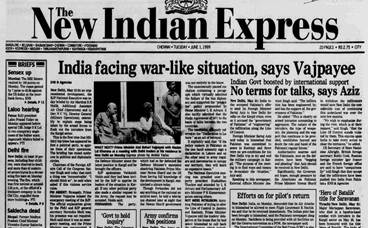
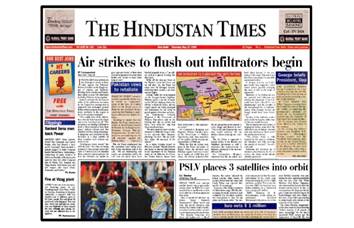
In conclusion, the media’s coverage of the Kargil Conflict exemplified the challenges and responsibilities faced by journalists reporting on sensitive military operations. Despite limited access and reliance on official narratives, journalists sought to provide comprehensive reporting, highlight human stories, and engage the public in understanding the impact of the conflict. The media played a crucial role in fostering national unity, shaping public perceptions, and influencing diplomatic efforts. The lessons learned from the media’s coverage continue to inform the practice of journalism in conflict zones, emphasizing the importance of independence, critical analysis, and responsible reporting.
SURGICAL STRIKES ON PAKISTAN
Introduction
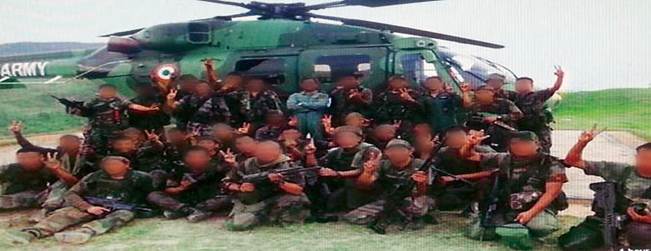
In response to the devastating terrorist attack on an Indian military base in Uri on September 18, 2016, India launched a bold and unprecedented operation known as the “surgical strike.” This meticulously planned military action aimed to strike terrorist launch pads across the Line of Control (LoC) in Pakistan-administered Kashmir. In this brief and detailed section, we will explore the circumstances leading up to the surgical strike, the execution of the operation, its strategic implications, and the aftermath.
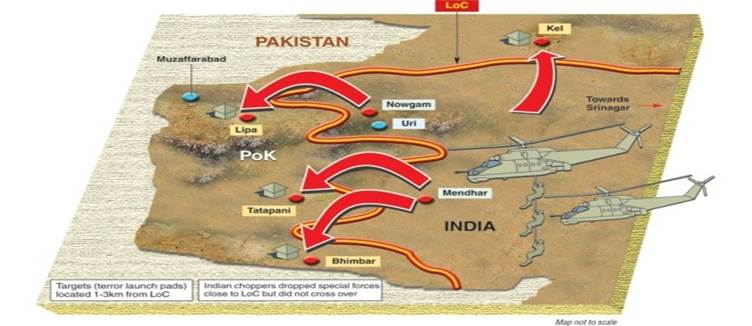
Source Image: India Today
1. Background and Justification
The Uri attack, orchestrated by Pakistan-based terrorist groups, resulted in the loss of 19 Indian soldiers. The brazen assault on the military base sparked outrage and a strong desire for retribution among the Indian populace. The attack underscored the urgent need for India to respond to such acts of terrorism originating from across the border.
2. Execution of the Surgical Strike
On the intervening night of September 28-29, 2016, India’s Special Forces conducted a surgical strike across the LoC. The operation involved targeted strikes on multiple terrorist launch pads located in the vicinity of the LoC. Special Forces units infiltrated deep into enemy territory under the cover of darkness, neutralizing terrorists and destroying infrastructure without causing collateral damage or escalating the conflict.
The surgical strike showcased India’s military precision, with troops employing advanced surveillance equipment, night vision devices, and GPS-guided munitions to carry out the operation. The mission’s success hinged on maintaining secrecy, minimizing risks, and swiftly withdrawing after achieving its objectives.
3. Strategic Implications and Global Response
India’s surgical strike on Pakistan marked a significant departure from its previous restrained approach to cross-border counterterrorism operations. By directly targeting terrorist infrastructure on Pakistani soil, India aimed to send a clear message that it would not tolerate cross-border terrorism. The surgical strike demonstrated India’s willingness to take proactive measures to protect its national security interests.
4. The global response to the surgical strike was varied
While many nations, including the United States, expressed understanding of India’s concerns regarding terrorism, some called for restraint and de-escalation of tensions between the nuclear-armed neighbors. Pakistan denied the occurrence of any surgical strike and downplayed the incident as routine border skirmishes.
5. Aftermath and Future Implications
The surgical strike significantly impacted the dynamics between India and Pakistan. It signaled India’s resolve to respond decisively to terrorist attacks and put Pakistan on notice regarding its support for militant groups. The surgical strike also had domestic implications, boosting the morale of the Indian armed forces and garnering public support for the government’s strong stance against terrorism. However, the surgical strike did not eliminate the threat of terrorism completely. The incident underscored the need for sustained efforts to dismantle terrorist networks, enhance border security, and improve intelligence-sharing mechanisms to prevent future attacks.
India’s surgical strike on Pakistan in response to the Uri attack showcased the nation’s determination to combat cross-border terrorism and protect its national security interests. The operation exemplified precision, careful planning, and a commitment to minimizing collateral damage. While the surgical strike served as a strategic statement, it also highlighted the ongoing challenges posed by terrorism in the region and the need for continued efforts to address the root causes of such acts.
Analyzing the media’s perspective on the surgical strikes conducted by India on Pakistan reveals a complex interplay between patriotism, media coverage, and the challenges of reporting on sensitive military operations. The surgical strikes, which took place in 2016 and 2019, were significant events that garnered widespread attention and sparked intense media coverage. Examining the media’s role in reporting these strikes sheds light on the challenges faced by journalists, the influence of nationalism and public sentiment, and the ethical considerations that come into play.
6. Limited Access and Information Control
Reporting on surgical strikes presented unique challenges due to limited access to the actual operations and the high level of information control by the respective governments. Journalists faced restrictions on entering the conflict zones and gathering firsthand information. They had to rely on official statements, government briefings, and military sources, which raised concerns about the potential bias and the need for independent verification.
7. Nationalism, Jingoism, and Media Coverage
The surgical strikes invoked strong nationalist sentiments in India, which had a significant impact on media coverage. Journalists faced the challenge of balancing their responsibility to provide accurate and objective reporting with the expectations and sentiments of the public. The media played a role in fostering patriotism and national unity, often amplifying the government’s narrative and evoking jingoistic sentiments.
8. Verification and Independence
The veracity of surgical strikes was a subject of debate and skepticism, particularly from the Pakistani side. Journalists had the responsibility to verify the facts and independently corroborate the claims made by the government. The challenge of obtaining reliable information, given the sensitive nature of the operations, required journalists to exercise caution and seek multiple perspectives to ensure accurate reporting.
9. Propaganda and Counter-Narratives
The surgical strikes triggered a battle of narratives and propaganda between India and Pakistan. Both sides sought to shape public perception through media channels and social media platforms. Journalists had to navigate through conflicting claims, propaganda, and disinformation campaigns, emphasizing the need for critical analysis and fact-checking to present an accurate picture to the public.
10. Ethical Considerations and Sensationalism
Reporting on sensitive military operations like surgical strikes raised ethical dilemmas for journalists. They had to balance the duty to inform the public with the potential risks of compromising national security or escalating tensions. Sensationalism and exaggeration were potential pitfalls that journalists had to avoid, ensuring responsible reporting and maintaining the public’s trust.
11. International Coverage and Diplomatic Implications
The surgical strikes received significant international attention, with media outlets around the world reporting on the developments and their implications. Journalists played a role in shaping international perceptions, influencing diplomatic discussions, and generating debates on the escalation of tensions between India and Pakistan. Reporting on the strikes required a nuanced understanding of regional dynamics and geopolitical implications.
12. Social Media and Instantaneous Reporting
The advent of social media platforms intensified the speed and reach of information dissemination during the surgical strikes. Journalists had to grapple with the challenges of handling unverified information, rumors, and the rapid spread of unfiltered narratives. The responsibility to fact-check, verify sources, and present accurate information became even more crucial in this era of instant reporting.
13. Public Sentiment and Media Accountability
The media’s coverage of the surgical strikes played a significant role in shaping public sentiment and influencing public opinion on national security issues. However, media accountability and responsible reporting became crucial in avoiding misinformation, sensationalism, and the manipulation of public sentiment. Journalists were under scrutiny to maintain objectivity and adhere to ethical standards amidst intense nationalistic fervor.
The media’s coverage of the surgical strikes on Pakistan exemplified the complexities and challenges faced by journalists reporting on sensitive military operations. Balancing the responsibility to inform the public with the need for independent verification and critical analysis proved to be essential. The media’s role in fostering nationalism, shaping public sentiment, and navigating the battle of narratives between India and Pakistan was evident in the coverage of the surgical strikes. Journalists were tasked with maintaining their independence and providing accurate reporting while being mindful of the potential for propaganda and sensationalism.
14. Ethical considerations
- Ethical considerations played a crucial role in the media’s coverage of the surgical strikes. Journalists had to carefully weigh the potential risks of compromising national security or escalating tensions against the public’s right to be informed. Responsible reporting necessitated verifying facts, seeking multiple perspectives, and presenting a balanced view of the events.
- The emergence of social media as a powerful platform during the surgical strikes added a new layer of complexity to media coverage. Journalists had to contend with the rapid dissemination of unverified information and the need to counteract misinformation and disinformation. Fact-checking and responsible use of social media became imperative in ensuring accurate reporting and countering potential biases.
- International media coverage of the surgical strikes had diplomatic implications, with journalists playing a role in shaping international perceptions and influencing diplomatic discussions. Understanding the geopolitical context and presenting a nuanced view of the events became essential in accurately portraying the situation and avoiding further escalation.
- The media’s accountability to the public was a critical aspect of the coverage. Journalists were under scrutiny to maintain objectivity, adhere to journalistic standards, and provide accurate and unbiased reporting. Journalistic integrity and transparency were key in maintaining public trust, particularly during a time of heightened nationalism and emotionally charged events.
Conclusion
The coverage of the surgical strikes demonstrated the evolving role of the media in reporting on sensitive military operations. Journalists faced challenges of limited access, verification of information, and navigating the complexities of nationalism and propaganda. Ethical considerations and responsible reporting were paramount in ensuring accurate and unbiased coverage, while social media added new dimensions and challenges to the media landscape.
In conclusion, the media’s perspective on the surgical strikes reflected the intricate dynamics of reporting on sensitive military operations. Journalists had to navigate through limited access, nationalist sentiments, propaganda, and ethical considerations to provide accurate and responsible reporting. The media’s role in shaping public sentiment, influencing international perceptions, and upholding journalistic integrity played a significant role in the coverage of the surgical strikes and its subsequent impact on public discourse and diplomatic efforts.
About the Author