

Introduction
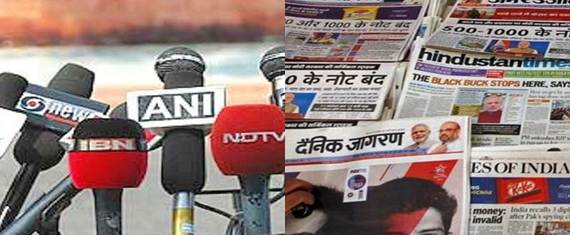
Media is key to determining public perception and influencing public discourse on government policies. In the Indian context, where governance affects the lives of over 1.3 billion people, the media’s coverage of government policies is of utmost importance. This section provides a detailed exploration of the use of media in covering the policies of the Indian government, shedding light on the dynamics, challenges, and responsibilities faced by journalists in this critical domain.
1. The Role of Media in Democracy
A robust and independent media is essential for a thriving democracy. In India, the media, being the fourth pillar of Indian democracy, acts as a crucial bridge between the government and its citizens, providing information, analysis, and scrutiny of government policies. By holding the government accountable, the media serves as a watchdog, facilitating transparency and fostering informed public debates.
2. The Power of Agenda Setting
Media coverage has the power to set the agenda for public discussions on government policies. Journalists and news organizations decide which policies receive prominence and how they are framed, influencing public perception and understanding. The media’s selection of policy issues, angles, and narratives shapes the public’s priorities, making agenda setting a significant responsibility for journalists.
3. Objective Reporting vs. Advocacy Journalism
Journalists face the challenge of maintaining objectivity while reporting on government policies. Striking the right balance between objective reporting and advocacy journalism can be complex. While journalists should present factual information and diverse perspectives, they must also critically analyze policies, evaluate their impact, and hold the government accountable for its actions.
4. Challenges of Access and Information Flow
Journalists often face challenges in accessing accurate and timely information about government policies. Government agencies may selectively disseminate information, hindering journalists’ ability to provide comprehensive coverage. Obtaining access to key decision-makers, relevant documents, and data can be a daunting task, requiring persistence, source-building, and investigative skills.
5. Media Biases and Ideological Influences
Media biases and ideological influences can impact the coverage of government policies. Journalists and news organizations may hold inherent biases that influence their reporting, framing, and interpretation of policies. These elements can result in either a favorable or critical portrayal of government initiatives, potentially shaping public opinion in the process.
6. Balancing Complexity and Simplification
Government policies often involve intricate details and technical jargon that may be challenging for the general public to comprehend. Journalists face the task of simplifying complex policy matters without oversimplifying or distorting the information. For communication to work and for people to understand, it’s important to find the right balance between accuracy and accessibility.
The media’s coverage of government policies in India carries immense significance in a democratic society. Journalists play a critical role in informing citizens, analyzing policies, and holding the government accountable. By understanding the dynamics of media coverage, the challenges faced by journalists, and the ethical responsibilities they carry, media students can equip themselves to become informed, fair, and responsible journalists who contribute to a vibrant and well-informed democracy.
Defence Policy
Introduction
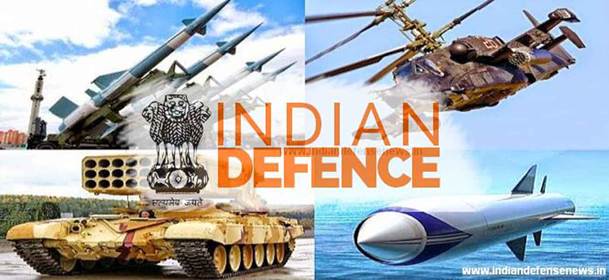
The realm of Indian defense policy is crucial for national security and has far-reaching implications for the country’s geopolitical standing. The role of media in covering defense policy is of paramount importance, as it is instrumental in determining public perception, fostering transparency, and promoting informed debates. This section examines the complex role of media in covering Indian defense policy, highlighting key aspects, challenges, and recent prominent examples from a journalistic standpoint.
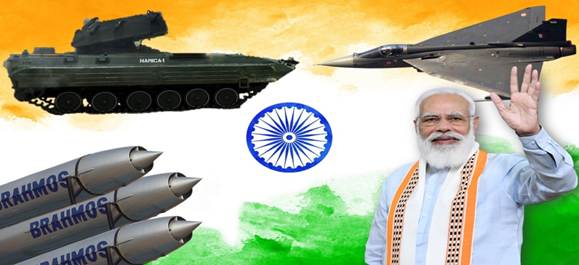
Journalists must delicately balance national security considerations with the public’s right to know when reporting on defense policy. Journalists play a critical role in providing accurate, timely, and comprehensive coverage of defense policies, armed forces, and national security challenges. By upholding journalistic principles of objectivity, verification, and accountability, journalists can contribute to an informed public discourse and ensure responsible reporting on defense matters.
1. Navigating National Security and Transparency
Coverage of Indian defense policy poses a unique challenge for media outlets due to the sensitive nature of national security. Journalists must delicately balance the need for transparency with the need to protect sensitive information that could jeopardize national interests. Striking a balance between the public’s right to know and the imperative of protecting classified information is a crucial responsibility for journalists covering defense policy.
2. Geopolitical Context and Strategic Implications
Media coverage of Indian defense policy should place it within the broader geopolitical context. Journalists must analyze the strategic implications of defense policies, taking into account regional dynamics, alliances, and emerging global trends. This contextualization enhances public understanding of the country’s defense posture and its implications for national security.
3. Expert Insights and Analysis
Coverage of defense policy necessitates seeking expert opinions and analysis from military strategists, defense analysts, and security experts. Journalists should engage with these experts to provide nuanced perspectives, offer historical context, and assess the efficacy of defense policies. Expert insights contribute to a more comprehensive understanding of defense matters and help bridge the gap between technical jargon and public comprehension.
4. Safeguarding National Interest
Media coverage of defense policy requires journalists to exercise caution and responsibility in protecting the national interest. Sensationalism or speculative reporting on sensitive defense matters can have adverse consequences, impacting national security and compromising the effectiveness of military operations. Ethical considerations and fact-checking are key to guaranteeing accurate and responsible reporting.
5. Prominent Recent Examples
Recent developments such as the acquisition of advanced defense equipment, border tensions, and military modernization efforts have garnered significant media attention. Journalists play a pivotal role in covering these events, providing analysis, expert opinions, and real-time updates to the public. Accurate and unbiased reporting on such incidents contributes to informed public discussions and helps foster trust in the media’s role as an informant during critical moments.
6. Defence Procurement and Accountability
Media coverage should scrutinize defense procurement processes, including contracts, acquisitions, and offsets. Journalists should investigate potential irregularities, conflicts of interest, and the transparency of procurement practices. Holding the government and defense establishments accountable ensures efficient utilization of public funds and enhances the overall efficacy of defense policy implementation.
7. Balancing National Security and Public Interest
Journalists covering defense policy must strike a delicate balance between national security imperatives and the public’s right to be informed. While ensuring the protection of sensitive information, journalists have a responsibility to keep the public informed about defense matters that directly impact their safety, national resources, and strategic interests. This delicate balancing act requires meticulous verification, responsible reporting, and adherence to ethical standards.
8. Bridging the Civil-Military Gap
Coverage of Indian defense policy can contribute to bridging the civil-military gap by facilitating a deeper understanding of the armed forces among the general public. Journalists should try to show the military’s roles, problems, and contributions in a way that makes people appreciate, respect, and empathize with them. Media coverage can create a sense of unity and national pride by making the experiences of armed forces personnel more relatable and showing how dedicated they are.
9. Embedding Journalists in Defence Operations
In some cases, journalists may be embedded with defense forces during operations to get firsthand accounts and insights. This practice allows journalists to report on defense operations with accuracy, authenticity, and a more profound understanding of the complexities involved. Embedding also enables journalists to showcase the professionalism and sacrifices of the armed forces while adhering to agreed-upon operational security guidelines.
10. Advocating for Transparency and Accountability
Media coverage should advocate for transparency and accountability in defense policies and decision-making processes. Journalists play an important role in looking into cases of corruption, mismanagement, or inefficiency in the defense establishment. By bringing these kinds of problems to light, media coverage can help create a culture of openness, responsible government, and constant improvement in the defense sector.
Media coverage of Indian defense policy serves as a critical pillar of democracy by providing citizens with vital information about national security, military operations, and defense strategies. Journalists, as responsible and ethical conduits of information, play a pivotal role in ensuring accurate, balanced, and comprehensive reporting. By adhering to journalistic principles and addressing the unique challenges of covering defense policy, media students can contribute to informed public discourse, transparency, and accountability in matters of national security.
About the Author