

OTT & Theatrical Synergy
- Netflix, Amazon Prime Video, JioCinema, Hotstar strategies
- Pre-release buzz vs. post-release engagement
Introduction
The entertainment industry has undergone a significant transformation with the rise of over-the-top (OTT) streaming platforms alongside traditional theatrical releases. OTT platforms, such as Netflix, Amazon Prime Video, and Disney+, deliver content directly to viewers via the internet, bypassing conventional distribution channels. Meanwhile, theatrical releases continue to offer the communal, big-screen experience that remains a cornerstone of the film industry.
The synergy between OTT platforms and theatrical releases represents a dynamic shift in content distribution and consumption. Rather than existing as mutually exclusive options, these two modes increasingly complement each other. Theatrical releases can serve as high-profile events that build anticipation and buzz, while OTT platforms offer films a longer lifecycle, reaching wider and more diverse audiences.
This synergy enables filmmakers and studios to maximize revenue, enhance audience engagement, and experiment with new release strategies, such as simultaneous or staggered premieres. As consumer preferences evolve, the collaboration between OTT and theatrical channels is reshaping the future of entertainment, offering greater flexibility and accessibility while preserving the unique value of both experiences.
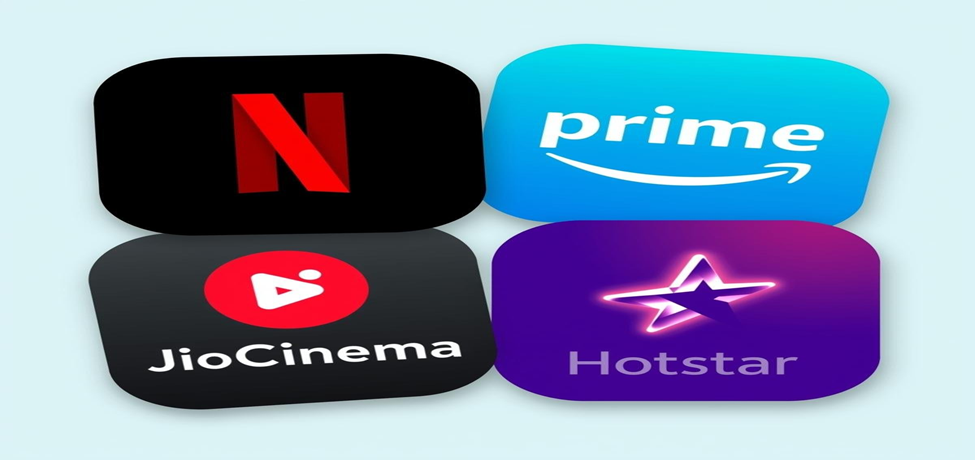
A. NETFLIX, AMAZON PRIME VIDEO, JIOCINEMA, HOTSTAR STRATEGIES
Here’s a refined and structured overview of OTT & theatrical synergy, including strategic approaches by Netflix, Amazon Prime Video, and JioHotstar (successor to JioCinema and Hotstar), along with illustrative case studies and film examples.
1. OTT & Theatrical Synergy: A New Distribution Paradigm
OTT platforms and theatrical releases are increasingly viewed not as competing channels, but as complementary tools. Theatrical runs can build cultural impact and prestige, while OTT ensures wider reach and longer tail viewership. This synergy allows studios and platforms to optimize both revenue and audience engagement.
2. Netflix Strategies
- Awards-Driven Limited Theatrical Runs
Netflix frequently employs short theatrical releases to qualify for awards while prioritizing streaming. Roma (2018), for example, premiered in select theaters across 42 countries just three weeks before streaming, earning 10 Oscar nominations and winning Big Three awards. - “Sneak-Preview” Hybrid Model
More recently, Netflix experimented with a hybrid model for Glass Onion: A Knives Out Story—a 17-day theatrical run in 696 U.S. theaters, followed by a blackout period before streaming. - Major Blockbusters on IMAX
In 2025, Netflix announced a pivot toward large-scale theatrical engagement with Greta Gerwig’s The Chronicles of Narnia reboot. The film will play exclusively on around 1,000 IMAX screens across 90 countries for up to four weeks before debuting on Netflix, supported by a robust marketing campaign.
3. Amazon Prime Video Strategies
- Traditional Wide Release for Prestige
Amazon broke ground earlier with Manchester by the Sea (2016), which secured a wide theatrical release (over 1,200 theaters) before streaming, earning critical acclaim and Best Picture nominations. - Hybrid Releases with Short Windows
A more recent example is Red One, which had a 28-day theatrical window before streaming on Prime Video. The film grossed $175 million globally and maintained strong box office retention. - Expanding Indian Theatrical Footprint
Starting in 2026, Amazon MGM Studios plans to release 3–4 Indian films theatrically each year before streaming, signaling a renewed focus on theatrical-first strategies in India.
4. JioHotstar (formerly JioCinema & Hotstar)
- Platform Consolidation and Vertical Integration
In February 2025, JioCinema and Disney+ Hotstar merged under the JioStar joint venture, launching JioHotstar, which now combines extensive content libraries and sports rights with vertical distribution control. - OTT-After-Theatrical Model in Indian Cinema
Several Indian films have followed a traditional theatrical-first release before transitioning to streaming on JioHotstar:
• Subham (Telugu horror-comedy) – theatrical release on May 9, 2025; OTT debut on JioHotstar from June 13, 2025.
• DNA (Tamil thriller) – theatrical release on June 20, 2025; OTT streaming from July 19, 2025.
• Ronth (Malayalam crime thriller) – theatrical release mid-June 2025; OTT from July 22, 2025.
• Sweetheart! (Tamil romantic comedy)—theatrical release March 14, 2025; OTT from April 11, 2025.
- Direct OTT Releases & Mixed Strategies
Sarzameen (Hindi action drama) skipped theatrical release and launched directly on JioHotstar on July 25, 2025.
Soothravakyam (Malayalam suspense thriller) was released theatrically on July 11, 2025; its OTT rights were acquired by Lionsgate Play and Amazon Prime Video in August.
5. Key Insights and Comparative Analysis
- Netflix focuses on prestige and cultural buzz through strategic theatrical windows, with recent expansion into large-scale blockbusters to amplify global impact.
- Amazon Prime Video balances prestige (wide releases) with efficiency (short theatrical windows), especially in markets like India.
- JioHotstar benefits from full vertical integration, enabling flexible release strategies—from traditional theatrical runs to direct OTT premieres—tailored to regional content and audience preferences.
6. Case Study Highlights
- Roma (Netflix): Prestige-driven theatrical release, Oscar recognition.
- Glass Onion: Hybrid sneak-preview model.
- Narnia Reboot: IMAX-first strategy.
- Manchester by the Sea (Amazon): Traditional theatrical-first success.
- Red One: Short-window hybrid release.
- Subham, DNA, and Ronth: Indian films with clear theatrical-to-OTT trajectories.
- Sarzameen: Direct OTT premiere.
- Soothravakyam: Theatrical release with multi-platform OTT licensing.
B. PRE-RELEASE BUZZ VS. POST-RELEASE ENGAGEMENT
Below is a structured analysis of OTT & Theatrical Synergy: Pre-release Buzz vs. Post-release Engagement, including international and national (Indian) case studies, film examples, and a summary.
OTT & Theatrical Synergy:
Pre-release Buzz vs. Post-release Engagement
1. The Concept
- Pre-release Buzz:
The excitement and anticipation generated before a film’s release are driven by marketing, trailers, social media, star cast, and exclusive previews—especially through theatrical premieres. - Post-release Engagement:
The sustained interaction and discussion after the film’s release, primarily supported by OTT availability, social media trends, user reviews, memes, and repeat viewing.
Synergy:
Theatrical releases create event-like anticipation (buzz), while OTT ensures the film remains in the cultural conversation, accessible to broader audiences for a longer period (engagement).
2. International Case Study: Glass Onion: A Knives Out Mystery (Netflix, 2022)
- Pre-release Buzz:
Netflix gave the film a limited one-week theatrical run in major markets before streaming. The star-studded cast, mystery genre, and director Rian Johnson’s reputation generated massive media and social media attention.
Result: Sold-out shows, headlines about Netflix’s rare theatrical move, and Oscar buzz. - Post-release Engagement:
After streaming began, the film trended globally on Netflix, sparking meme culture, fan theories, and extensive online discussion. The accessibility on OTT enabled viewers who missed the theatrical window to watch and discuss it, keeping the film relevant for weeks.
3. National (Indian) Case Study: Jawan (2023)
- Pre-release Buzz:
Starring Shah Rukh Khan, Jawan had a massive promotional campaign, with trailers, music launches, and nationwide media coverage. The theatrical release was treated as a cultural event; advance bookings broke records. - Post-release Engagement:
After an extremely successful theatrical run, the film debuted on Netflix. The OTT release sparked renewed conversations, with fans dissecting plot twists, sharing clips, and introducing the film to new audiences who hadn’t seen it in theaters. The #JawanOnNetflix trend brought the film back into the spotlight, amplifying its lifecycle.
4. Comparative Examples
- International:
- Roma (Netflix): Limited theatrical run for Oscar buzz, then global post-release discussion upon streaming.
- Dune (Warner Bros.): Simultaneous release in theaters and HBO Max. Pre-release anticipation for visuals, post-release engagement focused on accessibility and rewatchability online.
- National (India):
- RRR (2022): Extensive theatrical campaign, followed by viral OTT popularity on Netflix and ZEE5, which reached international audiences and fueled post-release social media trends.
- Shershaah (2021): Skipped theatrical release due to COVID-19 but leveraged OTT (Amazon Prime Video) for post-release engagement, with songs and scenes trending long after launch.
5. Summary
- Pre-release Buzz is most effectively built through theatrical events, media campaigns, and exclusivity, making the release an “event.”
- Post-release engagement thrives on OTT platforms, which provide longevity and accessibility and encourage ongoing discussions, memes, and repeat viewing.
- The synergy of these strategies maximizes both box office returns and long-term popularity, as seen in both international and Indian contexts.
In essence:
Theatrical releases ignite anticipation and cultural excitement, while OTT platforms ensure films remain relevant, discussed, and accessible—prolonging their impact well beyond opening weekend.
About the Author