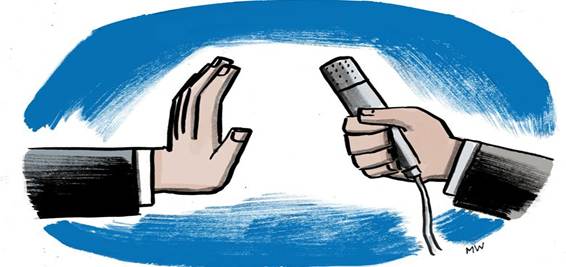


1. Objectivity and Impartiality
2. Avoiding Sensationalism
3. Media Ethics and Professionalism
Journalists must adhere to ethical standards, such as verifying sources, fact-checking information, and maintaining the privacy and dignity of individuals. Upholding professional standards ensures that media coverage remains credible and trustworthy.
4. Balancing Commercial Interests
The media industry’s commercial nature presents a challenge for journalists during general elections. Balancing the need for revenue with the duty to provide unbiased coverage requires careful editorial decision-making and a commitment to journalistic integrity.
IV. Harnessing the Power of New Media
1. Social Media and Digital Platforms
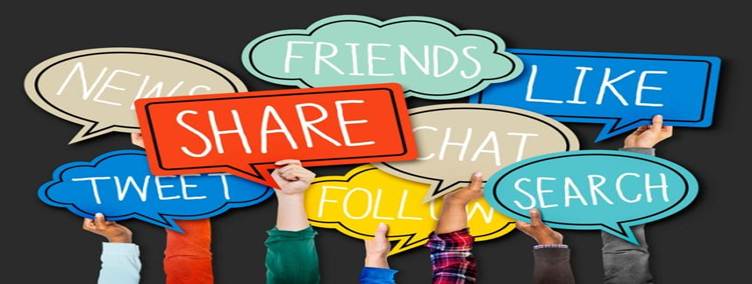
The emergence of social media and digital platforms has revolutionized the media landscape during elections. These platforms provide opportunities for direct citizen engagement, real-time updates, and alternative perspectives. However, journalists must also overcome the obstacles presented by misinformation and filter bubbles that can distort public opinion.
2. Data Analytics and Polling
Media organizations employ data analytics and polling techniques to gauge public sentiment and predict election outcomes. Responsible utilization of these tools can offer helpful details about voter preferences and contribute to more accurate reporting.
3. Citizen Journalism
Citizen journalism, enabled by digital platforms, allows ordinary citizens to contribute to the reporting and analysis of general elections. While citizen journalism provides diverse perspectives, it also requires careful verification and adherence to ethical standards.
The role of the media in general elections is multi-faceted and carries immense responsibility. Journalists must act as guardians of democracy, providing accurate information, fostering healthy debates, and holding political actors accountable. The media’s influence extends beyond national borders, with international outlets broadening perspectives and highlighting global implications.
Aspiring journalists must embrace their role as agents of change and ensure that media coverage promotes informed decision-making and a vibrant democratic society. By understanding the complexities and challenges involved, they can contribute to a media landscape that upholds democratic values and empowers citizens.
C. MEDIA BIASES
Introduction
In a democratic society, the media plays a critical role in providing citizens with information and shaping public opinion. However, we must acknowledge the existence of media biases, which can significantly impact the reporting and perception of news. This section focuses on understanding media biases in India, exploring their impact on journalism, and providing recent examples from a journalist standpoint. By recognizing and navigating biases, aspiring journalists can contribute to a more transparent and objective media landscape.
A. What are media biases?
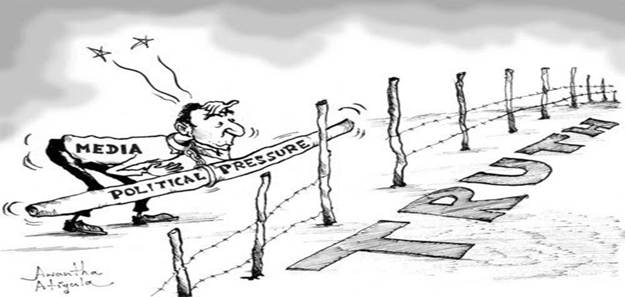
When journalists or news organizations allow their personal beliefs to influence the news they report and how they report it, media bias arises. Media biases refer to the predispositions or inclinations that journalists, editors, or media organizations may have that affect their reporting. Biases can arise due to personal beliefs, political affiliations, or commercial interests.
Some opponents claim that the media is capable of using a complex and sophisticated range of strategies that enable journalists and media proprietors to skew news articles in favor of specific organizations or interests.
Purposeful bias is comparable to purposeful lying and censorship when it is at its most overt, but bias is frequently subtler and hence harder to spot. While bias can affect how facts are presented, many journalists contend that full impartiality is unattainable and that biased media is not always intended to be detrimental. The goal of journalists who believe that some degree of bias is unavoidable is to reduce it rather than remove it and to provide the most impartial perspective possible.
B. Types of Media Biases
1. Political Bias: When media outlets favor or criticize specific political parties or ideologies.
2. Confirmation Bias: When journalists selectively report information that aligns with their preconceived notions or beliefs.
3. Commercial Bias: When media organizations prioritize profit over unbiased reporting.
4. Big story: “Big story” bias refers to the tendency for journalists to overlook critical details and falsify important facts when they see an event or development as a tremendously significant story.
5. Partisan: Partisan prejudice is a sort of bias where a journalist’s political opinions influence the news they report.
6. Demographic: A sort of prejudice known as demographic occurs when race, gender, ethnicity, or other variables, such as culture or economic class, have an impact on news coverage.
7. Neutrality: A form of bias where a journalist or news organization works so diligently to look unbiased that the reporting actually delivers the facts incorrectly.
C. Impact of Media Biases:
The media has a special role to play in shaping public perception of important political and social issues. When media portrays the entire event and offers trustworthy information on various subjects, such as the environment, technology, and risk, it has a significant impact on the public. Readers regard newspapers, magazines, television, radio, and the internet as powerful sources of news and opinion.
According to numerous studies, the public gains more understanding about science from the media. Examining the injustice and inaccuracy of media coverage of significant topics is crucial. An in-depth examination of the most prevalent kinds of mass media shows how they have an impact on civilization throughout the world. In the way TV networks, print media, and internet websites disseminate information, there are undoubtedly many egregious injustices that are still present today.
Millions of people have been observed watching television to stay informed about what is occurring in their surroundings. They rely more on their opinions on news reported on TV or in other news media when forming them about certain subjects. When the media can create or break a candidate, their influence in politics is especially important. They are empowered to support or undermine a candidate.
1. Shaping Public Opinion: Media biases have the potential to shape public opinion by selectively presenting information or influencing the framing of news stories. This can impact how citizens perceive political parties, policies, or social issues.
2. Polarization and Divisiveness: Media biases can contribute to political polarization and social divisions. Biased reporting often reinforces existing beliefs and deepens ideological divides among the public.
3. Undermining Journalistic Integrity: Media biases undermine the core principles of journalism, including objectivity, fairness, and accuracy. Biased reporting erodes public trust in the media and can lead to skepticism regarding the veracity of news.
D. Examples of Media Biases in India:
1. Political Bias: Prominent media organizations have been accused of favoring specific political parties during election campaigns, leading to imbalanced coverage and the amplification of certain narratives.
2. Confirmation Bias: News outlets exhibit confirmation bias when they selectively report facts that bolster a specific viewpoint, disregarding contradictory evidence. This can perpetuate misinformation and impede critical analysis.
3. Commercial Bias: Commercial interests can influence media coverage, with certain issues receiving more attention due to their potential for higher viewership or increased revenue. This can result in the neglect of important but less sensationalized news stories.
E. Prominent examples of media biases:
1. Coverage of Farmer Protests: During the farmer protests that began in 2020, there were allegations of media biases in the coverage of the protests. Some news channels were criticized for taking a biased stance either in favor of or against the protesting farmers, leading to imbalanced reporting and the amplification of specific narratives.
2. Election Campaigns: Media biases often come to the forefront during election campaigns. There have been instances where certain media outlets have been accused of displaying favoritism towards specific political parties or candidates, providing more positive coverage or disproportionate airtime compared to their opponents.
- “Media Bias Allegations Surface in 2019 Lok Sabha Elections” (Source: The Times of India): https://timesofindia.indiatimes.com/india/jairam-ramesh-digvijaya-singh-spar-over-pulwama-attack-deep-divide-surfaces-in-congress/articleshow/97257223.cms?from=mdr
- This news story highlights the allegations of media biases during the 2019 Lok Sabha elections in India. It discusses how some political parties and activists accused certain media outlets of favoring specific parties or candidates, affecting the fairness and objectivity of the electoral process.
- “Media’s Role and Biases in West Bengal Assembly Elections” (Source: The Wire): The story focuses on the media biases observed during the West Bengal Assembly elections in 2021. It explores the allegations of biased reporting by various political parties, with some accusing certain media outlets of favoring the ruling party, while others claimed that the media was against their party.
- “Media Bias and the Gujarat Assembly Elections” (Source: The Economic Times): The story discusses the media biases observed during the Gujarat Assembly elections in 2017. It explores how some media outlets were accused of taking a favorable stance towards the ruling party, leading to allegations of biased reporting and influencing voter perception.
- “Social Media and Media Biases in Indian Elections” (Source: NDTV): The report focuses on the role of social media and media biases in Indian elections. It discusses how social media platforms can amplify biases and misinformation, leading to a polarized environment, and the responsibility of media organizations to counteract these biases.
F. Media bias in religious and communal incidents.
Introduction
Media biases can also be observed in the reporting of religious and communal incidents. Instances have been reported where media outlets have been accused of sensationalizing and exaggerating incidents, leading to the amplification of religious or communal tensions and biases.
“Media Bias and Coverage of Communal Incidents” (Source: The Quint):
The story explores the issue of media biases in the coverage of communal incidents in India. It examines how media outlets sometimes exhibit biases based on religious or communal lines, leading to skewed narratives and exacerbating tensions.
1. “Media Bias Allegations in Reporting Religious Clashes” (Source: India Today): The report highlights the allegations of media biases in the reporting of religious clashes in India. It discusses how some media organizations have been accused of sensationalizing incidents, perpetuating stereotypes, and reinforcing biases, leading to a distorted representation of events.
2. “Media and Communal Bias in Reporting Hate Crimes” (Source: The Wire): The article discusses the issue of media biases in reporting hate crimes in India. It delves into the allegations of media outlets downplaying or selectively reporting incidents based on the religious or communal identities of the victims and perpetrators, affecting the perception and understanding of such crimes.
3. “Media’s Role in Fuelling Communal Tensions” (Source: Scroll.in): The story examines the role of media biases in fueling communal tensions in India. It highlights instances where media organizations have been accused of amplifying divisive narratives, promoting stereotypes, and contributing to the polarization of communities through their reporting.
4. “Media and the Perception of Communal Incidents” (Source: The Indian Express): The report discusses how media biases can influence the public perception of communal incidents in India. It explores how biased reporting, selective coverage, and the framing of narratives can shape public opinion, exacerbating tensions and hindering efforts for communal harmony.
G. Coverage of Controversial Events
Media biases can be evident in the coverage of controversial events. For example, during high-profile criminal cases or political controversies, some media outlets have been accused of selective reporting, presenting biased opinions, or disseminating unverified information that aligns with their own narratives or agenda.
H. Political Interviews and Panel Discussions
Media biases can manifest during political interviews and panel discussions, where some news channels have been criticized for displaying favoritism towards certain politicians or allowing disproportionate airtime to specific individuals or party representatives, while limiting the representation of opposing viewpoints.
It’s important to note that these instances may vary in intensity and perception, and not all media outlets engage in biased reporting. However, these examples highlight the need for media organizations to maintain objectivity, balance, and ethical standards in their reporting, fostering a more transparent and unbiased media environment.
I. Navigating Media Biases
- Media Literacy: Developing media literacy skills is crucial for navigating biases. Students must learn to critically analyze news sources, cross-reference information, and seek diverse perspectives to form a well-rounded understanding.
- Diverse Sources and Multiple Perspectives: Journalists should strive to include diverse sources and viewpoints in their reporting, providing a comprehensive picture of events or issues. This approach fosters balanced reporting and encourages critical thinking among audiences.
- Fact-Checking and Verification: Journalists must prioritize fact-checking and verification to ensure the accuracy and reliability of their reports. By maintaining rigorous standards, they can counteract the influence of biased narratives and misinformation.
Media biases are a reality in the journalism landscape, including in India. Understanding and addressing biases is crucial for aspiring journalists to uphold the principles of transparency, objectivity, and fairness. By being aware of biases, seeking diverse perspectives, and practicing responsible journalism, students can contribute to a media environment that fosters informed public discourse and a more robust democracy. By empowering themselves and their audience with media literacy skills, future journalists can play an instrumental role in unveiling biases and promoting a more transparent and unbiased media ecosystem.
About the Author