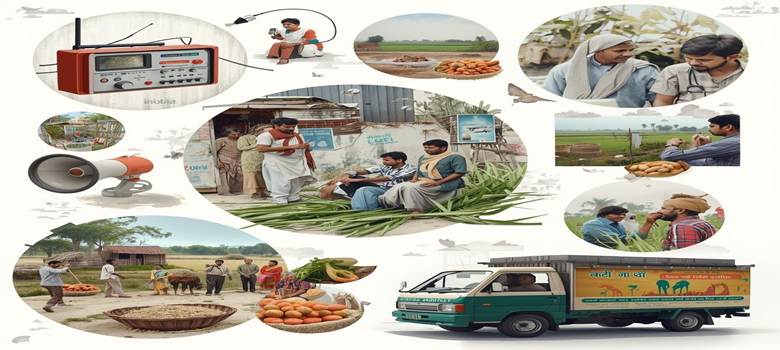


Rural communication methods and advertising play a vital role in reaching and engaging the large, diverse population living in India’s villages. Unlike urban markets, rural areas often face challenges such as lower literacy rates, limited access to digital media, and dispersed populations. As a result, companies must adapt their communication and advertising strategies to be effective in these unique settings.
Rural communication methods typically include traditional media like wall paintings, folk performances, street plays (nukkad natak), and local fairs (melas), as well as modern approaches such as mobile vans, community radio, and village-level influencers. Companies choose these methods because they can effectively connect with rural audiences in local languages, utilizing culturally relevant messages.
Rural advertising leverages these communication channels to create awareness, educate, and influence buying decisions. Brands often tailor their campaigns to local contexts, combining visual, oral, and experiential elements to ensure high impact and recall.
Case Studies and Examples
1. HUL’s Lifebuoy Soap – Nukkad Natak and Wall Paintings
- Method: Hindustan Unilever used street plays and wall paintings to educate rural communities about hygiene and handwashing.
- Impact: These interactive performances, conducted in local dialects during village fairs, made the message relatable and memorable, significantly boosting Lifebuoy’s rural sales.
2. ITC’s e-Choupal – Digital Kiosks and Community Meetings
- Method: ITC set up e-Choupal digital kiosks in villages, providing farmers with information about crops, weather, and market prices. Regular community meetings and demonstrations further reinforced these messages.
- Impact: This two-way communication built trust and increased adoption of ITC’s products and services.
3. Coca-Cola – Mobile Van Campaigns and Village Melas
- Method: Coca-Cola used mobile vans equipped with audio-visual aids to travel to remote villages, participating in local melas and festivals for product sampling and brand promotion.
- Impact: This approach helped Coca-Cola build brand awareness in areas with limited traditional media reach.
4. Colgate – School and Panchayat Programs
- Method: Colgate partnered with schools and village panchayats, conducting oral health education sessions and distributing free samples.
- Impact: These grassroots campaigns, delivered by trusted local influencers, increased toothpaste usage and brand preference.
In summary:
Rural communication and advertising require a blend of traditional and innovative methods to overcome infrastructural and cultural barriers. By leveraging local media, folk traditions, and community influencers, brands can effectively reach and engage rural consumers, leading to greater awareness and market penetration.
About the Author