

PEST Analysis of the Indian Business Environment
India, as one of the fastest-growing major economies, offers a complex and dynamic macroeconomic environment for businesses. The PEST analysis framework helps dissect the external factors—political, economic, socio-cultural, and technological—that impact business decisions and performance. Let’s explore each aspect with Indian brand examples and case studies to illustrate the practical impact.
1. Political Factors
Overview
Political factors refer to the influence of government policy, stability, regulatory frameworks, taxation, trade agreements, and the overall political climate on businesses. In India, the central and state governments play a powerful role in shaping the business landscape.
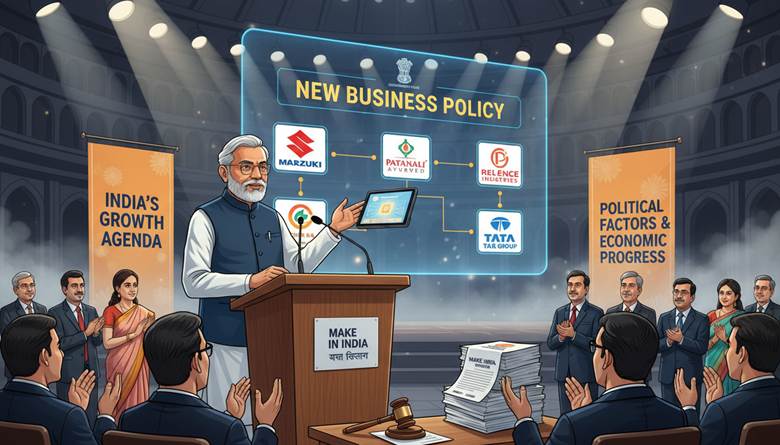
Key Political Factors in India
- Regulatory Environment: Government regulations, FDI limits, sector-specific policies (e.g., GST, Make in India, Digital India).
- Political Stability: Stable governance ensures predictability, while frequent changes or coalition politics can create uncertainties.
- Taxation Policies: Introduction of GST streamlined indirect taxation, but compliance and rates still pose challenges.
- Trade Policies: Import/export duties, free trade agreements, and export incentives influence business strategies.
- Government Incentives: Schemes for MSMEs, subsidies, and PLI incentives for manufacturing.
Case Study: Maruti Suzuki and Government Policy
Maruti Suzuki, India’s leading automobile manufacturer, thrived due to favorable government policies. In the 1980s, the Indian government partnered with Suzuki of Japan to launch Maruti Udyog Limited (now Maruti Suzuki). The government provided:
- Policy support: Relaxed licensing, land allocation, and reduced import duties for technological know-how.
- Trade liberalization: Post-1991 reforms enabled Maruti to upgrade technology, diversify models, and compete globally.
- Impact: Maruti Suzuki became the market leader, benefiting from early-mover advantage, government support, and a growing middle class.
Example: Patanjali and Regulatory Changes
Patanjali Ayurved leveraged the Indian government’s focus on indigenous and Ayurvedic products. The government’s push for “Make in India” and easier licensing for herbal products allowed Patanjali to expand rapidly. However, the brand also faced regulatory scrutiny regarding product claims and quality, illustrating the double-edged nature of political oversight.
2. Economic Factors
Overview
Economic factors encompass the broader economic climate in which businesses operate, including GDP growth, per capita income, inflation, interest rates, currency fluctuations, and market dynamics.
Key Economic Factors in India
- GDP Growth: India’s GDP growth rate directly impacts consumer spending, investment, and business expansion.
- Disposable Income: Rising middle-class income boosts demand for branded goods and services.
- Inflation and Interest Rates: Affect consumer purchasing power and cost of capital for businesses.
- Employment Levels: Influence market demand for both basic and luxury goods.
- Exchange Rate Fluctuations: Affect export competitiveness and input costs, especially for global brands.
Case Study: Hindustan Unilever Limited (HUL) and Rural Markets
Hindustan Unilever Limited (HUL) is India’s largest FMCG company, with a significant presence in both urban and rural markets. Its strategy is closely tied to India’s economic environment:
- Rural Penetration: HUL invested in Project Shakti, empowering rural women as micro-entrepreneurs to sell products in villages. This tapped into growing rural incomes.
- Product Pricing: During inflationary periods, HUL introduced smaller pack sizes (“sachet revolution”) to make products affordable without sacrificing margins.
- Impact of Economic Slowdowns: HUL’s diversified portfolio and rural focus helped it weather economic downturns better than many competitors.
Example: Flipkart and India’s E-Commerce Boom
Flipkart, founded in 2007, capitalized on India’s rising internet penetration, growing disposable income, and favorable demographics. As the economy grew and digital payments became more widespread, Flipkart revolutionized retail by making products accessible to even remote areas. Its economic impact includes the following:
- Job creation: Flipkart and its supply chain partners employ thousands across India.
- SME empowerment: The platform enabled small sellers to reach a national audience.
3. Socio-Cultural Factors
Overview
Socio-cultural factors refer to societal attitudes, values, demographics, education, lifestyle changes, and cultural trends that affect consumer behavior and business operations.
Key Socio-Cultural Factors in India
- Population Diversity: India’s vast linguistic, religious, and regional diversity demands localized marketing.
- Rising Middle Class: The aspirational Indian consumer seeks quality, affordability, and global brands.
- Changing Lifestyles: Urbanization and dual-income households drive demand for convenience products.
- Health Consciousness: Increasing focus on health and wellness shapes food, personal care, and fitness sectors.
- Digital Adoption: Rapid smartphone and internet penetration, especially among youth.
Case Study: Amul and the Indian Dairy Revolution
Amul, the iconic Indian dairy brand, transformed the socio-cultural landscape through its cooperative model:
- Empowerment: Amul’s structure empowered millions of rural dairy farmers, especially women, providing steady income and improved livelihoods.
- Cultural Relevance: Amul’s advertising campaigns (e.g., topical “Amul girl” ads) resonate with Indian audiences by blending humor and social commentary.
- Nutritional Impact: Amul helped make milk and dairy products affordable and accessible, contributing to better nutrition.
Example: Titan and Cultural Nuances
Titan, a Tata Group company, successfully navigated India’s socio-cultural complexity:
- Watches as Status Symbols: Titan positioned watches not just as utility items but as aspirational accessories, leveraging festivals and weddings.
- Tanishq (jewelry brand): Tanishq’s marketing acknowledges traditional values while appealing to modern sensibilities, making it a trusted brand for Indian weddings and celebrations.
4. Technological Factors
Overview
Technological factors cover advancements in manufacturing, information technology, innovation, digital transformation, automation, and R&D.
Key Technological Factors in India
- Digital India Initiative: Government push to increase digital infrastructure and connectivity.
- Mobile Penetration: India has one of the world’s highest numbers of mobile users, fueling e-commerce and fintech.
- Tech Startups: A robust startup ecosystem drives innovation in fintech, edtech, healthtech, and logistics.
- Automation and AI: Increasing adoption in manufacturing, retail, and services.
- R&D Investment: Multinational and Indian corporations invest in product and process innovation.
Case Study: Reliance Jio and the Telecom Revolution
Reliance Jio disrupted the Indian telecom sector in 2016 by offering free voice calls and extremely affordable data plans:
- Mass Digitalization: Jio’s entry forced competitors to lower prices, leading to a data revolution and rapid internet adoption across urban and rural India.
- Ecosystem Approach: Jio expanded into digital services (JioSaavn, JioTV, JioMart), leveraging its vast subscriber base.
- Societal Impact: Affordable internet enabled e-learning, telemedicine, and digital payments, transforming daily life and business.
Example: Paytm and the Digital Payments Surge
Paytm, an Indian fintech pioneer, rode the wave of technological and regulatory change:
- Demonetization Impact: The 2016 demonetization policy created a surge in demand for digital payments, and Paytm rapidly scaled its wallet and merchant acceptance.
- Innovation: Continuous updates, UPI integration, and expansion into financial services made Paytm a household name.
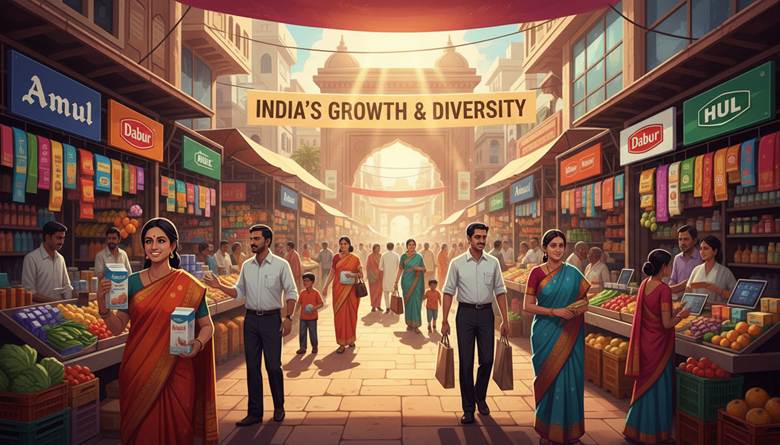
Integrated PEST Analysis: How Indian Brands Navigate the Macro Environment
Indian brands must remain agile, adapting their strategies to the ever-changing macro environment. Often, the four PEST factors are deeply interlinked.
Example: Ola Cabs – Navigating PEST Forces
Ola Cabs (ANI Technologies) is a prime example of an Indian brand successfully navigating PEST challenges:
- Political: Regulatory battles with state governments over licensing, surge pricing, and competition with traditional taxis.
- Economic: Tapping into India’s urbanization and rising disposable incomes, Ola offers affordable mobility solutions.
- Socio-Cultural: Addressing safety concerns (especially for women), offering regional language apps, and promoting ride-sharing to appeal to eco-conscious users.
- Technological: Leveraging GPS, mobile payments, AI-driven demand prediction, and a robust app ecosystem.
Example: Dabur – From Ayurveda to Modern FMCG
Dabur, a 135-year-old brand, has thrived by aligning with macro trends:
- Political: Benefited from pro-Ayurveda policies and easier regulations for herbal products.
- Economic: Affordable product range caters to both rural and urban customers.
- Socio-Cultural: Promotes health and wellness, leveraging India’s traditional affinity for natural remedies.
- Technological: Invests in automation, e-commerce, and supply chain digitization.
Critical Challenges and Opportunities
While the macro environment offers opportunities, it also poses unique challenges:
Challenges
- Policy Uncertainty: Sudden regulatory changes (e.g., GST rollout, demonetization) can disrupt business planning.
- Income Disparities: Despite economic growth, income inequality persists, requiring adaptive pricing and distribution strategies.
- Cultural Sensitivity: Brands must localize products and marketing to appeal to regional and linguistic differences.
- Digital Divide: Despite rapid digital adoption, rural and low-income populations still face barriers to technology access.
- Global Competition: Indian brands face intense competition from global players entering the market.
Opportunities
- Government Schemes: Initiatives like “Startup India,” “Digital India,” and “Make in India” provide incentives and market access.
- Demographic Dividend: A young population offers vast potential for new product categories and innovation.
- Rural Expansion: Untapped rural markets present growth opportunities for FMCG, telecom, and digital services.
- Sustainability: Growing environmental awareness opens avenues for green and sustainable products.
Conclusion
A robust understanding of PEST factors is essential for Indian brands aiming to thrive in a volatile and dynamic macro environment. The interplay of political support, economic growth, socio-cultural shifts, and technological innovation has driven the success of brands like Maruti Suzuki, Amul, Reliance Jio, HUL, Dabur, and Ola.
Indian businesses that remain vigilant, adaptable, and responsive to these macro forces will be best positioned to capture growth, mitigate risks, and build enduring brands in the world’s most diverse and exciting market.
About the Author