In the fast-evolving landscape of Bollywood filmmaking and marketing, execution simulation has emerged as a valuable strategy for ensuring the smooth rollout of large-scale promotional campaigns and production processes. Execution simulation involves the detailed planning and rehearsal of campaign activities, release sequences, or even scene setups before their actual implementation. This proactive approach allows filmmakers and marketing teams to identify potential challenges, fine-tune logistics, and optimize coordination among various stakeholders.
For example, before launching a nationwide trailer release or orchestrating a multi-city promotional tour, Bollywood teams often conduct simulation exercises to predict audience response, manage technical requirements, and streamline event execution. Films like “Pathaan” and “Jawan”have benefited from such simulations, where pre-launch rehearsals and mock campaigns helped the teams deliver high-impact, seamless experiences for both audiences and partners. By embracing execution simulation, Bollywood ensures that creative vision is translated into successful on-ground and digital initiatives, minimizing risks and maximizing engagement.
Execution Simulation: Mock Social Media Rollouts, Press Releases, and Influencer Briefs
Execution simulation is the process of rehearsing or staging promotional activities before they go live, ensuring flawless execution and maximum impact. In the Indian film industry, this practice is increasingly used for social media campaigns, press releases, and influencer collaborations to anticipate challenges, refine messaging, and optimize timing.
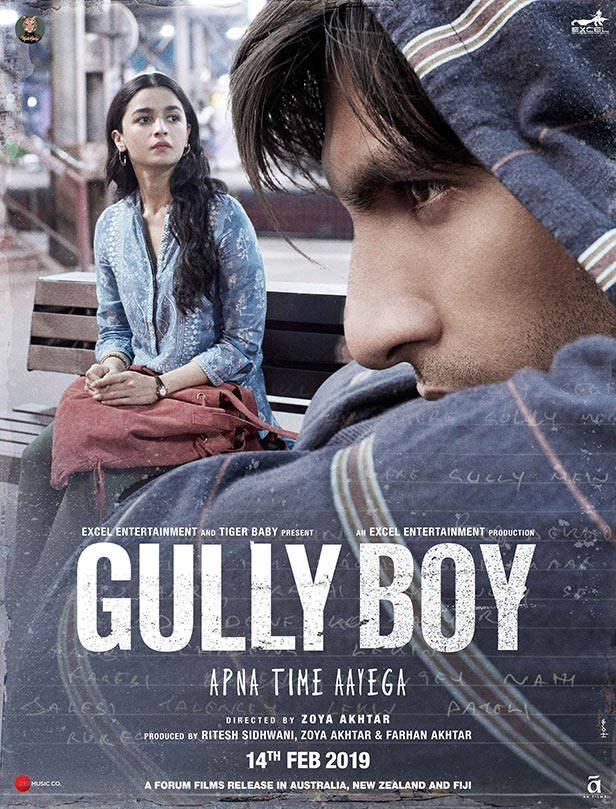
Case Study: “Gully Boy” (2019)
1. Mock Social Media Rollouts: Before launching the first “Gully Boy” trailer and music singles, the marketing team conducted internal simulations. They tested various posting times, visual creatives, and hashtag strategies across platforms like Instagram, Twitter, and Facebook to predict engagement patterns and identify the most impactful launch sequence. This allowed them to schedule posts for maximum reach, coordinate trending hashtags, and prepare for high-volume fan interaction.
2. Press Release Dry Runs: Drafts of press releases announcing event dates, cast interviews, and music launches were circulated among internal teams and select media partners for feedback. By simulating the press release distribution, they ensured messaging consistency and readiness to handle press queries, minimizing the risk of miscommunication.
3. Influencer Briefs: The team developed detailed influencer briefs and ran simulations wherein influencers, including hip-hop artists and youth icons, were guided on messaging, hashtags, and timing. This rehearsal helped synchronize influencer posts with key campaign milestones, amplifying the film’s digital presence on launch days.
Outcome: The coordinated effort resulted in “Gully Boy” trending nationwide on social media, widespread media coverage, and organic influencer engagement, contributing to the film’s strong box office opening and cultural impact.
Other Examples
“Pathaan” (2023): Before the official trailer drop, Yash Raj Films’ digital team conducted mock rollouts to test server loads, hashtag virality, and emergency protocols for handling negative comments or leaks.
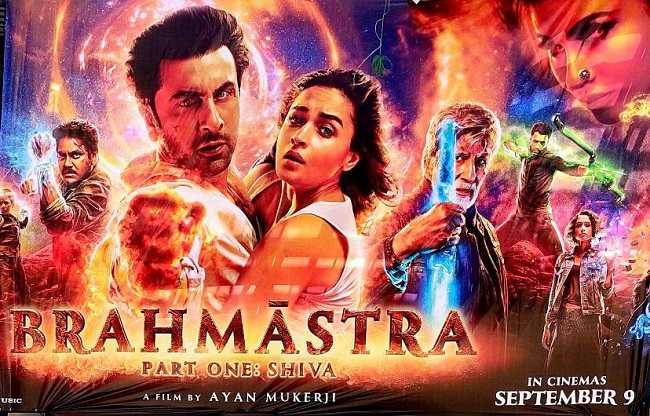
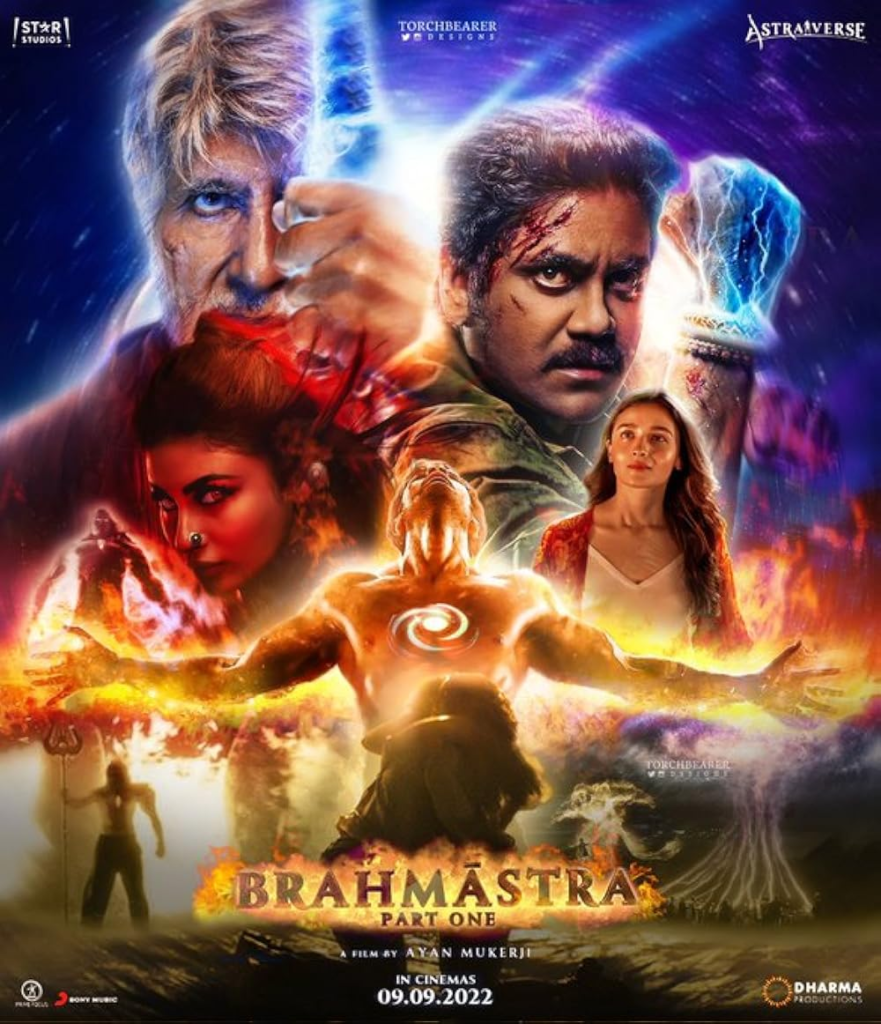
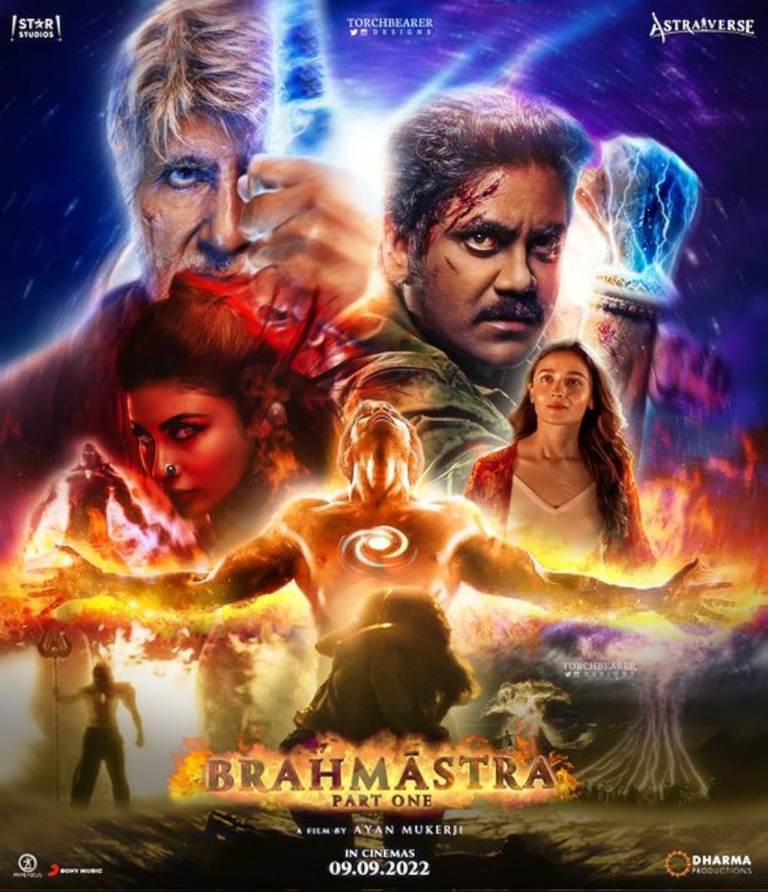
“Brahmāstra” (2022): Simulated influencer campaigns ensured that prominent content creators and Bollywood stars posted coordinated messages, maximizing reach and creating a sense of event around each new asset release.
Conclusion: Execution simulation of social media campaigns, press releases, and influencer briefs enables Indian film teams to anticipate challenges, streamline communication, and create well-coordinated promotional blitzes. These rehearsals are increasingly vital for ensuring that marketing efforts land effectively in a competitive, high-stakes environment like Bollywood.
Execution Simulation in Tollywood: Examples and Case Study
Execution simulation refers to the practice of rehearsing promotional strategies—like social media campaigns, press releases, and influencer collaborations—before their public launch. This helps ensure flawless implementation, consistent messaging, and maximum audience impact. Tollywood, known for its innovative marketing, has effectively used these techniques for several big-ticket releases.
Case Study: “RRR” (2022)
1. Mock Social Media Rollouts: For “RRR,” the team conducted internal simulations of teaser and trailer launches. They experimented with different posting schedules, hashtag strategies, and content formats across platforms, including Twitter, Instagram, and Facebook. The aim was to determine optimal post timings and hashtags (#RRRMovie, #RRRTrailer) that would trend and maximize fan engagement both in India and internationally. Simulations also included rehearsing rapid responses to anticipated fan queries or viral moments.
2. Press Release Simulations: The PR team drafted and internally reviewed press releases announcing cast appearances, release date changes, and milestone achievements (such as record-breaking pre-release business). Mock distributions were performed to key media contacts to ensure clarity and consistency and to prepare for possible media questions or crisis situations (e.g., pandemic-induced delays).
3. Influencer Brief Simulations: Tollywood stars like Ram Charan and Jr. NTR, as well as South Indian influencers and content creators, received detailed briefs about when and how to post about “RRR.” The marketing team ran mock influencer campaigns, synchronizing posts with key milestones such as teaser drops and music launches. Influencers rehearsed sharing reaction videos, challenges, and countdowns, ensuring uniform messaging and timing.
Outcome: These simulations helped “RRR” dominate social media trends during every promotional event. The trailer and song launches set YouTube records, and influencer campaigns contributed to massive digital conversations, making “RRR” a pan-India and global box office phenomenon.
Other Tollywood Examples
“Baahubali 2” (2017): The marketing team orchestrated mock rollouts for major reveals, tested server loads for the official website, and coordinated influencer posts supporting #WKKB (Why Kattappa Killed Baahubali), ensuring that every release was a digital event.
“Pushpa: The Rise” (2021): Influencer simulations were conducted for the viral “Srivalli” step challenge, preparing content creators ahead of the song launch so that dance covers and reaction videos could flood social media immediately upon release.
Conclusion: Execution simulation—through mock social media rollouts, rehearsed press releases, and coordinated influencer briefs—has become a best practice in Tollywood. These strategies help teams anticipate challenges, synchronize large-scale campaigns, and amplify their film’s reach, contributing directly to the massive success of modern Telugu cinema across India and worldwide.
Execution Simulation in Mollywood: Mock Social Media Rollouts, Press Releases, and Influencer Briefs
Execution simulation involves rehearsing key promotional activities—such as social media campaigns, press releases, and influencer partnerships—before they are made public. This proactive approach helps Mollywood filmmakers ensure their promotional messaging is well-coordinated, impactful, and free from potential pitfalls, maximizing the effectiveness of each campaign.
Case Study: “Drishyam 2” (2021)
1. Mock Social Media Rollouts: For “Drishyam 2,” the digital marketing team conducted internal simulations of teaser and trailer launches. They tested various post timings on platforms like Facebook, Twitter, and Instagram to identify the best slots for maximum engagement. Hashtag usage (#Drishyam2, #GeorgeKuttyReturns) and creative formats were also trialed to see which versions resonated best during the test runs.
2. Press Release Simulations: Drafts of press releases announcing the film’s direct release on Amazon Prime Video, as well as key cast interviews and milestone achievements, were circulated internally and among trusted media partners. This allowed the team to ensure clarity, messaging consistency, and preparedness for potential media queries—especially given the film’s unique direct-to-digital launch strategy during the pandemic.
3. Influencer Brief Simulations: The team prepared influencer briefs in advance for Malayalam film reviewers, popular YouTubers, and Instagram creators. These briefs included suggested posting times, hashtags, and talking points. Influencers took part in mock campaigns, aligning their posts with the film’s official content schedule to guarantee a coordinated digital push when the film launched.
Outcome: The execution simulation enabled a smooth, high-impact promotional rollout. “Drishyam 2” quickly trended on social media, with positive buzz amplified by influencers and timely press coverage. The seamless, well-orchestrated campaign contributed to the film’s rapid success on digital platforms and strong word-of-mouth both in Kerala and among the global Malayali audience.
Other Mollywood Examples
“Minnal Murali” (2021): The superhero film’s team rehearsed Twitter and Instagram campaigns, including coordinated influencer challenges and memes, ahead of the Netflix release. Press release simulations helped manage international media outreach, given the film’s global appeal.
“Kurup” (2021): Influencer and social media simulations ensured that the film’s period look and teaser releases were amplified across Malayalam and other South Indian online communities, with pre-prepared responses for anticipated fan questions and viral moments.
Conclusion: Execution simulation of promotional activities—including mock social media rollouts, press release rehearsals, and influencer briefings—has become an important success factor in Mollywood. These careful preparations help Malayalam films deliver impactful, synchronized campaigns that maximize audience engagement and contribute to box office and streaming success.
A. Trailer drops, festival tie-ins, influencer outreach
B. Regional language adaptations and subtitling
In today’s highly competitive Indian film industry, a well-structured marketing strategy is vital to generate buzz and ensure audience engagement. Two critical components of this strategy are the development of a content calendar and the systematic creation of promotional assets. A content calendar helps filmmakers and marketing teams plan, schedule, and organize the release of various content pieces—such as trailers, posters, songs, behind-the-scenes videos, and social media updates—across different platforms. Meanwhile, asset creation focuses on producing high-quality promotional materials that resonate with the film’s target audience and sustain excitement throughout the campaign.
For example, during the lead-up to the release of the film “RRR,” the marketing team meticulously planned a content calendar that included teaser releases, character posters, music launches, interactive social media activities, and cast interviews. Each asset was strategically timed and tailored to different audience segments, ensuring maximum visibility and continuous engagement before the film’s release.
A. Trailer drops, festival tie-ins, influencer outreach
Introduction
In the evolving landscape of Bollywood marketing, innovative promotional strategies play a crucial role in building anticipation and expanding a film’s reach. Among these, trailer drops, festival tie-ins, and influencer outreach have emerged as powerful tools. A well-timed trailer drop can generate instant buzz and set the tone for a film’s release. Festival tie-ins leverage the festive spirit and heightened media attention, aligning film promotions with cultural events to tap into a wider audience. Influencer outreach, through collaborations with digital creators and celebrities, helps films engage directly with fans on social media, enhancing visibility and relatability. When executed strategically, these elements can significantly amplify a film’s pre-release momentum.
Case Study: “Brahmāstra: Part One – Shiva” (2022)
Trailer Drops: The trailer for “Brahmāstra” was released with immense fanfare, accompanied by countdowns and teaser campaigns on social media. The event was live-streamed across platforms, engaging millions of fans and creating widespread anticipation.
Festival Tie-ins: The film’s marketing team aligned several promotions with major Indian festivals, such as Diwali and Raksha Bandhan. Special teasers and exclusive content were unveiled during these periods, capitalizing on increased family and community gatherings to maximize reach.
Influencer Outreach: Influencers and popular Bollywood personalities were invited to early screenings and promotional events. Their positive reviews, reactions, and social media posts contributed to organic buzz. The cast also actively participated in social media challenges, further boosting online engagement.
Result: This integrated approach helped “Brahmāstra” achieve massive pre-release visibility, resulting in strong opening weekend box office numbers and sustained audience interest.
B. Regional language adaptations and subtitling
India’s linguistic and cultural diversity presents both unique challenges and significant opportunities for the Bollywood film industry. To reach audiences beyond the Hindi-speaking belt, Bollywood increasingly relies on regional language adaptations and subtitling. By dubbing films into various Indian languages—such as Tamil, Telugu, Bengali, and Malayalam—or providing accurate subtitles, filmmakers can expand their reach to millions of viewers across different states. These adaptations not only enhance accessibility and inclusivity but also boost box office collections and viewer engagement nationwide. As audiences grow more receptive to content in their own languages, regional adaptations and effective subtitling have become vital strategies for Bollywood films seeking pan-India appeal and greater cultural resonance.
Importance of Indian Regional Language Adaptations and Subtitling of Bollywood Films
India is home to a multitude of languages and dialects, making linguistic inclusivity essential for any film aiming for nationwide success. Adapting Bollywood films into regional languages through dubbing or providing subtitles serves several important purposes:
Wider Reach: Language adaptations allow films to reach audiences beyond the Hindi-speaking regions, opening up new markets and increasing box office potential.
Cultural Inclusivity: Regional adaptations and subtitles make content accessible to diverse audiences, respecting linguistic and cultural differences.
Enhanced Viewer Engagement: Audiences are more likely to connect with and enjoy films in their native language, resulting in positive word-of-mouth and repeat viewership.
Pan-India Appeal: Dubbing and subtitling help Bollywood films transcend regional barriers, contributing to the trend of pan-Indian blockbusters.
Global Accessibility: Subtitles, especially in English and other international languages, enable Indian films to reach global audiences, including non-resident Indians and foreign viewers.
Case Study: “Dangal” (2016)
Overview: “Dangal,” starring Aamir Khan, is a Bollywood sports drama based on the real-life story of wrestler Mahavir Singh Phogat and his daughters.
Regional Language Adaptations: The film was dubbed and released in multiple Indian languages, including Tamil and Telugu, alongside its original Hindi version.
Subtitling: “Dangal” was also released with English subtitles, making it accessible to non-Hindi speakers in India and abroad.
Impact:
The film’s regional versions performed exceptionally well in South Indian states, significantly boosting overall box office collections.
Subtitling enabled broader accessibility, contributing to the film’s international success, especially in non-Hindi-speaking countries like China, where it became a massive hit.
The inclusive language strategy helped “Dangal” become one of the highest-grossing Indian films of all time.
Other Examples
“Baahubali” (originally Telugu): Its Hindi-dubbed version became a blockbuster in North India, while the film was simultaneously released in Tamil and Malayalam.
“Pathaan” (2023): Released with dubbed versions in Tamil and Telugu, along with subtitles for digital platforms, maximizing pan-Indian and global reach.
Conclusion: Indian regional language adaptations and subtitling are not just technical necessities; they are strategic tools that empower Bollywood films to connect with diverse audiences, enhance commercial success, and build a truly national—and international—fanbase.
In the dynamic and diverse landscape of Indian cinema, strategic planning is essential for a film’s success. One of the foundational steps in this process is defining the target audience, selecting the right platforms for release and promotion, and setting an effective budget. These elements guide every stage of a film’s journey—from production and marketing to distribution and box office performance. With the rapid evolution of viewing habits, the rise of digital platforms, and the unique preferences of audiences across regions and languages, understanding how to identify and address the right audience, choose suitable platforms, and allocate budgets wisely has become more crucial than ever for Indian filmmakers.
1. Defining Target Audience
“Target audience” refers to the specific group of people you want your film to appeal to, based on demographics, psychographics, and viewing behavior.
Behavioral: Film genre preferences, past box office data, social media activity.
Case Study: “Gully Boy” (2019)
Target Audience: Urban youth, hip-hop fans, millennials, people interested in social issues.
Approach: Used street rap and relatable content to appeal to young, urban audiences. Marketing targeted college festivals, music platforms, and social media.
Case Study: “Baahubali” Series
Target Audience: Pan-Indian, multi-lingual, family audience, action/fantasy fans.
Approach: Released in multiple languages, extensive merchandising, and broad-based promotional activities.
2. Selecting Platforms
Platforms refer to the media and channels used for film release and promotion: theatrical, digital, television, social media, etc.
Steps:
Theatrical: Multiplexes, single screens (important in Tier 2 & 3 cities).
OTT Platforms: Netflix, Amazon Prime, Disney+ Hotstar, and regional OTTs like Zee5 and Sun NXT.
Television: Satellite rights for mass reach.
Social Media: Instagram, Facebook, Twitter, and YouTube for trailers, promos, and engagement.
Other: Music streaming (for soundtracks), influencer collaborations, cinema apps.
Case Study: “Ludo” (2020)
Platform: Directly released on Netflix during the pandemic.
Reason: Reached a pan-Indian and global audience at a time when theaters were closed.
Case Study: “KGF: Chapter 2” (2022)
Platform: Theatrical first, followed by OTT and TV.
Reason: Leveraged massive pre-release hype for box office, followed by OTT rights sale for extended revenue.
3. Budgeting
A budget involves the allocation of resources for production, marketing, and distribution.
Steps:
Production Budget: Cast, crew, equipment, sets, locations, post-production.
Film campaign planning is the strategic process of organizing and executing promotional activities to generate awareness, excitement, and audience engagement for a film before and after its release. The planning typically involves setting clear objectives, identifying target audiences, choosing the right communication channels, developing creative content, scheduling promotional events, and continuously monitoring and optimizing the campaign based on analytics.
Key Steps in Film Campaign Planning
Objective Setting: Define what the campaign aims to achieve (e.g., high box office, brand partnerships, franchise building).
Audience Identification: Determine the primary and secondary target audiences.
Content Creation: Develop posters, trailers, teasers, interviews, and interactive content.
Channel Selection: Choose platforms—TV, radio, print, outdoor, and especially digital (social media, YouTube, OTT ads).
Event Planning: Organize launch events, press conferences, and fan interactions.
Analytics & Optimization: Track performance metrics (reach, engagement, sentiment) and adjust the campaign accordingly.
Indian Movie Example: “Gully Boy” (2019)
Campaign Overview:
Objective: Build hype for a youth-centric film inspired by Mumbai’s rap culture, aiming for both critical acclaim and youth engagement.
Target Audience: Urban youth, hip-hop fans, and Bollywood moviegoers.
Campaign Strategies:
Trailer & Song Launch:
The song “Apna Time Aayega” dropped on YouTube and music platforms, instantly going viral.
Social Media Engagement:
Ranveer Singh and Alia Bhatt engaged fans on Instagram, sharing rap challenges and behind-the-scenes videos.
Interactive hashtags like #GullyBoyChallenge encouraged user-generated content and rap entries.
Collaborations:
We collaborated with Indian rappers and influencers who shared original music and remixes.
Street Events:
The events included live rap battles and flash mobs in major cities.
Analytics:
We utilized YouTube Studio and Meta Insights for monitoring engagement and optimizing content, with a particular focus on cities and demographics demonstrating the highest level of interest.
Outcome:
The result was a significant increase in online buzz and viral trends.
The film had a strong box office opening and achieved critical success.
The movie significantly increased the mainstream popularity of hip-hop culture in India.
In summary: Film campaign planning is a structured and data-driven approach to promoting a movie. Using “Gully Boy” as an example, we see how a well-planned campaign—leveraging digital, grassroots, and influencer marketing—can generate excitement and drive a film’s commercial and cultural success.
Campaign Planning: Case Study of “Baahubali 2: The Conclusion” (2017)
Film Overview: “Baahubali 2: The Conclusion” is an epic action film and one of the most successful Indian movies, released in multiple languages nationwide.
1. Objective Setting
Primary Goal: Maximize nationwide box office revenue and create a pan-India phenomenon.
Secondary Goals: Boost merchandise sales, expand franchise potential, and enhance digital footprint.
2. Target Audience
Demographics: All age groups, across urban and rural India, including non-Telugu-speaking regions.
Geographic Focus: National (Telugu, Hindi, Tamil, Malayalam, and Kannada markets) and the Indian diaspora abroad.
3. Campaign Strategies
A. Pre-Release Buzz
Teaser & Trailer Launch:
The teaser and trailer were released on YouTube and social media, garnering millions of views within a matter of hours.
There were exclusive trailer launch events held in multiple cities.
Social Media Campaigns:
“#WKKB” (Why Kattappa Killed Baahubali) trended on Twitter, creating curiosity and viral discussions.
Official pages posted behind-the-scenes content, character posters, countdowns, and interactive quizzes.
Influencer Collaborations:
Regional and national celebrities promoted the film.
Popular social media accounts amplified memes and fan theories.
B. Partnerships & Merchandising
Brand Tie-ups:
Amul, Ola, and apparel brands formed partnerships for co-branded promotions.
Merchandising included toys, apparel, and comic books.
In-Theatre & Outdoor Promotions:
Life-size statues, billboards, and mall installations recreated iconic scenes for audience engagement.
C. Regional Customization
We customized trailers and posters to cater to various regional markets.
We conducted interviews and made TV show appearances in multiple languages.
D. Analytics & Optimization
We utilized YouTube Studio and Meta Insights to track engagement and make necessary adjustments to our ad spending.
Google Analytics tracked official website traffic and ticket sales conversions.
4. Evaluation & Results
Reach: Trailers and songs collectively reached hundreds of millions across platforms before release.
Engagement: Social media posts received record-breaking likes, comments, and shares. “#Baahubali2” trended consistently pre- and post-release.
Box Office: The film set new records, becoming the highest-grossing Indian film at the time.
Franchise Growth: The massive campaign success paved the way for spin-offs, animated series, and a dedicated fan community.
Conclusion
“Baahubali 2: The Conclusion” exemplifies how strategic campaign planning—including viral content, regional customization, cross-platform promotion, and data-driven optimization—can turn a film release into a national event and commercial milestone.
Tools: Google Analytics, YouTube Studio, Meta Insights
Metrics: reach, engagement, sentiment, virality
A. Tools: Google Analytics, YouTube Studio, Meta Insights
Analytics and optimization have become indispensable for Indian film marketers seeking to maximize their reach, engagement, and box office returns. By leveraging powerful digital tools, filmmakers can monitor audience behavior, fine-tune promotional strategies, and measure campaign effectiveness in real time.
Key Tools & Their Uses
1. Google Analytics Google Analytics tracks user activity on official movie websites, including page visits, user demographics, traffic sources, and conversion actions (e.g., trailer views, ticket sales).
2. YouTube Studio Analyzes performance metrics for video content such as trailers, songs, and behind-the-scenes footage, including views, watch time, audience retention, and engagement (likes, comments, shares).
3. Meta Insights (Facebook & Instagram Insights) Monitors how film promotions perform on social media: reach, engagement, follower growth, audience demographics, and sentiment analysis of comments and shares.
Case Study: “Baahubali 2: The Conclusion” (2017)
Background: “Baahubali 2” was one of the most anticipated Indian films, and its digital marketing campaign was both innovative and data-driven.
Use of Analytics Tools:
YouTube Studio:
The official trailer amassed over 100 million views within a week.
Marketers used analytics to determine peak engagement times, optimizing the release of subsequent promotional videos.
Audience retention rates helped refine the length and format of future teasers.
Meta Insights:
Facebook and Instagram campaigns were monitored for reach and engagement.
Posts featuring character posters and short video clips were boosted after analytics showed higher interaction rates compared to static images.
Real-time sentiment analysis allowed the team to quickly address negative comments and misinformation.
Google Analytics:
The film’s website tracked spikes in traffic during trailer and song releases.
Data revealed which regions showed the most interest, guiding targeted ad spending and regional promotions.
Conversion tracking measured how many website visitors went on to book tickets through affiliated platforms.
Optimization Results:
Dynamic Ad Spend: Budgets were shifted to regions and platforms showing the highest engagement, maximizing ROI.
Content Refinement: Types of posts and videos were adapted based on analytics feedback, focusing more on content that generated organic shares and positive sentiment.
Box Office Impact: The data-driven approach contributed to massive pre-release hype, resulting in record-breaking opening collections.
Other Examples
“Gully Boy” (2019): I utilized YouTube Studio to track the viral reach of the “Apna Time Aayega” music video, thereby optimizing subsequent releases for similar audience demographics and interests.
“Pathaan” (2023): Using Meta Insights, we monitored public sentiment during controversies and tailored our PR messaging accordingly, which helped us overcome boycott calls and ensured a successful release.
Conclusion
By integrating tools like Google Analytics, YouTube Studio, and Meta Insights into their marketing strategies, Indian filmmakers are able to:
Monitor real-time audience behavior and sentiment.
Optimize content and ad spending,
Maximize engagement and box office outcomes.
Analytics and optimization are now at the core of every major film campaign in India, turning data into a key driver of cinematic success.
B. Metrics: reach, engagement, sentiment, virality
Analytics & Optimization: Key Metrics in Indian Film Marketing
Modern Indian film marketing relies on digital analytics to measure and optimize campaign effectiveness. The most important metrics include:
Reach: Number of unique users who see the promotional content.
Engagement: Interactions such as likes, shares, comments, and clicks.
Sentiment: Audience attitudes reflected in comments and posts—positive, negative, or neutral.
Virality: The speed and extent to which content is organically shared and spreads across platforms.
Case Study 1: Old Movie Example—”Chennai Express” (2013)
Campaign Overview:
The marketing team used early social media platforms (Facebook, Twitter, and YouTube) to maximize the film’s online visibility.
Key Metrics:
Reach: The trailer and song videos cumulatively reached millions of viewers in the months leading up to release.
Engagement: Shah Rukh Khan and Deepika Padukone’s direct engagement with fans via live chats, behind-the-scenes videos, and contests led to high interaction rates.
Sentiment: Social listening tools monitored fan reactions; overwhelmingly positive sentiment led to even more aggressive digital pushes.
Virality: The “Lungi Dance” song went viral, being widely shared and adapted, significantly boosting the film’s hype.
Optimization: When the team noticed higher engagement on regional pages, they increased content in local languages, which further expanded the film’s reach and contributed to its blockbuster status.
Case Study 2: New Movie Example—”Pathaan” (2023)
Campaign Overview:
“Pathaan” leveraged Instagram, YouTube, and Facebook for digital-first promotions, tracking metrics through advanced analytics tools.
Key Metrics:
Reach: The trailer reached over 50 million views within 24 hours on YouTube alone.
Engagement: High levels of likes, shares, and comments on teasers and song releases, especially on Instagram and YouTube.
Sentiment: When the film faced boycott trends, sentiment analysis showed a split in audience opinion. The marketing team quickly increased positive PR and influencer support to balance sentiment.
Virality: The “Besharam Rang” song and action sequences became viral trends, spawning memes and reels on social media.
Optimization: By tracking which songs, dialogues, and scenes generated the most buzz and positive sentiment, the team doubled down on similar content and real-time fan engagement, helping the film overcome controversy and break box office records.
Conclusion
Analytics & optimization using metrics like reach, engagement, sentiment, and virality help Indian filmmakers and marketers understand what resonates with audiences.
By closely monitoring these metrics and adapting strategies in real time—as seen with both “Chennai Express” and “Pathaan”—film promotions achieve greater impact, broader reach, and higher box office success.
The Indian film industry, particularly Bollywood, faces frequent crises from scandals, box-office flops, and external disruptions like pandemics. Crisis management in this sector involves swift PR strategies, narrative control, and reputation rebuilding to sustain its glamour image.
Crisis management refers to the strategies and actions taken by film producers, studios, and PR teams to handle negative situations such as controversies, organized backlash, review bombing, or boycott trends that threaten a film’s reputation and commercial success.
Common Crisis Scenarios:
Controversies:Content offending religious, cultural, or political groups (e.g., “Padmaavat,” “PK”).
Review Bombing: Deliberate negative online ratings/reviews, often organized on platforms like IMDb or Google.
Boycott Trends: Social media movements calling for boycotts over actors’ statements, film content, or affiliations (#BoycottBollywood).
Crisis Management Strategies:
Proactive Monitoring: Use analytics and social listening tools to detect early signs of backlash across social media and review platforms.
Transparent Communication: Address the controversy openly through press releases, interviews, or social media statements. Clarify artistic intent or offer apologies if justified.
Engagement with Stakeholders: Initiate dialogue with offended groups, community leaders, or critics to defuse tension (as seen with “Padmaavat”).
Content Adjustments: Make necessary edits or changes when required by censors or after constructive feedback (e.g., costume changes in “Pathaan”).
Influencer and Fan Support: Mobilize celebrities, influencers, and loyal fan bases to share positive messages and counter negative narratives.
Legal Action: Pursue legal recourse against misinformation, threats, or unlawful bans if needed.
Crisis management in the Indian film industry, focusing on handling controversies, review bombing, and boycott trends, with relevant examples and case studies:
Crisis Management in Indian Cinema
Crisis management in the Indian film industry involves actively monitoring, addressing, and mitigating negative publicity, controversies, or organized backlash—such as review bombing and boycott trends—to protect a film’s reputation and financial prospects.
Old Example: Padmaavat (2018)
Controversy: “Padmaavat” faced major protests and calls for bans due to alleged historical inaccuracies and perceived insults to Rajput sentiments.
Crisis Management: The filmmakers engaged in dialogue with community leaders, made edits as requested by the censor board, and issued public clarifications. The cast and crew used social media to appeal for peace and explain the film’s intent.
Result: Despite the controversy, the film managed a successful release and became a box-office hit, showing the effectiveness of transparent communication and strategic crisis response.
Recent Example: Laal Singh Chaddha (2022)
Controversy: The film faced online boycott trends and review bombing, largely due to old statements by lead actor Aamir Khan.
Crisis Management: The makers and star addressed concerns publicly, clarified intentions, and appealed for fair viewing. We closely monitored social media sentiment and engaged influencers to promote positive narratives.
Result: Despite these efforts, the film’s box office was affected, highlighting that while crisis management can mitigate impact, deep-seated boycott trends remain challenging to overcome in the digital age.
Another Recent Example: Pathaan (2023)
Controversy: “Pathaan” faced boycott calls and social media outrage over costumes and song content.
Crisis Management: The team swiftly edited controversial scenes, engaged with media to clarify the context, and launched a positive PR campaign emphasizing the film’s entertainment value.
Result: The film broke box office records, demonstrating that proactive management, quick content adjustments, and positive engagement can defuse crises.
Conclusion
Indian filmmakers now use a combination of
Active listening (through analytics and sentiment tracking),
Transparent communication (clarifying intentions and apologizing if needed),
Strategic engagement (with fans, media, and influencers) to manage and sometimes overcome controversies, review bombing, and boycott trends.
Effective crisis management can preserve a film’s reputation and sometimes even turn controversy into greater curiosity and box office success.
In publishing more commonly, the term “copy” refers to the text in books, magazines, and newspapers. In books, it means the text as written by the author, which the copy editor then prepares for typesetting and printing. This is also referred to as “editorial copy,” which is said to have two subdivisions, the body copy and the adjuncts to the body copy.
The term’s usage can be demonstrated in the way an editor decides to embed advertising material directly into the editorial copy, which means that the ad would use the same font, layout presentation, and feel as the editorial copy it is being integrated into. This concept underscores how the copy can also refer to the identity of the newspaper or the magazine since the method of composition and layout can define its brand and positioning.
In general, copy is written text of any kind in various genres. Many of you familiar with the HBO smash hit “Mad Men” knew that “copy” referred to advertising copy (or text). Ad copy means text written specifically to sell something. But there are other kinds of copy, including body copy and just plain copy.
A. Headline
Introduction
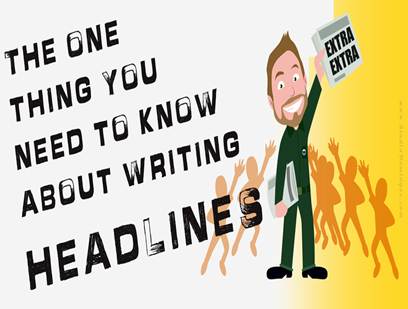
The headline summarizes the story’s main idea, which the lead expands upon. It should clearly express a complete thought. Headlines have become essential in today’s society; people tend to look only at headlines rather than reading complete stories. Writing headlines takes practice. You need to select words sensibly and use strong writing in order to motivate the audience to read the article. Create the headline after you finish writing the article so that you have a complete understanding of the story. Focus on how you can communicate the main idea in a manner that will capture the reader’s attention.
Headlines are crucial to your content. The famous advertising revolutionary, David Ogilvy, knew that headlines are the most important element of your copy. His famous quote is as follows: “On the average, five times as many people read the headline as read the body copy. When you have written your headline, you have spent eighty cents out of your dollar.”
Often described as the “Original Mad Man” and “The Father of Advertising,” Ogilvy is known largely for his advertising work while serving as the founder of Ogilvy & Mather. In addition to building a multibillion-dollar company, he also helped create hugely successful campaigns for clients such as Dove, Shell, and Rolls-Royce.
1. Go Big or Go Home
Don’t bunt. Aim out of the ballpark. Aim for the company of immortals. -David Ogilvy
The product you represent is depending on you, and if you allow yourself to take shortcuts or present a less than compelling argument, then you’ve failed. As an entrepreneur or business owner, you simply cannot afford bad copy. If you cannot achieve perfection on your own, then you should hire someone who can.
2. Do Your Homework
Advertising people who ignore research are as dangerous as generals who ignore decodes of enemy signals. -David Ogilvy
Ogilvy spent years working for George Gallup, founder of the Gallup Poll, and it was during this time that he realized the true value that comes with knowing exactly what your target audience is thinking.
You cannot write copy unless you know:
Who you’re writing it for
How that person thinks
What that person needs
If you haven’t done your research, then you’re simply faking it, and it’s that type of copy that gets marketers in trouble, either with the government or with their boss.
To write great copy, you need to understand your audience to the letter so that you know how you can best serve them. Nothing else will do.
3. Never talk down to your customers.
A consumer is not a moron. She’s your wife. Don’t insult her intelligence, and don’t shock her. -David Ogilvy
This is a wonderful Ogilvy quote (for the video, click here), speaking on behalf of consumers everywhere. As excellent as your product may be, speaking down to your audience is going to turn them away, and as much as you’d love them to be infatuated with your charming pitch, understand that, at the end of the day, they simply want to solve a problem.
Treat your customer with respect and dignity. You’re on equal footing, or perhaps a bit lower, considering you’re the one who needs the sale. Please ensure that your copy accurately reflects that position.
4. The Headline is 80%
On average, five times as many people read the headline as read the body copy. When you have written your headline, you have spent eighty cents out of your dollar. -David Ogilvy
Headlines are as close to a magic bullet as you’re going to get, and if you’re going to be perfect in only one place, do it here. Write a strong headline that works.
Use headline templates, which are based on headlines that have worked in the past
Start with a compelling benefit that entices readers to continue.
If you can, split test different headlines to see what works best
5. Don’t Get Distracted from Making the Sale
If it doesn’t sell, it isn’t creative. -David Ogilvy
Couldn’t be truer. Marketers love to be adorable and funny, original and innovative, but it’s also dangerous.
People don’t set aside time to read ads; they are probably in a hurry, just taking a quick glance before they move on to something else. If your point isn’t immediately obvious, chances are they won’t get it, and you’ll lose them forever.
If you want people to buy, you need them to see your product in their hands and be able to envision how it’ll improve their lives. Everything else is secondary. If you can awe them with your words in the process, fine, but don’t do it at the expense of the sale.
6. Explain Why They Should Buy
The more informative your advertising, the more persuasive it will be. -David Ogilvy
You’ve got their attention with the headline and are telling them about the product, but before they buy, they want to know:
Why is the product important? Why is it a beneficial deal? Why should they be interested? Why should they buy it from you? Why should they buy it now, rather than later? Why should they trust you?
Consciously or subconsciously, all of those questions are going through a customer’s head. If you want them to act, you need to answer them, and that means making your copy informative.
7. Your Copy Is Important. Treat It That Way.
Like a midwife, I make my living bringing new babies into the world, except that mine are new advertising campaigns. -David Ogilvy
All too often, business owners treat their sales copy like an afterthought. They scribble down a few notes, have someone check it to make sure it’s grammatically correct, and send it out. Then they wonder why it doesn’t get results.
On the other hand, David Ogilvy treated each of his campaigns as if they were his own children. He nurtured them, fought for them, and helped them develop. And he produced some of the best-selling campaigns in the history of advertising.
The truth is, writing outstanding copy takes time and energy. Some of the best copywriters will spend weeks just crafting the headline, and they might take months to write the body copy.
It’s not because they’re slow. It’s because they know the importance of getting it right.
Are you committed to that type of excellence?
If not, you should be.
There are different types of headlines with different objectives to them; for example:
Current News Advertisements – Introducing a new product.
Identifying the product or service—telling the audience what the brand is selling and developing brand value.
Offers news—asking the audience to take action towards the advertisement.
Create interest—make the audience think about what the advertisement is really about.
Gives knowledge—telling the audience to get it NOW!
Offers an experiment—asking the audience to try it and see a difference.
Establish tone and emotions—evoke emotions in the audience.
Making a claim towards the benefit of the product—letting the audience know about what is best, why they should get it, and the results of the product.
B. Sub-headline
Introduction
A subheadline is a smaller, secondary headline that usually elaborates on the main headline above it. To simplify, subheadlines come in two common forms, subject to what type of content you’re writing. The rules are more or less the same, but the place and purpose vary. The headline could announce the launch of a new product, and a subheading could give more specific details about the product’s features.
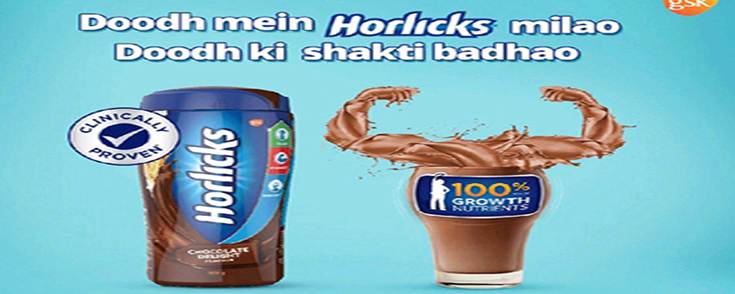
After the headline, the next is the sub-headline. If the headline has rightly suggested the value of the product, the job of the subheadline becomes quite easier. A sub-headline helps the reader to have more knowledge about the product. For e.g., the sub-headline used in the Horlicks ad—Dudh Mein Horlicks Milao, Dudh Ki Shakti Badhao.
Here are three things that we do with our subheadline:
Describe extra. If your product or service requires a bit more description, then try to expand on it with your subheadline.
Tell benefits. Benefit-focused headlines are more effective. This is achieved by emphasizing how a product or service will enhance the user’s life.
Motivate action. A subheadline is also a great way to get consumers to do something. If you effectively inspire action, it’s only a short hop for them to pursue product and service.
The nature of your subheadline depends on your headline. You can choose one of the techniques above or split test different varieties to see which one is best for your users.
C. Layout
Introduction
Layout may be defined as the organizing of the various elements of advertising, such as illustration, text matter, product, and name of the company. A successful advertisement is a mixture of both copy and art.
According to Business Dictionary, a master plan or blueprint of a printed or published work (such as an advertisement, book, magazine, newspaper, or website) that lays out the arrangement of its different graphic elements (such as body copy, colors, headlines, illustrations, and scale). It establishes the overall appearance, relative importance, and relationships between the graphic elements to achieve a smooth flow of information (message) and eye movement for maximum effectiveness or impact. Often alternative layouts (called roughs) are prepared to explore different arrangements before the final layout is made for printing or production.
So layout is the way you use the space and where you place the various elements, how they overlap, what colors they are, how they contrast, and where the setup leaves the reader. Some important components of a good ad layout are as given below.
Border
Heading
Illustrations
Price
White space
Body copy
Signature
The one-second test
Colour
Creativity
Composition
Principles of Design and Layout
The following five principles of good arrangement are essential to everyone who makes or assesses the advertisement:
a. Balance
A layout may be called balanced if equal weights or forces are intermediate at a reference point. The principle of balance is inherent in nature. The reference point is the optical center of the advertisement. The artists with a given area or space are to place all the elements within this space. It is called the reference layout for the advertisement.
b. Proportion
Proportion is closely related to balance since it refers to the division of space among layout elements for a pleasing visual effect. If the major appeal in an advertisement is the product’s price. The price should be displayed in a proportionate space position.
c. Contrast and Emphasis
Contrast means variety. It gives life to the whole composition and adds emphasis to selected important elements. An advertisement with good contrast may attract the attention of customers Contrast may be visible in a number of ways. It may be witnessed through sizes, shapes, and colors.
d. Eye Movement
Eye movement is the design principle that helps move the eyes of the readers from element to element in the order given in the hierarchy of effects model for effective communication of the message in advertising. An effective ad uses planned eye movement and should follow the established reading patterns too, such as the tendency to start at the top left corner of a page and read through to the lower right corner. The eyes also move naturally from large items to small, from dark to light, and from colors to non-colors.
e. Unity or Harmony
Unity or harmony is another important design principle. Although each element should be considered as a separate unit in striving for balance, proportion, contrast, and eye movement. The complete layout or design should appear as a unified composition. Common methods of securing unity in layouts are
Use of consistent typographical design.
Repetition of the same shapes and motifs is another common method.
The overlapping of elements.
Use of a border to hold elements together.
Avoidance of too much space between various elements.
Functions of an Advertisement Layout
The main functions of advertisement layout are
a. Arranging different Parts or elements
The important function of layout is to collecting and arrange the various elements of an advertisement: illustration, headline, sub-headlines, slogans, body text, the identification mark, etc.
b. Opportunity of Change
The layout deals with the creative teams, agency management, and the advertiser and suggests change before its last endorsement and actual construction, and then production begins.
c. Estimating Costs
The layout estimates costs, and it monitors the engravers, typographers, and other craft workers to follow in producing the advertisement.
D. Body Copy
Introduction
The body copy of a print advertisement tells the complete story. It is a logical continuation of the headline and subhead. It also contains words that stimulate interest, desire, and action. It is usually set in smaller type sizes than the subhead. The text should relate to the campaign appeal and to the readers’ interest. It must explain the benefits the product has for the reader. It may concentrate on a single benefit (the big idea) or several benefits as they relate generally to the target audience. The body copy is written in a conversational style, as if one is talking to a known person. This will make the individual reader feel the personal effect of the message. It is important to note the following in writing a good body copy:
Don’t beat about the bush
Avoid superlatives/clichés
Be truthful and make truth fascinating
Be enthusiastic and friendly
Elements of the body copy
a. Lead-in paragraphs
Once the headline captures readers’ attention, the lead-in paragraphs shift their focus to the product by introducing the sales message.
b. Interior paragraphs: These offer evidence to support the claims and promises made in the headline. The key to an interior paragraph is credibility.
These provide proofs for claims and promises. The key to an interior paragraph is credibility. The proofs may come in form of research, testing, usage or guarantee
c. Trail close
This part of the body copy urges readers to make a purchase/buying decision before they get bored.
d. Close
The close asks readers to do something and tells them how to do it. This is the part of the print ad where a sale is made or prompted. The close can be direct or indirect. It can range from subtle suggestion to direct command. The final purpose of a close is to reinforce the readers’ positive thoughts concerning the product/service.
Types of Body Copy
Experts have identified 12 body copy types
Emotive body copy
Factual, hard-selling body copy
Factual, educative body copy
Narrative body copy
Prestige body copy
Picture and captive body copy
Dialogue and monologue
Gimmick body copy
Reader- and editorial-style body copy
Testimonial body copy
Quotation body copy
Back selling (black integration)
E. Types of copy and slogan
Introduction
Advertising copy is the specific wording of an advertisement of a brand of good or service, which highlights the ‘theme’ or ‘message’ the advertisement is intended to convey to prospective buyers or users of that product. Advertising copy may be pitched to appeal to consumers in general or targeted to attract the attention of a particular type of buyer.
The advertisement copies can be divided into six main types:
1. Human interest ad copy
Human interest copy attracts the emotions and senses of its potential customers. This advertisement copy describes the product to people instead of sticking to facts. Human interest copy gets to the selling part indirectly or unwillingly. It focuses on people’s unending interest in themselves, their families, and their friends. The most significant forms of human interest copy are humorous copy, fear copy, predicament copy, and story copy.
2. Educational ad copy
An educational ad copy tries to inform, update, and influence its clients to buy a product by educating the potential customers. It is planned to educate the public about the features of the product. Introductory ad copies are usually created in thiamongIt is the responsibility of every manufacturer to educate the prospects regarding the product and bear a sincere welcome among its clients. Such an ad copy indicates the benefits and special features of the product.
3. Reason why? ad copy
Why advertising Copy offers reasons as to why the consumers are likely to buy the product of a specific brand. The reason why copy appeals more directly to the intellect or the judgment of an individual than to the emotions. It tries to explain the product qualities and benefits by giving evidence in the form of testimonials, guarantees, customer experiences, and so on.
4. Institutional ad copy
Institutional copy doesn’t sell its goods and services. Institutional ad copy aims at promoting the selling house. It focuses on building a strong reputation for the selling house. The main objective of this type of ad copy is to create, maintain, and increase the goodwill through its philosophy, objectives, and policies so that the prospective customers register it in their minds. Institutional copy invites the target customers to the selling outlet. It is also called prestige or corporate advertising.
5. Suggestive ad copy
A suggestive copy suggests trying to deliver the message to the readers directly or indirectly and motivate them to purchase the product. Suggestive ad copy works best when the reader is confused regarding the quality of the product and is juggling with decision-making regarding his purchase.
6. Expository ad copy
Expository copy conflicts with the suggestive copy. An expository copy doesn’t hide anything about the product but instead reveals the facts that are clear and appropriate. It describes the product features, uses, merits, operation, and benefits of the products or services.
Characteristics of Advertising Copy
Attractive pictures
Attractive headlines
Innovation of the product
Uniqueness
Message size and position (how long, how short, how it is put, etc.)
Colour
Shape
Movement
Factors Affecting Advertising Copy
An advertising copy must be based on the following factors:
Is advertising believable?
Is advertising reliable?
Does it appeal to the consumers’ needs and wants?
Does it explain the benefits of a product realistically?
Is it based on creativity? etc.
F. Creating a storyboard
Introduction
A storyboard is a graphic organizer in the form of illustrations or images displayed in sequence for the purpose of pre-visualizing a motion picture, animation, motion graphic, or interactive media sequence. The storyboarding process, in the form it is known today, was developed at Walt Disney Productions during the early 1930s, after several years of similar processes being in use at Walt Disney and other animation studios.
Many large-budget silent films were storyboarded, but most of this material was lost during the reduction of the studio archives during the 1970s and 1980s. [citation needed] Special effects pioneer Georges Méliès is known to have been among the first filmmakers to use storyboards and pre-production art to visualize planned effects. However, storyboarding in the form widely known today was developed at the Walt Disney studio during the early 1930s. [2] In the biography of her father, The Story of Walt Disney (Henry Holt, 1956), Diane Disney Miller explains that the first complete storyboards were created for the 1933 Disney short Three Little Pigs.
According to John Canemaker, in Paper Dreams: The Art and Artists of Disney Storyboards (1999, Hyperion Press), the first storyboards at Disney evolved from comic-book-like “story sketches” created in the 1920s to illustrate concepts for animated cartoon short subjects such as Plane Crazy and Steamboat Willie, and within a few years the idea spread to other studios.
One advantage of using storyboards is that it allows (in film and business) the user to experiment with changes in the storyline to evoke a stronger reaction or interest. Flashbacks, for instance, are often the result of sorting storyboards out of chronological order to help build suspense and interest. Another benefit of storyboarding is that the production can plan the movie in advance. In this step, things like type of camera shot, angle, and blocking of characters are decided.
The process of visual thinking and planning allows a group of people to brainstorm together, placing their ideas on storyboards and then arranging the storyboards on the wall. This fosters more ideas and generates consensus inside the group.
What is a storyboard?
A storyboard is a group of cells that each represents an image and together relates a story or journey. Generally, storyboards were most regularly used in media or film production, but product developers are now integrating storyboarding into their processes. Producing a storyboard allows developers to think through a process in a step-by-step manner, allowing them to design efficient user experiences.
Why Is Storyboarding Important?
It helps you organize your thoughts.
It helps you plan your video more effectively.
It helps you communicate your ideas to other people.
It simplifies everything that comes later.
Steps of storyboard
1. Draw your blank thumbnails
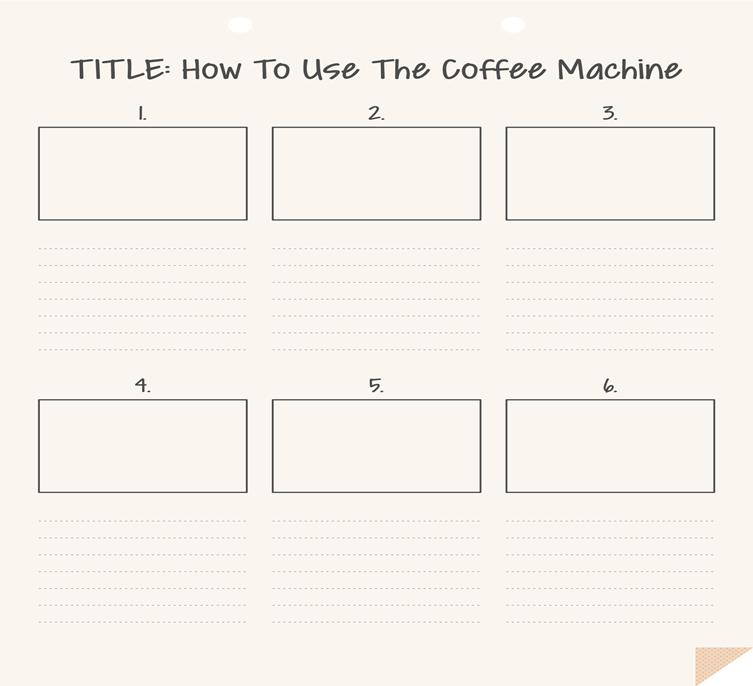
The first step is straightforward—draw your storyboard thumbnails. Thumbnails are blank squares or rectangles where you illustrate the images that represent each stage of your story.
Don’t forget to leave room for the title, number your thumbnails, and have space underneath for you to name your scene and what action will be taking place within it. You can additionally add a space for the script, annotations, audio, or any other steps you want to include.
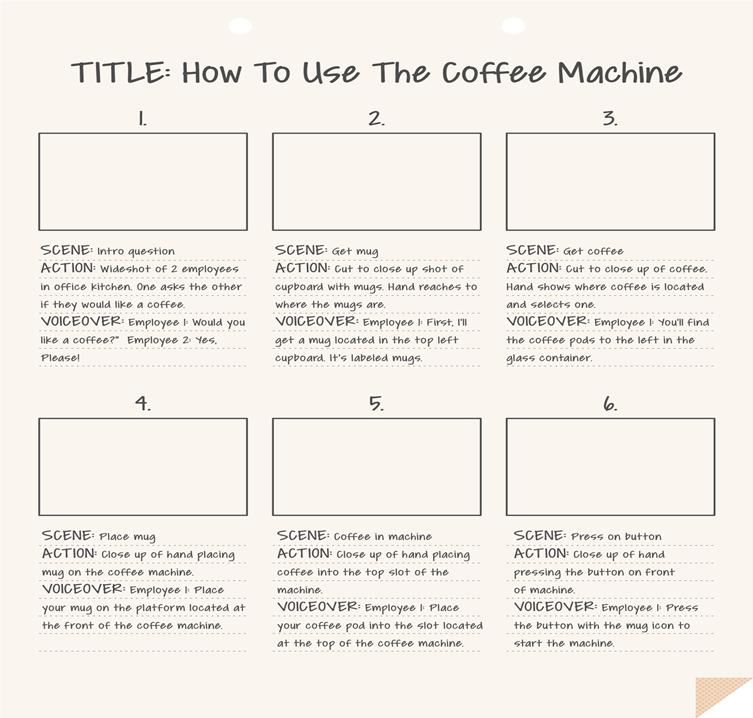
2. Add your title, scene name, action
Start filling out your blank thumbnails by first adding in your course title as well as the scene name, the action that will be taking place in each box, and any script that corresponds to the scene.
The action description should be a concise explainer that sums up what is happening in each scene. If you find it’s too difficult to explain the action, then perhaps you need to break that scene down into 2 or 3 separate thumbnails. Remember, it’s show, not tell, so it’s okay to have multiple thumbnails in your storyboard!
3. Start Sketching
Now you’re ready to start drawing the storyboard.
Here, you are mapping out how your idea looks visually. It doesn’t have to be highly detailed, but it should give an overall sense of everything that’s happening in each thumbnail.
Some suggested aspects you should include are the point of view from which the learner will be seeing the course and the characters, images, or words that will be featured on screen.
Don’t worry if you’re no Picasso; as long as you’re creating a clear picture, you’re on the right track. You can also pair your script, annotations, and audio at this stage too.
4. Critically assess and adjust
After you’ve finished drafting your storyboard, it’s clever to look at it with a critical eye. Rarely are storyboards perfect after the first attempt; therefore, it’s recommended you go back and ask yourself the questions suggested above again.
This also enables you to ensure your story makes sense or, if not, identify where it needs to be added to or edited. Just keep fine-tuning your storyboard until you’re happy.
5. Start production
Now it’s time for you and your team to start production!
It may seem like a lot of work or even a daunting task; however, storyboards can benefit you and your learners. Give it a try and see how they can work for you.
Have you ever used storyboards before? Let us know your tips and opinions in the comments below.
Company Signature: A company signature is professional business information that the company provides to consumers, helping them learn more about the product. It contains all the necessary information about the company, such as address, contact number, e-mail, etc. It makes it easy for the customers to come in contact with the brand.
D. Slogans
Introduction
A slogan is a memorable phrase used with the goal of persuading a defined target group. The Oxford Dictionary defines slogans as “a short and striking and memorable phrase used in advertising.” A slogan usually contains a quality of being memorable and appealing to the audience. It represents a single product.
Examples:
a. Panasonic: A Better Life A Better World
b. Subway: Eat Fresh
Importance of slogans in business advertising:
Brand emplacement and acknowledgement
A logo, slogan, and brand name are the three main aspects of the brand’s identity. Thus, having a really catchy slogan will help build a proper brand emplacement in the market for your product. A proper slogan and its tune will position your product in the market.
Building better relations
Slogans help in building better relations with the customers. Brands with eye-catching slogans help the audience to recall the business and create a positive attitude towards the brand.
Out of sight
A remarkable slogan helps in making your brand different from other brands in the market. It creates a unique identity in the minds of the people and helps them remember the brand even without reading its name. For example, “Melts in your mouth, not in your hands” immediately makes us think of M&M.
Makes the product attractive
A unique slogan significantly increases a product’s desirability, so brands should ensure they create one that stands out. A slogan is one of the ways that consumers evaluate a product. The slogans linger in the minds of consumers, provoking contemplation about the product.
Grabs attention
A slogan captures the consumer’s attention simply by being associated with the product. The consumer doesn’t even have to look up the brand name to figure out what the product is. So having a catchy slogan helps in gaining the attention of the public towards your product in the market.
E. Tagline
Introduction
A tagline is a short phrase or a short text associated with a product. It is especially used in advertising to have an impact on consumers. A tagline represents the business. Example:
a. Walmart: Save Money Live Better…
b. KFC: It’s finger-lickin’ good.
Importance of Taglines in Business Advertising:
Makes you isolated
In a market, many different companies often sell similar products with only slight variations, leading to competition among them. By creating a unique tagline, you can attract customers by differentiating your brand and meeting their specific needs. This approach will help you stand out from your competitors.
Renders the information to the customer
A tagline is responsible for rendering the information about the product to the customers. This helps customers understand how your product differs from those offered by competitors in the same industry.
Supporting the identity of the brand
A tagline reveals the identity of the brand, so when the consumer reads it, they come to know about your product in an instant. It will also show how determined you are toward the business and build trust between the brand and the customers.
Benefits the Company
An eye-catching tagline benefits the company by grabbing the attention of the customers. The more unique the tagline, the more customers it attracts. If the company attracts customers, it will continue to grow and benefit the business.
F. Illustration
An illustration is an interpretation or visual representation of a text or concept, designed in integration with published media such as posters, magazines, books, etc. It also means providing an example through writing or in a picture format. A brand illustration gives a business the ability to unfold the brand’s story in multiple forms. Example: Fanta Mashup.
Importance of illustration in business advertising:
A picture is worth thousand words
Illustrations are effective in ensuring the success of the advertising campaign. Other than taglines and slogans, an illustration is also important for a brand in advertising their company. A picture has the power to stick in people’s minds and capture their attention.
Efficient use of illustration
Illustrations play a very significant role in grabbing the attention of the public. Advertisers extensively utilize illustrations to promote the product. It helps in delivering the product’s proper message to the consumers.
Helps in expressing a message
If a company needs to deliver a message but struggles to do so, illustrations can simplify the process for them. It is a fact that the human brain can retain visual information more effectively than auditory information. There are many illustrations, such as posters, sketches, diagrams, etc., to advertise a product.
Seizes aid
The illustration helps seize aid (grab attention) of the customers in a much more possible way than any other element in advertising. The colorful posters, attractive images, and highlighted parts attract the customers more than any other thing does. Therefore, the presentation is much more important while advertising a brand.
Provides information in a fun way
An illustration helps in providing information to the public in a humorous way, which is through pictures and drawings. Even without knowing the brand, the customer can get to know the product by just looking at the illustration. By seeing the poster, the person can understand what the product or brand is about.
Creating Radio Commercial: Words, Sounds, Clarity, Coherence etc.
G. What is a radio commercial or radio advertising?
As we see commercials on TV, there is one more thing known as radio advertising. Just as some brands choose to advertise on television, others prefer to introduce their products on the radio as well. The most common type of radio advertisement is the “spot commercial,” which typically lasts no more than 1 minute, while longer advertisements that can run up to 1 hour are known as “infomercials.” Radio advertising can also be called word-of-mouth advertising.
Words, Sounds, Clarity, Coherence, etc.:
Words are vital when it comes to advertising. The three words are really very essential when it comes to advertising; that is,
Creativity
Specific
Simple
The brand must use proper words that would contain all the required information about the product for the customers. It should be, most importantly, creative; that is, it should be different as compared to other brands. It should be specific; that is, it should focus on the important part of the product, and lastly, it should be simple; that is, it should be sweet and efficient.
Sounds in the radio advertising should also be effective in order to gain the attention of the public because there is no visual representation the way it is done on television. The more use of attractive advertising, the more customers get attracted. Just by listening to the advertisement, the customers should get a notion of buying the product. This can be done through catchy slogans, taglines, jingles, etc., through radio.
Clarity is another aspect to be taken care of; that is, if a brand promises certain points, it is the responsibility of the company to take care of those aspects and to be way more clear about their product in front of the consumers. Create a sense of relationship with the public and provide them with all the clear information regarding the product.
Coherent A brand should also stay coherent, that is, consistent, and should not disappear in between. It should consistently promote the brand and maintain the relationship with the people. The advertisement should be able to make sense and reach the consumers and should provide proper knowledge about the product even through radio.
Social media platforms have become powerful tools for Indians to express their cultural identities. Youngsters are embracing platforms like Instagram and TikTok to showcase their unique fashion styles, music, and artistic talents. For instance, the Dalgona coffee trend during the COVID-19 lockdown went viral and exemplified how social media allows individuals to express their creativity and connect with others over shared cultural experiences.
2. Redefining Gender Roles and Empowerment
Social media has played a significant role in challenging traditional gender roles and empowering women in India. Influential female content creators and YouTubers, such as Kusha Kapila, Savi, and Vid, use platforms like Instagram and YouTube to promote body positivity, debunk stereotypes, and encourage women to embrace their individuality. This movement is redefining societal expectations and empowering women to break free from cultural constraints.
3. Social Activism and Awareness
The power of social media in driving social change and raising awareness cannot be ignored. Recent events, such as the #MeToo movement in India, gained momentum through social media platforms, giving voice to survivors of sexual harassment and challenging the prevailing culture of silence. The movement not only exposed the dark underbelly of Indian society but also triggered conversations that are reshaping cultural norms regarding consent, gender equality, and workplace harassment.
4. Influence on Political Discourse and National Identity
Social media platforms have become battlegrounds for political discourse and discussions on national identity. The 2019 Indian general elections witnessed an explosion of political campaigning and propaganda on platforms like Facebook and Twitter. Political parties leveraged social media to target specific demographics, shape public opinion, and even manipulate narratives. This has sparked debates about the impact of social media on the democratic process and the need for responsible journalism in combating misinformation.
5. Ethical Challenges in Journalism
From a journalism standpoint, social media poses ethical challenges. The rapid dissemination of information through platforms like WhatsApp and Twitter often leads to the spread of fake news and misinformation. Journalists must be vigilant, fact-check information, and verify sources before reporting. Maintaining integrity and impartiality in the face of online polarization and sensationalism is crucial to preserving the credibility of journalism.
In India, social media sites have become a major force in shaping cultural norms and values. From cultural reinterpretation and expression to challenging traditional gender roles and driving social activism, social media is transforming Indian society. However, this digital revolution also presents ethical challenges, requiring responsible journalism practices to combat misinformation and uphold journalistic integrity. As aspiring journalists, it is vital to traverse this landscape with caution, critical thinking, and a commitment to the truth. Only then can we harness the power of social media for positive societal change and preserve the integrity of journalism in the digital age.
A. Social Media and Body Image: Understanding the Impact on Self-Esteem
Social media platforms have become dominant forces in shaping societal perceptions, particularly regarding body image. In India, where traditional beauty standards often prevail, the impact of social media on self-esteem and body image is a pressing concern. This section delves into the intricacies of this issue, providing a detailed analysis of how social media affects body image in India. Additionally, it explores the ethical implications from a journalism standpoint.
1. Unrealistic Beauty Standards
Images of flawless bodies flood social media platforms, perpetuating unrealistic beauty standards. Influencers and celebrities with ‘perfect’ bodies often become the idealized benchmark, creating immense pressure on individuals to conform. This is particularly prevalent in India, where fairness and thinness have traditionally been considered desirable. Social media exacerbates these notions, resulting in body dissatisfaction and low self-esteem among individuals who do not fit these idealized standards.
2. The Filtered Reality
Filters and photo-editing tools have become ubiquitous on social media platforms, enabling users to present an altered version of themselves. The widespread use of filters creates an illusion of flawlessness, distorting reality and further reinforcing unattainable beauty standards. This digital alteration can contribute to a negative body image, as individuals compare themselves to highly curated and filtered representations.
3. Body Shaming and Cyberbullying
Social media platforms have provided a breeding ground for body shaming and cyberbullying. Anonymity and the ability to hide behind screens have emboldened individuals to make hurtful comments about others’ appearances. Body shaming on social media can have severe consequences on self-esteem and mental well-being. The constant exposure to negative comments and derogatory remarks perpetuates a toxic culture that erodes individuals’ confidence and self-worth.
4. Empowerment and Body Positivity Movements
Despite the negative impact, social media has also played a role in promoting body positivity and empowerment. Influencers and activists are using these platforms to challenge beauty norms, celebrate diverse body types, and foster a more inclusive society. Hashtag movements like #BodyPositive and #LoveYourself are creating spaces where individuals can embrace their bodies, inspiring others to do the same and challenging societal expectations.
B. The Role of Journalism: Ethical Reporting and Responsible Content
From a journalism standpoint, it is crucial to address the impact of social media on body image through responsible reporting and ethical content creation. Journalists must question and challenge the beauty standards perpetuated on social media platforms. They should amplify diverse voices, share stories of body positivity and empowerment, and expose the negative consequences of unrealistic beauty standards. By promoting accurate information and fostering critical thinking, journalists can contribute to a healthier dialogue surrounding body image.
The impact of social media on body image in India is complex and multifaceted. While it perpetuates unrealistic beauty standards and contributes to body dissatisfaction, social media also provides a platform for body positivity movements and empowerment. As aspiring journalists, it is necessary to traverse this landscape with sensitivity, promoting responsible reporting and ethical content creation. By raising awareness, challenging societal norms, and fostering a culture of inclusivity, we can help individuals develop a positive body image and promote a healthier society.
C. Social Media and Politics: Examining the Role of Online Platforms in Democracy
In the digital age, social media sites have become important places for political discussion, activism, and sharing information. In India, a country with a vibrant democracy, the role of social media in shaping political narratives and engaging citizens has become increasingly significant. This section provides a brief, analytical overview of the role of social media platforms in Indian politics, focusing on their impact on democracy. It also explores the ethical considerations for journalists reporting on social media’s influence on political discourse.
1. Democratizing Political Engagement
Social media platforms have democratized political engagement by providing a space for individuals to voice their opinions, mobilize communities, and participate in public debates. Platforms like Twitter, Facebook, and YouTube have enabled citizens to directly engage with politicians, government officials, and political parties. This direct interaction has the potential to enhance political transparency, accountability, and citizen participation in the democratic process.
2. Amplifying Political Movements and Activism
Social media platforms have been instrumental in amplifying political movements and activism in India. Hashtag campaigns, such as #JusticeForNirbhaya and #MeTooIndia, gained widespread attention and sparked important conversations about social justice and gender equality. These online movements have translated into offline protests, putting pressure on the government and institutions to address critical issues.
3. Dissemination of Information and News
Social media platforms have become primary sources of news and information for many individuals, especially the younger generation. With the rise of citizen journalism, users can quickly share and access news, breaking stories, and political developments. However, this democratization of news raises concerns about misinformation, fake news, and the need for responsible reporting and fact-checking by journalists.
4. Polarization and Echo Chambers
One of the key challenges associated with social media’s influence on politics is the creation of echo chambers and the exacerbation of political polarization. Algorithms and user preferences frequently expose individuals only to content that reinforces their preexisting beliefs. This can lead to the reinforcement of biases, echo chambers, and the reduction of diverse viewpoints. Journalists must address these challenges by promoting balanced reporting and fostering critical thinking among their audiences.
5. Ethical Challenges for Journalists
From a journalism standpoint, reporting on social media’s impact on politics requires ethical considerations. Journalists must navigate through a plethora of user-generated content, including misinformation, deep fakes, and online propaganda. Fact-checking, verifying sources, and providing accurate information become paramount in maintaining journalistic integrity and countering the negative effects of misinformation.
Social media platforms have transformed the landscape of politics in India, providing new avenues for political engagement, amplifying activism, and shaping political narratives. Social media can help people get involved and be open, but they can also spread false information and make politics more divided. Journalists play an important role in responsibly reporting on how social media affects politics, spreading correct information, and encouraging people to think critically. By addressing these challenges, journalists can contribute to the healthy functioning of democracy in India.
D. The Impact of Social Media on Relationships and Intimacy
In the digital era, social media platforms have transformed the way people connect and communicate with one another. In India, a country deeply rooted in traditional values and interpersonal relationships, the impact of social media on relationships and intimacy is a topic of increasing importance. This section provides an analytical exploration of how social media is shaping relationships and intimacy in India, highlighting the opportunities and challenges it presents. It also covers the ethical considerations for journalists reporting on this issue.
1. Redefining Communication and Connectivity
Social media has revolutionized communication, providing individuals with instant and constant connectivity. Platforms like Facebook, WhatsApp, and Instagram enable people to stay in touch, share experiences, and express affection regardless of geographical barriers. This constant connectivity has redefined the concept of distance and allowed relationships to transcend physical boundaries.
2. Digital Intimacy and Emotional Connection
Social media has created new avenues for emotional connection and intimacy. Couples separated by long distances can maintain a sense of closeness through virtual platforms. Platforms like video calls, messaging apps, and sharing personal moments on social media can help foster emotional intimacy and strengthen relationships.
3. Impact on Traditional Relationship Norms
The influence of social media on relationship norms in India is significant. Online dating platforms and apps have disrupted traditional methods of finding partners, providing a broader range of choices and breaking geographical and cultural barriers. The digital space allows individuals to explore relationships outside traditional societal norms, challenging traditional practices, such as arranged marriages.
4. Challenges to Privacy and Trust
While social media brings people closer, it also presents challenges to privacy and trust. Sharing personal information and experiences on social media can lead to privacy concerns and potential breaches. Moreover, social media interactions can also introduce a new level of jealousy, suspicion, and insecurity in relationships, as partners may be tempted to compare their relationships with others they see online.
5. Ethical Considerations for Journalists
From a journalism perspective, reporting on the impact of social media on relationships and intimacy requires sensitivity and ethical considerations. Journalists must respect the privacy of individuals and couples when covering personal stories. It is important to show both the good and bad sides of how social media affects relationships in order to give a fair picture. Responsible reporting means talking about privacy issues, giving advice on how to keep relationships healthy in the digital age, and encouraging open discussion about this issue.
Social media has undoubtedly transformed the landscape of relationships and intimacy in India. While it provides new opportunities for connectivity, emotional intimacy, and expanded relationship choices, it also introduces challenges such as privacy concerns and trust issues. As journalists, it is crucial to approach this topic with sensitivity, respect for privacy, and a balanced perspective. By responsibly reporting on the impact of social media on relationships, journalists can contribute to fostering healthy digital relationships and meaningful connections in Indian society.
E. The Rise of Influencer Culture: Exploring the Effects on Society
Recently, the rise of social media platforms has given birth to a new phenomenon known as influencer culture. Influencers, individuals who have amassed a significant following on platforms like Instagram, YouTube, and TikTok, wield immense influence over their audience’s purchasing decisions, lifestyle choices, and even societal norms. In India, a country known for its diverse culture, influencer culture has gained substantial momentum. This section critically examines the effects of influencer culture on Indian society, shedding light on its impact and ethical implications from a journalism standpoint.
1. Shaping Consumer Behaviour
Influencers have emerged as powerful marketing tools, capable of shaping consumer behavior in India. Through sponsored content and product endorsements, they influence purchasing decisions and promote certain brands or lifestyles. This phenomenon has transformed traditional advertising methods, creating a new form of consumerism driven by influencers’ recommendations.
2. Redefining Beauty Standards and Body Image
Influencer culture plays a significant role in redefining beauty standards and body image in India. Influencers often portray an idealized version of themselves, setting unrealistic beauty standards. Their curated and filtered images can lead to increased body dissatisfaction and self-esteem issues, especially among young and impressionable audiences.
3. Impact on Mental Health
The constant exposure to influencers’ seemingly perfect lives can have detrimental effects on mental health. The pressure to emulate their lifestyles, attain similar physical appearances, and accumulate a high number of followers can contribute to feelings of inadequacy, anxiety, and depression. It is crucial to address the mental health consequences of influencer culture, particularly among vulnerable populations.
4. Influence on Cultural and Social Norms
Influencers hold the power to shape cultural and social norms. Influencers introduce new trends, ideologies, and behaviors that their followers often adopt. Influencer-driven movements, such as sustainability, body positivity, and social activism, can have positive effects on society by fostering awareness and change. However, there is a need for critical examination of the authenticity and impact of these movements.
5. Ethical Considerations for Journalists
Journalists have a responsibility to report on influencer culture ethically. This involves critically analyzing the influence of influencers, questioning the authenticity of their content, and investigating potential conflicts of interest. Journalists should provide a balanced view by highlighting both the positive and negative aspects of influencer culture, fostering transparency, and promoting media literacy among the audience.
The rise of influencer culture has had a profound impact on Indian society, influencing consumer behavior, shaping beauty standards, and redefining cultural and social norms. While it has the potential to drive positive change and raise awareness, it also presents ethical challenges and negative consequences, particularly concerning mental health and authenticity. As aspiring journalists, it is essential to approach this topic with critical thinking, ethical considerations, and a commitment to providing a balanced perspective. By responsibly reporting on influencer culture, journalists can foster media literacy and contribute to a healthier digital landscape in India.
Case Study
The Emergence of GPT-3 and Its Impact on Society
The emergence of Artificial Intelligence (AI) has revolutionized various sectors, from healthcare to finance. One significant development is the advent of GPT-3 (Generative Pre-trained Transformer 3), a language model developed by OpenAI. This case study explores the social, economic, and cultural impacts of GPT-3 on society, highlighting its potential benefits and raising important considerations.
1. Social Impact
GPT-3 has had a profound social impact, transforming the way we interact with technology and information. Some key aspects include
a. Enhanced Communication
GPT-3 enables more natural and human-like conversations with AI systems. GPT-3’s ability to generate contextually appropriate and human-like responses has revolutionized communication with AI systems. Chatbots, virtual assistants, and voice recognition systems that use GPT-3 make interactions more interesting, personalized, and efficient, which improves user experiences and customer service.
b. Language Translation and Cross-Cultural Understanding
GPT-3’s language capabilities have facilitated real-time translation between languages, breaking down communication barriers and fostering cross-cultural understanding. It enables people from diverse linguistic backgrounds to connect, collaborate, and share knowledge more seamlessly.
c. Disinformation and Misuse
The widespread availability of advanced AI models like GPT-3 raises concerns regarding the potential for malicious use, such as generating convincing fake news, deepfakes, or automated social media manipulation. Addressing these challenges is crucial to safeguarding against misinformation and maintaining trust in online content.
2. Economic Impact
GPT-3 has serious consequences for the economy, disrupting various industries and creating new opportunities. Key aspects include:
a. Automation and Efficiency
GPT-3’s natural language processing capabilities can automate tasks like content creation, customer support, and data analysis. This automation improves efficiency and productivity in sectors like marketing, research, and customer service.
b. Job Market Transformation
While automation can enhance productivity, it may also disrupt certain job roles. Industries relying heavily on repetitive or rule-based tasks may experience workforce displacement, necessitating reskilling and job realignment to ensure a smooth transition. To make the transition as smooth as possible and have the least effect on workers, businesses and governments need to focus on reskilling, upskilling, and job realignment.
c. Innovation and Entrepreneurship
GPT-3’s accessibility has spurred innovation and the development of new applications. Startups and entrepreneurs can leverage GPT-3’s capabilities to create novel products and services, driving economic growth and technological advancements.
3. Cultural Impact
GPT-3’s cultural impact is multifaceted, influencing creativity, art, and societal norms. Key aspects include:
a. Creative Expression
GPT-3’s ability to generate coherent and contextually appropriate text has inspired new forms of creative expression. It has been utilized in generating poetry, storytelling, and even assisting in the creative process of music and artwork. Artists and writers have explored collaborative relationships with AI models like GPT-3, pushing the boundaries of traditional creative processes.
b. Ethical Considerations
The use of AI models like GPT-3 raises ethical questions, such as ownership of generated content, plagiarism concerns, and potential biases embedded in the training data. Ensuring responsible use and addressing these ethical considerations is vital to maintain integrity and fairness. Determining attribution and intellectual property rights for AI-generated works, as well as addressing potential biases embedded in the training data, becomes crucial. Transparent guidelines and ethical frameworks need to be established to ensure integrity, accountability, and fairness in AI-generated content.
c. Access to Information
GPT-3 has improved access to information and knowledge. It can summarize complex texts, provide answers to queries, and assist in research tasks. This democratization of knowledge has the potential to bridge information gaps and promote learning opportunities across different socio-economic backgrounds. It can summarize complex texts, provide answers to queries, and assist in research tasks. This accessibility can bridge information gaps, particularly in underserved communities, and promote learning opportunities across different socio-economic backgrounds. GPT-3’s ability to process and comprehend vast amounts of information can aid in educational endeavors and empower individuals to expand their knowledge horizons.
d. Cultural Perception and Representation
The integration of GPT-3 into media and entertainment platforms has implications for cultural perception and representation. AI-generated content may reinforce existing stereotypes or biases present in the training data, potentially perpetuating harmful narratives or excluding marginalized voices. Careful consideration and diversity in the data used to train AI models are necessary to ensure accurate and inclusive representations across cultures and communities.
The emergence of GPT-3 has had a profound impact on society, touching upon various aspects of social, economic, and cultural spheres. Its enhanced human-machine interaction, language translation capabilities, and potential for misuse pose both opportunities and challenges in the social landscape.
Economically, GPT-3 drives automation and innovation while necessitating the adaptation of the job market. Culturally, it influences creative expression, raises ethical considerations, and expands access to information and learning opportunities. As society continues to navigate the integration of AI technologies like GPT-3, it is crucial to address ethical concerns, establish guidelines, and prioritize inclusivity to harness the transformative potential of AI while ensuring that it aligns with human values and societal well-being.
In India, contracts can range from simple purchase agreements to complex joint ventures, mergers, or licensing deals. Negotiations are critical because they determine the rights, duties, and remedies of each party, reduce the risk of disputes, and foster trust.
Key Features of Contracts in India
Offer and Acceptance: A valid contract requires a clear offer by one party and its unconditional acceptance by the other.
Consideration: There must be something of value exchanged.
Capacity: Parties must be competent (e.g., of legal age, of sound mind).
Legality: The agreement must be for a lawful purpose.
Examples and Case Studies
1. Reliance Jio and Facebook (2020):
Context: Facebook acquired a 9.99% stake in Jio Platforms.
Negotiation: Intense negotiations were held around price, governance rights, and digital collaboration.
Outcome: A landmark deal that set new standards for tech investments in India, with all terms documented in a detailed share subscription agreement and strategic partnership contract.
2. Vendor Agreement in IT Sector:
Example: Infosys contracts with global clients for software services.
Negotiation Points: Scope of work, payment terms, intellectual property rights, service-level agreements (SLAs), and dispute resolution mechanisms.
Impact: Well-negotiated contracts protect both client and service provider, ensuring project success and legal compliance.
3. Real Estate Lease Agreement Dispute:
Case: Delhi High Court’s ruling in DLF v. MCD (2012).
Issue: Disagreement over lease terms and maintenance obligations.
Learning: Highlighted the importance of detailed negotiations and clear terms to avoid litigation.
Summary: In India, effective contracts and skilled negotiations are essential for business stability and growth. Notable deals (like Reliance-Facebook) and everyday vendor agreements demonstrate how thorough negotiation and clear documentation safeguard interests and reduce risks.
B. Revenue sharing model
Revenue Sharing Model in Contracts and Negotiations
A revenue sharing model is an agreement where two or more parties agree to divide the income generated from a business activity in a specified proportion. This model is widely used in sectors like technology, media, entertainment, franchising, e-commerce, and sports. Revenue sharing aligns incentives, reduces upfront costs for partners, and spreads risk.
Key Features
Percentage Split: Revenue is often split based on a pre-decided ratio (e.g., 70:30 or 50:50).
Scope: Applies to gross or net revenues, and the contract specifies what counts as “revenue.”
Duration: The agreement can be for a fixed term or tied to the lifespan of the venture/product.
Audit Rights: Parties may have rights to inspect books to ensure correct sharing.
Recent Examples and Case Studies
1. OTT Platforms and Film Producers
Example: Netflix & Dharma Productions (2022–2023)
Context: Dharma Productions licensed several films to Netflix India.
Revenue Sharing: Instead of a simple one-time fee, Dharma and Netflix agreed on a model where streaming revenue (from subscriptions/viewership) is shared in a set ratio, incentivizing both to promote the films.
Outcome: Both parties benefit—producers gain recurring revenue, and Netflix shares risk and reward.
2. E-commerce Marketplace Sellers
Example: Amazon India and Small Retailers
Context: Sellers on Amazon India agree to a revenue sharing model, where Amazon takes a commission (ranging from 5% to 25%) on each sale.
Negotiation Points: Commission percentage, payment timelines, promotional costs, and handling of returns.
Case: During the 2023 festive sales, Amazon introduced special revenue-sharing incentives for local artisans under its “Local Shops on Amazon” program, increasing their share for a limited period to boost participation.
3. IPL (Indian Premier League) – Broadcasting Rights
Case Study: BCCI & Broadcasters (2023–2027)
Context: The BCCI sold IPL media rights to Viacom18 and Star India in a multi-billion dollar deal.
Revenue Sharing: Broadcasters and BCCI share advertising and subscription revenue based on detailed contractual terms.
Impact: This model ensures the BCCI gains from the league’s growing popularity, while broadcasters are incentivized to maximize viewership and ad sales.
4. Music Streaming Platforms
Example: Gaana/Saavn & Independent Artists
Context: Indian music streaming platforms share revenue with artists/labels based on streams.
Model: A percentage of subscription/ad revenue is distributed to rights holders, negotiated individually or via collective rights organizations.
Summary Table
Sector
Parties Involved
Revenue Sharing Model
Recent Example/Case Study
OTT & Film
Producer & Streamer
Percentage of streaming revenue
Netflix & Dharma Productions
E-commerce
Marketplace & Seller
Commission per sale
Amazon India & Local Retailers
Sports Broadcasting
League & Broadcaster
Share of ad/subscription revenue
IPL Media Rights (BCCI & Viacom18)
Music Streaming
Platform & Artists/Labels
Pro-rata share of platform revenue
Gaana/Saavn & Indie Artists
In summary:
Revenue sharing models are now central to many Indian business contracts and negotiations, ensuring risk and reward are balanced between parties. These models are increasingly favored due to their flexibility and ability to incentivize long-term collaboration.
B. Minimum guarantee model
The minimum guarantee model is a contractual arrangement where one party (usually a distributor, platform, or licensee) commits to paying the other (often a content creator, producer, or rights holder) a fixed minimum amount, regardless of actual revenue or performance. If revenues exceed the MG, additional profits may be shared according to agreed terms. This model is common in entertainment, publishing, and licensing industries.
How It Works
Upfront Payment: The licensee/distributor pays a non-refundable minimum guarantee to the producer/content owner.
Recoupment: The licensee recovers this amount from future earnings (sales, subscriptions, box office, etc.).
Additional Revenue: If earnings surpass the MG, surplus is split based on a negotiated revenue-sharing ratio.
Risk: The licensee bears the risk if actual revenues are less than the MG.
Examples and Case Studies
1. Indian Film Distribution
Example: A Bollywood producer sells theatrical rights for a new film to a regional distributor for a minimum guarantee of ₹20 crore.
The distributor pays ₹20 crore upfront.
If box office collections in that region exceed ₹20 crore (after costs), the surplus is shared as per contract (e.g., 50:50 split).
If collections fall short, the distributor absorbs the loss.
Case Study: Baahubali: The Beginning (2015)
The Telugu film’s Hindi theatrical rights were sold to Karan Johar’s Dharma Productions with a substantial MG.
Dharma paid a high upfront MG, banking on the film’s pan-India appeal.
As the film became a blockbuster, revenues far exceeded the MG, benefiting both parties.
2. OTT Platform Acquisitions
Example: Amazon Prime Video acquires exclusive streaming rights to a highly anticipated Tamil movie for an MG of ₹30 crore.
The producer receives this amount regardless of the film’s streaming performance.
If the film drives massive new subscribers, the platform can realize greater long-term value, but bears risk if viewership is low.
Case Study: Soorarai Pottru (2020)
Amazon Prime Video reportedly paid a significant MG to acquire worldwide streaming rights, providing financial security to the producers during the pandemic when theatrical releases were uncertain.
3. Music Licensing
Example: A music label sells digital rights for a new album to a streaming service for an MG of ₹5 crore.
The streaming service must pay this sum, regardless of the album’s performance on the platform.
Additional royalties may be paid if streams surpass a certain threshold.
Summary Table
Sector
Parties Involved
MG Application
Example/Case Study
Film Distribution
Producer & Distributor
Upfront minimum for theatrical rights
Baahubali, Bollywood deals
OTT Acquisition
Producer & OTT Platform
Upfront MG for digital rights
Soorarai Pottru, Amazon Prime
Music Licensing
Label & Streaming Service
MG for album/track rights
Major Indian label deals
In summary:
The minimum guarantee model provides financial assurance to content creators and shifts risk to distributors or platforms. It is widely used in Indian entertainment, with successful examples in film and digital content. Thorough negotiation of MG terms and revenue-sharing ratios is crucial to balance risk and reward for both parties.
C. Share in profits model
Share in Profits Model in Contracts and Negotiations
The share in profits model is an agreement where two or more parties agree to split the actual profits generated from a business activity, project, or intellectual property, according to a pre-agreed ratio. Unlike minimum guarantee or revenue sharing, this model focuses on profits (net of costs/expenses), so all parties are invested in both generating income and controlling costs.
How It Works
Profit Calculation: Net profit is calculated after deducting all expenses (production, marketing, distribution, taxes, etc.) from total revenue.
Profit Split: The remaining profit is distributed among stakeholders as per the contract (e.g., 60:40, 50:50 splits).
Alignment of Interests: Both sides are incentivized to maximize profitability, not just gross revenue.
Recent Indian Examples and Case Studies
1. Bollywood Co-production Agreements
Example: Pathaan (2023) – Produced by Yash Raj Films, several distributors and exhibitors entered into profit-sharing agreements rather than flat-fee deals. After deducting costs, profits from box office collections were shared between the producer and key distribution partners, which incentivized both to invest in marketing and maximize earnings.
2. Actor-Producer Partnerships
Example: In recent years, top actors like Akshay Kumar and Shah Rukh Khan have taken a share in profits instead of a fixed upfront fee for certain films. For instance, Akshay Kumar, for Mission Mangal (2019), reportedly opted for a lower upfront fee in exchange for a larger share of profits, aligning his compensation with the movie’s success.
3. OTT Originals (Web Series and Films)
Case Study: Sacred Games (Netflix India) – The production house, Phantom Films, negotiated a profit-sharing arrangement with Netflix, where profits from international syndication and merchandise were shared, not just the initial licensing fee. This encouraged the production team to maintain high quality and cross-promotional efforts.
4. Franchise and Sports Leagues
Example: Indian Premier League (IPL) franchises share profits with team owners, sponsors, and players through bonus pools, especially based on team performance and seasonal profits, ensuring all stakeholders benefit from the league’s commercial success.
Context: Tata Motors, in some strategic partnerships for new vehicle launches, uses profit-sharing agreements with key component manufacturers, especially for electric vehicles.
How it Works: Instead of a fixed payment, suppliers receive a percentage of net profits from vehicle sales. This incentivizes suppliers to maintain quality and innovation, as their earnings grow with the success of the vehicle line.
6.. Pharmaceuticals: Dr. Reddy’s Laboratories & International Licensing Partners
Context: Dr. Reddy’s Labs has entered into profit-sharing arrangements with overseas pharma companies for co-developed or out-licensed drugs.
Details: After deducting manufacturing and marketing costs, profits from drug sales in target markets are split between Dr. Reddy’s and the partner company, ensuring both share rewards and risks.
7. E-Commerce: Flipkart & Private Label Brands
Context: Flipkart collaborates with private label brands on a profit-sharing basis for exclusive product launches.
Mechanism: Instead of buying inventory outright, Flipkart agrees to share profits (after costs) from sales of the product line, encouraging both parties to invest in marketing, quality, and supply chain efficiency.
8. Media & Entertainment: Zee Music & Independent Artists
Context: Zee Music often enters profit-sharing contracts with independent artists for digital releases.
How it Works: After deducting promotion and distribution costs, remaining profits from streams and digital sales are split between the label and the artist, allowing both to benefit from a song’s popularity.
Summary Table
Sector
Parties Involved
Share in Profits Model
Example/Case Study
Film Production
Producers & Distributors
Profits post-expenses split among stakeholders
Pathaan, Mission Mangal
Talent Contracts
Producers & Actors
Actor receives % of net profits
Akshay Kumar, Shah Rukh Khan
OTT Originals
Producers & Platforms
Profit share from syndication/merchandising
Sacred Games/Netflix
Sports/Franchises
League, Franchise, Players
Profits shared as bonuses or dividends
IPL teams
In summary: The share in profits model is increasingly popular in Indian films, OTT, and sports, fostering collaboration, aligning incentives, and maximizing value for all parties involved. Thorough negotiation and transparent accounting are crucial