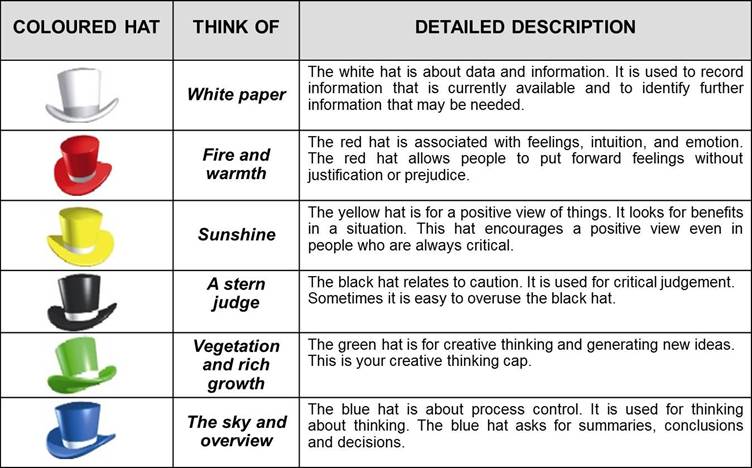
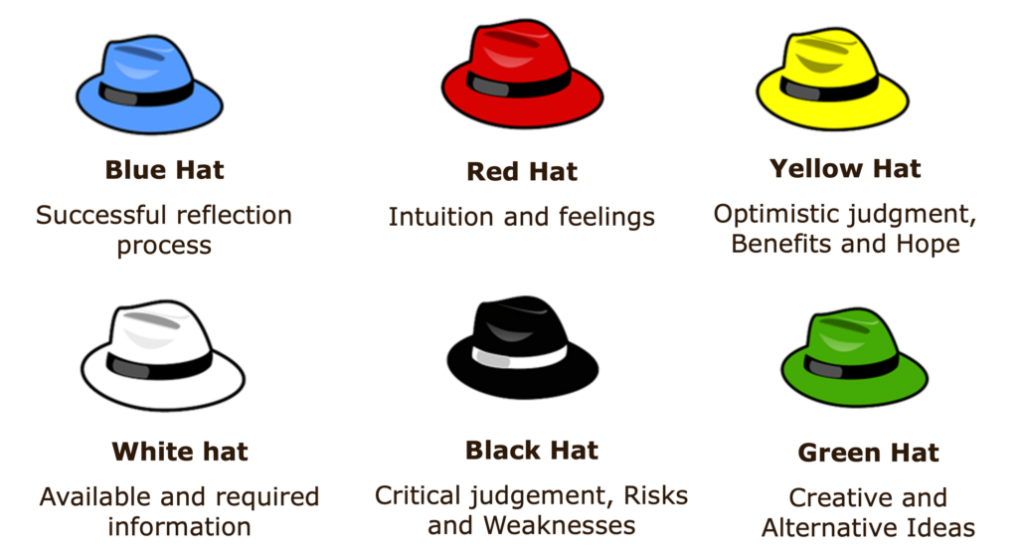
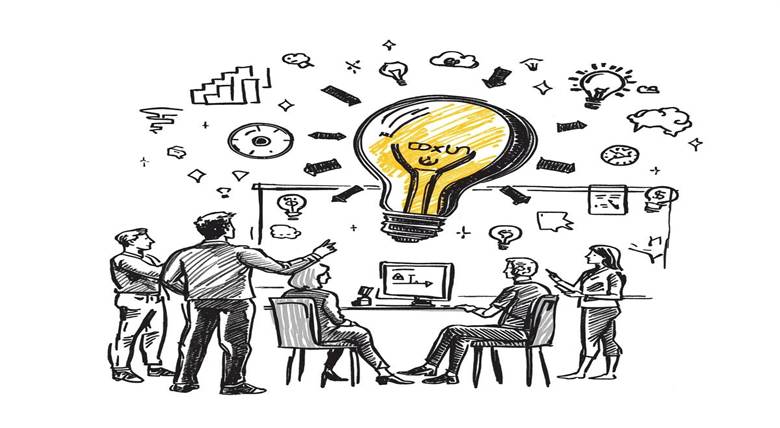
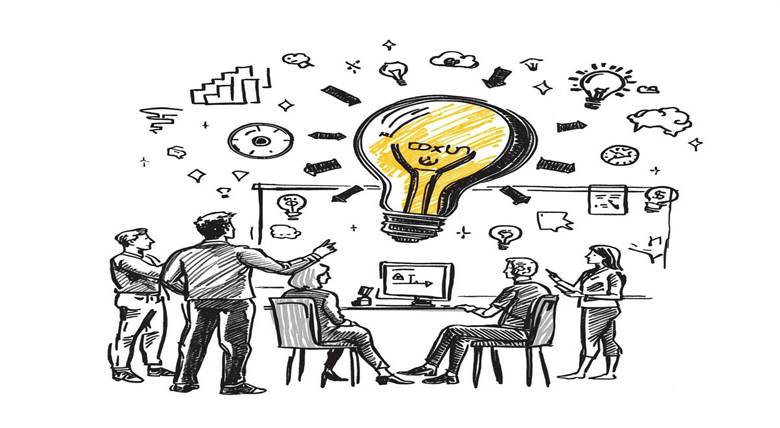
The brainstorming method yields measurable significance by generating a large quantity of thoughts and ideas. This collection provides a diverse range of possible answers to the problem.
3. Problem inventory analysis
The problem inventory method is a method for obtaining new ideas and solutions by focusing on problems. Here, instead of creating new ideas, the consumers are provided with a list of problems and discuss them. After discussing various issues with consumers, this method either addresses all problems with solutions or helps develop an entirely new product and idea.
4. Focus group
In this technique, a group of individuals provide information in a structured format. Mediators lead a group through an open discussion and ask direct questions or ask for member responses and actions.
5. Reverse thinking
This problem-solving method or technique asks us to think differently. Instead of working on the problem in front of us, problem solvers work on the opposite of it.
6. Mind mapping
Mind mapping is a technique of presenting the information. It is very common in various creative fields. In this technique, an individual or leader writes down the problem on a whiteboard and then surrounds it with words that point out the things that you feel you may need in order to solve it.
7. Synectic
George M. Prince and William J.J. Gordon established this technique. In this technique, an individual takes a thing apart and then puts it back together. In this way, it helps to have a healthier idea of how things work. It is generally categorized as a creative problem-solving method along with lateral thinking and brainstorming.
8. Lateral thinking
Lateral thinking is a method of philosophy that looks for a solution to a determined issue through conventional methods that would generally be ignored by logical thinking. It may also be defined as a way to solve problems by an indirect approach.
The synergy between OTT platforms and theatrical releases represents a dynamic shift in content distribution and consumption. Rather than existing as mutually exclusive options, these two modes increasingly complement each other. Theatrical releases can serve as high-profile events that build anticipation and buzz, while OTT platforms offer films a longer lifecycle, reaching wider and more diverse audiences.
This synergy enables filmmakers and studios to maximize revenue, enhance audience engagement, and experiment with new release strategies, such as simultaneous or staggered premieres. As consumer preferences evolve, the collaboration between OTT and theatrical channels is reshaping the future of entertainment, offering greater flexibility and accessibility while preserving the unique value of both experiences.
A. NETFLIX, AMAZON PRIME VIDEO, JIOCINEMA, HOTSTAR STRATEGIES
Here’s a refined and structured overview of OTT & theatrical synergy, including strategic approaches by Netflix, Amazon Prime Video, and JioHotstar (successor to JioCinema and Hotstar), along with illustrative case studies and film examples.
1. OTT & Theatrical Synergy: A New Distribution Paradigm OTT platforms and theatrical releases are increasingly viewed not as competing channels, but as complementary tools. Theatrical runs can build cultural impact and prestige, while OTT ensures wider reach and longer tail viewership. This synergy allows studios and platforms to optimize both revenue and audience engagement.
2. Netflix Strategies
Awards-Driven Limited Theatrical Runs Netflix frequently employs short theatrical releases to qualify for awards while prioritizing streaming. Roma (2018), for example, premiered in select theaters across 42 countries just three weeks before streaming, earning 10 Oscar nominations and winning Big Three awards.
“Sneak-Preview” Hybrid Model More recently, Netflix experimented with a hybrid model for Glass Onion: A Knives Out Story—a 17-day theatrical run in 696 U.S. theaters, followed by a blackout period before streaming.
Major Blockbusters on IMAX In 2025, Netflix announced a pivot toward large-scale theatrical engagement with Greta Gerwig’s The Chronicles of Narnia reboot. The film will play exclusively on around 1,000 IMAX screens across 90 countries for up to four weeks before debuting on Netflix, supported by a robust marketing campaign.
3. Amazon Prime Video Strategies
Traditional Wide Release for Prestige Amazon broke ground earlier with Manchester by the Sea (2016), which secured a wide theatrical release (over 1,200 theaters) before streaming, earning critical acclaim and Best Picture nominations.
Hybrid Releases with Short Windows A more recent example is Red One, which had a 28-day theatrical window before streaming on Prime Video. The film grossed $175 million globally and maintained strong box office retention.
Expanding Indian Theatrical Footprint Starting in 2026, Amazon MGM Studios plans to release 3–4 Indian films theatrically each year before streaming, signaling a renewed focus on theatrical-first strategies in India.
4. JioHotstar (formerly JioCinema & Hotstar)
Platform Consolidation and Vertical Integration In February 2025, JioCinema and Disney+ Hotstar merged under the JioStar joint venture, launching JioHotstar, which now combines extensive content libraries and sports rights with vertical distribution control.
OTT-After-Theatrical Model in Indian Cinema Several Indian films have followed a traditional theatrical-first release before transitioning to streaming on JioHotstar:
• Subham (Telugu horror-comedy) – theatrical release on May 9, 2025; OTT debut on JioHotstar from June 13, 2025. • DNA (Tamil thriller) – theatrical release on June 20, 2025; OTT streaming from July 19, 2025. • Ronth (Malayalam crime thriller) – theatrical release mid-June 2025; OTT from July 22, 2025. • Sweetheart! (Tamil romantic comedy)—theatrical release March 14, 2025; OTT from April 11, 2025.
Direct OTT Releases & Mixed Strategies Sarzameen (Hindi action drama) skipped theatrical release and launched directly on JioHotstar on July 25, 2025. Soothravakyam (Malayalam suspense thriller) was released theatrically on July 11, 2025; its OTT rights were acquired by Lionsgate Play and Amazon Prime Video in August.
5. Key Insights and Comparative Analysis
Netflix focuses on prestige and cultural buzz through strategic theatrical windows, with recent expansion into large-scale blockbusters to amplify global impact.
Amazon Prime Video balances prestige (wide releases) with efficiency (short theatrical windows), especially in markets like India.
JioHotstar benefits from full vertical integration, enabling flexible release strategies—from traditional theatrical runs to direct OTT premieres—tailored to regional content and audience preferences.
6. Case Study Highlights
Roma (Netflix): Prestige-driven theatrical release, Oscar recognition.
Glass Onion: Hybrid sneak-preview model.
Narnia Reboot: IMAX-first strategy.
Manchester by the Sea (Amazon): Traditional theatrical-first success.
Red One: Short-window hybrid release.
Subham, DNA, and Ronth: Indian films with clear theatrical-to-OTT trajectories.
Sarzameen: Direct OTT premiere.
Soothravakyam: Theatrical release with multi-platform OTT licensing.
B. PRE-RELEASE BUZZ VS. POST-RELEASE ENGAGEMENT
Below is a structured analysis of OTT & Theatrical Synergy: Pre-release Buzz vs. Post-release Engagement, including international and national (Indian) case studies, film examples, and a summary.
OTT & Theatrical Synergy:
Pre-release Buzz vs. Post-release Engagement
1. The Concept
Pre-release Buzz: The excitement and anticipation generated before a film’s release are driven by marketing, trailers, social media, star cast, and exclusive previews—especially through theatrical premieres.
Post-release Engagement: The sustained interaction and discussion after the film’s release, primarily supported by OTT availability, social media trends, user reviews, memes, and repeat viewing.
Synergy: Theatrical releases create event-like anticipation (buzz), while OTT ensures the film remains in the cultural conversation, accessible to broader audiences for a longer period (engagement).
2. International Case Study: Glass Onion: A Knives Out Mystery (Netflix, 2022)
Pre-release Buzz: Netflix gave the film a limited one-week theatrical run in major markets before streaming. The star-studded cast, mystery genre, and director Rian Johnson’s reputation generated massive media and social media attention. Result: Sold-out shows, headlines about Netflix’s rare theatrical move, and Oscar buzz.
Post-release Engagement: After streaming began, the film trended globally on Netflix, sparking meme culture, fan theories, and extensive online discussion. The accessibility on OTT enabled viewers who missed the theatrical window to watch and discuss it, keeping the film relevant for weeks.
3. National (Indian) Case Study: Jawan (2023)
Pre-release Buzz: Starring Shah Rukh Khan, Jawan had a massive promotional campaign, with trailers, music launches, and nationwide media coverage. The theatrical release was treated as a cultural event; advance bookings broke records.
Post-release Engagement: After an extremely successful theatrical run, the film debuted on Netflix. The OTT release sparked renewed conversations, with fans dissecting plot twists, sharing clips, and introducing the film to new audiences who hadn’t seen it in theaters. The #JawanOnNetflix trend brought the film back into the spotlight, amplifying its lifecycle.
4. Comparative Examples
International:
Roma (Netflix): Limited theatrical run for Oscar buzz, then global post-release discussion upon streaming.
Dune (Warner Bros.): Simultaneous release in theaters and HBO Max. Pre-release anticipation for visuals, post-release engagement focused on accessibility and rewatchability online.
National (India):
RRR (2022): Extensive theatrical campaign, followed by viral OTT popularity on Netflix and ZEE5, which reached international audiences and fueled post-release social media trends.
Shershaah (2021): Skipped theatrical release due to COVID-19 but leveraged OTT (Amazon Prime Video) for post-release engagement, with songs and scenes trending long after launch.
5. Summary
Pre-release Buzz is most effectively built through theatrical events, media campaigns, and exclusivity, making the release an “event.”
Post-release engagement thrives on OTT platforms, which provide longevity and accessibility and encourage ongoing discussions, memes, and repeat viewing.
The synergy of these strategies maximizes both box office returns and long-term popularity, as seen in both international and Indian contexts.
In essence: Theatrical releases ignite anticipation and cultural excitement, while OTT platforms ensure films remain relevant, discussed, and accessible—prolonging their impact well beyond opening weekend.
Indian films cater to a wide range of linguistic, cultural, and regional audiences. As a result, publicity assets must be crafted thoughtfully to resonate with different segments while maintaining a consistent brand identity for the film. These materials are not only designed to inform audiences about the film’s release but also to create excitement, establish visual identity, and connect emotionally with viewers.
In summary, the art of designing publicity assets for Indian films plays a crucial role in shaping public perception, driving audience engagement, and ensuring a film’s commercial success in a highly competitive market.
Here are four movie case studies—two old and two new—highlighting the design and impact of publicity assets such as motion posters, lyric videos, and BTS (behind-the-scenes) reels, as well as the tools used in their creation:
I. MOTION POSTERS, LYRIC VIDEOS, BTS REELS
Here’s an analysis of motion posters, lyric videos, and BTS (behind-the-scenes) reels in Indian film marketing, with case studies of both old and new movies:
1. Motion Posters
Old Movie Example: “Ghajini” (2008)
Innovation: One of the first Indian films to use a motion poster for promotion.
Impact: The animated poster, featuring Aamir Khan’s muscular look and the film’s intense theme, created immense pre-release buzz and set a trend for dynamic digital promotional materials.
New Movie Example: “KGF: Chapter 2” (2022)
Modern Use: High-quality motion posters introducing lead characters were released online.
Impact: The visually rich and animated posters were widely shared on social media, attracting national attention and building anticipation across linguistic audiences.
2. Lyric Videos
Old Movie Example: “Dil Se” (1998)
Approach: Songs like “Chaiyya Chaiyya” were promoted through TV music channels with on-screen lyrics, though not as stylized as today’s lyric videos.
Impact: Made the songs accessible, allowing audiences to sing along and increasing recall value.
New Movie Example: “Pushpa: The Rise” (2021)
Strategy: Official lyric videos for songs like “Srivalli” and “Daakko Daakko Meka” were released on YouTube, featuring animated text and visuals from the movie.
Impact: These videos went viral, contributing to the songs’ popularity even before the movie’s release, and helping the film reach pan-Indian audiences.
3. BTS (Behind-the-Scenes) Reels
Old Movie Example: “Lagaan” (2001)
Method: Special behind-the-scenes TV features showcased the making of the cricket sequences and the film’s scale.
Impact: Helped audiences appreciate the effort and authenticity, enhancing the movie’s prestige and word-of-mouth promotion.
New Movie Example: “Pathaan” (2023)
Modern Approach: Short BTS reels were released as Instagram Reels and YouTube Shorts, highlighting action training, stunts, and candid moments with the cast.
Impact: Created a sense of excitement, allowed fans to connect with the stars, and drove engagement across digital platforms.
Summary Table
Asset Type
Old Movie Example
Impact
New Movie Example
Impact
Motion Poster
Ghajini (2008)
Created trend, built anticipation
KGF: Chapter 2 (2022)
Went viral, expanded reach
Lyric Video
Dil Se (1998)
Song recall, audience engagement
Pushpa (2021)
Viral reach, pre-release song success
BTS Reel
Lagaan (2001)
Built credibility, audience connection
Pathaan (2023)
Social media buzz, fan engagement
Conclusion: Motion posters, lyric videos, and BTS reels have become increasingly sophisticated and vital to film marketing over time. Old films laid the groundwork, while new movies leverage digital platforms and innovative design to maximize reach, hype, and audience connections.
II. TOOLS: CANVA, ADOBE PREMIERE PRO, CAPCUT, INSHOT
Here’s how tools like Canva, Adobe Premiere Pro, CapCut, and InShot are used in the creation of publicity assets for films, with examples and case studies from both old and new movies:
1. Canva
Use:
Design posters, social media graphics, infographics, event invites, and simple motion assets.
Film Examples:
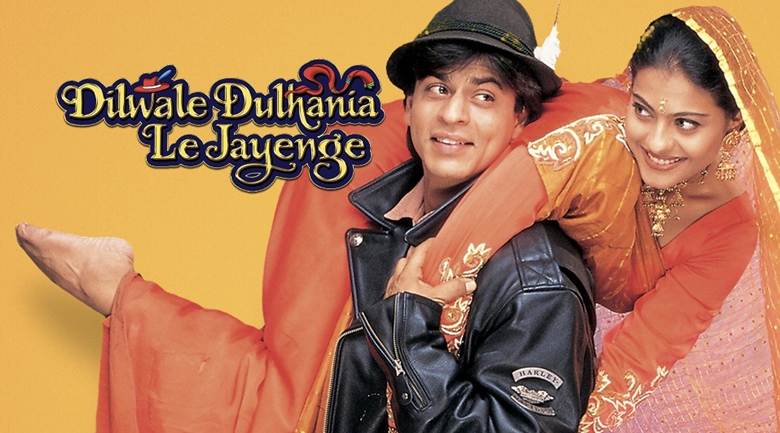
Old Movie (“Dilwale Dulhania Le Jayenge”, 1995):
While Canva wasn’t available, similar graphic design tools were used for creating posters and lobby cards. If the movie were promoted today, Canva would be used for Instagram posts and fan engagement graphics.
New Movie (“RRR”, 2022):
Canva was used by the marketing team for rapid creation of shareable social media posters, countdown graphics, and regional language promotional posts, helping the film’s pan-India appeal.
2. Adobe Premiere Pro
Use:
Professional video editing for trailers, teasers, motion posters, lyric videos, and BTS reels.
Film Examples:
Old Movie (“Lagaan”, 2001):
Early digital editing suites like Adobe Premiere were used to cut trailers and TV promos, as well as to stitch together BTS featurettes aired on television.
New Movie (“Pathaan”, 2023):
Adobe Premiere Pro was central for editing sleek trailers, high-adrenaline BTS reels, and music video teasers released across YouTube and social media.
3. CapCut
Use:
Mobile-friendly, quick video edits for TikTok/Reels, meme videos, short lyric clips, and influencer collaborations.
Film Examples:
Old Movie (“Kabhi Khushi Kabhie Gham”, 2001):
While CapCut did not exist, similar short-form edits for TV spots were done with available tools. If promoted today, CapCut would be used for meme edits and Instagram Reels.
New Movie (“Jawan”, 2023):
CapCut was widely used for snappy, viral BTS clips, dance challenges, and fan engagement reels, making the promotional content more accessible and shareable.
4. InShot
Use:
Quick edits, resizing videos for different platforms, adding text, stickers, and effects for Instagram Stories and Facebook posts.
Film Examples:
Old Movie (“Dil Se”, 1998):
Modern re-releases or anniversary promotions use InShot for creating retro-style lyric videos and throwback content for social media.
New Movie (“Pushpa: The Rise”, 2021):
InShot was used to cut and format lyric videos, dialogue snippets, and dance step tutorials for Instagram and YouTube Shorts, driving fan challenges and trends.
Summary Table
Tool
Function in Film Publicity
Old Movie Example
New Movie Example
Canva
Posters, social graphics
DDLJ (if today)
RRR
Adobe Premiere Pro
Trailers, BTS reels, lyric videos
Lagaan
Pathaan
CapCut
Short-form, mobile-friendly video assets
K3G (if today)
Jawan
InShot
Quick edits for stories, lyric cutdowns
Dil Se (modern promos)
Pushpa: The Rise
Conclusion: Modern tools like Canva, Adobe Premiere Pro, CapCut, and InShot have transformed film publicity, making high-quality graphic and video content creation accessible, efficient, and tailored for a digital, social-first audience. Old movies relied on traditional editing suites, while new films leverage these tools for engaging and viral promotions.
In the 90s, while digital platforms were absent, SRK (Shah Rukh Khan) and Kajol made multiple TV and radio appearances.
Organic Buzz: Word-of-mouth and fan clubs, especially among young audiences, played a key role. Fans organized screenings and events, keeping the film alive in public memory—leading to its record-breaking run in theaters.
Fandom Leverage: The film’s songs and dialogues were widely shared, and the cast’s charisma turned them into youth icons, encouraging organic fan-driven promotion.
New Movie: “Jawan” (2023)
Bollywood Star Power:
Shah Rukh Khan collaborated with major YouTube reviewers and regional influencers to promote the movie.
Paid Promotions: Official movie trailers and songs were released exclusively through popular YouTube channels, and influencers were invited to special screenings.
Organic Buzz: SRK’s massive fan clubs created viral trends on Twitter/X, Instagram Reels, and Facebook, sharing memes, dance covers, and reaction videos.
Regional Influencers: The film’s multi-language release led to collaborations with South Indian stars and influencers, expanding its reach.
Hybrid Example: “KGF: Chapter 2” (2022)
Regional Influencers:
The producers engaged Kannada, Telugu, Tamil, and Hindi influencers for paid promotions and preview events.
Organic Buzz:
Fan armies shared posters, created hashtag trends, and made fan edits—these were not sponsored but driven by genuine excitement.
YouTube reviewers like Filmi Indian and BeYouNick reviewed and discussed the movie, blending paid and organic content.
Summary Table
Movie
Paid Promotion Example
Organic Buzz Example
DDLJ (1995)
TV/radio interviews by actors
Fan clubs, word-of-mouth, iconic scenes
Jawan (2023)
Influencer screenings, YouTube collaborations
Viral hashtags, fan content, meme culture
KGF: Chapter 2 (2022)
Influencer previews, regional tie-ins
Fan edits, social media trends, reactions
Key Insights
Paid collaborations ensure wide, targeted reach and control over messaging.
Organic buzz builds credibility and longevity, often driven by passionate fandoms and regional influencers.
The most successful marketing campaigns blend both, leveraging star power and fan enthusiasm for maximum impact.
Shock advertisements can be shocking and offensive for various reasons, and violations of social, religious, and political norms can occur in many different ways. The use of shocking content in advertising appeals has been widely adopted. It is effective and possibly leads to increased brand awareness and an increase in sales volume.
Shock advertising is defined as the use of intentional, offensive, controversial, and attention-grabbing advertising to sell a particular product or idea. Resulting from this definition, there are seven types of shock appeals that marketers can use to shock the audience.
Disgusting images that include images containing blood, killing, body parts, cavities, disease, parasites, death, or bodily harm.
The images may also contain sexual references, such as masturbation, nudity, or sexual acts.
Vulgarity/obscenity refers to the use of swear words, rude gestures, or racial captions.
Vulgarity applies to pictures/acts that are distasteful, lack sophistication, and are crude, for example, farting or nose picking.
Indecency, also known as indecency, refers to a breach of social decency and etiquette.
Moral offensiveness occurs when images depict innocent people or animals being harmed, showcase uncalled-for violence or sex, involve individuals who provoke violence (such as Mussolini, Hitler, or Mao Tse-tung), display unfair behavior, or feature children in uncomfortable situations.
Religious restrictions occur when marketers inappropriately use religious or spiritual symbols or individuals.
Impact of Shock on the audience
Advertisers, psychiatrists, and social scientists have long debated the effectiveness of shock advertising. Some scientists argue that shocking ads evoke stronger feelings among the consumers. One finding suggests “shocking content in an advertisement significantly increases attention, benefits memory, and positively influences behavior. Moreover, consumers are more likely to remember shocking advertising content over advertising content that is not shocking. But if a consumer finds a certain kind of advertising content threatening or disturbing, the message will be filtered out. An example of this is a heavy smoker who could be filtering out a picture of a cancer-sick lung since the content could be perceived as disturbing and uncomfortable.
Advertisements that exploit negative emotions to induce shock do not elicit positive emotions in the audience. Therefore, using shock advertising may evoke negative feelings whenever customers see the brand logo or company name, leading to discomfort alongside brand recall.
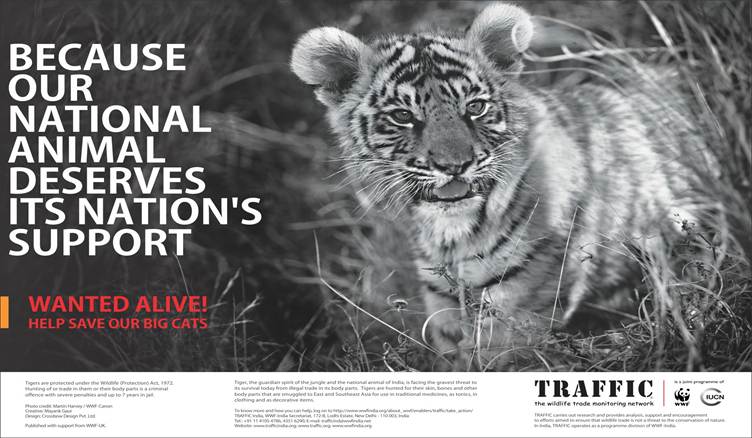
In case of a cause or an issue, using shock advertising can work by getting the attention the cause deserves and getting people interested in contributing or working for it. It can sensitize people to other cultures and ways of life. Causes like child abuse, domestic violence, lung cancer, AIDS, and animal rights (PETA) have used shock advertising very effectively in the international context. This implies that consumers will filter out advertising content they deem threatening or disturbing.
Shocking advertisements in India
BF. Controversial Advertising
Introduction
In their natural state, people don’t think many deep thoughts and keep themselves occupied with immediate tasks and mildly pleasant ideas that keep them safe from fear or worry whenever they can.
Advertising has long been recognized—and criticized—as an efficient way to persuade us to spend our money. But sometimes the “Mad Men” have chosen to take a risk, go beyond the “soft sell,” and seek to challenge the way we think.
They have flirted with race, religion, sexual orientation, and more to make people question their belief systems—and boost their brand at the same time. As any idea that is calculated to wound the feelings and arouse anger, disgust, or outrage in the mind of a reasonable person can be viewed as offensive, it’s not hard to see why one man’s controversial idea is another man’s offensive idea. As practically everyone thinks he/she is a reasonable person, it’s not straightforward to cross that fuzzy line.
The controversial advertisements can be shocking and offensive for a variety of reasons, and violations of social, religious, and political norms can occur in many different ways. They can include a disregard for tradition, law, or practice (e.g., lewd or tasteless sexual references or obscenity), defiance of the social or moral code (e.g., vulgarity, brutality, nudity, feces, or profanity), or the display of images or words that are horrifying, terrifying, or repulsive (e.g., gruesome or revolting scenes or violence).
Some advertisements may be considered shocking, controversial, or offensive not because of the way that the advertisements communicate their messages but because the products themselves are “unmentionables” not to be openly presented or discussed in the public sphere. Examples of these “unmentionables” may include cigarettes, feminine hygiene products, or contraceptives.
However, there are several products, services, or messages that could be deemed shocking or offensive to the public. For example, advertisements for weight loss programs, sexual- or gender-related products, clinics that provide AIDS and STD testing, funeral services, groups that advocate for less gun control, and casinos, which naturally support and promote gambling, could all be considered controversial and offensive advertising because of the products or messages that the advertisements are selling. Shocking advertising content may also entail improper or indecent language, like French Connection’s “fcuk” campaign. There are some controversial advertisements in India, as follows.
1. This Footwear Ad
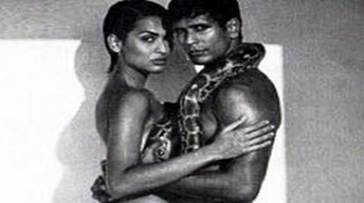
Milind Soman and Madhu Sapre posed naked for this brand with nothing but shoes and a python on them. Social activists as well as animal rights activists caused a huge furor over this advertisement.
2. This denim print ad
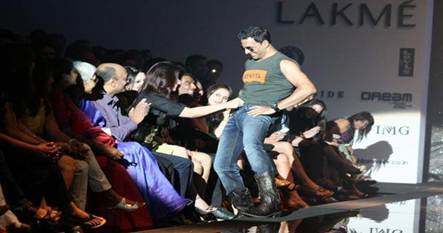
To drive the concept of second skin home, a popular denim brand shot a print ad that featured three hot models clad in their jeans and skin-colored innerwear. At first glance, it seemed as if the models were topless. Furthermore, to promote this brand, Akshay Kumar asked Twinkle Khanna to unbutton his jeans when he walked the ramp at Lakme Fashion Week 2010.
3. Jewelry print ad:
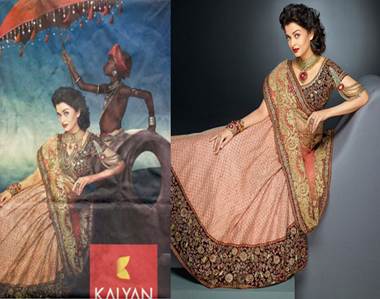
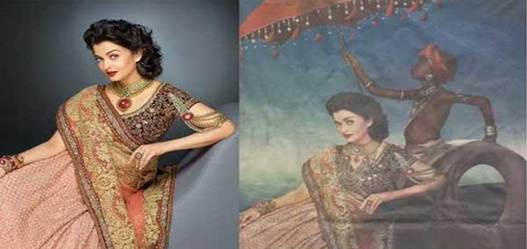
Lastly, the ad was forced to be pulled down after receiving heavy criticism on social media for featuring a dark-skinned kid who is struggling to hold a parasol on top of Aishwarya Rai’s head. There have been accusations of the ad being racist in nature and promoting child labor.
4. Levis
In 2008, Kangana Ranaut in the Levi’s ‘Stuck On You’ campaign stopped people in their tracks. The fashionista appears atop a shirtless model in one of the photos.
5. Fair & Handsome Cream
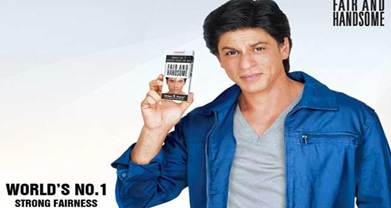
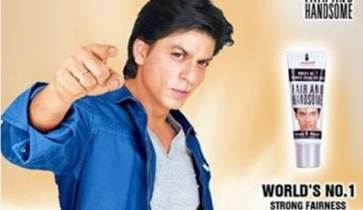
Bollywood’s King Khan came under fire for endorsing a skin-lightening cream product a couple of years ago. The advertisement led to an online campaign titled Dark and Beautiful, which urged not only the star but also the brand to stop promoting and encouraging fairness creams. A lot of people backed the campaign’s cause, including Aamir Khan, who said that he would never promote such products. But King Khan kept mum on the whole controversy and still promotes the brand.
6. Candy Ad
A candy commercial got Big B in hot water when he was shown pelting stones at a mango tree. According to the Advertising Standards Council of India, children could imitate his actions, leading to dangerous consequences. The advertisement was later taken down.
Impact of controversial advertisement on society
When one thinks of advertising, one normally thinks of advertising that coerces or persuades one to try a product. But there is another form of advertising, used less often but used amazingly well in certain campaigns where immediate attention and discussion are needed, namely controversial advertising.
Defined traditionally as advertising that “deliberately, rather than inadvertently, startles and offends its audience by violating norms for social values and personal ideals.” Controversial advertising generally uses disturbing and graphic imagery and slogans that disturb in order to draw immediate attention to the issue at hand.
Causes or issues that require public opinion mobilization primarily employ controversial advertising. It can be used effectively to cut clutter, create buzz, and get a social service message across. In fact, public service campaigns and social issues use controversial advertising to the greatest effect. Causes like child abuse, domestic violence, lung cancer, AIDS, and animal rights (PETA) have used controversial advertising very effectively in the international context.
Some brands, like United Colors of Benetton, have also used controversial advertising to communicate social messages, thus associating the brand with a social image rather than keeping it purely a fashion brand. The advertising for this brand has been consistently provocative, with a newborn baby, a dying AIDS patient, and such images being used in its campaigns. The visuals often have no relevance to the product and are considered by some to be graphic, gory, and tasteless. In fact, Benetton is seen as the company that pioneered the concept of controversial advertising in the late 1980s.
Some controversial advertising might not use gory visuals but might use language or metaphors that are not acceptable culturally and which might be controversial. For instance, the fashion brand French Connection got its moment of fame when it abbreviated French Connection, UK, and got a word, FCUK, which it used.
The controversial advertising has been much discussed among media watchers and with those who study the psychology behind advertising. According to scientists, controversial ads bring out stronger feelings among consumers, with the ad getting more attention, remaining in the memory, and influencing behavior as well. Incidentally and not surprisingly, advertising that is controversial tends to be recalled better than regular advertising.
Shock advertising is a double-edged sword. It can generate interest in the brand, or it can generate extremely passionate and negative feelings towards the brand, which could impact the brand negatively. Benetton, for instance, used religious taboos (a picture of a priest and nun kissing), cultural taboos (the visual of a Black woman feeding a white baby), a death row inmate’s thoughts, and an AIDS patient on his deathbed. These images are ones that force the viewer to confront and deal with their inherent biases and prejudices and can result in negative feelings for the brand.
On the flip side, the advertising has resulted in positive feedback for the brand for talking about difficult issues and taking a stand on social and environmental issues. To quote Oliviero Toscani, the photographer for some of the most controversial ads Benetton produced, about the ad of the man dying from AIDS, his attempt was “to use the forum of poster advertising to make people aware of this [AIDS] tragedy at a time when no one dared to show AIDS patients.” At that point, when no one was talking about AIDS, this ad was considered radical.
Another brand that has courted international controversy is the Calvin Klein jeans ads, which had young models in very soft porn poses, with some models as young as 15. In India, the Tuff Shoes campaign, which showed models Milind Soman and Madhu Sapre with a snake wrapped around them, courted an obscenity case and controversy but definitely got attention. However, most advertising in India does tend to play it safe.
Shock advertising is used to effect in campaigns like anti-tobacco and smoking campaigns, where visuals of diseased lungs or of cancerous tumors are used to put people off smoking. Visuals of smokers’ faces and lips being hooked through with fishhooks were used to show that they were hooked on smoking. Other campaigns for Child Abuse Awareness, for instance, show disturbing visuals of an assaulted child to encourage awareness about this issue.
The Breast Cancer Fund internationally ran a poster campaign that showed women in lingerie in poses like lingerie ads, but with mastectomy scars in place of their breasts. Many publications refused to run these ads, but they were a shocking reminder to women to check their breasts regularly. For a brand, shock advertising is a little dangerous because of the potential negative fallout. But for a cause or an issue, using shock advertising can work by getting the attention the cause deserves and getting people interested in contributing or working for it or modifying their behavior accordingly.
The positive impact of shock advertising, when it deals with social and cultural taboos, is that it can sensitize people to other cultures and ways of life.
A negative fallout of shock advertising is that continuous exposure to it desensitizes us, and it becomes a blind spot. To remain relevant, shock advertising should constantly innovate, be topical, and be something that touches a core belief or value in a way that shakes up the viewer.
An advertisement is a communication that promotes a product or a facility or gives information to the public. Advertisements may take many forms, such as press advertisements in newspapers or magazines, television and radio advertisements, or signs in shops. Advertisements are mainly made to encourage consumers to buy exact products or services.
Advertising can be directed at the final user of a product or service, in contrast to advertising aimed at businesses and industries. Sometimes customer advertising is directed toward a purchaser of a product or service who will then pass on that product or facility to its ultimate consumer, as in the holder of pet food advertising. Most radio, television, newspaper, and magazine commercials and advertisements are customer advertising.
The consumer is the final user of a product or service. The consumer is not always the customer of a product. In the case of pet food, for example, the pet is officially the consumer because it is the final user, although of course the advertising is aimed at the pet owner.
Consumers are careful to be the users of the final product.
This format is in contrast to industrial advertising, which is particularly directed and marketed toward businesses. The aim of consumer advertising is to introduce, or sometimes re-introduce, products and services to families and private individuals for daily use and expenditure. These can be automobiles for family use, household appliances, home electronic devices, clothes, books, movies, and now just about anything else normally found in an individual or family household.
Advertising is often designed to be strategic and manipulative. By targeting a specific demographic, consumer advertising is able to connect with the common hopes, fears, dreams, and needs of that target group and use that correlation to create product desire. This is often seen through the use of sexuality and provoking images directed at certain genders, language and images pleasing to a specific age variety, highlighted beliefs and values planned to be held in common between manufacturers, businesses, and consumers, and several other methods of consumer advertising.
An effort is made to appeal to a consumer’s sense of self-image and wish to appear confident to other people, despite whether the product actually does what the advertising claims. Though the result may be somewhat misleading advertising, these methods are habitually quite effective.
Consumer advertising refers to advertising on purchaser-generated media. This phrase typically refers to sponsored content on blogs, wikis, social networking websites, and personal websites. This sponsored substance is also known as sponsored posts, paid posts, or sponsored reviews. The substance includes links that point to the home page or precise product pages of the website of the sponsor. Examples include Diet Coke and Mentos videos and Star Wars fan films.
This is advertising. Your mind is being sold to these advertisers. Advertising is the promotion of products or services. This process provides companies with a method to present their products to consumers, thereby maximizing their sales potential. Without advertisement, not a single firm or company can develop in this world of competition.
Like all other aspects, advertising has both positive and negative points. If it has positive features that impact society socially and economically, then it also has negative impacts. Advertising a public interest program positively impacts society, while featuring a sensationalized woman in an advertisement negatively affects societal perceptions.
Advertising can also be used to tell the public about social events like concerts and performances. Charities can use media to advertise about the illnesses and persuade people to offer assistance. Social organizations and NGOs can use the means of advertisement for promoting their campaigns. Looking for help through advertisement during epidemics or natural calamities can help a lot.
So, I can say that advertising has positive as well as negative impacts on society. We should focus more on balancing what is required and what is really not required. Advertisement can create satisfaction but can also simultaneously create unhappiness. Our society and the marketing of products depend so badly on advertisement that even its negative impact on society can’t compensate for the many positive social and economic effects.
Types of Consumer Advertising
A successful advertising campaign will spread the word about your products and services, attract customers, and generate sales. Whether you are trying to persuade new customers to buy an existing product or beginning a new service, there are many options to choose from. The following list is an introduction to an advertising campaign that you could use.
1. Newspaper: Newspaper advertising can expose your business to a wide range of customers. Display advertisements are to be found throughout the paper, while classified schedules are under subject headings in a precise section.
If your products require to be displayed in color, then glossy advertisements in a magazine can be ideal, though they are normally more expensive than newspaper advertisements.
3. Radio: Advertising on the radio is a fantastic way to reach your target audience. If your target market listens to a particular station, then regular advertising can draw new customers.
4. Television: Television has a widespread reach, and advertising this way is perfect if you supply to a large market in a large area. Television advertisements have the advantage of sight, sound, movement, and color to influence a customer to buy from you. They are mostly useful if you need to reveal how your product or service works.
Directories
Directories catalogue businesses by name or category (e.g., Yellow Pages phone directories). Customers who refer to directories have often previously made up their mind to buy; they just need to make a decision about who to buy from.
Outdoor and Transit
There are numerous ways to advertise outside and on the go. Outdoor billboards can be signs by the road or hoardings at sports stadiums. Transit advertising can be posters on buses, taxis, and bicycles. Large billboards can get your message across with a big impact.
Direct Mail
Direct mail means writing to customers directly. The more specific your mailing list or distribution area, the more of your target market you will reach. A direct mail approach is more personal, as you can choose your audience and plan the timing to suit your business.
Online
Other ways to advertise your business online include promoting your products or services on social media sites, blogs, search engines, and other websites that your target audience visits.
Ideation is the creative process of generating, developing, and communicating new business ideas. It’s the very first step in entrepreneurship, where entrepreneurs brainstorm and vet opportunities based on market needs, trends, and personal interests or expertise.
A business plan is a formal document that outlines a business’s goals, strategies, market analysis, financial projections, and operational structure. It serves as a roadmap for founders and is crucial for attracting investors or loans.
Key Elements of a Business Plan:
Executive Summary
Business Description
Market Analysis
Organization & Management
Product/Service Line
Marketing & Sales Strategy
Funding Request (if needed)
Financial Projections
Appendix (resumes, legal documents, etc.)
Case Study: Canva
Background:
Canva, founded in 2013 by Melanie Perkins, Cliff Obrecht, and Cameron Adams, is an online graphic design platform.
Ideation:
Melanie Perkins observed university students struggling with complex design software.
She identified a gap: easy-to-use, accessible design tools for non-professionals.
The founders brainstormed and refined the idea into an online platform.
Business Plan:
Market Analysis: Recognized the massive global need for simple design.
Product: Developed a web-based tool with drag-and-drop features.
Monetization: Freemium model (basic free use, paid premium features).
Funding: Used their business plan to secure initial funding from investors.
Growth Strategy: Target schools, small businesses, and eventually scale to enterprises.
Outcome:
Canva rapidly grew to over 100 million users and became a tech unicorn valued at over $25 billion.
Their business plan was regularly updated to guide new product launches and expansion.
Recent Example: “Too Good To Go” (2024)
Ideation:
Identified the problem of food waste in restaurants and supermarkets.
Brainstormed a solution: a marketplace app that connects consumers with surplus food at a discount.
Value Proposition: Reduce food waste, save money, and help the planet.
Operating Model: App-based, with revenue from transaction fees.
Growth Plan: Launch in major cities, partner with large retail chains.
Financials: Included forecasts for user growth, cost structure, and break-even analysis.
Recent example
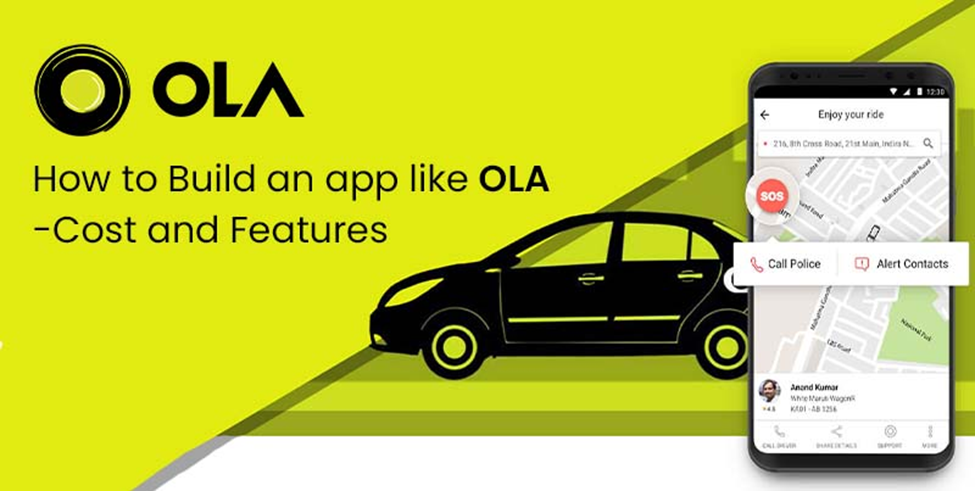
Ola Cabs Case Study
Ola’s business plan evolved from Aggarwal’s initial OLAtrips idea, pivoting to cabs after market research revealed transport gaps. The plan emphasized localization, aggressive expansion to 250+ cities, and diversified revenue via Ola Electric and fintech, securing $4B+ in funding and unicorn status.
Recent Examples
Meesho (2025 update): Ideated as social commerce for non-metro India; the plan focused on the reseller model, hitting a $1B valuation via low-data apps and vernacular support.
Krutrim AI (Ola’s venture, 2025): Aggarwal’s ideation on India-specific AI led to a plan for a sovereign cloud, raising $50M in seed funding amid the global AI boom.
Result:
The app expanded across Europe and North America, saved millions of meals from waste, and attracted significant VC investment.
Summary Table
Stage
Canva (2013)
Too Good To Go (2024)
Ideation
Easy graphic design for non-professionals
Reducing food waste via marketplace
Business Plan
Freemium, global market, online platform
Transaction-based app, eco-focus
Outcome
Rapid global scale, unicorn status
Multi-country launch, VC funding
Conclusion
Ideation is about finding and shaping the right idea. A business plan turns that idea into a structured pathway for action, funding, and growth. Case studies like Canva and Too Good To Go show how successful businesses arise from strong ideation and disciplined planning.
Preparing for production on special low-budget indie productions involves important steps and considerations, particularly in areas such as location and union management, cast and crew hiring, budget preparation, insurance, and completion bonds. I’ll also include a recent case study to illustrate these points.
1. Preparing for Production: Key Stages
Script Breakdown & Scheduling
Break down the script scene by scene to identify locations, cast, props, and special needs.
Create a realistic production schedule using tools like Movie Magic Scheduling or StudioBinder.
Budgeting
Prepare a detailed budget using standard forms (e.g., SAG-AFTRA Low Budget Agreement Budget Form, Movie Magic Budgeting, etc.).
Consider all line items: locations, cast, crew, equipment, post-production, insurance, contingency, and festival submissions.
Use templates for Ultra Low Budget (under $300K) or Micro-Budget productions.
2. Locations & Unions Management
Locations
Secure cost-effective locations; negotiate reduced rates or use owned/free spaces.
Obtain location permits from relevant authorities (city, private owners, parks).
Prepare agreements outlining access, duration, insurance, and liabilities.
Consider the impact of union rules on location work hours and conditions.
Unions
For US productions, comply with SAG-AFTRA (Screen Actors Guild‐American Federation of Television and Radio Artists) and possibly IATSE or DGA for crew.
Use SAG-AFTRA Low Budget Agreements to reduce costs, but ensure all paperwork and residuals are handled correctly.
Submit required paperwork: cast list, contracts, proof of payroll service, and worker’s compensation insurance.
3. Cast and crew: selection, contracts, agreements, and work permits
Selection
Prioritize talent willing to work at indie rates—network or use casting sites like Backstage, Casting Networks, or local Facebook groups.
Crew: hire multi-skilled individuals to cover several roles.
Contracts & Agreements
Use legally binding contracts for all cast and crew, specifying role, pay, credit, work dates, and usage rights.
For minors or international talent, obtain necessary work permits (e.g., California Entertainment Work Permit, O-1 visa for international artists).
4. Budget Preparation & Budget Forms
Key Considerations
Use union-specific forms if working with SAG-AFTRA or other unions.
Set aside a 10-15% contingency for unexpected expenses.
Include post-production, marketing, and festival costs.
The example budget categories include: Development, Pre-Production, Production, Post-Production, Delivery, Insurance, Legal, and Contingency.
5. Insurance & Completion Bonds
Insurance
Essential types include general liability, equipment, worker’s compensation, and errors & omissions (E&O).
This insurance is required for most locations and for working with unions.
Completion Bonds
A financial guarantee that the film will be completed on time and within budget.
Not always required for ultra-low-budget indies, but increasingly important if working with outside investors or distributors.
Recent example/case study: “The Farewell” (2019)
Background: “The Farewell” was produced with a modest indie budget (~$3 million), filmed in the US and China, and featured a mix of non-union and union cast.
Key Points:
Locations: Filmed on real locations in China and New York; used a local crew in China to save costs.
Unions: The lead actress (Awkwafina) was SAG-AFTRA, so production used the union’s low-budget agreements for US shoots.
Contracts: All cast/crew signed contracts specifying payment schedule, credit, and festival participation.
Budget: Used strict budgeting and prioritized money for post-production and marketing.
Insurance: Obtained comprehensive location, travel, and general liability insurance.
Completion Bond: Not used, but producers provided guarantees to investors by keeping transparent books and regular production updates.
Result:
Despite budget constraints, “The Farewell” was completed on time, won major festival awards, and achieved commercial and critical success.
Special low-budget indie productions are small, independently financed media projects (films, web series, docs, and branded shorts) made with limited money, small crews, and high creative control. They rely on smart planning, minimal locations, and multitasking teams rather than expensive gear or big stars to achieve a professional result.
Core Features
Very tight budgets (sometimes micro-budgets, e.g., under a few lakh rupees or under 100,000 USD), often funded by savings, small grants, or crowdfunding.
Small crews, consisting of individuals juggling multiple roles such as writer-director, producer-editor, and DP-gaffer, are common.
Few locations, small casts, natural light, practical sets, and mostly available equipment (DSLRs, mirrorless cameras, phones, and free software).
Typical Strategies
Write for what you have: The script is built around accessible locations (home, college, one village, one room) and minimal props.
Use natural/available light: day exteriors, window-lit interiors, and cheap LEDs instead of full lighting trucks.
Local, emerging talent: Drama-school actors, local theater groups, and film students looking for credits.
Lean post-production: Free/low-cost tools (DaVinci Resolve, Audacity), simple VFX, and a limited shooting ratio to reduce edit time.
Example (Generic Case)
Imagine a 20-minute indie short about a schoolteacher in rural Andhra Pradesh:
Budget: Rs 1–2 lakh, self-funded and partly crowdfunded.
Pre-production: Script tailored to one village school, one house, and 4–5 speaking roles; permissions arranged via local panchayat.
Production: 5-day shoot, 6–8 person crew, natural light plus 2–3 LED panels; sound done with one good recorder and lav mics.
Post-production: Edited on a laptop, color graded in Resolve, sound mixed with free plugins, released at festivals and on YouTube.
This kind of “special low-budget indie” is common in film schools and regional industries because it keeps financial risk low while allowing strong artistic experimentation and portfolio-building.
Preparing for media production involves thorough planning and organization to ensure a smooth and efficient workflow during the actual production phase. Here’s a step-by-step guide to help you prepare effectively:
1. Define the Project Scope and Objectives
Clarify the purpose, target audience, and key message of the media production.