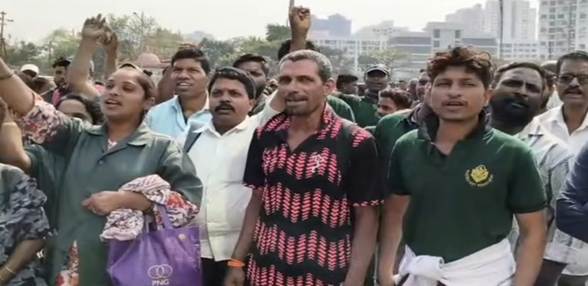
वसई-विरार सफाई कर्मचारी हड़ताल क्योंकि उन्हें अभी तक भुगतान नहीं किया गया है, और ठेकेदारों में बदलाव से शहर की सफाई सेवाएं बंद हो जाती हैं। कचरा मजदूर मंगलवार को हड़ताल पर चले गए, जिससे हर दिन चीजों को साफ रखना मुश्किल हो गया है। शहर के कई इलाकों में कूड़े के ढेर लगे हुए हैं।
वसई: वसई में 400 से 500 वी. वी. सी. एम. सी. सफाई कर्मचारियों द्वारा पी. एफ., ग्रेच्युटी और उचित वेतन के लिए हड़ताल की गई क्योंकि उन्हें एक नए श्रमिक ठेकेदार की आदत हो गई थी। सफाई सेवाओं में बाधा आई है क्योंकि श्रमिक मांग कर रहे हैं कि काम पर वापस जाने से पहले उनके अधिकारों का सम्मान किया जाए।
वसई-विरार नगर निगम (वी. वी. सी. एम. सी.) के कई सफाई कर्मचारियों ने अपने लंबे समय से चले आ रहे अनुरोधों को पूरा नहीं करने के विरोध में मंगलवार को वसई में हड़ताल की। विरोध प्रदर्शन में चार सौ से पाँच सौ सफाई कर्मचारी शामिल थे, जिन्होंने कुछ स्थानों पर सफाई बंद कर दी।
वसई विरार नगर निगम (वी. वी. एम. सी.) के सफाई कर्मचारी जो चाहते हैं उसे पाने के लिए मंगलवार को वसई में हड़ताल पर चले गए। तीन सौ से पाँच सौ सफाईकर्मियों ने भाग लिया है। कंपनी द्वारा पुराने के स्थान पर एक नया सौदा किया गया है। लेकिन उन्होंने कहा कि लंबे समय से वहां काम कर रहे श्रमिकों की जरूरतों को पूरा किया जाना चाहिए।
पिछले कुछ वर्षों से वसई विरार नगर निगम ने अनुबंध के आधार पर सफाई का काम करने के लिए हजारों लोगों को काम पर रखा है। वे सड़कों पर झाड़ू लगा रहे हैं, हर दिन कचरा उठा रहे हैं और फेंक रहे हैं, दवाओं का छिड़काव कर रहे हैं और गड्ढों की सफाई कर रहे हैं। लेकिन इन श्रमिकों को मुश्किलों का सामना करना पड़ रहा है क्योंकि नगरपालिका उन्हें सही उपकरण प्रदान नहीं करती है। कई बार अधिकारियों से शिकायत करने के बावजूद कोई कार्रवाई नहीं की जा रही है।
कंपनी ने अब 20 जनवरी को काम पर रखे गए पिछले ठेकेदार का अनुबंध समाप्त कर दिया है। 2025-26 से 2030-31 तक पांच वर्षों के लिए एक नया ठेकेदार नियुक्त किया गया है। इस वजह से नगर निगम ने पहले के ठेकेदारों को अपना काम बंद करने के लिए कहा।
हालांकि, इस आदेश के बाद से, हर दिन शहर की सफाई करने वाले लोगों ने हिंसक आंदोलन शुरू कर दिया है। मजदूर मंगलवार को वसई पश्चिम के साईनाथ नगर इलाके में विरोध करने के लिए इकट्ठा हुए। हमने लंबे समय तक साथ काम किया है। लोगों का कहना है कि नगरपालिका ने अनुबंध बदलकर सफाई कर्मचारियों के साथ अन्याय करने की कोशिश की, क्योंकि हमें अभी तक भविष्य निधि या ग्रेच्युटी जैसे कोई अन्य लाभ नहीं मिले हैं। हमें नए ठेकेदार से कोई समस्या नहीं है, लेकिन हमारे श्रमिकों को जो लाभ मिल रहा है, वह हमें कब मिलेगा? टॉयलेट क्लीनर गीतेश घरत ने पूछा।
हड़ताल के लिए तैयार
विरोध शुरू हुआ क्योंकि नगर निगम ने पुरानी के बजाय एक नई श्रम एजेंसी को काम पर रखने का विकल्प चुना। ठेकेदारों में बदलाव आया है, लेकिन श्रमिकों, जिनमें से कई वर्षों से शहर के साथ हैं, का तर्क है कि पहले उनके अधिकारों और लाभों की रक्षा की जानी चाहिए।
वी. वी. सी. एम. सी. हजारों अस्थायी सफाई कर्मचारियों को सड़कों की सफाई और हर दिन कचरा उठाने जैसे महत्वपूर्ण काम करने के लिए काम पर रखता है। कचरे को उन जगहों पर ले जाना जहाँ इसे फेंका जा सकता है।
कीटनाशकों को लगाना और नालियों की सफाई करना
भले ही वे ये महत्वपूर्ण काम कर रहे हैं, श्रमिकों का कहना है कि उनके पास बुनियादी उपकरण नहीं हैं और उन्हें लंबे समय से समस्याएं हो रही हैं। उनका कहना है कि निगम ने बार-बार उनकी शिकायतों को नजरअंदाज किया है।
नए अनुबंधों को लेकर लड़ाई हुई।
20 जनवरी से, पूर्व ठेकेदार का कार्यकाल समाप्त हो गया, और एक नए को 2025-26 से 2030-31 तक पांच साल के लिए काम पर रखा गया। नतीजतन, निगम ने पूर्व कर्मचारियों को पहले की तरह काम करना बंद करने के लिए कहा।
मजदूर इस आदेश से नाराज थे, और मंगलवार को वे वसई पश्चिम के साईनाथ नगर इलाके में मिले और कहा कि वे क्या सोचते हैं। श्रमिक स्पष्ट करते हैं कि वे नए ठेकेदार के खिलाफ नहीं हैं, बल्कि इस विचार के खिलाफ हैं कि वे समय के साथ अर्जित भत्तों को खो सकते हैं।
कर्मचारियों का बयान
विरोध प्रदर्शन के दौरान सफाई कर्मचारी गीतेश घरत ने श्रमिकों की भलाई के बारे में कई महत्वपूर्ण सवाल पूछे। श्रमिक मांग कर रहे हैं कि उनके भविष्य निधि (पीएफ) और ग्रेच्युटी का भुगतान तुरंत किया जाए, क्योंकि वे कहते हैं कि उन्हें वर्षों से भुगतान नहीं किया गया है। मुख्य मांगों में से एक “समान काम के लिए समान वेतन” है। कुछ लोग उन पूर्व श्रमिकों के बारे में चिंतित थे जो सेवानिवृत्त हो गए थे या अपनी बकाया राशि प्राप्त किए बिना ही उनकी मृत्यु हो गई थी।
विरोध कर रहे श्रमिकों ने कहा, “निगम को नए अनुबंध को अंतिम रूप देने से पहले श्रमिकों को विश्वास में लेना चाहिए था और इन लंबित मुद्दों का समाधान करना चाहिए था।
लोग इस बात से चिंतित हैं कि शहर अब कितना साफ है क्योंकि हड़ताल के कारण दैनिक कचरा संग्रह अभी भी गड़बड़ है। इस बिंदु पर, श्रमिकों ने कहा है कि वे तब तक काम पर वापस नहीं जाएंगे जब तक कि उन्हें उनकी सामाजिक सुरक्षा और अवैतनिक बिलों के बारे में विशिष्ट गारंटी नहीं दी जाती।
ENGLISH TRANSLATION
A strike by city workers makes the city less clean.
Vasai-Virar sanitation workers go on strike because they haven’t been paid yet, and a change in contractors stops city cleaning services. The garbage workers went on strike on Tuesday, which has made it harder to keep things clean every day. There are garbage piles in many parts of the city.
A stop-work strike by 400 to 500 VVCMC sanitation workers in Vasai called for PF, gratuity, and fair pay as they got used to a new labor contractor. Cleaning services have been hampered because workers are demanding that their rights be respected before they can go back to work.
Many sanitation workers from the Vasai-Virar City Municipal Corporation (VVCMC) went on a “stop-work” strike in Vasai on Tuesday to protest not getting their long-standing requests met. Four hundred to five hundred sanitation workers were involved in the protest, which stopped cleaning in some places.
Sanitation workers from Vasai Virar Municipal Corporation (VVMC) went on strike in Vasai on Tuesday to get what they want. Three hundred to five hundred cleaning workers have taken part. A new deal has been made by the company in place of the old one. But he said that the needs of the workers who have been there for a long time should be met.
For the past few years, the Vasai Virar Municipal Corporation has hired thousands of people to do cleaning work on a contract basis. They are sweeping the streets, picking up and throwing away trash every day, spraying medicines, and cleaning out ditches. But these workers are having a hard time because the municipality doesn’t provide them with the right tools. Even though complaining to the officials several times, nothing is being done about it.
The company has now ended the contract of the previous contractor they hired on January 20. A new contractor has been hired for five years, from 2025–26 to 2030–31. Because of this, the city corporation told the earlier contractors to stop their work.
However, since this order, the people who clean the city every day have started a violent movement. The workers got together in the Sainath Nagar area of Vasai West on Tuesday to protest. We’ve worked together for a long time. People say that the municipality tried to be unfair to the safai karamcharis by changing the contract, since we haven’t gotten any other perks like the provident fund or the gratuity yet.
“We don’t have a problem with the new contractor, but when will we get the benefits that our workers are getting?” asked Gitesh Gharat, a toilet cleaner.
Set off for Strike
The protest started because the Municipal Corporation chose to hire a new labor agency instead of the old one. There has been a change in contractors, but the workers, many of whom have been with the city for years, argue that their rights and benefits must be protected first.
The VVCMC hires thousands of temporary sanitation workers to do important jobs like cleaning the streets and picking up trash every day. Taking trash to places where it can be dumped.
Putting down pesticides and cleaning gutters
Even though they are doing these important jobs, workers say they don’t have basic tools and have been having problems for a long time. They say that the Corporation has ignored their complaints over and over again.
There was a fight over new contracts.
With effect from January 20, the former contractor’s term ended, and a new one was hired for five years, from 2025–26 to 2030–31. As a result, the Corporation told the former employees to stop working the way they were.
The workers were angry about this order, and on Tuesday they met in the Sainath Nagar area of Vasai West to say what they thought. The workers make it clear that they are not against the new contractor, but rather the idea that they might lose the perks they have earned over time.
Statement from Workers
During the protest, sanitation worker Gitesh Gharat asked a number of important questions about the workers’ well-being. Workers are asking that their Provident Fund (PF) and Gratuity be paid right away, since they say they haven’t been paid in years. One of the main demands is “Equal Pay for Equal Work.” Some people were worried about former workers who retired or died without getting the money they were owed.
“The Corporation should have taken the workers into confidence and addressed these pending issues before finalizing the new contract,” said the workers who were protesting.
People are worried about how clean the city is now that daily trash collection is still messed up because of the strike. At this point, the workers have said that they won’t go back to work until they are given specific guarantees about their social security and unpaid bills.
The Supreme Court of India had mandated that Maharashtra conduct local body elections—including for Zila Parishads, Panchayat Samitis, and municipal corporations—by January 31, 2026. This came after significant delays due to litigation over OBC reservation and delimitation issues. The court emphasized that elections must proceed irrespective of ongoing delimitation, giving a one-time extension only.
According to official records, the election process unfolded in phases:
Municipal council and Nagar Panchayat elections were held between December 2 and December 15, 2025.
Elections for 29 Municipal Corporations took place on January 15, 2026, with results counted on January 16.
2. Key Results & Political Outcomes
2.1. Overall Results
The BJP-led Maha Yuti alliance achieved a sweeping victory across the state, securing majorities in 25 of the 29 municipal corporations. They won approximately 1,425 seats out of nearly 2,868 contested.
2.2. Brihanmumbai Municipal Corporation (BMC)
In a historic shift, the alliance broke the decades-long dominance of the Thackeray-led Shiv Sena:
BJP: 89 seats
Shinde-led Shiv Sena: 29 seats
UBT Shiv Sena: 65 seats
MNS: 6 seats
Congress: 24 seats
AIMIM: 8 seats
NCP/SP/others: various small counts
The alliance crossed the majority mark with 118 seats out of 227, marking a major urban power shift.
2.3. Other Major Cities
Pune Municipal Corporation: BJP won 116 of 165 seats, far ahead of NCP (20) and Congress (15).
Navi Mumbai: BJP won 65 of 111 seats; Shiv Sena secured 43.
Nashik: BJP won 72 of 122 seats.
Nagpur: BJP emerged as the single largest party with 102 of 151 seats; Congress followed with 34.
2.4. AIMIM Gains
The All India Majlis-e-Ittehadul Muslimeen (AIMIM), led by Asaduddin Owaisi, made substantial gains—winning 126 seats across municipal corporations, up from just 56 previously. Their strongest performance was in Chhatrapati Sambhajinagar, where they secured 33 seats.
2.5. Unopposed Wins & Turnout
A notable 65–68 candidates (reports vary) were elected unopposed, mostly from the BJP (43–44), followed by Shiv Sena and NCP. The SEC is investigating the circumstances surrounding these uncontested victories.
Voter turnout remained modest at 54–55%, with urban centers like Mumbai, Pune, and Thane showing lower engagement. Analysts attributed this to urban apathy and administrative disconnect.
3. Political Reactions & Broader Implications
Chief Minister Devendra Fadnavis described the results as an “unprecedented endorsement” of the BJP–Maha Yuti alliance and credited development-focused governance and effective ground mobilization.
Prime Minister Narendra Modi hailed the results as a deepening bond between the NDA and Maharashtra’s electorate, praising the pro-people governance narrative.
The Supreme Court’s earlier directive, the scale of unopposed wins, and the low turnout in metros continue to fuel debates about democratic participation and administrative transparency.
Summary Table
Category
Key Highlights
Legal Mandate
SC ordered elections by Jan 31, 2026; phased polls in Dec 2025–Jan 2026
Overall Outcome
BJP-led alliance dominates 25/29 municipal corporations, wins ~1,425 seats
Mumbai (BMC)
BJP-Shinde alliance wins 118/227 seats; the Thackerays are ousted from dominance
Other Cities
BJP strong in Pune, Nashik, Nagpur, Navi Mumbai
AIMIM Performance
Gains to 126 seats; strong in Sambhajinagar and Vidarbha
Unopposed Wins
65–68 candidates won unopposed, mostly from BJP; SEC investigating
Voter Turnout
Around 54–55%, lower in urban centers
Political Impact
Boost for BJP narrative; questions on democratic engagement
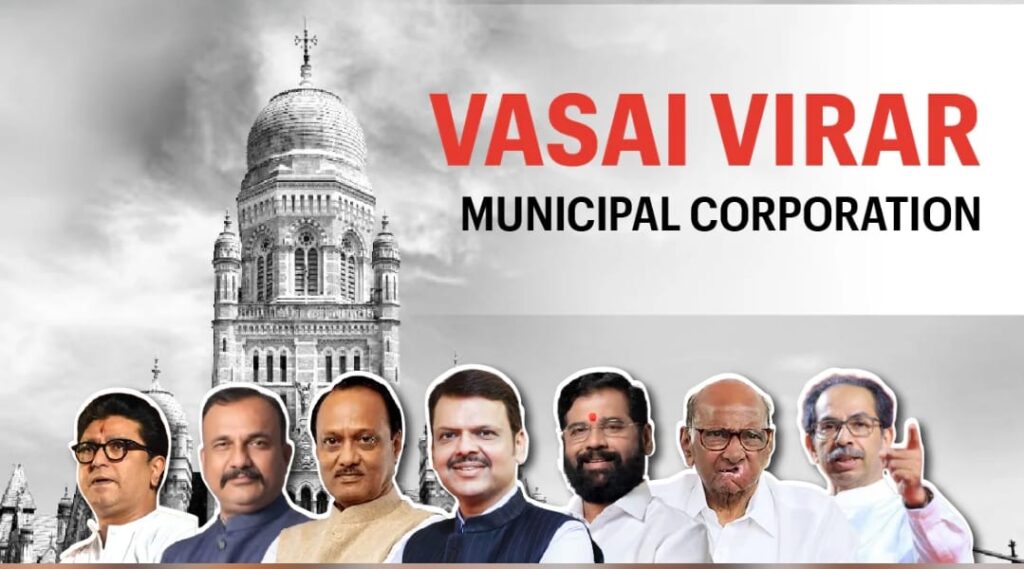
वसई-विरार नगर निगम (वी. वी. सी. एम. सी.) चुनाव जनवरी 2026 में हुए थे। हितेंद्र ठाकुर ने बहुजन विकास अघाड़ी (बीवीए) का नेतृत्व किया जिसने स्पष्ट बहुमत हासिल किया और अपना आधार बनाए रखने में सफल रहा।
2026 के चुनाव परिणामों का सारांश
सबसे हालिया गणना के अनुसार, जो 16 जनवरी, 2026 को हुई थीः
बहुजन विकास अघाड़ी (बीवीए) ने क्षेत्र पर अपना दीर्घकालिक नियंत्रण बनाए रखते हुए 71 सीटें जीतीं।
भारतीय जनता पार्टी (भाजपा) ने 43 सीटें जीती थीं। भले ही वे बीवीए से हार गए, लेकिन भाजपा का नगर निकाय में अब तक का सबसे अच्छा प्रदर्शन रहा, जिसने पिछले चुनावों की तुलना में बहुत अधिक सीटें हासिल कीं।
शिवसेना (एकनाथ शिंदे समूह) एक जगह मिली।
अंतिम परिणामों के आधार पर, शिवसेना (यूबीटी) कांग्रेस और राकांपा को कोई भी महत्वपूर्ण सीट नहीं मिली।
महत्वपूर्ण बिंदु
मतदाता मतदानः लगभग 57.12% लोग जो मतदान करने के योग्य थे, उन्होंने गुरुवार, 15 जनवरी, 2026 को चुनाव में ऐसा किया।
राजनीति के संदर्भ में, इस जीत को ठाकुर परिवार के लिए एक बड़ी वापसी के रूप में देखा जा रहा है, क्योंकि हितेंद्र ठाकुर और उनके बेटे क्षितिज ठाकुर दोनों 2024 के चुनावों में भाजपा से अपनी विधानसभा सीटें हार गए थे।
बड़े आश्चर्यः भले ही बीवीए ने समग्र रूप से चुनाव जीता हो, लेकिन कहा जाता है कि रूपेश जाधव और अन्य शीर्ष नेता और पूर्व महापौर अपने-अपने वार्डों में हार गए हैं।
निर्विरोध जीतः इससे पहले चुनाव चक्र में, बीवीए की प्रवीना ठाकुर को बिना किसी प्राथमिक चुनौती के वार्ड 98 से चुना गया था क्योंकि उनके खिलाफ चुनाव लड़ रही भाजपा उम्मीदवार बाहर हो गई थी।
सभी 29 वार्डों की सभी 115 सीटों की गिनती शुक्रवार, 16 जनवरी, 2026 को की गई थी। इसने पुष्टि की कि बीवीए के पास अगला महापौर चुनने की शक्ति है।
English Translation
The Vasai-Virar City Municipal Corporation (VVCMC) elections
As of the most recent count, which happened on January 16, 2026:
The Bahujan Vikas Aghadi (BVA): won 71 seats, keeping its long-term control over the area.
43 seats were won by the Bharatiya Janata Party (BJP). Even though they lost to the BVA, the BJP had its best showing in the civic body ever, picking up a lot more seats than in previous elections.
Shiv Sena (Eknath Shinde group): Got one place.
Based on the final results, the Shiv Sena (UBT), Congress, and NCP did not get any seats that were important.
Important Points
Voter Turnout: About 57.12% of people who were eligible to vote did so in the election on Thursday, January 15, 2026.
In terms of politics, this win is seen as a big comeback for the Thakur family, since Hitendra Thakur and his son Kshitij Thakur both lost their assembly seats to the BJP in the 2024 elections.
Major Surprises: Even though the BVA won the election as a whole, Rupesh Jadhav and other top leaders and former mayors are said to have lost in their own wards.
Unopposed Win: Earlier in the election cycle, Pravina Thakur of the BVA was chosen from Ward 98 without a primary challenge because the BJP candidate who was running against her dropped out.
All 115 seats in all 29 wards were counted on Friday, January 16, 2026. This confirmed that the BVA has the power to choose the next mayor.
Party-wise tally across Maharashtra
The BJP-led Mahayuti alliance is maintaining a comfortable lead with an edge on over 1,400 seats across the 29 municipal corporations in Maharashtra. Here is a party-wise tally, according to TV reports at 2:30pm:
YouTube, as the world’s largest video-sharing platform, is the primary destination for official trailers, teasers, behind-the-scenes footage, and cast interviews. The viral potential of YouTube content means that a well-crafted trailer can reach millions within hours, sparking global conversations and building anticipation.
Short video platforms capitalize on snackable, shareable content—such as quick clips, challenges, or memes—that can trend rapidly. Studios often collaborate with influencers or create official challenges to encourage user-generated content, enhancing organic reach and engagement.
Examples:
RRR (2022): The film’s trailer release on YouTube garnered over 100 million views, while dance challenges on TikTok and Instagram Reels helped the film trend internationally.
Barbie (2023): Warner Bros. used YouTube for trailer drops and partnered with TikTok for themed filters and challenges, generating viral buzz and massive pre-release interest.
Pathaan (2023): The official YouTube trailer broke records for most views in 24 hours, and short behind-the-scenes clips and dance challenges spread widely on Instagram Reels.
By harnessing the reach and engagement of YouTube and short video platforms, film promotions can build excitement, create viral moments, and drive audiences to theaters or streaming platforms.
A. TRAILER LAUNCHES, REACTION VIDEOS, INFLUENCER WATCH PARTIES
Here’s an overview of how YouTube and short video platforms are used for trailer launches, reaction videos, and influencer watch parties, with examples from international, national (Indian), and local/regional films.
1. Trailer Launches
International Example:
Avengers: Endgame (2019):
Marvel Studios launched the official trailer on YouTube, which broke viewership records with over 289 million views in 24 hours. The trailer’s release became a global event, shared across Instagram Reels and TikTok as fans remixed scenes and audio.
National (India) Example:
KGF: Chapter 2 (2022):
The trailer premiered on YouTube and amassed over 100 million views in just a few days, trending nationwide. Clips from the trailer were widely shared on Instagram Reels and Moj (an Indian short video platform).
Local/Regional Example:
Minnal Murali (Malayalam, 2021):
The trailer was released on YouTube and promoted via short clips on ShareChat and Josh (popular in South India), helping the film reach a broad regional audience.
2. Reaction Videos
International Example:
Spider-Man: No Way Home (2021):
Fans and influencers worldwide posted real-time reaction videos on YouTube within hours of the trailer launch. Some channels received millions of views, adding to the hype and spreading the trailer organically.
National (India) Example:
RRR (2022):
The movie’s trailer inspired countless Indian and international YouTubers to upload reaction videos, many trending in YouTube’s Top 10. We further clipped these reactions and shared them as short videos across Instagram Reels.
Local/Regional Example:
Sairat (Marathi, 2016):
Regional YouTube creators posted reaction and review videos, which boosted the film’s reach beyond Maharashtra, especially among the Marathi-speaking diaspora.
3. Influencer Watch Parties
International Example:
The Gray Man (2022, Netflix):
Netflix hosted YouTube and TikTok watch parties with international influencers who streamed their live reactions, encouraging fans to join and discuss in real time.
National (India) Example:
Gehraiyaan (2022, Amazon Prime Video):
Leading Bollywood influencers and digital creators were invited to virtual watch parties, sharing snippets of their reactions on Instagram Stories and Reels, boosting post-release engagement.
Local/Regional Example:
Jathi Ratnalu (Telugu, 2021):
Telugu YouTubers and local Instagram creators organized online watch parties, sharing highlights and memes on short video platforms, making the film viral within the Telugu-speaking community.
Summary Table
Platform
Trailer Launch
Reaction Videos
Influencer Watch Parties
International
Avengers: Endgame
Spider-Man: No Way Home
The Gray Man
National (India)
KGF: Chapter 2, RRR
RRR, KGF: Chapter 2
Gehraiyaan
Local/Regional
Minnal Murali, Sairat
Sairat, Jathi Ratnalu
Jathi Ratnalu
Conclusion: YouTube and short video platforms play a pivotal role in modern film promotion at every level—amplifying reach, building hype, and encouraging community participation through innovative digital experiences.
B. INDIAN PLATFORMS: SHARECHAT, CHINGARI, ROPOSO
Here’s a focused answer on how Indian short video platforms—ShareChat, Chingari, and Roposo—are used for film promotion, with illustrative case studies and examples from Indian and local films.
YouTube & Short Video Platforms for Film Promotion: Indian Platforms
1. ShareChat
About: ShareChat is a leading Indian social media and short video app available in 15+ regional languages, popular in Tier 2 and 3 cities.
Film Promotion Usage:
Case Study: Pushpa: The Rise (2021)
The film’s catchy songs and dialogues were promoted via ShareChat stickers and short video challenges in Telugu, Hindi, and other languages.
Users created thousands of lip-sync and dance videos to the song “Srivalli,” pushing organic reach even to non-metro audiences.
Example: KGF: Chapter 2 (2022)
ShareChat users widely shared the trailer and “Rocky Bhai” dialogues as short clips, memes, and status updates, contributing to the film’s trend in multiple languages.
2. Chingari
About: Chingari is a homegrown short video platform, popular for its viral content and “trending challenges.”
Film Promotion Usage:
Case Study: Bhool Bhulaiyaa 2 (2022)
The “Hare Ram” dance challenge was officially launched on Chingari, with influencers and users participating in the trend, leading to millions of views and boosting the song’s popularity.
Example: Local Films (e.g., Gujarati or Marathi releases)
Regional movie promotions often run hashtag challenges (e.g., “#DanceLikeHero”) on Chingari, leveraging local influencers to create buzz for film releases in their respective language belts.
3. Roposo
About: Roposo is a video-sharing social media platform that focuses on entertainment content across India’s major languages.
Film Promotion Usage:
Case Study: Liger (2022)
The film’s promotion included exclusive behind-the-scenes content and actor interactions on Roposo. Fans could duet with stars or create their own short videos using official film audio and stickers.
Example: Local Films (e.g., Kannada, Tamil)
Roposo partnered with film producers to offer early access to music tracks and exclusive snippets, encouraging user-generated content and meme creation, which helped local films gain visibility.
Summary Table
Platform
Case Study (National)
Local/Regional Example
ShareChat
Pushpa: The Rise, KGF 2
Status clips, memes for local films
Chingari
Bhool Bhulaiyaa 2
Marathi/Gujarati challenges
Roposo
Liger
Kannada/Tamil music launches
Conclusion: ShareChat, Chingari, and Roposo are vital for film promotion in India, especially for reaching vernacular and regional audiences. These platforms foster viral trends, influencer collaborations, and user-generated content, making them powerful tools for both national blockbusters and local films to build buzz and engagement across diverse Indian markets.
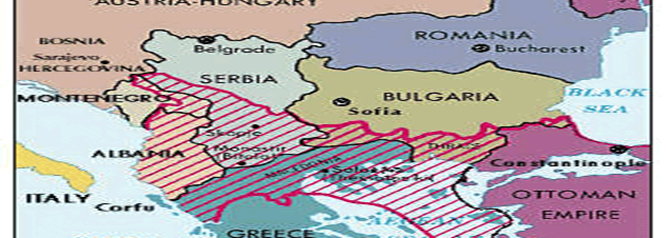
The international conflicts in Europe have their roots in a multitude of historical factors. The two World Wars, sparked by complex alliances, territorial disputes, and rising nationalism, stand as significant events that reshaped the political and social landscape of Europe. Additionally, conflicts such as the breakup of Yugoslavia and the subsequent Balkan Wars, the Irish Troubles, and the more recent conflict in Ukraine are emblematic of the region’s complex historical divisions and unresolved tensions.
2. Key Players
Various actors have played pivotal roles in the international conflicts in Europe:
European Powers: Throughout history, major European powers, including France, Germany, and the United Kingdom, have been central figures in European conflicts. Their shifting alliances, competing interests, and struggles for dominance have been influential in shaping the outcomes of these conflicts.
International Organizations: Entities such as the European Union (EU) and the North Atlantic Treaty Organization (NATO) have played significant roles in managing and mitigating conflicts in Europe. The EU has sought to promote economic integration and foster peaceful cooperation among member states, while NATO has focused on ensuring collective defense and security.
Regional and Ethnic Groups: Europe is home to diverse regional and ethnic groups, some of which have experienced conflicts related to identity, autonomy, and self-determination. Examples include the Basque conflict in Spain, the Chechen conflict in Russia, and the Kurdish struggle for recognition and rights in several countries.
Global Powers: Superpowers like the United States and Russia have exerted influence in European conflicts. Cold War dynamics, power struggles, and competing geopolitical interests have shaped the involvement of these global players.
3. Impact and Legacy
The international conflicts in Europe have had far-reaching consequences:
Loss of Life and Displacement: These conflicts have caused immense human suffering, with millions of lives lost and millions more displaced from their homes. The scars of war and conflict continue to affect individuals and communities, leaving a lasting impact on the social fabric of affected regions.
Political Realignment: European conflicts have prompted significant political realignments and territorial changes. The collapse of empires, the redrawing of borders, and the creation of new states have altered the geopolitical landscape of Europe, with lasting effects on national identities and relationships between nations.
Economic Disruptions: Conflict disrupts economic stability and development, resulting in significant economic challenges for affected countries and regions. The cost of rebuilding infrastructure, addressing post-war economic disparities, and the diversion of resources towards military expenditures can impede long-term growth and development.
Social and Cultural Divisions: Conflicts often exacerbate existing social and cultural divisions, deepening rifts between communities and fostering mistrust. Reconciliation and healing in the aftermath of conflicts become critical to building cohesive societies and fostering peaceful coexistence.
Peacebuilding and Integration Efforts: International organizations, regional initiatives, and grassroots movements have emerged to promote peace, reconciliation, and integration in Europe. Initiatives like the European project, truth and reconciliation processes, and cross-border cooperation aim to foster stability and prevent future conflicts.
The international conflicts in Europe have shaped the region’s history, politics, and identity. Understanding the historical origins, key players, and long-lasting impact of these conflicts is crucial for comprehending Europe’s complex geopolitical landscape. By acknowledging the lessons learned from past conflicts, fostering dialogue and cooperation, and promoting peace-building efforts, Europe can work towards a more peaceful and united future.
4. Lessons Learned and Challenges Ahead
Reflecting on the international conflicts in Europe, several lessons emerge:
Diplomacy and Dialogue: Diplomatic efforts and dialogue are crucial in preventing and resolving conflicts. Europe has seen successful examples of diplomacy, such as the Good Friday Agreement in Northern Ireland, that offer valuable lessons for resolving complex disputes through peaceful negotiations.
Multilateralism and Cooperation: International and regional organizations, such as the EU and NATO, play a vital role in promoting peace and stability. Strengthening multilateralism and fostering cooperation among nations are key in preventing conflicts and addressing shared challenges.
Addressing Root Causes: Understanding and addressing the root causes of conflicts, including historical grievances, social inequalities, and political aspirations, are essential for sustainable peace. Economic development, social justice, and respect for human rights are integral components of preventing and resolving conflicts.
Media and Information: The media’s role in reporting conflicts is crucial. Journalists have the responsibility to provide accurate, balanced, and objective coverage that promotes understanding and empathy. Combating misinformation and propaganda is vital in preventing the escalation of conflicts.
5. Moving forward, Europe faces on-going challenges in the realm of international conflicts
Resolving Unresolved Conflicts: Several conflicts in Europe, such as the conflict in Ukraine and the frozen conflicts in Transnistria, Abkhazia, and South Ossetia, remain unresolved. Dedicated efforts, diplomatic negotiations, and inclusive dialogue are necessary to find lasting solutions and foster reconciliation.
Rise of Populism and Nationalism: The rise of populist movements and nationalist sentiments in some European countries poses challenges to regional integration and cooperation. Addressing the underlying causes of these movements and promoting inclusive societies are crucial for maintaining stability and preventing conflicts.
Managing Migration and Refugee Crises: Europe has faced significant migration and refugee challenges in recent years, leading to political tensions and societal divisions. Effective management of migration flows, equitable burden-sharing, and integration efforts are necessary to foster social cohesion and prevent conflicts arising from these challenges.
Hybrid and Cyber Threats: The digital era has brought new forms of conflict, including hybrid warfare and cyber threats. Europe needs to enhance its capabilities to address these non-traditional security challenges, protect critical infrastructure, and strengthen cyber defenses.
The international conflicts in Europe have left a profound impact on the continent, shaping its history, politics, and societies. By drawing lessons from past conflicts, promoting dialogue and cooperation, addressing root causes, and embracing multilateralism, Europe can strive for a more peaceful and integrated future. It is essential for journalists, policymakers, and citizens to work together in fostering understanding, countering misinformation, and building inclusive societies to prevent conflicts and ensure a prosperous and harmonious Europe.
6. Comprehensive understanding of media coverage in European conflicts
Europe, a region marked by diverse histories and geopolitical complexities, has witnessed numerous conflicts that have garnered global attention. Aspiring journalists, it is crucial to explore the nuances of media coverage in international conflicts in Europe. This student-friendly and engaging section aims to provide a comprehensive understanding of media coverage in European conflicts, incorporating abstracts from a journalism point of view and promoting critical thinking and ethical reporting.
Understanding European Conflicts: Europe’s history is intertwined with conflicts that have shaped the continent’s political landscape. These conflicts have diverse origins, including territorial disputes, ethnic tensions, economic disparities, and ideological differences. Understanding the historical context of each conflict is crucial for accurate reporting.
Challenges in Reporting on European Conflicts: Journalists reporting on European conflicts face several challenges. Language barriers, cultural nuances, and differences in media landscapes across countries can complicate the collection and interpretation of information. Journalists must navigate diverse perspectives, biases, and the potential politicization of conflicts to provide balanced and accurate reporting.
From a journalism perspective, reporting on European conflicts requires adherence to ethical principles and responsible reporting practices. Journalists should strive for accuracy, fairness, and impartiality. Verifying information through multiple reliable sources and fact-checking are crucial in countering misinformation and propaganda that often accompany conflicts.
Journalists should be aware of their own biases and strive to present diverse perspectives. Recognizing the complexities of conflicts in Europe, journalists must aim to provide context and analysis to foster a comprehensive understanding among their audiences.
7. Ethical Considerations
Ethics play a vital role in reporting on European conflicts. Journalists must prioritize the safety and well-being of individuals involved in the conflict, including sources and subjects. Sensitivity to the cultural, historical, and political dimensions of the conflict is essential in producing ethical and responsible reporting.
Additionally, journalists should exercise sensitivity to the cultural, historical, and political dimensions of the conflict. Cultural awareness and respect for local customs and traditions are paramount to ensure accurate and respectful reporting. Journalists should avoid perpetuating stereotypes or reinforcing biases, striving instead for balanced and nuanced coverage.
8. Promoting Accuracy and Context
In reporting on European conflicts, journalists should aim for accuracy and context. The complex nature of these conflicts demands in-depth research, interviews with key stakeholders, and an understanding of historical events. Providing accurate and comprehensive information is vital to promote understanding and foster dialogue.
9. Engaging Diverse Perspectives
Reporting on European conflicts necessitates amplifying diverse perspectives. Journalists should seek out voices from different sides of the conflict, including representatives from conflicting parties, civil society organizations, and local communities affected by the conflict. This approach encourages a more nuanced and balanced portrayal of the conflict.
10. The Power of Storytelling
Storytelling is a powerful tool in reporting on European conflicts. By humanizing the conflict through personal stories, journalists can elicit empathy and create a deeper understanding among their audience. It is crucial to maintain sensitivity and respect for the individuals whose stories are shared, protecting their privacy and ensuring their safety.
Media coverage of international conflicts in Europe carries immense responsibility. Journalism students must navigate the challenges of reporting on diverse European conflicts while upholding ethical principles. By embracing critical thinking, seeking diverse perspectives, and providing accurate and balanced reporting, they can contribute to a more comprehensive understanding of European conflicts.
Responsible reporting not only informs the public but also helps promote understanding, empathy, and dialogue. Journalism students have the power to shed light on the complexities of European conflicts, challenge stereotypes, and contribute to a more peaceful and inclusive world. By engaging in informed and ethical reporting, they can shape public discourse and inspire positive change.
11. Historical Context of European Conflicts
Europe has a rich history of conflicts, shaped by a complex tapestry of historical events, cultural differences, and political dynamics. These conflicts range from the World Wars to the breakup of Yugoslavia, the Northern Ireland Troubles, and more recent conflicts such as the Ukraine crisis. Understanding the historical context of each conflict is crucial for journalists reporting on them, as it provides valuable insights into the root causes, grievances, and dynamics at play.
12. Challenges of Reporting on European Conflicts
Journalists reporting on European conflicts face a range of challenges. Language barriers can make it difficult to gather accurate information and interview key sources, particularly in regions with diverse linguistic backgrounds. Cultural nuances and historical sensitivities require journalists to have a deep understanding of the local context and dynamics to accurately convey the complexities of the conflict.
Another challenge is the potential politicization of conflicts. Journalists must navigate biases, propaganda, and disinformation campaigns that may be employed by different parties involved in the conflict. It is essential for journalists to remain vigilant, fact-check claims, and present a balanced account of events to counteract potential biases.
From a journalism perspective, reporting on European conflicts demands adherence to ethical standards and responsible reporting practices. Journalists should prioritize accuracy and factual integrity, ensuring that information is verified and corroborated through multiple reliable sources. This is particularly important in conflicts where competing narratives and misinformation are prevalent.
Journalists should be aware of their own biases and strive to present diverse perspectives. Balancing conflicting viewpoints can provide audiences with a more nuanced understanding of the complexities inherent in European conflicts. It is crucial to avoid sensationalism and instead provide comprehensive analysis and context to foster a deeper understanding among readers.
13. Promoting Accuracy, Context, and Accountability
In reporting on European conflicts, journalists should prioritize accuracy and provide essential context. Historical background, political dynamics, and the impact of the conflict on the lives of people must be conveyed to create a comprehensive understanding among readers. Journalists should also hold all parties accountable for their actions, providing thorough investigations into human rights abuses, war crimes, and other violations of international law.
14. Engaging Diverse Perspectives and Humanizing the Conflict
Journalists should seek out and amplify diverse perspectives in their coverage of European conflicts. This includes providing a platform for voices from conflicting parties, civil society organizations, and local communities affected by the conflict. By presenting the human stories behind the conflicts, journalists can evoke empathy and foster a greater understanding among their audience.
Media coverage of international conflicts in Europe is a challenging but essential task for journalists. Reporting on these conflicts requires a deep understanding of the historical context, cultural nuances, and political dynamics at play. By upholding ethical principles, promoting accuracy, providing context, and amplifying diverse perspectives, journalism students can contribute to a more comprehensive understanding of European conflicts. Responsible reporting fosters empathy, challenges biases, and plays a crucial role in shaping public discourse and promoting peace and reconciliation.
ERITREA-ETHIOPIA BORDER CONFLICT (CASES STUDY)
While media coverage often focuses on conflicts, it is essential to acknowledge instances where media played a significant, albeit underrated, role in resolving international conflicts. One such example is the role of media in helping to solve the Eritrea-Ethiopia border conflict. The conflict, which lasted for decades and resulted in a devastating war, was finally brought to an end through a combination of diplomatic efforts and the influential role of the media in fostering peace.
1. Background
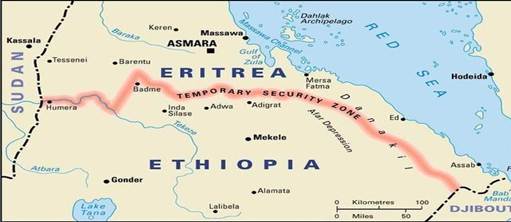
The Eritrea-Ethiopia border conflict dates back to the late 20th century when Eritrea sought independence from Ethiopia. Following a long and bloody war, Eritrea gained independence in 1993. However, disputes over border territories remained, leading to sporadic clashes and tensions between the two nations.
2. The Role of Media in Conflict Resolution
Media coverage brought attention to the Eritrea-Ethiopia conflict, particularly during periods of heightened violence. Journalists reported on the human toll, displacement of communities, and the devastating consequences of the conflict. This raised awareness among the international community and put pressure on both nations to seek a resolution.
3. International Diplomatic Pressure
Media coverage played a crucial role in mobilizing international diplomatic efforts to resolve the conflict. News reports shed light on the human rights abuses, displacement, and humanitarian crises resulting from the conflict, prompting international organizations and countries to take action. The media acted as a catalyst, pushing for diplomatic negotiations and dialogue between the two nations.
4. Peacebuilding Narratives
Media outlets played a significant role in shaping peace-building narratives and fostering dialogue between Eritrea and Ethiopia. Journalists highlighted stories of reconciliation, peace initiatives, and shared cultural heritage between the two nations. By emphasizing commonalities and promoting empathy, the media contributed to creating an environment conducive to peaceful resolution.
5. Public Opinion
Media coverage influenced public opinion both domestically and internationally. As the conflict received increased media attention, public sentiment began to shift, urging governments to prioritize peace. Within Eritrea and Ethiopia, media outlets provided platforms for peace activists, intellectuals, and civil society groups to voice their concerns and advocate for a peaceful resolution.
6. Track II Diplomacy
Media platforms facilitated “Track II Diplomacy,” which involved unofficial negotiations and dialogues between individuals, organizations, and intellectuals from both nations. By providing a space for discussions and promoting alternative viewpoints, the media helped build bridges and fostered mutual understanding and trust.
The underrated role of media in resolving the Eritrea-Ethiopia border conflict showcases the significant impact media can have in international conflict resolution. Through raising awareness, mobilizing international diplomatic pressure, shaping peacebuilding narratives, influencing public opinion, and facilitating Track II Diplomacy, the media played a vital role in bringing the conflict to an end.
This example highlights the power of the media as a force for positive change and peacebuilding. It underscores the importance of responsible journalism, accurate reporting, and the media’s ability to shape public discourse. By recognizing and highlighting such instances, we can appreciate the potential of the media in resolving conflicts, fostering dialogue, and building a more peaceful world.
The Afghanistan conflict traces its roots to the Soviet invasion in 1979, when the Soviet Union sought to prop up a communist government in Afghanistan. The invasion was met with resistance from various Afghan factions, giving rise to the Mujahideen, who fought against Soviet forces with support from the United States and other countries. Following the Soviet withdrawal in 1989, internal power struggles led to a period of civil war and the eventual rise of the Taliban.
2. Key Players
The Afghanistan conflict involves numerous key players, each with their own interests and agendas:
Afghan Government: The internationally recognized Afghan government, supported by the United States and its allies, seeks stability, governance, and development in the country. It has undergone multiple transitions, with successive leaders working towards building a viable state.
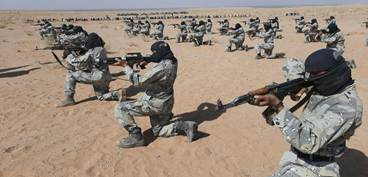
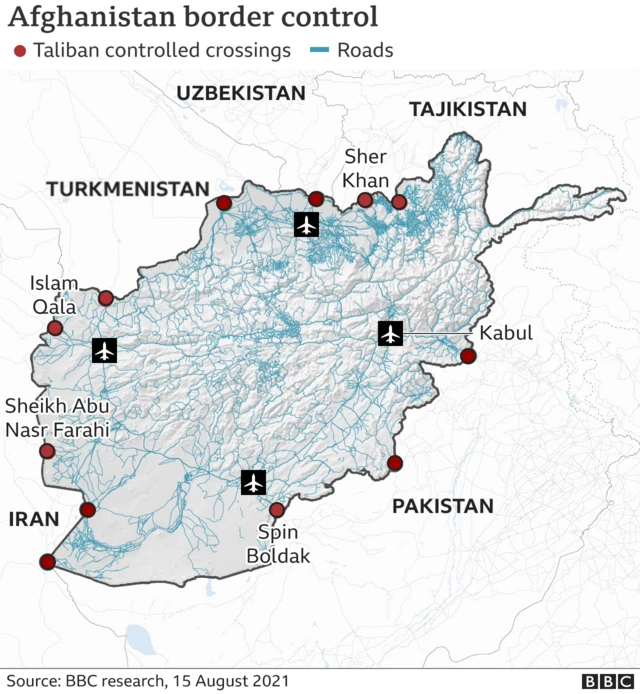
Taliban: The Taliban emerged in the early 1990s and eventually gained control over most of Afghanistan, imposing a strict interpretation of Islamic law. They provided a safe haven for international terrorist groups, including Al-Qaeda. Following the 2001 U.S.-led invasion, the Taliban was overthrown but later regrouped and re-emerged as an insurgent force.
International Military Coalition: Led by the United States, a multinational coalition deployed forces to Afghanistan in 2001 to oust the Taliban regime and combat terrorism. The coalition worked to stabilize the country, rebuild institutions, and train Afghan security forces.
Regional and International Actors: Neighboring countries, such as Pakistan, Iran, and Russia, have had varying degrees of involvement and influence in the Afghan conflict. Additionally, international organizations such as the United Nations and NATO have played critical roles in facilitating peace processes and providing humanitarian assistance.
3. Evolving Dynamics and Challenges
The Afghanistan conflict has evolved over time, with shifting dynamics and persistent challenges:
Insurgency and Counterinsurgency: The conflict has been characterized by an insurgency led by the Taliban and other militant groups, who continue to wage a guerrilla war against Afghan government forces and international troops. The counterinsurgency efforts by Afghan security forces and their international allies have sought to dismantle militant networks and establish stability.
Counterterrorism Efforts: The fight against terrorism has been a central component of the conflict, with a focus on eliminating Al-Qaeda and other extremist groups that have sought refuge in Afghanistan. Counterterrorism operations, including targeted airstrikes and intelligence cooperation, have been ongoing.
Governance and State-Building: The Afghan government has faced significant challenges in establishing effective governance, combating corruption, and extending its authority throughout the country. Building capable institutions, promoting the rule of law, and ensuring accountable governance remain essential for long-term stability.
Humanitarian and Development Issues: The conflict has had devastating humanitarian consequences, including widespread displacement, civilian casualties, and limited access to essential services such as healthcare and education. Addressing humanitarian needs and promoting sustainable development are crucial for the well-being of the Afghan population.
4. Quest for Peace and Stability
Efforts to achieve peace and stability in Afghanistan have been ongoing:
Peace Negotiations: Various peace initiatives and negotiations have been attempted over the years, involving the Afghan government, the Taliban, and regional and international stakeholders. These negotiations aim to reach a political settlement, ceasefires, and a framework for power-sharing.
Reconciliation and Reintegration Efforts: Reconciliation and reintegration programs seek to provide pathways for former Taliban fighters to lay down their weapons, reintegrate into society, and participate in the political process. These initiatives aim to foster dialogue, build trust, and create conditions for sustainable peace.
International Diplomacy: The international community, including regional powers, has played a crucial role in facilitating peace talks, supporting negotiations, and providing diplomatic assistance. Coordination and cooperation among these actors are vital in fostering a conducive environment for peace.
Security Sector Reform: Enhancing the capacity and effectiveness of Afghan security forces is a key component of achieving stability. Training programs, equipment provision, and support from international partners aim to build a capable and professional Afghan security apparatus.
Socio-Economic Development: Promoting socio-economic development, including infrastructure projects, access to education, healthcare, and employment opportunities, is crucial for improving livelihoods and addressing root causes of conflict. International aid and investment play a significant role in supporting development initiatives.
The Afghanistan international conflict is a multifaceted struggle characterized by historical, political, and social complexities. Understanding its origins, key players, evolving dynamics, and efforts for peace and stability is vital for journalism students seeking to report on this conflict. Reporting on the Afghanistan conflict requires careful consideration of diverse perspectives, adherence to ethical principles, and a commitment to accurate and balanced reporting. Journalists must deal with issues like access, safety risks, and cultural sensitivity to provide comprehensive coverage that promotes understanding and empathy.
By engaging in critical analysis, seeking multiple sources, and emphasizing the human impact of the conflict, journalism students can contribute to informed public discourse and advocate for sustainable peace in Afghanistan. Through responsible and ethical reporting, they have the opportunity to shed light on the complexities of the conflict, amplify marginalized voices, and foster global understanding of the Afghan people’s aspirations for peace and stability.
5. Media coverage
Media coverage has an important impact on the public perception and understanding of international conflicts. One such conflict that has received significant media attention is the protracted one in Afghanistan. As aspiring journalists, it is essential to explore the complexities of media coverage in international conflicts, with a specific focus on Afghanistan. This engaging and student-friendly section aims to provide a detailed examination of media coverage in the Afghan conflict, incorporating abstracts from a journalism perspective and promoting critical thinking and ethical reporting.
Understanding the Afghan Conflict: To comprehend media coverage of the Afghan conflict, it is important to recognize the historical and political context. The conflict in Afghanistan originated with the Soviet invasion in 1979, followed by years of internal strife, the rise of the Taliban, and subsequent military interventions by international forces. The conflict involves a multitude of actors, complex tribal dynamics, and a struggle for power, stability, and influence in the region.
Challenges Faced by Journalists: Journalists reporting on the Afghan conflict encounter numerous challenges. Firstly, gaining access to accurate and reliable information can be challenging due to the complexity of the conflict and the presence of multiple actors and interests. Journalists must navigate a web of political affiliations, cultural nuances, and potential security risks to gather diverse perspectives and present a comprehensive narrative.
Safety: Safety is a critical concern, as Afghanistan remains a dangerous environment for journalists. They face risks such as violence, kidnapping, and censorship from various parties involved in the conflict. Journalists must prioritize their safety while continuing to report on the ground, often relying on local sources and fixers for guidance and protection.
Ethical principles and responsible reporting practices: From a journalism perspective, reporting on the Afghan conflict requires adherence to ethical principles and responsible reporting practices. Journalists should prioritize accuracy, verifying information through multiple reliable sources, and fact-checking to counter misinformation and propaganda that often permeate conflicts. Maintaining objectivity while recognizing the complexities of the conflict and the diverse range of perspectives is crucial for fair and balanced reporting.
Sensitive: Journalists must also be sensitive to the cultural, religious, and social contexts of Afghanistan. Respect for local customs, traditions, and the rights of the Afghan people is essential. Reporting should aim to amplify the voices of Afghan citizens, including marginalized communities and women, to ensure diverse perspectives are represented.
6. Ethical Considerations
Ethics plays a vital role in reporting on the Afghan conflict. Journalists must consider the potential impact of their reporting on the safety and security of individuals involved, including sources and subjects. The Afghan conflict often involves sensitive issues such as human rights abuses, civilian casualties, and ongoing peace negotiations. When writing about these issues, journalists should be kind, respectful, and dedicated to the truth and justice.
Promoting an informed understanding of the Afghan conflict requires responsible journalism. Journalists should avoid sensationalism, biases, and oversimplification, recognizing the nuances and complexities inherent in the conflict. They should seek to provide context, analysis, and in-depth reporting to foster public engagement and critical thinking among their audiences.
7. Media coverage in international conflicts
Media coverage in international conflicts, such as the Afghan conflict, carries significant responsibility. Journalists face numerous challenges when reporting on this multifaceted conflict, including access to reliable information, safety risks, and ethical dilemmas.
By understanding the complexities, questioning biases, and adhering to ethical reporting practices, journalism students can navigate the intricacies of reporting on the Afghan conflict.
Responsible reporting not only informs the public but also helps to foster understanding, empathy, and dialogue. As future journalists, students have the power to shed light on the human stories, amplify diverse perspectives, and contribute to a more comprehensive understanding of the Afghan conflict. By embracing critical thinking, empathy, and ethical reporting, they can contribute to a more informed and engaged global audience.
Journalism students should strive for accuracy, balance, and objectivity in their reporting. They must seek out multiple sources of information, corroborate facts, and provide context to the events unfolding in Afghanistan. By presenting a comprehensive picture of the conflict, they can help the public understand the historical, political, and social dynamics at play.
Ethical considerations are crucial when reporting on the Afghan conflict. Journalists should prioritize the safety and well-being of the Afghan people, including sources and subjects. They must be cautious not to further endanger individuals or contribute to potential harm through their reporting.
Cultural sensitivity is paramount in reporting on Afghanistan. Journalists should respect the cultural norms, traditions, and religious beliefs of the Afghan people. They should be mindful of the potential impact of their reporting on local communities, taking care to avoid reinforcing stereotypes or perpetuating biases.
Conclusion
Journalism students have an opportunity to shed light on the human impact of the conflict. By telling the stories of Afghan individuals affected by the violence, displacement, and challenges of daily life, they can humanize the conflict and foster empathy among their audience.
In conclusion, media coverage in international conflicts like Afghanistan is a critical responsibility for journalists. Journalism students must navigate the challenges of reporting on a complex conflict, uphold ethical principles, and strive for accurate and balanced reporting. By providing comprehensive and empathetic coverage, they can contribute to a better understanding of the Afghan conflict and its implications for the Afghan people and the wider world.
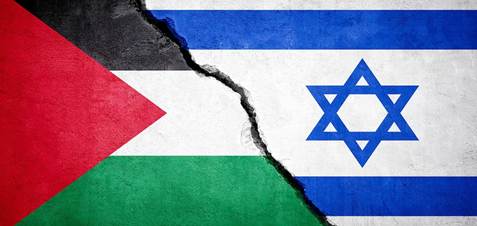
The roots of the Israel-Palestine conflict can be traced back to the early 20th century when Zionist Jews sought to establish a homeland in Palestine, which was then under Ottoman rule. Following World War I, Britain gained control of Palestine and issued the Balfour Declaration in 1917, expressing support for the establishment of a “national home for the Jewish people.” The subsequent influx of Jewish immigrants and the Arab population’s concerns set the stage for decades of tension and conflict.
2. Partition and the Creation of Israel
Amidst growing tensions, the United Nations proposed a partition plan in 1947, which recommended the division of Palestine into separate Jewish and Arab states. While the Jewish leadership accepted the plan, Arab leaders rejected it, leading to the 1948 Arab-Israeli War. The Nakba, or catastrophe, is the term Palestinians use for the establishment of Israel and the displacement of hundreds of thousands of them.
3. 1967 Six-Day War and Occupation
The 1967 Six-Day War further altered the dynamics of the conflict. Israel successfully captured and occupied the West Bank, including East Jerusalem, the Gaza Strip, and the Golan Heights. The occupation of these territories and the establishment of Israeli settlements have been key sources of contention, as Palestinians view them as obstacles to the realization of their statehood and self-determination.
4. Key Issues
The Israel-Palestine conflict encompasses several fundamental issues:
Borders and Territorial Disputes: The determination of borders and the status of Jerusalem remain highly contentious. Israelis and Palestinians both claim Jerusalem as their capital.
Israeli Settlements: The expansion of Israeli settlements in the occupied territories is a major point of contention. Palestinians argue that these settlements violate international law and hinder the establishment of a viable Palestinian state.
Security and Violence: The conflict has been marred by cycles of violence, including suicide bombings, rocket attacks, and military operations, resulting in loss of life, destruction, and mutual mistrust.
The 1948 Arab-Israeli War and subsequent conflicts, which resulted in the displacement of Palestinians, have led to a significant refugee population. The right of return for Palestinian refugees and their descendants to their ancestral homes remains a highly sensitive and unresolved issue.
5. Actors and International Involvement: The Israel-Palestine conflict involves a range of actors:
Israeli Government: The Israeli government, led by various political parties, seeks to ensure the security and survival of the State of Israel and protect its citizens.
Palestinian Authority: The Palestinian Authority, established through the Oslo Accords, governs parts of the West Bank and engages in negotiations with Israel.
Hamas: A Palestinian political and militant group controlling the Gaza Strip, Hamas is viewed as a resistance movement by some Palestinians and a terrorist organization by others.
International Community: Numerous countries, regional organizations, and international bodies, such as the United Nations, European Union, and Arab League, have been involved in efforts to mediate and facilitate a resolution to the conflict.
6. Paths to Resolution
Resolving the Israel-Palestine conflict requires addressing the core issues and aspirations of both parties. Various proposals, negotiations, and peace initiatives have been put forward over the years in search of a lasting resolution. Some potential paths to resolution include:
Two-State Solution: This approach calls for the establishment of an independent and sovereign Palestinian state alongside Israel, with mutually agreed-upon borders. It includes the recognition of East Jerusalem as the capital of Palestine and the negotiation of a just and fair resolution to the refugee issue.
Negotiations and Peace Processes: Several peace initiatives, such as the Oslo Accords, Camp David Summit, and the Annapolis Conference, have sought to facilitate negotiations between Israeli and Palestinian leaders. These processes aim to address key issues and establish a framework for peaceful coexistence.
International Diplomacy and Mediation: The international community has played a crucial role in facilitating dialogue, offering mediation, and promoting peace initiatives. Support from key stakeholders, including the United States, the European Union, and Arab states, has been instrumental in encouraging negotiations and building confidence between the parties.
Grassroots Initiatives and People-to-People Engagement: Civil society organizations, peace activists, and grassroots initiatives have sought to foster understanding, trust, and cooperation between Israelis and Palestinians. People-to-people engagement, educational exchanges, and joint projects can help build bridges and create conditions for peaceful coexistence.
The Israel-Palestine conflict remains a deeply entrenched and multifaceted issue, with far-reaching consequences for the people of the region and global stability. Understanding the historical background, key issues, and aspirations of both Israelis and Palestinians is essential for journalism students.
Reporting on the Israel-Palestine conflict requires a commitment to accurate, fair, and unbiased journalism. Journalists must navigate complexities, question biases, and present diverse perspectives to contribute to a comprehensive understanding of the conflict. Ethical reporting, sensitivity to human suffering, and an emphasis on the human stories behind the conflict are crucial in fostering empathy, dialogue, and peace.
As journalism students, by embracing critical thinking, promoting balanced reporting, and engaging with diverse narratives, you can play a vital role in informing the public, challenging misconceptions, and contributing to efforts aimed at a just and lasting resolution to the Israel-Palestine conflict.
7. Media coverage of the Israeli-Palestinian conflict
Media coverage has a major influence on public perception and understanding of international conflicts. One such conflict that garners significant attention is the ongoing Israeli-Palestinian conflict. As journalism students, it is essential to explore the complexities of media coverage in international conflicts, specifically focusing on Israel. This student-friendly and engaging section aims to provide a detailed examination of media coverage in the Israeli-Palestinian conflict, incorporating abstracts from a journalism point of view and promoting critical thinking and ethical reporting.
Understanding the Israeli-Palestinian Conflict: To comprehend media coverage of the Israeli-Palestinian conflict, it is crucial to grasp the historical and political context. The conflict revolves around competing national aspirations and territorial disputes between Israelis and Palestinians. It encompasses issues such as land ownership, borders, settlements, security concerns, self-determination, and the status of Jerusalem. Both sides have experienced periods of violence, negotiations, and attempts to reach a peaceful resolution.
Challenges in Reporting on the Israeli-Palestinian Conflict: Journalists reporting on the Israeli-Palestinian conflict face a myriad of challenges. One key challenge is the deep-rooted narrative divide between the two sides, each having their own perspective and historical narratives. Journalists must navigate these complexities while maintaining objectivity and ensuring the inclusion of diverse voices. Access to information and sources can be another challenge. The conflict is marked by restrictions on movement, security concerns, and limitations imposed by authorities on both sides. Journalists must work diligently to seek out reliable and balanced sources to present an accurate and comprehensive account of events.
Media Narratives and Bias: Media narratives in the Israeli-Palestinian conflict play a significant role in shaping public opinion and understanding. Different media outlets may have inherent biases or perspectives that can influence the framing of events. This underscores the importance of media literacy, critical thinking, and the need to question sources, credibility, and objectivity.
Fact-checking and corroborating information from multiple sources: From a journalism perspective, reporting on the Israeli-Palestinian conflict requires adherence to ethical principles and responsible reporting practices. Journalists should strive for accuracy, fairness, and balance in their reporting. Fact-checking and corroborating information from multiple sources are critical to counter misinformation and ensure credibility. Journalists must also be mindful of their own biases and strive to present diverse perspectives. Providing a platform for Israeli and Palestinian voices, as well as voices from civil society organizations and experts, is essential in fostering a nuanced understanding of the conflict.
Ethical Considerations: Ethics play a vital role in reporting on the Israeli-Palestinian conflict. Journalists must maintain sensitivity, empathy, and respect for the people affected by the conflict. Reporting on human rights abuses, casualties, and other sensitive topics requires careful consideration of the potential impact on individuals and communities. Additionally, journalists must be cautious when reporting on security matters and military operations, ensuring that sensitive information is not inadvertently disclosed, compromising national security or endangering lives.
Promoting Dialogue and Understanding: Journalists have the power to promote dialogue, understanding, and empathy in the coverage of the Israeli-Palestinian conflict. By presenting balanced and accurate reporting, highlighting the human stories, and exploring the underlying causes of the conflict, journalists can contribute to a more informed and empathetic public discourse.
Media coverage in international conflicts, such as the Israeli-Palestinian conflict, carries immense responsibility. Journalists face numerous challenges when reporting on this complex and deeply divisive issue. By understanding the complexities, questioning biases, and adhering to ethical reporting practices, journalism students can navigate the intricacies of reporting on the Israeli-Palestinian conflict. Responsible reporting not only informs the public but also fosters understanding, empathy, and dialogue, contributing to a more peaceful and just world where diverse perspectives are acknowledged and respected.
Navigating media coverage: The Israeli-Palestinian conflict requires critical thinking skills and media literacy. Students should actively seek out different sources of information, compare narratives, and question the motivations behind media portrayals. Understanding the historical context, the complexities of the conflict, and the aspirations of both Israelis and Palestinians is crucial in presenting a balanced and accurate account.
Conclusion
Journalism students must approach the Israeli-Palestinian conflict with a commitment to ethical reporting. They should strive for accuracy, fairness, and impartiality, diligently fact-checking and verifying information before disseminating it. It is essential to challenge stereotypes, biases, and preconceived notions that may influence reporting. Moreover, responsible reporting on the Israeli-Palestinian conflict requires a commitment to human rights and an understanding of the impact of media coverage on affected individuals and communities. Journalists should ensure that their reporting is sensitive, respectful, and mindful of the potential consequences.
In a conflict as deeply entrenched as the Israeli-Palestinian, promoting dialogue, understanding, and empathy becomes paramount. Journalism students have the opportunity to shed light on the human stories behind the conflict, amplify voices from diverse perspectives, and contribute to meaningful conversations that transcend divisive narratives. By engaging in critical analysis, embracing ethical standards, and approaching media coverage of the Israeli-Palestinian conflict with empathy and objectivity, journalism students can play a pivotal role in fostering informed discussions, challenging misconceptions, and ultimately contributing to efforts towards peace and reconciliation.
Media coverage of the Israeli-Palestinian conflict demands a nuanced understanding, critical thinking, and ethical reporting. By exploring the complexities of the conflict, questioning biases, and presenting diverse perspectives, journalism students can contribute to a more comprehensive and responsible portrayal of the Israeli-Palestinian conflict. As future journalists, their commitment to accuracy, fairness, and promoting understanding is essential in shaping a more informed and empathetic public discourse.
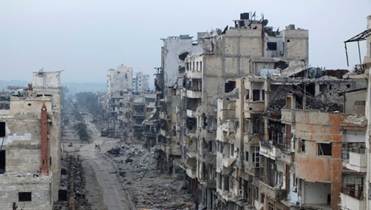
The origins of the Syrian conflict can be traced back to the Arab Spring, a wave of pro-democracy uprisings that swept across the Middle East in 2011. Inspired by movements in Tunisia and Egypt, Syrians took to the streets to demand political reforms, social justice, and an end to corruption. The Assad regime’s brutal crackdown on these peaceful protests sparked widespread discontent and armed resistance, triggering the escalation into a full-blown conflict.
2. Key Players
The Syrian conflict involves a complex web of actors with diverse interests and agendas. The primary parties include:
Syrian Government: Led by President Bashar al-Assad, the government seeks to maintain its grip on power and preserve the existing political order.
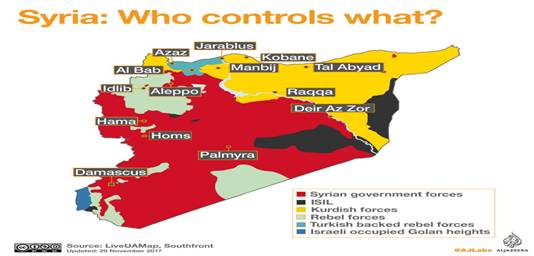
Opposition Forces: The opposition is a fragmented coalition consisting of various armed groups, rebel factions, and political entities. These groups range from moderate factions to more extremist organizations like Hayat Tahrir al-Sham and the Islamic State (ISIS).
International Actors: External powers have played a significant role in the Syrian conflict. Russia and Iran have provided military and financial support to the Assad regime, while various Gulf States and Turkey have supported different rebel groups. Additionally, the United States and European countries have supported certain opposition factions and conducted airstrikes against ISIS.
3. Humanitarian Crisis and Displacement
The Syrian conflict has caused immense human suffering, with catastrophic consequences for the civilian population. The violence and indiscriminate attacks by all parties have resulted in the loss of hundreds of thousands of lives. The widespread use of barrel bombs, chemical weapons, sieges, and deliberate targeting of civilian infrastructure has led to extensive displacement, with millions of Syrians seeking refuge both within the country and in neighboring countries.
The humanitarian crisis in Syria has also been exacerbated by severe shortages of food, clean water, medical supplies, and adequate healthcare. The dire situation has given rise to issues such as malnutrition, disease outbreaks, and a generation of children deprived of education and traumatized by the violence.
4. Global Repercussions
The Syrian conflict has had far-reaching implications for regional and international security. It has become a focal point for various geopolitical rivalries, exacerbating tensions between Iran and Saudi Arabia, Russia and the United States, and Turkey and the Kurds.
The rise of ISIS, which took advantage of the power vacuum and instability in Syria, led to a significant international effort to combat the group. The conflict also witnessed the use of chemical weapons, leading to calls for accountability and renewed debates on the prohibition and enforcement of such weapons.
Moreover, the influx of Syrian refugees has had profound socio-political and economic effects on neighboring countries and Europe. The mass migration has strained resources, triggered political tensions, and fuelled anti-immigrant sentiments in certain regions.
The conflict in Syria is a tragic and multi-faceted crisis that has devastated the country and reverberated across the world. Originating from peaceful protests for reform, the conflict has transformed into a complex civil war involving numerous domestic and international actors. The humanitarian consequences have been dire, with extensive loss of life, mass displacement, and a severe strain on basic services.
As efforts continue to achieve a political resolution to the conflict, addressing the immediate humanitarian needs and ensuring accountability for war crimes are paramount. The Syrian crisis reminds us how important it is to stop these kinds of wars from happening and how important diplomacy, conflict resolution, and working together with other countries are to keep the region peaceful and stable.
The path to resolving the Syrian conflict remains challenging and requires a comprehensive approach. It entails finding a political solution that addresses the grievances of all parties involved, fostering reconciliation, and facilitating the rebuilding and reconstruction of the war-torn nation. The international community plays a crucial role in supporting diplomatic efforts, providing humanitarian aid, and promoting dialogue among the conflicting parties.
Furthermore, addressing the root causes of the conflict, such as socio-economic inequalities, political repression, and sectarian tensions, is crucial to preventing future crises. Investing in sustainable development, inclusive governance, and human rights protection can help create the conditions for long-term stability and reconciliation in Syria.
The conflict in Syria serves as a stark reminder of the devastating consequences of war, the complexities of resolving international conflicts, and the importance of responsible and unbiased media coverage. Journalists have played a crucial role in shedding light on human suffering, raising awareness, and holding those responsible accountable. By understanding the complexities of the Syrian conflict and engaging in informed reporting, journalism students can contribute to fostering greater understanding, empathy, and dialogue among global audiences, ultimately paving the way for a more peaceful and just world.
Role and challenges of media
In the modern era, the media plays a crucial role in shaping public perception and understanding of international conflicts. One such conflict that has received extensive media coverage is the ongoing crisis in Syria. This engaging and student-friendly section aims to delve into the complexities of media coverage in international conflicts, specifically focusing on Syria. Drawing from a journalism perspective, we will explore the challenges faced by journalists, the impact of media narratives, and the ethical considerations involved in reporting on this complex and multifaceted conflict.
1. Understanding the Conflict
To comprehend media coverage of the Syrian conflict, it is essential to grasp the intricate nature of the crisis itself. The conflict in Syria emerged in 2011 as a series of protests against the government of President Bashar al-Assad, which later evolved into a full-scale civil war. The involvement of multiple factions, including government forces, rebel groups, extremist organizations, and international actors, has made it a highly complex and volatile situation.
2. Challenges Faced by Journalists
Journalists reporting on the Syrian conflict encounter a myriad of challenges. Firstly, gaining access to reliable and accurate information can be difficult due to the intensity of the conflict and the presence of multiple conflicting narratives. Journalists often risk their safety and face hazards such as violence, kidnapping, and censorship while operating in the region. Additionally, media organizations face constraints on reporting due to limited resources, language barriers, and political pressures.
3. Impact of Media Narratives
Media narratives play a significant role in shaping public opinion and understanding of the Syrian conflict. Different media outlets may have varying perspectives, biases, and agendas, which can influence the way events are portrayed. This highlights the importance of media literacy and critical thinking, encouraging students to question the sources, credibility, and objectivity of the information they consume.
From a journalism perspective, reporting on the Syrian conflict requires adherence to ethical standards and responsible journalism practices. Journalists should strive for accuracy, verifying information through multiple sources before reporting. Due to the fluid and evolving nature of the conflict, updates and developments should be shared promptly, while acknowledging the possibility of misinformation and the need for ongoing fact-checking.
Journalists should also consider the potential impact of their reporting on the conflict’s participants and the wider public. Sensitivity, empathy, and respect for the people affected by the conflict are crucial when crafting narratives. Balancing the need to inform the public with the potential consequences of certain information becoming public is a constant ethical dilemma for journalists.
Ensuring diverse perspectives and voices are represented in media coverage is essential to provide a comprehensive understanding of the conflict. Journalists should seek out perspectives from different factions, locals, humanitarian organizations, and experts to present a nuanced view of the situation.
4. Reporting Challenges and Opportunities
Reporting on the Syrian conflict poses several challenges, including physical risks, access to reliable sources, and navigating the complexities of the conflict itself. Journalists often face dangers such as airstrikes, bombings, and hostile checkpoints, making it imperative to prioritize their safety while gathering information.
Language barriers can also hinder effective reporting, as journalists may need interpreters or translators to communicate with locals and various factions. Moreover, the fluid nature of the conflict requires journalists to be adaptable and resilient, as the situation on the ground can change rapidly.
Despite these challenges, technological advancements offer opportunities for innovative reporting. Social media platforms, citizen journalism, and user-generated content have become integral sources of information, providing real-time updates and eyewitness accounts. However, journalists must exercise caution when verifying and contextualizing such content to maintain journalistic integrity.
5. Ethical Considerations
Ethics play a critical role in reporting on the Syrian conflict. Journalists must prioritize the safety and well-being of the people they report on, ensuring that their identities are protected when necessary. This is particularly important when covering sensitive topics such as human rights abuses, refugee stories, and the involvement of minors in the conflict. Respect for cultural norms, privacy, and the potential for retribution are essential ethical considerations.
Additionally, journalists must be conscious of the potential impact of their reporting on ongoing hostilities. The dissemination of certain information, such as troop movements or sensitive military strategies, could have unintended consequences, endangering lives and undermining peace efforts. Balancing the public’s right to know with the responsibility to avoid harm requires careful judgment and editorial discretion.
Promoting accurate and unbiased reporting is paramount. Journalists should strive to provide a comprehensive picture of the conflict by seeking multiple perspectives and verifying information through independent sources. Fact-checking and cross-referencing are vital tools to counter misinformation and propaganda that often permeate conflicts.
6. Journalistic Responsibility and Role
Journalists reporting on the Syrian conflict have a vital role in bringing attention to the humanitarian crisis, human rights violations, and the complexities of the conflict. By providing accurate and comprehensive coverage, they contribute to international awareness, foster dialogue, and hold those responsible accountable for their actions.
Journalists also play a crucial role in giving voice to the voiceless. Reporting on the experiences and perspectives of affected individuals, including refugees, internally displaced persons, and local communities, helps humanize the conflict and raises awareness of the human cost.
Journalism students must recognize their responsibility to approach conflict reporting with empathy, sensitivity, and integrity. They should strive to uphold the principles of truth, accuracy, fairness, and impartiality. By understanding the challenges, ethical considerations, and the power of media narratives, they can contribute to meaningful and impactful reporting in the future.
Media coverage of international conflicts, such as the Syrian crisis, carries immense responsibility. Journalists face significant challenges, including access to reliable information, physical risks, and ethical dilemmas. Understanding the complexities of the conflict and the impact of media narratives is essential for journalism students.
By maintaining journalistic integrity, seeking diverse perspectives, and adhering to ethical standards, journalists can provide accurate and comprehensive coverage that contributes to a better understanding of the conflict. Responsible reporting not only informs the public but also highlights the human stories and promotes empathy and global awareness.
As journalism students, embracing the complexities of media coverage in international conflicts like Syria empowers them to become conscientious journalists who navigate the challenges, promote truth, and play a crucial role in shaping public discourse and understanding of complex global issues.
Media coverage in international conflicts, such as the Syrian crisis, holds immense power to shape public perception, influence policy debates, and impact the lives of those involved. Journalists face numerous challenges when reporting on the Syrian conflict, from accessing reliable information to navigating safety risks.
Understanding media narratives, critically analyzing information, and promoting ethical journalism practices are vital for students studying journalism to navigate the complexities of reporting on international conflicts like Syria. By being aware of these challenges and ethical considerations, future journalists can strive for accurate, comprehensive, and responsible reporting, contributing to a more informed global audience.
The first Gulf War, also known as the Persian Gulf War or Operation Desert Storm, emerged when Iraq, led by Saddam Hussein, invaded Kuwait in August 1990. Hussein sought to gain control of Kuwait’s oil reserves, triggering international outrage and condemnation. In response, a U.S.-led coalition, consisting of 35 countries, swiftly intervened to liberate Kuwait. The ensuing conflict witnessed a massive aerial campaign, ground offensives, and significant diplomatic efforts. The coalition’s military superiority led to Iraq’s expulsion from Kuwait, but Saddam Hussein remained in power.
2. Post-War Fallout and On-going Tensions
Although the Gulf War achieved its immediate objective of restoring Kuwaiti sovereignty, it left a trail of unresolved issues and lingering tensions. The United Nations imposed economic sanctions on Iraq, and a no-fly zone was established to protect the Kurdish population in the north and Shiite Muslims in the south. These measures aimed to contain Saddam Hussein’s regime, but they also created an environment of economic hardship and political instability within Iraq.
3. The Second Gulf War (2003-2011)
The second phase of the Gulf Wars began in 2003 with the U.S.-led invasion of Iraq. The primary rationale behind this intervention was to eliminate the perceived threat of Iraq’s weapons of mass destruction (WMDs) and to foster democracy in the region. However, the initial justifications for the war were later exposed, as no substantial evidence of WMDs was found. The invasion resulted in the overthrow of Saddam Hussein’s regime, but it also led to prolonged violence, insurgency, and sectarian conflict within Iraq.
4. Consequences and Legacy
The Gulf Wars had profound consequences that continue to shape the region and the world at large. The conflicts contributed to a rise in religious and sectarian tensions, particularly between Sunni and Shiite Muslims, leading to increased instability in Iraq and neighboring countries. The prolonged military presence of foreign forces also fuelled anti-Western sentiments and provided fertile ground for the growth of extremist groups, most notably Al-Qaeda in Iraq and its offshoot, the Islamic State (ISIS).
Moreover, the Gulf Wars altered the balance of power in the Middle East. They weakened Iraq as a regional player and provided an opportunity for Iran to expand its influence in the region. The conflicts also exposed the limitations of military force and highlighted the complex challenges of nation-building and post-conflict reconstruction.
The Gulf Wars of the late 20th and early 21st centuries have had far-reaching consequences, both regionally and globally. They changed the political, social, and security landscape of the Middle East, leaving behind a legacy of ongoing wars, instability, and changes in the balance of power. Understanding the causes and repercussions of these wars is critical to comprehending the complexities of the contemporary Middle East and the multifaceted challenges it continues to face in the pursuit of stability and peace.
The media’s coverage of the Gulf War symbolized an important shift in war reporting, showcasing advancements in technology, the 24-hour news cycle, and the complexities journalists faced in conveying accurate and balanced information to the public. Analyzing the Gulf War from the media’s perspective reveals the challenges of reporting in a highly controlled environment, the influence of new media technologies, and the ethical dilemmas journalists encountered during this conflict.
5. Media Access and Government Control
The Gulf War presented unique challenges for journalists due to the high level of government control and restrictions imposed on media coverage. Journalists were subjected to strict military regulations and limited access to the frontlines, relying heavily on press briefings and official statements for information. The limited access made it challenging for journalists to independently verify facts, resulting in a reliance on military sources and a potential loss of objectivity.
6. The Emergence of 24-Hour News
The Gulf War marked the first major conflict to be extensively covered by 24-hour news channels, such as CNN. The advent of round-the-clock news coverage provided real-time updates, bringing the war directly into people’s homes. This constant stream of information intensified public engagement but also led to challenges in verifying facts and maintaining accuracy amidst the pressure to deliver instantaneous news.
7. Technological Advancements in War Reporting
The Gulf War witnessed significant technological advancements in war reporting. Journalists utilized satellite phones, portable cameras, and live broadcast capabilities, enabling them to transmit images and reports from the battlefield in near-real-time. This technological leap allowed for more immediate and immersive coverage, but it also introduced new challenges in terms of information overload and the need for contextualizing raw footage.
8. Media-Military Relationship and Propaganda
During the Gulf War, the media-military relationship came under scrutiny, as journalists faced accusations of being used as conduits for military propaganda. Embedded journalists, while gaining access to the frontlines, were under scrutiny for potential biases and conflicts of interest. Journalists had to navigate the fine line between providing accurate information and potentially becoming instruments of military objectives. Balancing access with journalistic integrity became a delicate task for reporters on the ground.
9. Censorship and Control of Information
The Gulf War was marked by extensive government censorship and control of information. Journalists often faced restrictions on reporting sensitive military operations, casualties, and civilian suffering. The control of information by authorities raised concerns about transparency and the ability of journalists to provide a comprehensive and accurate account of the war. Journalists had to find creative ways to circumvent censorship, rely on unofficial sources, and challenge the narrative presented by the government.
10. Ethics and War Reporting
Ethical considerations were at the forefront of journalists’ minds during the Gulf War. They faced the challenge of reporting on the human cost of war while adhering to journalistic principles. Journalists were confronted with graphic images of destruction, casualties, and the impact of airstrikes on civilian infrastructure. Striking a balance between informing the public and avoiding sensationalism or causing unnecessary harm to individuals became a central ethical dilemma.
11. Coverage of International Perspectives
The Gulf War involved a multinational coalition, and media coverage had to encompass a range of international perspectives. Journalists sought to present a comprehensive understanding of the geopolitical dynamics, regional tensions, and the reasons behind different countries’ involvement. Providing a nuanced portrayal of international perspectives required extensive research, access to diverse sources, and the ability to navigate cultural and linguistic barriers.
12. Public Opinion and War Narratives
Media coverage of the Gulf War had a significant impact on public opinion. The vivid images and continuous coverage of the conflict shaped the narrative of the war and influenced public sentiment. Journalists faced the challenge of balancing their responsibility to provide accurate information with the potential for shaping public opinion. The media’s role in constructing narratives and framing the conflict influenced public perceptions of the war, the decision-making of political leaders, and the subsequent public support or opposition to military actions.
13. The Role of Embedded Journalism
Embedded journalism, introduced during the Gulf War, had both advantages and disadvantages. Journalists embedded with military units gained firsthand experience of the war, providing readers and viewers with detailed accounts of combat operations. However, this close association raised concerns about journalistic independence and objectivity. Journalists had to balance reporting the conflict’s realities with potential bias stemming from their close proximity to military personnel.
14. Lessons Learned and Evolving War Reporting
The Gulf War marked a significant milestone in war reporting, paving the way for future conflicts. Journalists and news organizations learned valuable lessons about the challenges of reporting in controlled environments, the need for independent verification of information, and the importance of presenting multiple perspectives.
The advent of 24-hour news channels and technological advancements continued to shape the landscape of war reporting, raising questions about the balance between speed and accuracy, as well as the ethical responsibilities of journalists in conflict zones.
The media’s coverage of the Gulf War showcased the evolving landscape of war reporting, marked by advancements in technology, challenges of media-military relationships, and ethical dilemmas faced by journalists. The conflict underscored the importance of independent journalism, accurate information, and a critical evaluation of media narratives in shaping public understanding and perceptions of war. Lessons learned from the Gulf War continue to shape the practice of war reporting, emphasizing the need for journalistic integrity, context, and a diverse range of perspectives to provide an accurate portrayal of conflicts and their implications.
The bill, which was mostly written by Graham and Sen. Richard Blumenthal, D-Conn., lets the government put tariffs and other penalties on countries that buy oil, gas, uranium, and other goods from Russia.
US President Donald Trump has “greenlit” a bill that would put more sanctions on Russia and its trade partners, including India. This is part of his plan to end the war in Ukraine by putting more pressure on Russia.
Sen. Lindsey Graham, a Republican, says that Trump has approved a bill that would put penalties on Russia. Graham told reporters that he hopes the same thing will be voted on as soon as next week.
“After a very productive meeting with President Trump today about several issues, he gave the go-ahead for the bipartisan Russia sanctions bill.”” In my speech, I said, “I look forward to a strong bipartisan vote, hopefully as early as next week.”
He also said that this bill will “let” Trump “punish countries that buy cheap Russian oil that powers Putin’s war machine.”
This list of countries will include India, which already pays a high tariff because it buys oil from Russia. It is meant to hurt Russia’s trade allies.
Trump signs off on a bill that threatens a 500% tax.
Republican Senator Graham wrote on X that the President signed off on the bill, which will also punish countries that buy uranium from Russia, after a “productive” meeting on Wednesday. He also said that the bill could be voted on as soon as next week. It’s a good time for this because Ukraine is giving in on peace, while Putin just talks and kills innocent people. He also said, “This bill will let President Trump punish countries that buy cheap Russian oil and help Putin’s war machine.”
“President Trump would have a lot of power with this bill over countries like China, India, and Brazil to make them stop buying cheap oil from Russia, which pays for Putin’s bloodbath in Ukraine. I hope for a strong vote from both parties as soon as next week, he said. In Washington,
As soon as next week, US tariffs on India and China could go up by as much as 500%. This is because President Donald Trump has signed off on the bipartisan Russia Sanctions Bill, which could be used to punish Russia’s trade partners, like India, China, and Brazil, for buying oil from Russia.
A well-known defense hawk in the Republican Party, Senator Lindsey Graham, said the bill would give the US power to stop India, China, and Brazil from buying Russian oil, and it would punish countries that “feed Putin’s war machine.”
The bill, which was mostly written by Graham and Democratic Senator Richard Blumenthal, lets the government put up to 500% tariffs and secondary penalties on countries that buy oil, gas, uranium, and other goods from Russia. The aim is to sever Russia’s primary funding source for its military operations.
As per the official website of US Congress, the bill titled “Sanctioning of Russia Act 2025” by Graham seeks to impose several provisions, including
• The President is required to impose visa and property-blocking sanctions on specified individuals, including the Russian president, certain Russian military commanders, and any foreign person who knowingly provides defense items to the Russian armed forces; • the President must increase the rate of duty on all goods and services imported from Russia into the United States to at least 500% relative to the value of such goods and services; • the President must increase the rate of duty on all goods and services imported into the United States from countries that knowingly engage in the exchange of Russian-origin uranium and petroleum products to at least 500% relative to the value of such goods and services; • the Department of the Treasury must impose property-blocking sanctions on any financial institution organized under Russian law and owned wholly or partly by Russia, and any financial institution that engages in transactions with those entities; and • The Department of Commerce must prohibit the export, reexport, or in-country transfer to or in Russia of any U.S.-produced energy or energy product. The White House had previously insisted that the sanctions package be changed and that Trump be given some freedom. However, the White House source on Wednesday did not say more about whether any changes were made.