Politics

MEDIA COVERAGE OF INDIAN GOVERNMENT’S

Introduction

Media is key to determining public perception and influencing public discourse on government policies. In the Indian context, where governance affects the lives of over 1.3 billion people, the media’s coverage of government policies is of utmost importance. This section provides a detailed exploration of the use of media in covering the policies of the Indian government, shedding light on the dynamics, challenges, and responsibilities faced by journalists in this critical domain.
1. The Role of Media in Democracy

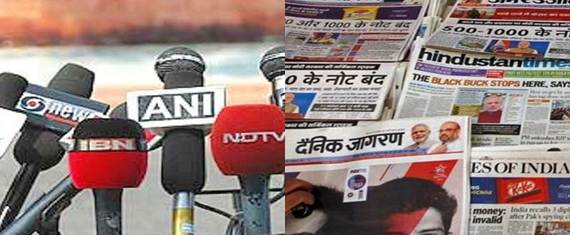
A robust and independent media is essential for a thriving democracy. In India, the media, being the fourth pillar of Indian democracy, acts as a crucial bridge between the government and its citizens, providing information, analysis, and scrutiny of government policies. By holding the government accountable, the media serves as a watchdog, facilitating transparency and fostering informed public debates.

2. The Power of Agenda Setting

Media coverage has the power to set the agenda for public discussions on government policies. Journalists and news organizations decide which policies receive prominence and how they are framed, influencing public perception and understanding. The media’s selection of policy issues, angles, and narratives shapes the public’s priorities, making agenda setting a significant responsibility for journalists.

3. Objective Reporting vs. Advocacy Journalism

Journalists face the challenge of maintaining objectivity while reporting on government policies. Striking the right balance between objective reporting and advocacy journalism can be complex. While journalists should present factual information and diverse perspectives, they must also critically analyze policies, evaluate their impact, and hold the government accountable for its actions.

4. Challenges of Access and Information Flow

Journalists often face challenges in accessing accurate and timely information about government policies. Government agencies may selectively disseminate information, hindering journalists’ ability to provide comprehensive coverage. Obtaining access to key decision-makers, relevant documents, and data can be a daunting task, requiring persistence, source-building, and investigative skills.

5. Media Biases and Ideological Influences

Media biases and ideological influences can impact the coverage of government policies. Journalists and news organizations may hold inherent biases that influence their reporting, framing, and interpretation of policies. These elements can result in either a favorable or critical portrayal of government initiatives, potentially shaping public opinion in the process.

6. Balancing Complexity and Simplification

Government policies often involve intricate details and technical jargon that may be challenging for the general public to comprehend. Journalists face the task of simplifying complex policy matters without oversimplifying or distorting the information. For communication to work and for people to understand, it’s important to find the right balance between accuracy and accessibility.

The media’s coverage of government policies in India carries immense significance in a democratic society. Journalists play a critical role in informing citizens, analyzing policies, and holding the government accountable. By understanding the dynamics of media coverage, the challenges faced by journalists, and the ethical responsibilities they carry, media students can equip themselves to become informed, fair, and responsible journalists who contribute to a vibrant and well-informed democracy.

A. ECONOMIC POLICY

Introduction

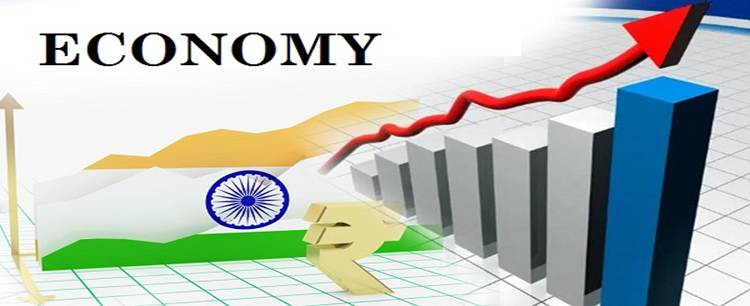
The Indian economy is a dynamic and complex landscape, where government policies hold significant implications for millions of citizens. The role of media in covering economic policy is crucial, as it shapes public perception, influences investor sentiment, and provides valuable insights to stakeholders. This section delves into the nuanced use of media in the coverage of Indian economic policy, analyzing key aspects, challenges, and recent prominent examples from a journalistic standpoint.
Journalists covering economic policy face the challenge of simplifying complex economic concepts while maintaining accuracy and depth. Reporting on economic policies demands a careful balance between technical details and their impact on people’s lives. Journalists play a critical role in providing unbiased analysis, examining the consequences of policies, and facilitating informed public discussions. Their ability to uncover crucial information, critically evaluate economic decisions, and present diverse viewpoints is instrumental in shaping the public’s understanding and fostering an environment of accountability.

1. Setting the Narrative: Media’s Agenda-Setting Power

Media outlets possess the power to shape the narrative around economic policies. Through careful selection of stories, framing, and emphasis on specific aspects, they influence public perception and the priorities of economic debates. Journalists, as agenda-setters, hold a responsibility to prioritize issues of national importance, provide nuanced perspectives, and avoid sensationalism while covering economic policy.

2. Interplay between Politics and Economics

The coverage of economic policy often intersects with political considerations. Media coverage tends to focus on the political implications of economic decisions, highlighting winners and losers, and scrutinizing the government’s approach. Journalists must navigate this complex terrain, offering objective analysis while avoiding partisan biases and maintaining the necessary independence to critique policies irrespective of political affiliations.

3. The Role of Experts and Analysts

Media coverage of economic policy frequently incorporates expert opinions and analysis. Journalists rely on economists, financial experts, and policy analysts to provide insights and interpret the potential impacts of policies. Engaging a diverse range of experts allows for a comprehensive evaluation of economic policies and fosters a more informed public discourse.

4. Balancing Complexity and Accessibility

Economic policies are often intricate, involving technical jargon and complex concepts. Journalists face the challenge of presenting these policies in a manner that is accessible to a broad audience without oversimplifying or diluting the core issues. Skillful storytelling, clear explanations, and relatable examples help bridge the gap, ensuring that the complexities of economic policy are understood by the public.

5. Recent Prominent Examples

Recent economic policy developments in India have garnered significant media attention. Examples include the introduction of the Goods and Services Tax (GST), demonetization, and various reforms such as the Insolvency and Bankruptcy Code (IBC). Media coverage of these policies highlighted their potential impact on businesses, employment, and overall economic growth. Journalists played a critical role in analyzing the consequences, soliciting expert opinions, and scrutinizing the government’s approach.

6. Sensitizing Socioeconomic Impact

Media coverage of economic policy should strive to shed light on the socioeconomic impact of government decisions. Journalists have a responsibility to go beyond abstract economic indicators and explore the real-world consequences of policies on different sections of society. By highlighting stories of individuals and communities affected by economic policies, media coverage can bring forth the human dimension and foster empathy among the public.

7. Diverse Perspectives and Stakeholder Engagement

Media coverage should aim to incorporate diverse perspectives and engage with various stakeholders affected by economic policies. This includes seeking input from businesses, labor unions, think tanks, and grassroots organizations to provide a holistic view of the impacts and potential alternatives. By representing a range of voices, journalists can contribute to a more inclusive and well-rounded analysis of economic policies.

8. Monitoring and Accountability

Media plays a crucial role in monitoring the implementation and effectiveness of economic policies over time. Journalists should follow up on policy outcomes, track progress, and assess whether the intended objectives are being achieved. By holding the government accountable for its economic decisions, media coverage acts as a vital check and balance, ensuring transparency and responsible governance.

9. Data Journalism and Fact-Checking

Economic policy discussions heavily rely on data and statistics. Journalists equipped with data journalism skills can effectively analyze and present complex economic information to the public. Fact-checking economic claims and scrutinizing government data adds credibility to media coverage and safeguards against the spread of misinformation or propaganda.

10. Economic Policy as a Public Interest Issue

Media coverage of economic policy should frame it as a matter of public interest rather than a purely technical or academic subject. Journalists can highlight the links between economic policies and broader societal issues such as poverty, inequality, employment, and environmental sustainability. By contextualizing economic policy within the larger socioeconomic context, media coverage can foster public engagement and promote an informed public dialogue.

The media’s coverage of Indian economic policy plays a pivotal role in informing, engaging, and empowering citizens. Journalists, armed with journalistic integrity, analytical skills, and a commitment to responsible reporting, have the ability to shape public understanding, influence policy debates, and hold the government accountable. By comprehensively covering economic policies, aspiring journalists can contribute to a more informed citizenry, promote transparency, and actively participate in shaping India’s economic future.

Introduction

In the vibrant political landscape of India, election campaigns play a crucial role in shaping public opinion. The Bharatiya Janata Party (BJP), one of India’s major political parties, has effectively utilized the media to amplify its messages and connect with voters. This section will provide an in-depth analysis of the BJP’s use of media in its election campaigns, exploring key strategies employed, their impact, and the broader implications for journalism.

1. Harnessing Mass Media

The BJP has leveraged traditional mass media channels, such as television, radio, and print, to disseminate its campaign messages. Through carefully crafted advertisements, interviews, and editorials, the party reaches a wide audience, maximizing its visibility and influence. Mass media platforms allow the BJP to target diverse segments of society and create a narrative that resonates with the electorate.

2. Digital Dominance

The BJP has embraced the digital era, recognizing the potential of social media and online platforms in reaching and mobilizing voters. The party’s extensive social media presence, including active accounts on platforms like Facebook, Twitter, and Instagram, enables direct communication with supporters and facilitates the rapid dissemination of party propaganda. This digital dominance has allowed the BJP to engage with tech-savvy audiences and counter rival narratives.

3. Narrative Building

BJP election campaigns are characterized by their ability to craft persuasive narratives. The party strategically positions itself as a champion of nationalism, development, and cultural preservation. By utilizing media platforms, the BJP has effectively propagated its ideologies and policy initiatives, often presenting them as the solutions to the nation’s challenges. This narrative building creates an emotional connection with voters and reinforces the party’s image.

4. Media Management

The BJP has adeptly managed media relations, nurturing favorable relationships with select media outlets. Through exclusive interviews, press conferences, and well-placed opinion pieces, the party ensures its messages are amplified by sympathetic journalists and media houses. By establishing a symbiotic relationship, the BJP maintains a positive media narrative while keeping detractors at bay.

5. Balancing Political Communication

The BJP employs a delicate balance between centralized political communication and decentralized messaging. The party’s leadership, including icons like the prime minister, sets the overarching agenda and narrative. However, regional and local leaders are empowered to tailor their messages to specific constituencies, ensuring a personalized approach that resonates with diverse voter groups.

6. Controversies and Media Scrutiny

Media coverage of the BJP’s election campaigns is not without controversy. Critics accuse some media outlets of biased reporting, favoring the party and providing uncritical coverage. On the other hand, the BJP often faces intense media scrutiny, particularly regarding sensitive issues such as religious tensions or policy decisions. These dynamics reflect the delicate balance between media objectivity and partisan biases.

7. Amplification through Public Events

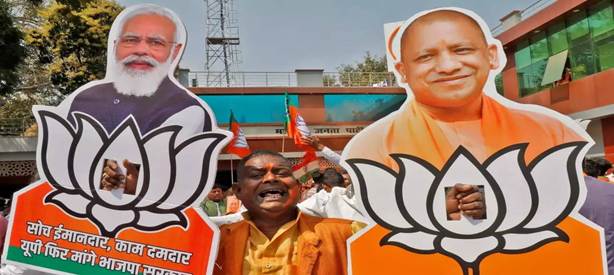
In addition to mass media and digital platforms, the BJP leverages large-scale public events as a powerful tool for media coverage. Rallies, roadshows, and public addresses featuring key party leaders generate immense media attention. These events create a sense of momentum and enthusiasm around the party, projecting an image of widespread support and energizing the party’s cadre.

8. Branding and Symbolism

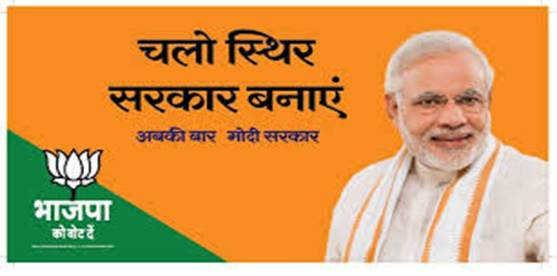
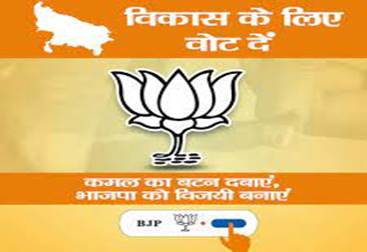
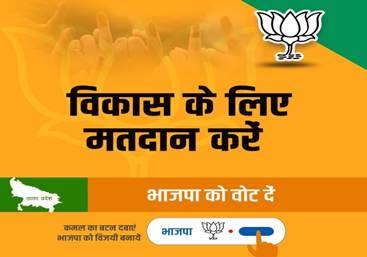
The BJP excels in crafting a strong brand identity and employing symbolic messaging in its election campaigns. The party’s distinctive logo, slogans, and symbols, such as the lotus flower, effectively create a visual association with the BJP’s values and ideology. This branding strategy enhances recognition and recall among voters, further reinforced through media coverage and advertisements.

9. Strategic Messaging

The BJP carefully tailors its messaging to appeal to different segments of society. By understanding the diverse demographics and regional dynamics of India, the party delivers targeted messages that resonate with specific voter groups. The media plays a crucial role in amplifying these messages, ensuring they reach the intended audiences and generate the desired impact.

10. Responding to Media Landscape Changes

The BJP has displayed an ability to adapt to evolving media trends. As the consumption patterns shift towards digital platforms, the party has embraced technologies such as live streaming, podcasts, and interactive content to engage with a younger and tech-savvy audience. This adaptability allows the BJP to remain at the forefront of media innovation and maintain relevance in an ever-changing media landscape.

The BJP’s use of media in its election campaigns highlights the party’s astute understanding of the evolving media landscape and its potential to shape public opinion. Through a multifaceted media strategy that encompasses mass media, digital platforms, narrative building, and media management, the BJP has successfully connected with voters, disseminated its political agenda, and consolidated its support base. This case study emphasizes the importance of journalistic scrutiny, media ethics, and the responsibility of journalists to provide fair and unbiased coverage of political campaigns.

The BJP’s adept use of media in its election campaigns has contributed significantly to the party’s electoral success and political influence in India. Through a multi-pronged approach encompassing mass media, digital platforms, public events, branding, and strategic messaging, the BJP has effectively shaped public opinion, mobilized voters, and projected a powerful political image. This case study serves as a reminder of the dynamic interplay between politics and media, highlighting the importance of media literacy, ethical journalism, and critical analysis in navigating the complexities of political campaigns.

For aspiring journalists, understanding the BJP’s media strategies provides invaluable insights into the evolving role of media in democratic processes. It underscores the need for journalistic integrity, responsible reporting, and the constant evaluation of media’s impact on the political landscape. By studying and analyzing the BJP’s media tactics, journalism students can learn more about the media’s influence on electoral politics and develop the skills necessary to navigate this dynamic relationship.

For example:

These examples highlight the BJP’s effective use of media to shape public opinion, mobilize supporters, and maintain a strong political presence. They underscore the significant influence that media platforms and coverage can have on election outcomes and the subsequent implications for democratic processes.

  1. Extensive Media Coverage: The BJP’s election campaigns receive extensive media coverage across various platforms, including television, radio, print, and digital media. This broad coverage ensures that the party’s messages and campaign events reach a wide audience, increasing visibility and generating public discourse.
  1. Strategic Messaging and Sound Bites: The BJP effectively utilizes strategic messaging to convey its agenda and policies. The party crafts concise and impactful sound bites that resonate with the electorate and are easily picked up by the media. These carefully crafted messages, often backed by slogans and catchphrases, help shape public opinion and maintain a consistent narrative.
  1. Media Management: The BJP maintains strong relationships with select media outlets, ensuring favorable coverage and amplification of its messages. Party leaders regularly engage with journalists, granting interviews and participating in press conferences, providing exclusive news stories and access. This media management strategy helps the BJP maintain a positive media image and control the narrative surrounding its campaigns.
  1. Social Media Dominance: The BJP has embraced social media as a powerful tool in its election campaigns. The party effectively utilizes platforms such as Twitter, Facebook, and YouTube to disseminate its messages, engage with supporters, and counter rival narratives. With a robust social media presence, the BJP reaches a vast online audience, including tech-savvy youth, shaping political discourse and mobilizing support.
  1. Influencer Endorsements: In recent years, the BJP has leveraged the influence of social media influencers and celebrities to garner support. Prominent individuals with large followings on platforms like Instagram and YouTube are often seen endorsing the party’s campaigns, policies, and leaders. These endorsements attract attention, generate buzz, and sway public opinion through the power of celebrity influence.
  1. Narrative Building and Branding: The BJP is adept at building a strong narrative and branding itself effectively. The party projects a clear and consistent image, emphasizing themes such as nationalism, cultural preservation, and economic development. The media plays a crucial role in amplifying this narrative, which resonates with the party’s supporters and creates a sense of identity among its base.
  1. Visual Spectacles and Public Events: The BJP organizes large-scale public events, rallies, and road shows that capture media attention and create visual spectacles. These events, often featuring prominent party leaders, are meticulously planned to generate enthusiasm, demonstrate strength, and project a powerful image of public support. Media coverage of these events contributes to the party’s visibility and reinforces its messaging.

Introduction

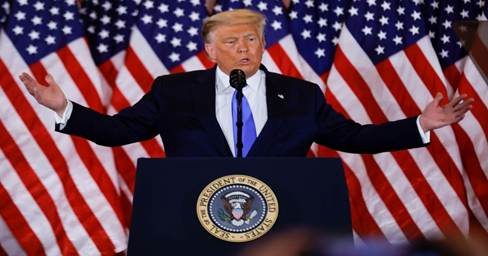
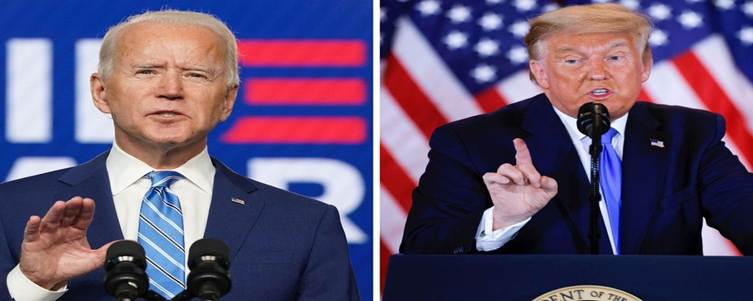
The role of media in shaping political landscapes cannot be underestimated, especially in the context of election campaigns. Donald Trump’s presidential campaigns in America were marked by a unique relationship with the media, characterized by controversy, polarization, and unprecedented coverage. In this section, we will explore the complicated nature of media influence on Trump’s election campaigns, examining key strategies employed, their impact, and the broader implications for journalism.

1. The Power of Media Amplification

Donald Trump, a businessman turned politician, astutely recognized the media’s potential to amplify his messages. Through strategic use of social media platforms, particularly Twitter, Trump bypassed traditional media gatekeepers and directly engaged with his supporters. His unfiltered and provocative tweets became headline news, setting the agenda for public discourse and captivating both his supporters and detractors.

2. The Era of Infotainment

Trump’s campaign capitalized on the convergence of media and entertainment. His background as a reality TV personality had a major influence on his campaign style. The media, hungry for high ratings and engagement, treated the election as a captivating drama, focusing on sensational sound bites, controversial remarks, and divisive rhetoric. The blurring of lines between news and entertainment contributed to the spectacle surrounding Trump’s candidacy.

3. Media Bias and Polarization

The coverage of Trump’s election campaigns exposed the issue of media bias and its impact on public perception. Some media outlets were accused of favoring Trump, providing him with excessive airtime and uncritical coverage. Conversely, others adopted a more adversarial stance, relentlessly scrutinizing his every move. This polarization in media coverage further deepened the ideological divide among the electorate, reinforcing existing partisan narratives.

4. Fact-Checking and Truth Decay

Trump’s campaigns witnessed an unprecedented challenge to the notion of objective truth. The rise of “alternative facts” and “fake news” blurred the boundaries between accurate reporting and misinformation. Journalists and fact-checkers faced the daunting task of sifting through an influx of dubious claims and verifying or debunking them. The erosion of trust in media institutions presented a critical challenge for responsible journalism and highlighted the importance of media literacy.

5. Social Media Echo Chambers

The prevalence of social media platforms and their algorithms contributed to the creation of echo chambers, where individuals were exposed primarily to content that reinforced their existing beliefs. This led to the formation of online communities fervently supporting or opposing Trump, further polarizing public discourse and making it challenging to foster constructive dialogue.

Donald Trump’s election campaigns revolutionized the relationship between media and politics. His unconventional methods, which included using social media, sensationalism, and breaking journalistic rules, changed the way the media works. This case study shows how important it is for journalists to think critically about their work, follow ethical reporting guidelines, and stay neutral. Aspiring journalists must navigate the complexities of media influence, polarization, and the pursuit of truth in the face of evolving political landscapes.

By understanding the intricacies of media influence in Trump’s campaigns, journalism students can gain valuable insights into the challenges and responsibilities they will face in their future careers as objective and ethical communicators in the ever-changing realm of politics and media.

For example:

These examples illustrate how media coverage and strategies employed by Donald Trump’s campaign team influenced public opinion, shaped political discourse, and contributed to the success of his campaigns. They underline the complex relationship between media and politics, showcasing the influence media can have on election outcomes and the subsequent implications for democracy.

1. Extensive Media Coverage: Donald Trump’s campaign events and rallies received extensive media coverage, often broadcasting his speeches in their entirety. This allowed Trump to dominate the news cycle, ensuring his messages reached a broad audience. The media’s focus on his provocative statements and controversial policies generated constant public attention and discussion.

2. “Trump Show” Phenomenon: The media’s fascination with Trump’s unconventional and unfiltered style contributed to the “Trump Show” phenomenon. News outlets provided extensive coverage of his rallies, treating them as entertainment spectacles rather than purely political events. This approach helped Trump generate a sense of excitement and engage voters who were disillusioned with traditional politics.

3. Social Media Presence: Trump’s strategic use of social media platforms, particularly Twitter, played a pivotal role in his campaigns. He leveraged these platforms to communicate directly with the public, bypassing traditional media gatekeepers. His provocative and attention-grabbing tweets often made headlines, allowing him to set the narrative and control the media discourse.

4. Media Controversies: Trump’s controversial statements and actions were highly appealing to media outlets seeking ratings and readership. Journalists often provided extensive coverage of his controversial remarks, amplifying his messages and generating public debate. This attention, regardless of whether it was positive or negative, helped Trump maintain a prominent position in the media landscape.

5. Media Bias Allegations: Throughout his campaigns, Trump frequently criticized the media, accusing it of bias against him. This narrative resonated with his supporters and reinforced their skepticism toward mainstream media. Conversely, some media outlets were accused of providing favorable coverage to Trump, focusing on his rallies and speeches while downplaying or omitting critical analysis.

6. Fact-Checking Challenges: Trump’s campaigns posed significant challenges for fact-checkers due to the proliferation of false or misleading statements. Journalists and fact-checking organizations faced the task of debunking misinformation while maintaining objectivity. This highlighted the need for rigorous fact-checking practices and the responsibility of media outlets to counter falsehoods with accurate reporting.

1. Objectivity and Impartiality

Journalists have a responsibility to report objectively and impartially during general elections. They must present diverse perspectives, scrutinize claims made by political parties, and provide accurate information to empower citizens to make informed choices.

2. Avoiding Sensationalism

In the age of 24/7 news cycles, journalists must resist the temptation to prioritize sensationalism over substance. Responsible reporting involves prioritizing relevant issues, promoting healthy debates, and avoiding the spread of misinformation that can sway election outcomes.

3. Media Ethics and Professionalism

Journalists must adhere to ethical standards, such as verifying sources, fact-checking information, and maintaining the privacy and dignity of individuals. Upholding professional standards ensures that media coverage remains credible and trustworthy.

4. Balancing Commercial Interests

The media industry’s commercial nature presents a challenge for journalists during general elections. Balancing the need for revenue with the duty to provide unbiased coverage requires careful editorial decision-making and a commitment to journalistic integrity.

IV. Harnessing the Power of New Media

1. Social Media and Digital Platforms

The emergence of social media and digital platforms has revolutionized the media landscape during elections. These platforms provide opportunities for direct citizen engagement, real-time updates, and alternative perspectives. However, journalists must also overcome the obstacles presented by misinformation and filter bubbles that can distort public opinion.

2. Data Analytics and Polling

Media organizations employ data analytics and polling techniques to gauge public sentiment and predict election outcomes. Responsible utilization of these tools can offer helpful details about voter preferences and contribute to more accurate reporting.

3. Citizen Journalism

Citizen journalism, enabled by digital platforms, allows ordinary citizens to contribute to the reporting and analysis of general elections. While citizen journalism provides diverse perspectives, it also requires careful verification and adherence to ethical standards.

The role of the media in general elections is multi-faceted and carries immense responsibility. Journalists must act as guardians of democracy, providing accurate information, fostering healthy debates, and holding political actors accountable. The media’s influence extends beyond national borders, with international outlets broadening perspectives and highlighting global implications.

Aspiring journalists must embrace their role as agents of change and ensure that media coverage promotes informed decision-making and a vibrant democratic society. By understanding the complexities and challenges involved, they can contribute to a media landscape that upholds democratic values and empowers citizens.

C. MEDIA BIASES

Introduction

In a democratic society, the media plays a critical role in providing citizens with information and shaping public opinion. However, we must acknowledge the existence of media biases, which can significantly impact the reporting and perception of news. This section focuses on understanding media biases in India, exploring their impact on journalism, and providing recent examples from a journalist standpoint. By recognizing and navigating biases, aspiring journalists can contribute to a more transparent and objective media landscape.

A. What are media biases?

When journalists or news organizations allow their personal beliefs to influence the news they report and how they report it, media bias arises.  Media biases refer to the predispositions or inclinations that journalists, editors, or media organizations may have that affect their reporting. Biases can arise due to personal beliefs, political affiliations, or commercial interests.

Some opponents claim that the media is capable of using a complex and sophisticated range of strategies that enable journalists and media proprietors to skew news articles in favor of specific organizations or interests.

Purposeful bias is comparable to purposeful lying and censorship when it is at its most overt, but bias is frequently subtler and hence harder to spot. While bias can affect how facts are presented, many journalists contend that full impartiality is unattainable and that biased media is not always intended to be detrimental. The goal of journalists who believe that some degree of bias is unavoidable is to reduce it rather than remove it and to provide the most impartial perspective possible.

B. Types of Media Biases

1. Political Bias: When media outlets favor or criticize specific political parties or ideologies.

2. Confirmation Bias: When journalists selectively report information that aligns with their preconceived notions or beliefs.

3. Commercial Bias: When media organizations prioritize profit over unbiased reporting.

4. Big story: “Big story” bias refers to the tendency for journalists to overlook critical details and falsify important facts when they see an event or development as a tremendously significant story.

5. Partisan: Partisan prejudice is a sort of bias where a journalist’s political opinions influence the news they report.

6. Demographic: A sort of prejudice known as demographic occurs when race, gender, ethnicity, or other variables, such as culture or economic class, have an impact on news coverage.

7. Neutrality: A form of bias where a journalist or news organization works so diligently to look unbiased that the reporting actually delivers the facts incorrectly.

C. Impact of Media Biases:

The media has a special role to play in shaping public perception of important political and social issues. When media portrays the entire event and offers trustworthy information on various subjects, such as the environment, technology, and risk, it has a significant impact on the public. Readers regard newspapers, magazines, television, radio, and the internet as powerful sources of news and opinion.

According to numerous studies, the public gains more understanding about science from the media. Examining the injustice and inaccuracy of media coverage of significant topics is crucial. An in-depth examination of the most prevalent kinds of mass media shows how they have an impact on civilization throughout the world. In the way TV networks, print media, and internet websites disseminate information, there are undoubtedly many egregious injustices that are still present today.

Millions of people have been observed watching television to stay informed about what is occurring in their surroundings. They rely more on their opinions on news reported on TV or in other news media when forming them about certain subjects. When the media can create or break a candidate, their influence in politics is especially important. They are empowered to support or undermine a candidate.

1. Shaping Public Opinion: Media biases have the potential to shape public opinion by selectively presenting information or influencing the framing of news stories. This can impact how citizens perceive political parties, policies, or social issues.

2. Polarization and Divisiveness: Media biases can contribute to political polarization and social divisions. Biased reporting often reinforces existing beliefs and deepens ideological divides among the public.

3. Undermining Journalistic Integrity: Media biases undermine the core principles of journalism, including objectivity, fairness, and accuracy. Biased reporting erodes public trust in the media and can lead to skepticism regarding the veracity of news.

D. Examples of Media Biases in India:

1. Political Bias: Prominent media organizations have been accused of favoring specific political parties during election campaigns, leading to imbalanced coverage and the amplification of certain narratives.

2. Confirmation Bias: News outlets exhibit confirmation bias when they selectively report facts that bolster a specific viewpoint, disregarding contradictory evidence. This can perpetuate misinformation and impede critical analysis.

3. Commercial Bias: Commercial interests can influence media coverage, with certain issues receiving more attention due to their potential for higher viewership or increased revenue. This can result in the neglect of important but less sensationalized news stories.

E. Prominent examples of media biases:

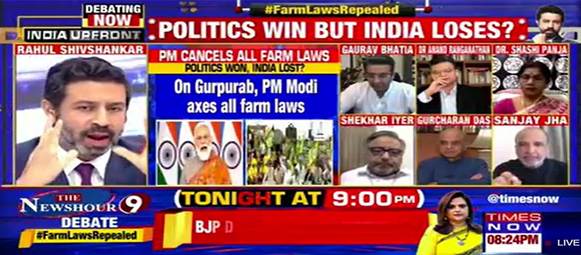
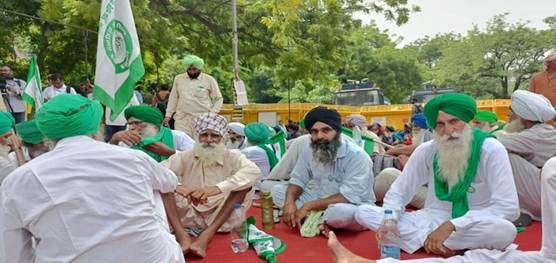
1. Coverage of Farmer Protests: During the farmer protests that began in 2020, there were allegations of media biases in the coverage of the protests. Some news channels were criticized for taking a biased stance either in favor of or against the protesting farmers, leading to imbalanced reporting and the amplification of specific narratives.

2. Election Campaigns: Media biases often come to the forefront during election campaigns. There have been instances where certain media outlets have been accused of displaying favoritism towards specific political parties or candidates, providing more positive coverage or disproportionate airtime compared to their opponents.

  • “Media Bias Allegations Surface in 2019 Lok Sabha Elections” (Source: The Times of India): https://timesofindia.indiatimes.com/india/jairam-ramesh-digvijaya-singh-spar-over-pulwama-attack-deep-divide-surfaces-in-congress/articleshow/97257223.cms?from=mdr
  • This news story highlights the allegations of media biases during the 2019 Lok Sabha elections in India. It discusses how some political parties and activists accused certain media outlets of favoring specific parties or candidates, affecting the fairness and objectivity of the electoral process.
  • “Media’s Role and Biases in West Bengal Assembly Elections” (Source: The Wire): The story focuses on the media biases observed during the West Bengal Assembly elections in 2021. It explores the allegations of biased reporting by various political parties, with some accusing certain media outlets of favoring the ruling party, while others claimed that the media was against their party.
  • “Media Bias and the Gujarat Assembly Elections” (Source: The Economic Times): The story discusses the media biases observed during the Gujarat Assembly elections in 2017. It explores how some media outlets were accused of taking a favorable stance towards the ruling party, leading to allegations of biased reporting and influencing voter perception.
  • “Social Media and Media Biases in Indian Elections” (Source: NDTV): The report focuses on the role of social media and media biases in Indian elections. It discusses how social media platforms can amplify biases and misinformation, leading to a polarized environment, and the responsibility of media organizations to counteract these biases.

F. Media bias in religious and communal incidents.

Introduction

Media biases can also be observed in the reporting of religious and communal incidents. Instances have been reported where media outlets have been accused of sensationalizing and exaggerating incidents, leading to the amplification of religious or communal tensions and biases.

“Media Bias and Coverage of Communal Incidents” (Source: The Quint):

https://www.thequint.com/my-report/members-opinion/trp-scam-rethinking-the-crisis-in-indian-journalism

The story explores the issue of media biases in the coverage of communal incidents in India. It examines how media outlets sometimes exhibit biases based on religious or communal lines, leading to skewed narratives and exacerbating tensions.

1. “Media Bias Allegations in Reporting Religious Clashes” (Source: India Today):  The report highlights the allegations of media biases in the reporting of religious clashes in India. It discusses how some media organizations have been accused of sensationalizing incidents, perpetuating stereotypes, and reinforcing biases, leading to a distorted representation of events.

2. “Media and Communal Bias in Reporting Hate Crimes” (Source: The Wire): The article discusses the issue of media biases in reporting hate crimes in India. It delves into the allegations of media outlets downplaying or selectively reporting incidents based on the religious or communal identities of the victims and perpetrators, affecting the perception and understanding of such crimes.

3. “Media’s Role in Fuelling Communal Tensions” (Source: Scroll.in): The story examines the role of media biases in fueling communal tensions in India. It highlights instances where media organizations have been accused of amplifying divisive narratives, promoting stereotypes, and contributing to the polarization of communities through their reporting.

4. “Media and the Perception of Communal Incidents” (Source: The Indian Express): The report discusses how media biases can influence the public perception of communal incidents in India. It explores how biased reporting, selective coverage, and the framing of narratives can shape public opinion, exacerbating tensions and hindering efforts for communal harmony.

G. Coverage of Controversial Events

Media biases can be evident in the coverage of controversial events. For example, during high-profile criminal cases or political controversies, some media outlets have been accused of selective reporting, presenting biased opinions, or disseminating unverified information that aligns with their own narratives or agenda.

H. Political Interviews and Panel Discussions

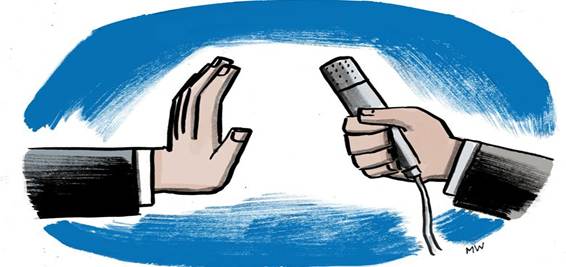
Media biases can manifest during political interviews and panel discussions, where some news channels have been criticized for displaying favoritism towards certain politicians or allowing disproportionate airtime to specific individuals or party representatives, while limiting the representation of opposing viewpoints.

It’s important to note that these instances may vary in intensity and perception, and not all media outlets engage in biased reporting. However, these examples highlight the need for media organizations to maintain objectivity, balance, and ethical standards in their reporting, fostering a more transparent and unbiased media environment.

I. Navigating Media Biases

  1. Media Literacy: Developing media literacy skills is crucial for navigating biases. Students must learn to critically analyze news sources, cross-reference information, and seek diverse perspectives to form a well-rounded understanding.

  2. Diverse Sources and Multiple Perspectives: Journalists should strive to include diverse sources and viewpoints in their reporting, providing a comprehensive picture of events or issues. This approach fosters balanced reporting and encourages critical thinking among audiences.

  3. Fact-Checking and Verification: Journalists must prioritize fact-checking and verification to ensure the accuracy and reliability of their reports. By maintaining rigorous standards, they can counteract the influence of biased narratives and misinformation.

Media biases are a reality in the journalism landscape, including in India. Understanding and addressing biases is crucial for aspiring journalists to uphold the principles of transparency, objectivity, and fairness. By being aware of biases, seeking diverse perspectives, and practicing responsible journalism, students can contribute to a media environment that fosters informed public discourse and a more robust democracy. By empowering themselves and their audience with media literacy skills, future journalists can play an instrumental role in unveiling biases and promoting a more transparent and unbiased media ecosystem.

Introduction

In the dynamic world of politics, the role of the media in shaping public opinion and facilitating democratic processes cannot be overstated. In the context of general elections, the media acts as a vital intermediary between political parties and the citizens. This section explores the significance of media, both national and international, in influencing and reporting on general elections, with a focus on India. Prominent examples from recent history highlight the impact of media coverage on election outcomes, while shedding light on the responsibilities and challenges faced by journalists.

I. NATIONAL MEDIA

The Indian media landscape is vibrant and diverse, consisting of print, television, radio, and digital platforms. Here are key aspects of the national media’s role in general elections:

1. Dissemination of Information

National media plays a crucial role in disseminating information about political parties, candidates, their agendas, and campaign strategies. Through news reports, interviews, and debates, media outlets keep citizens informed, enabling them to make well-informed choices.

2. Shaping Public Opinion

Media has the power to shape public opinion, and during elections, it plays a significant role in influencing voters. By highlighting key issues, analyzing policies, and conducting opinion polls, the media guides public sentiment and can impact electoral outcomes.

3. Monitoring Political Parties

The media acts as a watchdog by monitoring the actions of political parties during elections. It exposes corruption, scandals, and unethical practices, thereby holding parties accountable and fostering transparency in the electoral process.

4. Facilitating Debates and discussions.

National media platforms provide a stage for political debates, panel discussions, and interviews with candidates. These forums allow voters to assess different perspectives, enabling them to make informed decisions at the polls.

Example: The 2014 Indian General Elections

The 2014 General Elections in India witnessed extensive media coverage, with television news channels and digital platforms playing a pivotal role. The Bharatiya Janata Party’s (BJP) prime ministerial candidate, Narendra Modi, effectively utilized social media and public rallies to communicate his vision directly to voters, while media outlets provided real-time analysis and updates on the electoral process.

II. INTERNATIONAL MEDIA

International media plays a crucial role in providing a global perspective on general elections. Here are some key aspects:

1. Broadening Awareness

International media coverage of general elections extends beyond national boundaries, increasing global awareness of political developments and their impact. This broadened perspective allows citizens to understand the interconnectedness of political systems worldwide.

2. Reporting on Key Issues

International media highlights significant issues in general elections, such as socio-economic challenges, foreign policy implications, and human rights concerns. This coverage encourages cross-country dialogue and brings attention to global implications arising from election outcomes.

3. Assessing Democratic Processes

International media outlets often assess the democratic processes and fairness of elections in different countries. Their reporting on issues like voter suppression, electoral fraud, or the role of money in politics raises awareness and fosters accountability.

Example: United States Presidential Elections

The United States presidential elections draw extensive international media coverage due to the country’s global influence. Coverage often focuses on campaign strategies, policy differences, and the potential impact of the election on international relations and global issues such as climate change, trade, and security.

The role of media in general elections is of paramount importance in shaping public opinion, facilitating democratic processes, and fostering accountability. Whether through national media platforms that inform, engage, and monitor political processes at home or international media outlets that provide a broader perspective, media plays a crucial role in influencing and reporting on elections. By understanding this role, aspiring journalists can embrace their responsibilities and contribute to a vibrant and informed democracy.

Introduction

The media is an important factor in determining public perception and understanding of political parties and personalities in India. As future journalists, it is important to recognize the influence of media in political coverage and the responsibilities that come with it. This section investigates the various aspects of media’s role in covering political parties and personalities in India, highlighting prominent and recent examples from a journalism standpoint.

1. The Watchdog Function

Journalism serves as a watchdog, holding politicians and political parties accountable for their actions. Media outlets investigate and report on the policies, statements, and activities of political parties and personalities, ensuring transparency and informing the public. For example, when a political leader makes controversial remarks, the media plays a crucial role in exposing and analyzing their impact, fostering public discourse and shaping public opinion.

  1. The Mughal emperor was referred to by the Uttar Pradesh Chief Minister, who was speaking at a rally in Sambhal district, as “Babur ki aulad (Babur’s descendant).” The comment on the Samajawadi Party candidate while making light of the 72-hour suspension the Election Commission had placed on him for making a communally insensitive remark.
  2. The ‘Chowkidar chor hai’ comment by Rahul Gandhi to Narendra Modi had boiled up the situation.

2. Election Coverage and Political Campaigns

During election seasons, the media plays a significant role in providing information and analysis to voters. Journalists cover political campaigns, organizing debates and interviews to help citizens make informed decisions. For instance, televised debates between political leaders allow the public to compare their ideologies, plans, and credibility, assisting voters in understanding different perspectives and making educated choices.

3. Agenda Setting and Framing

Media outlets play a pivotal role in agenda setting, determining which political issues receive extensive coverage. By emphasizing certain topics or controversies, the media can influence public perception and shape political discourse. For example, by focusing on issues like unemployment, farmers’ protests, or healthcare, the media can shape the public’s understanding of the political landscape and the priorities of political parties.

4. Political Bias

Journalists must strive to maintain objectivity and balance in their reporting. However, biases can unintentionally seep into news coverage, affecting how political parties and personalities are portrayed. It is crucial for journalists to remain vigilant and ensure fair representation of different viewpoints. For instance, some media outlets have been accused of favoring or targeting specific political parties, which can influence public opinion and undermine the democratic process.

5. Influence on Public Opinion

Media coverage of political parties and personalities can significantly impact public opinion. Journalists have the power to shape the narrative surrounding political figures, influencing how they are perceived by the public. For instance, positive or negative coverage can impact a political party’s popularity and electoral success. The media’s responsibility lies in providing accurate, balanced, and unbiased coverage, allowing citizens to form their own opinions based on reliable information.

There are some noticeable examples given below:

1. 2014 Indian General Elections

The media extensively covered the electoral campaigns of various political parties, including the Bharatiya Janata Party (BJP) and the Indian National Congress (INC). The media played a crucial role in highlighting key issues and facilitating discussions that influenced public opinion and voting patterns.

2. Prime Minister Narendra Modi

The media’s coverage of Prime Minister Narendra Modi has been extensive and diverse. While some media outlets have praised his policies and initiatives, others have scrutinized his governance. This wide-ranging coverage has influenced public opinion about his leadership and the Bharatiya Janata Party (BJP).

3. Regional Political Parties

Media coverage of regional political parties, such as the Aam Aadmi Party (AAP) in Delhi or the All India Trinamool Congress (TMC) in West Bengal, has influenced their popularity and electoral success. The media’s portrayal of their leaders and policies has shaped public opinion and affected voter behavior.

As aspiring journalists, understanding the media’s role in covering political parties and personalities in India is essential. The media acts as a watchdog, provides election coverage, shapes public opinion, and influences the political discourse. However, it is imperative for journalists to maintain objectivity, avoid biased reporting, and ensure fair representation of different political parties and personalities. By adhering to ethical journalism practices, journalists can contribute to a well-informed electorate and a healthy democracy.

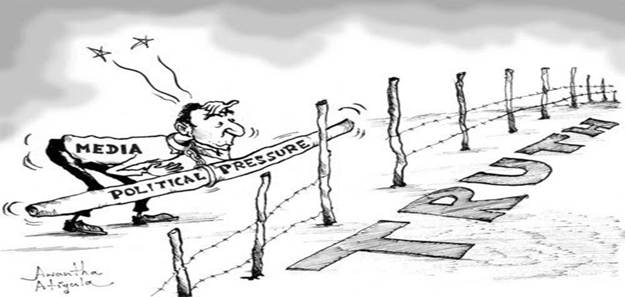
It is important to recognize that the media’s role in covering political parties and personalities is not without challenges and controversies. Media organizations face pressure from various stakeholders, including political parties, advertisers, and even the audience, which can sometimes compromise the integrity of their coverage. Journalists must remain vigilant, uphold journalistic principles, and prioritize the public interest above all else.

In conclusion, the media plays a significant role in the coverage of political parties and personalities in India. Through their watchdog function, election coverage, agenda setting, and influence on public opinion, journalists shape the political landscape and facilitate democratic participation. It is crucial for aspiring journalists to understand these dynamics and commit themselves to ethical and responsible journalism, ensuring that the media remains a powerful force for informed decision-making and a robust democracy.

Introduction

In today’s interconnected world, the media has an important function in forming public opinion and influencing policymaking. As promising journalists, it is vital to understand how the media can impact political discourse and policy decisions. This section explores the various ways in which media influences political opinions and policymaking, offering helpful observations from a journalism standpoint.

1. The Power of Information

Media acts as a primary source of information for the public, offering news and analysis on political events and policies. Through accurate and unbiased reporting, journalists inform citizens about political developments, enabling them to form opinions. By presenting multiple perspectives, the media encourages critical thinking and fosters a well-informed electorate.

2. Agenda Setting

Media outlets are empowered to shape public discourse by determining the topics and issues that receive extensive coverage. This process, known as agenda setting, influences the public’s perception of what is important. By selectively highlighting certain issues, the media can generate public interest and bring political matters into the spotlight, influencing policy debates.

3. Framing

Framing refers to the presentation and contextualization of news stories. Journalists employ different frames to shape the way the audience interprets political events and policies. The media’s framing choices can influence public opinion by emphasizing specific aspects or angles, thereby influencing how people perceive and understand political issues.

4. Political Bias

Journalism, like any human effort, is liable to biases. Biases can arise from various factors, such as personal beliefs, organizational interests, or societal pressures. When media outlets exhibit biases in their reporting, it can sway public opinion and contribute to the polarization of political discourse. It is essential for journalists to strive for objectivity and balance in their reporting to ensure a fair representation of political viewpoints.

5. Role as a Watchdog

One of the core functions of the media is to serve as a watchdog over government activities and policies. Through investigative journalism and holding those in power accountable, the media plays a crucial role in exposing corruption, malfeasance, and policy failures. By highlighting these issues, the media can influence public opinion and put pressure on policymakers to take corrective actions.

6. Media Effects on Policy Making

Media can have a direct impact on policymaking by shaping public sentiment and influencing policymakers. When politicians perceive a groundswell of public opinion on a particular issue, they are more likely to respond and take action. Media coverage and public opinion polls can influence policy priorities, agenda setting, and the decision-making process, driving lawmakers to address pressing concerns.

In an era dominated by media, understanding its role in influencing political opinions and policymaking is paramount for aspiring journalists. Through the power of information, agenda setting, framing, and serving as a watchdog, the media exerts significant influence on public discourse and policy decisions. As journalists, it is our responsibility to approach our work with integrity, strive for objectivity, and ensure that the information we provide fosters a well-informed citizenry capable of making educated decisions about their political future.

The advent of digital media and the rise of social platforms have significantly transformed the dynamics of agenda setting, usage, and gratification. Today, individuals have unprecedented access to a vast array of media sources and platforms, enabling them to curate their news consumption experiences. Social media platforms, in particular, have become powerful tools for both agenda setting and gratification fulfillment. Users can actively engage with content, participate in discussions, and share information, shaping the broader public agenda and finding gratification in the process.

Journalists, too, have adapted to this changing landscape by utilizing social media platforms to disseminate their work, engage with audiences, and gather insights into public preferences and concerns. By harnessing the power of social media, journalists can effectively set agendas by amplifying important stories, encouraging dialogue, and meeting the diverse preferences of their audience.

Understanding the theories of agenda setting and uses and gratifications offers useful perspectives on the dynamics of media influence and audience engagement. Aspiring journalists must grasp the role of media in shaping public discourse and the active role audiences play in seeking and consuming media content. By utilizing these theories, journalists can navigate the evolving media landscape, effectively engage with their audiences, and contribute to a media ecosystem that informs, entertains, and empowers the public. By understanding how agenda setting and gratification fulfillment work together, journalists can write stories that are important to their readers and meet their needs and wants. This creates a meaningful and mutually beneficial relationship between the media and society.

Case study

The global coverage of the George Floyd protests in

Introduction

The theory of media framing provides valuable insights into how news organizations shape public perception by emphasizing certain aspects of an event while downplaying or excluding others. The global coverage of the George Floyd protests in 2020 serves as a pertinent example that highlights the significant role of media framing in shaping public opinion and mobilizing social movements. This incident demonstrated the power of media in influencing public discourse, policy changes, and societal transformation.

1. Background

In May 2020, the tragic killing of George Floyd, an African American man, by a white police officer in Minneapolis, Minnesota, sparked outrage and protests across the United States and the world. The media played a crucial role in disseminating information, amplifying the voices of protesters, and catalyzing a movement for racial justice and police reform.

2. Media Framing

Media framing involves selecting and emphasizing specific aspects of an issue or event to shape public perception and understanding. During the George Floyd protests, media framing played a pivotal role in influencing public opinion, mobilizing support, and catalyzing political and social changes. Two prominent frames emerged during the coverage: the “Protest” frame and the “Riot” frame.

3. Protest Frame

Many media outlets, particularly those sympathetic to the cause, framed the events as peaceful protests against police brutality and racial injustice. This framing highlighted the demands for justice, systemic change, and equality. News stories often featured peaceful demonstrations, poignant speeches, and interviews with activists, emphasizing the legitimacy of the movement and the urgent need for reform.

4. Riot Frame

Conversely, some media outlets, especially those seeking sensationalism or prioritizing law and order narratives, framed the protests as riots and instances of civil unrest. This framing focused on violence, property destruction, and clashes with law enforcement. News stories highlighted looting, fires, and confrontations, which reinforced negative stereotypes and detracted from the underlying message of the protests.

5. Effects of Media Framing

Media framing during the George Floyd protests had several notable effects:

  1. Shaping Public Opinion: The framing choices made by media organizations influenced public opinion and perception of the protests. Those exposed to the “Protest” frame were more likely to support the demands for justice and reform, while those exposed to the “Riot” frame might have had a more negative view of the movement.
  1. Mobilizing Social Movements: Media coverage played a vital role in mobilizing widespread support for the protests. The “Protest” frame, particularly when shared on social media, facilitated the dissemination of messages, images, and videos that resonated with individuals across the globe. This led to increased participation, solidarity, and the amplification of the movement’s goals.
  1. Policy Changes: The extensive media coverage and public response to the protests prompted significant policy changes. The calls for police reform, defunding, and racial justice gained momentum and led to tangible actions at the local, state, and national levels. The media framing contributed to the visibility and urgency of these demands, pushing policymakers to address systemic issues.
  1. Journalistic Implications: From a journalistic standpoint, the coverage of the George Floyd protests highlights several important considerations:
  1. Responsibility and Accuracy: Journalists have to be responsible when they choose how to frame a story, making sure that it is accurate, fair, and gives a full picture of what happened. The selection of frames should align with the principles of truth, objectivity, and the pursuit of justice.
  1. Media Ethics: Ethical considerations should guide journalists when reporting on sensitive and polarizing issues. Sensationalism and bias can hinder the quest for truth and understanding. Journalists should strive for balanced reporting, offering multiple perspectives and giving voice to marginalized communities.
  1. Media Literacy: The incident demonstrates the value of media literacy among the general public and especially among students. Media literacy empowers individuals to critically analyze news coverage, identify biases, and understand the impact of media framing on public perception. By fostering media literacy skills, journalists can contribute to a more informed and discerning society.

The way the media covered the George Floyd protests shows how important framing is in shaping public opinion, getting people to join social movements, and making changes to policies. Media organizations’ use of the Protest and Riot frames significantly influenced the public’s perception of the protests. This incident serves as a reminder of the responsibility journalists have to report on sensitive issues in a fair and accurate way. It also shows how important it is for people to be media literate so they can understand media stories. By understanding and critically analyzing media framing, students can become informed citizens who actively engage with the media and contribute to a more inclusive and just society.

Introduction

In the ever-evolving landscape of media and journalism, two influential theories offer useful information about the relationship between media and its audiences: agenda setting and uses and gratifications. These theories shed light on how media influences public opinion and how individuals actively engage with media to fulfill their needs and desires. In this section, we will take up the concepts of agenda setting and uses and gratifications, exploring their implications and providing prominent recent examples that demonstrate their significance in the realm of journalism.

Understanding the theories of agenda setting and uses and gratifications is crucial for journalism students. These theories illuminate the ways in which media shapes public discourse and how individuals actively engage with media to satisfy their personal needs. By comprehending these dynamics, aspiring journalists can enhance their understanding of audience preferences, refine their storytelling techniques, and contribute to a media landscape that informs and empowers the public.

Agenda Setting: Shaping Public Discourse

The theory of agenda-setting says that the media can change how important and relevant issues are in people’s minds. The media, through their selection and emphasis on certain topics, determine which issues gain prominence and public attention. This theory posits that the media’s agenda influences the public’s agenda, shaping their perception of what is significant and worthy of discussion.

Prominent Recent Examples of Agenda Setting:

1. Climate Change: Over the past decade, media outlets worldwide have given increasing attention to the time-sensitive issue of climate change. Through extensive coverage of scientific reports, extreme weather events, and activist movements like Fridays for Future, the media has significantly influenced public awareness and policy discussions surrounding climate change. This agenda-setting role has propelled climate change to the forefront of public consciousness and political agendas.

2. Social Justice Movements: In recent years, media coverage of social justice movements, such as the Black Lives Matter movement and the #MeToo movement, has played a vital role in driving public discourse and pushing for societal change. By giving voice to marginalized communities and shedding light on systemic injustices, the media has brought these issues to the forefront, shaping public perceptions and policy debates.

Introduction

Noam Chomsky, a distinguished linguist, philosopher, and political activist, revolutionized the field of media studies with his groundbreaking theory of “Manufacturing Consent” and the Propaganda Model. Chomsky’s critical analysis challenged the traditional understanding of media as a neutral watchdog, highlighting the pervasive influence of corporate and political elites in shaping public opinion. In this section, we will cover Chomsky’s theory and explore prominent recent examples that illustrate its relevance in today’s media landscape.

From a journalism standpoint, Noam Chomsky’s theory of “Manufacturing Consent” provides an essential lens through which we can critically examine the functioning of the media in a democratic society. Chomsky argues that the media, far from being an independent entity serving as a restriction on power, often plays a role in reinforcing existing power structures. Understanding this theory empowers journalists to navigate the complexities of media production, challenge dominant narratives, and fulfill their crucial role as watchdogs of democracy.

A. Manufacturing Consent: Unveiling the Propaganda Model

Noam Chomsky and Edward S. Herman’s seminal work, “Manufacturing Consent,” exposes the mechanisms by which media, often unwittingly, serve the interests of powerful entities. The Propaganda Model, developed by Chomsky and Herman, outlines five filters that shape media content: ownership, advertising, sourcing, flak, and ideology.

1. Ownership: The concentration of media ownership in the hands of a few corporations results in a narrowing of perspectives and a potential bias toward elite interests. Media outlets owned by conglomerates may prioritize profitability and cater to the agendas of their corporate owners.

2. Advertising: The reliance on advertising revenue creates a symbiotic relationship between media outlets and corporations. This relationship can influence media content, as outlets may avoid or downplay stories that could harm their advertisers’ interests.

3. Sourcing: Journalists often rely on official sources, such as government officials and corporate spokespersons, which can result in a narrow range of perspectives and limit critical analysis. Alternative or dissenting voices may be marginalized or excluded from media coverage.

4. Flak: Powerful entities can exert pressure and create a culture of intimidation that discourages critical journalism. Organizations and individuals who challenge established narratives may face backlash, including smear campaigns, lawsuits, or threats to funding and access.

5. Ideology: Dominant ideologies and narratives shape media content, framing debates within certain boundaries and excluding alternative perspectives. Chomsky argues that the media often serves to reinforce existing power structures and perpetuate societal norms.

B. Recent Examples: Unmasking the Manufacturing Consent

Prominent recent examples showcase the continued relevance of Chomsky’s theory in the contemporary media landscape:

1. Coverage of War and Conflict: Media coverage of international conflicts often reflects the perspectives of political elites or military establishments, shaping public opinion and justifying interventionist policies. Alternative narratives or voices challenging the prevailing consensus may be marginalized or ignored.

2. Corporate Influence on Climate Change Reporting: In discussions surrounding climate change, media outlets owned by fossil fuel companies have been accused of downplaying or undermining scientific consensus to protect their economic interests. This bias in reporting can hinder public understanding and delay effective action.

3. Election Campaigns and Political Coverage: Media outlets influenced by corporate interests can shape electoral debates and favor candidates aligned with the economic elites. The influence of money in politics, coupled with biased media coverage, can undermine the democratic process.

C. Watchdogs of democracy

From a journalism standpoint, Noam Chomsky’s theory of “Manufacturing Consent” provides an essential lens through which we can critically examine the functioning of the media in a democratic society. Chomsky argues that the media, far from being an independent entity serving as a check on power, often plays a role in reinforcing existing power structures. Understanding this theory empowers journalists to navigate the complexities of media production, challenge dominant narratives, and fulfill their crucial role as watchdogs of democracy.

1. Coverage of Social Movements: Media coverage of social movements can be influenced by the interests of political and economic elites. Mainstream media outlets may marginalize or misrepresent grassroots movements, failing to provide nuanced and comprehensive coverage. This can perpetuate stereotypes and hinder the public’s understanding of important social issues.

2. Digital Media and Filter Bubbles: The rise of digital media platforms and personalized algorithms has exacerbated the issue of filter bubbles, where individuals are exposed only to information that aligns with their existing beliefs. This reinforcement of ideological perspectives limits the diversity of viewpoints and can contribute to polarization within society.

By critically engaging with Noam Chomsky’s theory of “Manufacturing Consent” and the Propaganda Model, journalists can identify and challenge the structural biases and influences that impact media content. This knowledge helps them work toward media independence, look for different points of view, and hold those in power accountable. Embracing a critical approach to media production and consumption is essential for upholding the principles of journalism and ensuring a well-informed and democratic society.

Noam Chomsky’s theory of “Manufacturing Consent” and the Propaganda Model offer invaluable insights into the complex relationship between media, power, and public opinion. By unpacking the filters that shape media content, including ownership, advertising, sourcing, flak, and ideology, Chomsky encourages us to critically analyze the media’s role in society. Recent examples from war coverage to climate change reporting and social movements illustrate the ongoing relevance of this theory. For journalism students, understanding and grappling with these ideas is essential for cultivating a responsible and independent media that serves the public interest, challenges power structures, and upholds the principles of democracy.

YouTube
Instagram