Let’s get one thing straight — what we are witnessing is not an LPG emergency. It’s a stress test. And India is not failing it.Every time there’s geopolitical turbulence, a section of political voices rushes to amplify fear. The current narrative around an alleged LPG crisis is one such example. Yes, supply chains are under pressure. Yes, global tensions are real. But calling it an “emergency” is not just exaggerated — it’s misleading.
India isn’t reacting. India is executing.
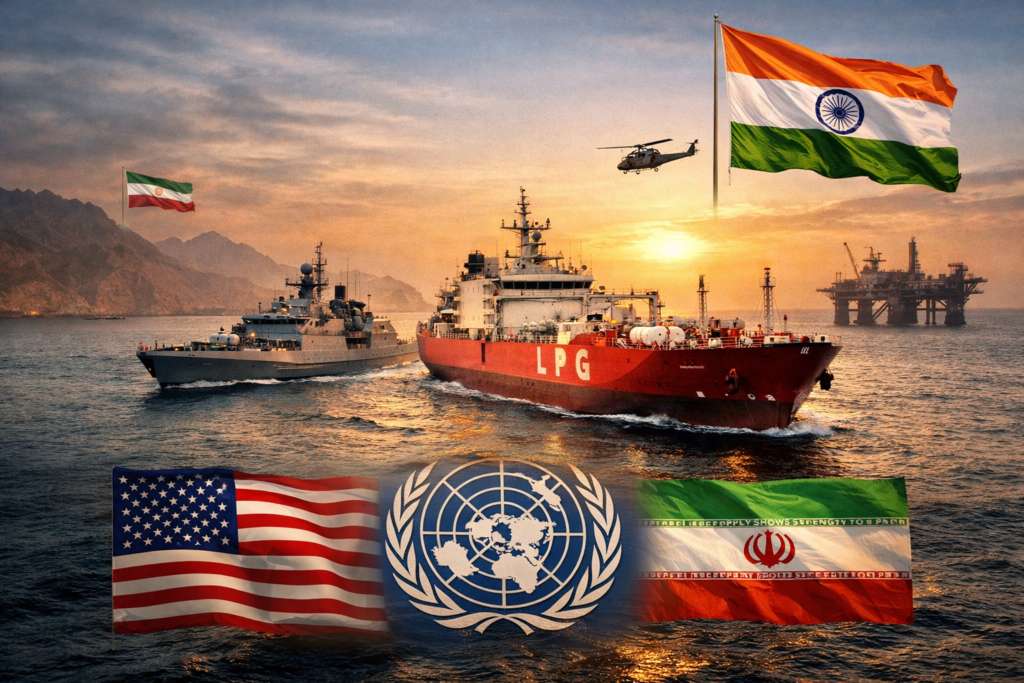
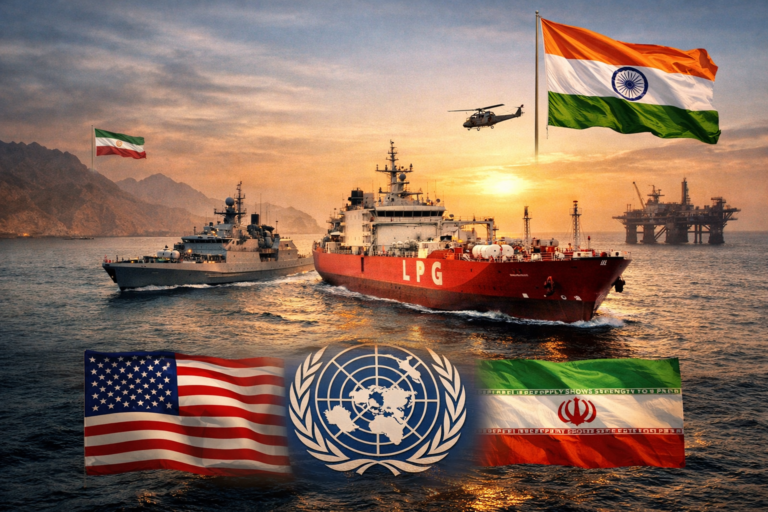
At the heart of this issue lies the strategically critical Strait of Hormuz — a chokepoint through which a significant portion of the world’s energy supply passes. With rising tensions involving Iran and Western powers, concerns over LPG shipments are understandable. But here’s what the panic narrative conveniently ignores: India is already ahead of the curve.
The government is in active diplomatic engagement with Iran to ensure safe passage for LPG tankers. This isn’t speculation — it’s policy in motion. Some vessels, including the naval-backed Shivalik, have already successfully crossed the Hormuz corridor. That’s not disruption. That’s controlled navigation through risk.
This is where India’s foreign policy muscle becomes visible.
Unlike reactionary states, India has maintained a balanced and pragmatic approach in international relations. It engages with all sides without becoming a pawn to any. Whether it is maintaining ties with Iran, managing strategic relations with the United States, or navigating tensions in West Asia — India is not choosing sides blindly. It is choosing stability.
And stability is power.
Let’s zoom out. This is not just India’s problem. The ripple effects of prolonged geopolitical conflicts are being felt globally. Energy markets are tightening. Freight costs are rising. Insurance premiums for maritime routes are increasing. Countries across continents are recalibrating their supply chains.
This is what a prolonged conflict looks like.
The ongoing standoff — shaped in part by the assertive posture of Donald Trump and the uncompromising stance of Iran’s newly elevated supreme leadership — is not de-escalating anytime soon. Both sides are signaling strength, not retreat. And when egos dominate diplomacy, the world pays the price.
But here’s the difference: strong nations prepare for impact. Weak narratives amplify fear.
India has diversified its energy basket, built strategic reserves, and strengthened naval capabilities to secure maritime routes. It is not dependent on a single corridor or a single partner. That’s not luck — that’s long-term planning.
Meanwhile, institutions that are supposed to maintain global peace are failing to deliver. The United Nations, once seen as the guardian of international stability, increasingly appears ineffective in preventing or resolving such prolonged conflicts. Statements are issued, meetings are held — but outcomes remain absent.
In a world where global watchdogs are losing bite, national strength matters more than ever.
So, let’s cut through the noise.
There is pressure — yes. There is uncertainty — absolutely. But there is no collapse.
India is not scrambling. It is negotiating, securing, and moving forward. The successful passage of LPG shipments through volatile waters is proof of capability, not crisis.
This moment doesn’t expose India’s weakness. It highlights its preparedness. Because in geopolitics, the real story isn’t who shouts the loudest — it’s who delivers under pressure. And right now, India is doing exactly that.
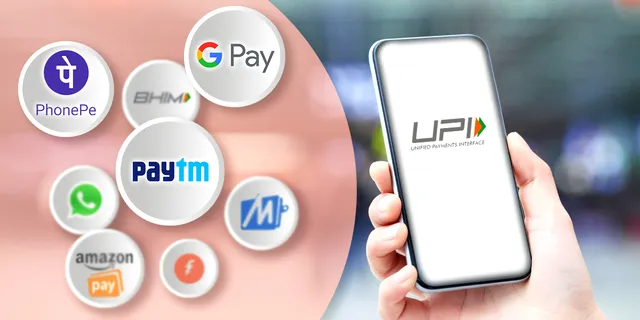
The ₹2000 figure often refers to ongoing government subsidies for low-value UPI person-to-merchant (P2M) transactions under ₹2000, aimed at small merchants with zero MDR and incentives like 0.15% per transaction. Budget 2026 allocated ₹2000 crore for these subsidies, but they do not cap user limits.
No new UPI rule imposes a ₹2000 transaction limit as of February 2026. Standard UPI limits remain at ₹1 lakh per day and per transaction for most users, set by NPCI and individual banks.
Possible Misconceptions
The ₹2000 figure often refers to ongoing government subsidies for low-value UPI person-to-merchant (P2M) transactions under ₹2000, aimed at small merchants with zero MDR and incentives like 0.15% per transaction. Budget 2026 allocated ₹2000 crore for these subsidies, but they do not cap user limits.
Merchants do not pay Merchant Discount Rate (MDR) on standard UPI person-to-merchant (P2M) transactions from bank accounts, keeping them free. However, they may incur platform fees from payment gateways and interchange fees for specific cases like PPI wallets or credit cards.
Standard Charges
UPI P2M payments from bank accounts have 0% MDR due to government policy since 2020. Small merchants get a 0.15% incentive (not a charge) for transactions up to ₹2000, funded by the government.
When Merchants Pay
PPI/Wallets: Interchange fees up to 1.1% on transactions over ₹2000 (e.g., 0.5% fuel, 0.9% supermarkets); small merchants often exempt.
RuPay Credit Card UPI: 1.1-2% MDR plus platform fees.
Payment Gateways: Separate processing fees (e.g., 2% cap) for security and settlements, regardless of MDR.
Payment Type
MDR/Interchange
Applies To
Bank Account UPI
0%
All merchants
PPI > ₹2000
0.5-1.1%
Medium/large merchants
Credit Card UPI
1.1-2%
All
Key Updates (2026)
Government extended subsidies for low-value UPI via ₹1500-2000 crore schemes, ensuring zero MDR for small merchants. Merchants must comply with KYC/QR rules but face no new broad fees on basic UPI.
Differences between small medium and large merchant MDR categories
No new universal MDR categories differentiate small, medium, and large merchants for standard UPI P2M bank transactions in 2026—they remain 0% across all sizes due to government policy.
MDR Applies Only to Specific UPI Types
Categories matter mainly for PPI (wallets) and credit card UPI, where small merchants often get exemptions or lower interchange fees on low-value transactions.
Small merchants (typically annual turnover < ₹20 lakh) qualify for zero MDR or subsidies on transactions ≤ ₹2000 via government schemes.
Medium/large merchants (higher turnover) pay 0.5-1.1% interchange on PPI > ₹2000 or 1.1-2% on RuPay credit UPI.
Category Differences
Merchant Size
Turnover Threshold
UPI Bank MDR
PPI/Credit MDR
Caps/Benefits
Small
< ₹20 lakh/year
0%
Often 0% or subsidized ≤ ₹2000
Incentives up to 0.15% payout
Medium/Large
> ₹20 lakh/year
0%
0.5-2% on high-value/PPI
No subsidies; platform fees apply
Legacy RBI card payment caps (pre-UPI focus) set 0.4% MDR for small vs. 0.9% for others, but UPI overrides this with zero MDR policy. Small merchants benefit most from 2026 subsidies (₹2000 crore allocation).
Can small merchants pass MDR charges to customers
No, small merchants cannot legally pass on MDR charges directly to customers for UPI or card payments in India.
RBI Prohibition
The Reserve Bank of India (RBI) mandates that merchants absorb MDR costs without surcharging customers, especially for small businesses (turnover ≤ ₹20 lakh/year). Violations allow customers to file complaints via RBI’s portal under “MDR levied by merchant.”
Exceptions and Practices
Convenience Fees: Online platforms/gateways may add small fees (e.g., ₹10 + GST on gateway charges), but not direct MDR on the full amount.
Indirect Passing: Some merchants hike MRPs or request separate UPI payments for fees, but this risks RBI action.
UPI Specific: Zero MDR policy for bank UPI P2M reinforces no customer charges; applies uniformly.
Scenario
Allowed?
Example
Direct MDR Surcharge
No
“Pay 2% extra for UPI”
Convenience Fee (Gateway)
Limited
₹10 on ₹1000 purchase
Price Increase
Yes, but indirect
Higher MRP for all
Small merchants benefit from subsidies (e.g., 0.15% incentive on ≤ ₹2000 UPI), reducing their burden further.
On the Western Railway in Mumbai, one of the railway infrastructure projects that has been progressing for the longest amount of time has now reached a significant stage. It has been confirmed by the Commissioner of Railway Safety (CRS) that the sixth railway line that connects Kandivali and Borivali has been finished and put into operation. By obtaining this license, Western Railway is able to move closer to introducing more local train services on the Churchgate-Borivali and Churchgate-Virar routes, which are both extremely busy. On one of the city’s most congested routes, officials from the railway industry have stated that this new development will assist in alleviating congestion and improving timeliness.
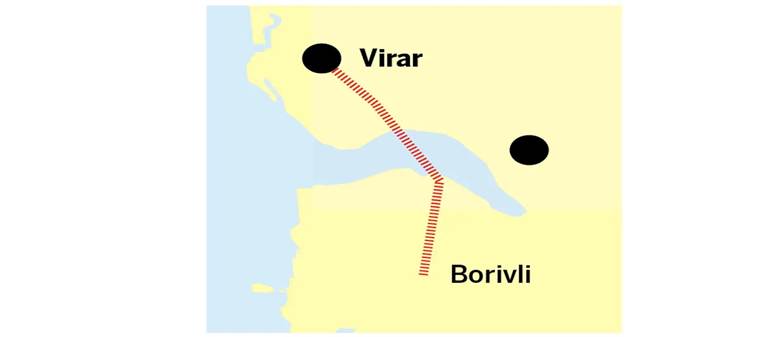
Borivali to Virar. Current stations, including Dahisar, Bhayandar, Naigaon, and Virar, will relocate the positions of their slow line platforms to make room for the new lines in this 26-kilometer segment. The platforms of Dahisar will travel to the north, while those of Bhayander will move to the west, and Virar will move a little bit to the south.
Two new lines will be constructed on the western side of the existing major lines over the full distance from Borivali to Virar. The construction comprises three primary bridges, 16 secondary bridges, one road underpass, and two significant bridges, specifically Bridge No. 73 and 75 spanning the Vasai Creek (Bhayandar Khadi). Construction of the foundations for Bridge 73 has commenced, and an ancient bridge in proximity to Bhayandar is undergoing dismantling.
Areas such as Dahisar to Mira Road have experienced considerable advancement in the clearing of forest land and earthworks owing to prompt approvals. Segments such as Borivali to Dahisar, Mira Road to Bhayandar, and Nalasopara to Virar possess existing minimizing the necessity for additional land acquisition and costly excavation. New stabling lines will be constructed between Naigaon and Vasai to offset repurposed lines in other areas.
Work depending on location
Panju Island: Due to the absence of direct road access to Panju Island, special preparations are being made to carry construction machinery and materials to the island. These arrangements include the use of a dedicated ferry.
Borivali Station: No major renovations are planned for Borivali Station. For the duration of the project, the two new lines will remain in the western portion of the existing corridor. The project will begin at Platforms No. 3 and 5 at Borivali. Since the majority of the property between Borivali and Dahisar is railway land with traction sub-stations, quarters, and stabling (train parking) lines, there has not been a lot of land acquisition done between the two areas. The new lines will travel in the direction of Dahisar over the Sudhir Phadke flyover, which is located right in front of the Borivali station.
Dahisar Station: At Dahisar station, the two new lines will travel in the western direction, close to Platform No. 1 that is already in place. The two new slow line platforms will be consolidated and shifted a little bit to the north because there is not enough space at the station where they are currently located. From the Metro 2A bridge all the way up to the Mira Road station, the construction work has progressed to a more advanced stage. is due to the fact that the forest land that is necessary for the project has already been obtained, and work has begun on the ground. Additionally, three stabling lines that are being relocated from Borivali will be installed along this section of road that connects Dahisar and Mira Road.
Mira Road Station: Existing Platform No. 1 will be replaced by new platforms that will be located to the west of Mira Road.
Bhayandar Station: The platform that is now utilized for ending and originating trains at Bhayandar will be relocated to the western side of the station. Existing Platform No. 1 will be left in its current configuration, and Platform No. 2, which is now being utilized for terminating trains, will be transformed into the new slow platform for Churchgate-bound trains. The subsequent Virar fast platform will be Platform No. 3, which holds the distinction of being the terminal platform. At some point in the future, the slow Platform No. 4 will be transformed into the Churchgate fast platform.
Naigaon station: New platforms are going to be introduced in the western region, according to Naigaon. Between Naigaon and Vasai, there will also be twenty stabling lines that are going to be constructed.
Vasai Station: Major renovations are going to be carried out at Vasai. Following the relocation of the existing structures, 1 that is now in place will be moved to the west by about 8 meters. That it serves as a terminal platform will continue to be its primary function. The new platforms will be constructed at the north end of the west side of the present Platform No. Platform No. 2-3, which is already in existence, will be utilized for the fast line corridor.
Nallasopara Station: A new residential platform located to the west of the existing Platform No. 1 is known as Nallasopara. An island platform will be created out of the currently existent Platform No. 1.
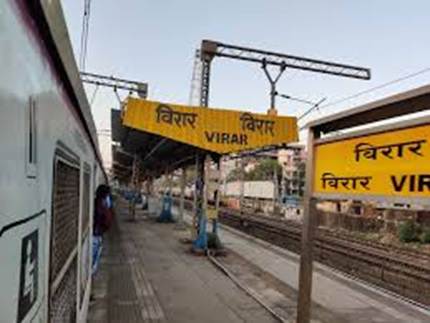
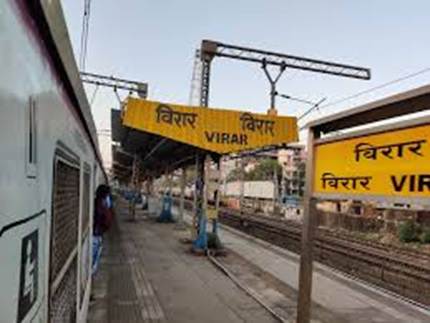
Virar Station: Two more platforms are going to be constructed at the south end of the station, which will result in the station’s expansion even further.
Here are the essential details about the project:
The station will have interconnected platforms with a new, bigger, and updated station deck to improve passenger flow.
A proposed elevated autorickshaw deck, similar to the SATIS (Station Area Traffic Improvement Scheme) project, will segregate commuter and vehicular traffic while allowing cars to pass through.
A new “Home Platform 5A” (5-6 meters wide) is being built on the northwest side, while current platforms 3A and 4A are being expanded to accommodate 15-car suburban trains.
Platform 3A will be expanded to 10 meters and equipped with a double-discharge facility to accommodate high commuter volumes.
Upgrades for 15-car locals on the Dahanu corridor are planned to be completed by early 2026 (March 2026 target).
Due to construction, some Virar services have been curtailed, with certain Dadar-Virar trains ending at Vasai Road.
The project, which is about 47% complete as of February 2026, intends to minimize the terrible overcrowding and disruption that passengers face during peak hours, particularly by separating suburban and long-distance.
मुंबई में पश्चिमी रेलवे पर, सबसे लंबे समय से चल रही रेलवे अवसंरचना परियोजनाओं में से एक अब एक महत्वपूर्ण चरण में पहुंच गई है। रेलवे सुरक्षा आयुक्त (सीआरएस) ने पुष्टि की है कि कांदिवली और बोरीवली को जोड़ने वाली छठी रेलवे लाइन पूरी हो चुकी है और इसे चालू कर दिया गया है। इस लाइसेंस को प्राप्त करके, पश्चिमी रेलवे चर्चगेट-बोरीवली और चर्चगेट-विरार मार्गों पर अधिक स्थानीय ट्रेन सेवाओं को शुरू करने के करीब जाने में सक्षम है, जो दोनों बेहद व्यस्त हैं। शहर के सबसे भीड़भाड़ वाले मार्गों में से एक पर, रेलवे उद्योग के अधिकारियों ने कहा है कि यह नया विकास भीड़ को कम करने और समयबद्धता में सुधार करने में मदद करेगा।
अब जब बोरीवली 5वीं और 6वीं लाइनें समाप्त हो गई हैं, तो रेलमार्गों ने जिगसॉ पहेली के अगले हिस्से को खत्म करने पर अपना ध्यान केंद्रित किया है, जो बोरीवली से विरार तक फैली रेलवे विस्तार परियोजना है। दहिसर, भायंदर, नायगांव और विरार सहित कई वर्तमान स्टेशन, इस 26 किलोमीटर के खंड में नई लाइनों के लिए जगह बनाने के लिए अपने धीमी लाइन प्लेटफार्मों की स्थिति को स्थानांतरित करेंगे। दहिसर के चबूतरे उत्तर की ओर बढ़ेंगे, जबकि भायंदर के चबूतरे पश्चिम की ओर बढ़ेंगे, और विरार थोड़ा दक्षिण की ओर बढ़ेंगे।
बोरीवली से विरार तक की पूरी दूरी पर मौजूदा प्रमुख लाइनों के पश्चिमी हिस्से में दो नई लाइनों का निर्माण किया जाएगा। निर्माण में तीन प्राथमिक पुल, 16 द्वितीयक पुल, एक सड़क अंडरपास और दो महत्वपूर्ण पुल, विशेष रूप से पुल नं. 73 और 75 वसई खाड़ी (भायंदर खादी) में फैले हुए हैं। पुल नं के लिए नींव का निर्माण। 73 शुरू हो गया है, और भायंदर के निकट एक प्राचीन पुल को तोड़ने का काम चल रहा है।
दहिसर से मीरा रोड जैसे क्षेत्रों ने त्वरित अनुमोदन के कारण वन भूमि और मिट्टी के कार्यों की सफाई में काफी प्रगति का अनुभव किया है। बोरीवली से दहिसर, मीरा रोड से भायंदर और नालासोपारा से विरार जैसे खंडों में मौजूदा रेलवे संपत्ति या स्थापित लाइनें हैं जिनका पुनः उपयोग किया जाएगा, इसलिए अतिरिक्त भूमि अधिग्रहण और महंगी खुदाई की आवश्यकता कम हो जाएगी। अन्य क्षेत्रों में पुनर्निर्मित लाइनों को ऑफसेट करने के लिए नायगांव और वसई के बीच नई स्टेब्लिंग लाइनों का निर्माण किया जाएगा।
स्थान के आधार पर काम
1. पंजू द्वीपः पंजू द्वीप तक सीधी सड़क नहीं होने के कारण, द्वीप तक निर्माण मशीनरी और सामग्री ले जाने के लिए विशेष तैयारी की जा रही है। इन व्यवस्थाओं में एक समर्पित नौका का उपयोग शामिल है।
2. बोरीवली स्टेशनः बोरीवली स्टेशन के लिए किसी बड़े नवीनीकरण की योजना नहीं है। परियोजना की अवधि के लिए, दो नई लाइनें मौजूदा गलियारे के पश्चिमी भाग में रहेंगी। यह परियोजना प्लेटफॉर्म नं. 3 और 5 बोरीवली में। चूंकि बोरीवली और दहिसर के बीच की अधिकांश संपत्ति कर्षण उप-स्टेशनों, क्वार्टरों और स्टेब्लिंग (ट्रेन पार्किंग) लाइनों के साथ रेलवे की भूमि है, इसलिए दोनों क्षेत्रों के बीच बहुत अधिक भूमि अधिग्रहण नहीं किया गया है। नई लाइनें बोरीवली स्टेशन के ठीक सामने स्थित सुधीर फड़के फ्लाईओवर के ऊपर दहिसर की दिशा में चलेंगी।
3. दहिसर स्टेशनः दहिसर स्टेशन पर दो नई लाइनें पश्चिम दिशा में प्लेटफॉर्म नं. 1 जो पहले से ही जगह पर है। दो नए स्लो लाइन प्लेटफार्मों को समेकित किया जाएगा और थोड़ा सा उत्तर की ओर स्थानांतरित किया जाएगा क्योंकि जिस स्टेशन पर वे वर्तमान में स्थित हैं, वहां पर्याप्त जगह नहीं है। मेट्रो 2ए पुल से लेकर मीरा रोड स्टेशन तक, निर्माण कार्य अधिक उन्नत चरण में आगे बढ़ गया है। यह इस तथ्य के कारण है कि परियोजना के लिए आवश्यक वन भूमि पहले ही प्राप्त कर ली गई है, और जमीन पर काम शुरू हो गया है। इसके अतिरिक्त, बोरीवली से स्थानांतरित की जा रही तीन स्टैब्लिंग लाइनें दहिसर और मीरा रोड को जोड़ने वाली सड़क के इस खंड के साथ स्थापित की जाएंगी।
4. मीरा रोड स्टेशनः मौजूदा प्लेटफार्म नं. 1 को नए प्लेटफार्मों द्वारा प्रतिस्थापित किया जाएगा जो मीरा रोड के पश्चिम में स्थित होंगे।
5. भायंदर स्टेशनः भायंदर में ट्रेनों को समाप्त करने और शुरू करने के लिए अब जिस प्लेटफॉर्म का उपयोग किया जाता है, उसे स्टेशन के पश्चिमी हिस्से में स्थानांतरित कर दिया जाएगा। मौजूदा प्लेटफार्म नं. 1 को इसके वर्तमान विन्यास में छोड़ दिया जाएगा, और प्लेटफार्म नं। 2, जिसका उपयोग अब ट्रेनों को समाप्त करने के लिए किया जा रहा है, को चर्चगेट जाने वाली ट्रेनों के लिए नए स्लो प्लेटफॉर्म में बदल दिया जाएगा। इसके बाद का विरार फास्ट प्लेटफॉर्म प्लेटफॉर्म नं. 3, जो अंतिम मंच होने का गौरव रखता है। भविष्य में किसी बिंदु पर, चर्चगेट धीमा प्लेटफॉर्म नं। 4 को चर्चगेट फास्ट प्लेटफॉर्म में बदल दिया जाएगा।
6. नायगांव स्टेशनः नायगांव के अनुसार पश्चिमी क्षेत्र में नए प्लेटफार्म शुरू होने जा रहे हैं। नायगांव और वसई के बीच, बीस स्टेब्लिंग लाइनें भी होंगी जिनका निर्माण किया जा रहा है।
7. वसई स्टेशनः वसई में बड़े पैमाने पर नवीनीकरण होने जा रहे हैं। मौजूदा संरचनाओं के स्थानांतरण के बाद, प्लेटफॉर्म नं। 1 जो अब जगह पर है, उसे लगभग 8 मीटर पश्चिम की ओर ले जाया जाएगा। यह कि यह एक अंतिम मंच के रूप में कार्य करता है, इसका प्राथमिक कार्य बना रहेगा। उस स्थान पर दो नई लाइनें स्थापित करने की योजना है जो पहले पुराने प्लेटफार्मों द्वारा कब्जा कर लिया गया था। नए प्लेटफार्मों का निर्माण वर्तमान प्लेटफार्म नं. 2, और वे धीमी गलियारे द्वारा उपयोग किया जाएगा। प्लेटफार्म नं. 2-3, जो पहले से मौजूद है, का उपयोग फास्ट लाइन कॉरिडोर के लिए किया जाएगा।
8. नालासोपारा स्टेशनः मौजूदा प्लेटफार्म नं. 1 को नालासोपारा के नाम से जाना जाता है। वर्तमान में मौजूद प्लेटफॉर्म नं. 1.
9. विरार स्टेशनः स्टेशन के दक्षिण छोर पर दो और प्लेटफार्मों का निर्माण होने जा रहा है, जिसके परिणामस्वरूप स्टेशन का और भी विस्तार होगा।
परियोजना के बारे में आवश्यक विवरण यहां दिए गए हैंः
1. स्टेशन में यात्रियों के प्रवाह में सुधार के लिए एक नए, बड़े और अद्यतन स्टेशन डेक के साथ आपस में जुड़े प्लेटफार्म होंगे।
2. एसएटीआईएस (स्टेशन एरिया ट्रैफिक इम्प्रूवमेंट स्कीम) परियोजना के समान एक प्रस्तावित एलिवेटेड ऑटोरिक्शा डेक, कारों को गुजरने की अनुमति देते हुए यात्रियों और वाहनों के यातायात को अलग करेगा।
3. उत्तर-पश्चिम की ओर एक नया “होम प्लेटफॉर्म 5ए” (5-6 मीटर चौड़ा) बनाया जा रहा है, जबकि वर्तमान प्लेटफॉर्म 3ए और 4ए का विस्तार 15 डिब्बों वाली उपनगरीय ट्रेनों को समायोजित करने के लिए किया जा रहा है।
4. प्लेटफॉर्म 3ए को 10 मीटर तक विस्तारित किया जाएगा और उच्च यात्रियों की संख्या को समायोजित करने के लिए डबल-डिस्चार्ज सुविधा से सुसज्जित किया जाएगा।
5. दहानु गलियारे पर 15 गाड़ियों वाले स्थानीय लोगों के लिए उन्नयन 2026 की शुरुआत (मार्च 2026 का लक्ष्य) तक पूरा करने की योजना है
6. निर्माण के कारण, कुछ विरार सेवाओं को कम कर दिया गया है, कुछ दादर-विरार ट्रेनें वसई रोड पर समाप्त होती हैं।
परियोजना, जो फरवरी 2026 तक लगभग 47% पूरी हो चुकी है, का उद्देश्य भीड़भाड़ और व्यवधान को कम करना है जो यात्रियों को व्यस्त समय के दौरान सामना करना पड़ता है, विशेष रूप से उपनगरीय और लंबी दूरी को अलग करके।
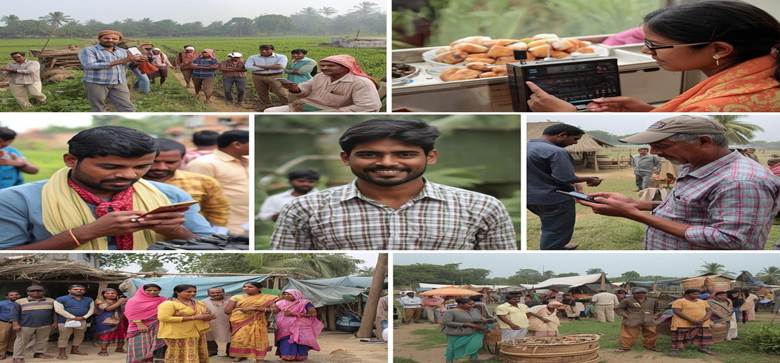
Meaning:Rural communication refers to the processes and methods used to share information, ideas, and knowledge within rural communities. It involves the exchange of messages among individuals, groups, and institutions in rural areas, often focusing on agriculture, health, education, social development, and community welfare. The primary aim of rural communication is to inform, educate, motivate, and empower rural populations, enabling them to improve their quality of life.
Traditional media (folk media, community meetings, interpersonal communication)
Mass media (radio, television, newspapers)
Digital media (mobile phones, internet, social media)
Content Areas:
Agricultural information (farming techniques, crop updates, weather forecasts)
Health and hygiene awareness
Educational programs
Government schemes and developmental programs
Social issues (gender equality, literacy, environmental conservation)
Stakeholders:
Rural population (farmers, women, youth, local leaders)
Government agencies and extension workers
Non-governmental organizations (NGOs)
Media organizations and journalists
Objectives:
Disseminate useful information for rural development
Encourage participatory communication and local involvement
Bridge the information gap between urban and rural populations
Promote behavioral and social change
Challenges:
Low literacy rates
Limited access to technology and infrastructure
Language and cultural barriers
In summary, rural communication plays a crucial role in transforming rural societies by facilitating access to information and enabling informed decision-making, ultimately contributing to sustainable rural development.
II. Communication Strategies for Rural Market
Reaching rural markets requires tailored communication strategies that consider the unique characteristics and challenges of rural consumers. Here are some effective strategies with examples.
1. Use of Traditional Media and Folk Communication
Strategy: Employ locally popular traditional media such as puppet shows, folk songs, street plays, and village fairs to deliver messages.
Example: Hindustan Unilever used “Nukkad Nataks” (street plays) to promote Lifebuoy soap’s handwashing benefits during village fairs.
2. Localized Messaging
Strategy: Customize content in local languages and dialects to increase relatability and understanding.
Example: Coca-Cola used local languages and culturally relevant themes in their rural ad campaigns to connect with diverse audiences across India.
3. Interpersonal Communication
Strategy: Deploy field staff, village influencers, and opinion leaders (such as school teachers or health workers) to communicate messages.
Example: ITC’s e-Choupal initiative trained local farmers as “Sanchalaks” (coordinators) to spread information about products and services to fellow villagers.
4. Demonstrations and Experiential Marketing
Strategy: Organize live demonstrations and product sampling in village markets or during community events.
Example: Tractor companies like Mahindra organize field demonstrations, allowing farmers to test-drive tractors and experience benefits first-hand.
5. Mobile Vans and Roadshows
Strategy: Use branded mobile vans equipped with audio-visual equipment to tour villages, display products, and conduct interactive sessions.
Example: Colgate-Palmolive’s “Colgate Bright Smiles, Bright Futures” van traveled to rural schools, demonstrating oral hygiene practices to children.
6. Partnership with Local Institutions
Strategy: Collaborate with self-help groups, cooperatives, and local NGOs for message dissemination and community mobilization.
Example: Microfinance firms partner with women’s self-help groups to educate rural women about financial products.
7. Use of Rural Media Channels
Strategy: Advertise through rural-specific channels like All India Radio, local cable networks, and rural newspapers.
Example: Agricultural companies use All India Radio to broadcast weather updates and farming tips in regional languages.
In summary:
Effective rural communication combines traditional and modern approaches, localizes content, leverages trusted influencers, and uses engaging, experiential methods to build trust and awareness among rural audiences.
A. The Evolution of LGBTQ Representation in Media: From Stereotypes to Authenticity
The representation of the LGBTQ community in media has undergone a remarkable transformation over the years. From being marginalized and reduced to harmful stereotypes, LGBTQ characters and narratives have gradually moved towards authenticity and inclusivity. This section explores the journey of LGBTQ representation in media, highlighting prominent examples from across the world that have contributed to this evolution.
1. Early Stereotypes
In the early days of media, LGBTQ characters were often portrayed through damaging stereotypes, reinforcing societal biases and discrimination. Examples include the flamboyant and overly sexualized depictions of gay men, the predatory and tragic portrayals of lesbian women, and the portrayal of transgender individuals as objects of ridicule. These stereotypes perpetuated misconceptions and limited the understanding of LGBTQ experiences.
2. Challenging Stereotypes and Visibility
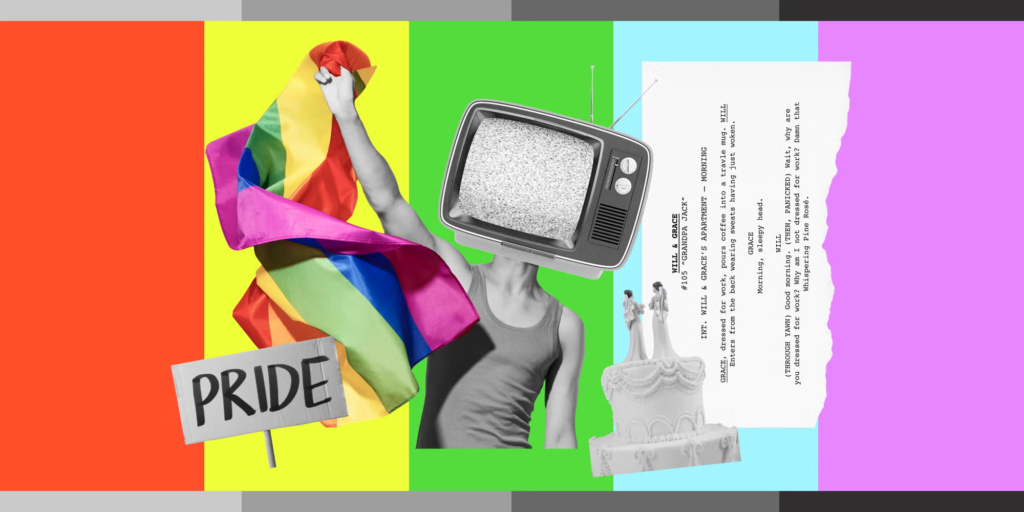
As societal attitudes began to shift, so did the portrayal of LGBTQ characters in media. Notable examples include the groundbreaking 1993 film “Philadelphia,” which addressed HIV/AIDS and homophobia, and the popular TV series “Will & Grace,” which depicted a gay man as a lead character in a non-stereotypical manner. These representations helped challenge stereotypes and brought LGBTQ issues into the mainstream consciousness, contributing to greater visibility and understanding.
3. Complex and Multidimensional Characters
In recent years, there has been a significant shift towards portraying LGBTQ characters as complex and multidimensional individuals, reflecting the diversity within the community. One notable example is the critically acclaimed TV show “Pose,” which explores the lives of transgender individuals of color in the ballroom scene of 1980s and 1990s New York. The series provides nuanced portrayals, addressing intersectionality and showcasing the challenges and triumphs of its characters.
4. Intersectionality and Inclusive Storytelling
LGBTQ representation has expanded to embrace intersectionality, recognizing that identities intersect and influence one another. The TV series “Orange is the New Black” is celebrated for its diverse LGBTQ representation, featuring characters from different racial, ethnic, and socioeconomic backgrounds and exploring their complex journeys. By acknowledging the intersectionality of identities, media narratives become more authentic, relatable, and inclusive.
5. International Progress
LGBTQ representation in media is not limited to a single country but is a global phenomenon. Several countries have made notable strides in this regard. For instance, the Indian web series “Made in Heaven” explores the lives of LGBTQ characters in the context of the country’s conservative society, challenging societal norms and shedding light on the struggles faced by the community. In Denmark, the TV series “Rita” showcases a lesbian lead character who navigates her personal and professional life, contributing to the normalization of LGBTQ experiences.
6. Transgender Representation
Transgender representation in media has gained significant attention in recent years, with a greater focus on authentic storytelling. The groundbreaking series “Transparent” follows the journey of a transgender woman and her family, portraying the complexities and challenges of transitioning. Moreover, the film “A Fantastic Woman” from Chile explores the experiences of a transgender woman facing discrimination and grief, earning critical acclaim and an Academy Award for Best Foreign Language Film.
7. Inclusive Animation
Even in the realm of animation, LGBTQ representation has made progress. The animated series “Steven Universe” features LGBTQ characters and relationships, promoting inclusivity and acceptance among younger audiences. Additionally, the film “Luca” from Pixar presents a heartwarming story about two young boys discovering their identity and the power of friendship, resonating with viewers of all ages.
The evolution of LGBTQ representation in media is a testament to the changing cultural landscape and the tireless efforts of advocates for authentic storytelling. From harmful stereotypes to multidimensional characters, media has gradually embraced LGBTQ narratives, challenging societal norms and fostering greater understanding and acceptance. Prominent examples from around the world have played a significant role in this evolution, demonstrating the power of media in shaping public perception and driving social change.
As LGBTQ representation continues to progress, it is important to acknowledge that there is still work to be done. The media industry must strive for more diverse and inclusive storytelling, amplifying the voices of LGBTQ individuals from all walks of life. It is crucial to move beyond tokenism and superficial representation, ensuring that LGBTQ characters are not defined solely by their sexual orientation or gender identity but are portrayed as fully realized individuals with unique experiences, dreams, and aspirations.
Furthermore, the responsibility lies not only with creators and storytellers but also with media consumers. As viewers, we have the power to support and engage with media that authentically represents the LGBTQ community. By actively seeking out and supporting inclusive content, we contribute to the demand for more diverse narratives and encourage the industry to continue evolving.
Conclusion
In conclusion, the evolution of LGBTQ representation in media from harmful stereotypes to authentic portrayals reflects a growing societal understanding and acceptance of the LGBTQ community. Through groundbreaking films, TV series, and other forms of media, we have witnessed the power of storytelling in challenging prejudices, fostering empathy, and promoting inclusivity. As the journey of LGBTQ representation continues, it is vital to prioritize intersectionality, encourage diverse storytelling, and celebrate the complexity of LGBTQ characters. By doing so, we pave the way for a future where LGBTQ individuals are truly seen, heard, and celebrated in the media landscape.
B. Breaking Barriers: Celebrating LGBTQ Characters in Film and Television
In recent years, Indian cinema and television have undergone a significant transformation, gradually embracing diversity and inclusivity. One of the most notable breakthroughs has been the increasing representation of LGBTQ characters on screen. This positive shift marks a significant departure from the traditional portrayal of LGBTQ individuals in Indian media, where they were often relegated to stereotypes or completely ignored. In this section, we will explore the evolution of LGBTQ representation in Indian film and television, highlighting prominent examples and the impact they have had on society.
1. The Early Days: Stereotypes and Silence
For a long time, LGBTQ characters in Indian cinema and television were depicted through stereotypes and caricatures, perpetuating harmful stereotypes and reinforcing societal biases. Homosexual characters were often used for comic relief or as objects of ridicule, failing to address the complexities and realities of their lives. This lack of authentic representation contributed to a culture of silence and ignorance surrounding LGBTQ issues.
2. Winds of Change: International Influence
The global LGBTQ rights movement, coupled with exposure to international cinema and television, played a pivotal role in challenging the status quo and bringing about a more nuanced portrayal of LGBTQ characters in Indian media. Movies and TV shows from around the world have inspired Indian filmmakers and content creators to approach LGBTQ stories with sensitivity and authenticity.
“Fire” (1996)
Deepa Mehta’s groundbreaking film “Fire” created a significant stir in Indian cinema. It portrayed a lesbian relationship between two women trapped in loveless marriages. Despite facing backlash and protests, the film sparked important conversations about sexual identity and desire in India.
“Mango Souffle” (2002)
Directed by Mahesh Dattani, “Mango Souffle” was one of the first Indian films to explore the theme of homosexuality with a blend of humor and sensitivity. The film revolved around a gay man struggling to come out to his conservative family, shedding light on the challenges faced by LGBTQ individuals in a traditional Indian society.
C. Indian Film Industry: Pushing Boundaries
“My Brother… Nikhil” (2005)
Directed by Onir, this film was inspired by the real-life story of Dominic D’Souza, an Indian swimmer who was diagnosed with HIV during the 1980s. It not only highlighted the stigma surrounding HIV/AIDS but also sensitively portrayed a gay relationship. The film shattered stereotypes and showcased the power of love and acceptance in the face of adversity.
“Aligarh” (2016)
Based on the true story of Dr. Shrinivas Ramchandra Siras, “Aligarh” delves into the life of a gay professor who faced discrimination and persecution in a conservative Indian society. Directed by Hansal Mehta, the film shed light on the importance of personal freedoms and the need for acceptance and empathy.
“Maja Ma” (2022)
“Maja Ma,” an Amazon Prime movie starring Madhuri Dixit, has the potential to break new ground by exploring the theme of lesbianism in Indian cinema. The film could depict a compelling and sensitive narrative that delves into the complexities of same-sex relationships between women in a conservative Indian society.
Through the powerful performance of Madhuri Dixit, the film could portray the emotional journey of Pallavi discovering her attraction towards another woman and the challenges she faces in coming to terms with her sexual identity. By addressing lesbianism in a respectful and authentic manner, “Maja Ma” has the potential to contribute to the evolving landscape of LGBTQ representation in Indian cinema and foster greater acceptance and understanding.
3. Television’s Role in Driving Change
“Satyamev Jayate” (2012)
Hosted by Aamir Khan, this widely acclaimed talk show dedicated an episode to the LGBTQ community in India. It brought together LGBTQ individuals, their families, and activists to discuss the challenges they face and the importance of inclusivity. The show sparked nationwide conversations and raised awareness about LGBTQ rights.
“Made in Heaven” (2019)
This Amazon Prime Video series follows two wedding planners in Delhi who navigate the complex dynamics of Indian weddings while dealing with their own personal struggles. The show unapologetically tackles issues of sexuality, gender, and class, portraying LGBTQ characters with depth and empathy.
D. The Ripple Effect: Changing Perceptions
The increased representation of LGBTQ characters in Indian film and television has had a profound impact on society. By challenging stereotypes and highlighting the experiences and struggles of LGBTQ individuals, these stories have played a crucial role in breaking down barriers and fostering acceptance. Here are some ways in which the representation of LGBTQ characters has influenced societal perceptions:
Encouraging Conversations: Authentic portrayal of LGBTQ characters in Indian film and television has opened up conversations about sexual orientation and gender identity. It has allowed people to confront their own biases and challenge societal norms, leading to greater understanding and empathy.
Humanizing LGBTQ Individuals: By depicting LGBTQ characters as multidimensional individuals with hopes, dreams, and emotions, Indian media has humanized them, allowing audiences to connect with their stories on a personal level. This shift has helped break down stereotypes and dismantle preconceived notions about LGBTQ individuals.
Empowering LGBTQ Youth: The increased visibility of LGBTQ characters has had a profound impact on young people who are grappling with their own sexual orientation or gender identity. Seeing relatable and positive portrayals of LGBTQ characters on screen can provide a sense of validation, support, and encouragement to embrace their true selves.
Challenging Legal and Social Barriers: The representation of LGBTQ characters in popular media has played a vital role in influencing public opinion and fostering acceptance, which in turn has contributed to the push for legal and social reforms. It has fueled movements advocating for LGBTQ rights, leading to significant legal milestones, such as the decriminalization of homosexuality in India in 2018.
Increasing Diversity in Narratives: The inclusion of LGBTQ characters in Indian film and television has expanded the narrative landscape and enriched storytelling. It has provided opportunities for LGBTQ actors, writers, and directors to share their own experiences and perspectives, bringing greater authenticity and diversity to the entertainment industry.
The journey of LGBTQ representation in Indian film and television has been a transformative one, marked by significant progress and cultural shifts. From the early days of harmful stereotypes and silence to the present era of nuanced and authentic portrayals, Indian media has come a long way in breaking barriers and celebrating LGBTQ characters.
Prominent examples such as “Fire,” “Mango Souffle,” “My Brother… Nikhil,” “Aligarh,” “Satyamev Jayate,” and “Made in Heaven” have pushed boundaries, challenged societal norms, and paved the way for greater acceptance and inclusion. These stories have not only entertained audiences but also educated and inspired change.
As we celebrate the achievements and progress made so far, it is important to acknowledge that there is still work to be done. Continued efforts are needed to ensure that LGBTQ characters are represented with sensitivity, respect, and authenticity. By embracing diverse stories and amplifying the voices of LGBTQ individuals, Indian film and television can continue to shape public opinion, break down barriers, and create a more inclusive society for all.
E. Behind the Scenes: LGBTQ Filmmakers and Their Impact on Media Representation
In the realm of filmmaking, LGBTQ voices have emerged as powerful catalysts for change, driving forward the representation of LGBTQ characters and stories on the silver screen. These filmmakers bring their unique perspectives and personal experiences to their craft, challenging societal norms and amplifying the voices of marginalized communities. In this section, we will explore the significant impact of LGBTQ filmmakers in reshaping media representation, with a focus on prominent examples from India.
F. Breaking Barriers: Pioneering LGBTQ Filmmakers in India
Over the years, LGBTQ filmmakers in India have played a pivotal role in challenging the status quo and pushing the boundaries of storytelling. By infusing their narratives with authenticity and personal journeys, they have paved the way for a more inclusive cinematic landscape.
Onir
Onir, a trailblazing filmmaker, has been at the forefront of LGBTQ representation in Indian cinema. His film “My Brother… Nikhil” (2005) explored the life of a gay man living with HIV/AIDS, shedding light on the challenges faced by the LGBTQ community. Onir continues to champion LGBTQ stories through films like “I Am” (2010), an anthology film that delves into themes of sexuality and identity.
Faraz Arif Ansari
Faraz Arif Ansari, a queer filmmaker, has been instrumental in creating inclusive narratives in Indian cinema. His directorial debut, “Sisak” (2017), is India’s first silent LGBTQ love story. The film beautifully portrays the budding connection between two gay men on a Mumbai local train, highlighting the complexities and vulnerabilities of queer love.
G. Representation Matters: Impact on Media Landscape
a. Authenticity in Storytelling: LGBTQ filmmakers bring their lived experiences and personal journeys to their storytelling, resulting in authentic and nuanced representations of queer characters and communities. By drawing from their own struggles, triumphs, and identities, these filmmakers provide a much-needed perspective that resonates with LGBTQ audiences and educates the wider public.
b. Challenging Stereotypes: LGBTQ filmmakers challenge prevailing stereotypes and clichés associated with LGBTQ characters, presenting them as fully fleshed-out individuals rather than one-dimensional caricatures. Their stories showcase the diverse range of identities within the LGBTQ community, breaking down misconceptions and fostering empathy.
H. Trailblazing Films: Driving Change in Indian Cinema
“Margarita with a Straw” (2014): Directed by Shonali Bose, this poignant film explores the journey of a bisexual woman with cerebral palsy, played by Kalki Koechlin. The film not only addresses themes of disability but also challenges societal norms around sexuality and relationships, offering a compassionate portrayal of a bisexual character.
“Ek Ladki Ko Dekha Toh Aisa Laga” (2019): Directed by Shelly Chopra Dhar, this heartwarming film features Sonam Kapoor as a young woman navigating her feelings for another woman in a conservative Punjabi family. The film delicately addresses the challenges faced by LGBTQ individuals in traditional Indian households, promoting acceptance and love.
I. Beyond Filmmaking: Advocacy and Representation
a. LGBTQ Film Festivals: LGBTQ filmmakers have played a vital role in organizing and curating LGBTQ film festivals, providing a platform for LGBTQ voices to be heard and celebrated. Festivals like Kashish Mumbai International Queer Film Festival and Reel Desires: Chennai International Queer Film Festival have become important showcases for LGBTQ stories, fostering dialogue and community engagement.
b. Activism and Advocacy: Many LGBTQ filmmakers actively engage in advocacy work, using their platforms to raise awareness, challenge discriminatory laws, and fight for equal rights. By combining their art with social activism, LGBTQ filmmakers have been instrumental in driving social change and dismantling oppressive systems.
J. Future Perspectives: Continuing the Journey
a. Increased Opportunities: The contributions of LGBTQ filmmakers have paved the way for greater representation and inclusivity in the industry. As more LGBTQ voices emerge, it is crucial to create an environment that fosters their talent and provides equal opportunities for storytelling, ensuring that diverse narratives are brought to the forefront.
b. Intersectionality and Diversity: LGBTQ filmmakers have the power to explore intersectional identities and highlight the experiences of LGBTQ individuals from diverse backgrounds. By including voices from different genders, religions, castes, and abilities, these filmmakers can broaden the understanding of LGBTQ issues and foster a more comprehensive representation of the community.
c. Changing Public Perceptions: The impact of LGBTQ filmmakers extends beyond the boundaries of cinema. Their work has the potential to challenge societal norms, educate the public, and shape public opinion. By telling authentic stories and humanizing LGBTQ characters, these filmmakers contribute to dismantling stereotypes, fostering empathy, and promoting acceptance in society.
The influence of LGBTQ filmmakers in reshaping media representation cannot be overstated. Through their creative vision, these filmmakers have challenged stereotypes, highlighted the diverse experiences of LGBTQ individuals, and driven conversations around identity and acceptance. With their unique perspectives, personal journeys, and unwavering dedication, LGBTQ filmmakers in India continue to break barriers, advocate for change, and pave the way for a more inclusive and diverse film industry.
As audiences, it is essential to support LGBTQ filmmakers and their work. By embracing and celebrating their stories, we can contribute to a more inclusive media landscape that reflects the true diversity of our society. Let us continue to amplify LGBTQ voices, encourage authentic storytelling, and create a space where every individual’s story is seen, heard, and valued. Together, we can foster a world where media representation truly reflects the beauty and complexity of the LGBTQ community.
K. Transgender Narratives in Media: Addressing Challenges and Celebrating Progress
In recent years, Indian media has made significant strides in representing transgender characters and shedding light on the challenges faced by the transgender community. These narratives have played a crucial role in raising awareness, challenging societal norms, and promoting inclusivity. In this section, we will explore the journey of transgender narratives in Indian media, highlighting the challenges faced and celebrating the progress made. We will also delve into prominent Bollywood movies that have portrayed transgender characters with depth and sensitivity.
1. Historical Challenges
The representation of transgender individuals in Indian media has historically been fraught with stereotypes, ignorance, and marginalization. Transgender characters were often reduced to caricatures and used for comic relief, perpetuating harmful stereotypes and reinforcing societal biases. However, there has been a gradual shift towards more nuanced and authentic portrayals in recent years.
L. Progressive Portrayals: Bollywood’s Impact
“Laxmii” (2020): Directed by Raghava Lawrence, “Laxmii” features Akshay Kumar in the lead role, portraying a transgender character. The film addresses the discrimination faced by transgender individuals and advocates for their rights. While the film received mixed reviews, it sparked conversations about transgender visibility in mainstream Bollywood cinema.
“Gulabo Sitabo” (2020): Directed by Shoojit Sircar, this comedy-drama features Amitabh Bachchan and Ayushmann Khurrana. Although not explicitly focused on transgender characters, the film includes a subplot involving a transgender woman, played by Vijay Raaz. The character is portrayed with empathy and serves as a catalyst for exploring themes of acceptance and understanding.
M. Independent Cinema: Embracing Authenticity
“Narthaki” (2016): Directed by Arun Mozhi Manickam, “Narthaki” is a Tamil film that explores the life of a transgender classical dancer. The film delves into the challenges faced by the protagonist, addressing issues of societal acceptance, gender identity, and artistic expression. “Narthaki” received critical acclaim for its sensitive portrayal and authentic representation.
“Ka Bodyscapes” (2016): Directed by Jayan Cherian, “Ka Bodyscapes” delves into the lives of three individuals, including a transgender woman, navigating personal and societal struggles. The film tackles topics such as LGBTQ rights, artistic freedom, and religious conservatism. Despite facing censorship challenges in India, the film garnered international recognition for its bold storytelling.
N. The Role of Digital Platforms
“The Married Woman” (2021): Based on the novel by Manju Kapur, this web series explores the journey of Astha, a married woman who falls in love with a transgender artist named Peeplika. The series sensitively portrays the complexities of Astha’s self-discovery, her exploration of unconventional love, and Peeplika’s struggles with societal acceptance.
“Bombay Begums” (2021): Directed by Alankrita Shrivastava, this Netflix series portrays the lives of five women from diverse backgrounds in Mumbai. The character of Ayesha, played by Plabita Borthakur, is a transgender woman who grapples with her identity and fights against discrimination. The series highlights the challenges faced by transgender individuals while showcasing their resilience and strength.
O. Celebrating Progress and Addressing Challenges:
Representation Matters: The inclusion of transgender narratives in Indian media plays a crucial role in raising awareness, challenging stereotypes, and promoting acceptance. Authentic representation humanizes transgender individuals, fosters empathy, and educates the public about the challenges they face.
Advocacy and Sensitization: Films and web series that tackle transgender narratives have the power to act as catalysts for social change. They provide a platform for advocacy and sensitization, encouraging dialogue and challenging societal prejudices. By addressing the challenges faced by the transgender community, these narratives promote inclusivity and foster a more accepting society.
Collaborative Efforts: The progress made in representing transgender narratives in Indian media is a result of collaborative efforts between filmmakers, activists, and members of the transgender community. By involving transgender individuals in the creative process, these narratives gain authenticity and ensure that the stories are told with sensitivity and respect.
Empowering Transgender Voices: The inclusion of transgender characters in mainstream Bollywood movies and web series not only creates visibility but also opens up opportunities for transgender actors to showcase their talent and break stereotypes. It allows them to share their own experiences and challenges, providing a platform for their voices to be heard.
The journey of transgender narratives in Indian media has been marked by both challenges and progress. From being relegated to harmful stereotypes to gradually embracing authentic portrayals, Indian cinema is making significant strides in representing the transgender community. Movies like “Laxmii,” “Gulabo Sitabo,” and “Narthaki,” and web series like “The Married Woman” and “Bombay Begums” have contributed to raising awareness, fostering dialogue, and challenging societal norms.
It is essential to continue the momentum and ensure that transgender narratives receive the attention they deserve. Filmmakers and content creators must prioritize authentic representation, involve transgender individuals in the creative process, and collaborate with activists to tell these stories with sensitivity and respect. By doing so, Indian media can continue to contribute to the empowerment of the transgender community, promote inclusivity, and drive social change.
As audiences, it is our responsibility to support and appreciate these narratives. By engaging with movies and web series that authentically represent transgender characters, we can contribute to a more inclusive and diverse media landscape. Let us celebrate the progress made thus far, while also recognizing the importance of continuing to amplify transgender voices and advocate for their rights in Indian media and society at large. Together, we can foster a more inclusive and accepting world for everyone.
P. Beyond the Binary: Non-Binary and Genderqueer Representation in Media
The traditional gender binary of male and female has long dominated mainstream media, leaving little room for non-binary and genderqueer individuals to see themselves reflected on screen. However, in recent years, there has been a remarkable shift as media creators have begun to acknowledge and represent the diverse gender identities that exist beyond the binary. In this section, we will explore the significance of non-binary and genderqueer representation in media, with a particular focus on prominent global movies and TV shows, including the impactful series “Sex Education” by Netflix.
1. Understanding Non-Binary and Gender-Queer Identities
Non-binary and genderqueer individuals identify outside the binary categories of male and female. They may identify as both, neither, a combination, or another gender identity altogether. Representation of these identities in media is essential in validating their experiences and dismantling societal norms that perpetuate the binary gender system.
2. Challenging the Status Quo: Impactful Global Movies
“Boys Don’t Cry” (1999)
This groundbreaking film, directed by Kimberly Peirce, is based on the real-life story of Brandon Teena, a transgender man. While the film primarily focuses on Brandon’s experiences, it sheds light on the complexities of gender identity and challenges faced by individuals who don’t conform to societal expectations. Hilary Swank’s powerful performance earned her an Academy Award for Best Actress.
“The Danish Girl” (2015)
Directed by Tom Hooper, this film is inspired by the life of Lili Elbe, one of the first known recipients of gender confirmation surgery. The story portrays Lili’s journey as a transgender woman and the support she receives from her spouse, Gerda Wegener. Eddie Redmayne’s sensitive portrayal of Lili earned him critical acclaim and an Academy Award nomination.
Q. Television’s Role in Representation: Prominent TV Shows
“Transparent” (2014-2019)
This groundbreaking series, created by Jill Soloway, follows the life of Maura Pfefferman, a transgender woman navigating her transition. The show delves into the experiences of Maura and her family as they confront their own identities and navigate relationships. “Transparent” played a significant role in bringing transgender stories to the mainstream and fostering empathy and understanding.
“Pose” (2018-present)
Set in the late 1980s and early 1990s, “Pose” explores the African-American and Latino LGBTQ ballroom culture in New York City. The series highlights the lives of various characters, including Angel, a transgender woman, and portrays their resilience, creativity, and challenges faced in a society marked by prejudice and discrimination. The show has received critical acclaim for its authentic representation and diverse cast.
1. “Sex Education” and Non-Binary Representation
The Netflix series “Sex Education” has garnered praise for its inclusive approach to sexuality and gender. In its third season, the show introduces the character of Cal, portrayed by non-binary actor Dua Saleh. Cal’s journey as a non-binary student navigating high school allows for meaningful discussions around gender identity and the challenges faced by non-binary individuals.
2. Impact and Importance of Representation
Non-binary and genderqueer representation in media holds immense significance. By depicting these identities with depth and authenticity, media creators provide a platform for non-binary individuals to see themselves reflected positively. It challenges societal norms, educates the public, and fosters understanding and acceptance.
Representation in media also has a ripple effect, empowering non-binary and genderqueer individuals to embrace their identities and encouraging broader conversations around gender diversity. It allows audiences to expand their understanding of gender and promotes inclusivity.
The growing representation of non-binary and genderqueer identities in global movies and TV shows signifies a powerful shift in media towards inclusivity and acceptance. Movies like “Boys Don’t Cry” and “The Danish Girl” and TV series like “Transparent” and “Pose” have contributed to raising awareness and fostering empathy. The inclusion of non-binary characters in shows like “Sex Education” further strengthens the representation of diverse gender identities.
As media continues to evolve, it is vital for creators to prioritize authentic and positive portrayals of non-binary and genderqueer individuals. By doing so, media can become a catalyst for social change, challenging norms and fostering a world that embraces and celebrates the richness of gender diversity.
R. Queer Representation in Film-making: Unleashing the Power of LGBTQ Storytelling
The landscape of Indian filmmaking is undergoing a transformative shift, with an increasing number of movies and web series embracing LGBTQ storytelling. This progressive wave of queer representation in Bollywood is breaking barriers, challenging societal norms, and amplifying the voices and experiences of the LGBTQ community. In this section, we will explore the significance of queer representation in Indian filmmaking and examine prominent Bollywood movies and web series that have contributed to this empowering movement.
1. From Stereotypes to Authenticity: The Changing Narrative
“Dostana” (2008)
While not centered on LGBTQ characters, “Dostana” played a significant role in initiating conversations around homosexuality in Indian cinema. The film follows two men pretending to be a gay couple, using humor to challenge stereotypes and open up discussions on LGBTQ representation. While it was met with mixed responses, “Dostana” marked a crucial starting point for future explorations of queer themes in Bollywood.
“My Brother… Nikhil” (2005)
Directed by Onir, this impactful film sheds light on the life of a gay man diagnosed with HIV/AIDS and the challenges he faces within a society steeped in prejudice. “My Brother… Nikhil” not only addresses LGBTQ issues but also emphasizes the importance of compassion, acceptance, and the power of familial bonds. It served as a milestone in highlighting the struggles and resilience of the queer community in India.
2. Pioneering the Path: Bollywood’s Trailblazers
“Margarita with a Straw” (2014)
Directed by Shonali Bose, this powerful coming-of-age drama follows the journey of a young bisexual woman with cerebral palsy, portrayed brilliantly by Kalki Koechlin. The film fearlessly explores themes of sexuality, disability, and self-discovery, challenging societal norms and offering a poignant portrayal of queer experiences. “Margarita with a Straw” shattered barriers and ushered in a new era of authentic representation.
“Ek Ladki Ko Dekha Toh Aisa Laga” (2019)
Directed by Shelly Chopra Dhar, this heartfelt film features Sonam Kapoor Ahuja as a young woman who falls in love with another woman. The movie sensitively addresses the challenges faced by LGBTQ individuals within a traditional Indian family, highlighting the significance of love, acceptance, and breaking free from societal expectations. “Ek Ladki Ko Dekha Toh Aisa Laga” emphasized the power of familial bonds in fostering understanding and acceptance.
S. Embracing Authentic Narratives: Web Series Leading the Way
“Made in Heaven” (2019)
Created by Zoya Akhtar and Reema Kagti, this Amazon Prime Video series fearlessly delves into themes of sexuality, gender, and class through the lives of two wedding planners in Delhi. The show presents diverse queer characters with depth and complexity, challenging stereotypes and promoting inclusivity. “Made in Heaven” addresses queer experiences within the context of modern urban life and sets a new standard for LGBTQ representation.
“Four More Shots, Please!” (2019-present)
Created by Rangita Pritish Nandy, this popular Amazon Prime Video series centers around the lives of four women in Mumbai. The character of Umang Singh, portrayed by Bani J, is a bisexual gym trainer navigating her sexual identity and relationships. “Four More Shots Please!” celebrates diversity, normalizes LGBTQ experiences, and explores the complexities of love, friendship, and self-discovery.
T. Challenging Stereotypes and Ignorance
Queer representation in Indian filmmaking challenges stereotypes, dispels ignorance, and fosters greater understanding and acceptance of the LGBTQ community. By portraying diverse and authentic narratives, these movies and web series challenge the prevalent stereotypes surrounding queer individuals, breaking down barriers and promoting empathy.
a. Amplifying LGBTQ Voices
Through queer representation, Indian filmmaking amplifies the voices of the LGBTQ community, giving them visibility and agency in the storytelling process. By centering LGBTQ characters and their experiences, these narratives empower individuals within the community, validating their identities and fostering a sense of pride.
b. Fostering Dialogue and Education
Queer representation in Bollywood sparks important conversations and promotes education about LGBTQ issues. By depicting the struggles, triumphs, and everyday lives of LGBTQ characters, these films and series provide a platform for dialogue, allowing audiences to engage with diverse perspectives and challenge preconceived notions.
c. Influencing Social Change
The impact of queer representation in Indian filmmaking extends beyond the screen, influencing societal attitudes and driving social change. By presenting LGBTQ characters as relatable and multi-dimensional, these narratives humanize queer experiences, encouraging empathy and dismantling prejudices. As more people engage with these stories, it creates a ripple effect, fostering a more inclusive and accepting society.
U. The Road Ahead: A Continued Commitment
While significant progress has been made, there is still a long way to go in achieving full and meaningful queer representation in Indian filmmaking. It is essential for filmmakers, producers, and industry stakeholders to continue prioritizing diverse storytelling and authentic LGBTQ narratives.
Additionally, it is crucial to include LGBTQ individuals in the creative process, ensuring that their voices are heard and their perspectives are authentically represented. Collaborative efforts between filmmakers and the LGBTQ community can result in more nuanced and accurate portrayals, further enriching the storytelling landscape.
Moreover, supporting and celebrating queer representation in Indian filmmaking as audiences is vital. By actively engaging with and promoting movies and web series that champion LGBTQ narratives, viewers can contribute to a more inclusive media culture and advocate for further progress in representation.
Queer representation in Indian filmmaking is a powerful force that challenges stereotypes, amplifies LGBTQ voices, fosters dialogue, and influences societal attitudes. Through movies like “Margarita with a Straw” and “Ek Ladki Ko Dekha Toh Aisa Laga” and web series such as “Made in Heaven” and “Four More Shots Please!,” Bollywood is paving the way for authentic and diverse storytelling.
By embracing and celebrating queer representation in Indian filmmaking, we can contribute to a more inclusive society, where LGBTQ individuals are seen, heard, and valued. Let us continue to support and advocate for LGBTQ narratives, recognizing the transformative power of storytelling and the importance of diverse representation in shaping a more accepting and equal future.
V. Role of journalism in shaping LGBTQ representation in the media
In recent years, the representation of the LGBTQ (Lesbian, Gay, Bisexual, Transgender, and Queer) community in the media has become an increasingly significant topic of discussion. This paradigm shift in media portrayal reflects a broader societal transformation, as voices that were once marginalized are now being recognized and celebrated. This section aims to delve into the crucial role of journalism in shaping LGBTQ representation in the media, exploring its impact, challenges, and progress made thus far.
1. Pioneering Visibility
Journalism plays a pivotal role in amplifying the voices and stories of the LGBTQ community, fostering visibility, and challenging long-standing stereotypes. By providing a platform for diverse perspectives, journalists can shed light on the experiences, struggles, and achievements of LGBTQ individuals. Through interviews, personal narratives, and investigative reporting, journalists have the power to humanize and contextualize LGBTQ issues, thus breaking down societal barriers and fostering empathy.
2. Advocacy for Social Change
Journalism has the power to advocate for social change and push the boundaries of public discourse surrounding LGBTQ rights. Journalists can highlight the discrimination, violence, and inequalities faced by the community, leading to informed public debates and discussions. By raising awareness and challenging prejudice, journalists can contribute to shaping policies, laws, and public opinion, ultimately driving positive social change.
3. Intersectionality and Inclusive Storytelling
It is crucial for journalists to understand and embrace the intersectional nature of LGBTQ identities. Intersectionality recognizes that individuals can experience discrimination and oppression based on multiple facets of their identities, such as race, gender, class, or disability. Journalists must strive to represent diverse voices within the LGBTQ community, recognizing and addressing the unique challenges faced by individuals at these intersections. By adopting inclusive storytelling practices, journalists can ensure that the experiences and struggles of all LGBTQ individuals are authentically represented.
4. Ethical Considerations
Journalists covering LGBTQ issues must be mindful of ethical considerations to avoid reinforcing harmful stereotypes or invading individuals’ privacy. Sensitivity, respect, and informed consent are crucial when reporting on personal stories within the LGBTQ community. It is essential for journalists to approach their work with cultural competency, seeking to understand the nuances and complexities of gender and sexual identities. By adhering to ethical standards, journalists can create a safe and supportive environment for LGBTQ individuals to share their stories.
5. Progress and Challenges
While progress has been made in LGBTQ representation, challenges persist. Journalists must confront biases within the media industry, ensuring that newsrooms and editorial teams are diverse and inclusive. It is imperative to address the lack of representation of transgender and non-binary individuals, as well as LGBTQ voices from marginalized communities. Additionally, journalists should strive for ongoing self-education and awareness to avoid perpetuating harmful stereotypes or biases unintentionally.
The representation of the LGBTQ community in media is a dynamic and evolving process that relies on the dedication and commitment of journalists. Through their reporting, journalists can foster visibility, advocate for social change, embrace intersectionality, and navigate ethical considerations. By amplifying diverse voices and challenging societal norms, journalism can play a pivotal role in transforming media representation and creating a more inclusive and accepting society. As future journalists, it is essential for university students to understand the power and responsibility they hold in shaping the narrative surrounding LGBTQ issues, ultimately striving for equality and justice for all.
In today’s interconnected world, the media plays a powerful role in shaping public opinion and driving conversations about social and economic issues. From poverty and inequality to climate change and human rights, the media’s coverage of these critical topics influences public awareness, policy discussions, and societal progress. This engaging and student-friendly section aims to provide a detailed exploration of the media’s coverage of social and economic issues, incorporating abstracts from a journalism point of view, and inspiring journalism students to embrace their role as catalysts for change.
1. Understanding Social and Economic Issues
Social and economic issues encompass a broad range of topics that impact individuals, communities, and societies. They encompass concerns such as income inequality, access to education and healthcare, gender equality, racial and ethnic discrimination, environmental sustainability, and more. By shedding light on these issues, the media plays a vital role in promoting awareness, stimulating public debate, and advocating for positive change.
2. The Power of Journalism
Journalism has the power to inform, empower, and inspire change. Through in-depth reporting, investigative journalism, and storytelling, journalists bring attention to social and economic issues that may otherwise go unnoticed. By exposing injustices, providing a platform for marginalized voices, and holding those in power accountable, journalists can drive meaningful societal transformation.
From a journalism perspective, covering social and economic issues demands adherence to ethical principles and responsible reporting practices. Journalists should prioritize accuracy, balance, and fairness, ensuring that information is thoroughly researched, verified, and presented in a comprehensive manner. By providing context, analysis, and diverse perspectives, journalists can foster a deeper understanding among their audiences.
Journalists have the opportunity to amplify the voices of those directly affected by social and economic issues. By featuring personal stories and testimonials, they can humanize these complex topics and create empathy and connection with readers. Additionally, journalists should be aware of their own biases and strive for impartiality, challenging preconceptions and offering objective analysis.
3. Promoting Awareness and Empowering Action
The media’s coverage of social and economic issues has the power to raise awareness and foster public engagement. By bringing attention to pressing problems and their underlying causes, journalists can inspire individuals and communities to take action. Through investigative journalism, data-driven reporting, and thought-provoking analysis, journalists can catalyze discussions, mobilize resources, and effect positive change.
Journalists should embrace their role as agents of change by highlighting potential solutions, showcasing successful initiatives, and holding public and private institutions accountable for their actions. By providing a platform for diverse voices, including experts, activists, and community leaders, journalists can promote dialogue, collaboration, and collective efforts to address social and economic challenges.
The media’s coverage of social and economic issues is a powerful force for driving societal progress. Journalists, as guardians of truth and accountability, have the responsibility to inform, empower, and inspire change through their reporting. By adhering to ethical principles, providing comprehensive and balanced coverage, amplifying marginalized voices, and promoting awareness and action, journalism students can play a transformative role in creating a more equitable and just society. As future journalists, their commitment to responsible reporting can contribute to a better-informed public, stronger institutions, and positive social and economic transformations.
I. PORTRAYAL OF WOMEN IN MEDIA
Introduction
Welcome to the fascinating world of media, where stories come to life and shape our perceptions. In this section, we embark on a captivating journey through the portrayal of women in the media. We will unravel the multifaceted dynamics, celebrate progress, and shed light on the challenges that persist. As aspiring journalists, it is crucial to understand the power and responsibility we hold in shaping narratives that reflect the diverse experiences of women. So, let’s dive in!
1. The Power of Representation
The media plays a pivotal role in shaping our understanding of the world. It influences our thoughts, beliefs, and aspirations. When it comes to the portrayal of women, representation matters. Positive and diverse representations can empower women, break stereotypes, and inspire future generations. On the other hand, harmful stereotypes and limited roles can perpetuate inequality and hinder progress.
2. Historical Perspectives
To comprehend the current state of women’s portrayal in media, we must explore its historical context. Throughout history, women have faced various challenges in achieving fair representation. They have been objectified, confined to limited roles, and their achievements often overlooked. However, brave pioneers and feminist movements have fought against these injustices, gradually paving the way for positive change.
3. The Changing Landscape
In recent years, there has been a noticeable shift in the portrayal of women in the media. Female characters are increasingly depicted as strong, independent, and diverse. They occupy roles traditionally dominated by men and challenge gender norms. This progress has been driven by the demand for authentic narratives and the tireless efforts of activists advocating for equal representation.
4. Persistent Challenges
Despite advancements, significant challenges persist. Women continue to face disproportionate scrutiny of their appearance, unrealistic beauty standards, and the objectification of their bodies. Gender inequality is also prevalent behind the scenes, with women underrepresented in key positions of power within the media industry. These challenges remind us of the importance of continued advocacy and vigilance in promoting gender equality.
5. Journalism’s Role
As future journalists, we hold the power to shape the narrative and challenge the status quo. By actively seeking diverse voices, perspectives, and stories, we can create a more inclusive media landscape. Journalism should strive to break stereotypes, highlight women’s achievements, and address gender-based issues. By amplifying women’s voices, we contribute to a more balanced and accurate representation of society.
Understanding the portrayal of women in the media is crucial for aspiring journalists. By recognizing the power and influence of media narratives, we can strive to promote a more inclusive, representative, and equitable media landscape. Let us embark on this journey with empathy, integrity, and a commitment to empowering women through responsible journalism. Together, we can make a lasting impact and reshape the future of media.
A. The Evolution of Women’s Portrayal in Media: From Damsels in Suffering to Powerful Protagonists
Introduction
Welcome to the captivating world of media, where stories have the power to shape our perceptions and inspire change. In this section, we embark on a journey through the evolution of women’s portrayal in media. We will witness the remarkable transformation from traditional stereotypes of damsels in distress to the emergence of powerful female protagonists. As aspiring journalists, it is essential to understand the significant role media plays in shaping societal norms and challenging gender biases. So, let’s dive into the exciting realm of women’s representation in movies and series!
1. The Era of Damsels in Suffering
In the early days of cinema, women were often depicted as passive, delicate characters awaiting rescue. These damsels in suffering perpetuated stereotypes of female vulnerability and reinforced traditional gender roles. They were frequently reduced to objects of desire, lacking agency and independence.
“The Damsel Trope and Its Implications”: Explore the historical context and implications of the damsel in suffering trope, highlighting the need for critical analysis and responsible storytelling in journalism.
2. The Rise of Strong Female Characters
Over time, the portrayal of women in the media began to evolve. Strong female characters emerged, challenging societal norms and redefining traditional gender roles. They displayed courage, intelligence, and resilience, breaking free from the confines of limited narratives.
Recent Examples:
Wonder Woman (2017): Gal Gadot’s portrayal of the iconic superheroine showcases a powerful and compassionate warrior challenging male dominance and fighting for justice.
The Hunger Games (2012-2015): Jennifer Lawrence’s portrayal of Katniss Everdeen symbolizes strength, leadership, and resilience in a dystopian world.
3. Complex and Multidimensional Characters
In recent years, there has been a surge in multidimensional female characters who reflect the diversity and complexities of real-life women. These characters possess flaws, strengths, and ambitions, allowing for more nuanced storytelling.
Recent Examples:
Killing Eve (2018-present): Jodie Comer’s portrayal of the enigmatic assassin Villanelle explores a complex blend of vulnerability, wit, and ruthless determination.
Fleabag (2016-2019): Phoebe Waller-Bridge’s character challenges societal expectations by boldly expressing her desires, flaws, and vulnerabilities.
“Representing Authenticity: The Importance of Complex Female Characters”: Analyze the significance of authentic and multidimensional portrayals of women in media, emphasizing the role of journalism in advocating for diverse and inclusive narratives.
4. Women behind the Camera
The evolution of women’s portrayal in media goes beyond the characters on screen. It also involves the increased participation of women behind the camera as writers, directors, and producers. This shift in representation has led to more authentic and nuanced storytelling.
5. Women Shaping Narratives & the Role of Female Creators in Media
Highlight the contributions of women in various roles within the media industry, emphasizing the need for diverse perspectives and voices to shape narratives.
The evolution of women’s portrayal in media is a testament to the power of storytelling and its impact on societal perceptions. As aspiring journalists, we have a responsibility to champion inclusive narratives, challenge stereotypes, and celebrate the diversity of women’s experiences. Let us embrace the ever-changing landscape of media and continue to uplift and empower women through responsible and transformative journalism.
6. The Beauty Conundrum: Unveiling Unrealistic Standards for Women in Media
Unrealistic standards for women in media refer to the portrayal of women in a manner that sets impossibly high expectations for their physical appearance, behavior, and achievements. These standards, perpetuated by various forms of media such as films, television shows, magazines, and advertisements, create an unattainable ideal that can negatively impact women’s self-esteem, body image, and overall well-being.
Here are some detailed examples that illustrate these unrealistic standards:
a. Idealized Body Types
Media often promotes a narrow definition of beauty, emphasizing slim figures with flawless skin, toned bodies, and specific facial features. This ideal is frequently reinforced by airbrushing, photoshopping, and heavy makeup, leading to unrealistic expectations for women’s bodies. For instance, fashion magazines often showcase models who have been extensively retouched, presenting an unattainable standard that many women compare themselves to.
b. Ageless Beauty
Women in the media are frequently portrayed as eternally young and ageless. This perpetuates the notion that aging is undesirable and that women should strive to maintain youthful appearances throughout their lives. This unrealistic expectation places immense pressure on women to look younger, leading to a booming industry of anti-aging products, cosmetic surgeries, and other treatments.
c. Limited Representation
Media often underrepresents women who do not fit into the narrow beauty standards. Women of different sizes, shapes, ethnicities, abilities, and ages are frequently marginalized or portrayed in stereotypical roles. This lack of diverse representation reinforces the notion that only a certain type of woman is desirable or worthy of attention, creating an exclusionary environment for women who do not conform to these standards.
d. Unrealistic Portrayal of Relationships
Media often presents idealized romantic relationships where women are depicted as passive objects of desire, dependent on men for validation and happiness. Unrealistic fairy-tale narratives perpetuate the idea that women need to be rescued by a prince charming, promoting an unhealthy reliance on men for fulfillment. This undermines women’s agency and portrays an unrealistic expectation of relationships.
e. Superficiality and Materialism
Media frequently promotes the idea that a woman’s worth is directly tied to her physical appearance, material possessions, and adherence to consumerist ideals. Advertisements often depict women as objects to be consumed and showcase luxury goods and lifestyles as indicators of success and happiness. This creates unrealistic expectations that prioritize materialism over personal growth and fulfillment.
f. Unrealistic Balancing Act
Media often portrays women as effortlessly juggling multiple roles, such as successful careers, perfect parenting, and maintaining a flawless appearance. This unrealistic expectation of “having it all” without any visible challenges or sacrifices places immense pressure on women to meet unrealistic standards in every aspect of their lives.
These examples highlight the unrealistic standards imposed on women in media, which can have serious consequences on their self-esteem, mental health, and overall well-being. It is essential to challenge and diversify these standards to create a more inclusive and empowering media landscape that celebrates the diverse beauty and accomplishments of all women.
Welcome to the captivating world of media, where stories come to life on our screens. From movies to series, the entertainment industry has the power to shape our perceptions and ideals. However, amidst the glamour and excitement, lies a complex issue that affects women worldwide—the beauty conundrum. In this introductory section, we will delve into the unrealistic beauty standards imposed on women in media, exploring recent examples from global movies and series. By examining this phenomenon through a journalistic lens, we hope to empower future journalists to challenge and redefine these standards.
As journalists, it is our duty to shed light on important societal issues, and the beauty conundrum is no exception. This section aims to inform and inspire, offering university students a comprehensive understanding of the unrealistic beauty standards perpetuated by the media. Through the analysis of recent examples from global movies and series, we will navigate the complexities of this topic, encouraging critical thinking and the exploration of alternative narratives.
g. Unrealistic Beauty Standards in Media
The media’s portrayal of women often promotes a narrow and unattainable beauty ideal. From flawless skin to a specific body type, these standards can negatively impact women’s self-esteem and perpetuate harmful stereotypes. By examining recent movies and series, we can identify how these unrealistic standards persist, even in today’s media landscape.
Recent Examples:
1. Movie: “The Perfect Image”
Synopsis: In this highly acclaimed film, the protagonist, Mia, is an aspiring actress struggling to fit into the industry’s rigid beauty standards. The movie delves into the psychological toll of societal pressures, highlighting the damaging effects on Mia’s self-confidence and mental well-being.
2. Series: “Breaking Barriers”
Synopsis: This groundbreaking series challenges traditional beauty norms by portraying a diverse range of female characters, each with their unique strengths and vulnerabilities. By showcasing the multifaceted nature of beauty, “Breaking Barriers” sets a new standard for inclusive representation and promotes self-acceptance.
3. Movie: “Beyond the Mirror”
Synopsis: “Beyond the Mirror” is a thought-provoking documentary that examines the beauty industry’s role in perpetuating unrealistic standards. Through interviews with industry experts, the film uncovers the marketing tactics employed to create and sustain these unattainable ideals, sparking a necessary conversation about media responsibility.
As future journalists, it is crucial to critically evaluate the media’s influence on societal norms and values. By analyzing the beauty conundrum, we can uncover the underlying reasons for these unrealistic standards and explore the potential for change. Through investigative reporting, opinion pieces, and thoughtful interviews, journalists can amplify diverse voices and challenge the status quo, contributing to a more inclusive media landscape.
The beauty conundrum continues to be a prevalent issue in media, perpetuating unrealistic standards for women. Through this introductory section, we have explored recent examples from global movies and series, offering a glimpse into the complexities surrounding this topic. As aspiring journalists, it is our responsibility to challenge these norms and advocate for a more inclusive and empowering media industry. Let us embark on this journey together and uncover the truth behind the beauty conundrum.
B. Challenging Patriarchy: Exploring Feminist Narratives in Indian Television Shows
Indian television has become a powerful platform for storytelling, reflecting the diverse social fabric of the country. In recent years, the medium has witnessed a rise in feminist narratives that challenge patriarchal norms and provide a platform for marginalized voices. By examining the portrayal of women and their struggles in Indian television shows, we can explore the ways in which these narratives challenge and dismantle deeply ingrained patriarchal structures.
1. Representation of Women in Indian Television
Historically, Indian television has often reinforced traditional gender roles and stereotypes. However, a shift is taking place with the emergence of feminist narratives. These shows aim to portray women as complex, multi-dimensional characters who defy societal expectations and strive for gender equality. By showcasing women in positions of power, addressing gender-based violence, and advocating for women’s rights, these narratives challenge patriarchal norms head-on.
2. Themes Explored in Feminist Narratives
Feminist narratives in Indian television shows delve into various themes that highlight gender inequality and the struggles faced by women in society. These themes include
Empowerment: Many shows focus on female characters that overcome societal barriers, find their voices, and assert their agency. These narratives emphasize the importance of self-worth, independence, and the pursuit of dreams.
Breaking Stereotypes: Indian television shows challenge traditional gender roles and stereotypes by presenting women who defy societal expectations. These characters may choose unconventional professions, challenge familial norms, or question societal judgments.
Addressing Social Issues: Feminist narratives tackle sensitive social issues such as domestic violence, gender-based discrimination, dowry, and gender inequality in the workplace. By shedding light on these issues, these shows contribute to creating awareness and initiating conversations around systemic problems.
Female Solidarity: Many shows emphasize the strength of female friendships and support networks. By showcasing women coming together to uplift and empower each other, these narratives promote unity and solidarity among women.
3. Impact and Reception
Feminist narratives in Indian television shows have had a significant impact on the audience. These shows inspire women to challenge patriarchal norms, question gender inequality, and strive for equality. Viewers often find relatable characters and storylines that resonate with their own experiences. These narratives also encourage dialogue and create awareness among the wider audience, helping to shape more inclusive mindsets.
4. Future Possibilities
The growing presence of feminist narratives in Indian television is a positive sign for the industry and society at large. As the demand for diverse and inclusive storytelling increases, it is crucial for content creators and broadcasters to continue promoting narratives that challenge patriarchy. By amplifying marginalized voices, addressing intersectionality, and promoting gender equality, Indian television shows can further contribute to social progress and empowerment.
Feminist narratives in Indian television shows play a crucial role in challenging patriarchy and promoting gender equality. Through the portrayal of diverse women characters and the exploration of various social issues, these narratives encourage viewers to question societal norms and inspire change. As the industry continues to evolve, it is essential for content creators, broadcasters, and audiences to embrace and celebrate the power of feminist storytelling, fostering a more inclusive and equitable society.
5. Exploring Feminist Narratives in Regional Indian Television Shows
Regional Indian television shows have been instrumental in challenging patriarchy and promoting feminist ideologies. By showcasing the experiences and struggles of women within specific cultural contexts, these narratives contribute to dismantling oppressive structures. Let us now delve into recent examples that exemplify feminist storytelling in regional Indian television.
Recent Examples:
Series: “Kadambari” (Marathi)
Synopsis: “Kadambari” is a critically acclaimed Marathi series that revolves around the life of its eponymous protagonist. Kadambari, a progressive and independent woman, confronts societal norms and patriarchal traditions in her pursuit of personal and professional fulfillment. Through Kadambari’s journey, the show challenges gender stereotypes prevalent in Marathi society, shedding light on the struggles faced by women and encouraging viewers to question ingrained biases.
Movie: “Soorarai Pottru” (Tamil)
Synopsis: “Soorarai Pottru” is a Tamil movie inspired by the real-life story of Air Deccan founder Captain Gopinath. The film features the character of Bommi, a resilient and determined woman who defies societal expectations and supports her husband’s dreams. Through Bommi’s character arc, the movie explores themes of female empowerment and the significance of breaking free from patriarchal constraints.
Series: “Kathalo Rajakumari” (Telugu)
Synopsis: “Kathalo Rajakumari” is a Telugu series that portrays the life of Avani, a young woman striving for independence and self-fulfillment. Avani challenges societal norms, battles gender discrimination, and inspires viewers to question regressive practices. Through her journey, the series confronts patriarchy prevalent in Telugu society and encourages viewers to envision a more equal future.
Journalists play a pivotal role in shedding light on societal issues and promoting inclusive narratives. By exploring and analyzing feminist storytelling in regional Indian television, journalists can create meaningful conversations, challenge biases, and contribute to societal change. Through interviews with creators, in-depth analysis, and audience reactions, journalists can amplify the impact of these narratives and inspire a more inclusive and equitable society.
Feminist narratives in regional Indian television shows have the power to challenge patriarchy and ignite social progress. Through this brief section, we have explored recent examples from various regional entertainment industries, emphasizing the significance of inclusive storytelling. As future journalists, it is our responsibility to recognize and appreciate these narratives, amplifying diverse voices and promoting gender equality. Let us celebrate the power of regional television in challenging patriarchal norms and shaping a more inclusive society.
C. The Dark Side: Addressing Gender Stereotypes in Indian Advertisements
In the realm of advertising, gender stereotypes have long been a persistent concern. Indian advertisements, in particular, have often reinforced traditional gender roles, perpetuating harmful notions that confine women to the domestic sphere and portray men as dominant and authoritative figures. This section examines recent examples of gender stereotypes in Indian advertisements and advocates for the need to challenge these archaic portrayals.
1. Reinforcing Traditional Gender Roles
Indian advertisements often depict women solely in domestic settings, portraying them as caregivers, homemakers, and objects of desire. These representations limit women’s agency and potential by ignoring their diverse roles and achievements outside the home. For instance, advertisements showcasing women exclusively in kitchen settings, promoting household products, reinforce the stereotype that a woman’s primary responsibility lies in maintaining the household.
2. Objectification of Women
Many Indian advertisements objectify women by reducing them to mere commodities, focusing primarily on their physical appearance rather than their abilities or intellect. These ads often employ provocative imagery or suggestive content to capture attention, reinforcing the harmful notion that a woman’s worth is tied to her physical attributes. Recent examples include advertisements for fairness creams that perpetuate unrealistic beauty standards and equate fairness with success.
3. Portrayal of Men
While women face restrictive stereotypes in Indian advertisements, men are not exempt from harmful portrayals either. Advertisements often depict men as aggressive, dominant, and in control, perpetuating a toxic notion of masculinity. Such ads reinforce the stereotype that men must embody physical strength and authority while suppressing emotions or vulnerability.
4. Shifting Narratives
Despite the prevalence of gender stereotypes in Indian advertisements, there have been notable shifts in recent years. Ad campaigns have emerged that challenge traditional roles and empower women. For instance, advertisements featuring women in non-traditional careers or as leaders in male-dominated fields aim to break the glass ceiling and inspire young girls to dream big. These progressive campaigns reflect the growing awareness and demand for more inclusive narratives.
Gender stereotypes in Indian advertisements have a deep-rooted impact on society, shaping attitudes, expectations, and aspirations. However, recent examples of campaigns challenging these stereotypes provide hope for progress. By recognizing the harmful effects of gender bias in advertising and encouraging critical analysis, we can strive for a media landscape that embraces diversity, promotes equality, and empowers individuals, irrespective of gender.
5. Women as Homemakers
Indian advertisements often depict women primarily as homemakers, focusing on their roles within the domestic sphere. These ads reinforce the stereotype that a woman’s primary responsibility lies in taking care of the family and maintaining the household. For instance, advertisements for household cleaning products often portray women as the sole users and emphasize their expertise in managing household chores.
However, brands like Ariel have made efforts to challenge this stereotype. In their “Share the Load” campaign, Ariel highlighted the unequal division of household chores and encouraged men to take equal responsibility. The campaign aimed to challenge traditional gender roles and promote gender equality within the home.
6. Objectification of Women
Many Indian advertisements objectify women by reducing them to objects of desire, emphasizing their physical appearance rather than their abilities or intellect. Fairness cream commercials are a prime example, as they perpetuate the idea that fair skin equates to beauty and success. Such ads not only promote unrealistic beauty standards but also reinforce the notion that a woman’s worth is tied to her physical attributes.
Objectification of women has been a long-standing issue in Indian advertising. However, brands like Tanishq, a prominent jewelry brand, have taken steps to counter this trend. In their campaigns, Tanishq focused on the emotional aspects of relationships and presented women as empowered individuals rather than mere objects of desire. These campaigns aimed to shift the focus from physical appearance to celebrating women’s achievements and emotions.
7. Traditional Gender Roles
Indian advertisements frequently reinforce traditional gender roles, presenting men as the breadwinners and women as dependent or submissive. For instance, ads for kitchen appliances often portray women as the primary users, while men are depicted as occasional participants or beneficiaries of the products. These ads perpetuate the stereotype that women belong in the kitchen and men are not responsible for domestic tasks.
However, brands like Tata Tea have challenged this stereotype through their “Jaago Re” campaign. This campaign addressed various social issues, including gender bias, and encouraged men and women to challenge traditional norms. By promoting a more egalitarian mindset, Tata Tea aimed to break free from gender stereotypes and promote social change.
8. Depiction of Men
While women bear the brunt of gender stereotypes in Indian advertising, men are not exempt from harmful portrayals either. Ads often depict men as aggressive, dominant, and in control, reinforcing the toxic notion of masculinity. For example, advertisements for deodorants or men’s grooming products often showcase men as hypermasculine figures who attract attention and admiration solely based on their physical appearance.
However, brands like Manyavar, a leading ethnic wear brand, have taken a different approach. Manyavar’s campaigns showcase men as caring partners, highlighting emotional bonding and shared responsibilities in relationships. These campaigns aim to challenge the notion of toxic masculinity and present a more nuanced representation of men.
9. Beauty and Body Standards
Indian advertisements frequently emphasize a narrow definition of beauty, promoting fair skin, slim figures, and specific facial features. These standards exclude women who do not fit into the prescribed norms, leading to low self-esteem and body image issues. Advertisements for weight loss products or fairness creams often perpetuate these unrealistic beauty standards, creating an unattainable ideal that many women strive to achieve.
However, brands like Dove have challenged these standards through their “Real Beauty” campaigns. Dove’s campaigns feature women of diverse body types and celebrate their natural beauty. By embracing inclusivity and promoting body positivity, Dove aims to challenge societal beauty standards and empower women.
10. Limited Representation
Indian advertisements often lack diverse representation, with certain communities, body types, and abilities being marginalized or underrepresented. This lack of inclusivity reinforces the idea that only a specific type of person is desirable or worthy of visibility and contributes to further marginalization of individuals who do not fit into these narrow standards.
Sports brands have also played a role in challenging gender stereotypes. Nike’s “Da Da Ding” campaign featured women athletes from various sports, showcasing their strength, determination, and resilience. By highlighting women in traditionally male-dominated sports, Nike aimed to break stereotypes and inspire young girls to pursue their athletic ambitions.
As aspiring journalists, it is crucial to critically analyze and question the representation of gender in media. Journalists play a pivotal role in shedding light on these issues, promoting dialogue, and holding advertisers accountable for perpetuating harmful stereotypes. By presenting diverse perspectives and challenging gender biases, journalists can contribute to fostering a more inclusive and equitable society.
D. From Tradition to Transformation: Portrayal of Women in Indian Cinema
Indian cinema, particularly Bollywood, holds a significant position in the global film industry. It is not only a source of entertainment but also a reflection of societal values and cultural dynamics. Over the years, the portrayal of women in Indian cinema has evolved from traditional and stereotypical roles to empowering and diverse representations. This section explores the transformation of women’s portrayal in Indian cinema, with a focus on prominent and recent examples from Bollywood.
1. Traditional and Stereotypical Portrayals
Traditionally, Indian cinema depicted women in stereotypical roles such as the submissive wife, the sacrificing mother, or the ideal daughter. These characters were often limited to supporting roles, serving as mere plot devices. They reinforced traditional gender norms and expectations, perpetuating the idea that a woman’s identity revolved around her relationship with men.
2. Breaking Stereotypes
In recent years, Bollywood has witnessed a significant shift towards breaking stereotypes and portraying women as multi-dimensional characters with agency and independence. Filmmakers and actors have started challenging societal norms and exploring complex narratives that highlight women’s struggles, aspirations, and achievements.
“Queen” (2014): Directed by Vikas Bahl, this film tells the story of Rani, played by Kangana Ranaut, who embarks on a journey of self-discovery after her fiancé calls off their wedding. The film breaks away from the traditional portrayal of women and celebrates individuality, resilience, and empowerment.
“Pink” (2016): Directed by Aniruddha Roy Chowdhury, “Pink” addresses the issue of consent and victim-blaming. The film revolves around three independent women who stand up against societal prejudices and fight for justice. It challenges patriarchal notions and highlights the importance of women’s agency and autonomy.
3. Strong and Independent Characters
Bollywood has seen a rise in the portrayal of strong and independent female characters who defy societal norms and expectations. These characters are not limited to predefined roles but are depicted as individuals with dreams, ambitions, and the ability to make their own choices.
“Piku” (2015): Directed by Shoojit Sircar, “Piku” portrays the life of a headstrong and independent woman named Piku, played by Deepika Padukone. The film challenges conventional ideas of womanhood and explores the complexities of relationships, career aspirations, and personal growth.
“Neerja” (2016): Directed by Ram Madhvani, “Neerja” is a biographical drama based on the true story of Neerja Bhanot, a flight attendant who sacrificed her life while saving passengers from a hijacked plane. The film celebrates Neerja’s bravery, highlighting her courage and determination in the face of adversity.
4. Women-centric Storylines
In recent times, Bollywood has witnessed a surge in women-centric films that place women at the forefront of the narrative. These films explore a range of issues, including gender inequality, societal pressures, and women’s empowerment.
“Lipstick Under My Burkha” (2016): Directed by Alankrita Shrivastava, the film revolves around the lives of four women from different age groups, breaking societal taboos and challenging patriarchal norms. It addresses themes of sexual liberation, female desire, and the importance of self-expression.
“Thappad” (2020): Directed by Anubhav Sinha, “Thappad” is a thought-provoking film that delves into the impact of domestic violence on a woman’s life. It explores the protagonist’s journey of self-realization, highlighting the significance of self-worth and the need to challenge societal acceptance of violence against women.
5. Women’s Empowerment and Social Issues
Apart from breaking stereotypes, Indian cinema has also played a vital role in raising awareness about women’s empowerment and addressing social issues that affect women.
“Dangal” (2016): Directed by Nitesh Tiwari, “Dangal” is a sports biopic based on the true story of Mahavir Singh Phogat and his daughters, Geeta and Babita. The film showcases the journey of the girls as they defy societal expectations and become successful wrestlers. It promotes gender equality and challenges the notion that certain fields are exclusively meant for men.
“Padman” (2018): Directed by R. Balki, “Padman” is inspired by the life of Arunachalam Muruganantham, a social activist who created low-cost sanitary pads. The film sheds light on menstrual hygiene and the taboos surrounding it, advocating for women’s health and empowerment.
6. Diversity and Inclusivity
Indian cinema is also embracing diversity and inclusivity by representing women from various backgrounds, religions, and sexual orientations. These portrayals contribute to a more inclusive narrative and provide representation to underrepresented groups.
“Margarita with a Straw” (2014): Directed by Shonali Bose, the film explores the life of Laila, a young woman with cerebral palsy who embarks on a journey of self-discovery and explores her sexuality. It challenges societal norms and sheds light on the experiences of differently abled individuals.
“Ek Ladki Ko Dekha Toh Aisa Laga” (2019): Directed by Shelly Chopra Dhar, the film addresses the sensitive topic of same-sex relationships. It tells the story of Sweety, played by Sonam Kapoor, who navigates her journey of self-acceptance and challenges societal prejudices.
7. Female Filmmakers and their Impact
The rise of female filmmakers in Bollywood has brought new perspectives and narratives to the forefront. Women directors are portraying women’s experiences with authenticity and sensitivity, amplifying their voices and stories.
“Raazi” (2018): Directed by Meghna Gulzar, “Raazi” is a spy thriller based on the true story of a young woman who marries a Pakistani officer to gather intelligence during the Indo-Pakistani War of 1971. The film showcases the protagonist’s courage and intelligence while highlighting the complexities of her role as a spy and a daughter.
“Talaash: The Answer Lies Within” (2012): Directed by Reema Kagti, the film intertwines mystery, drama, and psychological elements. It features a strong female character, played by Kareena Kapoor Khan, who aids the protagonist in solving a complex case. The film portrays her as an intelligent and resourceful investigator.
The portrayal of women in Indian cinema has come a long way from traditional and stereotypical roles to empowering and diverse representations. Bollywood films have played a pivotal role in challenging societal norms, breaking stereotypes, and addressing social issues. Through strong and independent characters, women-centric storylines, and diverse narratives, Indian cinema is contributing to a more inclusive and empowering portrayal of women. As the industry continues to evolve, it is crucial to support and encourage diverse voices to shape a cinematic landscape that reflects the rich and varied experiences of women in society.
E. Beyond Bollywood: Celebrating Strong Female Characters in Indian Web Series
Indian web series have become a significant platform for storytelling, showcasing a diverse range of narratives and characters. Over the past few years, these web series have not only gained popularity but have also provided a space to celebrate strong and complex female characters. In this section, we will explore the portrayal of strong women in Indian web series, with a focus on prominent and recent examples from popular streaming platforms like Netflix, Amazon Prime Video, Hotstar, and Voot.
1. Netflix
Netflix has been at the forefront of delivering impactful and progressive content, including web series that feature strong female characters breaking societal norms and challenging conventions.
“Sacred Games”: Directed by Anurag Kashyap and Vikramaditya Motwane, “Sacred Games” showcases the character of Anjali Mathur, portrayed by Radhika Apte. Anjali, an intelligence officer, plays a crucial role in unraveling a complex web of corruption and crime. Her determination, intelligence, and bravery are instrumental in driving the narrative forward.
“Delhi Crime”: Based on true events, “Delhi Crime” is a gripping series that follows the investigation of the horrific Nirbhaya gangrape case. The series highlights the relentless efforts of DCP Vartika Chaturvedi, played by Shefali Shah, in seeking justice for the victim. It portrays her strength, resilience, and leadership skills as she navigates through a male-dominated system to ensure justice is served.
“She”: “She” is a crime drama series that revolves around the journey of Bhumika Pardesi, portrayed by Aaditi Pohankar, a timid and introverted junior police constable. Bhumika gets an undercover assignment where she must disguise herself as a prostitute to infiltrate a drug cartel.
As the series progresses, we witness Bhumika’s transformation from a hesitant constable to a confident and empowered woman. Bhumika’s character arc in “She” challenges gender stereotypes and showcases the strength and resilience that lie within her. The series explores her personal growth as she navigates through dangerous situations, confronts her fears, and learns to use her femininity as a powerful weapon.
Through Bhumika, “She” highlights the inner strength and agency that women possess, redefining traditional notions of femininity and empowering viewers.
“Lust Stories”: “Lust Stories” is an anthology film consisting of four independent stories that explore various aspects of love, relationships, and female sexuality. While all the stories feature strong female protagonists, one particularly stands out. In the segment directed by Zoya Akhtar, we are introduced to Kalindi, played by Radhika Apte, a married woman who explores her sexual desires outside her marriage. Kalindi’s character challenges societal expectations and restrictions placed on women’s sexuality.
The story sensitively portrays her journey of self-discovery and agency, highlighting the importance of women’s sexual fulfillment and liberation. “Lust Stories” overall celebrates female desires, choices, and the complexities of relationships. It portrays women as active participants in their own narratives, breaking free from traditional narratives that often limit them to passive roles.
“Qala”: “Qala” is a Netflix film produced by Anushka Sharma and stars Tripti Dimri in the lead role. While the film is yet to be released, the initial information suggests that it will feature a strong female protagonist.
The film’s narrative reportedly revolves around a young girl, played by Tripti Dimri, who navigates through her complex family dynamics and overcomes challenging circumstances. Although specific details about the character are limited, the film’s focus on a female protagonist suggests that it will explore themes of resilience, self-discovery, and personal growth.
“Qala” holds the promise of providing a platform for a compelling and empowering portrayal of a strong female character, further enriching the diverse representation of women in Indian cinema.
“Masaba Masaba”: “Masaba Masaba” is a semi-fictionalized series based on the life of fashion designer Masaba Gupta, who plays herself in the show. The series blurs the line between reality and fiction, showcasing Masaba’s journey as she faces personal and professional challenges.
“Masaba Masaba” portrays the eponymous character as a strong and independent woman who defies societal expectations and stereotypes. Masaba’s character tackles issues such as body shaming, societal pressure, and the challenges of being a single woman in a competitive industry.
The series celebrates Masaba’s resilience, creativity, and determination to carve her own path. By showcasing her vulnerabilities and triumphs, “Masaba Masaba” offers an inspiring portrayal of a woman who navigates her way through life on her own terms.
2. Amazon Prime Video
Amazon Prime Video has also contributed to the portrayal of strong female characters in Indian web series, addressing various societal issues and empowering women.
“Four More Shots Please!”: This series revolves around the lives of four urban women from diverse backgrounds who challenge societal norms and stereotypes. The characters, played by Sayani Gupta, Kirti Kulhari, Bani J, and Maanvi Gagroo, navigate through relationships, careers, and personal growth, embracing their flaws and celebrating their individuality.
“Made in Heaven”: “Made in Heaven” explores the lives of two wedding planners, Tara and Karan, played by Sobhita Dhulipala and Arjun Mathur, respectively. Tara’s character is particularly noteworthy as she confronts gender biases, battles personal demons, and strives for success in a patriarchal society. Her journey exemplifies resilience and determination.
3. Hotstar
Hotstar has showcased a variety of web series with strong female characters, delving into diverse themes and providing thought-provoking narratives.
“Criminal Justice”: This series tells the story of a woman named Anuradha Chandra, played by Jackie Shroff, who fights for her son, Aditya, played by Vikrant Massey, after he is accused of murder. The series highlights Anuradha’s strength, love, and determination to prove her son’s innocence while exposing the flaws in the justice system.
“Aarya”: Starring Sushmita Sen in the titular role, “Aarya” follows the journey of a woman who is forced to take charge of her family’s illegal business after her husband’s untimely death. Aarya’s character showcases resilience, adaptability, and her transformation from a vulnerable wife to a strong and fearless leader.
4. Voot
Voot has also emerged as a platform featuring web series that celebrate strong female characters and tackle pertinent social issues.
“Asur”: “Asur” is a crime thriller series that revolves around the hunt for a serial killer. The character of Naina, played by Anupriya Goenka, is a forensic expert who plays a pivotal role in solving the complex puzzle and catching the killer. Naina’s intelligence, expertise, and determination challenge the traditional gender roles in the field of forensic science and bring a unique perspective to the investigation.
“The Raikar Case”: This series explores a family’s dark secrets and the subsequent investigation into the death of their daughter-in-law. The character of Sakshi Raikar, portrayed by Parul Gulati, fights for justice and truth amidst familial pressure and social expectations. Her resilience and courage in seeking justice for her sister-in-law make her a strong and compelling character.
Indian web series have opened up a world of possibilities for the portrayal of strong and complex female characters. Streaming platforms like Netflix, Amazon Prime Video, Hotstar, and Voot have played a crucial role in providing a platform for stories that challenge societal norms and empower women. From intelligence officers and investigative journalists to entrepreneurs and survivors, these web series have showcased women who break stereotypes, navigate through adversity, and inspire audiences with their strength and resilience. By celebrating such characters, these platforms contribute to a more inclusive and progressive representation of women in Indian entertainment. As the popularity of web series continues to grow, it is essential to support and encourage diverse narratives that amplify the voices and experiences of women in society, paving the way for more inclusive storytelling in the future.
F. Digital Disruption: How Social Media is Changing the Narrative for Women in Indian Media
In recent years, social media has emerged as a powerful tool that has reshaped the media landscape and transformed the way we consume and engage with information. In India, social media platforms have played a significant role in challenging traditional narratives and empowering women by providing them with a platform to voice their opinions, share their stories, and advocate for change. This section explores the digital disruption brought about by social media and its impact on the representation and empowerment of women in Indian media. We will investigate relevant and recent examples to illustrate the transformative power of social media in changing the narrative for women.
1. Amplifying Women’s Voices
One of the most significant impacts of social media is its ability to amplify women’s voices and provide a platform for their stories to be heard. Through platforms like Twitter, Facebook, Instagram, and YouTube, women in India can share their experiences, discuss important issues, and challenge societal norms. Hashtags such as #MeToo, #TimesUp, and #WomenEmpowerment have gained momentum, allowing women to come forward and speak out against harassment, discrimination, and gender-based violence. These movements have sparked widespread conversations, exposed high-profile individuals, and initiated a cultural shift towards accountability and gender equality.
Recent Example: The #MeToo Movement in India gained traction on social media in 2018, when several women accused prominent figures in the Indian film industry of sexual harassment. Social media became a catalyst for women to share their experiences, encouraging others to speak up and break the silence surrounding these issues.
2. Breaking Stereotypes and Challenging Beauty Standards
Social media has challenged traditional beauty standards and provided a platform for diverse representation. Indian women, often subjected to narrow beauty ideals, now have the opportunity to showcase their individuality and challenge societal norms. Influencers and content creators are using platforms like Instagram and YouTube to promote body positivity, inclusivity, and self-acceptance. Through their posts, they celebrate different body types and skin tones and redefine what it means to be beautiful.
Recent Example: In 2021, Masaba Gupta, a well-known Indian fashion designer, used Instagram to share her journey of self-love and body acceptance. She posted pictures embracing her natural self and encouraged her followers to love themselves unconditionally, inspiring countless women to embrace their uniqueness.
3. Creating Communities and Support Networks
Social media platforms have facilitated the creation of online communities and support networks for women across India. These communities provide a safe space for women to connect, seek advice, and support each other through shared experiences. From parenting groups to professional networks, social media has enabled women to form meaningful connections and find solidarity in their respective fields or personal lives.
Recent Example: Platforms like Sheroes, an online community for women, have gained popularity in India. Sheroes offers a space for women to share their stories, seek career guidance, and network with other professionals. It has become a valuable resource for Indian women to find mentorship, job opportunities, and emotional support.
4. Influencing Mainstream Media
Social media’s impact is not limited to its online realm but extends to influencing mainstream media. Journalists, news outlets, and content creators often turn to social media platforms to gauge public sentiment, follow emerging trends, and source stories. Women in India are leveraging social media to hold media outlets accountable for gender bias, sexism, and the perpetuation of harmful stereotypes. By highlighting these issues on social media, they exert pressure on mainstream media to portray a more balanced and inclusive representation of women.
Recent Example: In 2022, after a news channel aired a program promoting victim-blaming in cases of sexual assault, social media users quickly condemned the channel’s insensitivity and called for a boycott using hashtags like #MediaMisogyny and #StopVictimBlaming. The outcry on social media resulted in widespread criticism of the channel and compelled them to issue an apology and take corrective measures.
5. Promoting Entrepreneurship and Economic Empowerment
Social media has emerged as a powerful tool for promoting entrepreneurship and economic empowerment among women in India. Platforms like Instagram and Facebook allow women to showcase their businesses, market their products or services, and reach a wide customer base without the need for substantial financial investments. This has paved the way for a new generation of women entrepreneurs, enabling them to break free from traditional workplace barriers and pursue their passions.
Recent Example: Indian women entrepreneurs like Masoom Minawala and Ankita Chaturvedi have utilized Instagram and other social media platforms to build successful businesses and personal brands. They have leveraged their social media presence to attract customers, collaborate with brands, and inspire other women to follow their entrepreneurial aspirations.
The advent of social media has ushered in a new era of digital disruption, challenging the status quo and transforming the narrative for women in Indian media. By amplifying their voices, breaking stereotypes, creating support networks, influencing mainstream media, and promoting entrepreneurship, social media has empowered women to assert their rights, drive change, and shape the narrative surrounding gender equality in the country.
While social media platforms provide immense opportunities, it is crucial to acknowledge the challenges that come with them. Issues like online harassment, privacy concerns, and the spread of misinformation require ongoing efforts to ensure a safe and inclusive digital space for women.
As we move forward, it is essential to recognize the power of social media as a catalyst for positive change. By leveraging this tool effectively, women in Indian media can continue to challenge societal norms, demand equal representation, and create a more inclusive and empowering landscape for themselves and future generations.
G. The Power of Women’s Voices: Inspiring Change through Indian Women-Led Media Initiatives
In recent years, Indian women have been at the forefront of various social, cultural, and political movements, challenging societal norms and advocating for change. One significant avenue through which Indian women have been making their voices heard is by leading media initiatives. These initiatives have provided a platform for women to share their stories, challenge stereotypes, and inspire change. In this section, we will explore the power of women’s voices in India and the impact of women-led media initiatives, supported by relevant and recent examples.
1. Breaking Stereotypes
Women-led media initiatives in India have played a crucial role in challenging traditional stereotypes and breaking gender barriers. One inspiring example is “The Ladies Finger” (TLF), an online feminist magazine that focuses on issues concerning women in India. TLF covers a wide range of topics, including politics, culture, gender, and sexuality, from a feminist perspective. Through their articles, TLF amplifies women’s voices, challenges stereotypes, and fosters critical discussions.
2. Empowering Women in Rural Areas
Women-led media initiatives have also empowered women in rural areas, where they often face social and cultural barriers. One such initiative is “Video Volunteers,” a nonprofit organization that trains rural women to become community journalists. These women use video cameras to document stories from their communities, addressing issues such as gender discrimination, caste-based violence, and lack of access to education. By giving a voice to marginalized women, Video Volunteers has created a powerful platform for change.
3. Shaping Public Opinion
Women-led media initiatives have the power to shape public opinion and influence policy-making. “Feminism in India” (FII) is a digital platform that aims to create conversations around gender equality and social justice. FII publishes articles, videos, and podcasts on a wide range of topics, from reproductive rights to LGBTQ+ issues. Through their engagement with social media and collaboration with other organizations, FII has successfully influenced public discourse on gender-related issues and influenced policies.
4. Women’s Safety and Empowerment
In the wake of increasing incidents of violence against women in India, several women-led media initiatives have emerged, focusing on women’s safety and empowerment. “Safecity” is an organization that crowdsources personal stories of sexual harassment and abuse, mapping them to identify unsafe areas. Through their online platform and mobile application, Safecity empowers women to share their experiences and demand safer spaces. This initiative has led to awareness campaigns, policy changes, and increased accountability for perpetrators.
5. Women in Film and Entertainment
Women-led media initiatives in the Indian film and entertainment industry have paved the way for greater representation and inclusivity. The “Women in Cinema Collective” (WCC) is an association formed by women professionals in the Malayalam film industry. WCC works towards creating a safe and gender-equitable workplace and advocating for better opportunities for women in the industry. Their collective efforts have not only inspired other women in the field but also catalyzed positive changes in the industry as a whole.
Indian women-led media initiatives have transformed the landscape of media and have become catalysts for change in society. These initiatives have broken stereotypes, empowered women in rural areas, shaped public opinion, addressed women’s safety concerns, and championed inclusivity in the entertainment industry. Through their voices, Indian women are challenging traditional norms, demanding equality, and inspiring a generation of change-makers. It is essential to continue supporting and amplifying these initiatives to create a more inclusive and equal society for all.
Social media platforms have become powerful tools for Indians to express their cultural identities. Youngsters are embracing platforms like Instagram and TikTok to showcase their unique fashion styles, music, and artistic talents. For instance, the Dalgona coffee trend during the COVID-19 lockdown went viral and exemplified how social media allows individuals to express their creativity and connect with others over shared cultural experiences.
2. Redefining Gender Roles and Empowerment
Social media has played a significant role in challenging traditional gender roles and empowering women in India. Influential female content creators and YouTubers, such as Kusha Kapila, Savi, and Vid, use platforms like Instagram and YouTube to promote body positivity, debunk stereotypes, and encourage women to embrace their individuality. This movement is redefining societal expectations and empowering women to break free from cultural constraints.
3. Social Activism and Awareness
The power of social media in driving social change and raising awareness cannot be ignored. Recent events, such as the #MeToo movement in India, gained momentum through social media platforms, giving voice to survivors of sexual harassment and challenging the prevailing culture of silence. The movement not only exposed the dark underbelly of Indian society but also triggered conversations that are reshaping cultural norms regarding consent, gender equality, and workplace harassment.
4. Influence on Political Discourse and National Identity
Social media platforms have become battlegrounds for political discourse and discussions on national identity. The 2019 Indian general elections witnessed an explosion of political campaigning and propaganda on platforms like Facebook and Twitter. Political parties leveraged social media to target specific demographics, shape public opinion, and even manipulate narratives. This has sparked debates about the impact of social media on the democratic process and the need for responsible journalism in combating misinformation.
5. Ethical Challenges in Journalism
From a journalism standpoint, social media poses ethical challenges. The rapid dissemination of information through platforms like WhatsApp and Twitter often leads to the spread of fake news and misinformation. Journalists must be vigilant, fact-check information, and verify sources before reporting. Maintaining integrity and impartiality in the face of online polarization and sensationalism is crucial to preserving the credibility of journalism.
In India, social media sites have become a major force in shaping cultural norms and values. From cultural reinterpretation and expression to challenging traditional gender roles and driving social activism, social media is transforming Indian society. However, this digital revolution also presents ethical challenges, requiring responsible journalism practices to combat misinformation and uphold journalistic integrity. As aspiring journalists, it is vital to traverse this landscape with caution, critical thinking, and a commitment to the truth. Only then can we harness the power of social media for positive societal change and preserve the integrity of journalism in the digital age.
A. Social Media and Body Image: Understanding the Impact on Self-Esteem
Social media platforms have become dominant forces in shaping societal perceptions, particularly regarding body image. In India, where traditional beauty standards often prevail, the impact of social media on self-esteem and body image is a pressing concern. This section delves into the intricacies of this issue, providing a detailed analysis of how social media affects body image in India. Additionally, it explores the ethical implications from a journalism standpoint.
1. Unrealistic Beauty Standards
Images of flawless bodies flood social media platforms, perpetuating unrealistic beauty standards. Influencers and celebrities with ‘perfect’ bodies often become the idealized benchmark, creating immense pressure on individuals to conform. This is particularly prevalent in India, where fairness and thinness have traditionally been considered desirable. Social media exacerbates these notions, resulting in body dissatisfaction and low self-esteem among individuals who do not fit these idealized standards.
2. The Filtered Reality
Filters and photo-editing tools have become ubiquitous on social media platforms, enabling users to present an altered version of themselves. The widespread use of filters creates an illusion of flawlessness, distorting reality and further reinforcing unattainable beauty standards. This digital alteration can contribute to a negative body image, as individuals compare themselves to highly curated and filtered representations.
3. Body Shaming and Cyberbullying
Social media platforms have provided a breeding ground for body shaming and cyberbullying. Anonymity and the ability to hide behind screens have emboldened individuals to make hurtful comments about others’ appearances. Body shaming on social media can have severe consequences on self-esteem and mental well-being. The constant exposure to negative comments and derogatory remarks perpetuates a toxic culture that erodes individuals’ confidence and self-worth.
4. Empowerment and Body Positivity Movements
Despite the negative impact, social media has also played a role in promoting body positivity and empowerment. Influencers and activists are using these platforms to challenge beauty norms, celebrate diverse body types, and foster a more inclusive society. Hashtag movements like #BodyPositive and #LoveYourself are creating spaces where individuals can embrace their bodies, inspiring others to do the same and challenging societal expectations.
B. The Role of Journalism: Ethical Reporting and Responsible Content
From a journalism standpoint, it is crucial to address the impact of social media on body image through responsible reporting and ethical content creation. Journalists must question and challenge the beauty standards perpetuated on social media platforms. They should amplify diverse voices, share stories of body positivity and empowerment, and expose the negative consequences of unrealistic beauty standards. By promoting accurate information and fostering critical thinking, journalists can contribute to a healthier dialogue surrounding body image.
The impact of social media on body image in India is complex and multifaceted. While it perpetuates unrealistic beauty standards and contributes to body dissatisfaction, social media also provides a platform for body positivity movements and empowerment. As aspiring journalists, it is necessary to traverse this landscape with sensitivity, promoting responsible reporting and ethical content creation. By raising awareness, challenging societal norms, and fostering a culture of inclusivity, we can help individuals develop a positive body image and promote a healthier society.
C. Social Media and Politics: Examining the Role of Online Platforms in Democracy
In the digital age, social media sites have become important places for political discussion, activism, and sharing information. In India, a country with a vibrant democracy, the role of social media in shaping political narratives and engaging citizens has become increasingly significant. This section provides a brief, analytical overview of the role of social media platforms in Indian politics, focusing on their impact on democracy. It also explores the ethical considerations for journalists reporting on social media’s influence on political discourse.
1. Democratizing Political Engagement
Social media platforms have democratized political engagement by providing a space for individuals to voice their opinions, mobilize communities, and participate in public debates. Platforms like Twitter, Facebook, and YouTube have enabled citizens to directly engage with politicians, government officials, and political parties. This direct interaction has the potential to enhance political transparency, accountability, and citizen participation in the democratic process.
2. Amplifying Political Movements and Activism
Social media platforms have been instrumental in amplifying political movements and activism in India. Hashtag campaigns, such as #JusticeForNirbhaya and #MeTooIndia, gained widespread attention and sparked important conversations about social justice and gender equality. These online movements have translated into offline protests, putting pressure on the government and institutions to address critical issues.
3. Dissemination of Information and News
Social media platforms have become primary sources of news and information for many individuals, especially the younger generation. With the rise of citizen journalism, users can quickly share and access news, breaking stories, and political developments. However, this democratization of news raises concerns about misinformation, fake news, and the need for responsible reporting and fact-checking by journalists.
4. Polarization and Echo Chambers
One of the key challenges associated with social media’s influence on politics is the creation of echo chambers and the exacerbation of political polarization. Algorithms and user preferences frequently expose individuals only to content that reinforces their preexisting beliefs. This can lead to the reinforcement of biases, echo chambers, and the reduction of diverse viewpoints. Journalists must address these challenges by promoting balanced reporting and fostering critical thinking among their audiences.
5. Ethical Challenges for Journalists
From a journalism standpoint, reporting on social media’s impact on politics requires ethical considerations. Journalists must navigate through a plethora of user-generated content, including misinformation, deep fakes, and online propaganda. Fact-checking, verifying sources, and providing accurate information become paramount in maintaining journalistic integrity and countering the negative effects of misinformation.
Social media platforms have transformed the landscape of politics in India, providing new avenues for political engagement, amplifying activism, and shaping political narratives. Social media can help people get involved and be open, but they can also spread false information and make politics more divided. Journalists play an important role in responsibly reporting on how social media affects politics, spreading correct information, and encouraging people to think critically. By addressing these challenges, journalists can contribute to the healthy functioning of democracy in India.
D. The Impact of Social Media on Relationships and Intimacy
In the digital era, social media platforms have transformed the way people connect and communicate with one another. In India, a country deeply rooted in traditional values and interpersonal relationships, the impact of social media on relationships and intimacy is a topic of increasing importance. This section provides an analytical exploration of how social media is shaping relationships and intimacy in India, highlighting the opportunities and challenges it presents. It also covers the ethical considerations for journalists reporting on this issue.
1. Redefining Communication and Connectivity
Social media has revolutionized communication, providing individuals with instant and constant connectivity. Platforms like Facebook, WhatsApp, and Instagram enable people to stay in touch, share experiences, and express affection regardless of geographical barriers. This constant connectivity has redefined the concept of distance and allowed relationships to transcend physical boundaries.
2. Digital Intimacy and Emotional Connection
Social media has created new avenues for emotional connection and intimacy. Couples separated by long distances can maintain a sense of closeness through virtual platforms. Platforms like video calls, messaging apps, and sharing personal moments on social media can help foster emotional intimacy and strengthen relationships.
3. Impact on Traditional Relationship Norms
The influence of social media on relationship norms in India is significant. Online dating platforms and apps have disrupted traditional methods of finding partners, providing a broader range of choices and breaking geographical and cultural barriers. The digital space allows individuals to explore relationships outside traditional societal norms, challenging traditional practices, such as arranged marriages.
4. Challenges to Privacy and Trust
While social media brings people closer, it also presents challenges to privacy and trust. Sharing personal information and experiences on social media can lead to privacy concerns and potential breaches. Moreover, social media interactions can also introduce a new level of jealousy, suspicion, and insecurity in relationships, as partners may be tempted to compare their relationships with others they see online.
5. Ethical Considerations for Journalists
From a journalism perspective, reporting on the impact of social media on relationships and intimacy requires sensitivity and ethical considerations. Journalists must respect the privacy of individuals and couples when covering personal stories. It is important to show both the good and bad sides of how social media affects relationships in order to give a fair picture. Responsible reporting means talking about privacy issues, giving advice on how to keep relationships healthy in the digital age, and encouraging open discussion about this issue.
Social media has undoubtedly transformed the landscape of relationships and intimacy in India. While it provides new opportunities for connectivity, emotional intimacy, and expanded relationship choices, it also introduces challenges such as privacy concerns and trust issues. As journalists, it is crucial to approach this topic with sensitivity, respect for privacy, and a balanced perspective. By responsibly reporting on the impact of social media on relationships, journalists can contribute to fostering healthy digital relationships and meaningful connections in Indian society.
E. The Rise of Influencer Culture: Exploring the Effects on Society
Recently, the rise of social media platforms has given birth to a new phenomenon known as influencer culture. Influencers, individuals who have amassed a significant following on platforms like Instagram, YouTube, and TikTok, wield immense influence over their audience’s purchasing decisions, lifestyle choices, and even societal norms. In India, a country known for its diverse culture, influencer culture has gained substantial momentum. This section critically examines the effects of influencer culture on Indian society, shedding light on its impact and ethical implications from a journalism standpoint.
1. Shaping Consumer Behaviour
Influencers have emerged as powerful marketing tools, capable of shaping consumer behavior in India. Through sponsored content and product endorsements, they influence purchasing decisions and promote certain brands or lifestyles. This phenomenon has transformed traditional advertising methods, creating a new form of consumerism driven by influencers’ recommendations.
2. Redefining Beauty Standards and Body Image
Influencer culture plays a significant role in redefining beauty standards and body image in India. Influencers often portray an idealized version of themselves, setting unrealistic beauty standards. Their curated and filtered images can lead to increased body dissatisfaction and self-esteem issues, especially among young and impressionable audiences.
3. Impact on Mental Health
The constant exposure to influencers’ seemingly perfect lives can have detrimental effects on mental health. The pressure to emulate their lifestyles, attain similar physical appearances, and accumulate a high number of followers can contribute to feelings of inadequacy, anxiety, and depression. It is crucial to address the mental health consequences of influencer culture, particularly among vulnerable populations.
4. Influence on Cultural and Social Norms
Influencers hold the power to shape cultural and social norms. Influencers introduce new trends, ideologies, and behaviors that their followers often adopt. Influencer-driven movements, such as sustainability, body positivity, and social activism, can have positive effects on society by fostering awareness and change. However, there is a need for critical examination of the authenticity and impact of these movements.
5. Ethical Considerations for Journalists
Journalists have a responsibility to report on influencer culture ethically. This involves critically analyzing the influence of influencers, questioning the authenticity of their content, and investigating potential conflicts of interest. Journalists should provide a balanced view by highlighting both the positive and negative aspects of influencer culture, fostering transparency, and promoting media literacy among the audience.
The rise of influencer culture has had a profound impact on Indian society, influencing consumer behavior, shaping beauty standards, and redefining cultural and social norms. While it has the potential to drive positive change and raise awareness, it also presents ethical challenges and negative consequences, particularly concerning mental health and authenticity. As aspiring journalists, it is essential to approach this topic with critical thinking, ethical considerations, and a commitment to providing a balanced perspective. By responsibly reporting on influencer culture, journalists can foster media literacy and contribute to a healthier digital landscape in India.
Case Study
The Emergence of GPT-3 and Its Impact on Society
The emergence of Artificial Intelligence (AI) has revolutionized various sectors, from healthcare to finance. One significant development is the advent of GPT-3 (Generative Pre-trained Transformer 3), a language model developed by OpenAI. This case study explores the social, economic, and cultural impacts of GPT-3 on society, highlighting its potential benefits and raising important considerations.
1. Social Impact
GPT-3 has had a profound social impact, transforming the way we interact with technology and information. Some key aspects include
a. Enhanced Communication
GPT-3 enables more natural and human-like conversations with AI systems. GPT-3’s ability to generate contextually appropriate and human-like responses has revolutionized communication with AI systems. Chatbots, virtual assistants, and voice recognition systems that use GPT-3 make interactions more interesting, personalized, and efficient, which improves user experiences and customer service.
b. Language Translation and Cross-Cultural Understanding
GPT-3’s language capabilities have facilitated real-time translation between languages, breaking down communication barriers and fostering cross-cultural understanding. It enables people from diverse linguistic backgrounds to connect, collaborate, and share knowledge more seamlessly.
c. Disinformation and Misuse
The widespread availability of advanced AI models like GPT-3 raises concerns regarding the potential for malicious use, such as generating convincing fake news, deepfakes, or automated social media manipulation. Addressing these challenges is crucial to safeguarding against misinformation and maintaining trust in online content.
2. Economic Impact
GPT-3 has serious consequences for the economy, disrupting various industries and creating new opportunities. Key aspects include:
a. Automation and Efficiency
GPT-3’s natural language processing capabilities can automate tasks like content creation, customer support, and data analysis. This automation improves efficiency and productivity in sectors like marketing, research, and customer service.
b. Job Market Transformation
While automation can enhance productivity, it may also disrupt certain job roles. Industries relying heavily on repetitive or rule-based tasks may experience workforce displacement, necessitating reskilling and job realignment to ensure a smooth transition. To make the transition as smooth as possible and have the least effect on workers, businesses and governments need to focus on reskilling, upskilling, and job realignment.
c. Innovation and Entrepreneurship
GPT-3’s accessibility has spurred innovation and the development of new applications. Startups and entrepreneurs can leverage GPT-3’s capabilities to create novel products and services, driving economic growth and technological advancements.
3. Cultural Impact
GPT-3’s cultural impact is multifaceted, influencing creativity, art, and societal norms. Key aspects include:
a. Creative Expression
GPT-3’s ability to generate coherent and contextually appropriate text has inspired new forms of creative expression. It has been utilized in generating poetry, storytelling, and even assisting in the creative process of music and artwork. Artists and writers have explored collaborative relationships with AI models like GPT-3, pushing the boundaries of traditional creative processes.
b. Ethical Considerations
The use of AI models like GPT-3 raises ethical questions, such as ownership of generated content, plagiarism concerns, and potential biases embedded in the training data. Ensuring responsible use and addressing these ethical considerations is vital to maintain integrity and fairness. Determining attribution and intellectual property rights for AI-generated works, as well as addressing potential biases embedded in the training data, becomes crucial. Transparent guidelines and ethical frameworks need to be established to ensure integrity, accountability, and fairness in AI-generated content.
c. Access to Information
GPT-3 has improved access to information and knowledge. It can summarize complex texts, provide answers to queries, and assist in research tasks. This democratization of knowledge has the potential to bridge information gaps and promote learning opportunities across different socio-economic backgrounds. It can summarize complex texts, provide answers to queries, and assist in research tasks. This accessibility can bridge information gaps, particularly in underserved communities, and promote learning opportunities across different socio-economic backgrounds. GPT-3’s ability to process and comprehend vast amounts of information can aid in educational endeavors and empower individuals to expand their knowledge horizons.
d. Cultural Perception and Representation
The integration of GPT-3 into media and entertainment platforms has implications for cultural perception and representation. AI-generated content may reinforce existing stereotypes or biases present in the training data, potentially perpetuating harmful narratives or excluding marginalized voices. Careful consideration and diversity in the data used to train AI models are necessary to ensure accurate and inclusive representations across cultures and communities.
The emergence of GPT-3 has had a profound impact on society, touching upon various aspects of social, economic, and cultural spheres. Its enhanced human-machine interaction, language translation capabilities, and potential for misuse pose both opportunities and challenges in the social landscape.
Economically, GPT-3 drives automation and innovation while necessitating the adaptation of the job market. Culturally, it influences creative expression, raises ethical considerations, and expands access to information and learning opportunities. As society continues to navigate the integration of AI technologies like GPT-3, it is crucial to address ethical concerns, establish guidelines, and prioritize inclusivity to harness the transformative potential of AI while ensuring that it aligns with human values and societal well-being.
WhatsApp, with its massive user base, has become a breeding ground for the dissemination of fake news. The platform’s end-to-end encryption feature, while protecting user privacy, has also made it challenging to track and control the spread of misinformation. Miscreants take advantage of this feature to create and circulate misleading content, which often leads to panic, social unrest, and even violence. The forwarding feature amplifies the speed and reach of fake news by allowing multiple users to share messages.
B. Twitter
Twitter, known for its real-time information sharing, has also been susceptible to the spread of fake news. The platform’s rapid nature makes it easy for rumors and unverified information to go viral within minutes. The use of bot accounts, automated programs that mimic human behavior, further exacerbates the problem. These bots retweet and amplify false narratives, creating the illusion of widespread support and credibility. The ease of creating anonymous accounts on Twitter makes it challenging to identify and curb the dissemination of fake news.
C. Facebook
Facebook, the largest social media platform globally, has faced scrutiny for its role in the propagation of fake news. The platform’s algorithms, designed to prioritize user engagement, often amplify sensationalized and misleading content. This algorithmic bias leads to an echo chamber effect, where users are exposed to content that aligns with their existing beliefs, further reinforcing false narratives. The ease of creating and sharing visual content, including manipulated images and videos, adds another dimension to the spread of misinformation on Facebook.
Impact on India and the World: The misuse of these platforms to promote fake news has had significant consequences:
Social Polarization: Fake news often exploits existing fault lines in society, leading to polarization and mistrust among different groups. It can fuel communal tensions, political divisions, and even incite violence.
Manipulation of Elections: The spread of fake news during election campaigns can manipulate public opinion, influencing voting patterns and undermining the democratic process. The impact of misinformation on elections has been witnessed in several countries worldwide, including India.
Economic Consequences: Fake news can also have economic ramifications. False information about businesses, stocks, or economic policies can cause market instability and financial losses.
Public Health Risks: During public health emergencies, the circulation of false information can have severe consequences. Fake news related to health issues, such as vaccines or remedies, can undermine public trust and lead to misguided actions, endangering lives.
Global Security Threats: The deliberate spread of fake news can be exploited by state and non-state actors to manipulate international affairs, incite conflicts, and sow discord among nations.
Unfortunately, instances of fake news forwarded on social media often result in terrible consequences.
Here are a few detailed instances that highlight the negative impact of fake news:
1. Rohingya Crisis in Myanmar
In 2017, a wave of fake news and misinformation spread on social media platforms, particularly Facebook, exacerbating the already dire situation for the Rohingya Muslim minority in Myanmar. False reports and manipulated images portrayed the Rohingya community as terrorists, leading to increased hatred and violence against them. The dissemination of fake news contributed to the escalation of the crisis, resulting in mass killings, rapes, and the displacement of hundreds of thousands of people.
2. Mob Violence in India
In India, fake news and rumors circulated on WhatsApp have led to instances of mob violence and lynching. In 2018, several Indian states saw the widespread dissemination of false messages about child kidnappers on WhatsApp. Based solely on suspicions fueled by the misinformation, mobs formed and attacked innocent people. The spread of fake news without verification led to numerous deaths, underscoring its dangerous consequences.
3. COVID-19 Misinformation
During the ongoing COVID-19 pandemic, the spread of fake news on social media platforms has had severe consequences. Misinformation related to the virus, including false cures, conspiracy theories, and misleading information about vaccines, has caused confusion and mistrust among the public. Such confusion has resulted in people disregarding safety measures, engaging in ineffective or dangerous treatments, and vaccine hesitancy, leading to the continued spread of the virus and unnecessary loss of lives.
4. 2016 U.S. Presidential Election
The 2016 U.S. presidential election witnessed the widespread dissemination of fake news on social media platforms. False stories, conspiracy theories, and misleading information targeted both candidates. The impact of this misinformation campaign is believed to have influenced public opinion and affected the election outcome. The incident provided an opportunity for fake news to manipulate public sentiment, undermine democracy, and create social divisions.
5. Vaccination and Public Health
Fake news related to vaccines has had detrimental effects on public health efforts worldwide. False claims linking vaccines to autism, infertility, or other harmful effects have caused vaccine hesitancy and reduced immunization rates. As a result, preventable diseases such as measles have made a comeback in some areas, leading to illness, disability, and even deaths among vulnerable populations.
These instances demonstrate the power and negative consequences of fake news when shared on social media platforms. The spread of misinformation can incite violence, perpetuate discrimination, undermine public health efforts, and erode trust in institutions. It highlights the importance of critical thinking, media literacy, and responsible sharing of information in the digital age.
Conclusion
The use of WhatsApp, Twitter, and Facebook to promote fake news is a pressing concern that demands immediate attention. While these platforms have taken measures to tackle the issue, such as fact-checking partnerships and content moderation, the battle against fake news is complex and ever-evolving. Collaborative efforts involving platform providers, governments, civil society, and users themselves are crucial to curb the spread of misinformation and ensure a more informed and responsible online ecosystem.
India has witnessed a digital revolution that has profoundly transformed various aspects of society, including politics. The rise of digital media platforms has redefined the dynamics of political culture, providing new avenues for political engagement, shaping public discourse, and influencing the political landscape. This analytical piece delves into the impact of digital media on India’s political culture, highlighting its advantages and challenges and showcasing relevant examples that illustrate the evolving relationship between technology and politics.
1. Accessibility and Democratic Participation
Digital media has played a pivotal role in enhancing the accessibility of political information and encouraging democratic participation among Indian citizens. With the widespread availability of smartphones and the advent of affordable internet services, a large segment of the population now has access to real-time news updates, political discussions, and social media platforms. This newfound accessibility has empowered citizens to engage with political issues, voice their opinions, and participate in political debates, irrespective of geographical or social barriers.
Prominent Example: The “Narendra Modi Mobile App” launched by Prime Minister Narendra Modi is a prime illustration of how digital media platforms have bridged the gap between citizens and political leaders. The app serves as a platform for direct communication, allowing users to interact with the Prime Minister, receive government updates, and participate in surveys and opinion polls.
2. Social Media: Amplifying Political Discourse
Social media platforms have emerged as influential spaces for political discussions, enabling citizens to voice their opinions, share information, and mobilize support. The political landscape of India witnessed a significant transformation during the 2014 general elections when the Bharatiya Janata Party (BJP) leveraged social media platforms effectively to engage with voters. Prime Minister Narendra Modi’s extensive use of platforms like Twitter and Facebook provided a direct line of communication with the public, creating a new form of political engagement.
3. Digital Activism: Mobilizing Political Movements
Digital media has become a powerful tool for political mobilization and activism in India. The Nirbhaya rape case in 2012 ignited a wave of online activism with hashtags like #JusticeForNirbhaya. The movement transcended digital boundaries and spread to the streets, demonstrating the ability of digital media to mobilize real-world actions. Similarly, the 2011 anti-corruption movement led by Anna Hazare gained significant traction through social media, leading to widespread protests across the nation.
4. Democratization of Political Communication
Digital media platforms have disrupted traditional channels of political communication by enabling politicians and citizens to engage in direct, unfiltered conversations. Social media platforms like Twitter, Facebook, and Instagram have become vital instruments that allow political leaders to communicate their messages, rally support, and connect with their constituents. Moreover, digital media has given voice to marginalized groups and grassroots movements, enabling them to express their concerns, mobilize support, and challenge the status quo.
Prominent Example: The Aam Aadmi Party (AAP), led by Arvind Kejriwal, utilized social media during the 2013 Delhi Legislative Assembly elections to engage with citizens, share updates, and garner support. This innovative approach played a significant role in the party’s electoral success, as it resonated with the aspirations of the urban middle class and youth.
5. Strengthening of Political Discourse and Disinformation
While digital media has opened up new avenues for political discourse, it has also magnified the spread of disinformation, propaganda, and fake news. The viral nature of digital content makes it susceptible to manipulation, creating an environment where misinformation can spread rapidly and influence public opinion. This poses a significant challenge to India’s political culture, as the proliferation of false narratives can polarize society and undermine the credibility of political discourse.
Prominent Example: The circulation of fake news during the 2019 General Elections in India serves as a stark reminder of the impact of disinformation. Various political parties were accused of using social media to disseminate false information to sway voters, highlighting the need for robust fact-checking mechanisms and media literacy campaigns.
6. Electoral Campaigning and Voter Mobilization
Digital media has revolutionized political campaigning in India, offering innovative ways to reach and mobilize voters. Political parties leverage data analytics, targeted advertisements, and social media influencers to tailor their messages and engage with specific demographics. Digital tools have also facilitated voter registration, polling booth location tracking, and real-time updates, leading to increased voter turnout and more efficient election processes.
Prominent Example: The 2014 and 2019 electoral campaigns of the Bharatiya Janata Party (BJP) under the leadership of Narendra Modi effectively utilized social media platforms, particularly Facebook and Twitter, to connect with voters, disseminate campaign material, and mobilize support. The BJP’s digital campaigning strategy played a crucial role in their landslide victories.
The impact of digital media on political culture
The impact of digital media on political culture in India is undeniable. It has revolutionized political discourse, empowered citizens, and transformed traditional modes of political engagement. From social media amplifying political discussions to digital activism mobilizing movements, the digital revolution has reshaped the political landscape. However, navigating the challenges of fake news and polarization is crucial for maintaining a healthy political culture. As India’s digital transformation continues, policymakers, citizens, and digital platforms must work together to harness the immense potential of digital media for a vibrant and inclusive democracy.
II. Use of whatsapp, Twitter, and Facebook to promote fake news
Introduction
The advent of social media platforms has revolutionized communication and information sharing, bringing people closer than ever before. However, with great power comes great responsibility. In recent years, the use of platforms like WhatsApp, Twitter, and Facebook to propagate fake news has become a significant concern. This section aims to shed light on the extent of the problem and its impact on both India and the world.
A. WhatsApp
WhatsApp, with its massive user base, has become a breeding ground for the dissemination of fake news. The platform’s end-to-end encryption feature, while protecting user privacy, has also made it challenging to track and control the spread of misinformation. Miscreants take advantage of this feature to create and circulate misleading content, which often leads to panic, social unrest, and even violence. The forwarding feature, allowing messages to be shared with multiple users, amplifies the speed and reach of fake news.
B. Twitter
Twitter, known for its real-time information sharing, has also been susceptible to the spread of fake news. The platform’s rapid nature makes it easy for rumors and unverified information to go viral within minutes. The use of bot accounts, automated programs that mimic human behavior, further exacerbates the problem. These bots retweet and amplify false narratives, creating the illusion of widespread support and credibility. The ease of creating anonymous accounts on Twitter makes it challenging to identify and curb the dissemination of fake news.
C. Facebook
Facebook, the largest social media platform globally, has faced scrutiny for its role in the propagation of fake news. The platform’s algorithms, designed to prioritize user engagement, often amplify sensationalized and misleading content. This algorithmic bias leads to an echo chamber effect, where users are exposed to content that aligns with their existing beliefs, further reinforcing false narratives. The ease of creating and sharing visual content, including manipulated images and videos, adds another dimension to the spread of misinformation on Facebook.
Impact on India and the World: The misuse of these platforms to promote fake news has had significant consequences:
Social Polarization: Fake news often exploits existing fault lines in society, leading to polarization and mistrust among different groups. It can fuel communal tensions, political divisions, and even incite violence.
Manipulation of Elections: The spread of fake news during election campaigns can manipulate public opinion, influencing voting patterns and undermining the democratic process. The impact of misinformation on elections has been witnessed in several countries worldwide, including India.
Economic Consequences: Fake news can also have economic ramifications. False information about businesses, stocks, or economic policies can cause market instability and financial losses.
Public Health Risks: During public health emergencies, the circulation of false information can have severe consequences. Fake news related to health issues, such as vaccines or remedies, can undermine public trust and lead to misguided actions, endangering lives.
Global Security Threats: The deliberate spread of fake news can be exploited by state and non-state actors to manipulate international affairs, incite conflicts, and sow discord among nations.
Instances of fake news being forwarded on social media and resulting in terrible consequences are unfortunately not uncommon.
Here are a few detailed instances that highlight the negative impact of fake news:
1. Rohingya Crisis in Myanmar
In 2017, a wave of fake news and misinformation spread on social media platforms, particularly Facebook, exacerbating the already dire situation for the Rohingya Muslim minority in Myanmar. False reports and manipulated images portrayed the Rohingya community as terrorists, leading to increased hatred and violence against them. The dissemination of fake news contributed to the escalation of the crisis, resulting in mass killings, rapes, and the displacement of hundreds of thousands of people.
2. Mob Violence in India
In India, fake news and rumors circulated on WhatsApp have led to instances of mob violence and lynching. One such case occurred in 2018 when false messages about child kidnappers were shared widely on WhatsApp in several Indian states. Mobs formed, and innocent people were attacked based solely on suspicions fueled by the misinformation. Numerous deaths occurred, highlighting the dangerous consequences of fake news being shared without verification.
3. COVID-19 Misinformation
During the ongoing COVID-19 pandemic, the spread of fake news on social media platforms has had severe consequences. Misinformation related to the virus, including false cures, conspiracy theories, and misleading information about vaccines, has caused confusion and mistrust among the public. This has resulted in people disregarding safety measures, engaging in ineffective or dangerous treatments, and vaccine hesitancy, leading to the continued spread of the virus and unnecessary loss of lives.
4. 2016 U.S. Presidential Election
The 2016 U.S. presidential election witnessed the widespread dissemination of fake news on social media platforms. False stories, conspiracy theories, and misleading information targeted both candidates. The impact of this misinformation campaign is believed to have influenced public opinion and affected the election outcome. The incident highlighted the potential for fake news to manipulate public sentiment, undermine democracy, and create social divisions.
5. Vaccination and Public Health
Fake news related to vaccines has had detrimental effects on public health efforts worldwide. False claims linking vaccines to autism, infertility, or other harmful effects have caused vaccine hesitancy and reduced immunization rates. As a result, preventable diseases such as measles have made a comeback in some areas, leading to illness, disability, and even deaths among vulnerable populations.
These instances demonstrate the power and negative consequences of fake news when shared on social media platforms. The spread of misinformation can incite violence, perpetuate discrimination, undermine public health efforts, and erode trust in institutions. It highlights the importance of critical thinking, media literacy, and responsible sharing of information in the digital age.
Conclusion
The use of WhatsApp, Twitter, and Facebook to promote fake news is a pressing concern that demands immediate attention. While these platforms have taken measures to tackle the issue, such as fact-checking partnerships and content moderation, the battle against fake news is complex and ever-evolving. Collaborative efforts involving platform providers, governments, civil society, and users themselves are crucial to curb the spread of misinformation and ensure a more informed and responsible online ecosystem.