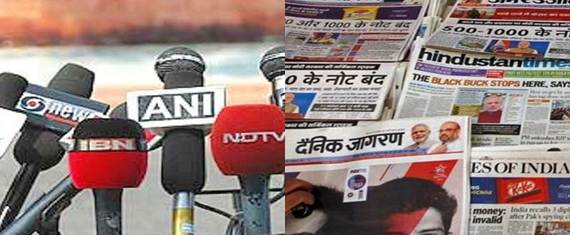
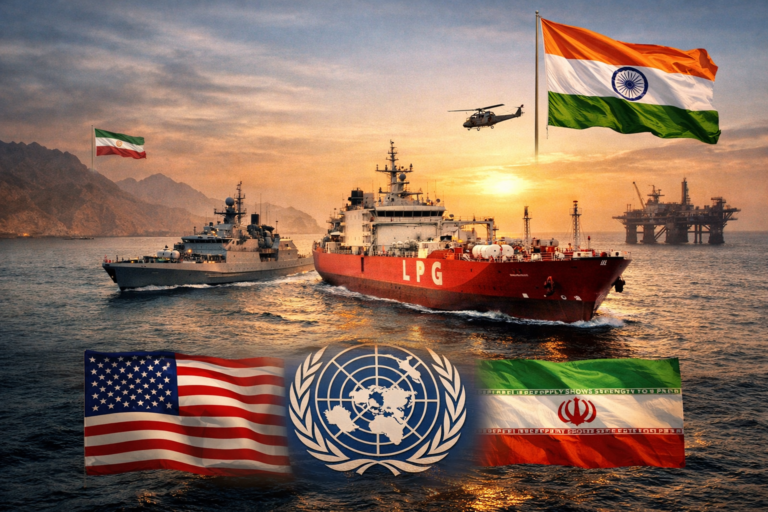
Covering wars and conflicts demands a delicate balance between providing accurate information and upholding ethical standards. Journalists play a vital role in informing the public, exposing human suffering, and holding all parties accountable. By navigating challenging environments, adhering to professional standards, and providing balanced perspectives, journalists contribute to a deeper understanding of the complexities and consequences of wars and conflicts.
1. Role of Journalism in Conflict Zones
Media coverage of wars and conflicts provides crucial information about the human toll, humanitarian crises, and the broader geopolitical implications. Journalists act as eyewitnesses, relaying stories from the frontlines, documenting atrocities, and giving voice to affected communities. Their presence and reporting serve as a catalyst for public awareness, humanitarian response, and international intervention.
2. Ethical Challenges and Responsible Reporting
Journalists face numerous ethical challenges when covering wars and conflicts. They must balance the imperative of reporting accurately with the sensitivity of the situation and the potential impact on the safety of those involved. Respecting the privacy and dignity of victims, verifying sources, and avoiding the dissemination of misinformation are vital considerations for responsible reporting in conflict zones.
3. Balancing Objectivity and Advocacy
The line between objective reporting and advocacy journalism becomes blurred in conflicts where human rights abuses, political oppression, and humanitarian crises prevail. Journalists must navigate this delicate balance, presenting accurate information while providing a platform for marginalized voices, raising awareness, and advocating for justice. The challenge lies in maintaining professionalism and fairness without compromising the truth.
4. Prominent Recent Examples
Prominent recent examples of media coverage of wars and conflicts include the Syrian civil war, conflicts in Yemen and Afghanistan, and regional tensions in the Middle East. Journalists have documented the humanitarian crises, civilian casualties, and geopolitical complexities of these conflicts, shedding light on their far-reaching consequences. Their reporting has influenced public opinion, humanitarian responses, and international policies.
5. Humanizing the Impact
Media coverage of wars and conflicts should prioritize human stories, highlighting the impact on individuals and communities affected by violence. Journalists humanize the conflict by sharing personal narratives, providing insights into the lived experiences of those caught in the crossfire. By amplifying these voices, media coverage fosters empathy and raises awareness of the human cost of war.
6. Media Manipulation and Propaganda
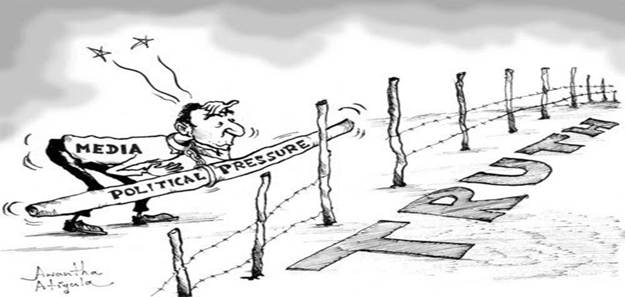
In conflicts, media manipulation and propaganda play a significant role in shaping narratives and influencing public opinion. Journalists must critically evaluate information, fact-check claims, and maintain independence from partisan agendas. By exposing misinformation, exposing propaganda, and providing balanced analysis, media coverage helps counter manipulation and supports a more informed understanding of conflicts.
Media coverage of wars and conflicts serves as a vital conduit of information, shedding light on the complexities, human suffering, and geopolitical implications. Journalists, as frontline witnesses, play a crucial role in informing the public, holding parties accountable, and advocating for peace and justice. By upholding ethical standards, presenting diverse perspectives, and humanizing the impact, media students can contribute to responsible and impactful coverage of wars and conflicts, thereby fostering greater understanding and promoting a more peaceful world.
The bill, which was mostly written by Graham and Sen. Richard Blumenthal, D-Conn., lets the government put tariffs and other penalties on countries that buy oil, gas, uranium, and other goods from Russia.
US President Donald Trump has “greenlit” a bill that would put more sanctions on Russia and its trade partners, including India. This is part of his plan to end the war in Ukraine by putting more pressure on Russia.
Sen. Lindsey Graham, a Republican, says that Trump has approved a bill that would put penalties on Russia. Graham told reporters that he hopes the same thing will be voted on as soon as next week.
“After a very productive meeting with President Trump today about several issues, he gave the go-ahead for the bipartisan Russia sanctions bill.”” In my speech, I said, “I look forward to a strong bipartisan vote, hopefully as early as next week.”
He also said that this bill will “let” Trump “punish countries that buy cheap Russian oil that powers Putin’s war machine.”
This list of countries will include India, which already pays a high tariff because it buys oil from Russia. It is meant to hurt Russia’s trade allies.
Trump signs off on a bill that threatens a 500% tax.
Republican Senator Graham wrote on X that the President signed off on the bill, which will also punish countries that buy uranium from Russia, after a “productive” meeting on Wednesday. He also said that the bill could be voted on as soon as next week. It’s a good time for this because Ukraine is giving in on peace, while Putin just talks and kills innocent people. He also said, “This bill will let President Trump punish countries that buy cheap Russian oil and help Putin’s war machine.”
“President Trump would have a lot of power with this bill over countries like China, India, and Brazil to make them stop buying cheap oil from Russia, which pays for Putin’s bloodbath in Ukraine. I hope for a strong vote from both parties as soon as next week, he said. In Washington,
As soon as next week, US tariffs on India and China could go up by as much as 500%. This is because President Donald Trump has signed off on the bipartisan Russia Sanctions Bill, which could be used to punish Russia’s trade partners, like India, China, and Brazil, for buying oil from Russia.
A well-known defense hawk in the Republican Party, Senator Lindsey Graham, said the bill would give the US power to stop India, China, and Brazil from buying Russian oil, and it would punish countries that “feed Putin’s war machine.”
The bill, which was mostly written by Graham and Democratic Senator Richard Blumenthal, lets the government put up to 500% tariffs and secondary penalties on countries that buy oil, gas, uranium, and other goods from Russia. The aim is to sever Russia’s primary funding source for its military operations.
As per the official website of US Congress, the bill titled “Sanctioning of Russia Act 2025” by Graham seeks to impose several provisions, including
• The President is required to impose visa and property-blocking sanctions on specified individuals, including the Russian president, certain Russian military commanders, and any foreign person who knowingly provides defense items to the Russian armed forces; • the President must increase the rate of duty on all goods and services imported from Russia into the United States to at least 500% relative to the value of such goods and services; • the President must increase the rate of duty on all goods and services imported into the United States from countries that knowingly engage in the exchange of Russian-origin uranium and petroleum products to at least 500% relative to the value of such goods and services; • the Department of the Treasury must impose property-blocking sanctions on any financial institution organized under Russian law and owned wholly or partly by Russia, and any financial institution that engages in transactions with those entities; and • The Department of Commerce must prohibit the export, reexport, or in-country transfer to or in Russia of any U.S.-produced energy or energy product. The White House had previously insisted that the sanctions package be changed and that Trump be given some freedom. However, the White House source on Wednesday did not say more about whether any changes were made.
A robust and independent media is essential for a thriving democracy. In India, the media, being the fourth pillar of Indian democracy, acts as a crucial bridge between the government and its citizens, providing information, analysis, and scrutiny of government policies. By holding the government accountable, the media serves as a watchdog, facilitating transparency and fostering informed public debates.
2. The Power of Agenda Setting
Media coverage has the power to set the agenda for public discussions on government policies. Journalists and news organizations decide which policies receive prominence and how they are framed, influencing public perception and understanding. The media’s selection of policy issues, angles, and narratives shapes the public’s priorities, making agenda setting a significant responsibility for journalists.
3. Objective Reporting vs. Advocacy Journalism
Journalists face the challenge of maintaining objectivity while reporting on government policies. Striking the right balance between objective reporting and advocacy journalism can be complex. While journalists should present factual information and diverse perspectives, they must also critically analyze policies, evaluate their impact, and hold the government accountable for its actions.
4. Challenges of Access and Information Flow
Journalists often face challenges in accessing accurate and timely information about government policies. Government agencies may selectively disseminate information, hindering journalists’ ability to provide comprehensive coverage. Obtaining access to key decision-makers, relevant documents, and data can be a daunting task, requiring persistence, source-building, and investigative skills.
5. Media Biases and Ideological Influences
Media biases and ideological influences can impact the coverage of government policies. Journalists and news organizations may hold inherent biases that influence their reporting, framing, and interpretation of policies. These elements can result in either a favorable or critical portrayal of government initiatives, potentially shaping public opinion in the process.
6. Balancing Complexity and Simplification
Government policies often involve intricate details and technical jargon that may be challenging for the general public to comprehend. Journalists face the task of simplifying complex policy matters without oversimplifying or distorting the information. For communication to work and for people to understand, it’s important to achieve the right balance between accuracy and accessibility.
The media’s coverage of government policies in India carries immense significance in a democratic society. Journalists play a critical role in informing citizens, analyzing policies, and holding the government accountable. By understanding the dynamics of media coverage, the challenges faced by journalists, and the ethical responsibilities they carry, media students can equip themselves to become informed, fair, and responsible journalists who contribute to a vibrant and well-informed democracy.
Foreign Policy
Introduction
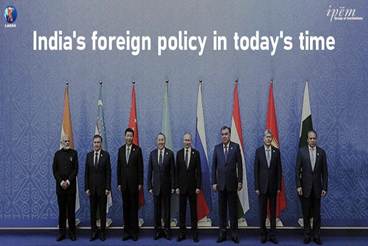
Indian foreign policy holds serious implications for the country’s global standing, international relations, and national interests. The role of media in covering foreign policy is crucial, as it shapes public perception, offers perspectives about diplomatic endeavors, and fosters informed discussions on global affairs. This section examines the dynamic use of media in covering Indian foreign policy, exploring key aspects, challenges, and recent prominent examples from a journalistic standpoint.
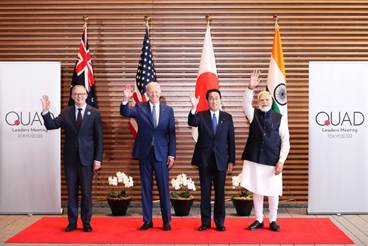
Covering Indian foreign policy requires journalists to navigate complex international relations, balance diplomatic sensitivities, and provide accurate analysis. Journalists play a vital role in informing the public about India’s engagement with the world, the country’s positions on global issues, and the impact of foreign policy decisions. By upholding journalistic ethics, critically analyzing policies, and seeking diverse perspectives, journalists contribute to informed public debates on India’s role in the international arena.
1. Shaping Public Perception
Media coverage plays a significant role in shaping public perception of India’s foreign policy and its global engagements. Journalists have the responsibility to present accurate and comprehensive coverage that elucidates the government’s positions, diplomatic strategies, and international commitments. By providing balanced and contextualized reporting, media outlets influence public understanding of India’s role in the world.
2. Analyzing Diplomatic Strategies
Journalists covering foreign policy must analyze and interpret the diplomatic strategies employed by India. This involves examining bilateral and multilateral engagements, analyzing key speeches and statements by political leaders, and evaluating the objectives and outcomes of diplomatic efforts. By providing insightful analysis, journalists contribute to a deeper understanding of India’s diplomatic endeavors.
3. Diverse Perspectives and Expert Opinions
Media coverage of Indian foreign policy should incorporate diverse perspectives and seek insights from experts in international relations, diplomacy, and regional studies. Journalists should engage with analysts, diplomats, and scholars to provide nuanced perspectives and foster informed discussions. These diverse viewpoints enhance the depth and quality of media coverage, offering readers a more comprehensive understanding of complex global issues
4. Balancing National Interests and Global Responsibilities
Coverage of Indian foreign policy necessitates balancing national interests with global responsibilities. Journalists should critically analyze how India’s foreign policy decisions impact national security, economic growth, and regional stability. They should also explore how India navigates its international commitments, such as sustainable development goals, human rights, and global cooperation, while safeguarding its own interests.
Prominent Recent Examples
Recent examples of media coverage of Indian foreign policy include the India-China border tensions, India’s participation in international climate change negotiations, and India’s diplomatic engagements in the Indo-Pacific region. Journalists played a crucial role in reporting on these developments, providing analysis, expert opinions, and real-time updates. Accurate and timely reporting on these matters contributed to informed public discussions and a better understanding of India’s foreign policy priorities.
1. Communication and Public Diplomacy
Media coverage plays a significant role in communicating India’s foreign policy positions to both domestic and international audiences. Journalists act as intermediaries, conveying diplomatic messages, explaining policy decisions, and projecting India’s image on the global stage. Through responsible reporting and accurate representation, journalists contribute to effective public diplomacy, promoting India’s interests and values worldwide.
2. Contextualizing Geopolitical Dynamics
Media coverage of Indian foreign policy should place it within the broader geopolitical context. Journalists should analyze the evolving global landscape, major international trends, and regional dynamics to provide a comprehensive understanding of India’s foreign policy decisions. This contextualization enables readers to grasp the strategic considerations, alliances, and interests that shape India’s engagements with other nations.
3. Diplomatic Disputes and Conflict Resolution
Foreign policy coverage often involves reporting on diplomatic disputes and efforts towards conflict resolution. Journalists play a crucial role in examining the root causes, historical context, and potential solutions to such conflicts. By providing in-depth analysis, interviewing experts, and reporting on peace-building initiatives, media coverage contributes to public awareness and encourages dialogue and understanding.
4. Tracking International Agreements and Treaties
Media coverage should closely monitor India’s participation in international agreements, treaties, and forums. Journalists should analyze the implications of such engagements on national interests, economic cooperation, and global governance. By reporting on India’s commitments and outcomes of international negotiations, media coverage enhances public understanding of India’s role in shaping the global agenda.
5. Evaluating Public Diplomacy Initiatives
Indian foreign policy often includes public diplomacy initiatives aimed at promoting the nation’s image, culture, and values abroad. Journalists should evaluate the effectiveness and impact of these initiatives in shaping international perceptions of India. By critically examining the outcomes and public responses to public diplomacy efforts, media coverage contributes to a broader understanding of India’s soft power and its influence in the global arena.
Conclusion
Media coverage of Indian foreign policy holds immense significance in informing, shaping, and fostering public understanding of India’s global engagements. Journalists, armed with journalistic integrity, critical analysis skills, and a commitment to unbiased reporting, play a pivotal role in providing accurate, insightful, and balanced coverage. By comprehensively covering foreign policy, media students can contribute to informed public discourse, promote transparency, and actively participate in shaping India’s role in the global arena.
Case study on Iran Nuclear Deal
Introduction
Media is key to determining public opinion, influencing political discourse, and ultimately impacting the formation of national and foreign policies. The negotiation and implementation of the Iran Nuclear Deal is a recent example of how important the media is in making policy. This complex and highly debated agreement between Iran and world powers was heavily influenced by media coverage, which shaped public perception, influenced political decision-making, and ultimately impacted the policy outcome.
Background
The Iran Nuclear Deal, officially known as the Joint Comprehensive Plan of Action (JCPOA), was an agreement signed in 2015 between Iran and the P5+1 group of countries (United States, United Kingdom, France, Germany, Russia, and China) along with the European Union. The aim of the deal was to curb Iran’s nuclear program in exchange for the lifting of economic sanctions.
Role of Media in Policy Formation
Throughout the negotiation and implementation process of the Iran Nuclear Deal, media coverage played a pivotal role in shaping the direction and outcome of the policy. Several key aspects highlight the influence of media:
1. Shaping Public Opinion
Media coverage significantly influenced public opinion regarding the Iran Nuclear Deal. Different media outlets presented varying perspectives, ranging from support for diplomacy and engagement to skepticism and criticism. News articles, opinion pieces, and televised debates provided information and analysis that shaped public perception of the agreement, impacting public support or opposition.
2. Framing the Narrative
Media framing played a critical role in shaping the narrative surrounding the Iran nuclear deal. Journalists and media organizations framed the deal based on their ideological and geopolitical perspectives. Some portrayed the agreement as a historic diplomatic achievement, emphasizing its potential to prevent Iran from obtaining nuclear weapons. Others framed it as a flawed and dangerous compromise, highlighting potential risks and loopholes.
3. Influencing Political Decision-Making
Media coverage influenced political decision-making processes surrounding the Iran Nuclear Deal. Political leaders and policymakers closely monitor public opinion as they make policy choices. The media’s portrayal of the deal and its perceived public reception influenced the positions taken by political leaders, impacting their support, opposition, or willingness to negotiate.
4. Shaping International Relations
Media coverage of the Iran Nuclear Deal had a significant impact on international relations. The portrayal of the agreement in global media influenced how other countries, including key stakeholders in the deal, perceived and responded to it. Media coverage helped shape the international community’s view of the agreement, influencing its implementation and potential future diplomatic engagements.
5. Ethical Considerations
Ethical considerations for journalists reporting on policies with significant international implications like the Iran Nuclear Deal include:
6. Accuracy and Fairness
Journalists have a responsibility to provide accurate and fair reporting, presenting multiple perspectives and avoiding undue bias. Reporting should be based on verified information and expert analysis to ensure an informed public discourse.
7. Contextual Understanding
Journalists should strive to provide context and background information to enhance public understanding of complex policy issues. This includes explaining the historical, geopolitical, and strategic factors that shape policy decisions and their potential consequences.
8. Transparency and Accountability
Journalists should hold political leaders and policymakers accountable for their actions and decisions. This involves investigating and reporting on potential motives, interests, and consequences of policy choices, promoting transparency and accountability in policy-making processes.
Conclusion
The Iran Nuclear Deal serves as a recent example highlighting the significant role of media in the formation of national and foreign policies. Media coverage influenced public opinion, framed the narrative, influenced political decision-making, and shaped international relations.
Ethical considerations, such as accuracy, fairness, contextual understanding, and accountability, play a crucial role in ensuring responsible journalism in the coverage of policies with far-reaching implications. Understanding the media’s influence in policy formation is vital for individuals to engage in informed and critical discussions and for policymakers to consider the broader impact of media narratives.
It is important for journalists to approach policy-related coverage with integrity, avoiding sensationalism and providing accurate, balanced, and nuanced reporting. In doing so, they can help foster a well-informed public discourse and contribute to the democratic process.
Additionally, media consumers must develop media literacy skills to critically evaluate news coverage, recognize bias, and seek multiple perspectives. By engaging with diverse sources of information and maintaining a discerning approach, individuals can form their own well-rounded opinions and actively participate in shaping national and foreign policies.
Ultimately, the example of the Iran Nuclear Deal illustrates how media coverage can significantly influence the formation of policies with global implications. Recognizing and understanding the power of media in shaping public opinion and political decision-making is essential for both journalists and citizens. By promoting responsible journalism and media literacy, we can strive for a more transparent, informed, and inclusive policy-making process that addresses the complex challenges of our interconnected world.
A robust and independent media is essential for a thriving democracy. In India, the media, being the fourth pillar of Indian democracy, acts as a crucial bridge between the government and its citizens, providing information, analysis, and scrutiny of government policies. By holding the government accountable, the media serves as a watchdog, facilitating transparency and fostering informed public debates.
2. The Power of Agenda Setting
Media coverage has the power to set the agenda for public discussions on government policies. Journalists and news organizations decide which policies receive prominence and how they are framed, influencing public perception and understanding. The media’s selection of policy issues, angles, and narratives shapes the public’s priorities, making agenda setting a significant responsibility for journalists.
3. Objective Reporting vs. Advocacy Journalism
Journalists face the challenge of maintaining objectivity while reporting on government policies. Striking the right balance between objective reporting and advocacy journalism can be complex. While journalists should present factual information and diverse perspectives, they must also critically analyze policies, evaluate their impact, and hold the government accountable for its actions.
4. Challenges of Access and Information Flow
Journalists often face challenges in accessing accurate and timely information about government policies. Government agencies may selectively disseminate information, hindering journalists’ ability to provide comprehensive coverage. Obtaining access to key decision-makers, relevant documents, and data can be a daunting task, requiring persistence, source-building, and investigative skills.
5. Media Biases and Ideological Influences
Media biases and ideological influences can impact the coverage of government policies. Journalists and news organizations may hold inherent biases that influence their reporting, framing, and interpretation of policies. These elements can result in either a favorable or critical portrayal of government initiatives, potentially shaping public opinion in the process.
6. Balancing Complexity and Simplification
Government policies often involve intricate details and technical jargon that may be challenging for the general public to comprehend. Journalists face the task of simplifying complex policy matters without oversimplifying or distorting the information. For communication to work and for people to understand, it’s important to find the right balance between accuracy and accessibility.
The media’s coverage of government policies in India carries immense significance in a democratic society. Journalists play a critical role in informing citizens, analyzing policies, and holding the government accountable. By understanding the dynamics of media coverage, the challenges faced by journalists, and the ethical responsibilities they carry, media students can equip themselves to become informed, fair, and responsible journalists who contribute to a vibrant and well-informed democracy.
Defence Policy
Introduction
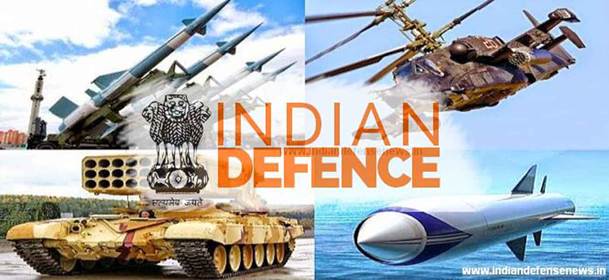
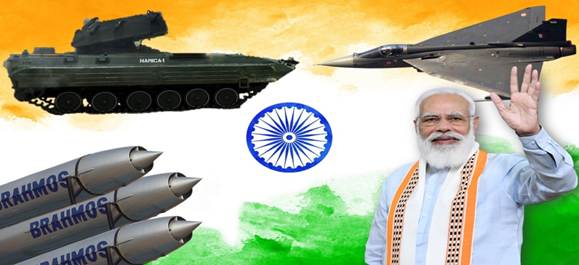
The realm of Indian defense policy is crucial for national security and has far-reaching implications for the country’s geopolitical standing. The role of media in covering defense policy is of paramount importance, as it is instrumental in determining public perception, fostering transparency, and promoting informed debates. This section examines the complex role of media in covering Indian defense policy, highlighting key aspects, challenges, and recent prominent examples from a journalistic standpoint.
Journalists must delicately balance national security considerations with the public’s right to know when reporting on defense policy. Journalists play a critical role in providing accurate, timely, and comprehensive coverage of defense policies, armed forces, and national security challenges. By upholding journalistic principles of objectivity, verification, and accountability, journalists can contribute to an informed public discourse and ensure responsible reporting on defense matters.
1. Navigating National Security and Transparency
Coverage of Indian defense policy poses a unique challenge for media outlets due to the sensitive nature of national security. Journalists must delicately balance the need for transparency with the need to protect sensitive information that could jeopardize national interests. Striking a balance between the public’s right to know and the imperative of protecting classified information is a crucial responsibility for journalists covering defense policy.
2. Geopolitical Context and Strategic Implications
Media coverage of Indian defense policy should place it within the broader geopolitical context. Journalists must analyze the strategic implications of defense policies, taking into account regional dynamics, alliances, and emerging global trends. This contextualization enhances public understanding of the country’s defense posture and its implications for national security.
3. Expert Insights and Analysis
Coverage of defense policy necessitates seeking expert opinions and analysis from military strategists, defense analysts, and security experts. Journalists should engage with these experts to provide nuanced perspectives, offer historical context, and assess the efficacy of defense policies. Expert insights contribute to a more comprehensive understanding of defense matters and help bridge the gap between technical jargon and public comprehension.
4. Safeguarding National Interest
Media coverage of defense policy requires journalists to exercise caution and responsibility in protecting the national interest. Sensationalism or speculative reporting on sensitive defense matters can have adverse consequences, impacting national security and compromising the effectiveness of military operations. Ethical considerations and fact-checking are key to guaranteeing accurate and responsible reporting.
5. Prominent Recent Examples
Recent developments such as the acquisition of advanced defense equipment, border tensions, and military modernization efforts have garnered significant media attention. Journalists play a pivotal role in covering these events, providing analysis, expert opinions, and real-time updates to the public. Accurate and unbiased reporting on such incidents contributes to informed public discussions and helps foster trust in the media’s role as an informant during critical moments.
6. Defence Procurement and Accountability
Media coverage should scrutinize defense procurement processes, including contracts, acquisitions, and offsets. Journalists should investigate potential irregularities, conflicts of interest, and the transparency of procurement practices. Holding the government and defense establishments accountable ensures efficient utilization of public funds and enhances the overall efficacy of defense policy implementation.
7. Balancing National Security and Public Interest
Journalists covering defense policy must strike a delicate balance between national security imperatives and the public’s right to be informed. While ensuring the protection of sensitive information, journalists have a responsibility to keep the public informed about defense matters that directly impact their safety, national resources, and strategic interests. This delicate balancing act requires meticulous verification, responsible reporting, and adherence to ethical standards.
8. Bridging the Civil-Military Gap
Coverage of Indian defense policy can contribute to bridging the civil-military gap by facilitating a deeper understanding of the armed forces among the general public. Journalists should try to show the military’s roles, problems, and contributions in a way that makes people appreciate, respect, and empathize with them. Media coverage can create a sense of unity and national pride by making the experiences of armed forces personnel more relatable and showing how dedicated they are.
9. Embedding Journalists in Defence Operations
In some cases, journalists may be embedded with defense forces during operations to get firsthand accounts and insights. This practice allows journalists to report on defense operations with accuracy, authenticity, and a more profound understanding of the complexities involved. Embedding also enables journalists to showcase the professionalism and sacrifices of the armed forces while adhering to agreed-upon operational security guidelines.
10. Advocating for Transparency and Accountability
Media coverage should advocate for transparency and accountability in defense policies and decision-making processes. Journalists play an important role in looking into cases of corruption, mismanagement, or inefficiency in the defense establishment. By bringing these kinds of problems to light, media coverage can help create a culture of openness, responsible government, and constant improvement in the defense sector.
Media coverage of Indian defense policy serves as a critical pillar of democracy by providing citizens with vital information about national security, military operations, and defense strategies. Journalists, as responsible and ethical conduits of information, play a pivotal role in ensuring accurate, balanced, and comprehensive reporting. By adhering to journalistic principles and addressing the unique challenges of covering defense policy, media students can contribute to informed public discourse, transparency, and accountability in matters of national security.
A robust and independent media is essential for a thriving democracy. In India, the media, being the fourth pillar of Indian democracy, acts as a crucial bridge between the government and its citizens, providing information, analysis, and scrutiny of government policies. By holding the government accountable, the media serves as a watchdog, facilitating transparency and fostering informed public debates.
2. The Power of Agenda Setting
Media coverage has the power to set the agenda for public discussions on government policies. Journalists and news organizations decide which policies receive prominence and how they are framed, influencing public perception and understanding. The media’s selection of policy issues, angles, and narratives shapes the public’s priorities, making agenda setting a significant responsibility for journalists.
3. Objective Reporting vs. Advocacy Journalism
Journalists face the challenge of maintaining objectivity while reporting on government policies. Striking the right balance between objective reporting and advocacy journalism can be complex. While journalists should present factual information and diverse perspectives, they must also critically analyze policies, evaluate their impact, and hold the government accountable for its actions.
4. Challenges of Access and Information Flow
Journalists often face challenges in accessing accurate and timely information about government policies. Government agencies may selectively disseminate information, hindering journalists’ ability to provide comprehensive coverage. Obtaining access to key decision-makers, relevant documents, and data can be a daunting task, requiring persistence, source-building, and investigative skills.
5. Media Biases and Ideological Influences
Media biases and ideological influences can impact the coverage of government policies. Journalists and news organizations may hold inherent biases that influence their reporting, framing, and interpretation of policies. These elements can result in either a favorable or critical portrayal of government initiatives, potentially shaping public opinion in the process.
6. Balancing Complexity and Simplification
Government policies often involve intricate details and technical jargon that may be challenging for the general public to comprehend. Journalists face the task of simplifying complex policy matters without oversimplifying or distorting the information. For communication to work and for people to understand, it’s important to find the right balance between accuracy and accessibility.
The media’s coverage of government policies in India carries immense significance in a democratic society. Journalists play a critical role in informing citizens, analyzing policies, and holding the government accountable. By understanding the dynamics of media coverage, the challenges faced by journalists, and the ethical responsibilities they carry, media students can equip themselves to become informed, fair, and responsible journalists who contribute to a vibrant and well-informed democracy.
A. ECONOMIC POLICY
Introduction
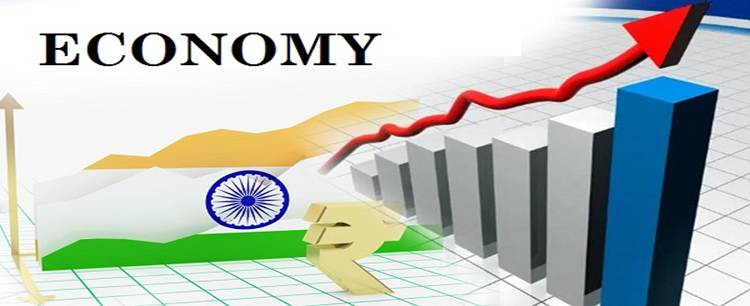
The Indian economy is a dynamic and complex landscape, where government policies hold significant implications for millions of citizens. The role of media in covering economic policy is crucial, as it shapes public perception, influences investor sentiment, and provides valuable insights to stakeholders. This section delves into the nuanced use of media in the coverage of Indian economic policy, analyzing key aspects, challenges, and recent prominent examples from a journalistic standpoint.
Journalists covering economic policy face the challenge of simplifying complex economic concepts while maintaining accuracy and depth. Reporting on economic policies demands a careful balance between technical details and their impact on people’s lives. Journalists play a critical role in providing unbiased analysis, examining the consequences of policies, and facilitating informed public discussions. Their ability to uncover crucial information, critically evaluate economic decisions, and present diverse viewpoints is instrumental in shaping the public’s understanding and fostering an environment of accountability.
1. Setting the Narrative: Media’s Agenda-Setting Power
Media outlets possess the power to shape the narrative around economic policies. Through careful selection of stories, framing, and emphasis on specific aspects, they influence public perception and the priorities of economic debates. Journalists, as agenda-setters, hold a responsibility to prioritize issues of national importance, provide nuanced perspectives, and avoid sensationalism while covering economic policy.
2. Interplay between Politics and Economics
The coverage of economic policy often intersects with political considerations. Media coverage tends to focus on the political implications of economic decisions, highlighting winners and losers, and scrutinizing the government’s approach. Journalists must navigate this complex terrain, offering objective analysis while avoiding partisan biases and maintaining the necessary independence to critique policies irrespective of political affiliations.
3. The Role of Experts and Analysts
Media coverage of economic policy frequently incorporates expert opinions and analysis. Journalists rely on economists, financial experts, and policy analysts to provide insights and interpret the potential impacts of policies. Engaging a diverse range of experts allows for a comprehensive evaluation of economic policies and fosters a more informed public discourse.
4. Balancing Complexity and Accessibility
Economic policies are often intricate, involving technical jargon and complex concepts. Journalists face the challenge of presenting these policies in a manner that is accessible to a broad audience without oversimplifying or diluting the core issues. Skillful storytelling, clear explanations, and relatable examples help bridge the gap, ensuring that the complexities of economic policy are understood by the public.
5. Recent Prominent Examples
Recent economic policy developments in India have garnered significant media attention. Examples include the introduction of the Goods and Services Tax (GST), demonetization, and various reforms such as the Insolvency and Bankruptcy Code (IBC). Media coverage of these policies highlighted their potential impact on businesses, employment, and overall economic growth. Journalists played a critical role in analyzing the consequences, soliciting expert opinions, and scrutinizing the government’s approach.
6. Sensitizing Socioeconomic Impact
Media coverage of economic policy should strive to shed light on the socioeconomic impact of government decisions. Journalists have a responsibility to go beyond abstract economic indicators and explore the real-world consequences of policies on different sections of society. By highlighting stories of individuals and communities affected by economic policies, media coverage can bring forth the human dimension and foster empathy among the public.
7. Diverse Perspectives and Stakeholder Engagement
Media coverage should aim to incorporate diverse perspectives and engage with various stakeholders affected by economic policies. This includes seeking input from businesses, labor unions, think tanks, and grassroots organizations to provide a holistic view of the impacts and potential alternatives. By representing a range of voices, journalists can contribute to a more inclusive and well-rounded analysis of economic policies.
8. Monitoring and Accountability
Media plays a crucial role in monitoring the implementation and effectiveness of economic policies over time. Journalists should follow up on policy outcomes, track progress, and assess whether the intended objectives are being achieved. By holding the government accountable for its economic decisions, media coverage acts as a vital check and balance, ensuring transparency and responsible governance.
9. Data Journalism and Fact-Checking
Economic policy discussions heavily rely on data and statistics. Journalists equipped with data journalism skills can effectively analyze and present complex economic information to the public. Fact-checking economic claims and scrutinizing government data adds credibility to media coverage and safeguards against the spread of misinformation or propaganda.
10. Economic Policy as a Public Interest Issue
Media coverage of economic policy should frame it as a matter of public interest rather than a purely technical or academic subject. Journalists can highlight the links between economic policies and broader societal issues such as poverty, inequality, employment, and environmental sustainability. By contextualizing economic policy within the larger socioeconomic context, media coverage can foster public engagement and promote an informed public dialogue.
The media’s coverage of Indian economic policy plays a pivotal role in informing, engaging, and empowering citizens. Journalists, armed with journalistic integrity, analytical skills, and a commitment to responsible reporting, have the ability to shape public understanding, influence policy debates, and hold the government accountable. By comprehensively covering economic policies, aspiring journalists can contribute to a more informed citizenry, promote transparency, and actively participate in shaping India’s economic future.
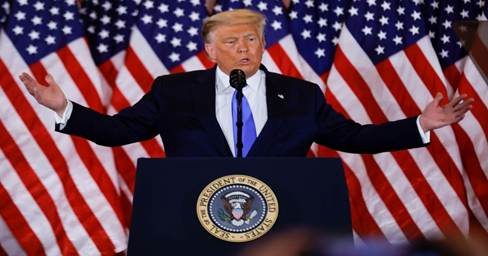
The role of media in shaping political landscapes cannot be underestimated, especially in the context of election campaigns. Donald Trump’s presidential campaigns in America were marked by a unique relationship with the media, characterized by controversy, polarization, and unprecedented coverage. In this section, we will explore the complicated nature of media influence on Trump’s election campaigns, examining key strategies employed, their impact, and the broader implications for journalism.
1. The Power of Media Amplification
Donald Trump, a businessman turned politician, astutely recognized the media’s potential to amplify his messages. Through strategic use of social media platforms, particularly Twitter, Trump bypassed traditional media gatekeepers and directly engaged with his supporters. His unfiltered and provocative tweets became headline news, setting the agenda for public discourse and captivating both his supporters and detractors.
2. The Era of Infotainment
Trump’s campaign capitalized on the convergence of media and entertainment. His background as a reality TV personality had a major influence on his campaign style. The media, hungry for high ratings and engagement, treated the election as a captivating drama, focusing on sensational sound bites, controversial remarks, and divisive rhetoric. The blurring of lines between news and entertainment contributed to the spectacle surrounding Trump’s candidacy.
3. Media Bias and Polarization
The coverage of Trump’s election campaigns exposed the issue of media bias and its impact on public perception. Some media outlets were accused of favoring Trump, providing him with excessive airtime and uncritical coverage. Conversely, others adopted a more adversarial stance, relentlessly scrutinizing his every move. This polarization in media coverage further deepened the ideological divide among the electorate, reinforcing existing partisan narratives.
4. Fact-Checking and Truth Decay
Trump’s campaigns witnessed an unprecedented challenge to the notion of objective truth. The rise of “alternative facts” and “fake news” blurred the boundaries between accurate reporting and misinformation. Journalists and fact-checkers faced the daunting task of sifting through an influx of dubious claims and verifying or debunking them. The erosion of trust in media institutions presented a critical challenge for responsible journalism and highlighted the importance of media literacy.
5. Social Media Echo Chambers
The prevalence of social media platforms and their algorithms contributed to the creation of echo chambers, where individuals were exposed primarily to content that reinforced their existing beliefs. This led to the formation of online communities fervently supporting or opposing Trump, further polarizing public discourse and making it challenging to foster constructive dialogue.
Donald Trump’s election campaigns revolutionized the relationship between media and politics. His unconventional methods, which included using social media, sensationalism, and breaking journalistic rules, changed the way the media works. This case study shows how important it is for journalists to think critically about their work, follow ethical reporting guidelines, and stay neutral. Aspiring journalists must navigate the complexities of media influence, polarization, and the pursuit of truth in the face of evolving political landscapes.
By understanding the intricacies of media influence in Trump’s campaigns, journalism students can gain valuable insights into the challenges and responsibilities they will face in their future careers as objective and ethical communicators in the ever-changing realm of politics and media.
For example:
These examples illustrate how media coverage and strategies employed by Donald Trump’s campaign team influenced public opinion, shaped political discourse, and contributed to the success of his campaigns. They underline the complex relationship between media and politics, showcasing the influence media can have on election outcomes and the subsequent implications for democracy.
1. Extensive Media Coverage: Donald Trump’s campaign events and rallies received extensive media coverage, often broadcasting his speeches in their entirety. This allowed Trump to dominate the news cycle, ensuring his messages reached a broad audience. The media’s focus on his provocative statements and controversial policies generated constant public attention and discussion.
2. “Trump Show” Phenomenon: The media’s fascination with Trump’s unconventional and unfiltered style contributed to the “Trump Show” phenomenon. News outlets provided extensive coverage of his rallies, treating them as entertainment spectacles rather than purely political events. This approach helped Trump generate a sense of excitement and engage voters who were disillusioned with traditional politics.
3. Social Media Presence: Trump’s strategic use of social media platforms, particularly Twitter, played a pivotal role in his campaigns. He leveraged these platforms to communicate directly with the public, bypassing traditional media gatekeepers. His provocative and attention-grabbing tweets often made headlines, allowing him to set the narrative and control the media discourse.
4. Media Controversies: Trump’s controversial statements and actions were highly appealing to media outlets seeking ratings and readership. Journalists often provided extensive coverage of his controversial remarks, amplifying his messages and generating public debate. This attention, regardless of whether it was positive or negative, helped Trump maintain a prominent position in the media landscape.
5. Media Bias Allegations: Throughout his campaigns, Trump frequently criticized the media, accusing it of bias against him. This narrative resonated with his supporters and reinforced their skepticism toward mainstream media. Conversely, some media outlets were accused of providing favorable coverage to Trump, focusing on his rallies and speeches while downplaying or omitting critical analysis.
6. Fact-Checking Challenges: Trump’s campaigns posed significant challenges for fact-checkers due to the proliferation of false or misleading statements. Journalists and fact-checking organizations faced the task of debunking misinformation while maintaining objectivity. This highlighted the need for rigorous fact-checking practices and the responsibility of media outlets to counter falsehoods with accurate reporting.
Journalists must adhere to ethical standards, such as verifying sources, fact-checking information, and maintaining the privacy and dignity of individuals. Upholding professional standards ensures that media coverage remains credible and trustworthy.
4. Balancing Commercial Interests
The media industry’s commercial nature presents a challenge for journalists during general elections. Balancing the need for revenue with the duty to provide unbiased coverage requires careful editorial decision-making and a commitment to journalistic integrity.
IV. Harnessing the Power of New Media
1. Social Media and Digital Platforms
The emergence of social media and digital platforms has revolutionized the media landscape during elections. These platforms provide opportunities for direct citizen engagement, real-time updates, and alternative perspectives. However, journalists must also overcome the obstacles presented by misinformation and filter bubbles that can distort public opinion.
2. Data Analytics and Polling
Media organizations employ data analytics and polling techniques to gauge public sentiment and predict election outcomes. Responsible utilization of these tools can offer helpful details about voter preferences and contribute to more accurate reporting.
3. Citizen Journalism
Citizen journalism, enabled by digital platforms, allows ordinary citizens to contribute to the reporting and analysis of general elections. While citizen journalism provides diverse perspectives, it also requires careful verification and adherence to ethical standards.
The role of the media in general elections is multi-faceted and carries immense responsibility. Journalists must act as guardians of democracy, providing accurate information, fostering healthy debates, and holding political actors accountable. The media’s influence extends beyond national borders, with international outlets broadening perspectives and highlighting global implications.
Aspiring journalists must embrace their role as agents of change and ensure that media coverage promotes informed decision-making and a vibrant democratic society. By understanding the complexities and challenges involved, they can contribute to a media landscape that upholds democratic values and empowers citizens.
C. MEDIA BIASES
Introduction
In a democratic society, the media plays a critical role in providing citizens with information and shaping public opinion. However, we must acknowledge the existence of media biases, which can significantly impact the reporting and perception of news. This section focuses on understanding media biases in India, exploring their impact on journalism, and providing recent examples from a journalist standpoint. By recognizing and navigating biases, aspiring journalists can contribute to a more transparent and objective media landscape.
A. What are media biases?
When journalists or news organizations allow their personal beliefs to influence the news they report and how they report it, media bias arises. Media biases refer to the predispositions or inclinations that journalists, editors, or media organizations may have that affect their reporting. Biases can arise due to personal beliefs, political affiliations, or commercial interests.
Some opponents claim that the media is capable of using a complex and sophisticated range of strategies that enable journalists and media proprietors to skew news articles in favor of specific organizations or interests.
Purposeful bias is comparable to purposeful lying and censorship when it is at its most overt, but bias is frequently subtler and hence harder to spot. While bias can affect how facts are presented, many journalists contend that full impartiality is unattainable and that biased media is not always intended to be detrimental. The goal of journalists who believe that some degree of bias is unavoidable is to reduce it rather than remove it and to provide the most impartial perspective possible.
B. Types of Media Biases
1. Political Bias: When media outlets favor or criticize specific political parties or ideologies.
2. Confirmation Bias: When journalists selectively report information that aligns with their preconceived notions or beliefs.
3. Commercial Bias: When media organizations prioritize profit over unbiased reporting.
4. Big story: “Big story” bias refers to the tendency for journalists to overlook critical details and falsify important facts when they see an event or development as a tremendously significant story.
5. Partisan: Partisan prejudice is a sort of bias where a journalist’s political opinions influence the news they report.
6. Demographic: A sort of prejudice known as demographic occurs when race, gender, ethnicity, or other variables, such as culture or economic class, have an impact on news coverage.
7. Neutrality: A form of bias where a journalist or news organization works so diligently to look unbiased that the reporting actually delivers the facts incorrectly.
C. Impact of Media Biases:
The media has a special role to play in shaping public perception of important political and social issues. When media portrays the entire event and offers trustworthy information on various subjects, such as the environment, technology, and risk, it has a significant impact on the public. Readers regard newspapers, magazines, television, radio, and the internet as powerful sources of news and opinion.
According to numerous studies, the public gains more understanding about science from the media. Examining the injustice and inaccuracy of media coverage of significant topics is crucial. An in-depth examination of the most prevalent kinds of mass media shows how they have an impact on civilization throughout the world. In the way TV networks, print media, and internet websites disseminate information, there are undoubtedly many egregious injustices that are still present today.
Millions of people have been observed watching television to stay informed about what is occurring in their surroundings. They rely more on their opinions on news reported on TV or in other news media when forming them about certain subjects. When the media can create or break a candidate, their influence in politics is especially important. They are empowered to support or undermine a candidate.
1. Shaping Public Opinion: Media biases have the potential to shape public opinion by selectively presenting information or influencing the framing of news stories. This can impact how citizens perceive political parties, policies, or social issues.
2. Polarization and Divisiveness: Media biases can contribute to political polarization and social divisions. Biased reporting often reinforces existing beliefs and deepens ideological divides among the public.
3. Undermining Journalistic Integrity: Media biases undermine the core principles of journalism, including objectivity, fairness, and accuracy. Biased reporting erodes public trust in the media and can lead to skepticism regarding the veracity of news.
D. Examples of Media Biases in India:
1. Political Bias: Prominent media organizations have been accused of favoring specific political parties during election campaigns, leading to imbalanced coverage and the amplification of certain narratives.
2. Confirmation Bias: News outlets exhibit confirmation bias when they selectively report facts that bolster a specific viewpoint, disregarding contradictory evidence. This can perpetuate misinformation and impede critical analysis.
3. Commercial Bias: Commercial interests can influence media coverage, with certain issues receiving more attention due to their potential for higher viewership or increased revenue. This can result in the neglect of important but less sensationalized news stories.
E. Prominent examples of media biases:
1. Coverage of Farmer Protests: During the farmer protests that began in 2020, there were allegations of media biases in the coverage of the protests. Some news channels were criticized for taking a biased stance either in favor of or against the protesting farmers, leading to imbalanced reporting and the amplification of specific narratives.
2. Election Campaigns: Media biases often come to the forefront during election campaigns. There have been instances where certain media outlets have been accused of displaying favoritism towards specific political parties or candidates, providing more positive coverage or disproportionate airtime compared to their opponents.
This news story highlights the allegations of media biases during the 2019 Lok Sabha elections in India. It discusses how some political parties and activists accused certain media outlets of favoring specific parties or candidates, affecting the fairness and objectivity of the electoral process.
“Media’s Role and Biases in West Bengal Assembly Elections” (Source: The Wire): The story focuses on the media biases observed during the West Bengal Assembly elections in 2021. It explores the allegations of biased reporting by various political parties, with some accusing certain media outlets of favoring the ruling party, while others claimed that the media was against their party.
“Media Bias and the Gujarat Assembly Elections” (Source: The Economic Times): The story discusses the media biases observed during the Gujarat Assembly elections in 2017. It explores how some media outlets were accused of taking a favorable stance towards the ruling party, leading to allegations of biased reporting and influencing voter perception.
“Social Media and Media Biases in Indian Elections” (Source: NDTV): The report focuses on the role of social media and media biases in Indian elections. It discusses how social media platforms can amplify biases and misinformation, leading to a polarized environment, and the responsibility of media organizations to counteract these biases.
F. Media bias in religious and communal incidents.
Introduction
Media biases can also be observed in the reporting of religious and communal incidents. Instances have been reported where media outlets have been accused of sensationalizing and exaggerating incidents, leading to the amplification of religious or communal tensions and biases.
“Media Bias and Coverage of Communal Incidents” (Source: The Quint):
The story explores the issue of media biases in the coverage of communal incidents in India. It examines how media outlets sometimes exhibit biases based on religious or communal lines, leading to skewed narratives and exacerbating tensions.
1. “Media Bias Allegations in Reporting Religious Clashes” (Source: India Today): The report highlights the allegations of media biases in the reporting of religious clashes in India. It discusses how some media organizations have been accused of sensationalizing incidents, perpetuating stereotypes, and reinforcing biases, leading to a distorted representation of events.
2. “Media and Communal Bias in Reporting Hate Crimes” (Source: The Wire): The article discusses the issue of media biases in reporting hate crimes in India. It delves into the allegations of media outlets downplaying or selectively reporting incidents based on the religious or communal identities of the victims and perpetrators, affecting the perception and understanding of such crimes.
3. “Media’s Role in Fuelling Communal Tensions” (Source: Scroll.in): The story examines the role of media biases in fueling communal tensions in India. It highlights instances where media organizations have been accused of amplifying divisive narratives, promoting stereotypes, and contributing to the polarization of communities through their reporting.
4. “Media and the Perception of Communal Incidents” (Source: The Indian Express): The report discusses how media biases can influence the public perception of communal incidents in India. It explores how biased reporting, selective coverage, and the framing of narratives can shape public opinion, exacerbating tensions and hindering efforts for communal harmony.
G. Coverage of Controversial Events
Media biases can be evident in the coverage of controversial events. For example, during high-profile criminal cases or political controversies, some media outlets have been accused of selective reporting, presenting biased opinions, or disseminating unverified information that aligns with their own narratives or agenda.
H. Political Interviews and Panel Discussions
Media biases can manifest during political interviews and panel discussions, where some news channels have been criticized for displaying favoritism towards certain politicians or allowing disproportionate airtime to specific individuals or party representatives, while limiting the representation of opposing viewpoints.
It’s important to note that these instances may vary in intensity and perception, and not all media outlets engage in biased reporting. However, these examples highlight the need for media organizations to maintain objectivity, balance, and ethical standards in their reporting, fostering a more transparent and unbiased media environment.
I. Navigating Media Biases
Media Literacy: Developing media literacy skills is crucial for navigating biases. Students must learn to critically analyze news sources, cross-reference information, and seek diverse perspectives to form a well-rounded understanding.
Diverse Sources and Multiple Perspectives: Journalists should strive to include diverse sources and viewpoints in their reporting, providing a comprehensive picture of events or issues. This approach fosters balanced reporting and encourages critical thinking among audiences.
Fact-Checking and Verification: Journalists must prioritize fact-checking and verification to ensure the accuracy and reliability of their reports. By maintaining rigorous standards, they can counteract the influence of biased narratives and misinformation.
Media biases are a reality in the journalism landscape, including in India. Understanding and addressing biases is crucial for aspiring journalists to uphold the principles of transparency, objectivity, and fairness. By being aware of biases, seeking diverse perspectives, and practicing responsible journalism, students can contribute to a media environment that fosters informed public discourse and a more robust democracy. By empowering themselves and their audience with media literacy skills, future journalists can play an instrumental role in unveiling biases and promoting a more transparent and unbiased media ecosystem.
In the dynamic world of politics, the role of the media in shaping public opinion and facilitating democratic processes cannot be overstated. In the context of general elections, the media acts as a vital intermediary between political parties and the citizens. This section explores the significance of media, both national and international, in influencing and reporting on general elections, with a focus on India. Prominent examples from recent history highlight the impact of media coverage on election outcomes, while shedding light on the responsibilities and challenges faced by journalists.
I. NATIONAL MEDIA
The Indian media landscape is vibrant and diverse, consisting of print, television, radio, and digital platforms. Here are key aspects of the national media’s role in general elections:
1. Dissemination of Information
National media plays a crucial role in disseminating information about political parties, candidates, their agendas, and campaign strategies. Through news reports, interviews, and debates, media outlets keep citizens informed, enabling them to make well-informed choices.
2. Shaping Public Opinion
Media has the power to shape public opinion, and during elections, it plays a significant role in influencing voters. By highlighting key issues, analyzing policies, and conducting opinion polls, the media guides public sentiment and can impact electoral outcomes.
3. Monitoring Political Parties
The media acts as a watchdog by monitoring the actions of political parties during elections. It exposes corruption, scandals, and unethical practices, thereby holding parties accountable and fostering transparency in the electoral process.
4. Facilitating Debates and discussions.
National media platforms provide a stage for political debates, panel discussions, and interviews with candidates. These forums allow voters to assess different perspectives, enabling them to make informed decisions at the polls.
Example: The 2014 Indian General Elections
The 2014 General Elections in India witnessed extensive media coverage, with television news channels and digital platforms playing a pivotal role. The Bharatiya Janata Party’s (BJP) prime ministerial candidate, Narendra Modi, effectively utilized social media and public rallies to communicate his vision directly to voters, while media outlets provided real-time analysis and updates on the electoral process.
II. INTERNATIONAL MEDIA
International media plays a crucial role in providing a global perspective on general elections. Here are some key aspects:
1. Broadening Awareness
International media coverage of general elections extends beyond national boundaries, increasing global awareness of political developments and their impact. This broadened perspective allows citizens to understand the interconnectedness of political systems worldwide.
2. Reporting on Key Issues
International media highlights significant issues in general elections, such as socio-economic challenges, foreign policy implications, and human rights concerns. This coverage encourages cross-country dialogue and brings attention to global implications arising from election outcomes.
3. Assessing Democratic Processes
International media outlets often assess the democratic processes and fairness of elections in different countries. Their reporting on issues like voter suppression, electoral fraud, or the role of money in politics raises awareness and fosters accountability.
Example: United States Presidential Elections
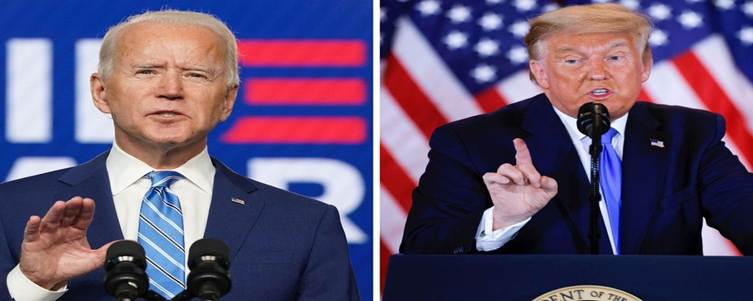
The United States presidential elections draw extensive international media coverage due to the country’s global influence. Coverage often focuses on campaign strategies, policy differences, and the potential impact of the election on international relations and global issues such as climate change, trade, and security.
The role of media in general elections is of paramount importance in shaping public opinion, facilitating democratic processes, and fostering accountability. Whether through national media platforms that inform, engage, and monitor political processes at home or international media outlets that provide a broader perspective, media plays a crucial role in influencing and reporting on elections. By understanding this role, aspiring journalists can embrace their responsibilities and contribute to a vibrant and informed democracy.
National advertising means advertisements, brochures, catalogues, and similar marketing materials published and distributed to consumers; included in publications intended for consumers; or broadcast through television, the Internet, radio, or other media that are designed and intended to promote the sale of approved products, including point-of-purchase displays for use by retailers and marketing and promotional pieces provided to retailers for use in sales promotions to consumers.
Geographically speaking, national advertising is extended to the territorial limits of the country. The advertiser uses the national media to inform the consumer about the product. The advertiser uses the national, local, or regional language but prefers the national language. It can be available everywhere in the country and easily purchased. For example, Nestlé Kit Kat
Nestle Kit Kat in India
Nestlé Kit Kat was launched in India in 1995 and was well received by consumers owing to both the ‘finger format’ of the chocolate as well as the way its advertising celebrated the ‘consumption ritual.’ Through different creative renditions, the brand has always propagated the ‘BREAK IN ROUTINE’ communication. The new ad concept has really come out very well, based on the concept of animals emoting human emotions, particularly love.
The TVC that hit the screens a few days back has already garnered a huge fan base of over 40,000 viewers on YouTube. Basking in this, the company has even introduced various different format portions of the chocolate in 1-2-3 and 4-finger at convenient price points of Rs.5 and Rs.10, respectively.
Hyundai in India
Hyundai, the South Korean automobile manufacturer, has recently marked its 20th anniversary in the Indian market. This cause for celebration paved the way for a beautiful ad, ‘Hyundai brilliant moments,’ that narrated the story of a family’s memories with their Hyundai Accent.
Hyundai Motor India Ltd. (HMIL), the country’s second largest car manufacturer and the largest exporter since inception, launched the innovative Emotional and Recalling Brilliant Moments with Hyundai Campaign to celebrate 20 years of sales and production in the Indian market. To celebrate Hyundai’s legacy and thank over 5.5 million valuable customers, the emotionally connecting Brilliant Moments with Hyundai (BMH) campaign will invoke nostalgic memories to connect with all Hyundai customers. The Brilliant Moments Campaign will provide a unique experience through various experiential marketing, sales, and service initiatives at all Hyundai touchpoints and invite the customers of SANTRO, ACCENT, and i10 to share their brilliant moment stories.
B. Global advertising
Introduction
Only a few generations ago, it took months to ship products to a market in another country, and doing so was such a difficult undertaking that only major trading companies were able to take the risk. Then, developments in transportation technology made it possible for people and products to move much faster, and the first push toward globalization began.
More recently, information technology and particularly the Internet have shrunk the world even further. A business might have partners and employees half a world away, and consumers can get products from those locations in a matter of days.
Global marketing is more than simply selling a product internationally. Rather, it includes the whole process of planning, producing, placing, and promoting a company’s products in a worldwide market. Large businesses often have offices in the foreign countries they market to, but with the expansion of the Internet, even small companies can reach customers throughout the world.
Even if a company chooses not to expand globally, it may well face domestic competition from foreign companies that are. This competition has made it nearly a necessity for most businesses to establish an international presence.
Who employs global marketing?
Global marketing is particularly important for products that have universal demand, such as food and automobiles. Thus, a beverage company is likely to be in more markets than, say, a wooden toy company, but even a wooden toy company may find niche markets in diverse corners of the world.
However, even today most companies are focused on the domestic market (which is the largest economy in the world), with only one percent of U.S. companies invested in exporting. Nevertheless, the value of U.S. exports continues to increase, amounting to some $2.1 trillion in 2011.
Some individual examples of global marketing include:
Coca-Cola started selling internationally back in 1919 and is now present in more than 200 countries. In order to keep a consistent brand, Coke tastes the same in every region (although outside of the United States, the recipe uses sugar instead of high-fructose corn syrup), but the size, shape, and labeling of the bottle are changed to match the norms in each country. While the company formerly used a standardized advertising approach, it has changed to adapt advertising messages to local culture. Additionally, it adjusts its product line-up to fit local tastes, including a number of additional beverage brands.
McDonald’s makes certain that a Big Mac tastes the same in every country, but it also varies items on its menu according to local tastes. Customers in Mexico can order a green chili cheeseburger, customers in Korea get to eat bulgogi burgers, and customers in many Arab countries can enjoy the McArabia, a grilled kofta sandwich on pita bread.
Starbucks also adjusts their menu to fit local tastes. In Hong Kong, for example, they sell Dragon Dumplings. And as a global buyer of coffee, the company has long had a reputation for engaging local cultures according to their needs.
In Japan, Kentucky Fried Chicken has managed to associate their product with Christmas, and every year Japanese line up around the block to get their KFC chicken on that day.
For a non-American example of global marketing, consider Ahava, which started out as a tourist stand on the Dead Sea selling bottles of mud and salt from the renowned body of water. From this inauspicious start, they developed a line of cosmetics, and after partnering with an American company that already has a global distribution network, their cosmetics are being sold in high-end department stores throughout the world.
What kinds of customers does global marketing reach?
Since global marketing involves a variety of different products and opportunities, it’s impossible to identify a single customer profile. A global company must be prepared to develop multiple profiles for each of the different regions it trades in. The United States’ biggest trading partners are Canada, Mexico, China, and the European Union, but international trade by no means ends there.
Depending on the product, customers can be reached nearly anywhere in the world. In order to do so, global companies may rely on local distribution networks, but as they grow in particular markets, they may establish their own networks. Companies attempting to enter new markets tend to start with heavily populated urban centers before moving out to surrounding regions.
Particular attention needs to be paid to the growing international online market, which vastly increases businesses’ access to customers worldwide if they can speak the language. J.P. Morgan, in a report for the Department of Commerce, estimated that only 27 percent of online shoppers speak English. Nonetheless, in Korea, 99 percent of those with Internet access shop online; in Germany and Japan, 97 percent. Thus, companies that wish to break into those markets need to not only create a good product and do what works stateside; they also need to immerse themselves in the language and culture of the international market they wish to break into.
How is a global marketing campaign developed?
When marketing products globally, companies must recognize that a marketing mix that works in the domestic market may not have the same success in another market. Differences in local competition may require a different pricing strategy. Local infrastructure may affect how products are produced and shipped. In some cases, it may be more profitable to produce things locally; in others, it may be cheaper to ship them in from across the globe.
Partnerships with local businesses may be an important step in expanding into one market, while in another market, such partnerships might dilute the brand. The savvy global marketer must consider all these aspects of marketing in addition to the task of communicating cross-culturally.
When promoting a product or brand globally, a company must make decisions regarding trade-offs between standard and local messages. A single message is cheaper to produce and maintains the consistency of the brand, but it may not perform well in some regions due to differences in cultural values or expectations.
A global company must carefully research the various markets and prepare to make adjustments to its product and messaging wherever required. Sometimes this requires changing a name (for example, the Chevy Nova didn’t sell well in Spain, as “no va” in Spanish means “no go”). Sometimes it even involves changing the packaging (in America, Gerber baby food has a cute baby on the label to represent the brand, but in some countries shoppers expect the picture to represent the contents of the jar and were appalled by the image).
Individual marketers working with global campaigns should strive to learn the language of the market they’re assigned to, both for the purpose of managing business relationships with local companies and in order to verify translation efforts. For example, how do you evaluate the work of someone who has translated your company website? Is it a meaningful translation, or is it just full of buzzwords?
Additionally, marketers should personally visit their target markets and spend time in them—even moving to them for a time. Here they can develop local contacts, as well as gain a deeper understanding about how business is conducted in the area. In Japan, for example, it is not enough just to speak Japanese; you must also conduct business the Japanese way. Learn what is valued culturally—and what is offensive.
Developing and respecting local business talent is also critical for global marketing. If you have an office in Hong Kong, for example, you want to make full use of talented Hong Kong Chinese professionals in your marketing, advertising, and distribution. Many companies have lost opportunities and alienated allies by having the attitude that as Americans, they automatically knew better than their foreign partners.
J. International advertising
Introduction
As technology creates leaps in communication, transportation, and financial flows, the world continues to feel smaller and smaller. It is possible for companies and consumers to conduct business in almost any country around the world thanks to advances in international trade. According to the World Trade Organization, the volume of international merchandise trade increased 33 times between 1951 and 2010.
Brands and products that originate in one country are enthusiastically accepted in others. For example, Louis Vuitton handbags, BMWs, and Columbian coffee, all foreign products, are symbols of status and quality in the United States—and many American brands, like Warner Brothers motion pictures, have similar footholds overseas.
However, globalization has created just as many challenges as opportunities for brands that venture overseas. Because consumers have so many more options for similar products, companies must ensure that their products are high in quality and affordability. Additionally, these products cannot be marketed identically across the globe. (See also Global Marketing.) International marketing takes more into consideration than just language—it involves culture, market saturation, and customer behaviors. American and European companies especially have turned their international marketing efforts into something more than just exporting—they have adapted their branding to account for differences in consumers, demographics, and world markets.
Companies who have done this very well include Coca-Cola, who discovered that the word ‘Diet’ carries a negative connotation in Latin America and changed the name of their zero-calorie product to ‘Coke Lite’ for those countries. UPS, known in America for their brown trucks, issued a fleet of a different color after learning that their flagship brown trucks resembled Spanish hearses.
What is international marketing?
International marketing is the application of marketing principles in more than one country, by companies overseas or across national borders. International marketing is based on an extension of a company’s local marketing strategy, with special attention paid to marketing identification, targeting, and decisions internationally (see also Local Marketing).
According to the American Marketing Association (AMA), “International marketing is the multinational process of planning and executing the conception, pricing, promotion, and distribution of ideas, goods, and services to create exchanges that satisfy individual and organizational objectives.”
Who employs international marketing?
Rapid technological advances mean that geographical and cultural communication barriers are disappearing, and even smaller businesses without a physical presence in other countries can market and sell their products internationally (see also Diversity Marketing). This means that almost anyone with the desire can market internationally but will do so with varying levels of success, depending on the thought and research that is put into the international marketing strategy.
Companies selling goods that have customs restrictions, like food and live plants, must contend with a more rigorous regulatory process before marketing their products internationally. While they may have a more difficult time setting up their international export business, they also have the opportunity to expose other countries to native products they couldn’t access otherwise. Other types of companies that often perform well internationally include those involved in export, joint ventures, and direct investment.
Exporting is the practice of shipping goods directly to a foreign country. Prominent companies that do an excellent job of marketing their foreign exports to the United States include Fanta soft drinks, Honda, and retail giant H&M. In fact, H&M paid $3.5 million for a 30-second commercial during the 2012 Super Bowl, a marketing bonanza that has long been dominated by American brands.
Joint venture companies refer to the combined efforts of two or more businesses for their mutual benefit. One of the most famous international joint venture success stories is Sony-Ericsson, a partnership between a Japanese electronics company and a Swedish telecommunications company. Their international marketing strategy, comprised of bright colors and modern shapes, has helped make the joint venture known the world over. (See also Cooperative Marketing.)
A direct investment company places a fixed asset in a foreign country with the aim of manufacturing a product, or part of a product, abroad. Dell computers, for example, is an American company with factories in many other countries that assemble personal computers from parts made all around the world. Dell then markets their computers with an exceptional emphasis on customer needs and customization—unlike other companies that sell pre-manufactured products, Dell computers are custom-assembled after customers place their orders.
What kinds of customers are effectively marketed to with international marketing?
Depending on your brand, any foreign citizen is a potential customer. But how does a marketing team figure out how to tap into an international market? Customers who live in foreign markets have different buying habits, preferences, and priorities than the customers they’re familiar with. By tracking these foreign customers through market research and cultural surveys, marketers can discover the best methods of reaching them.
Trying to market a brand to international customers without researching is just asking for trouble, as companies have proven time and time again. Careful consideration of a culture’s beliefs and prejudices is important in international marketing. For example, the Muslim culture considers dogs to be dirty animals. So, positioning a dog as “man’s best friend” in a Middle Eastern country will surely fall flat.
Huge international Marketing Blunders
Pepsodent tried to market its toothpaste in Southeast Asia by claiming that it “whitens your teeth” before learning that some locals chewed betel nuts to blacken their teeth, a sign of attractiveness in their culture.
The Scandinavian vacuum manufacturer Electrolux didn’t account for a common American colloquialism when marketing their vacuum in the U.S.: “Nothing sucks like an Electrolux.”
The soft drink Fresca was marketed under that name in Mexico … before the company discovered that ‘fresca’ is a slang term for lesbian in parts of Mexico.
Pepsi used the slogan “Come Alive With Pepsi” in Taiwan … or so they thought. The slogan was actually translated as “Pepsi brings your ancestors back from the dead.”
The Coors slogan “Turn It Loose” was translated into Spanish as “Suffer From Diarrhea.”
How is an international marketing plan developed and employed?
It can be difficult for a small or medium-sized corporation to initially build an international marketing plan because they generally don’t have the expertise or budget to launch the campaign. By partnering with another group or hiring marketing experts with knowledge of foreign markets, smaller companies can build their cultural research and implement more successful campaigns. Whether a company chooses to partner with another foreign agency or hire an inside international marketing representative, the most important facet of building a successful international marketing campaign is the research they conduct. Research will inform the company’s marketing mission as they proceed, allowing them to maximize potential in new markets.
Once research is completed and a market is chosen, experts should examine and modify a brand’s marketing strategy so that it fits their target demographics. Hiring representatives from the country will help ensure that all cultural differences are handled appropriately and with sensitivity. For an emerging international brand, establishing partnerships and networking with other companies in the country are essential for success. Partners within a target market help new companies establish themselves in markets where they would otherwise have gone unnoticed.
Finally, it is important to review an international marketing strategy on a quarterly basis. Even if a company sends representatives to travel to the foreign market, it is much more difficult to keep a finger on the pulse of an overseas marketing campaign. This means that results need to be tracked extremely closely, and tweaks should be made regularly to help a product gain the appropriate foothold for success.
The advent of digital media and the rise of social platforms have significantly transformed the dynamics of agenda setting, usage, and gratification. Today, individuals have unprecedented access to a vast array of media sources and platforms, enabling them to curate their news consumption experiences. Social media platforms, in particular, have become powerful tools for both agenda setting and gratification fulfillment. Users can actively engage with content, participate in discussions, and share information, shaping the broader public agenda and finding gratification in the process.
Journalists, too, have adapted to this changing landscape by utilizing social media platforms to disseminate their work, engage with audiences, and gather insights into public preferences and concerns. By harnessing the power of social media, journalists can effectively set agendas by amplifying important stories, encouraging dialogue, and meeting the diverse preferences of their audience.
Understanding the theories of agenda setting and uses and gratifications offers useful perspectives on the dynamics of media influence and audience engagement. Aspiring journalists must grasp the role of media in shaping public discourse and the active role audiences play in seeking and consuming media content. By utilizing these theories, journalists can navigate the evolving media landscape, effectively engage with their audiences, and contribute to a media ecosystem that informs, entertains, and empowers the public. By understanding how agenda setting and gratification fulfillment work together, journalists can write stories that are important to their readers and meet their needs and wants. This creates a meaningful and mutually beneficial relationship between the media and society.
Case study
The global coverage of the George Floyd protests in
Introduction
The theory of media framing provides valuable insights into how news organizations shape public perception by emphasizing certain aspects of an event while downplaying or excluding others. The global coverage of the George Floyd protests in 2020 serves as a pertinent example that highlights the significant role of media framing in shaping public opinion and mobilizing social movements. This incident demonstrated the power of media in influencing public discourse, policy changes, and societal transformation.
1. Background
In May 2020, the tragic killing of George Floyd, an African American man, by a white police officer in Minneapolis, Minnesota, sparked outrage and protests across the United States and the world. The media played a crucial role in disseminating information, amplifying the voices of protesters, and catalyzing a movement for racial justice and police reform.
2. Media Framing
Media framing involves selecting and emphasizing specific aspects of an issue or event to shape public perception and understanding. During the George Floyd protests, media framing played a pivotal role in influencing public opinion, mobilizing support, and catalyzing political and social changes. Two prominent frames emerged during the coverage: the “Protest” frame and the “Riot” frame.
3. Protest Frame
Many media outlets, particularly those sympathetic to the cause, framed the events as peaceful protests against police brutality and racial injustice. This framing highlighted the demands for justice, systemic change, and equality. News stories often featured peaceful demonstrations, poignant speeches, and interviews with activists, emphasizing the legitimacy of the movement and the urgent need for reform.
4. Riot Frame
Conversely, some media outlets, especially those seeking sensationalism or prioritizing law and order narratives, framed the protests as riots and instances of civil unrest. This framing focused on violence, property destruction, and clashes with law enforcement. News stories highlighted looting, fires, and confrontations, which reinforced negative stereotypes and detracted from the underlying message of the protests.
5. Effects of Media Framing
Media framing during the George Floyd protests had several notable effects:
Shaping Public Opinion: The framing choices made by media organizations influenced public opinion and perception of the protests. Those exposed to the “Protest” frame were more likely to support the demands for justice and reform, while those exposed to the “Riot” frame might have had a more negative view of the movement.
Mobilizing Social Movements: Media coverage played a vital role in mobilizing widespread support for the protests. The “Protest” frame, particularly when shared on social media, facilitated the dissemination of messages, images, and videos that resonated with individuals across the globe. This led to increased participation, solidarity, and the amplification of the movement’s goals.
Policy Changes: The extensive media coverage and public response to the protests prompted significant policy changes. The calls for police reform, defunding, and racial justice gained momentum and led to tangible actions at the local, state, and national levels. The media framing contributed to the visibility and urgency of these demands, pushing policymakers to address systemic issues.
Journalistic Implications: From a journalistic standpoint, the coverage of the George Floyd protests highlights several important considerations:
Responsibility and Accuracy: Journalists have to be responsible when they choose how to frame a story, making sure that it is accurate, fair, and gives a full picture of what happened. The selection of frames should align with the principles of truth, objectivity, and the pursuit of justice.
Media Ethics: Ethical considerations should guide journalists when reporting on sensitive and polarizing issues. Sensationalism and bias can hinder the quest for truth and understanding. Journalists should strive for balanced reporting, offering multiple perspectives and giving voice to marginalized communities.
Media Literacy: The incident demonstrates the value of media literacy among the general public and especially among students. Media literacy empowers individuals to critically analyze news coverage, identify biases, and understand the impact of media framing on public perception. By fostering media literacy skills, journalists can contribute to a more informed and discerning society.
The way the media covered the George Floyd protests shows how important framing is in shaping public opinion, getting people to join social movements, and making changes to policies. Media organizations’ use of the Protest and Riot frames significantly influenced the public’s perception of the protests. This incident serves as a reminder of the responsibility journalists have to report on sensitive issues in a fair and accurate way. It also shows how important it is for people to be media literate so they can understand media stories. By understanding and critically analyzing media framing, students can become informed citizens who actively engage with the media and contribute to a more inclusive and just society.