India

The Afghanistan international conflict has endured for several decades, with profound regional and global implications. Originating from the Soviet invasion in 1979, the conflict has evolved over time, involving multiple domestic and international actors. This detailed analysis aims to provide a comprehensive understanding of the Afghanistan conflict, examining its historical context, key players, evolving dynamics, and the quest for peace and stability.

1. Historical Context

The Afghanistan conflict traces its roots to the Soviet invasion in 1979, when the Soviet Union sought to prop up a communist government in Afghanistan. The invasion was met with resistance from various Afghan factions, giving rise to the Mujahideen, who fought against Soviet forces with support from the United States and other countries. Following the Soviet withdrawal in 1989, internal power struggles led to a period of civil war and the eventual rise of the Taliban.
2. Key Players

The Afghanistan conflict involves numerous key players, each with their own interests and agendas:

  1. Afghan Government: The internationally recognized Afghan government, supported by the United States and its allies, seeks stability, governance, and development in the country. It has undergone multiple transitions, with successive leaders working towards building a viable state.
  • Taliban: The Taliban emerged in the early 1990s and eventually gained control over most of Afghanistan, imposing a strict interpretation of Islamic law. They provided a safe haven for international terrorist groups, including Al-Qaeda. Following the 2001 U.S.-led invasion, the Taliban was overthrown but later regrouped and re-emerged as an insurgent force.
  • International Military Coalition: Led by the United States, a multinational coalition deployed forces to Afghanistan in 2001 to oust the Taliban regime and combat terrorism. The coalition worked to stabilize the country, rebuild institutions, and train Afghan security forces.
  • Regional and International Actors: Neighboring countries, such as Pakistan, Iran, and Russia, have had varying degrees of involvement and influence in the Afghan conflict. Additionally, international organizations such as the United Nations and NATO have played critical roles in facilitating peace processes and providing humanitarian assistance.

3. Evolving Dynamics and Challenges

The Afghanistan conflict has evolved over time, with shifting dynamics and persistent challenges:

  1. Insurgency and Counterinsurgency: The conflict has been characterized by an insurgency led by the Taliban and other militant groups, who continue to wage a guerrilla war against Afghan government forces and international troops. The counterinsurgency efforts by Afghan security forces and their international allies have sought to dismantle militant networks and establish stability.
  • Counterterrorism Efforts: The fight against terrorism has been a central component of the conflict, with a focus on eliminating Al-Qaeda and other extremist groups that have sought refuge in Afghanistan. Counterterrorism operations, including targeted airstrikes and intelligence cooperation, have been ongoing.
  • Governance and State-Building: The Afghan government has faced significant challenges in establishing effective governance, combating corruption, and extending its authority throughout the country. Building capable institutions, promoting the rule of law, and ensuring accountable governance remain essential for long-term stability.
  • Humanitarian and Development Issues: The conflict has had devastating humanitarian consequences, including widespread displacement, civilian casualties, and limited access to essential services such as healthcare and education. Addressing humanitarian needs and promoting sustainable development are crucial for the well-being of the Afghan population.

4. Quest for Peace and Stability

Efforts to achieve peace and stability in Afghanistan have been ongoing:

  1. Peace Negotiations: Various peace initiatives and negotiations have been attempted over the years, involving the Afghan government, the Taliban, and regional and international stakeholders. These negotiations aim to reach a political settlement, ceasefires, and a framework for power-sharing.
  • Reconciliation and Reintegration Efforts: Reconciliation and reintegration programs seek to provide pathways for former Taliban fighters to lay down their weapons, reintegrate into society, and participate in the political process. These initiatives aim to foster dialogue, build trust, and create conditions for sustainable peace.
  • International Diplomacy: The international community, including regional powers, has played a crucial role in facilitating peace talks, supporting negotiations, and providing diplomatic assistance. Coordination and cooperation among these actors are vital in fostering a conducive environment for peace.
  • Security Sector Reform: Enhancing the capacity and effectiveness of Afghan security forces is a key component of achieving stability. Training programs, equipment provision, and support from international partners aim to build a capable and professional Afghan security apparatus.
  • Socio-Economic Development: Promoting socio-economic development, including infrastructure projects, access to education, healthcare, and employment opportunities, is crucial for improving livelihoods and addressing root causes of conflict. International aid and investment play a significant role in supporting development initiatives.

The Afghanistan international conflict is a multifaceted struggle characterized by historical, political, and social complexities. Understanding its origins, key players, evolving dynamics, and efforts for peace and stability is vital for journalism students seeking to report on this conflict. Reporting on the Afghanistan conflict requires careful consideration of diverse perspectives, adherence to ethical principles, and a commitment to accurate and balanced reporting. Journalists must deal with issues like access, safety risks, and cultural sensitivity to provide comprehensive coverage that promotes understanding and empathy.

By engaging in critical analysis, seeking multiple sources, and emphasizing the human impact of the conflict, journalism students can contribute to informed public discourse and advocate for sustainable peace in Afghanistan. Through responsible and ethical reporting, they have the opportunity to shed light on the complexities of the conflict, amplify marginalized voices, and foster global understanding of the Afghan people’s aspirations for peace and stability.

5. Media coverage

Media coverage has an important impact on the public perception and understanding of international conflicts. One such conflict that has received significant media attention is the protracted one in Afghanistan. As aspiring journalists, it is essential to explore the complexities of media coverage in international conflicts, with a specific focus on Afghanistan. This engaging and student-friendly section aims to provide a detailed examination of media coverage in the Afghan conflict, incorporating abstracts from a journalism perspective and promoting critical thinking and ethical reporting.

  1. Understanding the Afghan Conflict: To comprehend media coverage of the Afghan conflict, it is important to recognize the historical and political context. The conflict in Afghanistan originated with the Soviet invasion in 1979, followed by years of internal strife, the rise of the Taliban, and subsequent military interventions by international forces. The conflict involves a multitude of actors, complex tribal dynamics, and a struggle for power, stability, and influence in the region.
  • Challenges Faced by Journalists: Journalists reporting on the Afghan conflict encounter numerous challenges. Firstly, gaining access to accurate and reliable information can be challenging due to the complexity of the conflict and the presence of multiple actors and interests. Journalists must navigate a web of political affiliations, cultural nuances, and potential security risks to gather diverse perspectives and present a comprehensive narrative.
  • Safety: Safety is a critical concern, as Afghanistan remains a dangerous environment for journalists. They face risks such as violence, kidnapping, and censorship from various parties involved in the conflict. Journalists must prioritize their safety while continuing to report on the ground, often relying on local sources and fixers for guidance and protection.
  • Ethical principles and responsible reporting practices: From a journalism perspective, reporting on the Afghan conflict requires adherence to ethical principles and responsible reporting practices. Journalists should prioritize accuracy, verifying information through multiple reliable sources, and fact-checking to counter misinformation and propaganda that often permeate conflicts. Maintaining objectivity while recognizing the complexities of the conflict and the diverse range of perspectives is crucial for fair and balanced reporting.
  • Sensitive: Journalists must also be sensitive to the cultural, religious, and social contexts of Afghanistan. Respect for local customs, traditions, and the rights of the Afghan people is essential. Reporting should aim to amplify the voices of Afghan citizens, including marginalized communities and women, to ensure diverse perspectives are represented.

6. Ethical Considerations

Ethics plays a vital role in reporting on the Afghan conflict. Journalists must consider the potential impact of their reporting on the safety and security of individuals involved, including sources and subjects. The Afghan conflict often involves sensitive issues such as human rights abuses, civilian casualties, and ongoing peace negotiations. When writing about these issues, journalists should be kind, respectful, and dedicated to the truth and justice.

Promoting an informed understanding of the Afghan conflict requires responsible journalism. Journalists should avoid sensationalism, biases, and oversimplification, recognizing the nuances and complexities inherent in the conflict. They should seek to provide context, analysis, and in-depth reporting to foster public engagement and critical thinking among their audiences.

7. Media coverage in international conflicts

Media coverage in international conflicts, such as the Afghan conflict, carries significant responsibility. Journalists face numerous challenges when reporting on this multifaceted conflict, including access to reliable information, safety risks, and ethical dilemmas.

  1. By understanding the complexities, questioning biases, and adhering to ethical reporting practices, journalism students can navigate the intricacies of reporting on the Afghan conflict.
  • Responsible reporting not only informs the public but also helps to foster understanding, empathy, and dialogue. As future journalists, students have the power to shed light on the human stories, amplify diverse perspectives, and contribute to a more comprehensive understanding of the Afghan conflict. By embracing critical thinking, empathy, and ethical reporting, they can contribute to a more informed and engaged global audience.
  • Journalism students should strive for accuracy, balance, and objectivity in their reporting. They must seek out multiple sources of information, corroborate facts, and provide context to the events unfolding in Afghanistan. By presenting a comprehensive picture of the conflict, they can help the public understand the historical, political, and social dynamics at play.
  • Ethical considerations are crucial when reporting on the Afghan conflict. Journalists should prioritize the safety and well-being of the Afghan people, including sources and subjects. They must be cautious not to further endanger individuals or contribute to potential harm through their reporting.
  • Cultural sensitivity is paramount in reporting on Afghanistan. Journalists should respect the cultural norms, traditions, and religious beliefs of the Afghan people. They should be mindful of the potential impact of their reporting on local communities, taking care to avoid reinforcing stereotypes or perpetuating biases.

Conclusion

Journalism students have an opportunity to shed light on the human impact of the conflict. By telling the stories of Afghan individuals affected by the violence, displacement, and challenges of daily life, they can humanize the conflict and foster empathy among their audience.

In conclusion, media coverage in international conflicts like Afghanistan is a critical responsibility for journalists. Journalism students must navigate the challenges of reporting on a complex conflict, uphold ethical principles, and strive for accurate and balanced reporting. By providing comprehensive and empathetic coverage, they can contribute to a better understanding of the Afghan conflict and its implications for the Afghan people and the wider world.


The Israel-Palestine conflict is a long-standing and highly complex international dispute centered on competing national aspirations and territorial claims. Spanning decades, this conflict has had profound regional and global ramifications, engendering intense political, social, and humanitarian challenges. This detailed analysis aims to shed light on the historical background, key issues, actors, and potential paths to resolution in the Israel-Palestine conflict.

1. Historical Background

The roots of the Israel-Palestine conflict can be traced back to the early 20th century when Zionist Jews sought to establish a homeland in Palestine, which was then under Ottoman rule. Following World War I, Britain gained control of Palestine and issued the Balfour Declaration in 1917, expressing support for the establishment of a “national home for the Jewish people.” The subsequent influx of Jewish immigrants and the Arab population’s concerns set the stage for decades of tension and conflict.

2. Partition and the Creation of Israel

Amidst growing tensions, the United Nations proposed a partition plan in 1947, which recommended the division of Palestine into separate Jewish and Arab states. While the Jewish leadership accepted the plan, Arab leaders rejected it, leading to the 1948 Arab-Israeli War. The Nakba, or catastrophe, is the term Palestinians use for the establishment of Israel and the displacement of hundreds of thousands of them.

3. 1967 Six-Day War and Occupation

The 1967 Six-Day War further altered the dynamics of the conflict. Israel successfully captured and occupied the West Bank, including East Jerusalem, the Gaza Strip, and the Golan Heights. The occupation of these territories and the establishment of Israeli settlements have been key sources of contention, as Palestinians view them as obstacles to the realization of their statehood and self-determination.

4. Key Issues

The Israel-Palestine conflict encompasses several fundamental issues:

  1. Borders and Territorial Disputes: The determination of borders and the status of Jerusalem remain highly contentious. Israelis and Palestinians both claim Jerusalem as their capital.
  • Israeli Settlements: The expansion of Israeli settlements in the occupied territories is a major point of contention. Palestinians argue that these settlements violate international law and hinder the establishment of a viable Palestinian state.
  • Security and Violence: The conflict has been marred by cycles of violence, including suicide bombings, rocket attacks, and military operations, resulting in loss of life, destruction, and mutual mistrust.
  • The 1948 Arab-Israeli War and subsequent conflicts, which resulted in the displacement of Palestinians, have led to a significant refugee population. The right of return for Palestinian refugees and their descendants to their ancestral homes remains a highly sensitive and unresolved issue.

5. Actors and International Involvement: The Israel-Palestine conflict involves a range of actors:

  1. Israeli Government: The Israeli government, led by various political parties, seeks to ensure the security and survival of the State of Israel and protect its citizens.
  • Palestinian Authority: The Palestinian Authority, established through the Oslo Accords, governs parts of the West Bank and engages in negotiations with Israel.
  • Hamas: A Palestinian political and militant group controlling the Gaza Strip, Hamas is viewed as a resistance movement by some Palestinians and a terrorist organization by others.
  • International Community: Numerous countries, regional organizations, and international bodies, such as the United Nations, European Union, and Arab League, have been involved in efforts to mediate and facilitate a resolution to the conflict.

6. Paths to Resolution

Resolving the Israel-Palestine conflict requires addressing the core issues and aspirations of both parties. Various proposals, negotiations, and peace initiatives have been put forward over the years in search of a lasting resolution. Some potential paths to resolution include:

  1. Two-State Solution: This approach calls for the establishment of an independent and sovereign Palestinian state alongside Israel, with mutually agreed-upon borders. It includes the recognition of East Jerusalem as the capital of Palestine and the negotiation of a just and fair resolution to the refugee issue.
  • Negotiations and Peace Processes: Several peace initiatives, such as the Oslo Accords, Camp David Summit, and the Annapolis Conference, have sought to facilitate negotiations between Israeli and Palestinian leaders. These processes aim to address key issues and establish a framework for peaceful coexistence.
  • International Diplomacy and Mediation: The international community has played a crucial role in facilitating dialogue, offering mediation, and promoting peace initiatives. Support from key stakeholders, including the United States, the European Union, and Arab states, has been instrumental in encouraging negotiations and building confidence between the parties.
  • Grassroots Initiatives and People-to-People Engagement: Civil society organizations, peace activists, and grassroots initiatives have sought to foster understanding, trust, and cooperation between Israelis and Palestinians. People-to-people engagement, educational exchanges, and joint projects can help build bridges and create conditions for peaceful coexistence.

The Israel-Palestine conflict remains a deeply entrenched and multifaceted issue, with far-reaching consequences for the people of the region and global stability. Understanding the historical background, key issues, and aspirations of both Israelis and Palestinians is essential for journalism students.

Reporting on the Israel-Palestine conflict requires a commitment to accurate, fair, and unbiased journalism. Journalists must navigate complexities, question biases, and present diverse perspectives to contribute to a comprehensive understanding of the conflict. Ethical reporting, sensitivity to human suffering, and an emphasis on the human stories behind the conflict are crucial in fostering empathy, dialogue, and peace.

As journalism students, by embracing critical thinking, promoting balanced reporting, and engaging with diverse narratives, you can play a vital role in informing the public, challenging misconceptions, and contributing to efforts aimed at a just and lasting resolution to the Israel-Palestine conflict.

7. Media coverage of the Israeli-Palestinian conflict

Media coverage has a major influence on public perception and understanding of international conflicts. One such conflict that garners significant attention is the ongoing Israeli-Palestinian conflict. As journalism students, it is essential to explore the complexities of media coverage in international conflicts, specifically focusing on Israel. This student-friendly and engaging section aims to provide a detailed examination of media coverage in the Israeli-Palestinian conflict, incorporating abstracts from a journalism point of view and promoting critical thinking and ethical reporting.

  1. Understanding the Israeli-Palestinian Conflict: To comprehend media coverage of the Israeli-Palestinian conflict, it is crucial to grasp the historical and political context. The conflict revolves around competing national aspirations and territorial disputes between Israelis and Palestinians. It encompasses issues such as land ownership, borders, settlements, security concerns, self-determination, and the status of Jerusalem. Both sides have experienced periods of violence, negotiations, and attempts to reach a peaceful resolution.
  • Challenges in Reporting on the Israeli-Palestinian Conflict: Journalists reporting on the Israeli-Palestinian conflict face a myriad of challenges. One key challenge is the deep-rooted narrative divide between the two sides, each having their own perspective and historical narratives. Journalists must navigate these complexities while maintaining objectivity and ensuring the inclusion of diverse voices. Access to information and sources can be another challenge. The conflict is marked by restrictions on movement, security concerns, and limitations imposed by authorities on both sides. Journalists must work diligently to seek out reliable and balanced sources to present an accurate and comprehensive account of events.
  • Media Narratives and Bias: Media narratives in the Israeli-Palestinian conflict play a significant role in shaping public opinion and understanding. Different media outlets may have inherent biases or perspectives that can influence the framing of events. This underscores the importance of media literacy, critical thinking, and the need to question sources, credibility, and objectivity.
  • Fact-checking and corroborating information from multiple sources: From a journalism perspective, reporting on the Israeli-Palestinian conflict requires adherence to ethical principles and responsible reporting practices. Journalists should strive for accuracy, fairness, and balance in their reporting. Fact-checking and corroborating information from multiple sources are critical to counter misinformation and ensure credibility. Journalists must also be mindful of their own biases and strive to present diverse perspectives. Providing a platform for Israeli and Palestinian voices, as well as voices from civil society organizations and experts, is essential in fostering a nuanced understanding of the conflict.
  • Ethical Considerations: Ethics play a vital role in reporting on the Israeli-Palestinian conflict. Journalists must maintain sensitivity, empathy, and respect for the people affected by the conflict. Reporting on human rights abuses, casualties, and other sensitive topics requires careful consideration of the potential impact on individuals and communities. Additionally, journalists must be cautious when reporting on security matters and military operations, ensuring that sensitive information is not inadvertently disclosed, compromising national security or endangering lives.
  • Promoting Dialogue and Understanding: Journalists have the power to promote dialogue, understanding, and empathy in the coverage of the Israeli-Palestinian conflict. By presenting balanced and accurate reporting, highlighting the human stories, and exploring the underlying causes of the conflict, journalists can contribute to a more informed and empathetic public discourse.

Media coverage in international conflicts, such as the Israeli-Palestinian conflict, carries immense responsibility. Journalists face numerous challenges when reporting on this complex and deeply divisive issue. By understanding the complexities, questioning biases, and adhering to ethical reporting practices, journalism students can navigate the intricacies of reporting on the Israeli-Palestinian conflict. Responsible reporting not only informs the public but also fosters understanding, empathy, and dialogue, contributing to a more peaceful and just world where diverse perspectives are acknowledged and respected.

  • Navigating media coverage: The Israeli-Palestinian conflict requires critical thinking skills and media literacy. Students should actively seek out different sources of information, compare narratives, and question the motivations behind media portrayals. Understanding the historical context, the complexities of the conflict, and the aspirations of both Israelis and Palestinians is crucial in presenting a balanced and accurate account.

Conclusion

Journalism students must approach the Israeli-Palestinian conflict with a commitment to ethical reporting. They should strive for accuracy, fairness, and impartiality, diligently fact-checking and verifying information before disseminating it. It is essential to challenge stereotypes, biases, and preconceived notions that may influence reporting. Moreover, responsible reporting on the Israeli-Palestinian conflict requires a commitment to human rights and an understanding of the impact of media coverage on affected individuals and communities. Journalists should ensure that their reporting is sensitive, respectful, and mindful of the potential consequences.

In a conflict as deeply entrenched as the Israeli-Palestinian, promoting dialogue, understanding, and empathy becomes paramount. Journalism students have the opportunity to shed light on the human stories behind the conflict, amplify voices from diverse perspectives, and contribute to meaningful conversations that transcend divisive narratives. By engaging in critical analysis, embracing ethical standards, and approaching media coverage of the Israeli-Palestinian conflict with empathy and objectivity, journalism students can play a pivotal role in fostering informed discussions, challenging misconceptions, and ultimately contributing to efforts towards peace and reconciliation.

Media coverage of the Israeli-Palestinian conflict demands a nuanced understanding, critical thinking, and ethical reporting. By exploring the complexities of the conflict, questioning biases, and presenting diverse perspectives, journalism students can contribute to a more comprehensive and responsible portrayal of the Israeli-Palestinian conflict. As future journalists, their commitment to accuracy, fairness, and promoting understanding is essential in shaping a more informed and empathetic public discourse.

Introduction

Branding, packaging, and labeling form the cornerstone of effective marketing by building consumer trust, differentiation, and product appeal. These elements work together to influence purchasing decisions and foster long-term loyalty. Here’s an overview of their importance, along with real-world case studies and examples:

Branding Benefits

Branding establishes a unique identity through logos, names, and values, making products instantly recognizable in competitive markets. It builds emotional connections, encourages loyalty, and justifies premium pricing, as consumers trust familiar brands over generics. Strong branding also simplifies marketing efforts and supports higher customer retention.

Packaging Role

Packaging protects products from damage, extends shelf life, and enhances convenience during storage and transport. Beyond functionality, it promotes brand visibility with eye-catching designs that differentiate items on shelves and create a memorable unboxing experience. Custom packaging tells a brand’s story, boosting awareness among consumers and wholesalers.

Labeling Functions

Labeling provides essential details like ingredients, usage, price, and quality, empowering informed buying decisions and ensuring regulatory compliance. It aids product identification, prevents malpractices, and reinforces branding through clear, bold information. Effective labels build trust by transparently communicating value and features.

Importance in Rural Marketing

1. Branding

  • Trust Building: Rural consumers often rely on brand reputation, as personal recommendations and word-of-mouth are strong influences.
  • Simplified Choices: Brands help rural buyers identify quality and authenticity in unfamiliar product categories.
  • Emotional Connection: Strong brands can create emotional connections, especially when aligned with local values or aspirations.

Example:
Lifebuoy Soap (Hindustan Unilever Limited)

Lifebuoy is a trusted brand in rural India due to consistent branding focused on health and hygiene. Their campaigns, such as “Swastya Chetna,” built trust and brand recall among rural consumers, making Lifebuoy a household name.


2. Packaging

  • Affordability and Accessibility: Innovative packaging (like sachets or smaller packs) makes products affordable for rural consumers with limited disposable income.
  • Protection: Packaging ensures products withstand harsh storage and transportation conditions in rural areas.
  • Convenience: Easy-to-use packaging attracts busy rural consumers.

Example:
Shampoo Sachets (CavinKare, HUL, P&G

The introduction of low-cost shampoo sachets revolutionized rural personal care markets in India. By offering affordable, single-use packs, companies like Chik and Clinic Plus captured a vast rural customer base that couldn’t afford larger bottles.


3. Labeling

  • Local Language Communication: Labels in regional languages make products accessible and understandable.
  • Information Dissemination: Labels provide necessary usage information, expiry dates, and ingredients, which is crucial where literacy rates may be lower.
  • Trust and Authenticity: Proper labeling assures consumers about product genuineness and safety.

Example:
FMCG Products (Parle-G Biscuits, Tata Salt)

Parle-G uses simple, bold labeling with clear product images and regional language text, making it easy for rural buyers to identify. Tata Salt’s labeling emphasizes purity and health, addressing rural concerns about adulteration.


Case Studies

Case Study 1: Nirma Detergent

  • Nirma’s low-cost, brightly colored packaging and simple branding appealed directly to rural Indian homemakers.
  • The product’s jingle, mascot, and easy-to-recognize yellow packaging helped build strong recall and trust in villages.

Case Study 2: Colgate Toothpaste

  • Colgate invested in education-driven branding, such as oral health camps in rural areas.
  • Packaging in smaller tubes and local language labeling increased accessibility, adoption, and trust.

Key Takeaways

  • Branding builds trust and recall, which is vital where personal recommendations matter.
  • Packaging enables affordability and convenience, making products physically and economically accessible.
  • Labeling bridges communication gaps, ensuring information is clear and persuasive.

In summary:

Strong branding, smart packaging, and regional labeling are not just marketing tools—they’re essential strategies for success in rural markets, as seen in the above examples from India and other developing economies.

Importance in Rural Marketing

1. Branding

  • Trust and Reliability: Rural consumers often rely heavily on trust and word-of-mouth when choosing products. Strong brands become symbols of reliability.
  • Easy Recognition: In areas with lower literacy rates, recognizable logos and colors help consumers pick the right products.
  • Aspirational Value: Brands can represent modernity or status, influencing rural buying decisions.

Example: Nirma Detergent

  • Nirma’s simple, memorable branding and jingle made it a household name in rural India, appealing to consumers’ trust and aspirations for cleanliness.

2. Packaging

  • Affordable Pack Sizes: Small sachets and low-cost packs make products affordable for daily-wage earners and low-income families.
  • Protection: Robust packaging ensures products survive rough transportation and storage in rural areas.
  • Convenient Use: Easy-to-open and resealable packs suit rural consumers’ needs.

Example: Shampoo Sachets (Chik, Clinic Plus)

  • The introduction of shampoo in sachets allowed rural consumers to try and use branded shampoo at a low cost, leading to rapid market expansion.

3. Labeling

  • Local Language Instructions: Labels in regional languages make products understandable and accessible to non-English-speaking consumers.
  • Essential Information: Clear labeling assures consumers of quality, expiry dates, and authenticity.
  • Building Trust: Proper labeling helps fight counterfeiting—a major rural concern.

Example: Parle-G Biscuits

  • Parle-G uses distinctive, simple labeling in regional languages, making it instantly recognizable and trusted in rural areas.

Case Studies

Case Study 1: HUL’s Lifebuoy in Rural India

  • Branding: Lifebuoy focused on health and hygiene, values highly relevant in rural communities.
  • Packaging: Sold soaps in affordable small packs.
  • Labeling: Used regional languages, making the product accessible and trusted.

Case Study 2: Tata Salt

  • Branding: Marketed as “Desh Ka Namak” (the nation’s salt), building an emotional connection.
  • Packaging: Hygienic, moisture-proof packs protected product integrity.
  • Labeling: Emphasized purity and iodization in local languages, educating rural consumers.

Summary Table

AspectImportance in Rural MarketingExample
BrandingBuilds trust, recognition, aspirationNirma, Lifebuoy
PackagingEnsures affordability, protection, convenienceChik/Clinic Plus Sachets
LabelingCommunicates quality, usage, and safetyParle-G, Tata Salt

In conclusion:

Branding, packaging, and labeling are not just marketing tools; they are vital for building trust, ensuring accessibility, and driving product acceptance in rural markets. Successful companies tailor these elements specifically for rural consumers, as seen in the above examples.

Introduction

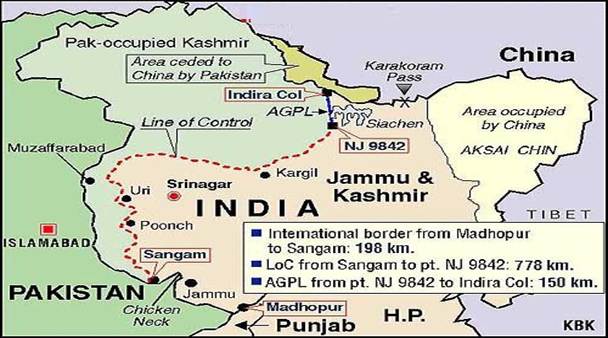
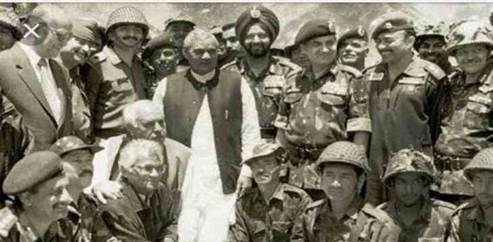
The Kargil Conflict, also known as the Kargil War, was a significant armed conflict that took place between India and Pakistan in the rugged terrain of the Kargil district in Jammu and Kashmir. Lasting from May to July 1999, this conflict brought the two nuclear-armed neighbors to the brink of a full-scale war and had profound implications for regional security. In this brief and detailed section, we will explore the causes, key events, military strategies, and outcomes of the Kargil Conflict.

1. Causes and Background

The roots of the Kargil Conflict can be traced back to the long-standing territorial dispute between India and Pakistan over the region of Jammu and Kashmir. The Line of Control (LoC), established in 1972, demarcated the de facto border between the two nations in the region. In early 1999, Pakistani military forces, operating covertly, infiltrated across the LoC into the Indian-controlled territory of Kargil. Their objective was to capture strategic positions along the heights and disrupt Indian supply lines.

2. Key Events and Military Strategies

The conflict began to escalate when the Indian Army discovered the presence of Pakistani infiltrators on the Indian side of the LoC. India responded by launching Operation Vijay, a military campaign aimed at evicting the Pakistani forces from the infiltrated positions. The challenging terrain of the Kargil sector, located at high altitudes in the Himalayas, posed significant logistical and operational challenges for both sides.

The Indian military, utilizing a combination of ground forces, artillery, and airpower, initiated a series of counter-offensives to dislodge the entrenched Pakistani troops. The Indian Air Force played a crucial role in providing close air support and carrying out targeted strikes against enemy positions. The conflict witnessed intense combat, with both sides engaging in artillery duels, infantry assaults, and aerial dogfights.

3. International Diplomacy and Escalation

As news of the conflict spread, international pressure mounted on Pakistan to withdraw its forces from the Indian side of the LoC. The international community, including the United States, urged Pakistan to respect the sanctity of the Line of Control and resolve the dispute through diplomatic means. India, on the other hand, maintained that the infiltrators must be completely expelled before any negotiations could take place.
The conflict witnessed a dangerous escalation when Pakistan attempted to widen the scope of the conflict by targeting Indian cities with cross-border shelling. This move heightened tensions between the two nations, with fears of a broader war and concerns over the nuclear capabilities of both countries.

4. Resolution and Aftermath

Despite the challenging terrain and intense combat, the Indian military gradually regained control of the infiltrated areas. Pakistan faced mounting international pressure and diplomatic isolation, leading to a decision to withdraw its forces. By July 26, 1999, India declared a complete military victory, and Pakistan began a phased withdrawal of its troops.

5. The Kargil Conflict had several significant implications

It underscored the importance of vigilance along the Line of Control, exposed vulnerabilities in border security, and highlighted the need for improved intelligence and surveillance capabilities. The conflict also served as a reminder of the nuclear threat posed by the neighboring nations and the potential risks associated with their ongoing territorial disputes.

The Kargil Conflict was a stark reminder of the volatile nature of the India-Pakistan relationship and the deep-rooted issues surrounding the region of Jammu and Kashmir. The conflict tested the military capabilities, resolve, and diplomatic channels of both nations. While it resulted in a military victory for India, the Kargil Conflict serves as a sobering reminder of the constant challenges and complexities faced in maintaining peace and stability in the region.

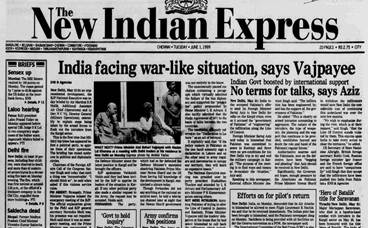
The Kargil Conflict, which took place between India and Pakistan in 1999, presented unique challenges for media coverage due to the remote mountainous terrain and the limited access journalists had to the conflict zone. Analyzing the Kargil Conflict from the media’s perspective reveals the role of media in shaping public opinion, the challenges faced by journalists in reporting on a sensitive military operation, and the impact of media coverage on the conduct of the conflict and subsequent diplomatic efforts.

Limited Access and Reporting Challenges

The Kargil Conflict unfolded in a geographically challenging region, making it difficult for journalists to access the conflict zone. The remote locations, rugged terrain, and hostile weather conditions presented significant logistical challenges for journalists. Limited access to the frontlines and the need to rely on official briefings and military press releases posed difficulties in providing comprehensive and independent reporting.

1. Embedding Journalists and Official Narratives

During the Kargil Conflict, embedding journalists with military units was not a prevalent practice. Journalists had to rely on official military statements and information provided by the government. This reliance raised concerns about potential biases and the framing of the conflict through the lens of official narratives. Journalists faced the challenge of balancing their access to information with their responsibility to provide objective reporting.

2. Coverage of Human Stories and Sacrifices

Despite the limitations, journalists sought to cover the human side of the conflict by reporting on the stories of soldiers, their sacrifices, and the impact on their families. This focus on human stories added depth and emotional resonance to media coverage, helping the public connect with the personal experiences and hardships faced by those involved in the conflict.

3. Nationalism, Patriotism, and Media

Media coverage of the Kargil Conflict in India was marked by a surge in nationalism and patriotism. Journalists were faced with the challenge of reporting on the conflict objectively while responding to public sentiment and expectations. The media played a role in shaping public opinion, fostering a sense of unity, and garnering support for the military operation.

4. Information War and Propaganda

The Kargil Conflict witnessed an information war, with both India and Pakistan attempting to control the narrative and manipulate public perception. Governments on both sides disseminated propaganda, highlighting their military successes and downplaying their losses. Journalists had to critically analyze the information provided by official sources and navigate through conflicting claims to present an accurate picture to the public.

5. Public Engagement and Media’s Role

Media coverage of the Kargil Conflict played a significant role in engaging the public and fostering a sense of national solidarity. The reporting provided updates on the progress of military operations, showcased the bravery of soldiers, and sought to rally public support for the war effort. The media acted as a bridge between the frontlines and the public, keeping the nation informed and invested in the outcome of the conflict.

6. Diplomatic Implications and Peace Efforts

Media coverage of the Kargil Conflict also had implications for diplomatic efforts and peace negotiations between India and Pakistan. The reporting helped shape the public discourse surrounding the conflict and influenced the political environment. The media played a role in holding the government accountable, scrutinizing decision-making, and providing insights into the diplomatic efforts aimed at resolving the conflict peacefully.

7. Aftermath and Lessons Learned

The media’s coverage of the Kargil Conflict raised important questions about the conduct of the war and subsequent lessons learned. Journalists reflected on the limitations of reporting in conflict zones, the importance of independent verification, and the need to critically analyze official narratives. The conflict highlighted the significance of the media’s role in shaping public opinion and the responsibility of journalists to present a comprehensive and accurate account of events.

Media coverage of the Kargil Conflict played a crucial role in shaping public understanding, fostering national unity, and influencing the diplomatic efforts that followed. Despite the challenges of limited access and reliance on official narratives, journalists strove to provide comprehensive reporting, highlighting the human stories, sacrifices, and impact of the conflict. Media coverage also brought forth the complexities of an information war and the need for critical analysis of official claims.

The media’s portrayal of the Kargil Conflict sparked a surge of patriotism and national unity, with journalists playing a pivotal role in engaging the public and rallying support for the military operation. However, this heightened nationalism also presented challenges in maintaining objective reporting and critical analysis. Journalists faced the delicate task of balancing their duty to inform the public with their responsibility to question and scrutinize official narratives.

The media coverage of the Kargil Conflict extended beyond national borders, with international media outlets reporting on the developments and diplomatic efforts. The coverage influenced diplomatic discussions, public perceptions, and peace negotiations between India and Pakistan. Journalists played a crucial role in holding the government accountable, scrutinizing decision-making processes, and facilitating informed public discourse on the conflict’s aftermath.

The lessons learned from the media’s coverage of the Kargil Conflict emphasized the importance of independent journalism, verification of information, and critical analysis of official narratives. Journalists faced the challenge of reporting on a sensitive military operation while maintaining objectivity and avoiding the pitfalls of propaganda. The conflict underscored the media’s role in shaping public opinion, fostering national unity, and influencing diplomatic outcomes.

In conclusion, the media’s coverage of the Kargil Conflict exemplified the challenges and responsibilities faced by journalists reporting on sensitive military operations. Despite limited access and reliance on official narratives, journalists sought to provide comprehensive reporting, highlight human stories, and engage the public in understanding the impact of the conflict. The media played a crucial role in fostering national unity, shaping public perceptions, and influencing diplomatic efforts. The lessons learned from the media’s coverage continue to inform the practice of journalism in conflict zones, emphasizing the importance of independence, critical analysis, and responsible reporting.

SURGICAL STRIKES ON PAKISTAN

Introduction

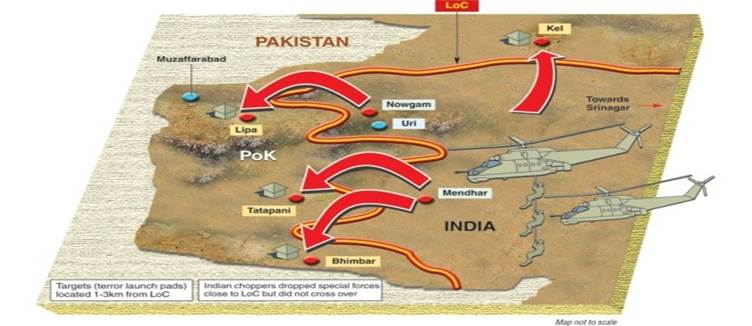
In response to the devastating terrorist attack on an Indian military base in Uri on September 18, 2016, India launched a bold and unprecedented operation known as the “surgical strike.” This meticulously planned military action aimed to strike terrorist launch pads across the Line of Control (LoC) in Pakistan-administered Kashmir. In this brief and detailed section, we will explore the circumstances leading up to the surgical strike, the execution of the operation, its strategic implications, and the aftermath.

Source Image: India Today

1. Background and Justification

The Uri attack, orchestrated by Pakistan-based terrorist groups, resulted in the loss of 19 Indian soldiers. The brazen assault on the military base sparked outrage and a strong desire for retribution among the Indian populace. The attack underscored the urgent need for India to respond to such acts of terrorism originating from across the border.

2. Execution of the Surgical Strike

On the intervening night of September 28-29, 2016, India’s Special Forces conducted a surgical strike across the LoC. The operation involved targeted strikes on multiple terrorist launch pads located in the vicinity of the LoC. Special Forces units infiltrated deep into enemy territory under the cover of darkness, neutralizing terrorists and destroying infrastructure without causing collateral damage or escalating the conflict.

The surgical strike showcased India’s military precision, with troops employing advanced surveillance equipment, night vision devices, and GPS-guided munitions to carry out the operation. The mission’s success hinged on maintaining secrecy, minimizing risks, and swiftly withdrawing after achieving its objectives.

3. Strategic Implications and Global Response

India’s surgical strike on Pakistan marked a significant departure from its previous restrained approach to cross-border counterterrorism operations. By directly targeting terrorist infrastructure on Pakistani soil, India aimed to send a clear message that it would not tolerate cross-border terrorism. The surgical strike demonstrated India’s willingness to take proactive measures to protect its national security interests.

4. The global response to the surgical strike was varied

While many nations, including the United States, expressed understanding of India’s concerns regarding terrorism, some called for restraint and de-escalation of tensions between the nuclear-armed neighbors. Pakistan denied the occurrence of any surgical strike and downplayed the incident as routine border skirmishes.

5. Aftermath and Future Implications

The surgical strike significantly impacted the dynamics between India and Pakistan. It signaled India’s resolve to respond decisively to terrorist attacks and put Pakistan on notice regarding its support for militant groups. The surgical strike also had domestic implications, boosting the morale of the Indian armed forces and garnering public support for the government’s strong stance against terrorism. However, the surgical strike did not eliminate the threat of terrorism completely. The incident underscored the need for sustained efforts to dismantle terrorist networks, enhance border security, and improve intelligence-sharing mechanisms to prevent future attacks.

India’s surgical strike on Pakistan in response to the Uri attack showcased the nation’s determination to combat cross-border terrorism and protect its national security interests. The operation exemplified precision, careful planning, and a commitment to minimizing collateral damage. While the surgical strike served as a strategic statement, it also highlighted the ongoing challenges posed by terrorism in the region and the need for continued efforts to address the root causes of such acts.

Analyzing the media’s perspective on the surgical strikes conducted by India on Pakistan reveals a complex interplay between patriotism, media coverage, and the challenges of reporting on sensitive military operations. The surgical strikes, which took place in 2016 and 2019, were significant events that garnered widespread attention and sparked intense media coverage. Examining the media’s role in reporting these strikes sheds light on the challenges faced by journalists, the influence of nationalism and public sentiment, and the ethical considerations that come into play.

6. Limited Access and Information Control

Reporting on surgical strikes presented unique challenges due to limited access to the actual operations and the high level of information control by the respective governments. Journalists faced restrictions on entering the conflict zones and gathering firsthand information. They had to rely on official statements, government briefings, and military sources, which raised concerns about the potential bias and the need for independent verification.

7. Nationalism, Jingoism, and Media Coverage

The surgical strikes invoked strong nationalist sentiments in India, which had a significant impact on media coverage. Journalists faced the challenge of balancing their responsibility to provide accurate and objective reporting with the expectations and sentiments of the public. The media played a role in fostering patriotism and national unity, often amplifying the government’s narrative and evoking jingoistic sentiments.

8. Verification and Independence

The veracity of surgical strikes was a subject of debate and skepticism, particularly from the Pakistani side. Journalists had the responsibility to verify the facts and independently corroborate the claims made by the government. The challenge of obtaining reliable information, given the sensitive nature of the operations, required journalists to exercise caution and seek multiple perspectives to ensure accurate reporting.

9. Propaganda and Counter-Narratives

The surgical strikes triggered a battle of narratives and propaganda between India and Pakistan. Both sides sought to shape public perception through media channels and social media platforms. Journalists had to navigate through conflicting claims, propaganda, and disinformation campaigns, emphasizing the need for critical analysis and fact-checking to present an accurate picture to the public.

10. Ethical Considerations and Sensationalism

Reporting on sensitive military operations like surgical strikes raised ethical dilemmas for journalists. They had to balance the duty to inform the public with the potential risks of compromising national security or escalating tensions. Sensationalism and exaggeration were potential pitfalls that journalists had to avoid, ensuring responsible reporting and maintaining the public’s trust.

11. International Coverage and Diplomatic Implications

The surgical strikes received significant international attention, with media outlets around the world reporting on the developments and their implications. Journalists played a role in shaping international perceptions, influencing diplomatic discussions, and generating debates on the escalation of tensions between India and Pakistan. Reporting on the strikes required a nuanced understanding of regional dynamics and geopolitical implications.

12. Social Media and Instantaneous Reporting

The advent of social media platforms intensified the speed and reach of information dissemination during the surgical strikes. Journalists had to grapple with the challenges of handling unverified information, rumors, and the rapid spread of unfiltered narratives. The responsibility to fact-check, verify sources, and present accurate information became even more crucial in this era of instant reporting.

13. Public Sentiment and Media Accountability

The media’s coverage of the surgical strikes played a significant role in shaping public sentiment and influencing public opinion on national security issues. However, media accountability and responsible reporting became crucial in avoiding misinformation, sensationalism, and the manipulation of public sentiment. Journalists were under scrutiny to maintain objectivity and adhere to ethical standards amidst intense nationalistic fervor.

The media’s coverage of the surgical strikes on Pakistan exemplified the complexities and challenges faced by journalists reporting on sensitive military operations. Balancing the responsibility to inform the public with the need for independent verification and critical analysis proved to be essential. The media’s role in fostering nationalism, shaping public sentiment, and navigating the battle of narratives between India and Pakistan was evident in the coverage of the surgical strikes. Journalists were tasked with maintaining their independence and providing accurate reporting while being mindful of the potential for propaganda and sensationalism.

14. Ethical considerations

  1. Ethical considerations played a crucial role in the media’s coverage of the surgical strikes. Journalists had to carefully weigh the potential risks of compromising national security or escalating tensions against the public’s right to be informed. Responsible reporting necessitated verifying facts, seeking multiple perspectives, and presenting a balanced view of the events.
  • The emergence of social media as a powerful platform during the surgical strikes added a new layer of complexity to media coverage. Journalists had to contend with the rapid dissemination of unverified information and the need to counteract misinformation and disinformation. Fact-checking and responsible use of social media became imperative in ensuring accurate reporting and countering potential biases.
  • International media coverage of the surgical strikes had diplomatic implications, with journalists playing a role in shaping international perceptions and influencing diplomatic discussions. Understanding the geopolitical context and presenting a nuanced view of the events became essential in accurately portraying the situation and avoiding further escalation.
  • The media’s accountability to the public was a critical aspect of the coverage. Journalists were under scrutiny to maintain objectivity, adhere to journalistic standards, and provide accurate and unbiased reporting. Journalistic integrity and transparency were key in maintaining public trust, particularly during a time of heightened nationalism and emotionally charged events.

Conclusion

The coverage of the surgical strikes demonstrated the evolving role of the media in reporting on sensitive military operations. Journalists faced challenges of limited access, verification of information, and navigating the complexities of nationalism and propaganda. Ethical considerations and responsible reporting were paramount in ensuring accurate and unbiased coverage, while social media added new dimensions and challenges to the media landscape.

In conclusion, the media’s perspective on the surgical strikes reflected the intricate dynamics of reporting on sensitive military operations. Journalists had to navigate through limited access, nationalist sentiments, propaganda, and ethical considerations to provide accurate and responsible reporting. The media’s role in shaping public sentiment, influencing international perceptions, and upholding journalistic integrity played a significant role in the coverage of the surgical strikes and its subsequent impact on public discourse and diplomatic efforts.

The bill, which was mostly written by Graham and Sen. Richard Blumenthal, D-Conn., lets the government put tariffs and other penalties on countries that buy oil, gas, uranium, and other goods from Russia.

US President Donald Trump has “greenlit” a bill that would put more sanctions on Russia and its trade partners, including India. This is part of his plan to end the war in Ukraine by putting more pressure on Russia.

Sen. Lindsey Graham, a Republican, says that Trump has approved a bill that would put penalties on Russia. Graham told reporters that he hopes the same thing will be voted on as soon as next week.

“After a very productive meeting with President Trump today about several issues, he gave the go-ahead for the bipartisan Russia sanctions bill.”” In my speech, I said, “I look forward to a strong bipartisan vote, hopefully as early as next week.”

He also said that this bill will “let” Trump “punish countries that buy cheap Russian oil that powers Putin’s war machine.”

This list of countries will include India, which already pays a high tariff because it buys oil from Russia. It is meant to hurt Russia’s trade allies.

Trump signs off on a bill that threatens a 500% tax.

Republican Senator Graham wrote on X that the President signed off on the bill, which will also punish countries that buy uranium from Russia, after a “productive” meeting on Wednesday. He also said that the bill could be voted on as soon as next week. It’s a good time for this because Ukraine is giving in on peace, while Putin just talks and kills innocent people. He also said, “This bill will let President Trump punish countries that buy cheap Russian oil and help Putin’s war machine.”

“President Trump would have a lot of power with this bill over countries like China, India, and Brazil to make them stop buying cheap oil from Russia, which pays for Putin’s bloodbath in Ukraine. I hope for a strong vote from both parties as soon as next week, he said.  In Washington,

As soon as next week, US tariffs on India and China could go up by as much as 500%. This is because President Donald Trump has signed off on the bipartisan Russia Sanctions Bill, which could be used to punish Russia’s trade partners, like India, China, and Brazil, for buying oil from Russia.

A well-known defense hawk in the Republican Party, Senator Lindsey Graham, said the bill would give the US power to stop India, China, and Brazil from buying Russian oil, and it would punish countries that “feed Putin’s war machine.”

The bill, which was mostly written by Graham and Democratic Senator Richard Blumenthal, lets the government put up to 500% tariffs and secondary penalties on countries that buy oil, gas, uranium, and other goods from Russia. The aim is to sever Russia’s primary funding source for its military operations.

As per the official website of US Congress, the bill titled “Sanctioning of Russia Act 2025” by Graham seeks to impose several provisions, including

 • The President is required to impose visa and property-blocking sanctions on specified individuals, including the Russian president, certain Russian military commanders, and any foreign person who knowingly provides defense items to the Russian armed forces;
 • the President must increase the rate of duty on all goods and services imported from Russia into the United States to at least 500% relative to the value of such goods and services;
 • the President must increase the rate of duty on all goods and services imported into the United States from countries that knowingly engage in the exchange of Russian-origin uranium and petroleum products to at least 500% relative to the value of such goods and services;
 • the Department of the Treasury must impose property-blocking sanctions on any financial institution organized under Russian law and owned wholly or partly by Russia, and any financial institution that engages in transactions with those entities; and
 • The Department of Commerce must prohibit the export, reexport, or in-country transfer to or in Russia of any U.S.-produced energy or energy product.
The White House had previously insisted that the sanctions package be changed and that Trump be given some freedom. However, the White House source on Wednesday did not say more about whether any changes were made.

Introduction

Rural marketing in India emphasizes adapting products and services to low-income, infrastructure-challenged areas using the 4As: Acceptability, Affordability, Availability, and Awareness. Product strategies focus on smaller packs and durable designs, while service strategies leverage micro-entrepreneurship and digital tools for last-mile reach.​

Product Strategies

Companies modify products for rural needs by introducing small, affordable sachets (Low Unit Packs or LUPs) to enable trials, enhancing durability for tough conditions, and localizing branding for cultural resonance. Examples include CavinKare’s 4 ml Chik shampoo sachets at 50 paise and Coca-Cola’s Rs.5 bottles to compete with local drinks like tea. LG’s Sampoorna TV with Devanagari script displays catered to vernacular language users.​

Service Strategies

Services prioritize empowerment and tech-enabled distribution, training locals as agents for door-to-door delivery and using apps for retailer access. HDFC Bank’s “Har Gaon Hamara” campaign deploys IVR toll-free numbers for banking education and loans in villages. Digital tools like ITC’s Unnati App and Virtual DS help stockists reach remote retailers efficiently.​

Key Case Studies

Case StudyDescriptionImpact
HUL Project Shakti ​Trains rural women (Shakti Ammas) as micro-entrepreneurs to sell HUL FMCG products door-to-door, customizing small packs for affordability.Reaches 165,000+ villages, empowers 130,000+ women, and boosts hygiene and brand loyalty.
ITC e-Choupal ​Sets up internet kiosks for farmers to access crop prices, buy inputs, and sell produce, extending to FMCG distribution via hubs.Serves 4 million farmers across 40,000 villages, increases soy planting by 40%, and cuts middlemen costs.
Coca-Cola Rural Push ​Launches Rs.5 bottles, pop-up stores at 47,000 haats/melas, and wall paintings for awareness.Rural penetration rises from 9% to 25%, with sales up 37% by 2003.

1. Product Customization and Innovation

Strategy: Tailor products to meet the unique needs and preferences of rural consumers, often focusing on affordability, durability, and simplicity.

Example: Hindustan Unilever’s “Wheel” detergent powder.

Case Study: Hindustan Unilever Limited (HUL) recognized that rural consumers wanted affordable detergents suited for handwashing in hard water conditions. They introduced “Wheel,” a low-cost detergent in small sachets. This packaging fit the rural buying pattern (small, frequent purchases), and the product was formulated to work with local water conditions. As a result, “Wheel” became a market leader in rural India.

2. Affordable Packaging (Small Packs)

Strategy: Offer products in small, affordable packaging to suit the lower purchasing power and consumption patterns of rural customers.

Example: Shampoo sachets (e.g., Clinic Plus, Chik Shampoo).

Case Study: CavinKare pioneered the sale of Chik Shampoo in sachets for just Rs. 1, making it affordable for rural consumers who couldn’t buy large bottles. This revolutionized shampoo sales in rural India, leading to massive market penetration and encouraging other companies to adopt similar strategies.

3. Distribution Innovations

Strategy: Develop unique distribution models to reach remote rural markets where traditional supply chains may not be feasible.

Example: ITC’s “e-Choupal” initiative.

Case Study: ITC set up e-Choupal internet kiosks in villages, enabling farmers to access market prices, weather forecasts, and agricultural information. This not only boosted ITC’s agribusiness but also empowered farmers to make better decisions, increasing loyalty and trust towards ITC’s branded products (e.g., agri-inputs).

4. Community Engagement and Education

Strategy: Build trust by engaging rural communities through education, demonstration, and relationship-building activities.

Example: Nestlé’s “Project Shakti” (with HUL).

Case Study: HUL’s “Project Shakti” trained rural women as entrepreneurs to sell HUL products in their communities. This not only generated local employment and empowered women but also increased product reach and awareness through trusted local figures. Project Shakti now covers thousands of villages in India.

5. Service Extension and After-Sales Support

Strategy: Provide reliable after-sales service and support in rural areas to build long-term customer loyalty.

Example: Mahindra & Mahindra’s outreach for tractors.

Case Study: Mahindra & Mahindra set up a widespread network of service centers and mobile service vans to provide timely after-sales support for its tractors in rural areas. This strategy reduced farmers’ downtime during critical agricultural seasons and built strong brand loyalty, making Mahindra the market leader in rural farm equipment.

6. Bundled Products and Value Packs

Example: Tata Tea’s “Jaago Re” Campaign

Case Study: Tata Tea bundled its tea with awareness campaigns on social issues relevant to rural India, such as voting and education. This approach not only sold the product but also connected emotionally with rural consumers, increasing brand loyalty. By aligning the product with social causes, Tata Tea became a household name in many villages, demonstrating how value-addition and bundling can drive engagement.

7. Credit Facilities and Easy Financing

Example: Hero MotoCorp’s Rural Bike Financing

Case Study: Hero MotoCorp collaborated with local banks and microfinance institutions to offer easy, low-interest loans for rural customers purchasing motorcycles. This strategy overcame the affordability barrier and led to a sharp increase in sales in rural areas. By addressing the financial constraints of rural buyers, Hero MotoCorp strengthened its position as India’s leading motorcycle brand.

8. Localized Communication and Advertising

Example: Coca-Cola’s “Thanda Matlab Coca-Cola” Campaign

Case Study: Coca-Cola used local languages, dialects, and rural celebrities in their ad campaigns, such as “Thanda Matlab Coca-Cola.” The messaging was simple and relatable, resonating with rural audiences and making the brand easily recallable. The company also sponsored local fairs and events to increase visibility, helping Coca-Cola become a popular beverage even in remote villages.

9. Partnerships with Local Retailers

Example: Colgate’s Partnership with Rural Kirana Stores

Case Study: Colgate Palmolive built strong relationships with local kirana (grocery) stores, providing them with promotional materials and product displays. They trained shopkeepers to educate customers about oral hygiene and the benefits of Colgate products. This grassroots approach increased trust and product uptake, making Colgate the preferred toothpaste brand in many rural households.

10. Mobile-Based Services and Digital Outreach

Example: Nokia Life Tools

Case Study: Nokia launched Life Tools, a mobile-based information service offering rural farmers updates on weather, market prices, and agricultural tips via SMS. The service was affordable and didn’t require internet access, making it perfect for rural users. This added value to Nokia’s handsets, increased customer loyalty, and helped Nokia maintain its lead in rural mobile markets until the smartphone revolution.

11. After-Sales Service and Mobile Support

Strategy: Provide reliable after-sales service even in remote rural areas.

Example: Mahindra & Mahindra Tractors

Case Study: Mahindra & Mahindra established a network of service centers and mobile vans to provide quick repairs and maintenance for farm equipment in villages. This support minimized farmer downtime during critical harvest seasons, increased satisfaction and loyalty, and made Mahindra the most trusted tractor brand in rural India.

12. Use of Rural Brand Ambassadors

Example: Emami Fair and Handsome’s Use of Local Influencers

Case Study: Emami collaborated with local village leaders and influencers to promote Fair and Handsome cream in rural areas. By leveraging the trust villagers had in these local figures, Emami increased product credibility and adoption. This strategy helped the brand break into regions where urban celebrity endorsements had little impact, proving the power of localized branding.

13. Seasonal and Festival Offers

Example: Samsung’s Festival Discounts on Home Appliances

Case Study: Samsung launched special discounts and bundled offers on televisions and refrigerators during harvest and festival seasons, when rural incomes are higher. By timing promotions with local festivals, Samsung tapped into periods of higher spending and saw a significant boost in rural sales, demonstrating the value of aligning marketing strategies with rural economic cycles.

14. Experiential Marketing and Product Demonstrations

Example: Syngenta’s Crop Demonstration Camps

Case Study: Syngenta, an agrochemical company, organized field demonstration camps in villages to show the effectiveness of their seeds and crop protection products. Farmers could see results firsthand, ask questions, and receive technical guidance. This hands-on approach built trust, educated farmers, and led to increased adoption of Syngenta’s products across rural regions.

15. Collaborations with Government and NGOs

Example: Lifebuoy’s Handwashing Campaign with Schools

Case Study: Lifebuoy partnered with government schools and NGOs to run hygiene awareness programs in rural areas. Free soap samples were distributed, and children were taught proper handwashing. The campaign educated millions, created positive brand associations for Lifebuoy, and boosted soap sales in rural households as hygiene awareness grew.

16. Mobile Vans and Rural Outreach Programs

Example: Maruti Suzuki’s Mobile Service Vans

Case Study: Maruti Suzuki deployed mobile vans equipped with service staff and spare parts to offer on-the-spot servicing for cars in rural areas. These vans traveled to remote villages, providing convenience for customers who lacked access to service centers. This initiative not only improved customer satisfaction and loyalty but also increased Maruti’s brand presence in India’s vast rural landscape.

Introduction

In the vibrant political landscape of India, election campaigns play a crucial role in shaping public opinion. The Bharatiya Janata Party (BJP), one of India’s major political parties, has effectively utilized the media to amplify its messages and connect with voters. This section will provide an in-depth analysis of the BJP’s use of media in its election campaigns, exploring key strategies employed, their impact, and the broader implications for journalism.

1. Harnessing Mass Media

The BJP has leveraged traditional mass media channels, such as television, radio, and print, to disseminate its campaign messages. Through carefully crafted advertisements, interviews, and editorials, the party reaches a wide audience, maximizing its visibility and influence. Mass media platforms allow the BJP to target diverse segments of society and create a narrative that resonates with the electorate.

2. Digital Dominance

The BJP has embraced the digital era, recognizing the potential of social media and online platforms in reaching and mobilizing voters. The party’s extensive social media presence, including active accounts on platforms like Facebook, Twitter, and Instagram, enables direct communication with supporters and facilitates the rapid dissemination of party propaganda. This digital dominance has allowed the BJP to engage with tech-savvy audiences and counter rival narratives.

3. Narrative Building

BJP election campaigns are characterized by their ability to craft persuasive narratives. The party strategically positions itself as a champion of nationalism, development, and cultural preservation. By utilizing media platforms, the BJP has effectively propagated its ideologies and policy initiatives, often presenting them as the solutions to the nation’s challenges. This narrative building creates an emotional connection with voters and reinforces the party’s image.

4. Media Management

The BJP has adeptly managed media relations, nurturing favorable relationships with select media outlets. Through exclusive interviews, press conferences, and well-placed opinion pieces, the party ensures its messages are amplified by sympathetic journalists and media houses. By establishing a symbiotic relationship, the BJP maintains a positive media narrative while keeping detractors at bay.

5. Balancing Political Communication

The BJP employs a delicate balance between centralized political communication and decentralized messaging. The party’s leadership, including icons like the prime minister, sets the overarching agenda and narrative. However, regional and local leaders are empowered to tailor their messages to specific constituencies, ensuring a personalized approach that resonates with diverse voter groups.

6. Controversies and Media Scrutiny

Media coverage of the BJP’s election campaigns is not without controversy. Critics accuse some media outlets of biased reporting, favoring the party and providing uncritical coverage. On the other hand, the BJP often faces intense media scrutiny, particularly regarding sensitive issues such as religious tensions or policy decisions. These dynamics reflect the delicate balance between media objectivity and partisan biases.

7. Amplification through Public Events

In addition to mass media and digital platforms, the BJP leverages large-scale public events as a powerful tool for media coverage. Rallies, roadshows, and public addresses featuring key party leaders generate immense media attention. These events create a sense of momentum and enthusiasm around the party, projecting an image of widespread support and energizing the party’s cadre.

8. Branding and Symbolism

The BJP excels in crafting a strong brand identity and employing symbolic messaging in its election campaigns. The party’s distinctive logo, slogans, and symbols, such as the lotus flower, effectively create a visual association with the BJP’s values and ideology. This branding strategy enhances recognition and recall among voters, further reinforced through media coverage and advertisements.

9. Strategic Messaging

The BJP carefully tailors its messaging to appeal to different segments of society. By understanding the diverse demographics and regional dynamics of India, the party delivers targeted messages that resonate with specific voter groups. The media plays a crucial role in amplifying these messages, ensuring they reach the intended audiences and generate the desired impact.

10. Responding to Media Landscape Changes

The BJP has displayed an ability to adapt to evolving media trends. As the consumption patterns shift towards digital platforms, the party has embraced technologies such as live streaming, podcasts, and interactive content to engage with a younger and tech-savvy audience. This adaptability allows the BJP to remain at the forefront of media innovation and maintain relevance in an ever-changing media landscape.

The BJP’s use of media in its election campaigns highlights the party’s astute understanding of the evolving media landscape and its potential to shape public opinion. Through a multifaceted media strategy that encompasses mass media, digital platforms, narrative building, and media management, the BJP has successfully connected with voters, disseminated its political agenda, and consolidated its support base. This case study emphasizes the importance of journalistic scrutiny, media ethics, and the responsibility of journalists to provide fair and unbiased coverage of political campaigns.

The BJP’s adept use of media in its election campaigns has contributed significantly to the party’s electoral success and political influence in India. Through a multi-pronged approach encompassing mass media, digital platforms, public events, branding, and strategic messaging, the BJP has effectively shaped public opinion, mobilized voters, and projected a powerful political image. This case study serves as a reminder of the dynamic interplay between politics and media, highlighting the importance of media literacy, ethical journalism, and critical analysis in navigating the complexities of political campaigns.

For aspiring journalists, understanding the BJP’s media strategies provides invaluable insights into the evolving role of media in democratic processes. It underscores the need for journalistic integrity, responsible reporting, and the constant evaluation of media’s impact on the political landscape. By studying and analyzing the BJP’s media tactics, journalism students can learn more about the media’s influence on electoral politics and develop the skills necessary to navigate this dynamic relationship.

For example:

These examples highlight the BJP’s effective use of media to shape public opinion, mobilize supporters, and maintain a strong political presence. They underscore the significant influence that media platforms and coverage can have on election outcomes and the subsequent implications for democratic processes.

  1. Extensive Media Coverage: The BJP’s election campaigns receive extensive media coverage across various platforms, including television, radio, print, and digital media. This broad coverage ensures that the party’s messages and campaign events reach a wide audience, increasing visibility and generating public discourse.
  1. Strategic Messaging and Sound Bites: The BJP effectively utilizes strategic messaging to convey its agenda and policies. The party crafts concise and impactful sound bites that resonate with the electorate and are easily picked up by the media. These carefully crafted messages, often backed by slogans and catchphrases, help shape public opinion and maintain a consistent narrative.
  1. Media Management: The BJP maintains strong relationships with select media outlets, ensuring favorable coverage and amplification of its messages. Party leaders regularly engage with journalists, granting interviews and participating in press conferences, providing exclusive news stories and access. This media management strategy helps the BJP maintain a positive media image and control the narrative surrounding its campaigns.
  1. Social Media Dominance: The BJP has embraced social media as a powerful tool in its election campaigns. The party effectively utilizes platforms such as Twitter, Facebook, and YouTube to disseminate its messages, engage with supporters, and counter rival narratives. With a robust social media presence, the BJP reaches a vast online audience, including tech-savvy youth, shaping political discourse and mobilizing support.
  1. Influencer Endorsements: In recent years, the BJP has leveraged the influence of social media influencers and celebrities to garner support. Prominent individuals with large followings on platforms like Instagram and YouTube are often seen endorsing the party’s campaigns, policies, and leaders. These endorsements attract attention, generate buzz, and sway public opinion through the power of celebrity influence.
  1. Narrative Building and Branding: The BJP is adept at building a strong narrative and branding itself effectively. The party projects a clear and consistent image, emphasizing themes such as nationalism, cultural preservation, and economic development. The media plays a crucial role in amplifying this narrative, which resonates with the party’s supporters and creates a sense of identity among its base.
  1. Visual Spectacles and Public Events: The BJP organizes large-scale public events, rallies, and road shows that capture media attention and create visual spectacles. These events, often featuring prominent party leaders, are meticulously planned to generate enthusiasm, demonstrate strength, and project a powerful image of public support. Media coverage of these events contributes to the party’s visibility and reinforces its messaging.

Introduction

In the dynamic world of politics, the role of the media in shaping public opinion and facilitating democratic processes cannot be overstated. In the context of general elections, the media acts as a vital intermediary between political parties and the citizens. This section explores the significance of media, both national and international, in influencing and reporting on general elections, with a focus on India. Prominent examples from recent history highlight the impact of media coverage on election outcomes, while shedding light on the responsibilities and challenges faced by journalists.

I. NATIONAL MEDIA

The Indian media landscape is vibrant and diverse, consisting of print, television, radio, and digital platforms. Here are key aspects of the national media’s role in general elections:

1. Dissemination of Information

National media plays a crucial role in disseminating information about political parties, candidates, their agendas, and campaign strategies. Through news reports, interviews, and debates, media outlets keep citizens informed, enabling them to make well-informed choices.

2. Shaping Public Opinion

Media has the power to shape public opinion, and during elections, it plays a significant role in influencing voters. By highlighting key issues, analyzing policies, and conducting opinion polls, the media guides public sentiment and can impact electoral outcomes.

3. Monitoring Political Parties

The media acts as a watchdog by monitoring the actions of political parties during elections. It exposes corruption, scandals, and unethical practices, thereby holding parties accountable and fostering transparency in the electoral process.

4. Facilitating Debates and discussions.

National media platforms provide a stage for political debates, panel discussions, and interviews with candidates. These forums allow voters to assess different perspectives, enabling them to make informed decisions at the polls.

Example: The 2014 Indian General Elections

The 2014 General Elections in India witnessed extensive media coverage, with television news channels and digital platforms playing a pivotal role. The Bharatiya Janata Party’s (BJP) prime ministerial candidate, Narendra Modi, effectively utilized social media and public rallies to communicate his vision directly to voters, while media outlets provided real-time analysis and updates on the electoral process.

II. INTERNATIONAL MEDIA

International media plays a crucial role in providing a global perspective on general elections. Here are some key aspects:

1. Broadening Awareness

International media coverage of general elections extends beyond national boundaries, increasing global awareness of political developments and their impact. This broadened perspective allows citizens to understand the interconnectedness of political systems worldwide.

2. Reporting on Key Issues

International media highlights significant issues in general elections, such as socio-economic challenges, foreign policy implications, and human rights concerns. This coverage encourages cross-country dialogue and brings attention to global implications arising from election outcomes.

3. Assessing Democratic Processes

International media outlets often assess the democratic processes and fairness of elections in different countries. Their reporting on issues like voter suppression, electoral fraud, or the role of money in politics raises awareness and fosters accountability.

Example: United States Presidential Elections

The United States presidential elections draw extensive international media coverage due to the country’s global influence. Coverage often focuses on campaign strategies, policy differences, and the potential impact of the election on international relations and global issues such as climate change, trade, and security.

The role of media in general elections is of paramount importance in shaping public opinion, facilitating democratic processes, and fostering accountability. Whether through national media platforms that inform, engage, and monitor political processes at home or international media outlets that provide a broader perspective, media plays a crucial role in influencing and reporting on elections. By understanding this role, aspiring journalists can embrace their responsibilities and contribute to a vibrant and informed democracy.

Introduction

Generic advertising provides a unique window through which to observe advertising effects on market performance, because changes in the dispersion of consumers’ valuations systematically redistribute rents among firms according to observable characteristics of producer size.

According to the American Marketing Association, AMA Dictionary. “Generic advertising is an approach to preparing advertising messages that concentrates on the customer benefits that apply to all brands in a product category, rather than benefits that are unique to specific brands.”

According to advertising wearout, defined as the declining effectiveness of a commercial or campaign associated with increased exposure, it is examined from a generic advertising perspective.

Generic advertising campaigns of the type typically undertaken by agricultural commodity groups differ from branded advertising in that the former seek to increase aggregate demand for a product category (e.g., beef, milk, wool) rather than the market share of a particular brand within a category. For example, most commodities in the United States have check-off programs assessing producers for generic advertising and promotion, a public good for producers. Examples of the more popular programs include “Got Milk?” and “Beef, It’s What’s for Dinner,” etc.

Generic advertising is a type of marketing designed to promote a general product rather than a specific brand name. Such campaigns have been produced for everything from fresh milk to gemstones. This type of advertising does not mention particular brand names but attempts to build consumer support for the product in general.

Does the industry need generic advertising today?

Generic Advertising of Rhein Maas

Since 1 July 2018, Veiling Rhein-Maas has collected a levy for generic promotion from the auction customers, which is passed on to the two above-mentioned initiatives. Below, you can find all relevant information about the possibilities that ‘Flower Council of Holland’ and ‘Blumen—1000 Gute Gründe’ offer to the customers of the auction as well as the next upcoming events, presentations, and campaigns.

Flower Council of Holland

The ‘Flower Council of Holland’ takes care of the consumer-oriented promotion of flowers and plants in various European countries. Funnyhowflowersdothat.co.uk and thejoyofplants.co.uk are showing the customer that flowers make us happy and that everything is a little bit less stressed and more comfortable in the company of plants. You can also find both brands on Facebook, Twitter, Pinterest, and Instagram.

In addition, the ‘Flower Council of Holland’ regularly launches campaigns such as ‘Houseplant of the Month,’ ‘Garden Plant of the Month,’ and the ‘Flower Agenda,’ where different flowers and plants are placed in the spotlight every month. The ‘Flower Council of Holland’ also provides you with photographic material (image bank), texts, posters, and graphics free of charge. Use these promotional materials to boost your sales! The initiative has also issued a calendar for 2019, which includes all the important days in the flower industry from several European countries.

Voluntary generic advertising in India

The ‘voluntary’ prefix says that only those companies that wish to pay towards the campaign do so. Such advertising is perhaps most prominent in the promotion of agricultural produce, with campaigns promoting milk, chicken, eggs, and other foodstuffs.

HUAWEI CASE STUDY

Introduction

The corporation known as Huawei Technologies Co., Ltd. is based in China. These days, Huawei is becoming a highly well-known firm all over the world as a result of the high technological quality of its goods and the innovations it has introduced. The Chinese corporation in question is the most prominent provider of information and communications technology infrastructure as well as intelligent gadgets on a global scale. Huawei achieves this by providing integrated solutions across four essential sectors: cloud services, smart devices, information technology, and telecommunications networks.

Huawei is dedicated to bringing digital technology to every individual, household, and business to create a world that is completely connected and intelligent. The purpose of our proposal is to investigate the international strategies that Huawei has been using to achieve its success. What distinguishes this corporation from its rivals? Could you elucidate why clients or customers choose Huawei over other organizations known for their technological capabilities? And what are some ways in which they might enhance their business to increase the number of customers they serve, as well as to expand their reach into new areas and make their products more competitive?

<A comprehensive study examines how Huawei Technologies made strategic decisions about when and how to enter an established market facing intense competition.</A> In addition to this, the study investigates the significant aspects of their business model, which include the precise pricing strategy, market segmentation, and the moment at which they entered the market.

1. Company profile

Huawei is a privately held firm that has more than 180,000 workers and conducts business in more than 170 countries across the globe. Huawei is a significant global provider of information and communication technology infrastructure as well as smart devices. They offer cloud services, smart devices, infrastructure for telecommunicatitos, and information technology. Their goal is to fulfill their commitment to providing digital technology to every individual, household, and bustoder to create a world that is fully linked and intelligent.
They have a vision and objective to bring digital to every person, home, and organization in order to create a world that is fully linked and intelligent, and at the moment, they are concentrating on information and communication technology (ICT) and intelligent gadgets.
According to Interbrand International, a renowned worldwide brand consultancy, Huawei experienced a growth of 21% in 201 in the rankings compared to the previous year, and the company’s brand value increased by 14%, which is approximately this year. Huawei moved up several places in the rankings from the previous year, and the company’s brand worth increased by 14%, which is equivalent to an estimated 7.6 billion US dollars.

A number of nations, including Silicon Valley and Dallas in the United States of America, Stockholm in Sweden, Moscow in Russia, Bangalore in India, and Beijing, Shanghai, Nanjing, Shenzhen, Hangzhou, and Guangzhou in China, are home to Huawei’s research and development facilities on a global scale.

2. Background

Huawei Technologies is the foremost global provider of telecommunications technologies and the second-largest privately held firm in China, with a vision “to enrich life through communication.” Huawei has established itself as one of the most active, rapidly expanding, and inventive global technology firms today. Their tactics have enabled the company to attain a status as one of the most significant and esteemed firms globally, behind Apple and Samsung. Moreover, their communication channels and logistics have also contributed to Huawei’s development and facilitated its expansion into new areas.

Huawei is a worldwide telecommunications solutions supplier primarily centered on customer requirements and innovation. With its distinctive comprehensive provision of equipment in telecom networks, global services, and devices, it has garnered a global reputation in wireline, wireless, and IP technologies, serving roughly one-third of the world’s population.

However, nations skeptical of Huawei’s transparency deficiencies voiced security apprehensions that hindered its globalization initiatives. ansion endeavors. However, Huawei’s globalization initiatives were hindered by security apprehensions voiced by nations dubious of its transparency deficiencies. The United States has strongly opposed Huawei’s expansion efforts within its borders. For Huawei to attain the status of a genuinely global enterprise, it was imperative to cultivate its market presence in the United States. This case study will examine Huawei’s expansion. Huawei has developed different entry modes based on the impact of US security concerns on its global development.

3. Entry mode to different markets

Different entry modes have been developed by Huawei, depending on the geographical distance between countries, different markets, and different products. Huawei is constantly thinking about the needs of their customers and what they can do to satisfy those needs and make them possible to obtain , Huawei has established a all people around the world. As a result, Huawei is also competing in terms of price. Among these unique approaches are the following:

In the Russian market, a joint venture. The market selection strategy employed by Huawei focuses on expanding into markets that have a limited telecommunications infrastructure but have significant potential for growth.

Export entry mode in countries such as south America, Asia and Africa, Huawei use the export method as an input mode, due to factors of great influence on both sides, these factors such as geographical distance and local market conditions, within this point is important to highlight that in countries such as Colombia, Huawei just offer smartphones and tablet, they have not exporting laptops and some others products they use to offer, the price also plays an important role within countries like Colombia, Ecuador and some others, because the products are high quality ones and consider as luxury and they are not as expensive as some others brand, so Huawei have gained lot of market within this countries.

There is a different entry mode for North America. Huawei had to face some challenges in order to penetrate this market, so they decided to use the same strategy to get into the American market as the one they use in Western Europe. this method include franchising, co-research, co-production (OEM) and co-sales (helping each other to sell products in each of their own markets). the table below reflects these alliances

Additionally, Huawei utilizes a variety of entrance techniques in a flexible manner for a variety of products, particularly those that do not offer any advantages. For example, in the field of 2G mobile networks, Huawei used to collaborate with established companies. In addition, the company employs the methods of joint ventures, franchising, or co-research for the products that they feel to be advantageous. These products have a technological advantage but do not have any commercial resources. Furthermore, Huawei’s astute strategy of brand collaborations throughout its development has been a crucial contributor to the company’s emergence from a regional player to a worldwide leader.

4. Promotional channels

According to Huawei, its services and products are currently being utilized in close to one hundred and forty nations all over the world. Additionally, the company provides its services to the five leading telecom sector operators in the global market.

76,000 of the company’s 170,000 employees are employed in the research and development department, which is responsible for ensuring that the company’s operations are carried out in an effective manner. China, Canada, the United States of America, Pakistan, Germany, Sweden, Colombia, Turkey, Russia, and other countries are among the countries that Huawei has established 21 research and development institutions in.

From the beginning, Huawei’s distribution channels have consistently been exceedingly efficient. It has a strong belief in the development of joint ventures with local authorities, and as part of this connection, it offers dividends to local authorities in exchange for their use of Huawei goods.

Due to the fact that Huawei believes in building an appropriate route of distribution that comprises distributors, a sales networking team, enterprises, and consumers, the brand Huawei does not currently deal directly with customers. At this point in time, it is of utmost significance for the corporation to produce a certain quantity of products on a specific day at a specific location. Location, market coverage, mobile phones, and the online market are all examples of what “place” refers to. It possesses two channels that are quite important. In the first place, there is a seller’s channel that establishes an office in the target market for the purpose of direct product sales. In the second place, there is a joint venture that is used to construct additional brand channels.

5. R&D Management System

The groundwork for all other advancements at Huawei is provided by their innovative management. To quickly seize fleeting market opportunities, the organization has implemented R&D management methods and fortified the support of its common platforms. A technology sharing system comprising multiple levels such as system design, platform, modules, and components has been built by Huawei with CBB, a hardware and software sharing module.

In addition to streamlining their processes and organizational framework to avoid technology leaks, Huawei advocates for standardized, component-based, and platform-specific management in their R&D. Huawei manages the time-to-market of goods, speeds up their response time to market demands, and organizes development progress at multiple levels using an asynchronous new product development process. Final product delivery is often possible within four days after contract signing. As a major competency, Huawei integrates breakthroughs in numerous sectors, which allows it to achieve the top in its field.

6. Market Share of Huawei

Global Smartwatch Shipments Market Share, Q2 2024 vs Q2 2025

Source: Global Smartwatch Shipments Tracker by Model, Q2 2025

Source Image: https://counterpointresearch.com/en/insights/global-smartwatch-market-q2-2025

Apple will take the top spot in worldwide shipment leadership for the first time. With more than three-quarters of its shipments centered in China and the bulk of its portfolio priced between $100 and $400, Huawei continues to provide a compelling range of smartwatches that appeal to a wide spectrum of consumers. Beyond that, Huawei has been gradually increasing its presence in other regions such as Europe, the Middle East, and Asia Pacific in order to broaden its worldwide customer base. Its growing smartphone user base in China, combined with its integrated ecosystem strategy, fueled this expansion.”

At the same time, Apple’s worldwide smartwatch shipments fell for the seventh consecutive quarter, resulting in the brand losing its position at the top of the global market. Nevertheless, it maintained its position at the forefront of the advanced smartwatch market, supported by the robustness of its iOS ecosystem and enduring user loyalty.

Xiaomi and Imoo experienced significant growth in their shipments during the quarter, each effectively targeting unique market segments among the top five players. Xiaomi dominated the basic smartwatch market, propelled by its focus on value and extensive geographic presence. Meanwhile, Imoo maintained its stronghold in the kids’ smartwatch market, utilizing its unique features and solid brand reputation among both young users and their parents. Samsung, a significant contender in the global market, experienced a 3% year-over-year decrease in shipments. The recent declines for both Apple and Samsung were largely influenced by consumers delaying purchases in expectation of new-generation devices anticipated to debut in Q3 2025.

7. Huawei Core Values:

  1. Customers Come First: Huawei exists to meet the needs of its customers, whose wants and needs drive our growth. Our buyers always get long-term value from us because we listen to their needs and wants. Because we can only be successful if our customers are successful, we judge our work by how much worth we bring to them.
  2. Dedication: Customers value and trust us because we work hard at what we do. It includes everything we do to make our services better and give our users more value. We appreciate what our employees do and reward them properly.
  3. Always Getting Better: We need to keep getting better so that we can be better partners for our customers, make our business better, and grow as people. To get better, we have to constantly listen and learn during this process.
  4. Be open and take the lead: Because we care about what our customers want, we are always looking for new ways to make things better for them. We think that business success is the best way to judge the worth of any new technology, product, solution, or method.
  5. Being honest: Honesty is the most important thing we have. We are honest and keep our promises because we want to earn the trust and respect of our customers.
  6. Working together: We can only do well if we work together. By working together closely through good and bad times, we set the stage for successful cross-cultural teamwork, streamlined departmental cooperation, and processes that work well.

8. Human resources

Ren Zhengfei is the principal shareholder of Huawei, possessing a 1.4% stake. The remaining 98.6% is owned by Huawei personnel. By the conclusion of 2014, out of 170,000 employees, 80,000 possessed an equity interest in the company, with no external stakeholders present.
Interviews with over 100 Huawei executives indicate that the majority endorse the employee shareholding arrangement, fostering a collective ownership mentality of “fighting the fight together.”

9. Finance

Based on the exchange rate at the end of that reporting period, Huawei’s revenue for the first half of 2018 was 325.7 billion yuan, or approximately $49 billion. Based on year-end exchange rates, the Chinese company recorded $92.5 billion in revenue for the entire year of 2017.
Strong success in a number of industries, particularly the consumer sector, which has been steadily increasing, has been the main driver of the expansion thus far. By market share, Huawei has surpassed Apple to become the second-largest smartphone manufacturer in the world.

10. Challenges and competition analysis

Despite Huawei’s remarkable success over the past three decades, it faces distinct business obstacles. In the rapidly evolving digital and technology sector, it remains crucial for Huawei to prioritize innovation within its strategy.

Despite maintaining an innovative trajectory, Huawei confronts numerous challenges stemming from intense competition within the industry and the historical failures of comparable enterprises. History demonstrates that monopolistic dominance is ephemeral; structural dynamics in every sector have evolved and will persist in changing, as exemplified by BlackBerry’s decline from its former prominence. The foremost error of successful organizations is complacency. For Huawei, merely advancing research and development is inadequate. Nokia allocated tenfold resources to R&D compared to Apple over an extended duration, erroneously focusing on items that catered to its primary market segment while neglecting the limited consumer interest in prospective touch-screen technology. Likewise, Huawei must consistently endeavor to fulfill and anticipate future consumer demands rather than merely addressing present ones. Moreover, a current benefit of Huawei is its status as a wholly employee-owned private enterprise, which will undoubtedly draw interest from investors seeking to capitalize on its remarkable growth.

A significant challenge Huawei encountered in its transition from a Chinese technological firm to a global entity was its brand image in the United States, where the most formidable obstacle in Huawei’s global strategy was the disparagement campaign orchestrated by the U.S. government. Intelligence officials have advised American companies against engaging in business with Huawei owing to probable Chinese state influence and security apprehensions. Furthermore, this company has been actively seeking an opportunity to expand into North America, which constitutes approximately 20% of global telecommunications expenditure. Since a 2007 article revealed CEO Ren Zhengfei’s military history, Huawei has been designated as a political target. Prior to establishing Huawei in 1987, Ren served as a civil engineering director for the Chinese military. Huawei presently supplies telecommunications equipment to prominent Internet service providers, who then transmit data for nearly all government entities. The U.S. intelligence committee advised that American telecommunications companies refrain from engaging in business with Huawei due to probable Chinese governmental influence and security risks.

In response, Huawei has initiated a strategic outreach to analysts, journalists, and lawmakers to alleviate doubts. Huawei additionally revealed the constituents of its Board of Directors. The aforementioned B2B problems partially elucidate why the smartphone is poised to be pivotal for Huawei’s expansion in America. Huawei cannot concede defeat or entirely relinquish the U.S. market, as it constitutes approximately 20% of worldwide telecommunications expenditure. Although it need not dominate the U.S. market, it must gain acceptance as it expands as a smartphone brand. If Huawei executes this effectively, it may serve as a substantial demonstration of corporate citizenship and secure the brand a position among other prominent Asian technology companies in the United States, including Samsung, Lenovo, and LG. Going forward, Huawei should disclose further financial and corporate information to enhance openness.

Huawei has initiated a deliberate effort to enhance international and diverse experience within its managerial ranks, encompassing both the board and various senior and mid-management positions. This strategy has facilitated the company’s transition towards a brand-oriented global leadership. Additionally, Huawei has begun recruiting prominent Western executives to diversify its senior management team. This plan must be executed comprehensively to ensure that different, global perspectives and experiences are deeply integrated into the organization’s structure. A genuinely international senior management team is crucial for Huawei’s success in outside markets.

11. Conclusion

The conclusion is that a significant portion of Huawei’s success can be attributed to the implementation of an appropriate and well-chosen strategy to penetrate new markets and develop their business around the globe. The strategic decision that the company made, as well as their policies and practices, served to analyze and identify the advantages that the company will have if they use different entry modes to penetrate specific markets with a large portfolio of their products. These factors contributed to the rapid growth of the company, which ultimately resulted in the company becoming one of the most important and recognized brands in the technological sector all over the world.

The partnership that Huawei has formed with the LEICA camera company and the utilization of their technology to enhance the camera capabilities of Huawei’s smartphones to compete with products like the iPhone and Samsung Galaxy are noteworthy aspects that should be highlighted. This partnership has added value to Huawei’s smartphones, which is a result of the company’s desire to innovate at a rapid pace. In order to fine-tune each of those components, make design decisions, and develop the entire photography experience of Huawei phones, Leica and Huawei have a team of engineers who are dedicated to working together.

However, the most important factors that contributed to the company’s success in overcoming these challenges were the constant analysis of the environment and the well-understood and known industry and sector. This caused the company to improve their practices and find a solution to their situation. Despite the fact that the company has presented moments of difficulty and challenges, one of the most relevant ones will be the American case.

INSTAGRAM
error: Content is protected !!