

MODULE-VI
Selecting a suitable media option (advantages and disadvantages)
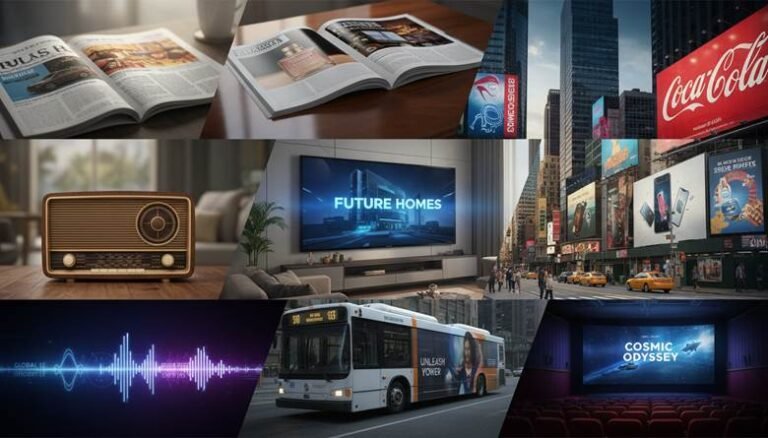
A. Newspaper
B. Magazine
C. Television (National, Regional, and Local)
D. Radio
E. Outdoor and out-of-home
F. Transit
G. Cinema Advertising
Selecting a suitable media option
How to Select a Suitable Media Option for Advertising
1. Identify Target Audience: Understand demographics, interests, and media habits. For example, if your product targets urban youth, digital and social media or FM radio (like Radio Mirchi) may be more effective. For rural audiences, radio or regional newspapers like Dainik Jagran work well.
2. Define Objectives: Clarify the campaign goal—awareness, sales, or engagement. For a new product launch aiming for mass awareness, national TV channels (e.g., Star Plus) or popular newspapers (The Times of India) provide broad reach. For detailed product information, magazines allow in-depth ads.
3. Budget Consideration: Evaluate costs versus expected returns. Television and cinema offer high impact but are expensive, suited for large brands (e.g., Coca-Cola TV ads during IPL). Local businesses might prefer cost-effective options like bus or transit ads.
4. Message Type: Decide if your message needs visuals, sound, or both. Visual products (like fashion) benefit from glossy magazines (Vogue India) or billboards. Audio-focused messages work on radio.
5. Geographic Targeting: Select media that best covers your target location. Regional TV channels, local newspapers, or city outdoor hoardings can target specific cities or states.
6. Media Consumption Trends: Consider changing habits. If your audience shifts to digital, explore online ads or streaming platforms.
Example: A fitness brand launching a new protein bar for urban millennials could use Instagram and YouTube ads (digital), ads in health magazines (print), and posters in gyms (OOH). In contrast, an agricultural product for farmers might choose regional radio, rural newspapers, and local bus ads.
Conclusion: Selecting the right media involves matching your audience, message, objectives, and budget to the strengths of each medium, ensuring maximum impact for your advertising campaign.
A. NEWSPAPER ADVERTISING
Advantages
1. Broad Reach and Accessibility:
Newspapers are one of the most widely circulated media forms, particularly in countries like India, where both national and regional newspapers thrive in multiple languages. This makes them ideal for reaching a vast and diverse audience. For example, publications like The Times of India and Dainik Bhaskar have millions of readers daily.
2. Local and Regional Targeting:
With different editions and supplements, newspapers allow advertisers to focus on specific cities or regions. This is especially valuable for brands seeking to promote products or services relevant to a particular area.
3. Short Lead Time:
Advertisements can be placed quickly, even a day or two before publication, making newspapers suitable for time-sensitive promotions, sales, or events.
4. Credibility and Trust:
Newspapers are often regarded as reliable sources of news and information, lending credibility to the ads placed within them.
5. Variety of Formats:
From small classified ads to large display ads (full page or half page), advertisers have flexibility regarding size, positioning, and frequency.
Disadvantages
1. Short Lifespan:
Newspapers are typically read within a day, after which they are discarded. This limits the duration of ad exposure.
2. Limited Visual Appeal:
Due to print limitations, especially in black-and-white sections, newspapers can’t match the visual impact of other media like TV or glossy magazines.
3. Declining Readership Among Youth:
With the rise of digital and social media, younger audiences increasingly consume news online, reducing the effectiveness of print newspapers for certain demographics.
4. High Clutter:
Newspapers often contain many ads, especially on weekends or festival days, making it easy for individual advertisements to become lost among others.
5. Limited Engagement:
Newspaper ads are passive; readers can easily skip over them unless they are particularly eye-catching or relevant.
Example
In India, brands like Reliance Jio and Amazon frequently use front-page newspaper ads to announce new launches or sales. For instance, the Jio launch in 2016 was accompanied by a series of full-front-page ads in major newspapers, helping create massive awareness and buzz across the country.
Case Study
Amul’s Topical Ads:
Amul, a leading dairy brand in India, has long used newspaper advertising to deliver witty, topical ads reflecting current events. These ads promote products and engage readers by connecting with trending news, enhancing brand recall and affinity.
B. MAGAZINE ADVERTISING
Advantages
1. Niche Targeting:
Magazines cater to specific interests or demographics (e.g., technology, health, fashion, and business). Advertisers can choose titles that closely align with their target audience, ensuring efficient use of their budget. For example, Femina targets women, while Digit reaches tech enthusiasts.
2. High-Quality Visuals and Production:
Magazines are produced on high-quality paper with professional layouts, allowing for vibrant, full-color ads that capture attention and enhance brand image.
3. Longer Shelf Life:
Unlike newspapers, magazines are often kept for weeks or months and may be read multiple times, increasing the frequency of ad exposure.
4. Prestige and Authority:
Advertising in respected magazines can add prestige to a brand, as readers often perceive such publications as authorities in their respective domains.
5. Engagement:
Magazine readers typically spend more time with each issue, are more engaged, and are less likely to skip over advertising content, especially if it is creative and relevant.
Disadvantages
1. Longer Lead Time:
Because magazines usually work on monthly or biweekly cycles, advertisers must plan content well in advance, making them less flexible for last-minute promotions.
2. Higher Costs:
Premium placements in glossy magazines can be expensive, especially for full-page or inside-cover ads.
3. Limited Reach:
Compared to newspapers or television, magazines generally have a smaller circulation, limiting their reach to a more selective audience.
4. Possible Ad Clutter:
Popular magazines can have many ads packed into each issue, potentially diluting the effect of a single advertisement.
5. Limited Frequency:
Most magazines are not published daily, reducing the frequency with which readers see any given ad compared to daily newspapers or television.
Example
Luxury brands like Rolex and Louis Vuitton frequently advertise in high-end magazines such as Vogue India or GQ India to reach affluent, style-conscious readers. Similarly, Maruti Suzuki advertises new car models in auto magazines like Autocar India to target automobile enthusiasts.
Case Study
L’Oréal in Fashion Magazines:
L’Oréal India launched a campaign for its new hair color products across leading fashion magazines like Femina and Elle. The campaign featured celebrity endorsements and glossy visuals, aligning the brand with fashion and beauty trends. The result was an increase in brand perception as being modern and stylish and a noticeable uptick in product inquiries and sales among urban women.
Comparative Insights
While both newspapers and magazines are traditional print media, their usage depends largely on campaign objectives, target audience, and budget:
- Newspaper advertising excels at providing broad, immediate reach, especially for time-sensitive or region-specific campaigns. Its credibility and accessibility make it a preferred medium for major announcements and retail offers. However, its impact is often short-lived, and it struggles to engage younger, digital-savvy audiences.
- Magazine advertising is best for building an aspirational brand image among targeted interest groups. Its high-quality visuals and longer shelf life allow for more profound engagement with the audience, making it ideal for luxury, lifestyle, and niche products. The trade-off is higher cost and less flexibility.
Integrated campaigns often use a combination of both to maximize reach (via newspapers) and engagement (via magazines), as seen in product launches or festival promotions by FMCG and lifestyle brands in India.
Conclusion
Selecting between newspaper and magazine advertising requires a clear understanding of the product, audience, and campaign goals. Newspapers offer immediacy and mass coverage, making them suitable for broad-based or urgent campaigns. Magazines provide focused, high-quality engagement, ideal for brands seeking lasting impact among specific interest groups. Successful media planners skillfully balance these options to deliver optimal results for their clients or brands.
C. TELEVISION ADVERTISING
Advantages
- Massive Reach: Television provides access to a vast and diverse audience, making it ideal for mass-market products. National channels like Star Plus or Sony reach tens of millions across India.
- High Impact with Audio-Visual Appeal: Combining sight, sound, and motion allows for emotionally compelling storytelling and memorable brand messages. Jingles, visuals, and celebrity endorsements have high recall.
- Targeted Advertising: Regional and local channels enable segmentation based on language, geography, and culture (e.g., advertising in Sun TV for Tamil-speaking audiences).
- Brand Credibility and Prestige: TV advertising is considered authoritative, often elevating brand perception, especially for new launches.
- Suitable for Demonstrations: Advertisers can effectively explain or demonstrate complex products, such as home appliances or beauty products.
- Time Slot Flexibility: Ads can be run during prime time, non-prime, or specific program slots to match target audience habits.
- Event-Based Marketing: Live broadcasts (e.g., cricket matches, award shows) attract huge, engaged audiences, ideal for launches.
- High Frequency and Repetition: Campaigns can run repeatedly, increasing the likelihood of message retention.
- Influences Purchase Decisions: TV ads often drive impulse buying due to persuasive visuals and repeated messaging.
- Measurability: Modern TV metrics (e.g., BARC ratings in India) help advertisers evaluate campaign effectiveness.
Disadvantages
- High Costs: Production and airtime, especially during prime slots or major events, are expensive—often unaffordable for small businesses.
- Ad Clutter: Viewers are bombarded with many ads per break, diluting individual brand impact and causing “ad fatigue.”
- Limited Targeting Precision: While regional targeting exists, TV is less precise than digital platforms, leading to potential wastage.
- Short Shelf Life: TV ads are fleeting; if a viewer misses the broadcast, they lose the opportunity unless the ads are repeated frequently.
- Ad Avoidance: With remote controls, DVRs, and OTT platforms, viewers can skip ads, reducing effectiveness.
- Long Lead Times: Producing high-quality TV commercials and booking slots requires significant time and planning.
- Regulatory Restrictions: There are strict guidelines for certain product categories (e.g., alcohol, tobacco) and content censorship.
- Limited Interactivity: TV is a “one-way” medium; viewers cannot interact with the ad in real time.
- Measurement Challenges: Despite improvements, tracking exact ROI and attribution is more challenging than with digital media.
- Regional Barriers: Language and cultural differences can limit the effectiveness of national campaigns if not localized.
Examples
- Coca-Cola’s “Share a Coke” Campaign: Ran across national TV channels during IPL, with regionally tailored messages for local markets.
- Surf Excel’s “Daag Acche Hain” (Stains are Beneficial Campaign: Aired in multiple Indian languages on both regional and national channels, boosting market share across the country.
Case Study
Cadbury Dairy Milk’s “Kuch Meetha Ho Jaaye”
Cadbury ran a series of emotionally charged TV ads during festive seasons (e.g., Diwali) on national and regional channels. The ads were tailored to different states (using local actors and languages). Sales increased significantly during campaign periods, and Cadbury cemented its association with Indian festivals.
D. Radio Advertising
Advantages
- Cost-Effectiveness: Production and airtime costs are much lower than television, making radio accessible for small and medium businesses.
- Local and Regional Targeting: Stations cater to specific cities or regions, enabling precise geographic targeting (e.g., Radio Mirchi Delhi vs. Radio Mirchi Pune).
- High Frequency: Ads can be aired several times a day, increasing the likelihood of listener recall.
- Immediacy and Flexibility: Radio allows quick changes to ad copy or schedule, suitable for time-sensitive promotions.
- Mobile Listenership: Radio is consumed in cars, workplaces, and on mobile phones, reaching people on the move.
- Personal Touch: Radio jockeys (RJs) and live reads can make ads feel conversational and trustworthy.
- Less Ad Avoidance: Listeners are less likely to skip ads, especially during commutes or routine activities.
- Niche Audience Programming: Station design shows for specific demographics (youth, professionals, homemakers), allowing targeted messages.
- Integration with Promotions: Radio can drive engagement through contests, call-ins, and listener participation.
- Reinforcement of Local Events: Ideal for promoting local sales, events, or community initiatives.
Disadvantages
- No Visual Element: Radio relies solely on audio, limiting the ability to demonstrate products or show branding.
- Ephemeral Messaging: Ads are transient; if a listener misses it, there’s no way to “replay” unless repeated.
- Limited National Reach: Most stations are local or regional; national campaigns require multiple station buys.
- Background Medium: Listeners may treat radio as background noise and not devote full attention to ads.
- Audience Measurement Issues: Radio audience metrics are less robust than TV or digital, making campaign evaluation difficult.
- Clutter and Repetition: High ad frequency can cause listener fatigue and reduce ad effectiveness.
- Limited Content Control: Ads may be placed next to competing or inappropriate content, affecting brand image.
- Time Constraints: Most ads are brief (15–30 seconds), limiting message complexity.
- Language Barriers: In multilingual societies, a single station may not cover all language groups.
- Declining Listenership Among Youth: Music streaming and podcasts are reducing traditional radio’s appeal for younger audiences.
Examples
- Big Bazaar’s “Wednesday Bazaar” Offers: Local radio stations in Mumbai and Delhi promoted mid-week sales, driving significant store traffic.
- Swiggy and Zomato: Food delivery brands use radio to advertise special deals during lunch and evening commute hours in metro cities.
Case Study
Red FM’s “Bajaate Raho” Social Campaigns
Red FM initiated campaigns like “Malishka Ko Matt Suno” (on Mumbai’s monsoon pothole issues) using RJ Malishka’s satirical songs. The campaign generated massive listener engagement, media coverage, and even policy response from local authorities, demonstrating radio’s power for local activism and brand building.
Comparative Insights
Television is unmatched for mass reach and visual storytelling, making it essential for large brands, new product launches, and brand-building exercises. However, high costs, ad avoidance, and measurement issues are notable downsides. Regional and local TV allow for cultural and linguistic targeting but require careful content adaptation.
Radio excels in local targeting, cost-effectiveness, and frequency, making it ideal for city-level promotions, small businesses, and event-based marketing. Its limitations in visuals and its shrinking youth audience require creative audio strategies and integration with other media.
Best Practices: Many Indian brands use both TV and radio to complement each other—TV for awareness and image, radio for reminders and local call-to-action.
Conclusion
Choosing between television and radio depends on budget, campaign goals, target audience, and message complexity. TV offers unmatched reach and engagement for mass campaigns, while radio provides affordability, frequency, and local relevance. Effective media planning often involves a strategic blend of both, maximizing the unique strengths of each platform.
Selecting a Suitable Media Option for Brand or Product Advertising
D. Radio Advertising
1. Introduction
Radio advertising is a form of audio marketing that reaches audiences through broadcast radio stations. It has been an enduring medium in India, particularly due to its accessibility and wide reach, covering both urban and rural populations. Brands and advertisers use radio to deliver product information, promotions, and brand messages in a cost-effective way. The format includes spot ads, sponsored shows, jingles, and live mentions.
2. Advantages of Radio Advertising
- Wide Geographic Reach: Radio signals penetrate remote and rural areas where other media options may not reach, making it ideal for pan-India campaigns.
- Cost-Effective: Producing and airing radio ads is generally less expensive than television or print advertising.
- High Frequency and Repetition: Radio allows advertisers to repeat their message several times a day, increasing recall among listeners.
- Targeted Advertising: With multiple stations catering to specific age groups, languages, and interests, brands can choose stations that best fit their target audience.
- Quick Production and Flexibility: Radio ads can be produced and modified quickly, allowing advertisers to respond to market changes or promotions with ease.
- Personal and Localized Appeal: Radio connects with listeners on a personal level and can be tailored for local dialects or cultures, making messages more relatable.
- Theater of the Mind: The audio-only format encourages listeners to imagine and visualize, leading to more profound engagement.
- On-the-Go Medium: People listen to radio while commuting, working, or doing household chores—making it a mobile and flexible medium.
- Less Ad Clutter: Compared to digital platforms, radio has fewer advertisements per hour, making each ad more noticeable.
- Credibility and Trust: Established radio personalities and stations can lend credibility to brand messages through endorsements or sponsorships.
3. Disadvantages of Radio Advertising
- No Visual Element: Inability to show products or demonstrate features makes it challenging for visual brands.
- Short Attention Span: Listeners may tune out or not pay full attention, especially if ads are not creative or engaging.
- Limited Data and Tracking: Measuring the effectiveness and reach of radio ads is less precise compared to digital media.
- Brief Exposure Time: Radio ads are short and can be missed easily if the listener is distracted or switches stations.
- Background Medium: Many people use radio as background noise, reducing the impact of messages.
- Language and Literacy Barriers: Multilingual markets require producing ads in several languages, increasing complexity.
- Limited Creative Possibilities: Restricted to audio, lacking visual or interactive elements.
- Frequency Required: Repetitive airing is needed for message retention, increasing overall costs.
- Zapping and Switching: Listeners can easily change stations during ad breaks.
- Competition from Streaming: Growth of music streaming and podcasts threatens the audience base of traditional radio.
E. Outdoor and Out-of-Home (OOH) Advertising
1. Introduction
Outdoor and out-of-home advertising refers to any advertising that reaches consumers when they are outside their homes. This includes billboards, hoardings, bus shelters, kiosks, and digital screens placed in public locations. In India, OOH remains a powerful tool for mass visibility, especially in metros and high-traffic areas.
2. Advantages of Outdoor and OOH Advertising
- High Visibility: Billboards and hoardings are hard to miss, especially when placed in strategic, high-traffic locations.
- Continuous Exposure: OOH ads are seen 24 hours a day, 7 days a week, ensuring repeated brand impressions.
- Geographic Flexibility: Brands can target specific areas, neighborhoods, or cities based on their marketing needs.
- Large Creative Canvas: The size of billboards and digital screens allows for impactful, eye-catching creative work.
- Broad Audience Reach: OOH reaches commuters, pedestrians, and travelers, covering multiple demographics.
- Boosts Brand Recall: Constant exposure to the same ad reinforces the brand message and aids recall.
- Cost-Effective on CPM: A high number of impressions relative to cost makes it efficient for mass awareness.
- Complement to Other Media: OOH amplifies and supports TV, radio, and digital campaigns by reinforcing the message.
- Difficulty to Ignore: OOH ads are placed in unavoidable locations, making them hard to bypass or skip.
- Supports Local Businesses: Ideal for promoting localized offers, events, or store openings.
3. Disadvantages of Outdoor and OOH Advertising
- Limited Message Length: Short viewing time means messages must be concise, limiting information conveyed.
- Vulnerable to Weather and Vandalism: Exposure to elements and public spaces can damage ads or reduce their visibility.
- Difficult Audience Measurement: Tracking actual views and conversions is challenging compared to digital media.
- High Initial Investment: Premium locations require significant upfront costs for design, production, and space rental.
- Zoning Laws and Permits: Legal restrictions in some areas restrict placement and size of OOH ads.
- Potential for Visual Pollution: Too many ads can clutter the urban landscape, reducing effectiveness and causing public backlash.
- Non-Targeted: OOH offers broad exposure but limited ability to reach specific niches or segments.
- Short Attention Span: Consumers often spend only a few seconds glancing at an ad while passing by.
- Creative Limitations: Static formats limit storytelling and product demonstration.
- Ad Wear-Out: Prolonged exposure to the same ad can cause audiences to ignore it over time.
F. Transit Advertising
1. Introduction
Transit advertising uses public transportation vehicles and related infrastructure to display advertisements. This includes ads on buses, trains, autos, metros, and in or around stations. In India, with its vast and busy public transport network, transit advertising offers brands a way to reach a captive, moving audience.
2. Advantages of Transit Advertising
- Captive Audience: Commuters are often unable to avoid ads while waiting for or riding on public transportation.
- Extensive Geographic Coverage: Ads move across different routes and locations, increasing reach.
- High Frequency: Daily commuters see the same ads repeatedly, boosting recall.
- Cost-Effective for Urban Reach: Lower cost compared to TV or print for large urban populations.
- Mass Appeal: Reaches a wide demographic, including students, workers, and families.
- Creative Flexibility: Ads can be placed inside or outside vehicles, at stations, on digital screens, etc.
- Enhances Brand Visibility: Moving ads attract attention from motorists, pedestrians, and other commuters.
- Inescapable Medium: Ads cannot be skipped, paused, or blocked.
- Ideal for Local Promotions: Great for promoting events, stores, or services in specific areas.
- Good for Repetitive Exposure: Regular commuters encounter the same ads on their daily routes.
3. Disadvantages of Transit Advertising
- Limited Viewing Time: Fast-moving vehicles mean ads are often seen only briefly.
- Space Constraints: Physical limitations restrict the amount of information or detail in the ad.
- Vandalism and Wear: Ads can be damaged, defaced, or obscured by dust and weather.
- Dependent on Transit Patterns: Effectiveness varies with route popularity and passenger volume.
- Risk of Overexposure: Daily commuters may become blind to recurring ads.
- Difficult Targeting: Limited ability to reach highly specific audience segments.
- Measurement Challenges: Tracking actual engagement or conversions is difficult.
- Weather Impact: Rain, smog, or darkness can reduce visibility of outdoor transit ads.
- Regulatory Restrictions: Some cities or transit authorities limit the types and formats of ads allowed.
- Temporary Nature: Ads are tied to the schedule and service of the transit vehicle, limiting campaign duration.
G. Cinema Advertising
1. Introduction
Cinema advertising involves showcasing commercials, product placements, or promotional content on the big screen before, during, or after film screenings in theaters. In India, where movie-going is a popular social activity, cinema advertising reaches audiences in a unique, immersive setting.
2. Advantages of Cinema Advertising
- Captive Audience: Viewers are in a fixed, darkened environment, making ad avoidance nearly impossible.
- Attention and Engagement: The scale of the big screen, coupled with surround sound, ensures high impact and attention.
- High Production Quality: Brands can leverage high-quality visuals and sound to create memorable ads.
- Targeted Local Reach: Theatres can be selected based on locality, allowing geo-targeting of ads.
- Longer Message Duration: Cinema allows for longer commercials, enabling storytelling and detailed product information.
- Prestige Factor: Cinema ads are often associated with premium brands and big launches, enhancing brand image.
- High Recall Value: The immersive experience leads to better brand and message retention.
- Engaged Demographics: Audiences are relaxed and receptive, and cinema often attracts youth, families, and urban consumers.
- Supplementary Opportunities: Brands can conduct on-ground activations, distribute samples, or sponsor events in the cinema lobby.
- Less Clutter: Fewer ads compared to TV or digital; each ad gets more attention.
3. Disadvantages of Cinema Advertising
- Limited Reach: Only those who attend cinemas see the ads; not ideal for products needing mass exposure.
- High Production Costs: Quality standards for cinema require high investment in ad creation.
- Fixed Schedules: Ads are played at set times before movies, limiting exposure to specific time slots.
- Audience Fluctuations: Cinema attendance can vary seasonally or with the popularity of films.
- No Immediate Response: Cinema does not allow for direct interaction or immediate action from the audience.
- Difficult to Measure ROI: Tracking the effectiveness and conversion rate of cinema ads is challenging.
- Ad Skipping (Arriving Late): Some viewers deliberately arrive after the ads to avoid them.
- Limited Frequency: Audiences may only visit the cinema occasionally, reducing repeated exposure.
- Inflexible Once Booked: Once an ad is scheduled, changes are difficult or impossible.
- Not Suitable for Urgent Messages: Long lead times for booking and production make it less suitable for timely promotions.
About the Author