Positioning is how a brand is perceived by customers and how it differs from competitors’ products. In order to position products or brands, companies may emphasize the distinguishing features of their brand (what it is, what it does, and how, etc.), or they may try to create a suitable image (inexpensive or premium, utilitarian or luxurious, entry-level or high-end, etc.) through the marketing mix. Once a brand has achieved a strong position, it can become difficult to reposition it.
An indispensable brand symbolizes the company’s desired perception in the minds of its customers, prospects, and partners. And one that customers truly can’t live without. This process begins by developing a meaningfully differentiated brand positioning strategy. Whether launching a new brand or refreshing an existing one, a brand positioning strategy should impact every facet of the business, not just marketing and advertising-related activities, but also product development, service, support, and customer experience.
1. Creating a Successful Brand Positioning Strategy
To help you make the right branding strategy that not only helps you win customers but also keeps them loyal to you, here’s what you need to do:
2. Create your own brand identity
This step involves conducting an in-depth introspection of the brand to identify its core values and fundamentals, including the strengths, value propositions, long-term vision, and the features and attributes that make it unique compared to other brands offering similar products and services.
3. Create your current brand positioning
Are you currently marketing your product or service as just another item on the market, or are you marketing it as something distinctive? Your current brand positioning gives you important insight into where to go next. You’ll need to understand your current position to further analyze your competition.
4. Know what your competitors are doing
After analyzing yourself, it’s important to analyze your competition by performing competitor analysis. Why? You’ll need to see who you’re up against to conduct competitor research. That research will help you decide what you can do better in your strategy to gain an edge.
5. Identify how you are doing compared to the competition
Knowing your strengths is just as important as knowing your weak points. Coming from the point above, sometimes the best way to know your strengths and weaknesses is to check how your competitors are doing, what makes their campaigns click, and why their brand sticks to their target audiences. One way to do this is to conduct a SWOT analysis to help you identify your strengths, weaknesses, opportunities, and threats in the playing field.
6. Leverage your unique selling proposition
Identifying your brand’s unique selling proposition (USP) lets you stand out from the others. It’s what makes you. Building a unique brand is all about identifying what makes you different and what works best for your business. Chmielewska suggests, “Start by defining what ‘effective’ really means for your brand—and then build its image based on that.”
Chances are, after you conduct competitor research, you’ll begin to see patterns. You’ll start to see some businesses that have the same strengths and weaknesses. As you compare your product or service to those of your competitors, you might discover that one of their weaknesses aligns with your strengths.
7. Create your positioning statement
Taking the time to position your brand to appeal to a certain customer is just the beginning. Once your positioning statement is created, it’s time to test, experiment, and gather feedback from your customers on whether or not your positioning achieves its goal.
As Ryan Robinson of Close.io says, “Investing the time and effort into positioning your brand to appeal toward a specific vertical, type of consumer, or demographic is only a small part of the battle. It’s crucial to test, experiment, and actively gather (real) feedback from your target customers on whether or not your positioning is actually having its desired effect. We’ve doubled down on our positioning by consistently asking for (and listening to) feedback from new customers when they join, and it’s clear that both our content and its delivery style remain a key asset for our brand.”
For example, do we know what makes Nike and Coca-Cola very distinct from the others? Sometimes, not even mentioning their brand but hearing the words “Just Do It” or “Taste the Feeling” already gives you the notion that the campaign is led by these giant brands.
A set of interrelated and coordinated integrated marketing communication activities that center on a particular theme or idea that appears in different media across a specified time period. The central message will be consistently communicated across all of the various IMC activities.
Most of the ads are part of a series of messages that make up an IMC or advertising campaign, which is a set of interrelated and coordinated marketing communication activities that center on a single theme or idea that appears in different media across a specified time period.
Determining a message theme
A strong idea should be the message theme, as it will be the central message in all advertising and promotional activities.
The basic elements of a creative strategy, as outlined in the copy platform, include:
The basic problem or issue that the advertising must address is a fundamental element of a creative strategy.
The objectives of the advertising and communications should be clearly defined.
Target audience.
Major selling ideas or key benefits to communicate.
Creative strategy statement (campaign theme, appeal, and execution technique to be used).
Supporting information and requirements.
The advertising message is as important as the strategy developed for the execution of the same. There are innumerable cases where the message has been good, but because of poor execution, the strategy has failed. There are also cases depicting vice versa.
The classic example is that of Burger King, who changed their theme so often that their franchisees also lost faith in the brand. Thus, as important as the advertising message is, equally important is the strategy or the tactic used to execute it or bring the message to the target audience.
C. Big Idea
Introduction
“Big Idea” in marketing and advertising is a term used to symbolize the foundation for a major undertaking in these areas—an attempt to communicate a brand, product, or concept to the general public by creating a strong message that pushes brand boundaries and resonates with the consumers. Every great product or brand starts with an idea. But how does an idea grow into a big idea? Big ideas, when executed well, excite your client, the marketplace, your employees, and potential clients. Big ideas create multiple layers of engagement, not just with the brand’s customers but also with your all-important staff.
According to Rob Hernandez, Global Brand Director, Firefly Millward Brown, it seems that everywhere we turn these days we see or hear something about “big ideas.” Major global companies, including the likes of Coca-Cola, Procter & Gamble, Unilever, and Diageo, are putting increasing emphasis on finding powerful, mind-blowing creative concepts to fuel their marketing communications campaigns. Rather than relying solely on the appearance of big ideas, these marketers are actively investing in their development.
According to Millward Brown, among the notable success stories, we find the Guinness campaign that creatively affirms, “Good things come to those who wait,” and P&G’s salute to moms, based on the idea that the myriad self-sacrificing tasks of motherhood make it possible for children to grow and succeed and maybe even become Olympic champions. This is where a big idea comes in. A big idea can cut through the noise to capture consumers’ hearts and minds. A big idea can change a brand’s course for the better. Yet many advertisers have traditionally neglected the stage of research in which truly big ideas are likely to emerge.
Features of Big Idea
1. Big ideas resonate with consumers.
For an idea to be powerful, it must hit home with consumers in a meaningful way. It must be based on an authentic idea. Despite its potential for rational appeal, a big idea typically evokes strong emotions.
2. Big ideas are disruptive.
One of the most important elements for any big idea is that it is a game-changer. It disrupts established norms and challenges conventional categories. Taking distinctiveness to the extreme, a big idea represents a new way of thinking, feeling, or acting.
3. Big ideas have talk value
The biggest and best ideas generate buzz and word of mouth. People feel compelled to share their reactions to these emotionally charged, highly resonant, and game-changing propositions.
4. Big ideas stretch brands.
A big idea pushes and extends brand boundaries without breaking them. We consider this an indicator of brand compatibility, one that accounts for believability and credibility all in one. So the question we ask is, does the idea push the brand in positive and potentially new ways without going so far as to strain either credibility or believability?
5. Big ideas transcend cultural and geographic boundaries
The most significant ideas are genuinely universal. Cutting across distinctions of class and ethnicity, the biggest ideas speak to people at a fundamental human level.
A brand with Big Ideas
A big idea is the driving, unifying force behind a brand’s marketing efforts. Of course you want to have a big idea behind your campaign, but how do you know if you really have one? What separates a truly big idea from one that is merely ordinary? How do you recognize a big idea or detect a kernel of it that could be developed?
Here are a few examples of big ideas from brands you know:
Google: to organize the world’s information and make it universally accessible and useful.
Amazon: to be earth’s most customer-centric company; to build a place where people can come to find and discover anything they might want to buy online.
Southwest Airlines: to be THE low-cost airline.
Nike: to bring inspiration and innovation to every athlete in the world. (And from Nike’s perspective, if you have a body, you are an athlete.)
Facebook: to give people the power to share and make the world more open and connected.
eBay: to provide a global online marketplace where practically anyone can trade practically anything, enabling economic opportunity around the world.
Creative advertising (aptly explained by the quotation) can be considered a combination of creative strategy and creative tactics. Creative strategy involves determining the intended message of the advertising, whereas creative tactics focus on the execution of that message. Creativity is hard because the ad’s sales impact and consumer reaction are unknown.
Creative strategy development
Most of the ads are part of a series of messages that constitute an IMC or advertising campaign, which is a set of interrelated and coordinated marketing communication activities that center on a single theme or idea that appears in different media across a specified time period.
Determining a message theme
A message theme should be a strong idea, as it is the central message that will be communicated in all the advertising and other promotional activities.
The basic elements of a creative strategy, as outlined in the copy platform, include:
The basic problem or issue that the advertising must address is a fundamental element of a creative strategy.
The objectives of the advertising and communications should be clearly defined.
Target audience.
Identify the major selling ideas or key benefits that need to be communicated.
Creative strategy statement (campaign theme, appeal, and execution technique to be used).
Supporting information and requirements.
The advertising message is as important as the strategy developed for the execution of the same. There are innumerable cases where the message has been beneficial but because of poor execution, the strategy has failed. There are also cases that illustrate the opposite scenario.
The classic example is that of Burger King, who changed their theme so often that their franchisees also lost faith in the brand. So, the strategy or tactic used to deliver the advertising message to the target audience is as important as the message itself.
Big Idea
Introduction
“Big Idea” in marketing and advertising is a term used to symbolize the foundation for a major undertaking in these areas—an attempt to communicate a brand, product, or concept to the general public by creating a strong message that pushes brand boundaries and resonates with the consumers. Every great product or brand starts with an idea. But how does an idea grow into a big idea? Big ideas, when executed well, excite your client, the marketplace, your employees, and potential clients. Big ideas create multiple layers of engagement, not just with the brand’s customers but also with your all-important staff.
According to Rob Hernandez, Global Brand Director, Firefly Millward Brown, it seems that everywhere we turn these days we see or hear something about “big ideas.” Major global companies, including the likes of Coca-Cola, Procter & Gamble, Unilever, and Diageo, are putting increasing emphasis on finding powerful, mind-blowing creative concepts to fuel their marketing communications campaigns. Not content to leave the appearance of big ideas to chance, these marketers are actively investing in the process of developing them.
According to Millward Brown, among the notable success stories, we find the Guinness campaign that creatively affirms, “Good things come to those who wait,” and P&G’s salute to moms, based on the idea that the myriad self-sacrificing tasks of motherhood make it possible for children to grow and succeed and maybe even become Olympic champions. This is where a big idea comes in. A big idea can cut through the noise to capture consumers’ hearts and minds. A big idea can change a brand’s course for the better. Yet many advertisers have traditionally neglected the stage of research in which truly big ideas are likely to emerge.
Features of Big Idea
1. Big ideas resonate with consumers.
For an idea to be powerful, it must hit home with consumers in a meaningful way. It must be based on an authentic idea. Despite its potential for rational appeal, a big idea typically evokes strong emotions.
2. Big ideas are disruptive.
One of the most important elements for any big idea is that it is a game-changer. It disrupts established norms and challenges conventional categories. Taking distinctiveness to the extreme, a big idea represents a new way of thinking, feeling, or acting.
3. Big ideas have talk value
The biggest and best ideas generate buzz and word of mouth. People feel compelled to share their reactions to these emotionally charged, highly resonant, and game-changing propositions.
4. Big ideas stretch brands.
A big idea pushes and extends brand boundaries without breaking them. We consider this an indicator of brand compatibility, one that accounts for believability and credibility all in one. So the question we ask is, does the idea push the brand in positive and potentially new ways without going so far as to strain either credibility or believability?
5. Big ideas transcend cultural and geographic boundaries
The most significant ideas are genuinely universal. Cutting across distinctions of class and ethnicity, the biggest ideas speak to people at a fundamental human level.
Brand with Big Ideas
A big idea is the driving, unifying force behind a brand’s marketing efforts. Of course you want to have a big idea behind your campaign, but how do you know if you really have one? What separates a truly big idea from one that is merely ordinary? How do you recognize a big idea or detect a kernel of a big idea that could be developed?
Here are a few examples of big ideas from brands you know:
Google: to organize the world’s information and make it universally accessible and useful.
Amazon: to be earth’s most customer-centric company; to build a place where people can come to find and discover anything they might want to buy online.
Southwest Airlines: to be THE low-cost airline.
Nike: to bring inspiration and innovation to every athlete in the world. (And from Nike’s perspective, if you have a body, you are an athlete.)
Facebook: to give people the power to share and make the world more open and connected.
eBay: to provide a global online marketplace where practically anyone can trade practically anything, enabling economic opportunity around the world.
The English word “creativity” comes from the Latin term “creare,” meaning “to create, make”; its derivational suffixes also come from Latin. The word “create” appeared in English as early as the 14th century, notably in Chaucer, to indicate divine creation. However, its modern meaning as an act of human creation did not emerge until after the Enlightenment.
Most of the people connect creativity with artistic tasks such as writing a novel, painting a picture, or composing music. While these are all creative activities, not all creative thinkers are artists. Many jobs need creative thinking, including positions in the worlds of business, science, and other specialized fields. Creativity is nothing but the process of creating something unique and new. Therefore, creative thinking is the ability to identify something like a conflict between employees, a data set, or a group project in a new way. Employers in all industries want employees who can think creatively and bring new viewpoints to the workplace.
It’s significant to share your creative skills with forthcoming employers. When applying for jobs, make sure to emphasize your capacity for original thought. To achieve this, you first need to recognize your creativity.
Definition
According to Maria Popova, Brainpickings, “Creativity is a combinatorial force: it’s our ability to tap into our ‘inner’ pool of resources—knowledge, insight, information, inspiration, and all the fragments populating our minds—that we’ve accumulated over the years just by being present and alive and awake to the world and to combine them in extraordinary new ways.”
According to Rollo May, “Creativity is the process of bringing something new into being. Creativity requires passion and commitment. It brings to our awareness what was previously hidden and points to new life. The experience is one of heightened consciousness: ecstasy.” Rollo May.
Sternberg & Lubart, Defying the Crowd, “A product is creative when it is (a) novel and (b) appropriate. A novel product is original, not predictable. The bigger the concept and the more the product stimulates further work and ideas, the more the product is creative.”
I. Introduction to Creativity
A. The importance of creative processes
Introduction
There is a common concept of left-brain and right-brain that respectively control logical thinking and creative thinking. However, it turns out that more than two parts are at work in the creative brain, and we develop creative ideas through a more sophisticated process.
We are not born with a figurative light bulb on top of our heads. A real cognitive process is involved in producing new ideas and transforming old ideas into something new. It’s called the creative process. We all have creative potential inside of us. Somehow, in some way, we make decisions and act on them by using creativity. A lot of our daily problems need a creative solution.
Have you ever wondered how to start your book, your song, or your creative business? Do you ever find yourself sitting in front of a blank page, unable to even begin? James Taylor is a UK-based, award-winning creativity expert and entrepreneur who has spent years trying to find answers to those questions. After refining his craft and reading nearly every academic article based around creativity and its process, he has done creative everywhere the favor of translating the answer into 5 bite-sized stages: preparation, incubation, insight, evaluation, and elaboration. These five stages will help you stretch out that creative muscle and position you for success. Creativity can, however, be increased through a combination of the creative process, which is composed of five individual steps.
1. Preparation Stage
An idea can come from anywhere. It feels like it happens spontaneously, but that’s actually very rarely the case. Most of the time, ideas come from consumption. The more you consume, the more inspiration you can draw from.
For example, if you are a musician, you are absorbing a lot of the music that is inspiring you to create this new piece. If you are an artist, you are looking at other artists’ work in the area that you are looking at creating something in. At this stage, you are trying to absorb as much information as possible because this information will go into your subconsciousness, where it is very important for the second stage, or second level.
2. Incubation stage
A second stage in the creative process also proposes that the same basic activities are involved in creative and routine problem solving. This is an extremely important stage because sometimes it can take days, or weeks, or months, or sometimes even years.
According to Taylor, “This is an extremely important stage because sometimes it can take days, or weeks, or months, or sometimes even years.” “Now the interesting thing about the incubation stages is that to a certain extent it is not really under your control how long that stage will take. It is something you cannot really rush.” This is because the incubation stage involves thoroughly working over the resources you’ve collected, examining concepts, looking at them from different angles, and experimenting with how they fit together.
3. Insight Stage
Taylor mentioned that often you might find these moments come up while doing some sort of low-level activity. Don’t worry—you won’t have to do any extreme sports for them to appear! “This is the classic ‘a-ha!’ moment, or the “eureka!’ moment. Interestingly, this moment is likely the smallest part of the creative process in terms of time, yet it is the one that films are made about. What you’ll tend to find is that you’ll have lots of series of these little insights and moments.”
A quick thing here is that they most often happen when you are doing some kind of low-level physical activity: going for a shower, driving a car, or having a walk. “This is because your subconscious has basically been bubbling away, and in this insight stage you’ll realize things will start percolating to the top, bringing things to the forefront, and that’s where you’ll start getting these insights.”
4. Evaluation stage
This could be the most difficult stage for some creatives. We tend to have a lot of ideas all of the time, but it doesn’t mean they are all good ideas. In this stage, you’ll have to learn to sift through them all to find the most viable option.
“There are different ways of thinking of that. You can fast forward and ask yourself, “Is this a new or novel idea, or is it just a rehashed idea that has been done before?” Taylor went on to say that this is where having a group of trusted peers or colleagues might come in handy. Getting outside opinions might really help in deciding whether or not an idea is worth pursuing. “We have a limited amount of time in life, so you’ve got to decide what you’re going to do with your life and how you’re going to spend it.”
5. Elaboration stage
This is the most important stage of the creative process. This is the moment we take action.” Edison said, ‘1% inspiration and 99% perspiration.” This is the 99% perspiration bit. This is where you’ve had the ideas for songs, you’ve written the songs, you have the first bit, but this is the editing, the re-editing, the mixing, the marketing, getting it out there, and telling the story.”
Taylor is incredibly passionate about this stage, and for good reason. You can’t just spend your time coming up with the ideas and not following through with the work. We have a responsibility to ourselves and to our creativity to show up, or we’ll end up with a pile of half-finished projects.
“Some days will be easy, and some days you’ll get more of these insights than others as well, but you’ll have to start by doing the work and building in some kind of system for yourself that works around your life and what you’re out to do.”
Next time you’re seated in front of a blank page, or you feel that inspiration hasn’t yet struck, remember that creativity is a process. Put yourself in new environments, immerse yourself in great work, and surround yourself with catalysts to launch yourself into your own creativity.
The bill, which was mostly written by Graham and Sen. Richard Blumenthal, D-Conn., lets the government put tariffs and other penalties on countries that buy oil, gas, uranium, and other goods from Russia.
US President Donald Trump has “greenlit” a bill that would put more sanctions on Russia and its trade partners, including India. This is part of his plan to end the war in Ukraine by putting more pressure on Russia.
Sen. Lindsey Graham, a Republican, says that Trump has approved a bill that would put penalties on Russia. Graham told reporters that he hopes the same thing will be voted on as soon as next week.
“After a very productive meeting with President Trump today about several issues, he gave the go-ahead for the bipartisan Russia sanctions bill.”” In my speech, I said, “I look forward to a strong bipartisan vote, hopefully as early as next week.”
He also said that this bill will “let” Trump “punish countries that buy cheap Russian oil that powers Putin’s war machine.”
This list of countries will include India, which already pays a high tariff because it buys oil from Russia. It is meant to hurt Russia’s trade allies.
Trump signs off on a bill that threatens a 500% tax.
Republican Senator Graham wrote on X that the President signed off on the bill, which will also punish countries that buy uranium from Russia, after a “productive” meeting on Wednesday. He also said that the bill could be voted on as soon as next week. It’s a good time for this because Ukraine is giving in on peace, while Putin just talks and kills innocent people. He also said, “This bill will let President Trump punish countries that buy cheap Russian oil and help Putin’s war machine.”
“President Trump would have a lot of power with this bill over countries like China, India, and Brazil to make them stop buying cheap oil from Russia, which pays for Putin’s bloodbath in Ukraine. I hope for a strong vote from both parties as soon as next week, he said. In Washington,
As soon as next week, US tariffs on India and China could go up by as much as 500%. This is because President Donald Trump has signed off on the bipartisan Russia Sanctions Bill, which could be used to punish Russia’s trade partners, like India, China, and Brazil, for buying oil from Russia.
A well-known defense hawk in the Republican Party, Senator Lindsey Graham, said the bill would give the US power to stop India, China, and Brazil from buying Russian oil, and it would punish countries that “feed Putin’s war machine.”
The bill, which was mostly written by Graham and Democratic Senator Richard Blumenthal, lets the government put up to 500% tariffs and secondary penalties on countries that buy oil, gas, uranium, and other goods from Russia. The aim is to sever Russia’s primary funding source for its military operations.
As per the official website of US Congress, the bill titled “Sanctioning of Russia Act 2025” by Graham seeks to impose several provisions, including
• The President is required to impose visa and property-blocking sanctions on specified individuals, including the Russian president, certain Russian military commanders, and any foreign person who knowingly provides defense items to the Russian armed forces; • the President must increase the rate of duty on all goods and services imported from Russia into the United States to at least 500% relative to the value of such goods and services; • the President must increase the rate of duty on all goods and services imported into the United States from countries that knowingly engage in the exchange of Russian-origin uranium and petroleum products to at least 500% relative to the value of such goods and services; • the Department of the Treasury must impose property-blocking sanctions on any financial institution organized under Russian law and owned wholly or partly by Russia, and any financial institution that engages in transactions with those entities; and • The Department of Commerce must prohibit the export, reexport, or in-country transfer to or in Russia of any U.S.-produced energy or energy product. The White House had previously insisted that the sanctions package be changed and that Trump be given some freedom. However, the White House source on Wednesday did not say more about whether any changes were made.
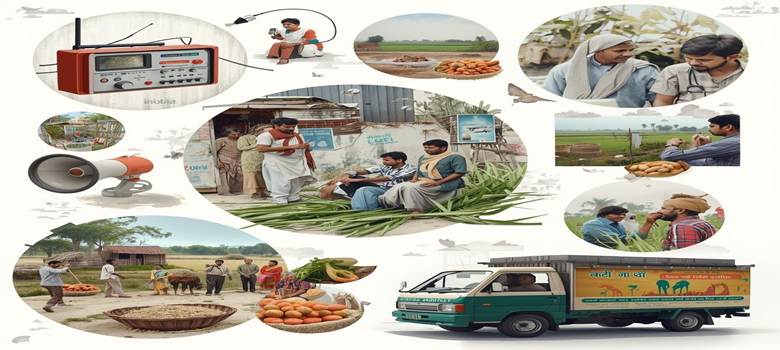
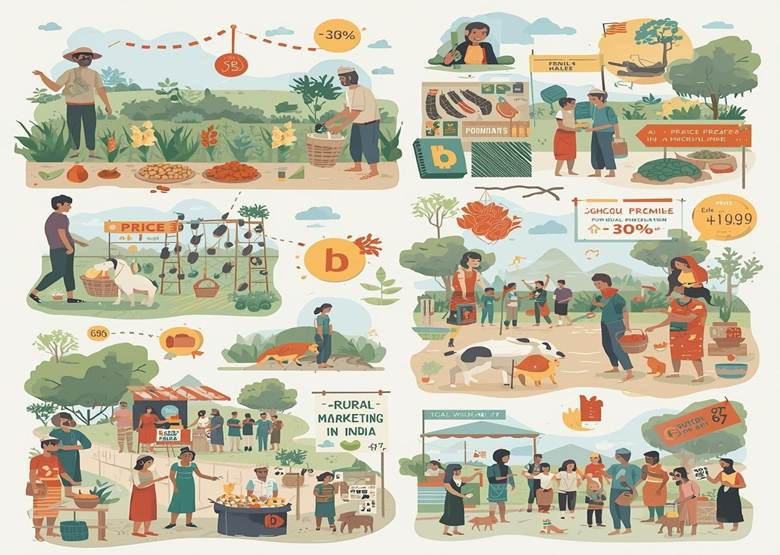
Rural product categories in India include Fast-Moving Consumer Goods (FMCGs), agricultural goods, and agriculture-related services, each adapted for rural consumers through strategies like small packaging, local distribution, and digital tools. These categories leverage the 4As framework—Availability, Affordability, Acceptability, and Awareness—to penetrate villages.
Rural product categories in India—FMCGs, agricultural goods, and services—form the backbone of rural marketing, targeting over 900 million consumers in villages with strategies emphasizing affordability, local adaptation, and last-mile delivery. These categories drive economic activity amid rising rural incomes and infrastructure gains like PMGSY roads and electrification. FMCGs lead due to daily needs, while agri-focused items leverage seasonal demand and government schemes.
FMCG Overview
FMCGs encompass daily essentials like soaps, shampoos, toothpaste, detergents, oils, staples, and beverages, holding 45% of sector revenue from rural areas despite urban dominance. Rural demand surges via small sachets (e.g., ₹2-5 packs) and haats, with growth at 8-10% in 2025, outpacing cities due to diversified incomes. Key players include HUL, Dabur, Colgate, and Nestlé, prioritizing hygiene and processed foods.
Agricultural Goods
These include seeds, fertilizers, pesticides, tools, and machinery tailored for small farmers, who rely on cooperatives and agri-input chains. Marketing stresses durable, low-cost options like mini-tractors or hybrid seeds, distributed via e-Choupals or village outlets to bypass middlemen. Demand ties to monsoons and MSP hikes, boosting staples like rice and edible oils during harvests.
Agriculture Services
Services cover credit (e.g., Kisan Credit Cards), insurance, extension advice, and market linkages via apps or IVR, empowering 60% of agri-dependent households. Initiatives like digital mandis and microfinance enhance access, with rural fintech growing post-Jandhan. They focus on awareness through demos and SHGs, linking to FMCG via farmer prosperity. Here’s a comprehensive overview of rural product categories focusing on FMCGs and agriculture goods & services, with four examples each (two traditional/old and two modern/new). For each segment, you’ll find case studies and their implementation.
1. FMCGs (Fast-Moving Consumer Goods) in Rural Areas
A. Parle-G Biscuits
Case Study & Implementation:
Background: Parle-G has been a staple biscuit in rural India for decades.
Implementation:
The product is sold at a low price and comes in small packaging (“Rs. 2 pack”) to cater to the purchasing power of rural consumers.
The product is widely distributed through rural kirana stores and bicycle delivery networks.
Impact: Became the most sold biscuit in the world, deeply rooted in rural markets.
B. Nirma Washing Powder
Case Study & Implementation:
Background: Nirma revolutionized rural laundry by introducing affordable washing powder.
Implementation:
Aggressive pricing, catchy advertising, and distribution in small towns/villages.
Door-to-door sales and rural retail partnerships.
Impact: Made detergent accessible for rural populations, ousting more expensive brands.
C. Patanjali Ayurved Products
Case Study & Implementation:
Background: Patanjali entered rural markets with herbal and natural FMCGs.
Implementation:
Leveraged Ayurveda’s rural appeal and trust in natural remedies.
The company established rural distributors and forged connections with local wellness centers.
Impact: Rapid rural market penetration, especially for herbal toothpaste, soaps, and food items.
D. Coca-Cola’s “Minute Maid Pulpy Orange”
Case Study & Implementation:
Background: Coca-Cola targeted rural India with affordable fruit-based drinks.
Implementation:
The company implemented small “affordable packs” (e.g., Rs. 10) specifically for rural markets.
Cold chain solutions and local event sponsorships.
Companies modify products for rural needs by introducing small, affordable sachets (Low Unit Packs or LUPs) to enable trials, enhancing durability for tough conditions, and localizing branding for cultural resonance. Examples include CavinKare’s 4 ml Chik shampoo sachets at 50 paise and Coca-Cola’s Rs.5 bottles to compete with local drinks like tea. LG’s Sampoorna TV with Devanagari script displays catered to vernacular language users.
Service Strategies
Services prioritize empowerment and tech-enabled distribution, training locals as agents for door-to-door delivery and using apps for retailer access. HDFC Bank’s “Har Gaon Hamara” campaign deploys IVR toll-free numbers for banking education and loans in villages. Digital tools like ITC’s Unnati App and Virtual DS help stockists reach remote retailers efficiently.
Key Case Studies
Case Study
Description
Impact
HUL Project Shakti
Trains rural women (Shakti Ammas) as micro-entrepreneurs to sell HUL FMCG products door-to-door, customizing small packs for affordability.
Reaches 165,000+ villages, empowers 130,000+ women, and boosts hygiene and brand loyalty.
ITC e-Choupal
Sets up internet kiosks for farmers to access crop prices, buy inputs, and sell produce, extending to FMCG distribution via hubs.
Serves 4 million farmers across 40,000 villages, increases soy planting by 40%, and cuts middlemen costs.
Coca-Cola Rural Push
Launches Rs.5 bottles, pop-up stores at 47,000 haats/melas, and wall paintings for awareness.
Rural penetration rises from 9% to 25%, with sales up 37% by 2003.
1. Product Customization and Innovation
Strategy: Tailor products to meet the unique needs and preferences of rural consumers, often focusing on affordability, durability, and simplicity.
Case Study: Hindustan Unilever Limited (HUL) recognized that rural consumers wanted affordable detergents suited for handwashing in hard water conditions. They introduced “Wheel,” a low-cost detergent in small sachets. This packaging fit the rural buying pattern (small, frequent purchases), and the product was formulated to work with local water conditions. As a result, “Wheel” became a market leader in rural India.
2. Affordable Packaging (Small Packs)
Strategy: Offer products in small, affordable packaging to suit the lower purchasing power and consumption patterns of rural customers.
Case Study: CavinKare pioneered the sale of Chik Shampoo in sachets for just Rs. 1, making it affordable for rural consumers who couldn’t buy large bottles. This revolutionized shampoo sales in rural India, leading to massive market penetration and encouraging other companies to adopt similar strategies.
3. Distribution Innovations
Strategy: Develop unique distribution models to reach remote rural markets where traditional supply chains may not be feasible.
Example: ITC’s “e-Choupal” initiative.
Case Study: ITC set up e-Choupal internet kiosks in villages, enabling farmers to access market prices, weather forecasts, and agricultural information. This not only boosted ITC’s agribusiness but also empowered farmers to make better decisions, increasing loyalty and trust towards ITC’s branded products (e.g., agri-inputs).
4. Community Engagement and Education
Strategy: Build trust by engaging rural communities through education, demonstration, and relationship-building activities.
Example: Nestlé’s “Project Shakti” (with HUL).
Case Study: HUL’s “Project Shakti” trained rural women as entrepreneurs to sell HUL products in their communities. This not only generated local employment and empowered women but also increased product reach and awareness through trusted local figures. Project Shakti now covers thousands of villages in India.
5. Service Extension and After-Sales Support
Strategy: Provide reliable after-sales service and support in rural areas to build long-term customer loyalty.
Example: Mahindra & Mahindra’s outreach for tractors.
Case Study: Mahindra & Mahindra set up a widespread network of service centers and mobile service vans to provide timely after-sales support for its tractors in rural areas. This strategy reduced farmers’ downtime during critical agricultural seasons and built strong brand loyalty, making Mahindra the market leader in rural farm equipment.
6. Bundled Products and Value Packs
Example: Tata Tea’s “Jaago Re” Campaign
Case Study: Tata Tea bundled its tea with awareness campaigns on social issues relevant to rural India, such as voting and education. This approach not only sold the product but also connected emotionally with rural consumers, increasing brand loyalty. By aligning the product with social causes, Tata Tea became a household name in many villages, demonstrating how value-addition and bundling can drive engagement.
7. Credit Facilities and Easy Financing
Example: Hero MotoCorp’s Rural Bike Financing
Case Study: Hero MotoCorp collaborated with local banks and microfinance institutions to offer easy, low-interest loans for rural customers purchasing motorcycles. This strategy overcame the affordability barrier and led to a sharp increase in sales in rural areas. By addressing the financial constraints of rural buyers, Hero MotoCorp strengthened its position as India’s leading motorcycle brand.
Case Study: Coca-Cola used local languages, dialects, and rural celebrities in their ad campaigns, such as “Thanda Matlab Coca-Cola.” The messaging was simple and relatable, resonating with rural audiences and making the brand easily recallable. The company also sponsored local fairs and events to increase visibility, helping Coca-Cola become a popular beverage even in remote villages.
9. Partnerships with Local Retailers
Example: Colgate’s Partnership with Rural Kirana Stores
Case Study: Colgate Palmolive built strong relationships with local kirana (grocery) stores, providing them with promotional materials and product displays. They trained shopkeepers to educate customers about oral hygiene and the benefits of Colgate products. This grassroots approach increased trust and product uptake, making Colgate the preferred toothpaste brand in many rural households.
10. Mobile-Based Services and Digital Outreach
Example: Nokia Life Tools
Case Study: Nokia launched Life Tools, a mobile-based information service offering rural farmers updates on weather, market prices, and agricultural tips via SMS. The service was affordable and didn’t require internet access, making it perfect for rural users. This added value to Nokia’s handsets, increased customer loyalty, and helped Nokia maintain its lead in rural mobile markets until the smartphone revolution.
11. After-Sales Service and Mobile Support
Strategy: Provide reliable after-sales service even in remote rural areas.
Example: Mahindra & Mahindra Tractors
Case Study: Mahindra & Mahindra established a network of service centers and mobile vans to provide quick repairs and maintenance for farm equipment in villages. This support minimized farmer downtime during critical harvest seasons, increased satisfaction and loyalty, and made Mahindra the most trusted tractor brand in rural India.
12. Use of Rural Brand Ambassadors
Example: Emami Fair and Handsome’s Use of Local Influencers
Case Study: Emami collaborated with local village leaders and influencers to promote Fair and Handsome cream in rural areas. By leveraging the trust villagers had in these local figures, Emami increased product credibility and adoption. This strategy helped the brand break into regions where urban celebrity endorsements had little impact, proving the power of localized branding.
13. Seasonal and Festival Offers
Example: Samsung’s Festival Discounts on Home Appliances
Case Study: Samsung launched special discounts and bundled offers on televisions and refrigerators during harvest and festival seasons, when rural incomes are higher. By timing promotions with local festivals, Samsung tapped into periods of higher spending and saw a significant boost in rural sales, demonstrating the value of aligning marketing strategies with rural economic cycles.
14. Experiential Marketing and Product Demonstrations
Example: Syngenta’s Crop Demonstration Camps
Case Study: Syngenta, an agrochemical company, organized field demonstration camps in villages to show the effectiveness of their seeds and crop protection products. Farmers could see results firsthand, ask questions, and receive technical guidance. This hands-on approach built trust, educated farmers, and led to increased adoption of Syngenta’s products across rural regions.
15. Collaborations with Government and NGOs
Example: Lifebuoy’s Handwashing Campaign with Schools
Case Study: Lifebuoy partnered with government schools and NGOs to run hygiene awareness programs in rural areas. Free soap samples were distributed, and children were taught proper handwashing. The campaign educated millions, created positive brand associations for Lifebuoy, and boosted soap sales in rural households as hygiene awareness grew.
16. Mobile Vans and Rural Outreach Programs
Example: Maruti Suzuki’s Mobile Service Vans
Case Study: Maruti Suzuki deployed mobile vans equipped with service staff and spare parts to offer on-the-spot servicing for cars in rural areas. These vans traveled to remote villages, providing convenience for customers who lacked access to service centers. This initiative not only improved customer satisfaction and loyalty but also increased Maruti’s brand presence in India’s vast rural landscape.
Publicis Worldwide India has launched impactful campaigns leveraging local narratives:
Axis Bank “Sirf Aapke Liye” (2023): This integrated effort promoted the ‘open by Axis Bank’ app with five TVCs and ten digital films, repositioning the bank as digital-first. Rolled out during the Cricket World Cup across TV, print, OOH, and social, it emphasized personalized banking.
Pramerica Life Insurance “This is my Climb” (2024): A two-part digital campaign highlighting life’s challenges and insurance support. It used heartfelt stories to position Pramerica as a partner in personal growth, distributed via social media.
HDFC Mutual Fund “Seekh” / Zindagi Ke Liye SIP (2024): An ad film extension teaching SIP investing through relatable life lessons. Aired on TV and digital, it boosted financial literacy with heartwarming narratives on early starts.
ZEE TV “Thank You TV” (2024): Celebrated 65 years of Indian television with films honoring its entertainment legacy, aired across platforms to evoke nostalgia and gratitude.
Achievements
Publicis Worldwide India consistently wins awards for blending cultural insights with tech, contributing to Publicis Groupe’s leadership in creative effectiveness across APAC.
A. Print Advertising Campaign
Here are four globally recognized print advertising campaigns, each with a description, example, and balanced criticism:
1. Absolut Vodka—“Absolut Perfection”
Example: Absolut Vodka’s legendary print campaign featured the distinctive bottle shape with imaginative visuals and simple taglines like “Absolut Perfection.” The campaign ran for over 25 years, using various clever settings (e.g., “Absolut New York” with the bottle as the skyline).
Criticism: While the campaign is hailed as one of the most iconic, some critics argue that its longevity eventually led to creative fatigue. Later ads were considered repetitive, with diminishing impact as the novelty wore off.
2. The Economist – “Lightbulb”
Example: A famous print ad showed a bright red background with a simple illustration of a lightbulb over a reader’s head, accompanied by the tagline: “I never read The Economist. Management trainee. Aged 42.”
Criticism: Lauded for wit and intelligence, the campaign’s elitist tone was also criticized for potentially alienating readers who felt excluded or looked down upon, thus narrowing the target audience.
3. WWF – “Horrifying More, Horrifying Less”
Example: This print campaign featured striking, often disturbing visuals—such as a cityscape made of guns or a landscape of skulls—to highlight environmental destruction and animal extinction.
Criticism: While the shock value was effective in capturing attention, critics contended that the visuals were sometimes too graphic, potentially causing discomfort or desensitization rather than motivating action.
4. Volkswagen—“Think Small”
Example: The classic “Think Small” ad from the 1960s redefined car advertising, using minimalist design and copy to promote the Beetle’s compact size and reliability in an era of big American cars.
Criticism: Though celebrated for changing advertising forever, some argued that the campaign’s humble approach might not have been as effective in markets that associated success with bigger, flashier products.
Summary Table:
Campaign
Example Description
Criticism
Absolut “Absolut Perfection”
Iconic bottle-focused visuals, witty taglines
Became repetitive over time
The Economist “Lightbulb”
Red background, witty elitist copy
Risked alienating broader audience
WWF “Horrifying More/Less”
Shocking environmental visuals
Sometimes too graphic, risked desensitizing viewers
Volkswagen “Think Small”
Minimalist, self-deprecating Beetle ads
Humility may not appeal to markets favoring “bigger” image
B. TVC Advertising Campaign
Here are four globally acclaimed TVC (television commercial) advertising campaigns, with examples and critical analysis for each:
1. Apple – “1984” (by Chiat/Day, 1984)
Example: Aired during the Super Bowl, this iconic ad depicted a dystopian world, introducing the Macintosh computer as a revolutionary product. The commercial only aired nationally once, becoming legendary for its cinematic style and bold message.
Criticism: Despite its groundbreaking creativity, some critics argue the ad’s abstract storytelling was confusing to casual viewers, offering little concrete information about the product itself.
2. Coca-Cola—“Share a Coke.”
Example: This campaign featured TVCs showing people finding bottles with their own or friends’ names, encouraging sharing and personal connection. The ads were joyful and localized for different markets.
Criticism: While highly engaging and successful, some critics pointed out the campaign didn’t address health concerns related to sugary drinks, and the focus on personalization sometimes overshadowed broader brand values.
3. Guinness – “Surfer” (by AMV BBDO, 1999).
Example: The visually stunning TVC depicted surfers waiting for the perfect wave, metaphorically tying the anticipation to waiting for a pint of Guinness. The tagline: “Good things come to those who wait.”
Criticism: Though visually brilliant, some viewers found the metaphor too abstract, making the connection to the product unclear unless watched closely or repeatedly.
Example: This emotionally powerful series of TVCs showed mothers supporting their children’s journeys to becoming Olympic athletes. The ads aired globally during the Olympics, promoting multiple P&G brands.
Criticism: Critics noted that while touching, the campaign sometimes generalized motherhood and traditional gender roles, not reflecting the diversity of modern families and caregivers.
Summary Table:
Campaign
Example Description
Criticism
Apple “1984”
Dystopian Super Bowl ad, cinematic
Abstract, little product detail
Coca-Cola “Share a Coke”
Name bottles, joyful sharing TVCs
Ignores health concerns, focus on personalization only
Guinness “Surfer”
Surfers waiting for the perfect wave
Metaphor too abstract for some viewers
P&G “Thank You, Mom”
Mothers supporting Olympic children
Can reinforce stereotypes, less inclusive of family diversity
C. Outdoor Advertising Campaign
Here are four globally recognized outdoor advertising campaigns, each with an example and constructive criticism:
1. British Airways—“#LookUp” Interactive Billboards
Example: Digital billboards in London’s Piccadilly Circus displayed a child pointing to the sky every time a British Airways flight flew overhead. The billboard showed real-time flight details, creating a magical, interactive experience.
Criticism: While innovative and attention-grabbing, the campaign was limited to a few high-profile locations and depended on advanced technology, making it inaccessible for wider or less tech-savvy audiences. Critics also noted it may not have translated well to regions with less air traffic.
2. Nike – “Run London..”
Example: Nike filled London with bold, motivational outdoor ads encouraging participation in the “Run London” event. Slogans like “You either ran today or you didn’t” appeared on buses, buildings, and park benches, making running feel like a city-wide movement.
Criticism: Although highly motivating for runners, critics argued the campaign didn’t address or include those unable to participate (due to health, age, or other barriers), thus potentially excluding parts of the community.
3. McDonald’s – “Sundial Billboard”
Example: In Chicago, McDonald’s placed a giant billboard shaped like a sundial that cast a shadow on images of menu items corresponding to the time of day—coffee in the morning, burgers at lunch, and ice cream in the afternoon.
Criticism: While clever and artistic, the sundial’s effectiveness depended on clear, sunny weather and the billboard’s exact placement. Cloudy days or incorrect orientation could completely obscure the message, thereby diminishing its impact.
4. The Economist—“Lightbulb Billboard”
Example: A motion-sensor billboard in London featured a giant lightbulb that lit up as people walked underneath, paired with the tagline, “Get a bright idea.”
Criticism: Although memorable, critics noted its limited reach—people needed to physically pass under the billboard to experience the effect. It was celebrated for creativity but questioned for efficiency in wide-scale brand communication.
Summary Table:
Campaign
Example Description
Criticism
British Airways “#LookUp”
Real-time flight-tracking, interactive billboard
Limited locations, high-tech dependency
Nike “Run London”
Motivational slogans citywide
Excluded non-runners, lacked inclusivity
McDonald’s “Sundial Billboard”
Shadow displays menu based on sun/time
Weather/placement-dependent, impact not guaranteed
The Economist “Lightbulb”
Motion-sensor bulb lights up for passersby
Limited reach, experiential, not always scalable
D. Digital Advertising Campaign
Here are four internationally recognized digital advertising campaigns from leading global brands/agencies, with examples and balanced criticism for each:
1. Nike – “Dream Crazy” (2018, Wieden+Kennedy)
Example: This campaign featured Colin Kaepernick and inspired viewers to “Believe in something. Even if it means sacrificing everything.” The digital rollout included viral videos, social media challenges, and influencer amplification.
Criticism: While hailed for boldness and social relevance, the campaign was also polarizing—sparking both passionate support and backlash, including some consumers boycotting Nike. Critics said it risked alienating segments of Nike’s customer base.
2. Dove – “Real Beauty Sketches” (Ogilvy & Mather, 2013)
Example: Dove’s viral video campaign had a forensic artist draw women as they described themselves and again as others described them, highlighting the gap in self-perception. It was heavily promoted across YouTube, Facebook, and Twitter.
Criticism: Despite its viral success and positive messaging, some argued the campaign still emphasized physical appearance. Critics pointed out that it continued to reinforce beauty as central to women’s self-worth.
3. Always – “#LikeAGirl” (Leo Burnett, 2014)
Example: This digital campaign challenged stereotypes by showing how the phrase “like a girl” can be empowering. The video was widely shared on social media and started a global conversation about gender confidence.
Criticism: While praised for empowering messaging, some critics questioned whether the campaign led to substantive social change or was primarily “hashtag activism” that benefited the brand more than the cause.
4. Old Spice—“The Man Your Man Could Smell Like” (Wieden+Kennedy, 2010)
Example: Old Spice’s digital blitz featured humorous, fast-paced videos starring Isaiah Mustafa, with real-time video responses to fans on Twitter and YouTube, creating a viral sensation.
Criticism: Despite its massive reach, some critics felt the campaign’s success was more about entertainment than lasting product loyalty—questioning whether it truly changed Old Spice’s market share or just its buzz.
Summary Table:
Campaign
Example Description
Criticism
Nike “Dream Crazy”
Viral video, social media, Kaepernick
Polarizing, risked alienating some customers
Dove “Real Beauty…”
Viral video, self-esteem message
Still focused on looks as central to self-worth
Always “#LikeAGirl”
Social video, hashtag empowerment
Questioned real-world impact, risked being “hashtag activism”
Old Spice “Man Your Man…”
Humorous viral videos, social engagement
More entertaining than loyalty-building for long-term sales
DDB Mudra Group stands as one of India’s largest integrated marketing communications networks, renowned for blending creativity with emotional storytelling to drive brand success. Originating from Mudra Communications, founded in 1980 by A.G. Krishnamurthy, it evolved into a full-fledged group after acquisition by DDB Worldwide (part of Omnicom) in phases from 2005 to 2011, rebranding as DDB Mudra. Headquartered in Mumbai with offices across major cities, it employs over 1,000 people across specialized units.
Founding and Evolution
Started in a modest 500 sq ft space with 15 professionals, Mudra pioneered integrated services including advertising, media, digital, OOH, experiential, and design consultancy. Under leaders like Madhukar Kamath, it grew into India’s trendsetter, launching MICA (now a top communications institute). Post-merger, DDB Mudra adopted “Unexpected Works” as its mantra, earning accolades like APAC Agency of the Year (2022) and #1 in India for four straight years (2022-2025).
Key Services
The group operates through agencies like DDB Mudra (influence/behavioral change), MudraMax (media/experiential), and specialists in data-driven marketing, youth engagement, and retail design. Capabilities span advertising, OOH, digital, promotions, and strategy for sectors like consumer goods, health, and lifestyle.
Notable Achievements
DDB Mudra has clinched Lions awards five years running (2018-2023), Network of the Year (2023 & 2025), and global metals at Cannes, Spikes Asia, and WARC (e.g., Indeed’s B2B Grand Prix 2023). Clients include top Indian brands, with campaigns shifting culture via emotional, inclusive ideas.
A. Print Advertising Campaign
Here are four notable print advertising campaigns by DDB Mudra, including a brief description, an example, and a balanced criticism for each:
1. Rasna – “I Love You Rasna”
Example: A print campaign from the 1980s shows a cheerful Indian girl with the Rasna drink, with the tagline, “I Love You Rasna.” The visuals were bright, friendly, and targeted at families, quickly making Rasna a household name.
Criticism: While the campaign was highly effective and memorable, some later critics noted that the messaging heavily relied on nostalgia and did not evolve much with changing market preferences. New competitors saw the campaign’s lack of innovation as a missed opportunity to further modernize the brand.
2. Peter England—“The Honest Shirt”
Example: Print ads featured straightforward, clean visuals with crisp shirts and the tagline “The Honest Shirt,” communicating reliability and value.
Criticism: Though the campaign was successful in establishing trust, critics argued that the messaging was a bit too generic and could apply to any basic shirt brand. Some felt it didn’t do enough to distinguish Peter England’s unique style or fashion quotient in a competitive market.
3. LIC – “Zindagi ke saath bhi, zindagi ke baad bhi”
Example: Prints depicted life’s milestones (marriage, parenthood, and retirement) with the slogan “Zindagi ke saath bhi, zindagi ke baad bhi” (“With you in life and after life too”), emphasizing lifelong security.
Criticism: While highly emotional and resonant, critics have pointed out that the campaign sometimes leaned on sentimentality without adequately explaining product features or financial benefits, which could have educated consumers more about insurance options.
4. Volkswagen – “Talking Newspaper” (2010)
Example: A pathbreaking campaign where a chip embedded in the newspaper created an audio ad when the page was opened, accompanied by a print message introducing Volkswagen’s arrival in India.
Criticism: While innovative, the campaign faced backlash for being intrusive, startling readers, and even causing complaints about waste and environmental impact from the electronic chip. Some questioned whether the stunt translated into meaningful long-term brand engagement.
Here are four notable TVC (television commercial) advertising campaigns by DDB Mudra, each with an example and critical insight:
1. Volkswagen – “Das Auto” (2010 India Launch)
Example: The TVC introduced Volkswagen to India, using the German phrase “Das Auto” (The Car) with a minimalistic style, focusing on the brand’s reputation and engineering.
Criticism: While the campaign effectively positioned Volkswagen as a premium, global brand, critics felt it was too subtle and not localized enough for the Indian audience, who may not connect with the foreign language and understated messaging.
2. Reliance Jio—“Jio Digital Life”
Example: TVCs showcased families and youth embracing a new digital era with affordable 4G data, highlighting video calls, music, and internet access as part of daily Indian life.
Criticism: Though the campaign was relatable and aspirational, some critics argued it overpromised network performance, leading to disappointment when users faced actual service issues, thus risking a gap between perception and reality.
Example: The commercials featured typical Indian families excitedly shopping, emphasizing unbeatable savings and variety at Big Bazaar, with the jingle “Isse Sasta Aur Accha Kahin Nahin” (“There’s nothing cheaper or better”).
Criticism: While catchy and memorable, some found the TVCs formulaic and repetitive over time. The depiction of bargain-hunting sometimes reinforced stereotypes rather than elevating the brand’s value proposition.
4. McDonald’s India – “Aap Ke Zamane Mein, Baap Ke Zamane Mein”
Example: This humorous campaign drew comparisons between generations, with young people showing their parents how McDonald’s offers are better than what they had “in their time.”
Criticism: Despite the humor, some critics felt the campaign didn’t sufficiently differentiate McDonald’s from local QSR competitors. The generational comparison, while amusing, risked alienating older viewers who might not appreciate the contrast.
Summary Table:
Campaign
Example Description
Criticism
Volkswagen “Das Auto”
Minimal launch, global positioning
Too subtle, lacked local connection
Reliance Jio “Digital Life”
Digital empowerment, family scenes
Overpromised network performance
Big Bazaar “Isse Sasta…”
Family shopping, savings jingle
Formulaic, reinforced stereotypes
McDonald’s “Aap Ke Zamane Mein”
Generational humor, value comparison
Did not differentiate enough; risked alienation
C. Outdoor Advertising Campaign
Here are four notable outdoor advertising campaigns by DDB Mudra, including campaign examples and critical perspectives:
Example: DDB Mudra placed innovative billboards in metro cities like Mumbai and Delhi during Volkswagen’s India launch. Some billboards featured moving parts or lights that mimicked indicators, brake lights, or the iconic Beetle’s silhouette to highlight the brand’s engineering.
Criticism: While attention-grabbing and aligned with Volkswagen’s innovation, critics felt the messaging was more artistic than informative. The novelty sometimes overshadowed the product features, leaving viewers impressed but not necessarily motivated to buy.
2. Incredible India—“God’s Own Country” outdoor series
Example: Large-format outdoor hoardings with breathtaking visuals—such as Kerala’s backwaters and Rajasthan’s deserts—were used at airports, metro stations, and city centers as part of the “Incredible India” tourism push.
Criticism: Though visually appealing, critics noted that the campaign sometimes relied too heavily on stereotypical imagery. It didn’t always showcase the diversity and lesser-known destinations, possibly missing an opportunity for a more nuanced narrative.
3. BPL Mobile – “Network Coverage”
Example: Billboards displayed a simple, clever visual of network bars growing taller as they passed through the city, paired with the message “Full Signal, Everywhere.”
Criticism: The cleverness of the design was praised, but critics pointed out that the campaign could backfire if users’ actual network experience didn’t match the promise, potentially damaging brand credibility.
Example: Large, playful 3D installations and bus shelter wraps featuring the iconic fries and burgers were placed in high-traffic urban areas to promote the “Happy Price Menu.”
Criticism: While visually impactful, some critics argued that the campaign focused more on brand visibility than on communicating the menu’s value or variety. It risked being considered superficial brand recall rather than driving footfalls or deeper engagement.
Summary Table:
Campaign
Example Description
Criticism
Volkswagen Innovative Billboards
Moving/lit billboards
Artistic, sometimes unclear on product details
Incredible India Outdoor Series
Beautiful scenic hoardings
Overuse of typical imagery, lacked diversity
BPL Mobile Network Coverage
Signal bar visuals on billboards
Risk of over-promising actual network experience
McDonald’s Happy Price Menu
3D fries, bus shelter wraps
Visually strong, less focus on detailed messaging
D. Digital Media Advertising Campaign
Here are four notable digital advertising campaigns by DDB Mudra, with campaign examples and criticism for each:
1. Stay free: #ProjectFreePeriod
Example: Stayfree’s #ProjectFreePeriod was a digital campaign aimed at destigmatizing menstruation among sex workers. The initiative encouraged these women to use their menstrual days to learn new skills and build a better future. The campaign featured powerful videos, digital storytelling, and influencer outreach.
Criticism: While the campaign was lauded for its social impact and creativity, critics pointed out that it ran the risk of being perceived as performative if not followed up with genuine support and long-term impact. Some also felt that the focus on “productivity” during periods could reinforce problematic notions of constant self-improvement.
2. Spotify India—#There’sAPlaylistForThat
Example: DDB Mudra created quirky, relatable social media content and targeted digital ads that tied everyday Indian situations to curated Spotify playlists—like “Songs for Stuck in Traffic” or “Songs for Spicy Food Recovery.”
Criticism: Though the campaign resonated with urban youth, some critics argued that the humor and references were too niche, possibly alienating smaller towns or non-English-speaking audiences. There was also a risk of message fatigue due to repetition.
3. Volkswagen – “Digitally Wired Cars” Launch
Example: To showcase Volkswagen’s connected car features, DDB Mudra produced short digital films and interactive content demonstrating remote vehicle control, diagnostics, and safety features, distributed via YouTube, Instagram, and auto-enthusiast platforms.
Criticism: Although the campaign’s digital content was technically impressive, critics pointed out that it frequently concentrated too much on features and lacked an emotional narrative to deeply engage viewers. The technical language and demos sometimes alienated less tech-savvy customers.
4. McDonald’s India—“Eat Qual”
Example: The “EatQual” digital campaign promoted inclusivity by introducing packaging that made it easier for people with upper limb disabilities to enjoy McDonald’s burgers. The campaign used emotional storytelling on social media, digital films, and influencer partnerships.
Criticism: Though widely praised for advocacy, some critics questioned the scale and follow-through of the initiative, asking whether the change was implemented at all outlets or only for the campaign’s sake. Others felt the impact would be limited if not part of a broader accessibility plan.
Summary Table:
Campaign
Example Description
Criticism
Stayfree #ProjectFreePeriod
Digital films, skill-building initiative
Risk of performative activism; focus on “productivity” debated
Spotify #There’sAPlaylist…
Relatable playlists for life moments
Too urban/English-focused; risk of message fatigue
Volkswagen Digitally Wired
Feature demos, interactive content
Overly technical, lacked emotional engagement
McDonald’s EatQual
Inclusive packaging, digital storytelling
Scale and long-term impact questioned; execution consistency
FCB Ulka, a prominent creative agency under FCB Group India, has produced several landmark advertising campaigns, particularly for The Times of India, blending social commentary with bold visuals. These efforts often challenge norms and drive cultural conversations. Four notable campaigns exemplify their print and integrated prowess.
Times Out & Proud (2019)
FCB Ulka created a dedicated classifieds section in The Times of India for the LGBTQ+ community post-Section 377 decriminalization. Launched on International Day Against Homophobia, it included full-page print ads, digital films, OOH, and influencer activations, winning Gold at One Show APAC.
Sindoor Khela—No Conditions Apply (2017)
This campaign challenged Durga Puja’s exclusionary Sindoor Khela ritual via print ads and films urging “No Conditions Apply” for widows/divorcees. It sparked national debate, ranked #9 on WARC Creative 100, and garnered Cannes shortlists.
Full Page Print Innovation (2018)
Interactive print ads allowed readers to physically manipulate front-page elements to reveal hidden stories, celebrating TOI’s role in journalism. The innovative format blended tradition with engagement across newspapers.
Two Bins Life Wins (2021)
For Tata Trusts, print and OOH urged political parties to nominate 50% women candidates in Bihar elections via selfie campaigns. It boosted women’s representation and earned Cannes Lions nominations.
A.Print Advertising campaign
Here are four notable print advertising campaigns by FCB Ulka, each showcasing distinct creativity and impact:
Amul – “Floating Stories” (2024) This groundbreaking campaign featured photostories of women dairy farmers printed directly on milk using innovative hydrographic techniques. When milk was poured into a water trough, the images floated to life—symbolically bringing their empowering narratives to visibility. It served as both a poetic and powerful tribute to these women, earning widespread acclaim and approximately 1.9 million views on Twitter.
Goafest 2017—”Gods of Advertising” Designed for South Asia’s largest advertising festival, this print campaign depicted advertising legends as classical Greek gods. Rendered in fresco-style artwork and classical fonts, the posters, mailers, and press materials conveyed both grandeur and creativity—setting the tone for the festival.
Times of India—”Out & Proud Classifieds” (2021) As part of a socially impactful print initiative, FCB Ulka created a dedicated classifieds section in the newspaper for the LGBTQ community. This campaign, named “Out & Proud,” offered visibility and dignity to LGBTQ individuals through personal announcements and messages. It earned international recognition with a Bronze Lion at Cannes Lions 2021.
Amul – Iconic “Amul Girl” Campaign (1966 onward) Though predating FCB Ulka’s later work, the enduring “Amul Girl” mascot and the “Utterly Butterly” tagline were conceived by ASP, which later became part of FCB Ulka. This hand-drawn mascot appeared on hoardings, bus panels, and posters, becoming one of India’s most beloved and long-running print ad campaigns.
Summary of FCB Ulka’s standout print campaigns:
Floating Stories—Amul (2024): Milk-printed photostories celebrating women dairy farmers.
Gods of Advertising—Goafest (2017): Mythical-themed print visuals for an ad festival.
Out & Proud Classifieds—Times of India (2021): Inclusive print classifieds for the LGBTQ community.
Amul Girl Campaign—Amul (1966 onward): Iconic mascot and tagline in print advertising.
B. TVC Advertising campaign
Here are four notable TVC (television commercial) advertising campaigns created by FCB Ulka:
1. Sunfeast Dark Fantasy – “How Far Will You Go for a Dark Fantasy?” The campaign features a series of humorous and dramatic commercials that depict people going to extraordinary lengths to enjoy Sunfeast Dark Fantasy biscuits. The campaign leverages the theme of irresistible temptation and indulgence.
2. Tata Motors – Tata Nano “Khushiyon Ki Chaabi” This emotional TVC focused on how the Tata Nano became the “key to happiness” for middle-class Indian families. The commercials portray family moments, aspirations, and the joy of owning a car for the first time, making the Nano a symbol of dreams fulfilled.
3. Horlicks Women’s Plus—“Stories of Strength” A set of TVCs highlighting real-life women who broke stereotypes and achieved extraordinary things, aligning with the product’s focus on bone health and women’s empowerment. The campaign celebrated strength—both physical and emotional—in Indian women.
4. Amul Milk—“Har“Ghar Amul Ghar” A heartwarming TVC campaign showing how Amul milk is an integral part of joyful Indian households. The commercials focus on the everyday joys, family bonds, and health benefits associated with Amul, reinforcing the brand’s trusted image across generations.
C. Outdoor Advertising Campaign
FCB Ulka has executed four notable outdoor advertising campaigns, each showcasing creative innovation and impactful messaging:
Mumbai Traffic Police—“Falling Hoarding” FCB Ulka created a striking public safety campaign for the Mumbai Traffic Police. The outdoor installation featured a large billboard intentionally tilted forward, held up only by a giant seatbelt—visually dramatizing the message that “seatbelts save.” This clever and arresting visual earned recognition at Cannes Lions under the Outdoor Lions category for public awareness.
Tata Motors – 24×7 On-Road Assistance In a print and outdoor campaign for Tata Motors’ roadside assistance service, FCB Ulka used the everyday annoyance of newspaper ink smudging readers’ fingers. The ad showed a completely blackened newspaper page, with the tagline: “Don’t Get Your Hands Dirty.” This metaphor effectively communicated the brand’s clean and reliable assistance service.
Whirlpool—“Ek“Jodi Kapda, Skin Shirt” For Whirlpool, FCB Ulka launched a guerrilla-style outdoor initiative addressing clothing waste. Volunteers wore T-shirts that looked like human skin—designed to shock and provoke thought—encouraging shoppers to donate their used clothes. The campaign included T-shirts placed in apparel stores, each with a QR code leading to a donation site. It was entered in the Guerrilla Marketing category at Cannes.
Draftfcb Ulka Office Creative (OOH Showcase) FCB Ulka’s own office showcased creative outdoor installations, featured in an OOH Creative Showcase by afaqs! in July 2017. While details are limited, this internal campaign highlights the agency’s flair for creative expression and branding even within its workspace.
D. Digital Advertising Campaign
Here are four notable digital media advertising campaigns by FCB Ulka:
1. Horlicks Women’s Plus—“Stories of Strength”
A digital-first campaign celebrating real women who broke stereotypes and excelled in their fields—like India’s first female commando trainer and a female Dhaki (drummer). The campaign featured unscripted, authentic stories across social media and YouTube, emphasizing bone health and women’s empowerment.
2. Times of India—“Out & Proud Classifieds”
To support the LGBTQ+ community, FCB Ulka launched digital classifieds for LGBTQ+ announcements on Times of India’s website and social media. This innovative campaign gave the community a dignified, public platform online, earning international recognition and widespread social sharing.
3. ITC Sunfeast Farmlite – #HealthierYouAwaitsYou
For Children’s Day, FCB Ulka produced a digital film encouraging families to adopt healthier lifestyles. The story highlighted how kids follow their parents’ habits, urging adults to make positive changes. The campaign ran across Facebook, YouTube, and Instagram.
4. Tata Motors—#MadeOfGreat Digital Campaign
The digital activation celebrated everyday heroes and their inspiring journeys, aligning with the brand ambassador of Tata Motors, Lionel Messi. The campaign encouraged users to share their own #MadeOfGreat stories via Facebook, Twitter, and other digital platforms, creating high engagement and buzz online.