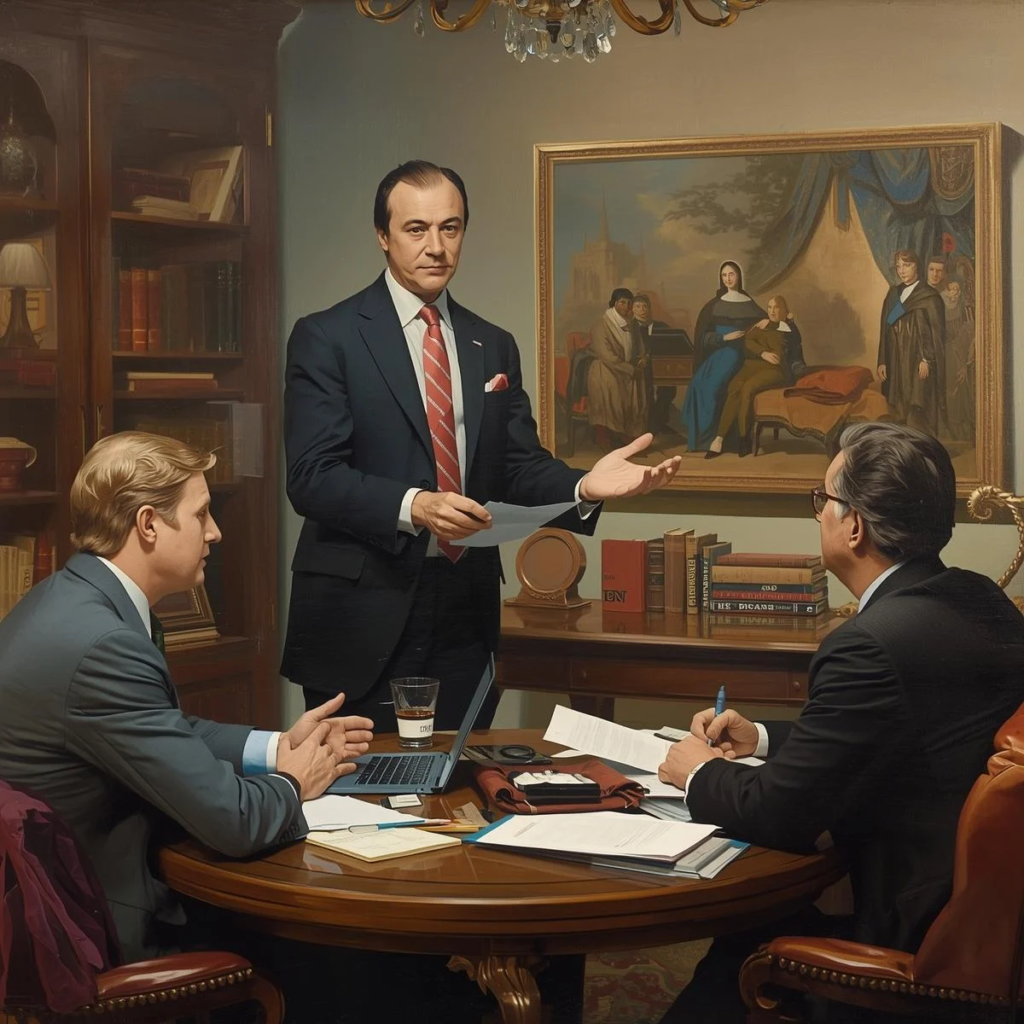
Ideation is the creative process of generating, developing, and communicating new business ideas. It’s the very first step in entrepreneurship, where entrepreneurs brainstorm and vet opportunities based on market needs, trends, and personal interests or expertise.
A business plan is a formal document that outlines a business’s goals, strategies, market analysis, financial projections, and operational structure. It serves as a roadmap for founders and is crucial for attracting investors or loans.
Key Elements of a Business Plan:
Executive Summary
Business Description
Market Analysis
Organization & Management
Product/Service Line
Marketing & Sales Strategy
Funding Request (if needed)
Financial Projections
Appendix (resumes, legal documents, etc.)
Case Study: Canva
Background:
Canva, founded in 2013 by Melanie Perkins, Cliff Obrecht, and Cameron Adams, is an online graphic design platform.
Ideation:
Melanie Perkins observed university students struggling with complex design software.
She identified a gap: easy-to-use, accessible design tools for non-professionals.
The founders brainstormed and refined the idea into an online platform.
Business Plan:
Market Analysis: Recognized the massive global need for simple design.
Product: Developed a web-based tool with drag-and-drop features.
Monetization: Freemium model (basic free use, paid premium features).
Funding: Used their business plan to secure initial funding from investors.
Growth Strategy: Target schools, small businesses, and eventually scale to enterprises.
Outcome:
Canva rapidly grew to over 100 million users and became a tech unicorn valued at over $25 billion.
Their business plan was regularly updated to guide new product launches and expansion.
Recent Example: “Too Good To Go” (2024)
Ideation:
Identified the problem of food waste in restaurants and supermarkets.
Brainstormed a solution: a marketplace app that connects consumers with surplus food at a discount.
Value Proposition: Reduce food waste, save money, and help the planet.
Operating Model: App-based, with revenue from transaction fees.
Growth Plan: Launch in major cities, partner with large retail chains.
Financials: Included forecasts for user growth, cost structure, and break-even analysis.
Recent example
Ola Cabs Case Study
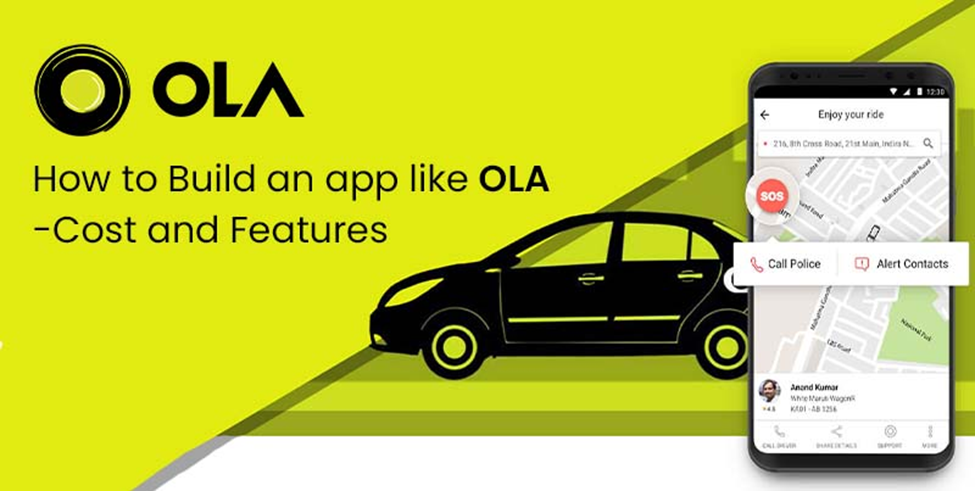
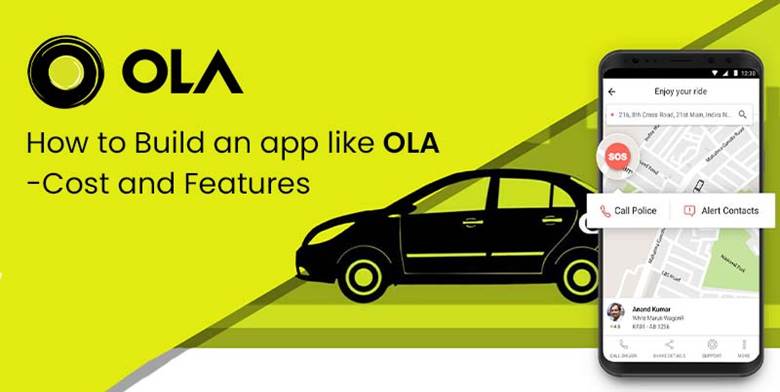
Ola’s business plan evolved from Aggarwal’s initial OLAtrips idea, pivoting to cabs after market research revealed transport gaps. The plan emphasized localization, aggressive expansion to 250+ cities, and diversified revenue via Ola Electric and fintech, securing $4B+ in funding and unicorn status.
Recent Examples
Meesho (2025 update): Ideated as social commerce for non-metro India; the plan focused on the reseller model, hitting a $1B valuation via low-data apps and vernacular support.
Krutrim AI (Ola’s venture, 2025): Aggarwal’s ideation on India-specific AI led to a plan for a sovereign cloud, raising $50M in seed funding amid the global AI boom.
Result:
The app expanded across Europe and North America, saved millions of meals from waste, and attracted significant VC investment.
Summary Table
Stage
Canva (2013)
Too Good To Go (2024)
Ideation
Easy graphic design for non-professionals
Reducing food waste via marketplace
Business Plan
Freemium, global market, online platform
Transaction-based app, eco-focus
Outcome
Rapid global scale, unicorn status
Multi-country launch, VC funding
Conclusion
Ideation is about finding and shaping the right idea. A business plan turns that idea into a structured pathway for action, funding, and growth. Case studies like Canva and Too Good To Go show how successful businesses arise from strong ideation and disciplined planning.
Business creation involves the systematic process of identifying opportunities, developing ideas, and launching a new enterprise through structured steps like feasibility analysis and planning. This entrepreneurial journey transforms concepts into viable, operational businesses that address market needs. Common challenges include securing finance and navigating legal requirements.
Generate and refine ideas through creativity, drawing from personal experience, market surveys, or trends.
Conduct feasibility studies covering market, technical, financial, and socio-economic aspects to assess viability.
Prepare a detailed business plan outlining strategy, operations, marketing, and financial projections.
Launch by handling legal formalities, securing resources, and implementing operations.
Example
Airbnb exemplifies business creation: founders Brian Chesky and Joe Gebbia spotted a hotel shortage during a San Francisco conference in 2007, rented out air mattresses in their apartment, and built a platform connecting hosts with travelers. Despite early funding struggles, persistence led to a $74 billion market cap by solving a common accommodation problem.
Case Studies
Company
Origin Story
Key Success Factors
Square
Co-founder Jim McKelvey couldn’t accept a credit card for a $2,000 glassware sale, prompting a simple mobile POS system with Jack Dorsey.
Bhavish Aggarwal founded it in 2010 to offer reliable rides in India, focusing on customer needs like surge pricing alternatives.
Customer-centric features and adaptation to urban mobility demands boosted market share.
Zomato
Deepinder Goyal started in 2008 as a restaurant database, expanding to food delivery internationally.
Leveraged tech skills for global scaling, diversifying revenue in food tech.
Steps to create a business from idea to launch
Creating a business from idea to launch requires a structured sequence of steps to validate the concept, secure resources, and execute effectively. This process minimizes risks and builds a foundation for growth. Key stages include ideation, planning, legal setup, and market entry.
Core Steps
Follow these sequential steps to transform an idea into a launched business:
Develop the idea: Brainstorm and refine your concept by identifying a market problem and solution.
Conduct market research: Analyze demand, competitors, target audience, and trends to confirm viability.
Create a business plan: Outline strategy, operations, marketing, finances, and projections for guidance and funding.
Choose structure and name: Select a legal form (e.g., sole proprietorship, LLC) and register a unique business name.
Secure funding: Explore options like bootstrapping, loans, investors, or grants to cover startup costs.
Handle legal and admin tasks: Register the business, get licenses/permits, get an EIN/tax ID, open a bank account, and set up insurance.
Build brand and operations: Develop logo, website, source products/supplies, and establish processes.
Market and launch: Promote via social media, SEO, and campaigns; launch the product/service to customers.
Case study of a successful Indian startup journey
Ola Cabs provides a compelling case study of a successful Indian startup, founded by Bhavish Aggarwal, who pivoted from a travel booking site to revolutionizing urban mobility after a frustrating taxi experience in 2010. The company grew from a single-room office in Mumbai to operating in over 250 cities across multiple countries, achieving unicorn status valued at $1.5 billion. Its journey highlights problem-solving, rapid adaptation, and deep market penetration in tier-2/3 cities.
Origin and Idea
Bhavish Aggarwal, an IIT Bombay graduate, left a stable Microsoft job in 2010 to launch OLAtrips.com for holiday packages. A pivotal bad taxi ride—where the driver abandoned him midway—exposed India’s fragmented transport system, prompting a pivot to on-demand cab aggregation. Starting modestly, Aggarwal handed out business cards at upscale spots, aiming for just 100 daily rides.
Growth Milestones
Secured early angel investments from IIT peer Zishaan Hayath and others like Anupam Mittal (~₹5 million), followed by Tiger Global ($4 million then $20 million).
Expanded aggressively post-2013 Uber entry, reaching 100+ cities by 2016 (vs. Uber’s 30), introducing India-specific features like vernacular support and cash payments.
Attracted massive funding from SoftBank ($210 million in 2014), fueling diversification into food delivery, fintech (Ola Money), EVs (Ola Electric), and AI (Krutrim).
Challenges Overcome
Intense price wars with Uber strained finances, while state-specific regulations, driver protests, and union issues created hurdles. Ola countered by localizing solutions, training drivers, and pushing deeper into non-metro markets where competitors lagged. The COVID-19 pandemic hit ride demand, but acceleration into EVs sustained momentum.
Key Lessons Aggarwal’s success stems from solving real Indian problems over copying models, relentless pivots based on data, and betting on “Bharat” beyond metros. Resilience amid family doubts and funding droughts underscores his vision for tech-driven GDP growth.
Preparing for production on special low-budget indie productions involves important steps and considerations, particularly in areas such as location and union management, cast and crew hiring, budget preparation, insurance, and completion bonds. I’ll also include a recent case study to illustrate these points.
1. Preparing for Production: Key Stages
Script Breakdown & Scheduling
Break down the script scene by scene to identify locations, cast, props, and special needs.
Create a realistic production schedule using tools like Movie Magic Scheduling or StudioBinder.
Budgeting
Prepare a detailed budget using standard forms (e.g., SAG-AFTRA Low Budget Agreement Budget Form, Movie Magic Budgeting, etc.).
Consider all line items: locations, cast, crew, equipment, post-production, insurance, contingency, and festival submissions.
Use templates for Ultra Low Budget (under $300K) or Micro-Budget productions.
2. Locations & Unions Management
Locations
Secure cost-effective locations; negotiate reduced rates or use owned/free spaces.
Obtain location permits from relevant authorities (city, private owners, parks).
Prepare agreements outlining access, duration, insurance, and liabilities.
Consider the impact of union rules on location work hours and conditions.
Unions
For US productions, comply with SAG-AFTRA (Screen Actors Guild‐American Federation of Television and Radio Artists) and possibly IATSE or DGA for crew.
Use SAG-AFTRA Low Budget Agreements to reduce costs, but ensure all paperwork and residuals are handled correctly.
Submit required paperwork: cast list, contracts, proof of payroll service, and worker’s compensation insurance.
3. Cast and crew: selection, contracts, agreements, and work permits
Selection
Prioritize talent willing to work at indie rates—network or use casting sites like Backstage, Casting Networks, or local Facebook groups.
Crew: hire multi-skilled individuals to cover several roles.
Contracts & Agreements
Use legally binding contracts for all cast and crew, specifying role, pay, credit, work dates, and usage rights.
For minors or international talent, obtain necessary work permits (e.g., California Entertainment Work Permit, O-1 visa for international artists).
4. Budget Preparation & Budget Forms
Key Considerations
Use union-specific forms if working with SAG-AFTRA or other unions.
Set aside a 10-15% contingency for unexpected expenses.
Include post-production, marketing, and festival costs.
The example budget categories include: Development, Pre-Production, Production, Post-Production, Delivery, Insurance, Legal, and Contingency.
5. Insurance & Completion Bonds
Insurance
Essential types include general liability, equipment, worker’s compensation, and errors & omissions (E&O).
This insurance is required for most locations and for working with unions.
Completion Bonds
A financial guarantee that the film will be completed on time and within budget.
Not always required for ultra-low-budget indies, but increasingly important if working with outside investors or distributors.
Recent example/case study: “The Farewell” (2019)
Background: “The Farewell” was produced with a modest indie budget (~$3 million), filmed in the US and China, and featured a mix of non-union and union cast.
Key Points:
Locations: Filmed on real locations in China and New York; used a local crew in China to save costs.
Unions: The lead actress (Awkwafina) was SAG-AFTRA, so production used the union’s low-budget agreements for US shoots.
Contracts: All cast/crew signed contracts specifying payment schedule, credit, and festival participation.
Budget: Used strict budgeting and prioritized money for post-production and marketing.
Insurance: Obtained comprehensive location, travel, and general liability insurance.
Completion Bond: Not used, but producers provided guarantees to investors by keeping transparent books and regular production updates.
Result:
Despite budget constraints, “The Farewell” was completed on time, won major festival awards, and achieved commercial and critical success.
Special low-budget indie productions are small, independently financed media projects (films, web series, docs, and branded shorts) made with limited money, small crews, and high creative control. They rely on smart planning, minimal locations, and multitasking teams rather than expensive gear or big stars to achieve a professional result.
Core Features
Very tight budgets (sometimes micro-budgets, e.g., under a few lakh rupees or under 100,000 USD), often funded by savings, small grants, or crowdfunding.
Small crews, consisting of individuals juggling multiple roles such as writer-director, producer-editor, and DP-gaffer, are common.
Few locations, small casts, natural light, practical sets, and mostly available equipment (DSLRs, mirrorless cameras, phones, and free software).
Typical Strategies
Write for what you have: The script is built around accessible locations (home, college, one village, one room) and minimal props.
Use natural/available light: day exteriors, window-lit interiors, and cheap LEDs instead of full lighting trucks.
Local, emerging talent: Drama-school actors, local theater groups, and film students looking for credits.
Lean post-production: Free/low-cost tools (DaVinci Resolve, Audacity), simple VFX, and a limited shooting ratio to reduce edit time.
Example (Generic Case)
Imagine a 20-minute indie short about a schoolteacher in rural Andhra Pradesh:
Budget: Rs 1–2 lakh, self-funded and partly crowdfunded.
Pre-production: Script tailored to one village school, one house, and 4–5 speaking roles; permissions arranged via local panchayat.
Production: 5-day shoot, 6–8 person crew, natural light plus 2–3 LED panels; sound done with one good recorder and lav mics.
Post-production: Edited on a laptop, color graded in Resolve, sound mixed with free plugins, released at festivals and on YouTube.
This kind of “special low-budget indie” is common in film schools and regional industries because it keeps financial risk low while allowing strong artistic experimentation and portfolio-building.
Preparing for media production involves thorough planning and organization to ensure a smooth and efficient workflow during the actual production phase. Here’s a step-by-step guide to help you prepare effectively:
1. Define the Project Scope and Objectives
Clarify the purpose, target audience, and key message of the media production.
This phase builds the blueprint: finalize the script, secure funding, cast actors, scout locations, storyboard shots, create budgets/schedules, and hire key crew (e.g., DP, production designer). It minimizes overruns by locking logistics.
Case Study: “Paranormal Activity” (2007): Oren Peli self-financed $15,000 for script polish, single-location home setup, and handheld camera tests; pre-vis focused on minimalism (no VFX), enabling a 40-day micro-budget shoot that grossed $193M.
Key Activities:
Scriptwriting and Development: Creating and finalizing the screenplay or script.
Budgeting and Financing: Estimating costs and securing funds from producers, investors, studios, or distributors.
Casting: Selecting actors and key crew members.
Location Scouting: Finding and securing shooting locations.
Scheduling: Planning the shooting timeline.
Set Design & Costume Planning: Designing sets, costumes, and props.
Legal and Administrative Work: Securing permits, contracts, and insurance.
Business Aspects:
Pitching the project to investors is a common task.
Contracts and negotiations with talent and crew.
The project often entails significant upfront costs, with no revenue yet being generated.
2. Production
Principal photography captures footage under tight control: set builds, lighting/camera rigs, actor direction, sound capture, and daily wraps with dailies reviews. Line producers handle contingencies like weather or actor no-shows.
Case Study: “Avengers: Endgame” (2019): A 6-month Atlanta shoot with 3,000+ VFX shots planned; daily coordination of 100+ actors (e.g., Hemsworth, Downey Jr.), massive sets (e.g., Avengers HQ), and NDAs cost $356M total, with production eating 60% via helicopter rigs and pyrotechnics.
Key Activities:
Principal Photography: Actual filming of scenes.
Direction and Cinematography: Directors and cinematographers oversee creative execution.
Sound Recording: Capturing dialogues and ambient sounds.
On-Set Management: Coordinating logistics, managing schedules, and solving issues.
Business Aspects:
Here, we spend a significant portion of the budget on equipment, personnel, and locations.
Efficient management is essential to control costs and avoid overruns.
Production insurance is critical to mitigate risks.
3. Post-Production
Assemble raw footage into a final cut: editing (rough to fine), sound design (Foley/ADR), VFX compositing, color grading, music scoring, and mastering for distribution (DCP/streaming). Test screenings refine pacing.
Case Study: “Mad Max: Fury Road” (2015) 8-month post on $150M budget transformed 500 hours of desert footage; editor Margaret Sixel cut 2,800+ shots into 120-min action frenzy, adding 2,000+ VFX (e.g., flame-throwing trucks) and sound by Mark Mangini, yielding 10 Oscars and $380M at the box office
Key Activities:
Editing: Cutting and assembling footage into the final film.
Visual Effects (VFX): Adding digital effects and animations.
Sound Design and Mixing: Enhancing audio, adding music and sound effects.
Color Grading: Adjusting color for artistic consistency.
Finalizing Prints/Formats: Preparing the film for distribution (theatrical, digital, TV).
Business Aspects:
Post-production costs include editing suites, VFX studios, and sound engineers.
Marketing and promotional materials (trailers, posters) are often developed here.
Final product readiness for distribution and sales.
Summary Table: Film Business Stages
Stage
Main Activities
Key Business Focus
Typical Costs
Pre-Production
Script, casting, budgeting, planning
Financing, contracts, scheduling
10-20% of total budget
Production
Filming, directing, sound recording
Managing budget, logistics, personnel
50-70% of total budget
Post-Production
Editing, VFX, sound, color grading
Finalizing product, marketing prep
20-30% of total budget
Additional Business Considerations:
Revenue Streams: Theatrical release, digital streaming, TV rights, merchandising, and international sales.
Distribution: Deals with distributors for releasing the film in various markets.
Marketing: Critical to generate audience interest and maximize box office or viewership.
Legal & Copyright: Managing intellectual property rights, licensing, and royalties.
The film business is capital-intensive and high-risk but can be highly rewarding with successful projects. Effective management across all stages is crucial for profitability.
Production management is a structured way to turn inputs (like raw materials, labor, and machinery) into outputs (like finished products) in the most efficient way possible. It usually has three steps: planning, execution, and control.
Media production management follows an iterative process, adapting project management principles to creative workflows, typically structured into five interconnected stages—development, pre-production, production, post-production, and distribution—to deliver content like films, videos, or campaigns on time, within budget, and aligned with audience intent.
Development Stage: Ideas are conceptualized, researched, and refined into a viable project brief, including audience analysis, narrative outlines, genre conventions, and initial feasibility studies. Example: For a corporate ad, evaluate competitor videos, draft a 30-second story arc, and test mood boards for client buy-in.
Pre-Production Stage: Detailed planning occurs: script finalization, storyboarding, budgeting, scheduling (e.g., Gantt charts), casting/crew assembly, location scouting/permits, and equipment procurement. This phase locks resources to avoid costly changes. Example: Assemble a 10-person team, secure a studio for 5 days, and allocate Rs 5 lakh for a regional film promo.
Production Stage: Principal content capture happens: set up lighting/audio/camera, direct talent, record footage/B-roll, and manage daily logistics like call sheets and catering. Real-time adjustments handle issues like weather. Example: Shoot 20 scenes in a village over 3 days under PMGSY roads for authentic rural visuals.
Post-Production Stage: Raw assets are edited into final form: rough/fine cuts, sound design (Foley/ADR), VFX/color grading, music scoring, and approvals. Tools like Premiere Pro track revisions. Example: Trim 50 hours of footage to 2 minutes and add Telugu voiceover and subtitles for Tollywood distribution.
Distribution and Evaluation Stage: Final masters (e.g., DCP for theaters) are delivered, promoted via social media/trailers, and performance analyzed (views, engagement). Feedback loops inform future projects. Example: Launch on YouTube/LinkedIn, tracking 1M views and adjusting for sequels.
A. METHOD OF LADDERING SERVES AS A GUIDE TO CREATIVITY
Introduction
Laddering is a technique to find out what people value. The method of laddering as a guide to creativity is a technique that is particularly advantageous in drawing goals and essential values, and therefore, perhaps helpful during early stages of creativity. The creative advertisements are more effective in motivating people to buy products than advertising that simply lists product benefits and features.
According to Stephan Vogel, Ogilvy and Mather Germany’s chief creative officer, “Nothing is more memorable, longer lasting, works with less media spending, and builds a fan community…faster.” However, categorizing product benefits comprises finding out what the consumer really needs and wants, not just listing various product features.
Laddering of creative techniques
Laddering is a method for creating a framework that serves as a starting point for initiating creative work. It is primarily a method that involves addressing both general and specific ideas related to creativity. The idea ladders provide a foundation for creative work, beginning with specific ideas. There are five laddering creative techniques, which are as follows:
1. Problem definition
The first technique is problem definition, which includes problem analysis and all other features associated with clearly defining the problem.
2. Idea generation
Idea generation involves the divergent processes of generating ideas.
3. Idea selection
Idea selection is a convergent process that involves distilling numerous ideas into practical solutions.
4. Idea implementation
In the idea implementation step, the marketers or researchers turn the refined ideas into reality.
5. Processes
In this step, marketers or researchers identify the structures and methods that examine the entire process of creativity from start to finish.
Case study
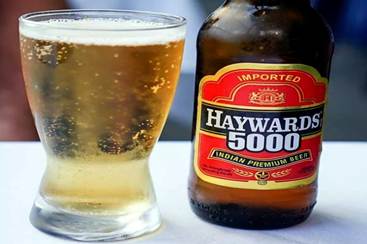
Laddering creative techniques (Regular Beer versus Craft Beer)
Regular beer is generally mass-manufactured and is usually a pale yellow that is delightful when ice-cold and in large volumes. However, craft beer centers more on flavors and habitually has higher alcohol content than regular beer.
Regular bear
Craft Beer
Laddering techniques involve comparing specific ideas to general ideas.
The specific ideas
The craft beer centers more on flavors and habitually has higher alcohol content than regular beer. It is a complex mix of ingredients and processes that leads to the winning position in the world of craft beer.
The craft beer industry has evolved over years through small innovations in key aspects of the brewing process. The craft beer society aspires for its members to resemble the finest of their beers, possessing not only hidden depths but also an amber quality.
The general ideas
The general ideas come from the derived themes, like points of departure, which can be further developed in a potential text. For example, craft beer brings a revolution to the beverage industry with its breakdown into many types and flavors that make up a successful drink.
B. ADVERTISING FORMULATION
Introduction
Advertising formulation is the process of defining a campaign’s goals and objectives. It allows formulators to create a guide. It studies the market and uses those figures to regulate what campaign methods will be best at reaching consumers and enticing them to seek the business service.
Advertising formulation is defining what you want to achieve in terms of promotion. It could be as easy as telling potential customers what you sell and how it helps them. The general objective of an advertising campaign is to inform people about the product, convince buyers, and make it available to customers. The steps of advertising formulation are as follows:
1. Research
Conducting market research for the product under advertisement is the first step. One needs to find out the product demand, competitors, and others.
2. To know the target audience
In the first step, we need to know who is profitable enough to buy the product and who the targeted audience should be.
3. Setting the budget
In this step, establish the budget by considering all elements such as presentation, media, and other necessary formalities that contribute to the advertising process and identify areas that require funding.
4. Determining the theme of advertising
The campaign’s theme must be based on the brand’s advertising colors, size, shape, graphics, music, and jingle.
5. Selecting suitable media channels
The selection of appropriate media should focus on those that will effectively reach the target customers.
6. Media scheduling
The scheduling of media channels suitably helps to reach target consumers at the right time or in the right place.
7. Executing the campaign
At the end the campaign has to execute, and then the feedback should be taken.
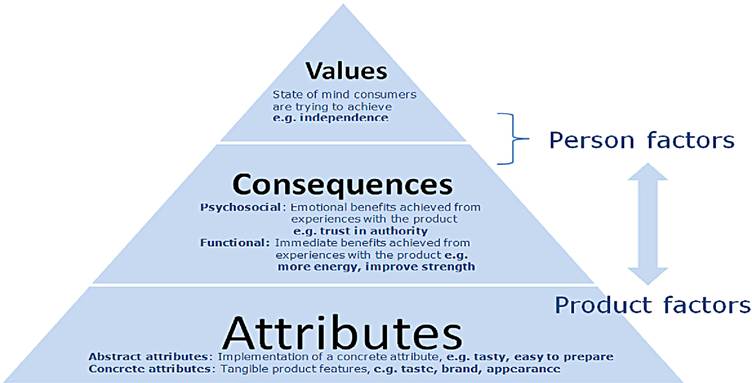
A means-end chain is well-defined as comprising an interconnected set of cognitive components that permits an individual to select objects or activities that enable him to achieve his desired end states. Thus, the means-end chain permits focusing on the basic aims consumers have in life while not losing sight of how these aims influence choices in specific situations.
The process of categorization is proposed as the mechanism by which consumers organize thinking about specific product alternatives so as to create selections of products that will be instrumental in helping them achieve their values. If this connection can be made, the bases consumers have for creating sets of similar products will be understood more systematically.
Elements of Means-End Theory
1. Attributes
Attributes are the basic characteristics of the product, such as physical or technological.For example: A person who buys a tablet device because it offers the same capabilities as his laptop.
2. Benefits and consequences:
Benefits and consequences Consider how useful the products are.
For example, a person who travels a lot for his job. He buys a tablet because it is easier to carry around than his heavy laptop. The benefit is that he no longer has to carry the heavier laptop.
3. Values
Values consider your customers’ ego.
Ego is the amount of pride that is associated with using branded products (like Apple brand).
For example, when a person buys Apple Company’s tablet because it is new and sensational, and carrying it from one place to another makes him/her feel like he/she is a part of a high-class club.
A company is most effective and prosperous when they are able to use all three components of the means-end methodology in their marketing. This means that a company should consider features, benefits and consequences, and values when introducing a new product or transforming an old one.
Customer relationship is an exceptional bond shaped between buyers and a brand as a result of various marketing, sales, and customer service processes. Decent customer relations grow over time and it continue if the consumer-business connections are favourable for both parties. How to build and maintain customer relationships there are few point are given below:
1. Communicate effectively
The mainstream of the problems that arise in a client-agency relationship is affecting from unclear communication. Both the customer and the agency should make themselves available to each other. The client want to communicate with the advertising agency to know how they helping their goals and business overall. Use this time; share all the qualitative and measurable data with clients which helps to understand the progress of campaign working on it. Not ever miss a chance to have these conversations with your clients.
2. Effective customer feedback
Relationships miscarry when client hopes are not encountered and disappointment is unnoticed.In its place of questioning if your customers are pleased with your agency’s services or need any progress, it time to takes direct feedback from clients. This not only helps you evaluate your agency’s performance, but also shows your promise towards confirming a positive involvement for them at every stage.
3. Share information
In maximum cases, the client has taken on an agency to fill a gap in their business and want to see value for money. The agencies most important job is to be the experts’ advice to client. The best advice helps to achieve their consequences and remain an active performer in the market.
The agency then has an obligation to ask all the queries they need to in order to confirm they have took the brief properly. Consuming an open and informative conversation at the commencement of a project means that the client can go away safe in the information that the agency knows what they’re doing.
4. Work in collaboration
Keep in mind that each party are invested in what they do and that keeping a strong relationship will require continuous work on both ends. Agencies aren’t possessions, they’re strategic partners. Clients and agencies are experts in their respective fields, and they should treat each other as equals. Trust, honesty, and commitment are vital elements for the achievement of any campaign and relationship. In collaborative environment of relationship all party must have assurance in the other’s capability.
5. Set realistic expectations
One of the best ways to build a strong relationship with a client is to gain a reputation as an agency that not only delivers results but is willing to go above and beyond. Setting realistic expectations gives you the chance to impress the client and position yourself as a partner. This is especially important when working on behalf of a client.
Both parties need to take slice in this process, to make assured that each knows what’s expected of the other. Agencies may have exclusive methods, but a good degree of transparency is essential. This service creates trust and set realistic expectations.
6. Attempt for nonstop progress
When an agency functions with these principles, performing measured efforts to their clients and determined to not only accomplish but maintain confidence with clients, the phase can be set for achievement with great appraisals, referrals and customer remembering.
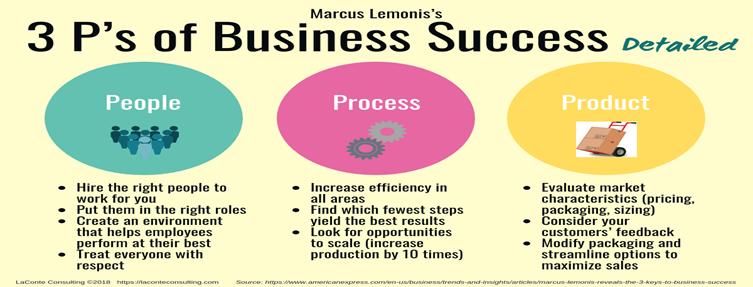
B. 3P’s of Service: Physical evidence, Process and People
Introduction
The marketing mix pillars work together to make decisions that will define the further marketing activities and strategies. Identifying these pillars points out what you need, where your company excels and where it can improve.
The original four elements of marketing mix are product, place, price and promotion. However as a service is not tangible that marketing mix for a service has three additional elements are required that is physical evidence, process and people. In its place of just four elements, there’s another three. These three allow for a more complete, comprehensive and updated marketing mix.
1. Physical evidence
Physical evidence refers to the way of product, services and about the company how it appears from the outside. It is about where the service is being delivered from. The sub components of physical evidence are size, shape colour, label, visible signage, design, packaging, display, dress of staff and many more. In the service market, it certifies that the service is successfully delivered or it touches the customer very well.
2. Process
The marketing mix looks at the coordination used to deliver the service. Recognize how you will meet customer expectations. Outline you will do to deliver an excellent consumer experience every time considering producing standard operating procedures to set processes. For example, imagine you ordering food from Domino’s Pizza and you get delivery in 30 minutes at your home.
3. People
An essential part of the any organization is having the right people who care the organizations products and services. Employee the most experienced people can at the best salary organization can give and work to maintain the employee who has proven themselves faithful and loyal to the organization. Encourage team members to work smartly, efficiently and effectively. Involve them in regular internal communication that is transparent and whenever it required include them in decision making process.
C. The Gaps Model of servıce qualıty
Introduction
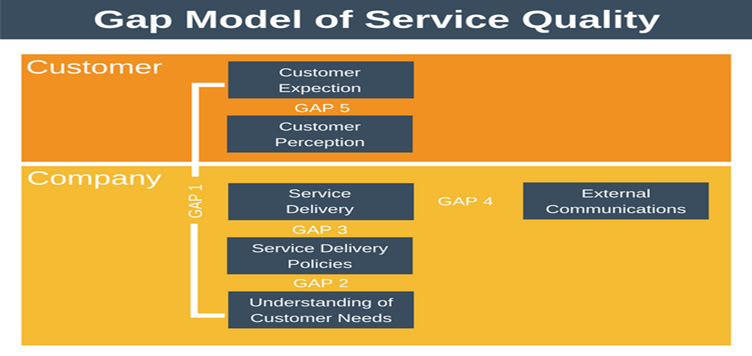
Service quality is the change between expected service by customer and perceived service provided by the service provider. To examine service quality, Parasuraman has developed comprehensive model called the Gaps Model of service quality in 1985. The model identifies four specific gaps leading to a fifth overall gap between customer’s expectations and perceived services.
Service quality is an evaluation of expectations with performance. The first four are those on the provider side of service and perceived service. These steps is taken towards reducing the gap that is always most apparent to the consumer. The Gap fifth is the gap service between the expected and perceived quality service. These Gaps are as follows:
1. Knowledge Gap
The first Gap is mentioned as the knowledge Gap. It is principally measured as the change in real customer expectations and perceptions of manager about customer expectations i.e. not knowing what consumer’s expect.
For example: In a hospital, the management may consider patients want healthier diet, but patients may be more worried with the care given by Doctors, nurses and supporting staff.
2. Design Gap
The second gap is mentioned as the design gap. It is a change among management’s insight of consumer’s expectation and service standards according to customer experience. i.e. unsuitable service quality standards.
For example:Domino’s Pizza may realizeconsumer expectations for being served in 30 minutes of ordering, but may not have the resources or the appropriate amount of staff to assure the speed of delivery and service.
3. Performance Gap
Performance Gap is the variation in service design and service delivery which known as the performance Gap. It may refer as the change between quality specifications and service actually delivered to the consumers. It occur because of many reason like communication gap, skill differences, poor technology, poor training received and lack of management in the organizations.
For example: If in a restaurant, if the service provider (Server/Waiter) is not hospitable and up to mark then customer may unhappy with the entire service staff of restaurant. Mostly, customers may set their opinion according to service which he/she get through a particular staff of the restaurant.
4. Communication Gap
In communication gap, there is the change between what is assured to customer, either directly and indirectly? It happens when the organization cannot deliver products or services rendering to the promise. The communication gap arises because of many reasons like over promises, fail to manage and failure in performance. Over-promising is commonly responsible for the communication gap. Each gap has a cumulative effect from the preceding gaps.
For example: A lodging hotel in Mumbai printed on the brochure showing clean and furnished rooms with all necessary amenities. However, when customer visited to hotel it poorly maintained in this case the customer’s expectations are not met with hotel over committed promises.
5. Gap between expected service and perceived services (Cumulative effect of all four Gaps)
Gap five is the total addition of deviations in Gaps 1 through 4 and signifies the change between expectations and perceived service. Moreover, consumers calculate perceived service along five quality measurements. It is also known as the gap model that intended to analyse gaps and problems between company and customers.
D. Stages in the client-agency relationship
Introduction
The client-agency relationship is a professional deal. It starts when a client appoints an advertising agency for making his advertising. If succeeded properly, it can be a pleasing and prospering corporation for both parties involved. However, if succeeded badly, it can make or break a business and disintegrating the reputation of a client.
Marketing successes are mostly depending on a strong client-agency relationship. In direction to make sure that this combination gets to the top, it’s significant to keep the following stages in relationship.
1. Pre-relationship stage
The pre-relationship stage has focussed largely on the criteria used for selecting an agency. The clients seek agencies that offer good creative skills and have a good quality people. It highlights the importance of cost, previous category experience, network and strategic capability.
2. Early relationship stage
Early relationship stage recognises a development stage within the relationship. The nature of this stage within the advertising agency relationship is less understood. It involves the trial and testing of the new agency. Most of the interactions occurring in this stage more focus on improving relationship and learning about the relationship uncertainty.
3. The growth stage
The growth stage involves intensive interaction and adaption between client and advertising agency. The identification of this stage when the agency and client will be developing long term strategic plans as well as servicing the tactical communication needs of the client is a significant one. Hence the nature of work at this stage of the relationship is significantly different at other stages within the relationship.
4. Development and maintenance stage
The development and maintenance stage is branded by client and agency mutual importance to each other where they have made an understood or open pledge to carry on their relationship.
5. The relationship termination
The relationship termination stage is where client and agency end their relationship. The relationship can be terminated at any stage.
E. How Agencies Gain Clients
Introduction
The running an agency is challenging. According to Kerri Molitor, “It’s a well-known fact that acquiring new client costs more than growing business opportunities with repeat clients. Getting client is a big question for anyone thinking of starting a service-oriented business. As an advertising agency getting new clients is easy. Instead of sitting back and hoping some will show up, you need to be proactive, get out there and get the clients you need.
1. Find clients through your place of work
Uncountable small companies have been on-going by working professionals who progressed from being workforces of a firm to being servicers or found a praiseworthy client and run away with them to form their own companies.
2. Let your clients do the work for you (Referral)
Let your clients do the work for you mean referral are remarkable because these front-runners are managed a little or no cost, meaning here agency can allocate more of marketing budget to diverse projects. Referrals are a great way to get clients.
3. Let work with influencers (Opinion leader)
Find industry connected influencers and offer your services to them for free in exchange for sharing you with their audience. Influencer marketing is the perfect way to quickly gain more attention of client. For example on social media one post from an influencer can reach further more audience.
4. Lean on their followers
The influencers come with their own followers, so it is important to build your own network of followers. The more you can depend on interested and promised followers, the easier to get client for your business.
5. Find client through family and friend
If organisation are blessed with family and supportive friends that are always on the side and ready to help if they can. Let sure to tell them exactly what those ideal client you looking for your businesses.
6. Advertise for clients
Advertising for clients is one of the oldest methods to get client for businesses. However, it mostly works very well for small scale industries and businesses.
7. Gain client through social media platforms
The social media platforms give an edge to new relationship in digital world. The best uses of social media platforms are useful to gain more clients for related group and businesses.
F. Why Agencies Lose Clients
Introduction
The working for an advertising agency will know that one of the most distressed feelings in market is losing a client. It goes to that trying to find out the reason an agency loses their client. However, all this is becoming gradually more common in advertising agency.
Agencies lose clients for a variety of changed reasons. Here’s a list of some common reason why advertising agencies lose client or why they don’t want to work with particular agencies and end the businesses with them.
1. Lacking in communication
Agencies prosper with transparent and clear point of contact with a client. The agencies need to control the communication flow from upward communication to downward communication and downward communication to upward communication in the organization. This communication flow helps the client know where to go for help. However, client personal and advertising agencies fail to uphold the level of communication or to cultivate necessary to sustain favourable working relations.
2. Lacking in quality
As agency grows and develop it becomes hard to deliver the same level of quality or time that client experienced in first time. Here’s agencies failed to filling gap which resultant they losing their prospect client.
3. Personality conflict
Employee and professional who are functioning on the side of client and advertising agency may do not have enough understanding to work well together.
4. Conflict of interest
A conflict of interest possibly will come when agencies come together with another agency or when a client is part of merger or acquisition with other company.
5. Poor performance or service
The poor performance and service may riddle the client or ending their relation with advertising agency. It may happened because unskilled or poor performance by staff members in deal with the client problems and issues.
6. Failure in systems and process
What if agency failed to meet deadlines? It comes when system and processes not progressing according to set plans. It needs to sort and plan goals according to the urgency and profits connected with it.
7. Unrealistic demands by the client
Sometimes may it happened when client demands the exceeding amount of compensation and trying to reducing the agencies profitable.
8. Unsatisfied client
The chances of losing a client are higher if they are unsatisfied with the end results. If agency failed to show them satisfactory end results may cause to losing the clients.
G. THE ROLES OF ADVERTISING
Introduction
We know it when we see it. We are exposed to it thousands of times every day. Most of us are reasonably good, although rarely perfect, at distinguishing it from other kinds of messages. It is something that we tend to take for granted, occasional thinking about what it is or how it came into existence. But what is this thing called advertising?
An advertisement is an approach of marketing a brand, a product or a service. Everything needs to be popularized, is promoted by way of an advertisement. Hence, understanding advertising is very necessary. Here are some features of advertisements:
1. Advertisement must have paid form
Advertising is an art, and it requires skills. There are advertising companies which offer advertising services to company and charge them heavily for the services that they provide. However, sometimes companies end up paying billion on an advertising campaign and don’t get effective results in return. Effective advertising is that which generate much more profit then what a company has paid to get the service. Advertising is always a paid form of communication and hence commercial in nature.
2. It is non-personal
Advertising must be a non-personal. Advertiser makes a product to direct a particular group or audience of people. However, it doesn’t mean to direct a message to an individual by advertising.
For example: uncertainty in ad agency of some product, on his own, advertise brand near a specific product, it carry necessary information to the consumers regarding the product but not spending by the seller for advertisements.
3. Advertise have to promote goods, services & ideas
It is directed towards increasing the transaction of the products and services of a business unit. Advertising is aimed at promoting and selling not only tangible and physical goods, but also ideas and services like banking and insurance company.
4. There must be an identified sponsor
Another feature of advertising is that its sponsor can be identified. Whenever we come across an advertisement, its sponsor is easily identified. Advertising discloses or identifies the source of the opinions and ideas it presents. On the other side of the sponsor for publicity or propaganda can remain unidentified.
5. Other role of advertising
Improved capacities of sales of products & services.