Rural communication methods and advertising play a vital role in reaching and engaging the large, diverse population living in India’s villages. Unlike urban markets, rural areas often face challenges such as lower literacy rates, limited access to digital media, and dispersed populations. As a result, companies must adapt their communication and advertising strategies to be effective in these unique settings.
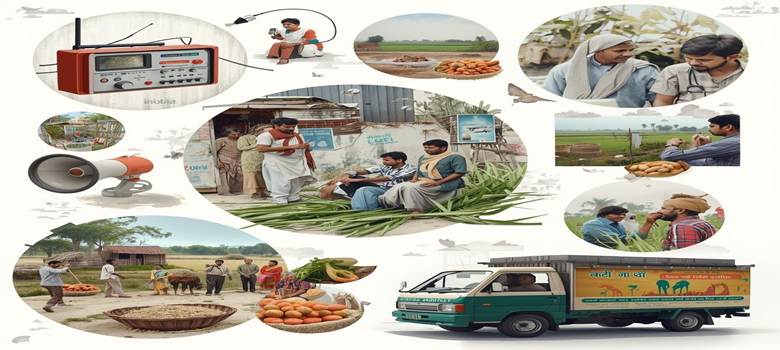
Rural communication methods typically include traditional media like wall paintings, folk performances, street plays (nukkad natak), and local fairs (melas), as well as modern approaches such as mobile vans, community radio, and village-level influencers. Companies choose these methods because they can effectively connect with rural audiences in local languages, utilizing culturally relevant messages.
Rural advertising leverages these communication channels to create awareness, educate, and influence buying decisions. Brands often tailor their campaigns to local contexts, combining visual, oral, and experiential elements to ensure high impact and recall.
Case Studies and Examples
1. HUL’s Lifebuoy Soap – Nukkad Natak and Wall Paintings
Method: Hindustan Unilever used street plays and wall paintings to educate rural communities about hygiene and handwashing.
Impact: These interactive performances, conducted in local dialects during village fairs, made the message relatable and memorable, significantly boosting Lifebuoy’s rural sales.
2. ITC’s e-Choupal – Digital Kiosks and Community Meetings
Method: ITC set up e-Choupal digital kiosks in villages, providing farmers with information about crops, weather, and market prices. Regular community meetings and demonstrations further reinforced these messages.
Impact: This two-way communication built trust and increased adoption of ITC’s products and services.
3. Coca-Cola – Mobile Van Campaigns and Village Melas
Method: Coca-Cola used mobile vans equipped with audio-visual aids to travel to remote villages, participating in local melas and festivals for product sampling and brand promotion.
Impact: This approach helped Coca-Cola build brand awareness in areas with limited traditional media reach.
4. Colgate – School and Panchayat Programs
Method: Colgate partnered with schools and village panchayats, conducting oral health education sessions and distributing free samples.
Impact: These grassroots campaigns, delivered by trusted local influencers, increased toothpaste usage and brand preference.
In summary: Rural communication and advertising require a blend of traditional and innovative methods to overcome infrastructural and cultural barriers. By leveraging local media, folk traditions, and community influencers, brands can effectively reach and engage rural consumers, leading to greater awareness and market penetration.
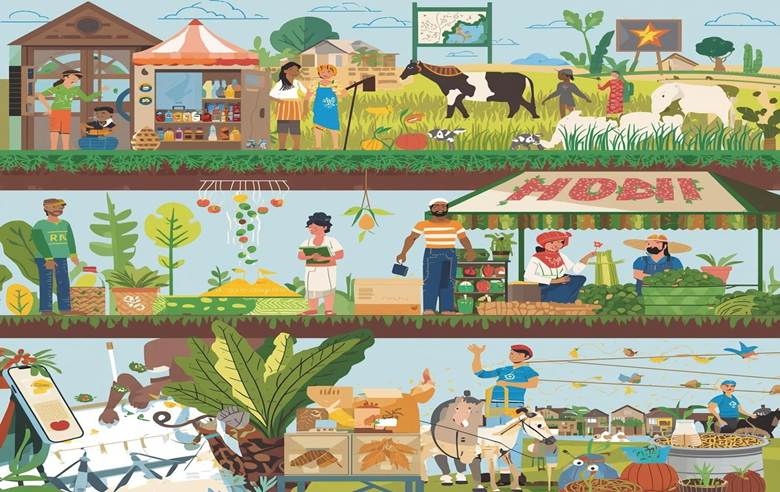
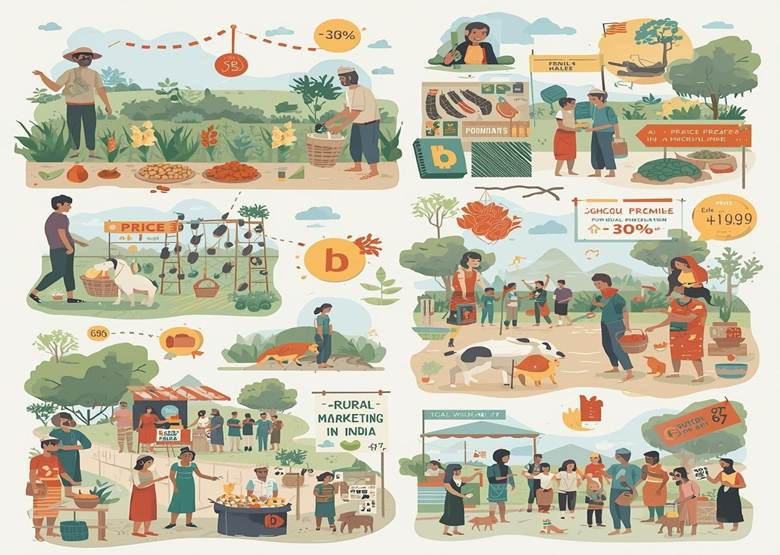
Rural marketing in India presents a unique set of challenges due to factors such as low purchasing power, scattered populations, poor infrastructure, and diverse cultural practices. Traditional marketing approaches often fall short in these environments, making it essential for companies to rethink their strategies.
To overcome these barriers, businesses are embracing innovative measures tailored to rural realities. These include offering affordable product sizes, leveraging local influencers, using mobile vans for distribution, adopting non-traditional media like folk performances, and introducing flexible payment options. Such innovations not only address the practical difficulties of rural markets but also help in building trust and long-term relationships with rural consumers. As a result, companies are able to expand their reach and make a meaningful impact in India’s vast and dynamic rural landscape.
Here’s a detailed explanation of the challenges in rural marketing in India, along with innovative measures adopted by companies, supported by real examples and case studies:
Challenges in Rural Marketing
Low Purchasing Power
Rural consumers often have limited disposable income, restricting their ability to buy premium or large-pack products.
Geographical Dispersion
Villages are scattered over large areas, making distribution and logistics expensive and complex.
Poor Infrastructure
Inadequate roads, storage, and electricity affect product delivery, preservation, and reach.
Low Literacy and Awareness
Lower literacy rates often hinder the effectiveness of printed advertisements and instructions, leading to limited awareness about branded products.
Cultural Diversity and Heterogeneity
Vast differences in language, customs, and traditions require highly localized marketing approaches.
Limited Media Reach
Rural consumers may have less access to television, newspapers, and digital platforms, making media campaigns less effective.
Seasonal Demand
Agricultural cycles and harvest periods often influence purchasing power, resulting in fluctuations in demand.
Innovative Measures in Rural Marketing
1. Small Pack Sizes and Affordable Pricing
Example: HUL popularized single-use sachets of shampoos and detergents, making them affordable even for low-income villagers.
Case Study: Clinic Plus shampoo sachets sold at ₹1–₹2 price points revolutionized personal care adoption in rural India.
2. Last-Mile Reach through Hub-and-Spoke Models
Example: ITC’s e-Choupal initiative set up internet kiosks in villages, managed by local farmers (sanchalaks), creating a distribution and information network.
Case Study: Farmers accessed real-time market prices and weather updates and could order agricultural inputs directly, bypassing middlemen and improving both incomes and company reach.
3. Mobile Vans and Haats
Example: Colgate and Godrej used mobile vans to reach remote villages, offering live demos and product samples.
Case Study: Godrej Consumer Products ran Project Shakti, empowering rural women as distributors (“Shakti Ammas”), extending the company’s distribution, and providing livelihood.
4. Non-Traditional Media and Communication
Example: Lifebuoy and Dettol used wall paintings, puppetry, street plays (“nukkad natak”), and local radio to spread hygiene messages.
Case Study: Hindustan Unilever’s “Khushiyon Ki Doli” and “Kan Khajura Tesan” (an on-demand free mobile radio channel) reached millions with health and product messages in areas where other media were absent.
5. Local Partnerships and Opinion Leaders
Example: Colgate partnered with schoolteachers and healthcare workers, using them as influencers for oral hygiene programs.
Case Study: Colgate’s “Bright Smiles, Bright Futures” campaign educated millions of schoolchildren in villages, increasing both dental awareness and product adoption.
6. Flexible Payment and Microcredit
Example: Mahindra Finance and Tata Motors offered tractors and vehicles to farmers with flexible loan and installment schemes.
Case Study: This approach helped boost sales of durable goods by matching rural cash flows (often seasonal) and improving affordability.
7. Customized Products
Example: Godrej’s “ChotuKool” refrigerator, designed for areas with erratic electricity, is portable, affordable, and tailored to rural needs.
Case Study: ChotuKool’s success in rural Maharashtra and Tamil Nadu demonstrated how product innovation can tap into unserved markets.
Summary Table
Challenge
Innovative Measure
Example/Case Study
Low income
Sachet pricing, micro-packs
Clinic Plus, HUL
Distribution hurdles
e-Choupal kiosks, Shakti Ammas
ITC, Godrej Project Shakti
Low literacy
Folk media, mobile radio
Lifebuoy, HUL “Kan Khajura Tesan”
Infrastructure gaps
Mobile vans, local partnerships
Colgate, Godrej
Seasonal incomes
Flexible loans, microcredit
Mahindra Finance, Tata Motors
Product fit
Rural-specific innovation
Godrej ChotuKool
In summary: Rural marketing in India faces significant obstacles, but companies are overcoming them through pricing innovations, customized products, creative communication, last-mile distribution, and partnerships with local influencers. These approaches not only drive business growth but also foster rural development and empowerment.
Rural marketing in India offers particular difficulties and opportunities due to the distinct characteristics of rural consumers, such as lower purchasing power, diverse cultural backgrounds, and limited access to mainstream media. As a result, companies must adopt specialized pricing and promotional strategies to effectively reach and engage this vast market segment.
Pricing strategies for rural marketing focus on making products affordable and accessible. This often involves introducing smaller pack sizes, value-based pricing, flexible credit options, and installment payment schemes tailored to the financial realities of rural households.
Promotional strategies in rural areas leverage local culture, traditions, and communication channels. Companies employ methods like participation in village fairs, wall paintings, folk media, mobile vans, and collaborations with local influencers to build trust and create product awareness.
Together, these strategies are essential for building brand presence, driving adoption, and achieving long-term success in rural markets. Here’s a detailed yet concise explanation of pricing strategies and promotional strategies for rural marketing in India, with examples and case studies:
A. Pricing Strategies for Rural Marketing
1. Affordable/Low-Unit Pricing
Strategy: Offer products in small, low-priced packs to match rural consumers’ purchasing power.
Example: FMCG companies like Hindustan Unilever (HUL) sell shampoos and detergents in sachets priced as low as ₹1-₹2.
Case Study: Clinic Plus Shampoo sachets by HUL became a rural staple, making shampoo affordable and accessible, driving massive volume sales.
2. Value-based Pricing
Strategy: Price products according to perceived value, often focusing on utility and durability in rural contexts.
Example: Godrej’s “ChotuKool” refrigerator was priced much lower than conventional fridges, targeting rural households needing affordable cooling solutions.
3. Flexible Credit and Installment Payments
Strategy: Enable rural customers to buy on credit or via easy installments.
Example: Mahindra’s “Mahindra Finance” offers tractors and vehicles to farmers with flexible payment plans, boosting adoption.
B. Promotional Strategies for Rural Marketing
1. Local Festivals and Melas
Strategy: Use rural gatherings, fairs, and festivals as platforms for product promotion and demonstration.
Case Study: Coca-Cola organized “Coke Melas” in Uttar Pradesh, where villagers could sample drinks, engage in games, and win prizes, increasing brand awareness and sales.
2. Use of Rural Influencers and Opinion Leaders
Strategy: Partner with schoolteachers, panchayat leaders, and local shopkeepers to build trust and endorse products.
Example:Colgate partnered with village school teachers for oral health education programs, increasing toothpaste adoption.
3. Mobile Vans and Door-to-Door Campaigns
Strategy: Deploy mobile vans for live demonstrations and direct selling in villages.
Case Study: ITC e-Choupal used mobile vans to educate farmers on agri-products and buy-back schemes, boosting both product knowledge and sales.
4. Wall Paintings and Local Media
Strategy: Use wall paintings, local cable ads, and folk media due to low print literacy and limited digital penetration.
Example:Lifebuoy soap uses wall paintings and street plays (“nukkad natak”) to demonstrate handwashing.
Summary Table
Strategy Type
Example/Case Study
Description/Impact
Low-unit pricing
HUL’s Clinic Plus sachets
Affordable, increases penetration
Value pricing
Godrej ChotuKool
Meets rural affordability and need
Installments
Mahindra Finance
Makes durable goods accessible
Local events
Coca-Cola Coke Melas
Drives sampling and engagement
Opinion leaders
Colgate in schools
Builds trust through influencers
Direct campaigns
ITC e-Choupal vans
Education and sales through demonstrations
Folk media
Lifebuoy wall paintings
Effective awareness in low-literacy areas
In summary: Rural marketing in India requires tailored pricing and promotional strategies that fit local needs, purchasing power, and communication channels. Successful brands use creative, affordable, and trust-based approaches to reach and win rural consumers.
In India, contracts can range from simple purchase agreements to complex joint ventures, mergers, or licensing deals. Negotiations are critical because they determine the rights, duties, and remedies of each party, reduce the risk of disputes, and foster trust.
Key Features of Contracts in India
Offer and Acceptance: A valid contract requires a clear offer by one party and its unconditional acceptance by the other.
Consideration: There must be something of value exchanged.
Capacity: Parties must be competent (e.g., of legal age, of sound mind).
Legality: The agreement must be for a lawful purpose.
Examples and Case Studies
1. Reliance Jio and Facebook (2020):
Context: Facebook acquired a 9.99% stake in Jio Platforms.
Negotiation: Intense negotiations were held around price, governance rights, and digital collaboration.
Outcome: A landmark deal that set new standards for tech investments in India, with all terms documented in a detailed share subscription agreement and strategic partnership contract.
2. Vendor Agreement in IT Sector:
Example: Infosys contracts with global clients for software services.
Negotiation Points: Scope of work, payment terms, intellectual property rights, service-level agreements (SLAs), and dispute resolution mechanisms.
Impact: Well-negotiated contracts protect both client and service provider, ensuring project success and legal compliance.
3. Real Estate Lease Agreement Dispute:
Case: Delhi High Court’s ruling in DLF v. MCD (2012).
Issue: Disagreement over lease terms and maintenance obligations.
Learning: Highlighted the importance of detailed negotiations and clear terms to avoid litigation.
Summary: In India, effective contracts and skilled negotiations are essential for business stability and growth. Notable deals (like Reliance-Facebook) and everyday vendor agreements demonstrate how thorough negotiation and clear documentation safeguard interests and reduce risks.
B. Revenue sharing model
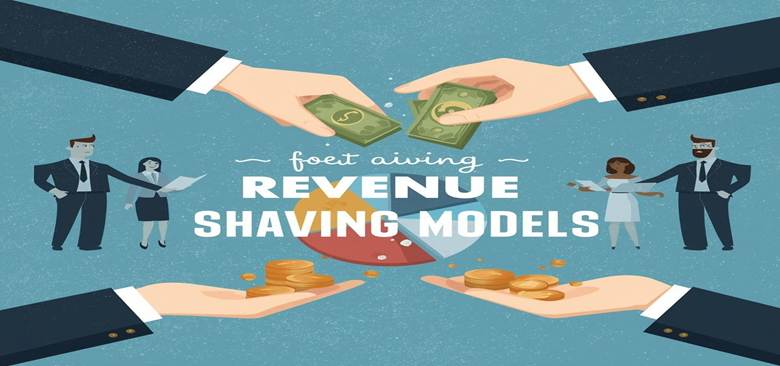
Revenue Sharing Model in Contracts and Negotiations
A revenue sharing model is an agreement where two or more parties agree to divide the income generated from a business activity in a specified proportion. This model is widely used in sectors like technology, media, entertainment, franchising, e-commerce, and sports. Revenue sharing aligns incentives, reduces upfront costs for partners, and spreads risk.
Key Features
Percentage Split: Revenue is often split based on a pre-decided ratio (e.g., 70:30 or 50:50).
Scope: Applies to gross or net revenues, and the contract specifies what counts as “revenue.”
Duration: The agreement can be for a fixed term or tied to the lifespan of the venture/product.
Audit Rights: Parties may have rights to inspect books to ensure correct sharing.
Recent Examples and Case Studies
1. OTT Platforms and Film Producers
Example: Netflix & Dharma Productions (2022–2023)
Context: Dharma Productions licensed several films to Netflix India.
Revenue Sharing: Instead of a simple one-time fee, Dharma and Netflix agreed on a model where streaming revenue (from subscriptions/viewership) is shared in a set ratio, incentivizing both to promote the films.
Outcome: Both parties benefit—producers gain recurring revenue, and Netflix shares risk and reward.
2. E-commerce Marketplace Sellers
Example: Amazon India and Small Retailers
Context: Sellers on Amazon India agree to a revenue sharing model, where Amazon takes a commission (ranging from 5% to 25%) on each sale.
Negotiation Points: Commission percentage, payment timelines, promotional costs, and handling of returns.
Case: During the 2023 festive sales, Amazon introduced special revenue-sharing incentives for local artisans under its “Local Shops on Amazon” program, increasing their share for a limited period to boost participation.
3. IPL (Indian Premier League) – Broadcasting Rights
Case Study: BCCI & Broadcasters (2023–2027)
Context: The BCCI sold IPL media rights to Viacom18 and Star India in a multi-billion dollar deal.
Revenue Sharing: Broadcasters and BCCI share advertising and subscription revenue based on detailed contractual terms.
Impact: This model ensures the BCCI gains from the league’s growing popularity, while broadcasters are incentivized to maximize viewership and ad sales.
4. Music Streaming Platforms
Example: Gaana/Saavn & Independent Artists
Context: Indian music streaming platforms share revenue with artists/labels based on streams.
Model: A percentage of subscription/ad revenue is distributed to rights holders, negotiated individually or via collective rights organizations.
Summary Table
Sector
Parties Involved
Revenue Sharing Model
Recent Example/Case Study
OTT & Film
Producer & Streamer
Percentage of streaming revenue
Netflix & Dharma Productions
E-commerce
Marketplace & Seller
Commission per sale
Amazon India & Local Retailers
Sports Broadcasting
League & Broadcaster
Share of ad/subscription revenue
IPL Media Rights (BCCI & Viacom18)
Music Streaming
Platform & Artists/Labels
Pro-rata share of platform revenue
Gaana/Saavn & Indie Artists
In summary:
Revenue sharing models are now central to many Indian business contracts and negotiations, ensuring risk and reward are balanced between parties. These models are increasingly favored due to their flexibility and ability to incentivize long-term collaboration.
B. Minimum guarantee model
The minimum guarantee model is a contractual arrangement where one party (usually a distributor, platform, or licensee) commits to paying the other (often a content creator, producer, or rights holder) a fixed minimum amount, regardless of actual revenue or performance. If revenues exceed the MG, additional profits may be shared according to agreed terms. This model is common in entertainment, publishing, and licensing industries.
How It Works
Upfront Payment: The licensee/distributor pays a non-refundable minimum guarantee to the producer/content owner.
Recoupment: The licensee recovers this amount from future earnings (sales, subscriptions, box office, etc.).
Additional Revenue: If earnings surpass the MG, surplus is split based on a negotiated revenue-sharing ratio.
Risk: The licensee bears the risk if actual revenues are less than the MG.
Examples and Case Studies
1. Indian Film Distribution
Example: A Bollywood producer sells theatrical rights for a new film to a regional distributor for a minimum guarantee of ₹20 crore.
The distributor pays ₹20 crore upfront.
If box office collections in that region exceed ₹20 crore (after costs), the surplus is shared as per contract (e.g., 50:50 split).
If collections fall short, the distributor absorbs the loss.
Case Study: Baahubali: The Beginning (2015)
The Telugu film’s Hindi theatrical rights were sold to Karan Johar’s Dharma Productions with a substantial MG.
Dharma paid a high upfront MG, banking on the film’s pan-India appeal.
As the film became a blockbuster, revenues far exceeded the MG, benefiting both parties.
2. OTT Platform Acquisitions
Example: Amazon Prime Video acquires exclusive streaming rights to a highly anticipated Tamil movie for an MG of ₹30 crore.
The producer receives this amount regardless of the film’s streaming performance.
If the film drives massive new subscribers, the platform can realize greater long-term value, but bears risk if viewership is low.
Case Study: Soorarai Pottru (2020)
Amazon Prime Video reportedly paid a significant MG to acquire worldwide streaming rights, providing financial security to the producers during the pandemic when theatrical releases were uncertain.
3. Music Licensing
Example: A music label sells digital rights for a new album to a streaming service for an MG of ₹5 crore.
The streaming service must pay this sum, regardless of the album’s performance on the platform.
Additional royalties may be paid if streams surpass a certain threshold.
Summary Table
Sector
Parties Involved
MG Application
Example/Case Study
Film Distribution
Producer & Distributor
Upfront minimum for theatrical rights
Baahubali, Bollywood deals
OTT Acquisition
Producer & OTT Platform
Upfront MG for digital rights
Soorarai Pottru, Amazon Prime
Music Licensing
Label & Streaming Service
MG for album/track rights
Major Indian label deals
In summary:
The minimum guarantee model provides financial assurance to content creators and shifts risk to distributors or platforms. It is widely used in Indian entertainment, with successful examples in film and digital content. Thorough negotiation of MG terms and revenue-sharing ratios is crucial to balance risk and reward for both parties.
C. Share in profits model
Share in Profits Model in Contracts and Negotiations
The share in profits model is an agreement where two or more parties agree to split the actual profits generated from a business activity, project, or intellectual property, according to a pre-agreed ratio. Unlike minimum guarantee or revenue sharing, this model focuses on profits (net of costs/expenses), so all parties are invested in both generating income and controlling costs.
How It Works
Profit Calculation: Net profit is calculated after deducting all expenses (production, marketing, distribution, taxes, etc.) from total revenue.
Profit Split: The remaining profit is distributed among stakeholders as per the contract (e.g., 60:40, 50:50 splits).
Alignment of Interests: Both sides are incentivized to maximize profitability, not just gross revenue.
Recent Indian Examples and Case Studies
1. Bollywood Co-production Agreements
Example: Pathaan (2023) – Produced by Yash Raj Films, several distributors and exhibitors entered into profit-sharing agreements rather than flat-fee deals. After deducting costs, profits from box office collections were shared between the producer and key distribution partners, which incentivized both to invest in marketing and maximize earnings.
2. Actor-Producer Partnerships
Example: In recent years, top actors like Akshay Kumar and Shah Rukh Khan have taken a share in profits instead of a fixed upfront fee for certain films. For instance, Akshay Kumar, for Mission Mangal (2019), reportedly opted for a lower upfront fee in exchange for a larger share of profits, aligning his compensation with the movie’s success.
3. OTT Originals (Web Series and Films)
Case Study: Sacred Games (Netflix India) – The production house, Phantom Films, negotiated a profit-sharing arrangement with Netflix, where profits from international syndication and merchandise were shared, not just the initial licensing fee. This encouraged the production team to maintain high quality and cross-promotional efforts.
4. Franchise and Sports Leagues
Example: Indian Premier League (IPL) franchises share profits with team owners, sponsors, and players through bonus pools, especially based on team performance and seasonal profits, ensuring all stakeholders benefit from the league’s commercial success.
Context: Tata Motors, in some strategic partnerships for new vehicle launches, uses profit-sharing agreements with key component manufacturers, especially for electric vehicles.
How it Works: Instead of a fixed payment, suppliers receive a percentage of net profits from vehicle sales. This incentivizes suppliers to maintain quality and innovation, as their earnings grow with the success of the vehicle line.
6.. Pharmaceuticals: Dr. Reddy’s Laboratories & International Licensing Partners
Context: Dr. Reddy’s Labs has entered into profit-sharing arrangements with overseas pharma companies for co-developed or out-licensed drugs.
Details: After deducting manufacturing and marketing costs, profits from drug sales in target markets are split between Dr. Reddy’s and the partner company, ensuring both share rewards and risks.
7. E-Commerce: Flipkart & Private Label Brands
Context: Flipkart collaborates with private label brands on a profit-sharing basis for exclusive product launches.
Mechanism: Instead of buying inventory outright, Flipkart agrees to share profits (after costs) from sales of the product line, encouraging both parties to invest in marketing, quality, and supply chain efficiency.
8. Media & Entertainment: Zee Music & Independent Artists
Context: Zee Music often enters profit-sharing contracts with independent artists for digital releases.
How it Works: After deducting promotion and distribution costs, remaining profits from streams and digital sales are split between the label and the artist, allowing both to benefit from a song’s popularity.
Summary Table
Sector
Parties Involved
Share in Profits Model
Example/Case Study
Film Production
Producers & Distributors
Profits post-expenses split among stakeholders
Pathaan, Mission Mangal
Talent Contracts
Producers & Actors
Actor receives % of net profits
Akshay Kumar, Shah Rukh Khan
OTT Originals
Producers & Platforms
Profit share from syndication/merchandising
Sacred Games/Netflix
Sports/Franchises
League, Franchise, Players
Profits shared as bonuses or dividends
IPL teams
In summary: The share in profits model is increasingly popular in Indian films, OTT, and sports, fostering collaboration, aligning incentives, and maximizing value for all parties involved. Thorough negotiation and transparent accounting are crucial
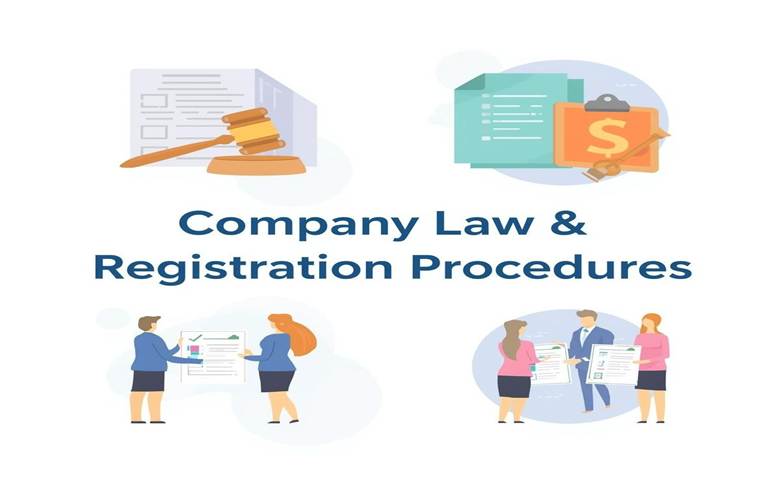
Company law in India is a specialized branch of law that governs the formation, functioning, and dissolution of companies. It establishes the legal framework that companies must operate within, ensuring transparency, accountability, and protection of stakeholder interests. The primary legislation governing company law in India is the Companies Act, 2013.
Key Aspects of Company Law
Formation and Incorporation: Lays down rules for how companies are legally created, including requirements for directors, shareholders, and capital.
Corporate Governance: Specifies how companies should be managed, including board structure, meetings, disclosures, and audits.
Rights and Duties: Outlines the rights and responsibilities of directors, shareholders, and other officers.
Regulatory Compliance: Mandates regular filings, audits, and disclosures to ensure companies remain compliant and transparent.
Winding Up: Provides procedures for dissolution or closure of a company.
TCS, as a public limited company, strictly complies with the Companies Act, 2013 and SEBI’s listing obligations.
The company’s strong board structure, regular disclosures, and adherence to independent directors’ requirements are exemplary, showing the Act’s impact on governance and transparency.
2. Satyam Scandal (2009): Lessons in Ethics and Law
Satyam Computer Services was involved in one of India’s largest corporate frauds, where its founder admitted to manipulating accounts.
The scandal exposed gaps in regulatory oversight and led to significant amendments in company law, emphasizing stricter auditor oversight and more robust disclosure norms in the Companies Act, 2013.
3. Section 135 – Corporate Social Responsibility (CSR)
India became the first country to mandate CSR spending for certain companies through Section 135 of the Companies Act, 2013.
Example: Infosys, Reliance, and ITC have set up extensive CSR programs in compliance with this requirement, investing in education, healthcare, and rural development.
4. Byju’s (2023–2024): Compliance and Governance
Byju’s faced regulatory scrutiny due to delayed financial reporting and alleged lapses in governance.
The case highlights the importance of transparency, timely filings, and adherence to statutory obligations under company law.
Summary: Company law in India is essential for fostering fair, ethical, and transparent business practices. High-profile examples like TCS and Infosys illustrate the benefits of strong corporate governance, while cases like Satyam and Byju’s show the consequences of non-compliance and unethical conduct. The Companies Act, 2013 continues to evolve, adapting to new business realities and global standards.
B. Registration Procedures and Exceptions
Standard Registration Procedures
In India, company registration is governed by the Companies Act, 2013. The process has become largely digital and streamlined through the Ministry of Corporate Affairs (MCA) portal. Here’s a step-by-step overview:
Choose a Business Structure: Select the appropriate entity type (Private Limited Company, Public Limited Company, LLP, OPC, etc.) based on your needs.
Name Reservation: Apply for name approval via the RUN (Reserve Unique Name) service on the MCA portal.
Obtain Digital Signature Certificates (DSC) and Director Identification Numbers (DIN): All directors must have a DSC and DIN for digital filings.
Draft Charter Documents: Prepare the Memorandum of Association (MOA) and Articles of Association (AOA).
File Incorporation Forms: Submit the SPICe+ (Simplified Proforma for Incorporating Company Electronically Plus) form, which integrates registration for PAN, TAN, GST, EPFO, and ESIC.
Certificate of Incorporation: Upon approval, the Registrar of Companies (RoC) issues a Certificate of Incorporation. The company can then open bank accounts and commence business.
Case Study: Zepto (2021): Zepto, a quick-commerce startup, was incorporated as a Private Limited Company using the SPICe+ form. The digital process enabled the founders to register and start operations within days, facilitating rapid expansion and fundraising.
Exceptions and Simplified Procedures
To foster entrepreneurship, certain company types and initiatives enjoy simplified or special procedures:
1. One Person Company (OPC)
What: Allows a single individual to incorporate a company with limited liability.
Exception: Reduced compliance compared to other companies (e.g., no need for annual general meetings).
Example: Many tech consultants and solo entrepreneurs in India register as OPCs for ease and protection.
2. Startup India Recognition
What: Startups recognized under the Startup India scheme get expedited registration, tax exemptions, and relaxed compliance.
Exception: Faster incorporation and self-certification for labor and environmental laws.
Case Study: Razorpay (2014): Recognized as a startup, Razorpay benefited from quick registration and compliance under Startup India, enabling it to focus on innovation and scale rapidly.
3. Limited Liability Partnership (LLP)
What: Hybrid between partnership and company; simpler compliance and lower cost of registration.
Exception: Less regulatory burden than a Private Limited Company.
Example: Many small service firms (consultancies, legal firms) prefer LLPs for flexibility and limited liability.
4. SPICe+ Integrated Form
What: Allows for single-window registration covering company, PAN, TAN, GST, ESIC, and EPFO.
Exception: Reduces paperwork and time-to-incorporation for all company types.
Case Study: Nykaa (2012): Used the then-available digital forms (precursor to SPICe+) for swift registration and compliance, supporting rapid growth.
Summary Table
Procedure/Exception
Description
Example/Case Study
Standard Registration
Name, DSC, DIN, MOA/AOA, SPICe+, RoC
Zepto
OPC
Single founder, reduced compliance
Tech consultants
Startup India
Faster process, tax benefits
Razorpay
LLP
Hybrid entity, easier compliance
Legal/accounting firms
SPICe+ Form
One-stop digital registration
Nykaa
In summary: India’s company registration process is robust yet increasingly simplified, with notable exceptions for new-age businesses and startups. Case studies like Zepto, Razorpay, and Nykaa show how these procedures and exceptions enable rapid, compliant business creation and growth.
C. Company Procedure and Ethics
Company Procedure
Company procedure refers to the formal steps and processes that companies must follow to operate legally and efficiently. These include:
Conducting Board and General Meetings: Proper notice, agenda, and minutes must be maintained.
Statutory Filings: Annual returns, financial statements, and other documents must be filed with the Registrar of Companies (RoC).
Compliance with Laws: Adhering to the Companies Act, SEBI regulations (for listed companies), and other applicable laws.
Maintaining Registers and Records: Companies must keep statutory registers of members, directors, and charges.
Recent Example: Tata Consultancy Services (TCS): TCS consistently demonstrates robust corporate procedures, with timely annual general meetings (AGMs), transparent disclosures, and meticulous compliance with SEBI and Companies Act norms. This has helped TCS maintain investor confidence and avoid regulatory penalties.
Company Ethics
Company ethics refer to the principles of integrity, transparency, fairness, and accountability in business conduct. Ethical lapses can lead to regulatory scrutiny, reputational damage, and legal consequences.
Recent Indian Cases:
Byju’s (2023–2024):
Issue: Byju’s, a leading edtech firm, faced criticism for delayed financial disclosures, aggressive sales tactics, and alleged misrepresentation in its accounts.
Ethical Concern: Lack of transparency and potential misleading of stakeholders led to investigations and loss of trust among investors and customers.
Satyam Scandal (Legacy, but still relevant):
Issue: Satyam Computers (2009) involved large-scale financial fraud, falsification of accounts, and unethical board conduct.
Impact: The scandal prompted reforms in corporate governance and ethics, influencing the Companies Act, 2013.
Zilingo (2022):
Issue: Singapore-based, but with significant Indian operations, Zilingo suspended its CEO over alleged financial irregularities. The case highlighted the importance of ethical leadership and strong internal controls for startups operating in India.
Transparency issues and delayed financial reporting
Ethics
Satyam
Accounting fraud, led to stricter corporate governance laws
Ethics
Zilingo
Leadership suspended over financial irregularities
In summary: Company procedures ensure legal compliance and orderly operation, while robust ethics build trust and long-term sustainability. Recent Indian cases like Byju’s and TCS illustrate the impact—both positive and negative—of following or ignoring these principles.
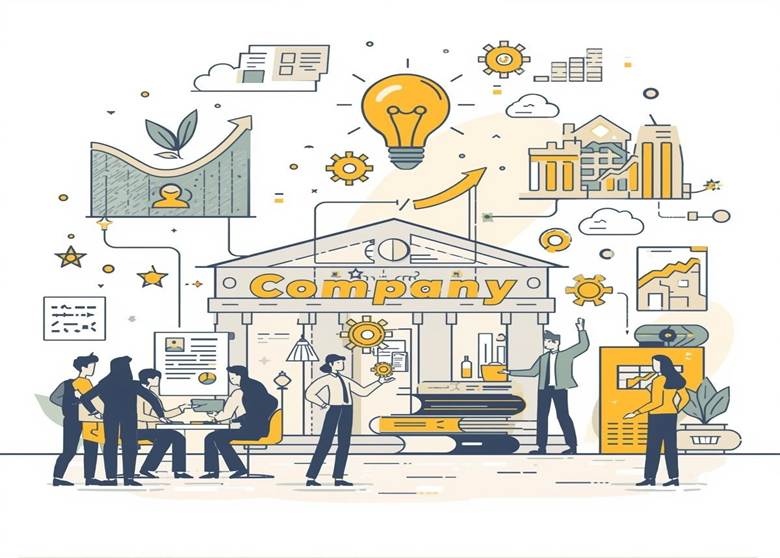
Company creation is the process by which entrepreneurs formally establish a legal business entity to operate, grow, and scale their ideas. This process involves transforming an innovative concept into a structured organization recognized by law, allowing for organized operations, access to funding, and legal protection for founders.
Key Steps in Company Creation
Idea Validation: Assessing the feasibility and market demand for the business concept.
Choosing a Business Structure: Selecting the most suitable form—such as sole proprietorship, partnership, Limited Liability Partnership (LLP), private limited company, or public limited company—based on scale, liability, and goals.
Legal Registration: Registering the entity with government authorities (such as the Registrar of Companies in India), obtaining necessary licenses, and complying with statutory requirements.
Operational Setup: Setting up banking, hiring, creating operational processes, and launching products or services.
Examples and Case Studies
1. Start-up Example: Nykaa
Background: Falguni Nayar founded Nykaa in 2012 as a private limited company.
Process:
Registered as FSN E-Commerce Ventures Pvt Ltd.
Secured initial funding, set up e-commerce operations, and established partnerships with suppliers.
Transitioned to a public limited company before its IPO in 2021.
Outcome: Today, Nykaa is a leading e-commerce platform in the beauty sector and a publicly listed company.
2. Social Enterprise Example: SELCO India
Background: SELCO was founded to make solar energy accessible to rural India.
Process:
Registered as a private limited company focused on social impact.
Developed partnerships with local banks for financing.
Built a scalable model that combines profit with social good.
Outcome: SELCO has impacted over half a million households and received national and international recognition.
3. Tech Start-up Example: Zepto
Background: Founded by two teenagers in 2021, Zepto started as a quick-commerce grocery delivery company.
Process:
Registered as a private limited company in Mumbai.
Raised venture capital funding.
Scaled operations rapidly across major Indian cities.
Outcome: Zepto became a recognized brand in the 10-minute delivery space and secured significant investment.
Summary: Company creation is a foundational step for any aspiring entrepreneur, providing a legal identity and framework for business growth. Real-world examples like Nykaa, SELCO, and Zepto highlight the diverse ways companies can be created—whether for profit, social impact, or rapid innovation—by following structured steps from ideation to legal formation and operational rollout.
Company Creation
Company creation is the act of legally establishing a business entity. This process transforms a business idea into an officially recognized organization, allowing it to operate, contract, hire, and grow. Common types of business entities include:
Sole Proprietorship
Partnership
Limited Liability Partnership (LLP)
Private Limited Company
Public Limited Company
One Person Company (OPC)
Choosing the right structure depends on factors like the number of founders, liability protection, capital needs, and regulatory requirements.
Processes of Registration and Incorporation
1. Choosing a Business Structure
Select the most suitable type of company based on your needs (e.g., private limited for startups seeking investment).
2. Name Reservation
Choose a unique name and check its availability using the Ministry of Corporate Affairs (MCA) portal. Submit your name for approval.
3. Preparing Documents
Draft the Memorandum of Association (MOA) and Articles of Association (AOA), which define your company’s objectives and internal rules.
4. Obtaining Digital Signatures and DIN
Directors must get Digital Signature Certificates (DSC) and Director Identification Numbers (DIN) to sign documents electronically.
5. Filing Incorporation Forms
Submit all required documents using forms like SPICe+ (Simplified Proforma for Incorporating Company Electronically Plus) on the MCA portal. This integrated form covers company registration, PAN, TAN, GST, ESIC, and EPFO registration.
6. Verification and Approval
The Registrar of Companies (RoC) reviews the documents and may seek clarifications or corrections.
7. Certificate of Incorporation
Once approved, the RoC issues a Certificate of Incorporation. Your company is now a distinct legal entity and can commence business activities.
Examples and Case Studies
Case Study 1: Nykaa
Background: Founded by Falguni Nayar in 2012.
Process: Registered as FSN E-Commerce Ventures Private Limited using the MCA portal. Followed all standard steps, raised funding, and later converted to a public company for IPO.
Outcome: Became a leading beauty e-commerce player in India, demonstrating the importance of professional incorporation and compliance.
Case Study 2: Zepto
Background: Quick-commerce startup founded in 2021 by two young entrepreneurs.
Process: Incorporated as a Private Limited Company in Mumbai using the SPICe+ form, allowing quick digital registration and access to investors.
Outcome: Raised significant venture capital and expanded rapidly, showing how robust incorporation enables fast scaling.
Example: One Person Company (OPC)
Context: Introduced in India for solo founders.
Example: A software consultant registers as an OPC for limited liability and ease of compliance, making it easier to contract with larger firms and banks.
Summary Table
Step
Description
Example/Case Study
Structure Selection
Decide between Pvt Ltd, LLP, OPC, etc.
Zepto chose Pvt Ltd
Name Reservation
Propose and get approval for company name
Nykaa reserved unique name
DSC & DIN
Obtain digital signatures and director IDs
Standard for all founders
MOA & AOA
Draft company purpose and rules
Nykaa, Zepto
Filing Registration
Submit SPICe+ and documents on MCA portal
All registered digitally
Incorporation Cert.
Receive legal status and commence operations
Nykaa, Zepto, OPC examples.
In summary: Company creation and incorporation involve structured legal steps that provide a foundation for business growth and credibility. Successful examples like Nykaa and Zepto illustrate how following these processes enables companies to attract investment, scale operations, and achieve industry leadership.
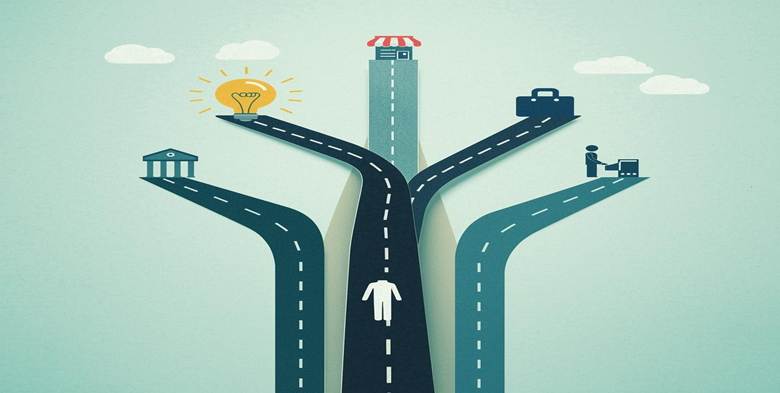
Entrepreneurship routes refer to the various pathways individuals can take to start and grow a business. Each route offers distinct opportunities, challenges, and strategic considerations, allowing entrepreneurs to choose the path that best aligns with their goals, resources, and interests.
Common routes include starting a business from scratch with a novel idea, acquiring an existing business, entering into franchising agreements, engaging in social entrepreneurship to address societal challenges, and practicing intrapreneurship by innovating within established organizations. Understanding these different approaches helps aspiring entrepreneurs identify the most suitable avenue for launching and scaling their ventures, considering factors like industry trends, market needs, and available support systems.
Business Plans and Ideation
Business Ideation is the process of generating creative ideas for a new business, often by identifying problems and designing solutions that can be scaled. This stage involves brainstorming, market research, and evaluating the feasibility of ideas.
Business Plans are structured documents outlining the business idea, target market, competition, marketing and sales strategies, operational plans, and financial projections. A well-crafted business plan helps in securing funding and guiding the growth of the business.
Entrepreneurship Routes
Starting from Scratch: Building an entirely new business based on an original idea. Example: Ola Cabs was built from scratch to solve urban mobility issues in India.
Franchising: Purchasing the right to operate under an established brand and business model. Example: McDonald’s and Domino’s franchises in India.
Acquisition: Buying an existing business and scaling or transforming it. Example: Zomato’s acquisition of Uber Eats India.
Social Entrepreneurship: Establishing ventures that address social or environmental challenges. Example: SELCO India, which provides sustainable energy solutions to underserved communities.
Intrapreneurship: Innovating within an existing large organization. Example: Tata Group’s launch of Tata Neu as a super-app was driven by an internal team.
A jingle is a short piece of music or tune used in advertising or any other commercial use. They are a form of sound branding. A jingle contains one or more phrases that are used in music to make it more appealing and meaningful to promote the product in advertising through many slogans. Jingles are also created using popular songs wherein the lyrics are modified in such a way to match the product for advertising.
Example: a. McDonald’s: I’m lovin’ it.
b. Red Hot: We Deliver Audiencess
Why are jingles important in business advertising?
Easy to remember
A proper jingle is fun and easy to remember. A product will be forgotten by the consumer, as there are tons of advertisements, but with the help of jingles, the product will be remembered by the consumer, as they are short and, most importantly, easily memorable and attractive.
Jingles help you clarify what you have to offer.
Like other advertising methods, a jingle should tell the customers about the product you have to offer them. As attention-grabbing music, a jingle can be used to attract the customers. A well-crafted jingle will ingrain itself into the customers’ minds, compelling them to purchase your product due to its unique features. It will also leave a drastic impact on the public after listening to it.
Attracts customers
Jingles serve another important purpose: they attract customers. A memorable jingle can create an impact in the listener’s mind in such a way that it will create an emotion in the customer towards the product. With a perfect jingle, that is, by providing all the required information to the public, you can create a new customer base for your product.
Creates a lasting notion
A jingle creates an outward appearance in the minds of the customer. Euphony is a very effective tool when it comes to advertising. A memorable tune will create an impact in the mind and so will also create a long-lasting impression. If a brand selects a memorable jingle for its product, it will stay in the audience’s mind for a long, long time.
A tune influences the mind
Music touches us the way no other thing can! By creating a powerful tune, you can easily influence the minds of the public. It can lift anyone’s mood and make them interested in your product. Let the music speak more than your words.
A logo is a graphic mark, emblem, or symbol used to aid or promote public identification and recognition. It may be an abstract or figurative design or include the text of the name it represents, as in a wordmark. A logo is defined as a small symbol or design adopted by an organization to identify its products, uniforms, vehicles, etc.
Role of Logo in Business Advertising:
When advertising a particular kind of business, there are many different types of methods that are used to ensure a brand is properly visible to its highest prospects. Many businesses overlook the power of logos as an advertising method, despite their potential to yield significant results.
Firms use logo designs as commercial enterprises and institutions do to encourage or advance prominence. Throughout the years, logos have been an important part of brand marketing and identity.
Visual representation of a logo can support a brand and effectively communicate its principles and values, commonly referred to as the symbolic benefits of the business. Advertising using logos carries immense importance.
Why are logos important in business advertising?
Creates a corporate personality and trust
brands,Including your brand’s logo in advertising campaigns can build the brand’s corporate personality and trust in the eyes of the customers and public. In advertising efforts, the more the brand’s logo is displayed, the more you will gain the trust of the potential customers and public, which will in turn result in more sales, production, profits, and revenues. Many popular brands like McDonald’s, Pizza Hut, etc., have made their endeavor a great success through their logo showing it via all their advertising methods.
Connects with the customers:
On a personal level, integrating your brand’s logo in the advertisements helps your customers learn about the product on a much deeper level. It is one of the best ways you can connect with the customers and create a positive impact and response from your customers. Your customers need to relate to the product you are selling, and the logo serves this purpose by creating a connection between the business and the consumer.
Long-term advertising
The firm must remember that the product logo will be the brand’s face and foundation for years to come. If the company dislikes the logo, it will be hard to change after it’s made. So one should always think about the long-term advertising when creating a logo for the brand.
Visualizing what the customers will consider
Your logo is your business’s and product’s face, so design it with the customer’s view in mind. Your customer will be the one who relates to your brand and product, so make sure you design it according to what matters most to the consumers.
Comparing other contenders’ logos:
It is always best to know what the contender is doing and how they have designed their brand logo in the same industry. By doing this, it will give you a deeper understanding or a clear perception of what should be and what should not be done while designing your brand logo. The most symbolic logos are the ones with minimal design, less complicated, easy to understand, etc. The easier the logo, the more it creates savviness among the public. When comparing logos, consider the colors, fonts, shapes, and designs used by other contenders, as these elements can make a logo more attractive to the public.
Elemental, yet influential.
To attract customers, you need to create a simple yet influential eye-catching logo to drive their attention to your brand. FedEx is the best example of the logos here. If you closely look at the white space between the E and the X, you can see an arrow. It’s a subliminal message conveying speedy service. So always keep it simple yet intensive.
Businesses like KFC and McDonald’s are all known by their brand’s logo itself. They carry enormous importance, and therefore getting a logo is critical.
The brainstorming method yields measurable significance by generating a large quantity of thoughts and ideas. This collection provides a diverse range of possible answers to the problem.
3. Problem inventory analysis
The problem inventory method is a method for obtaining new ideas and solutions by focusing on problems. Here, instead of creating new ideas, the consumers are provided with a list of problems and discuss them. After discussing various issues with consumers, this method either addresses all problems with solutions or helps develop an entirely new product and idea.
4. Focus group
In this technique, a group of individuals provide information in a structured format. Mediators lead a group through an open discussion and ask direct questions or ask for member responses and actions.
5. Reverse thinking
This problem-solving method or technique asks us to think differently. Instead of working on the problem in front of us, problem solvers work on the opposite of it.
6. Mind mapping
Mind mapping is a technique of presenting the information. It is very common in various creative fields. In this technique, an individual or leader writes down the problem on a whiteboard and then surrounds it with words that point out the things that you feel you may need in order to solve it.
7. Synectic
George M. Prince and William J.J. Gordon established this technique. In this technique, an individual takes a thing apart and then puts it back together. In this way, it helps to have a healthier idea of how things work. It is generally categorized as a creative problem-solving method along with lateral thinking and brainstorming.
8. Lateral thinking
Lateral thinking is a method of philosophy that looks for a solution to a determined issue through conventional methods that would generally be ignored by logical thinking. It may also be defined as a way to solve problems by an indirect approach.