Education

A. Introduction to Company Law

Company law in India is a specialized branch of law that governs the formation, functioning, and dissolution of companies. It establishes the legal framework that companies must operate within, ensuring transparency, accountability, and protection of stakeholder interests. The primary legislation governing company law in India is the Companies Act, 2013.

Key Aspects of Company Law

  • Formation and Incorporation:
    Lays down rules for how companies are legally created, including requirements for directors, shareholders, and capital.
  • Corporate Governance:
    Specifies how companies should be managed, including board structure, meetings, disclosures, and audits.
  • Rights and Duties:
    Outlines the rights and responsibilities of directors, shareholders, and other officers.
  • Regulatory Compliance:
    Mandates regular filings, audits, and disclosures to ensure companies remain compliant and transparent.
  • Winding Up:
    Provides procedures for dissolution or closure of a company.

Indian Examples and Case Studies

1. Tata Consultancy Services (TCS): Corporate Governance

  • TCS, as a public limited company, strictly complies with the Companies Act, 2013 and SEBI’s listing obligations.
  • The company’s strong board structure, regular disclosures, and adherence to independent directors’ requirements are exemplary, showing the Act’s impact on governance and transparency.

2. Satyam Scandal (2009): Lessons in Ethics and Law

  • Satyam Computer Services was involved in one of India’s largest corporate frauds, where its founder admitted to manipulating accounts.
  • The scandal exposed gaps in regulatory oversight and led to significant amendments in company law, emphasizing stricter auditor oversight and more robust disclosure norms in the Companies Act, 2013.

3. Section 135 – Corporate Social Responsibility (CSR)

  • India became the first country to mandate CSR spending for certain companies through Section 135 of the Companies Act, 2013.
  • Example: Infosys, Reliance, and ITC have set up extensive CSR programs in compliance with this requirement, investing in education, healthcare, and rural development.

4. Byju’s (2023–2024): Compliance and Governance

  • Byju’s faced regulatory scrutiny due to delayed financial reporting and alleged lapses in governance.
  • The case highlights the importance of transparency, timely filings, and adherence to statutory obligations under company law.

Summary:
Company law in India is essential for fostering fair, ethical, and transparent business practices. High-profile examples like TCS and Infosys illustrate the benefits of strong corporate governance, while cases like Satyam and Byju’s show the consequences of non-compliance and unethical conduct. The Companies Act, 2013 continues to evolve, adapting to new business realities and global standards.

B. Registration Procedures and Exceptions

Standard Registration Procedures

In India, company registration is governed by the Companies Act, 2013. The process has become largely digital and streamlined through the Ministry of Corporate Affairs (MCA) portal. Here’s a step-by-step overview:

  1. Choose a Business Structure:
    Select the appropriate entity type (Private Limited Company, Public Limited Company, LLP, OPC, etc.) based on your needs.
  2. Name Reservation:
    Apply for name approval via the RUN (Reserve Unique Name) service on the MCA portal.
  3. Obtain Digital Signature Certificates (DSC) and Director Identification Numbers (DIN):
    All directors must have a DSC and DIN for digital filings.
  4. Draft Charter Documents:
    Prepare the Memorandum of Association (MOA) and Articles of Association (AOA).
  5. File Incorporation Forms:
    Submit the SPICe+ (Simplified Proforma for Incorporating Company Electronically Plus) form, which integrates registration for PAN, TAN, GST, EPFO, and ESIC.
  6. Certificate of Incorporation:
    Upon approval, the Registrar of Companies (RoC) issues a Certificate of Incorporation. The company can then open bank accounts and commence business.

Case Study:
Zepto (2021):
Zepto, a quick-commerce startup, was incorporated as a Private Limited Company using the SPICe+ form. The digital process enabled the founders to register and start operations within days, facilitating rapid expansion and fundraising.

Exceptions and Simplified Procedures

To foster entrepreneurship, certain company types and initiatives enjoy simplified or special procedures:

1. One Person Company (OPC)

  • What: Allows a single individual to incorporate a company with limited liability.
  • Exception: Reduced compliance compared to other companies (e.g., no need for annual general meetings).
  • Example: Many tech consultants and solo entrepreneurs in India register as OPCs for ease and protection.

2. Startup India Recognition

  • What: Startups recognized under the Startup India scheme get expedited registration, tax exemptions, and relaxed compliance.
  • Exception: Faster incorporation and self-certification for labor and environmental laws.
  • Case Study:
    Razorpay (2014):
    Recognized as a startup, Razorpay benefited from quick registration and compliance under Startup India, enabling it to focus on innovation and scale rapidly.

3. Limited Liability Partnership (LLP)

  • What: Hybrid between partnership and company; simpler compliance and lower cost of registration.
  • Exception: Less regulatory burden than a Private Limited Company.
  • Example: Many small service firms (consultancies, legal firms) prefer LLPs for flexibility and limited liability.

4. SPICe+ Integrated Form

  • What: Allows for single-window registration covering company, PAN, TAN, GST, ESIC, and EPFO.
  • Exception: Reduces paperwork and time-to-incorporation for all company types.
  • Case Study:
    Nykaa (2012):
    Used the then-available digital forms (precursor to SPICe+) for swift registration and compliance, supporting rapid growth.

Summary Table

Procedure/ExceptionDescriptionExample/Case Study
Standard RegistrationName, DSC, DIN, MOA/AOA, SPICe+, RoCZepto
OPCSingle founder, reduced complianceTech consultants
Startup IndiaFaster process, tax benefitsRazorpay
LLPHybrid entity, easier complianceLegal/accounting firms
SPICe+ FormOne-stop digital registrationNykaa

In summary:
India’s company registration process is robust yet increasingly simplified, with notable exceptions for new-age businesses and startups. Case studies like Zepto, Razorpay, and Nykaa show how these procedures and exceptions enable rapid, compliant business creation and growth.

C. Company Procedure and Ethics

Company Procedure

Company procedure refers to the formal steps and processes that companies must follow to operate legally and efficiently. These include:

  • Conducting Board and General Meetings: Proper notice, agenda, and minutes must be maintained.
  • Statutory Filings: Annual returns, financial statements, and other documents must be filed with the Registrar of Companies (RoC).
  • Compliance with Laws: Adhering to the Companies Act, SEBI regulations (for listed companies), and other applicable laws.
  • Maintaining Registers and Records: Companies must keep statutory registers of members, directors, and charges.

Recent Example:
Tata Consultancy Services (TCS):
TCS consistently demonstrates robust corporate procedures, with timely annual general meetings (AGMs), transparent disclosures, and meticulous compliance with SEBI and Companies Act norms. This has helped TCS maintain investor confidence and avoid regulatory penalties.

Company Ethics

Company ethics refer to the principles of integrity, transparency, fairness, and accountability in business conduct. Ethical lapses can lead to regulatory scrutiny, reputational damage, and legal consequences.

Recent Indian Cases:

  1. Byju’s (2023–2024):
    • Issue: Byju’s, a leading edtech firm, faced criticism for delayed financial disclosures, aggressive sales tactics, and alleged misrepresentation in its accounts.
    • Ethical Concern: Lack of transparency and potential misleading of stakeholders led to investigations and loss of trust among investors and customers.
  2. Satyam Scandal (Legacy, but still relevant):
    • Issue: Satyam Computers (2009) involved large-scale financial fraud, falsification of accounts, and unethical board conduct.
    • Impact: The scandal prompted reforms in corporate governance and ethics, influencing the Companies Act, 2013.
  3. Zilingo (2022):
    • Issue: Singapore-based, but with significant Indian operations, Zilingo suspended its CEO over alleged financial irregularities. The case highlighted the importance of ethical leadership and strong internal controls for startups operating in India.

Summary Table

AspectExample/CaseBrief Description
Company ProcedureTCSStrong compliance, timely AGMs, transparent disclosures
EthicsByju’sTransparency issues and delayed financial reporting
EthicsSatyamAccounting fraud, led to stricter corporate governance laws
EthicsZilingoLeadership suspended over financial irregularities

In summary:
Company procedures ensure legal compliance and orderly operation, while robust ethics build trust and long-term sustainability. Recent Indian cases like Byju’s and TCS illustrate the impact—both positive and negative—of following or ignoring these principles.

Company creation is the process by which entrepreneurs formally establish a legal business entity to operate, grow, and scale their ideas. This process involves transforming an innovative concept into a structured organization recognized by law, allowing for organized operations, access to funding, and legal protection for founders.

Key Steps in Company Creation

  1. Idea Validation:
    Assessing the feasibility and market demand for the business concept.
  2. Choosing a Business Structure:
    Selecting the most suitable form—such as sole proprietorship, partnership, Limited Liability Partnership (LLP), private limited company, or public limited company—based on scale, liability, and goals.
  3. Legal Registration:
    Registering the entity with government authorities (such as the Registrar of Companies in India), obtaining necessary licenses, and complying with statutory requirements.
  4. Operational Setup:
    Setting up banking, hiring, creating operational processes, and launching products or services.

Examples and Case Studies

1. Start-up Example: Nykaa

  • Background: Falguni Nayar founded Nykaa in 2012 as a private limited company.
  • Process:
    • Registered as FSN E-Commerce Ventures Pvt Ltd.
    • Secured initial funding, set up e-commerce operations, and established partnerships with suppliers.
    • Transitioned to a public limited company before its IPO in 2021.
  • Outcome: Today, Nykaa is a leading e-commerce platform in the beauty sector and a publicly listed company.

2. Social Enterprise Example: SELCO India

  • Background: SELCO was founded to make solar energy accessible to rural India.
  • Process:
    • Registered as a private limited company focused on social impact.
    • Developed partnerships with local banks for financing.
    • Built a scalable model that combines profit with social good.
  • Outcome: SELCO has impacted over half a million households and received national and international recognition.

3. Tech Start-up Example: Zepto

  • Background: Founded by two teenagers in 2021, Zepto started as a quick-commerce grocery delivery company.
  • Process:
    • Registered as a private limited company in Mumbai.
    • Raised venture capital funding.
    • Scaled operations rapidly across major Indian cities.
  • Outcome: Zepto became a recognized brand in the 10-minute delivery space and secured significant investment.

Summary:
Company creation is a foundational step for any aspiring entrepreneur, providing a legal identity and framework for business growth. Real-world examples like Nykaa, SELCO, and Zepto highlight the diverse ways companies can be created—whether for profit, social impact, or rapid innovation—by following structured steps from ideation to legal formation and operational rollout.

Company Creation

Company creation is the act of legally establishing a business entity. This process transforms a business idea into an officially recognized organization, allowing it to operate, contract, hire, and grow. Common types of business entities include:

  • Sole Proprietorship
  • Partnership
  • Limited Liability Partnership (LLP)
  • Private Limited Company
  • Public Limited Company
  • One Person Company (OPC)

Choosing the right structure depends on factors like the number of founders, liability protection, capital needs, and regulatory requirements.

Processes of Registration and Incorporation

1. Choosing a Business Structure

Select the most suitable type of company based on your needs (e.g., private limited for startups seeking investment).

2. Name Reservation

Choose a unique name and check its availability using the Ministry of Corporate Affairs (MCA) portal. Submit your name for approval.

3. Preparing Documents

Draft the Memorandum of Association (MOA) and Articles of Association (AOA), which define your company’s objectives and internal rules.

4. Obtaining Digital Signatures and DIN

Directors must get Digital Signature Certificates (DSC) and Director Identification Numbers (DIN) to sign documents electronically.

5. Filing Incorporation Forms

Submit all required documents using forms like SPICe+ (Simplified Proforma for Incorporating Company Electronically Plus) on the MCA portal. This integrated form covers company registration, PAN, TAN, GST, ESIC, and EPFO registration.

6. Verification and Approval

The Registrar of Companies (RoC) reviews the documents and may seek clarifications or corrections.

7. Certificate of Incorporation

Once approved, the RoC issues a Certificate of Incorporation. Your company is now a distinct legal entity and can commence business activities.

Examples and Case Studies

Case Study 1: Nykaa

  • Background: Founded by Falguni Nayar in 2012.
  • Process: Registered as FSN E-Commerce Ventures Private Limited using the MCA portal. Followed all standard steps, raised funding, and later converted to a public company for IPO.
  • Outcome: Became a leading beauty e-commerce player in India, demonstrating the importance of professional incorporation and compliance.

Case Study 2: Zepto

  • Background: Quick-commerce startup founded in 2021 by two young entrepreneurs.
  • Process: Incorporated as a Private Limited Company in Mumbai using the SPICe+ form, allowing quick digital registration and access to investors.
  • Outcome: Raised significant venture capital and expanded rapidly, showing how robust incorporation enables fast scaling.

Example: One Person Company (OPC)

  • Context: Introduced in India for solo founders.
  • Example: A software consultant registers as an OPC for limited liability and ease of compliance, making it easier to contract with larger firms and banks.

Summary Table

StepDescriptionExample/Case Study
Structure SelectionDecide between Pvt Ltd, LLP, OPC, etc.Zepto chose Pvt Ltd
Name ReservationPropose and get approval for company nameNykaa reserved unique name
DSC & DINObtain digital signatures and director IDsStandard for all founders
MOA & AOADraft company purpose and rulesNykaa, Zepto
Filing RegistrationSubmit SPICe+ and documents on MCA portalAll registered digitally
Incorporation Cert.Receive legal status and commence operationsNykaa, Zepto, OPC examples.

In summary:
Company creation and incorporation involve structured legal steps that provide a foundation for business growth and credibility. Successful examples like Nykaa and Zepto illustrate how following these processes enables companies to attract investment, scale operations, and achieve industry leadership.

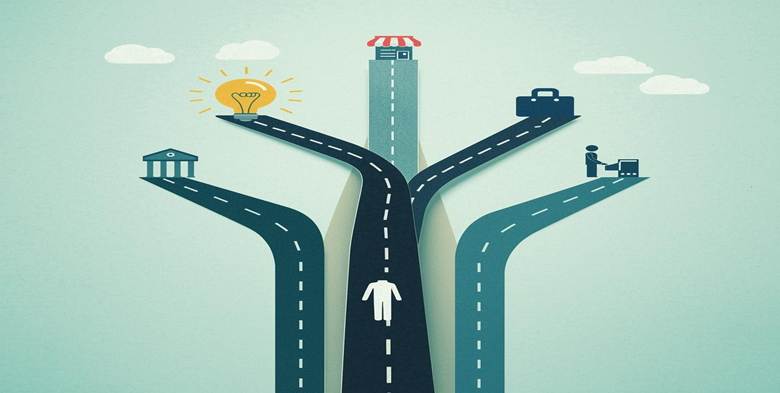
Entrepreneurship routes refer to the various pathways individuals can take to start and grow a business. Each route offers distinct opportunities, challenges, and strategic considerations, allowing entrepreneurs to choose the path that best aligns with their goals, resources, and interests.

Common routes include starting a business from scratch with a novel idea, acquiring an existing business, entering into franchising agreements, engaging in social entrepreneurship to address societal challenges, and practicing intrapreneurship by innovating within established organizations. Understanding these different approaches helps aspiring entrepreneurs identify the most suitable avenue for launching and scaling their ventures, considering factors like industry trends, market needs, and available support systems.

Business Plans and Ideation

Business Ideation is the process of generating creative ideas for a new business, often by identifying problems and designing solutions that can be scaled. This stage involves brainstorming, market research, and evaluating the feasibility of ideas.

Business Plans are structured documents outlining the business idea, target market, competition, marketing and sales strategies, operational plans, and financial projections. A well-crafted business plan helps in securing funding and guiding the growth of the business.


Entrepreneurship Routes

  1. Starting from Scratch:
    Building an entirely new business based on an original idea.
    Example: Ola Cabs was built from scratch to solve urban mobility issues in India.
  2. Franchising:
    Purchasing the right to operate under an established brand and business model.
    Example: McDonald’s and Domino’s franchises in India.
  3. Acquisition:
    Buying an existing business and scaling or transforming it.
    Example: Zomato’s acquisition of Uber Eats India.
  4. Social Entrepreneurship:
    Establishing ventures that address social or environmental challenges.
    Example: SELCO India, which provides sustainable energy solutions to underserved communities.
  5. Intrapreneurship:
    Innovating within an existing large organization.
    Example: Tata Group’s launch of Tata Neu as a super-app was driven by an internal team.

Relevant and Time-Specific Case Studies

  1. Zepto (2023–2024):
    • Route: Starting from scratch (Quick-commerce)
    • Idea: 10-minute grocery delivery targeting urban millennials.
    • Outcome: Rapid expansion, significant funding, and setting benchmarks for speed and efficiency in Indian e-commerce.
  2. Nykaa (2021 IPO):
    • Route: Starting from scratch (E-commerce)
    • Idea: Focused on beauty and personal care products, leveraging digital marketing and logistics.
    • Outcome: Successful IPO, strong brand recall, and a dominant position in online beauty retail.
  3. PharmEasy (2022):
    • Route: Acquisition
    • Idea: Started as an online pharmacy, later acquired Medlife to expand its customer base and logistics network.
    • Outcome: Became a leading digital healthcare platform, raised significant capital, and expanded offerings.
  4. Araku Coffee:
    • Route: Social Entrepreneurship
    • Idea: Empowering tribal farmers through sustainable coffee production and global distribution.
    • Outcome: International recognition for both quality coffee and a sustainable, equitable business model.

Summary Table

RouteExample BusinessIdea DescriptionRecent Outcome
Start from ScratchZepto, NykaaQuick delivery, online beauty retailRapid growth, IPO (Nykaa)
FranchisingDomino’s IndiaFood service expansionMarket leader in pizza delivery
AcquisitionPharmEasyDigital pharmacy, Medlife acquisitionLeading health platform
Social EntrepreneurshipAraku CoffeeSustainable coffee, tribal upliftmentInternational acclaim
IntrapreneurshipTata NeuSuper-app within Tata GroupDigital ecosystem expansion

1. Six thinking hats

The six types or “Thinking Hats,” are

2. Brainstorming

The brainstorming method yields measurable significance by generating a large quantity of thoughts and ideas. This collection provides a diverse range of possible answers to the problem.

3. Problem inventory analysis

The problem inventory method is a method for obtaining new ideas and solutions by focusing on problems. Here, instead of creating new ideas, the consumers are provided with a list of problems and discuss them. After discussing various issues with consumers, this method either addresses all problems with solutions or helps develop an entirely new product and idea.

4. Focus group

In this technique, a group of individuals provide information in a structured format. Mediators lead a group through an open discussion and ask direct questions or ask for member responses and actions.

5. Reverse thinking

This problem-solving method or technique asks us to think differently. Instead of working on the problem in front of us, problem solvers work on the opposite of it.

6. Mind mapping

Mind mapping is a technique of presenting the information. It is very common in various creative fields. In this technique, an individual or leader writes down the problem on a whiteboard and then surrounds it with words that point out the things that you feel you may need in order to solve it.

7. Synectic

George M. Prince and William J.J. Gordon established this technique. In this technique, an individual takes a thing apart and then puts it back together. In this way, it helps to have a healthier idea of how things work. It is generally categorized as a creative problem-solving method along with lateral thinking and brainstorming.

8. Lateral thinking

Lateral thinking is a method of philosophy that looks for a solution to a determined issue through conventional methods that would generally be ignored by logical thinking. It may also be defined as a way to solve problems by an indirect approach.

Introduction

An idea creation skill is the creative process of coming up with solutions and accepted knowledge. The concept of creating a new venture idea needs to know how new business ideas can change the level of venture processes that regularly will lead to more success and productivity.

Idea creation is one of the main factors that contribute to the success of any business prospect. Usually, great business ideas are always around the entrepreneur. Here, you just need to open the inside creativity and open all possibilities to find the best within. The creative self is more important because the business’s potential energy at start-up levels depends on the ideas that need to be implemented and put into reality. Considering entrepreneurship? Look to these places for some potential business ideas.

1. SCAMPER

Each alphabet of SCAMPER symbolizes another delicate term that then discusses other steps that need to follow for carrying those necessary new ideas. Here is SCAMPER, and each letter stands for:

  • Substitute
  • Combine
  • Adapt
  • Modify
  • Put to another use
  • Eliminate
  • Reverse

2. Past work experience

An idea generation comes from the past success and failure experience of an entrepreneur. For example, an individual might have experience in public relations through occasional involvement with client relation development.  

3. Market surveys

An idea can also be generated from recognition of what customers need in the market. The customer’s choices are varying according to current market trends. The most essential market trend is based on technological advances, economic development, standard of living, social developments of society, and others. Changes in these areas often provide the impetus for new business ideas.

4. Role-playing

In this technique entrepreneurs take up roles to play in different situations. These roles are usually different from the present role. For example, in this technique, instead of playing the role of an owner, an entrepreneur could take up the roles of customers, consumers, suppliers, the government, and others. These roles could lead to stumbling upon some good ideas. 

5. Prospective consumers

A prospective consumer distinguishes what they want as per their regular habit and interests. Mostly, new product or service idea creation may come from the consumer’s reactions to existing products and what changes they want within.

6. Existing organisation analysis

An analysis of the capability consumption of various industries offers information about the possibilities for further investment. Many ideas for successful businesses come from people who have worked in a particular market and industry.

7. Consultations or advice from the experts

“Consultations” generally means to seek advice or meet with an expert. Usually, the experts have many years of involvement and experience in the businesses. Therefore, seeking expert advice will help us understand the pros and cons of businesses. The business experts also help set realistic goals and future prospects for businesses.

8. Market gap investigation

Necessity has always been the mother of invention. Here, an entrepreneur just needs to observe what goes on around them. For example, an idea or new product launched in the USA but not yet tried in India.

9. Research and development An entrepreneur can also conduct research on existing products and services that are available in the market with high demand. There are many areas where entrepreneurs explore, like digital platforms, medicines for various viruses, equipment, tools, and others.

YouTube & Short Video Platforms

  1. Trailer launches, reaction videos, influencer watch parties

2. Indian platforms: ShareChat, Chingari, Roposo

YouTube & Short Video Platforms

Introduction

In the digital age, YouTube and short video platforms like Instagram Reels, TikTok, and YouTube Shorts have become essential tools for film promotion. These platforms enable filmmakers and studios to reach vast, diverse audiences quickly and cost-effectively, leveraging video content to generate interest and excitement before a movie’s release.

YouTube, as the world’s largest video-sharing platform, is the primary destination for official trailers, teasers, behind-the-scenes footage, and cast interviews. The viral potential of YouTube content means that a well-crafted trailer can reach millions within hours, sparking global conversations and building anticipation.

Short video platforms capitalize on snackable, shareable content—such as quick clips, challenges, or memes—that can trend rapidly. Studios often collaborate with influencers or create official challenges to encourage user-generated content, enhancing organic reach and engagement.

Examples:

  • RRR (2022): The film’s trailer release on YouTube garnered over 100 million views, while dance challenges on TikTok and Instagram Reels helped the film trend internationally.
  • Barbie (2023): Warner Bros. used YouTube for trailer drops and partnered with TikTok for themed filters and challenges, generating viral buzz and massive pre-release interest.
  • Pathaan (2023): The official YouTube trailer broke records for most views in 24 hours, and short behind-the-scenes clips and dance challenges spread widely on Instagram Reels.

By harnessing the reach and engagement of YouTube and short video platforms, film promotions can build excitement, create viral moments, and drive audiences to theaters or streaming platforms.

A. TRAILER LAUNCHES, REACTION VIDEOS, INFLUENCER WATCH PARTIES

Here’s an overview of how YouTube and short video platforms are used for trailer launches, reaction videos, and influencer watch parties, with examples from international, national (Indian), and local/regional films.


1. Trailer Launches

International Example:

Avengers: Endgame (2019):

Marvel Studios launched the official trailer on YouTube, which broke viewership records with over 289 million views in 24 hours. The trailer’s release became a global event, shared across Instagram Reels and TikTok as fans remixed scenes and audio.

National (India) Example:

KGF: Chapter 2 (2022):

The trailer premiered on YouTube and amassed over 100 million views in just a few days, trending nationwide. Clips from the trailer were widely shared on Instagram Reels and Moj (an Indian short video platform).

Local/Regional Example:

Minnal Murali (Malayalam, 2021):

The trailer was released on YouTube and promoted via short clips on ShareChat and Josh (popular in South India), helping the film reach a broad regional audience.


2. Reaction Videos

International Example:

Spider-Man: No Way Home (2021):

Fans and influencers worldwide posted real-time reaction videos on YouTube within hours of the trailer launch. Some channels received millions of views, adding to the hype and spreading the trailer organically.

National (India) Example:

RRR (2022):

The movie’s trailer inspired countless Indian and international YouTubers to upload reaction videos, many trending in YouTube’s Top 10. We further clipped these reactions and shared them as short videos across Instagram Reels.

Local/Regional Example:

Sairat (Marathi, 2016):

Regional YouTube creators posted reaction and review videos, which boosted the film’s reach beyond Maharashtra, especially among the Marathi-speaking diaspora.


3. Influencer Watch Parties

International Example:

The Gray Man (2022, Netflix):

Netflix hosted YouTube and TikTok watch parties with international influencers who streamed their live reactions, encouraging fans to join and discuss in real time.

National (India) Example:

Gehraiyaan (2022, Amazon Prime Video):

Leading Bollywood influencers and digital creators were invited to virtual watch parties, sharing snippets of their reactions on Instagram Stories and Reels, boosting post-release engagement.

Local/Regional Example:

Jathi Ratnalu (Telugu, 2021):

Telugu YouTubers and local Instagram creators organized online watch parties, sharing highlights and memes on short video platforms, making the film viral within the Telugu-speaking community.


Summary Table

PlatformTrailer LaunchReaction VideosInfluencer Watch Parties
InternationalAvengers: EndgameSpider-Man: No Way HomeThe Gray Man
National (India)KGF: Chapter 2, RRRRRR, KGF: Chapter 2Gehraiyaan
Local/RegionalMinnal Murali, SairatSairat, Jathi RatnaluJathi Ratnalu

Conclusion:
YouTube and short video platforms play a pivotal role in modern film promotion at every level—amplifying reach, building hype, and encouraging community participation through innovative digital experiences.

B. INDIAN PLATFORMS: SHARECHAT, CHINGARI, ROPOSO

Here’s a focused answer on how Indian short video platforms—ShareChat, Chingari, and Roposo—are used for film promotion, with illustrative case studies and examples from Indian and local films.


YouTube & Short Video Platforms for Film Promotion: Indian Platforms

1. ShareChat

  • About: ShareChat is a leading Indian social media and short video app available in 15+ regional languages, popular in Tier 2 and 3 cities.
  • Film Promotion Usage:
    • Case Study: Pushpa: The Rise (2021)
      • The film’s catchy songs and dialogues were promoted via ShareChat stickers and short video challenges in Telugu, Hindi, and other languages.
      • Users created thousands of lip-sync and dance videos to the song “Srivalli,” pushing organic reach even to non-metro audiences.
    • Example: KGF: Chapter 2 (2022)
      • ShareChat users widely shared the trailer and “Rocky Bhai” dialogues as short clips, memes, and status updates, contributing to the film’s trend in multiple languages.

2. Chingari

  • About: Chingari is a homegrown short video platform, popular for its viral content and “trending challenges.”
  • Film Promotion Usage:
    • Case Study: Bhool Bhulaiyaa 2 (2022)
      • The “Hare Ram” dance challenge was officially launched on Chingari, with influencers and users participating in the trend, leading to millions of views and boosting the song’s popularity.
    • Example: Local Films (e.g., Gujarati or Marathi releases)
      • Regional movie promotions often run hashtag challenges (e.g., “#DanceLikeHero”) on Chingari, leveraging local influencers to create buzz for film releases in their respective language belts.

3. Roposo

  • About: Roposo is a video-sharing social media platform that focuses on entertainment content across India’s major languages.
  • Film Promotion Usage:
    • Case Study: Liger (2022)
      • The film’s promotion included exclusive behind-the-scenes content and actor interactions on Roposo. Fans could duet with stars or create their own short videos using official film audio and stickers.
    • Example: Local Films (e.g., Kannada, Tamil)
      • Roposo partnered with film producers to offer early access to music tracks and exclusive snippets, encouraging user-generated content and meme creation, which helped local films gain visibility.

Summary Table

PlatformCase Study (National)Local/Regional Example
ShareChatPushpa: The Rise, KGF 2Status clips, memes for local films
ChingariBhool Bhulaiyaa 2Marathi/Gujarati challenges
RoposoLigerKannada/Tamil music launches

Conclusion:
ShareChat, Chingari, and Roposo are vital for film promotion in India, especially for reaching vernacular and regional audiences. These platforms foster viral trends, influencer collaborations, and user-generated content, making them powerful tools for both national blockbusters and local films to build buzz and engagement across diverse Indian markets.

OTT & Theatrical Synergy

  • Netflix, Amazon Prime Video, JioCinema, Hotstar strategies
  • Pre-release buzz vs. post-release engagement

Introduction

The entertainment industry has undergone a significant transformation with the rise of over-the-top (OTT) streaming platforms alongside traditional theatrical releases. OTT platforms, such as Netflix, Amazon Prime Video, and Disney+, deliver content directly to viewers via the internet, bypassing conventional distribution channels. Meanwhile, theatrical releases continue to offer the communal, big-screen experience that remains a cornerstone of the film industry.

The synergy between OTT platforms and theatrical releases represents a dynamic shift in content distribution and consumption. Rather than existing as mutually exclusive options, these two modes increasingly complement each other. Theatrical releases can serve as high-profile events that build anticipation and buzz, while OTT platforms offer films a longer lifecycle, reaching wider and more diverse audiences.

This synergy enables filmmakers and studios to maximize revenue, enhance audience engagement, and experiment with new release strategies, such as simultaneous or staggered premieres. As consumer preferences evolve, the collaboration between OTT and theatrical channels is reshaping the future of entertainment, offering greater flexibility and accessibility while preserving the unique value of both experiences.

A. NETFLIX, AMAZON PRIME VIDEO, JIOCINEMA, HOTSTAR STRATEGIES

Here’s a refined and structured overview of OTT & theatrical synergy, including strategic approaches by Netflix, Amazon Prime Video, and JioHotstar (successor to JioCinema and Hotstar), along with illustrative case studies and film examples.


1. OTT & Theatrical Synergy: A New Distribution Paradigm
OTT platforms and theatrical releases are increasingly viewed not as competing channels, but as complementary tools. Theatrical runs can build cultural impact and prestige, while OTT ensures wider reach and longer tail viewership. This synergy allows studios and platforms to optimize both revenue and audience engagement.


2. Netflix Strategies

  • Awards-Driven Limited Theatrical Runs
    Netflix frequently employs short theatrical releases to qualify for awards while prioritizing streaming.  Roma (2018), for example, premiered in select theaters across 42 countries just three weeks before streaming, earning 10 Oscar nominations and winning Big Three awards.
  • “Sneak-Preview” Hybrid Model
    More recently, Netflix experimented with a hybrid model for Glass Onion: A Knives Out Story—a 17-day theatrical run in 696 U.S. theaters, followed by a blackout period before streaming.
  • Major Blockbusters on IMAX
    In 2025, Netflix announced a pivot toward large-scale theatrical engagement with Greta Gerwig’s The Chronicles of Narnia reboot. The film will play exclusively on around 1,000 IMAX screens across 90 countries for up to four weeks before debuting on Netflix, supported by a robust marketing campaign.

3. Amazon Prime Video Strategies

  • Traditional Wide Release for Prestige
    Amazon broke ground earlier with Manchester by the Sea (2016), which secured a wide theatrical release (over 1,200 theaters) before streaming, earning critical acclaim and Best Picture nominations.
  • Hybrid Releases with Short Windows
    A more recent example is Red One, which had a 28-day theatrical window before streaming on Prime Video. The film grossed $175 million globally and maintained strong box office retention.
  • Expanding Indian Theatrical Footprint
    Starting in 2026, Amazon MGM Studios plans to release 3–4 Indian films theatrically each year before streaming, signaling a renewed focus on theatrical-first strategies in India.

4. JioHotstar (formerly JioCinema & Hotstar)

  • Platform Consolidation and Vertical Integration
    In February 2025, JioCinema and Disney+ Hotstar merged under the JioStar joint venture, launching JioHotstar, which now combines extensive content libraries and sports rights with vertical distribution control.
  • OTT-After-Theatrical Model in Indian Cinema
    Several Indian films have followed a traditional theatrical-first release before transitioning to streaming on JioHotstar:

• Subham (Telugu horror-comedy) – theatrical release on May 9, 2025; OTT debut on JioHotstar from June 13, 2025.
• DNA (Tamil thriller) – theatrical release on June 20, 2025; OTT streaming from July 19, 2025.
• Ronth (Malayalam crime thriller) – theatrical release mid-June 2025; OTT from July 22, 2025.
• Sweetheart! (Tamil romantic comedy)—theatrical release March 14, 2025; OTT from April 11, 2025.

  • Direct OTT Releases & Mixed Strategies
    Sarzameen (Hindi action drama) skipped theatrical release and launched directly on JioHotstar on July 25, 2025.
    Soothravakyam (Malayalam suspense thriller) was released theatrically on July 11, 2025; its OTT rights were acquired by Lionsgate Play and Amazon Prime Video in August.

5. Key Insights and Comparative Analysis

  • Netflix focuses on prestige and cultural buzz through strategic theatrical windows, with recent expansion into large-scale blockbusters to amplify global impact.
  • Amazon Prime Video balances prestige (wide releases) with efficiency (short theatrical windows), especially in markets like India.
  • JioHotstar benefits from full vertical integration, enabling flexible release strategies—from traditional theatrical runs to direct OTT premieres—tailored to regional content and audience preferences.

6. Case Study Highlights

  • Roma (Netflix): Prestige-driven theatrical release, Oscar recognition.
  • Glass Onion: Hybrid sneak-preview model.
  • Narnia Reboot: IMAX-first strategy.
  • Manchester by the Sea (Amazon): Traditional theatrical-first success.
  • Red One: Short-window hybrid release.
  • Subham, DNA, and Ronth: Indian films with clear theatrical-to-OTT trajectories.
  • Sarzameen: Direct OTT premiere.
  • Soothravakyam: Theatrical release with multi-platform OTT licensing.

B. PRE-RELEASE BUZZ VS. POST-RELEASE ENGAGEMENT

Below is a structured analysis of OTT & Theatrical Synergy: Pre-release Buzz vs. Post-release Engagement, including international and national (Indian) case studies, film examples, and a summary.


OTT & Theatrical Synergy:

Pre-release Buzz vs. Post-release Engagement

1. The Concept

  • Pre-release Buzz:
    The excitement and anticipation generated before a film’s release are driven by marketing, trailers, social media, star cast, and exclusive previews—especially through theatrical premieres.
  • Post-release Engagement:
    The sustained interaction and discussion after the film’s release, primarily supported by OTT availability, social media trends, user reviews, memes, and repeat viewing.

Synergy:
Theatrical releases create event-like anticipation (buzz), while OTT ensures the film remains in the cultural conversation, accessible to broader audiences for a longer period (engagement).


2. International Case Study: Glass Onion: A Knives Out Mystery (Netflix, 2022)

  • Pre-release Buzz:
    Netflix gave the film a limited one-week theatrical run in major markets before streaming. The star-studded cast, mystery genre, and director Rian Johnson’s reputation generated massive media and social media attention.
    Result: Sold-out shows, headlines about Netflix’s rare theatrical move, and Oscar buzz.
  • Post-release Engagement:
    After streaming began, the film trended globally on Netflix, sparking meme culture, fan theories, and extensive online discussion. The accessibility on OTT enabled viewers who missed the theatrical window to watch and discuss it, keeping the film relevant for weeks.

3. National (Indian) Case Study: Jawan (2023)

  • Pre-release Buzz:
    Starring Shah Rukh Khan, Jawan had a massive promotional campaign, with trailers, music launches, and nationwide media coverage. The theatrical release was treated as a cultural event; advance bookings broke records.
  • Post-release Engagement:
    After an extremely successful theatrical run, the film debuted on Netflix. The OTT release sparked renewed conversations, with fans dissecting plot twists, sharing clips, and introducing the film to new audiences who hadn’t seen it in theaters. The #JawanOnNetflix trend brought the film back into the spotlight, amplifying its lifecycle.

4. Comparative Examples

  • International:
    • Roma (Netflix): Limited theatrical run for Oscar buzz, then global post-release discussion upon streaming.
    • Dune (Warner Bros.): Simultaneous release in theaters and HBO Max. Pre-release anticipation for visuals, post-release engagement focused on accessibility and rewatchability online.
  • National (India):
    • RRR (2022): Extensive theatrical campaign, followed by viral OTT popularity on Netflix and ZEE5, which reached international audiences and fueled post-release social media trends.
    • Shershaah (2021): Skipped theatrical release due to COVID-19 but leveraged OTT (Amazon Prime Video) for post-release engagement, with songs and scenes trending long after launch.

5. Summary

  • Pre-release Buzz is most effectively built through theatrical events, media campaigns, and exclusivity, making the release an “event.”
  • Post-release engagement thrives on OTT platforms, which provide longevity and accessibility and encourage ongoing discussions, memes, and repeat viewing.
  • The synergy of these strategies maximizes both box office returns and long-term popularity, as seen in both international and Indian contexts.

In essence:
Theatrical releases ignite anticipation and cultural excitement, while OTT platforms ensure films remain relevant, discussed, and accessible—prolonging their impact well beyond opening weekend.

Europe, a region steeped in history, has experienced various international conflicts that have shaped its geopolitical landscape. From devastating world wars to regional disputes, these conflicts have had far-reaching consequences and continue to influence the region today. This detailed analysis aims to provide a comprehensive understanding of the international conflicts in Europe, exploring their historical origins, key players, and the lasting impact they have had on the continent.

1. Historical Origins

The international conflicts in Europe have their roots in a multitude of historical factors. The two World Wars, sparked by complex alliances, territorial disputes, and rising nationalism, stand as significant events that reshaped the political and social landscape of Europe. Additionally, conflicts such as the breakup of Yugoslavia and the subsequent Balkan Wars, the Irish Troubles, and the more recent conflict in Ukraine are emblematic of the region’s complex historical divisions and unresolved tensions.

2. Key Players

Various actors have played pivotal roles in the international conflicts in Europe:

  1. European Powers: Throughout history, major European powers, including France, Germany, and the United Kingdom, have been central figures in European conflicts. Their shifting alliances, competing interests, and struggles for dominance have been influential in shaping the outcomes of these conflicts.
  • International Organizations: Entities such as the European Union (EU) and the North Atlantic Treaty Organization (NATO) have played significant roles in managing and mitigating conflicts in Europe. The EU has sought to promote economic integration and foster peaceful cooperation among member states, while NATO has focused on ensuring collective defense and security.
  • Regional and Ethnic Groups: Europe is home to diverse regional and ethnic groups, some of which have experienced conflicts related to identity, autonomy, and self-determination. Examples include the Basque conflict in Spain, the Chechen conflict in Russia, and the Kurdish struggle for recognition and rights in several countries.
  • Global Powers: Superpowers like the United States and Russia have exerted influence in European conflicts. Cold War dynamics, power struggles, and competing geopolitical interests have shaped the involvement of these global players.

3. Impact and Legacy

The international conflicts in Europe have had far-reaching consequences:

  1. Loss of Life and Displacement: These conflicts have caused immense human suffering, with millions of lives lost and millions more displaced from their homes. The scars of war and conflict continue to affect individuals and communities, leaving a lasting impact on the social fabric of affected regions.
  • Political Realignment: European conflicts have prompted significant political realignments and territorial changes. The collapse of empires, the redrawing of borders, and the creation of new states have altered the geopolitical landscape of Europe, with lasting effects on national identities and relationships between nations.
  • Economic Disruptions: Conflict disrupts economic stability and development, resulting in significant economic challenges for affected countries and regions. The cost of rebuilding infrastructure, addressing post-war economic disparities, and the diversion of resources towards military expenditures can impede long-term growth and development.
  • Social and Cultural Divisions: Conflicts often exacerbate existing social and cultural divisions, deepening rifts between communities and fostering mistrust. Reconciliation and healing in the aftermath of conflicts become critical to building cohesive societies and fostering peaceful coexistence.
  • Peacebuilding and Integration Efforts: International organizations, regional initiatives, and grassroots movements have emerged to promote peace, reconciliation, and integration in Europe. Initiatives like the European project, truth and reconciliation processes, and cross-border cooperation aim to foster stability and prevent future conflicts.

The international conflicts in Europe have shaped the region’s history, politics, and identity. Understanding the historical origins, key players, and long-lasting impact of these conflicts is crucial for comprehending Europe’s complex geopolitical landscape. By acknowledging the lessons learned from past conflicts, fostering dialogue and cooperation, and promoting peace-building efforts, Europe can work towards a more peaceful and united future.

4. Lessons Learned and Challenges Ahead

Reflecting on the international conflicts in Europe, several lessons emerge:

  1. Diplomacy and Dialogue: Diplomatic efforts and dialogue are crucial in preventing and resolving conflicts. Europe has seen successful examples of diplomacy, such as the Good Friday Agreement in Northern Ireland, that offer valuable lessons for resolving complex disputes through peaceful negotiations.
  • Multilateralism and Cooperation: International and regional organizations, such as the EU and NATO, play a vital role in promoting peace and stability. Strengthening multilateralism and fostering cooperation among nations are key in preventing conflicts and addressing shared challenges.
  • Addressing Root Causes: Understanding and addressing the root causes of conflicts, including historical grievances, social inequalities, and political aspirations, are essential for sustainable peace. Economic development, social justice, and respect for human rights are integral components of preventing and resolving conflicts.
  • Media and Information: The media’s role in reporting conflicts is crucial. Journalists have the responsibility to provide accurate, balanced, and objective coverage that promotes understanding and empathy. Combating misinformation and propaganda is vital in preventing the escalation of conflicts.

5. Moving forward, Europe faces on-going challenges in the realm of international conflicts

  1. Resolving Unresolved Conflicts: Several conflicts in Europe, such as the conflict in Ukraine and the frozen conflicts in Transnistria, Abkhazia, and South Ossetia, remain unresolved. Dedicated efforts, diplomatic negotiations, and inclusive dialogue are necessary to find lasting solutions and foster reconciliation.
  • Rise of Populism and Nationalism: The rise of populist movements and nationalist sentiments in some European countries poses challenges to regional integration and cooperation. Addressing the underlying causes of these movements and promoting inclusive societies are crucial for maintaining stability and preventing conflicts.
  • Managing Migration and Refugee Crises: Europe has faced significant migration and refugee challenges in recent years, leading to political tensions and societal divisions. Effective management of migration flows, equitable burden-sharing, and integration efforts are necessary to foster social cohesion and prevent conflicts arising from these challenges.
  • Hybrid and Cyber Threats: The digital era has brought new forms of conflict, including hybrid warfare and cyber threats. Europe needs to enhance its capabilities to address these non-traditional security challenges, protect critical infrastructure, and strengthen cyber defenses.

The international conflicts in Europe have left a profound impact on the continent, shaping its history, politics, and societies. By drawing lessons from past conflicts, promoting dialogue and cooperation, addressing root causes, and embracing multilateralism, Europe can strive for a more peaceful and integrated future. It is essential for journalists, policymakers, and citizens to work together in fostering understanding, countering misinformation, and building inclusive societies to prevent conflicts and ensure a prosperous and harmonious Europe.

6. Comprehensive understanding of media coverage in European conflicts

Europe, a region marked by diverse histories and geopolitical complexities, has witnessed numerous conflicts that have garnered global attention. Aspiring journalists, it is crucial to explore the nuances of media coverage in international conflicts in Europe. This student-friendly and engaging section aims to provide a comprehensive understanding of media coverage in European conflicts, incorporating abstracts from a journalism point of view and promoting critical thinking and ethical reporting.

  1. Understanding European Conflicts: Europe’s history is intertwined with conflicts that have shaped the continent’s political landscape. These conflicts have diverse origins, including territorial disputes, ethnic tensions, economic disparities, and ideological differences. Understanding the historical context of each conflict is crucial for accurate reporting.
  • Challenges in Reporting on European Conflicts: Journalists reporting on European conflicts face several challenges. Language barriers, cultural nuances, and differences in media landscapes across countries can complicate the collection and interpretation of information. Journalists must navigate diverse perspectives, biases, and the potential politicization of conflicts to provide balanced and accurate reporting.

From a journalism perspective, reporting on European conflicts requires adherence to ethical principles and responsible reporting practices. Journalists should strive for accuracy, fairness, and impartiality. Verifying information through multiple reliable sources and fact-checking are crucial in countering misinformation and propaganda that often accompany conflicts.

Journalists should be aware of their own biases and strive to present diverse perspectives. Recognizing the complexities of conflicts in Europe, journalists must aim to provide context and analysis to foster a comprehensive understanding among their audiences.

7. Ethical Considerations

Ethics play a vital role in reporting on European conflicts. Journalists must prioritize the safety and well-being of individuals involved in the conflict, including sources and subjects. Sensitivity to the cultural, historical, and political dimensions of the conflict is essential in producing ethical and responsible reporting.

Additionally, journalists should exercise sensitivity to the cultural, historical, and political dimensions of the conflict. Cultural awareness and respect for local customs and traditions are paramount to ensure accurate and respectful reporting. Journalists should avoid perpetuating stereotypes or reinforcing biases, striving instead for balanced and nuanced coverage.

8. Promoting Accuracy and Context

In reporting on European conflicts, journalists should aim for accuracy and context. The complex nature of these conflicts demands in-depth research, interviews with key stakeholders, and an understanding of historical events. Providing accurate and comprehensive information is vital to promote understanding and foster dialogue.

9. Engaging Diverse Perspectives

Reporting on European conflicts necessitates amplifying diverse perspectives. Journalists should seek out voices from different sides of the conflict, including representatives from conflicting parties, civil society organizations, and local communities affected by the conflict. This approach encourages a more nuanced and balanced portrayal of the conflict.

10. The Power of Storytelling

Storytelling is a powerful tool in reporting on European conflicts. By humanizing the conflict through personal stories, journalists can elicit empathy and create a deeper understanding among their audience. It is crucial to maintain sensitivity and respect for the individuals whose stories are shared, protecting their privacy and ensuring their safety.

Media coverage of international conflicts in Europe carries immense responsibility. Journalism students must navigate the challenges of reporting on diverse European conflicts while upholding ethical principles. By embracing critical thinking, seeking diverse perspectives, and providing accurate and balanced reporting, they can contribute to a more comprehensive understanding of European conflicts.

Responsible reporting not only informs the public but also helps promote understanding, empathy, and dialogue. Journalism students have the power to shed light on the complexities of European conflicts, challenge stereotypes, and contribute to a more peaceful and inclusive world. By engaging in informed and ethical reporting, they can shape public discourse and inspire positive change.

11. Historical Context of European Conflicts

Europe has a rich history of conflicts, shaped by a complex tapestry of historical events, cultural differences, and political dynamics. These conflicts range from the World Wars to the breakup of Yugoslavia, the Northern Ireland Troubles, and more recent conflicts such as the Ukraine crisis. Understanding the historical context of each conflict is crucial for journalists reporting on them, as it provides valuable insights into the root causes, grievances, and dynamics at play.

12. Challenges of Reporting on European Conflicts

  • Journalists reporting on European conflicts face a range of challenges. Language barriers can make it difficult to gather accurate information and interview key sources, particularly in regions with diverse linguistic backgrounds. Cultural nuances and historical sensitivities require journalists to have a deep understanding of the local context and dynamics to accurately convey the complexities of the conflict.
  • Another challenge is the potential politicization of conflicts. Journalists must navigate biases, propaganda, and disinformation campaigns that may be employed by different parties involved in the conflict. It is essential for journalists to remain vigilant, fact-check claims, and present a balanced account of events to counteract potential biases.
  • From a journalism perspective, reporting on European conflicts demands adherence to ethical standards and responsible reporting practices. Journalists should prioritize accuracy and factual integrity, ensuring that information is verified and corroborated through multiple reliable sources. This is particularly important in conflicts where competing narratives and misinformation are prevalent.
  • Journalists should be aware of their own biases and strive to present diverse perspectives. Balancing conflicting viewpoints can provide audiences with a more nuanced understanding of the complexities inherent in European conflicts. It is crucial to avoid sensationalism and instead provide comprehensive analysis and context to foster a deeper understanding among readers.

13. Promoting Accuracy, Context, and Accountability

In reporting on European conflicts, journalists should prioritize accuracy and provide essential context. Historical background, political dynamics, and the impact of the conflict on the lives of people must be conveyed to create a comprehensive understanding among readers. Journalists should also hold all parties accountable for their actions, providing thorough investigations into human rights abuses, war crimes, and other violations of international law.

14. Engaging Diverse Perspectives and Humanizing the Conflict

Journalists should seek out and amplify diverse perspectives in their coverage of European conflicts. This includes providing a platform for voices from conflicting parties, civil society organizations, and local communities affected by the conflict. By presenting the human stories behind the conflicts, journalists can evoke empathy and foster a greater understanding among their audience.

Media coverage of international conflicts in Europe is a challenging but essential task for journalists. Reporting on these conflicts requires a deep understanding of the historical context, cultural nuances, and political dynamics at play. By upholding ethical principles, promoting accuracy, providing context, and amplifying diverse perspectives, journalism students can contribute to a more comprehensive understanding of European conflicts. Responsible reporting fosters empathy, challenges biases, and plays a crucial role in shaping public discourse and promoting peace and reconciliation.

ERITREA-ETHIOPIA BORDER CONFLICT (CASES STUDY)

While media coverage often focuses on conflicts, it is essential to acknowledge instances where media played a significant, albeit underrated, role in resolving international conflicts. One such example is the role of media in helping to solve the Eritrea-Ethiopia border conflict. The conflict, which lasted for decades and resulted in a devastating war, was finally brought to an end through a combination of diplomatic efforts and the influential role of the media in fostering peace.

1. Background

The Eritrea-Ethiopia border conflict dates back to the late 20th century when Eritrea sought independence from Ethiopia. Following a long and bloody war, Eritrea gained independence in 1993. However, disputes over border territories remained, leading to sporadic clashes and tensions between the two nations.

2. The Role of Media in Conflict Resolution

Media coverage brought attention to the Eritrea-Ethiopia conflict, particularly during periods of heightened violence. Journalists reported on the human toll, displacement of communities, and the devastating consequences of the conflict. This raised awareness among the international community and put pressure on both nations to seek a resolution.

3. International Diplomatic Pressure

Media coverage played a crucial role in mobilizing international diplomatic efforts to resolve the conflict. News reports shed light on the human rights abuses, displacement, and humanitarian crises resulting from the conflict, prompting international organizations and countries to take action. The media acted as a catalyst, pushing for diplomatic negotiations and dialogue between the two nations.

4. Peacebuilding Narratives

Media outlets played a significant role in shaping peace-building narratives and fostering dialogue between Eritrea and Ethiopia. Journalists highlighted stories of reconciliation, peace initiatives, and shared cultural heritage between the two nations. By emphasizing commonalities and promoting empathy, the media contributed to creating an environment conducive to peaceful resolution.

5. Public Opinion

Media coverage influenced public opinion both domestically and internationally. As the conflict received increased media attention, public sentiment began to shift, urging governments to prioritize peace. Within Eritrea and Ethiopia, media outlets provided platforms for peace activists, intellectuals, and civil society groups to voice their concerns and advocate for a peaceful resolution.

6. Track II Diplomacy

Media platforms facilitated “Track II Diplomacy,” which involved unofficial negotiations and dialogues between individuals, organizations, and intellectuals from both nations. By providing a space for discussions and promoting alternative viewpoints, the media helped build bridges and fostered mutual understanding and trust.

The underrated role of media in resolving the Eritrea-Ethiopia border conflict showcases the significant impact media can have in international conflict resolution. Through raising awareness, mobilizing international diplomatic pressure, shaping peacebuilding narratives, influencing public opinion, and facilitating Track II Diplomacy, the media played a vital role in bringing the conflict to an end.

This example highlights the power of the media as a force for positive change and peacebuilding. It underscores the importance of responsible journalism, accurate reporting, and the media’s ability to shape public discourse. By recognizing and highlighting such instances, we can appreciate the potential of the media in resolving conflicts, fostering dialogue, and building a more peaceful world.

INSTAGRAM