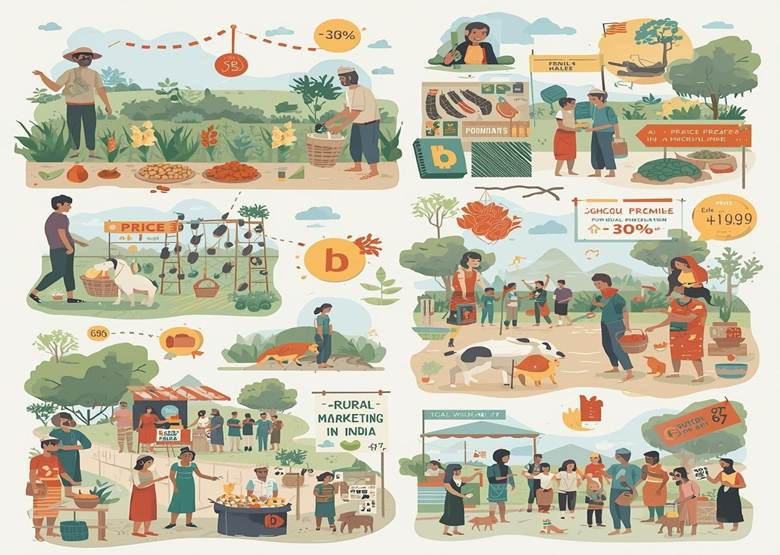
Rural marketing in India offers particular difficulties and opportunities due to the distinct characteristics of rural consumers, such as lower purchasing power, diverse cultural backgrounds, and limited access to mainstream media. As a result, companies must adopt specialized pricing and promotional strategies to effectively reach and engage this vast market segment.
Pricing strategies for rural marketing focus on making products affordable and accessible. This often involves introducing smaller pack sizes, value-based pricing, flexible credit options, and installment payment schemes tailored to the financial realities of rural households.
Promotional strategies in rural areas leverage local culture, traditions, and communication channels. Companies employ methods like participation in village fairs, wall paintings, folk media, mobile vans, and collaborations with local influencers to build trust and create product awareness.
Together, these strategies are essential for building brand presence, driving adoption, and achieving long-term success in rural markets. Here’s a detailed yet concise explanation of pricing strategies and promotional strategies for rural marketing in India, with examples and case studies:
A. Pricing Strategies for Rural Marketing
1. Affordable/Low-Unit Pricing
Strategy: Offer products in small, low-priced packs to match rural consumers’ purchasing power.
Example: FMCG companies like Hindustan Unilever (HUL) sell shampoos and detergents in sachets priced as low as ₹1-₹2.
Case Study: Clinic Plus Shampoo sachets by HUL became a rural staple, making shampoo affordable and accessible, driving massive volume sales.
2. Value-based Pricing
Strategy: Price products according to perceived value, often focusing on utility and durability in rural contexts.
Example: Godrej’s “ChotuKool” refrigerator was priced much lower than conventional fridges, targeting rural households needing affordable cooling solutions.
3. Flexible Credit and Installment Payments
Strategy: Enable rural customers to buy on credit or via easy installments.
Example: Mahindra’s “Mahindra Finance” offers tractors and vehicles to farmers with flexible payment plans, boosting adoption.
B. Promotional Strategies for Rural Marketing
1. Local Festivals and Melas
Strategy: Use rural gatherings, fairs, and festivals as platforms for product promotion and demonstration.
Case Study: Coca-Cola organized “Coke Melas” in Uttar Pradesh, where villagers could sample drinks, engage in games, and win prizes, increasing brand awareness and sales.
2. Use of Rural Influencers and Opinion Leaders
Strategy: Partner with schoolteachers, panchayat leaders, and local shopkeepers to build trust and endorse products.
Example:Colgate partnered with village school teachers for oral health education programs, increasing toothpaste adoption.
3. Mobile Vans and Door-to-Door Campaigns
Strategy: Deploy mobile vans for live demonstrations and direct selling in villages.
Case Study: ITC e-Choupal used mobile vans to educate farmers on agri-products and buy-back schemes, boosting both product knowledge and sales.
4. Wall Paintings and Local Media
Strategy: Use wall paintings, local cable ads, and folk media due to low print literacy and limited digital penetration.
Example:Lifebuoy soap uses wall paintings and street plays (“nukkad natak”) to demonstrate handwashing.
Summary Table
Strategy Type
Example/Case Study
Description/Impact
Low-unit pricing
HUL’s Clinic Plus sachets
Affordable, increases penetration
Value pricing
Godrej ChotuKool
Meets rural affordability and need
Installments
Mahindra Finance
Makes durable goods accessible
Local events
Coca-Cola Coke Melas
Drives sampling and engagement
Opinion leaders
Colgate in schools
Builds trust through influencers
Direct campaigns
ITC e-Choupal vans
Education and sales through demonstrations
Folk media
Lifebuoy wall paintings
Effective awareness in low-literacy areas
In summary: Rural marketing in India requires tailored pricing and promotional strategies that fit local needs, purchasing power, and communication channels. Successful brands use creative, affordable, and trust-based approaches to reach and win rural consumers.
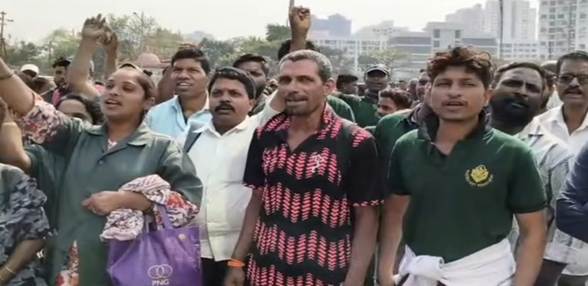
वसई-विरार सफाई कर्मचारी हड़ताल क्योंकि उन्हें अभी तक भुगतान नहीं किया गया है, और ठेकेदारों में बदलाव से शहर की सफाई सेवाएं बंद हो जाती हैं। कचरा मजदूर मंगलवार को हड़ताल पर चले गए, जिससे हर दिन चीजों को साफ रखना मुश्किल हो गया है। शहर के कई इलाकों में कूड़े के ढेर लगे हुए हैं।
वसई: वसई में 400 से 500 वी. वी. सी. एम. सी. सफाई कर्मचारियों द्वारा पी. एफ., ग्रेच्युटी और उचित वेतन के लिए हड़ताल की गई क्योंकि उन्हें एक नए श्रमिक ठेकेदार की आदत हो गई थी। सफाई सेवाओं में बाधा आई है क्योंकि श्रमिक मांग कर रहे हैं कि काम पर वापस जाने से पहले उनके अधिकारों का सम्मान किया जाए।
वसई-विरार नगर निगम (वी. वी. सी. एम. सी.) के कई सफाई कर्मचारियों ने अपने लंबे समय से चले आ रहे अनुरोधों को पूरा नहीं करने के विरोध में मंगलवार को वसई में हड़ताल की। विरोध प्रदर्शन में चार सौ से पाँच सौ सफाई कर्मचारी शामिल थे, जिन्होंने कुछ स्थानों पर सफाई बंद कर दी।
वसई विरार नगर निगम (वी. वी. एम. सी.) के सफाई कर्मचारी जो चाहते हैं उसे पाने के लिए मंगलवार को वसई में हड़ताल पर चले गए। तीन सौ से पाँच सौ सफाईकर्मियों ने भाग लिया है। कंपनी द्वारा पुराने के स्थान पर एक नया सौदा किया गया है। लेकिन उन्होंने कहा कि लंबे समय से वहां काम कर रहे श्रमिकों की जरूरतों को पूरा किया जाना चाहिए।
पिछले कुछ वर्षों से वसई विरार नगर निगम ने अनुबंध के आधार पर सफाई का काम करने के लिए हजारों लोगों को काम पर रखा है। वे सड़कों पर झाड़ू लगा रहे हैं, हर दिन कचरा उठा रहे हैं और फेंक रहे हैं, दवाओं का छिड़काव कर रहे हैं और गड्ढों की सफाई कर रहे हैं। लेकिन इन श्रमिकों को मुश्किलों का सामना करना पड़ रहा है क्योंकि नगरपालिका उन्हें सही उपकरण प्रदान नहीं करती है। कई बार अधिकारियों से शिकायत करने के बावजूद कोई कार्रवाई नहीं की जा रही है।
कंपनी ने अब 20 जनवरी को काम पर रखे गए पिछले ठेकेदार का अनुबंध समाप्त कर दिया है। 2025-26 से 2030-31 तक पांच वर्षों के लिए एक नया ठेकेदार नियुक्त किया गया है। इस वजह से नगर निगम ने पहले के ठेकेदारों को अपना काम बंद करने के लिए कहा।
हालांकि, इस आदेश के बाद से, हर दिन शहर की सफाई करने वाले लोगों ने हिंसक आंदोलन शुरू कर दिया है। मजदूर मंगलवार को वसई पश्चिम के साईनाथ नगर इलाके में विरोध करने के लिए इकट्ठा हुए। हमने लंबे समय तक साथ काम किया है। लोगों का कहना है कि नगरपालिका ने अनुबंध बदलकर सफाई कर्मचारियों के साथ अन्याय करने की कोशिश की, क्योंकि हमें अभी तक भविष्य निधि या ग्रेच्युटी जैसे कोई अन्य लाभ नहीं मिले हैं। हमें नए ठेकेदार से कोई समस्या नहीं है, लेकिन हमारे श्रमिकों को जो लाभ मिल रहा है, वह हमें कब मिलेगा? टॉयलेट क्लीनर गीतेश घरत ने पूछा।
हड़ताल के लिए तैयार
विरोध शुरू हुआ क्योंकि नगर निगम ने पुरानी के बजाय एक नई श्रम एजेंसी को काम पर रखने का विकल्प चुना। ठेकेदारों में बदलाव आया है, लेकिन श्रमिकों, जिनमें से कई वर्षों से शहर के साथ हैं, का तर्क है कि पहले उनके अधिकारों और लाभों की रक्षा की जानी चाहिए।
वी. वी. सी. एम. सी. हजारों अस्थायी सफाई कर्मचारियों को सड़कों की सफाई और हर दिन कचरा उठाने जैसे महत्वपूर्ण काम करने के लिए काम पर रखता है। कचरे को उन जगहों पर ले जाना जहाँ इसे फेंका जा सकता है।
कीटनाशकों को लगाना और नालियों की सफाई करना
भले ही वे ये महत्वपूर्ण काम कर रहे हैं, श्रमिकों का कहना है कि उनके पास बुनियादी उपकरण नहीं हैं और उन्हें लंबे समय से समस्याएं हो रही हैं। उनका कहना है कि निगम ने बार-बार उनकी शिकायतों को नजरअंदाज किया है।
नए अनुबंधों को लेकर लड़ाई हुई।
20 जनवरी से, पूर्व ठेकेदार का कार्यकाल समाप्त हो गया, और एक नए को 2025-26 से 2030-31 तक पांच साल के लिए काम पर रखा गया। नतीजतन, निगम ने पूर्व कर्मचारियों को पहले की तरह काम करना बंद करने के लिए कहा।
मजदूर इस आदेश से नाराज थे, और मंगलवार को वे वसई पश्चिम के साईनाथ नगर इलाके में मिले और कहा कि वे क्या सोचते हैं। श्रमिक स्पष्ट करते हैं कि वे नए ठेकेदार के खिलाफ नहीं हैं, बल्कि इस विचार के खिलाफ हैं कि वे समय के साथ अर्जित भत्तों को खो सकते हैं।
कर्मचारियों का बयान
विरोध प्रदर्शन के दौरान सफाई कर्मचारी गीतेश घरत ने श्रमिकों की भलाई के बारे में कई महत्वपूर्ण सवाल पूछे। श्रमिक मांग कर रहे हैं कि उनके भविष्य निधि (पीएफ) और ग्रेच्युटी का भुगतान तुरंत किया जाए, क्योंकि वे कहते हैं कि उन्हें वर्षों से भुगतान नहीं किया गया है। मुख्य मांगों में से एक “समान काम के लिए समान वेतन” है। कुछ लोग उन पूर्व श्रमिकों के बारे में चिंतित थे जो सेवानिवृत्त हो गए थे या अपनी बकाया राशि प्राप्त किए बिना ही उनकी मृत्यु हो गई थी।
विरोध कर रहे श्रमिकों ने कहा, “निगम को नए अनुबंध को अंतिम रूप देने से पहले श्रमिकों को विश्वास में लेना चाहिए था और इन लंबित मुद्दों का समाधान करना चाहिए था।
लोग इस बात से चिंतित हैं कि शहर अब कितना साफ है क्योंकि हड़ताल के कारण दैनिक कचरा संग्रह अभी भी गड़बड़ है। इस बिंदु पर, श्रमिकों ने कहा है कि वे तब तक काम पर वापस नहीं जाएंगे जब तक कि उन्हें उनकी सामाजिक सुरक्षा और अवैतनिक बिलों के बारे में विशिष्ट गारंटी नहीं दी जाती।
ENGLISH TRANSLATION
A strike by city workers makes the city less clean.
Vasai-Virar sanitation workers go on strike because they haven’t been paid yet, and a change in contractors stops city cleaning services. The garbage workers went on strike on Tuesday, which has made it harder to keep things clean every day. There are garbage piles in many parts of the city.
A stop-work strike by 400 to 500 VVCMC sanitation workers in Vasai called for PF, gratuity, and fair pay as they got used to a new labor contractor. Cleaning services have been hampered because workers are demanding that their rights be respected before they can go back to work.
Many sanitation workers from the Vasai-Virar City Municipal Corporation (VVCMC) went on a “stop-work” strike in Vasai on Tuesday to protest not getting their long-standing requests met. Four hundred to five hundred sanitation workers were involved in the protest, which stopped cleaning in some places.
Sanitation workers from Vasai Virar Municipal Corporation (VVMC) went on strike in Vasai on Tuesday to get what they want. Three hundred to five hundred cleaning workers have taken part. A new deal has been made by the company in place of the old one. But he said that the needs of the workers who have been there for a long time should be met.
For the past few years, the Vasai Virar Municipal Corporation has hired thousands of people to do cleaning work on a contract basis. They are sweeping the streets, picking up and throwing away trash every day, spraying medicines, and cleaning out ditches. But these workers are having a hard time because the municipality doesn’t provide them with the right tools. Even though complaining to the officials several times, nothing is being done about it.
The company has now ended the contract of the previous contractor they hired on January 20. A new contractor has been hired for five years, from 2025–26 to 2030–31. Because of this, the city corporation told the earlier contractors to stop their work.
However, since this order, the people who clean the city every day have started a violent movement. The workers got together in the Sainath Nagar area of Vasai West on Tuesday to protest. We’ve worked together for a long time. People say that the municipality tried to be unfair to the safai karamcharis by changing the contract, since we haven’t gotten any other perks like the provident fund or the gratuity yet.
“We don’t have a problem with the new contractor, but when will we get the benefits that our workers are getting?” asked Gitesh Gharat, a toilet cleaner.
Set off for Strike
The protest started because the Municipal Corporation chose to hire a new labor agency instead of the old one. There has been a change in contractors, but the workers, many of whom have been with the city for years, argue that their rights and benefits must be protected first.
The VVCMC hires thousands of temporary sanitation workers to do important jobs like cleaning the streets and picking up trash every day. Taking trash to places where it can be dumped.
Putting down pesticides and cleaning gutters
Even though they are doing these important jobs, workers say they don’t have basic tools and have been having problems for a long time. They say that the Corporation has ignored their complaints over and over again.
There was a fight over new contracts.
With effect from January 20, the former contractor’s term ended, and a new one was hired for five years, from 2025–26 to 2030–31. As a result, the Corporation told the former employees to stop working the way they were.
The workers were angry about this order, and on Tuesday they met in the Sainath Nagar area of Vasai West to say what they thought. The workers make it clear that they are not against the new contractor, but rather the idea that they might lose the perks they have earned over time.
Statement from Workers
During the protest, sanitation worker Gitesh Gharat asked a number of important questions about the workers’ well-being. Workers are asking that their Provident Fund (PF) and Gratuity be paid right away, since they say they haven’t been paid in years. One of the main demands is “Equal Pay for Equal Work.” Some people were worried about former workers who retired or died without getting the money they were owed.
“The Corporation should have taken the workers into confidence and addressed these pending issues before finalizing the new contract,” said the workers who were protesting.
People are worried about how clean the city is now that daily trash collection is still messed up because of the strike. At this point, the workers have said that they won’t go back to work until they are given specific guarantees about their social security and unpaid bills.
In India, contracts can range from simple purchase agreements to complex joint ventures, mergers, or licensing deals. Negotiations are critical because they determine the rights, duties, and remedies of each party, reduce the risk of disputes, and foster trust.
Key Features of Contracts in India
Offer and Acceptance: A valid contract requires a clear offer by one party and its unconditional acceptance by the other.
Consideration: There must be something of value exchanged.
Capacity: Parties must be competent (e.g., of legal age, of sound mind).
Legality: The agreement must be for a lawful purpose.
Examples and Case Studies
1. Reliance Jio and Facebook (2020):
Context: Facebook acquired a 9.99% stake in Jio Platforms.
Negotiation: Intense negotiations were held around price, governance rights, and digital collaboration.
Outcome: A landmark deal that set new standards for tech investments in India, with all terms documented in a detailed share subscription agreement and strategic partnership contract.
2. Vendor Agreement in IT Sector:
Example: Infosys contracts with global clients for software services.
Negotiation Points: Scope of work, payment terms, intellectual property rights, service-level agreements (SLAs), and dispute resolution mechanisms.
Impact: Well-negotiated contracts protect both client and service provider, ensuring project success and legal compliance.
3. Real Estate Lease Agreement Dispute:
Case: Delhi High Court’s ruling in DLF v. MCD (2012).
Issue: Disagreement over lease terms and maintenance obligations.
Learning: Highlighted the importance of detailed negotiations and clear terms to avoid litigation.
Summary: In India, effective contracts and skilled negotiations are essential for business stability and growth. Notable deals (like Reliance-Facebook) and everyday vendor agreements demonstrate how thorough negotiation and clear documentation safeguard interests and reduce risks.
B. Revenue sharing model
Revenue Sharing Model in Contracts and Negotiations
A revenue sharing model is an agreement where two or more parties agree to divide the income generated from a business activity in a specified proportion. This model is widely used in sectors like technology, media, entertainment, franchising, e-commerce, and sports. Revenue sharing aligns incentives, reduces upfront costs for partners, and spreads risk.
Key Features
Percentage Split: Revenue is often split based on a pre-decided ratio (e.g., 70:30 or 50:50).
Scope: Applies to gross or net revenues, and the contract specifies what counts as “revenue.”
Duration: The agreement can be for a fixed term or tied to the lifespan of the venture/product.
Audit Rights: Parties may have rights to inspect books to ensure correct sharing.
Recent Examples and Case Studies
1. OTT Platforms and Film Producers
Example: Netflix & Dharma Productions (2022–2023)
Context: Dharma Productions licensed several films to Netflix India.
Revenue Sharing: Instead of a simple one-time fee, Dharma and Netflix agreed on a model where streaming revenue (from subscriptions/viewership) is shared in a set ratio, incentivizing both to promote the films.
Outcome: Both parties benefit—producers gain recurring revenue, and Netflix shares risk and reward.
2. E-commerce Marketplace Sellers
Example: Amazon India and Small Retailers
Context: Sellers on Amazon India agree to a revenue sharing model, where Amazon takes a commission (ranging from 5% to 25%) on each sale.
Negotiation Points: Commission percentage, payment timelines, promotional costs, and handling of returns.
Case: During the 2023 festive sales, Amazon introduced special revenue-sharing incentives for local artisans under its “Local Shops on Amazon” program, increasing their share for a limited period to boost participation.
3. IPL (Indian Premier League) – Broadcasting Rights
Case Study: BCCI & Broadcasters (2023–2027)
Context: The BCCI sold IPL media rights to Viacom18 and Star India in a multi-billion dollar deal.
Revenue Sharing: Broadcasters and BCCI share advertising and subscription revenue based on detailed contractual terms.
Impact: This model ensures the BCCI gains from the league’s growing popularity, while broadcasters are incentivized to maximize viewership and ad sales.
4. Music Streaming Platforms
Example: Gaana/Saavn & Independent Artists
Context: Indian music streaming platforms share revenue with artists/labels based on streams.
Model: A percentage of subscription/ad revenue is distributed to rights holders, negotiated individually or via collective rights organizations.
Summary Table
Sector
Parties Involved
Revenue Sharing Model
Recent Example/Case Study
OTT & Film
Producer & Streamer
Percentage of streaming revenue
Netflix & Dharma Productions
E-commerce
Marketplace & Seller
Commission per sale
Amazon India & Local Retailers
Sports Broadcasting
League & Broadcaster
Share of ad/subscription revenue
IPL Media Rights (BCCI & Viacom18)
Music Streaming
Platform & Artists/Labels
Pro-rata share of platform revenue
Gaana/Saavn & Indie Artists
In summary:
Revenue sharing models are now central to many Indian business contracts and negotiations, ensuring risk and reward are balanced between parties. These models are increasingly favored due to their flexibility and ability to incentivize long-term collaboration.
B. Minimum guarantee model
The minimum guarantee model is a contractual arrangement where one party (usually a distributor, platform, or licensee) commits to paying the other (often a content creator, producer, or rights holder) a fixed minimum amount, regardless of actual revenue or performance. If revenues exceed the MG, additional profits may be shared according to agreed terms. This model is common in entertainment, publishing, and licensing industries.
How It Works
Upfront Payment: The licensee/distributor pays a non-refundable minimum guarantee to the producer/content owner.
Recoupment: The licensee recovers this amount from future earnings (sales, subscriptions, box office, etc.).
Additional Revenue: If earnings surpass the MG, surplus is split based on a negotiated revenue-sharing ratio.
Risk: The licensee bears the risk if actual revenues are less than the MG.
Examples and Case Studies
1. Indian Film Distribution
Example: A Bollywood producer sells theatrical rights for a new film to a regional distributor for a minimum guarantee of ₹20 crore.
The distributor pays ₹20 crore upfront.
If box office collections in that region exceed ₹20 crore (after costs), the surplus is shared as per contract (e.g., 50:50 split).
If collections fall short, the distributor absorbs the loss.
Case Study: Baahubali: The Beginning (2015)
The Telugu film’s Hindi theatrical rights were sold to Karan Johar’s Dharma Productions with a substantial MG.
Dharma paid a high upfront MG, banking on the film’s pan-India appeal.
As the film became a blockbuster, revenues far exceeded the MG, benefiting both parties.
2. OTT Platform Acquisitions
Example: Amazon Prime Video acquires exclusive streaming rights to a highly anticipated Tamil movie for an MG of ₹30 crore.
The producer receives this amount regardless of the film’s streaming performance.
If the film drives massive new subscribers, the platform can realize greater long-term value, but bears risk if viewership is low.
Case Study: Soorarai Pottru (2020)
Amazon Prime Video reportedly paid a significant MG to acquire worldwide streaming rights, providing financial security to the producers during the pandemic when theatrical releases were uncertain.
3. Music Licensing
Example: A music label sells digital rights for a new album to a streaming service for an MG of ₹5 crore.
The streaming service must pay this sum, regardless of the album’s performance on the platform.
Additional royalties may be paid if streams surpass a certain threshold.
Summary Table
Sector
Parties Involved
MG Application
Example/Case Study
Film Distribution
Producer & Distributor
Upfront minimum for theatrical rights
Baahubali, Bollywood deals
OTT Acquisition
Producer & OTT Platform
Upfront MG for digital rights
Soorarai Pottru, Amazon Prime
Music Licensing
Label & Streaming Service
MG for album/track rights
Major Indian label deals
In summary:
The minimum guarantee model provides financial assurance to content creators and shifts risk to distributors or platforms. It is widely used in Indian entertainment, with successful examples in film and digital content. Thorough negotiation of MG terms and revenue-sharing ratios is crucial to balance risk and reward for both parties.
C. Share in profits model
Share in Profits Model in Contracts and Negotiations
The share in profits model is an agreement where two or more parties agree to split the actual profits generated from a business activity, project, or intellectual property, according to a pre-agreed ratio. Unlike minimum guarantee or revenue sharing, this model focuses on profits (net of costs/expenses), so all parties are invested in both generating income and controlling costs.
How It Works
Profit Calculation: Net profit is calculated after deducting all expenses (production, marketing, distribution, taxes, etc.) from total revenue.
Profit Split: The remaining profit is distributed among stakeholders as per the contract (e.g., 60:40, 50:50 splits).
Alignment of Interests: Both sides are incentivized to maximize profitability, not just gross revenue.
Recent Indian Examples and Case Studies
1. Bollywood Co-production Agreements
Example: Pathaan (2023) – Produced by Yash Raj Films, several distributors and exhibitors entered into profit-sharing agreements rather than flat-fee deals. After deducting costs, profits from box office collections were shared between the producer and key distribution partners, which incentivized both to invest in marketing and maximize earnings.
2. Actor-Producer Partnerships
Example: In recent years, top actors like Akshay Kumar and Shah Rukh Khan have taken a share in profits instead of a fixed upfront fee for certain films. For instance, Akshay Kumar, for Mission Mangal (2019), reportedly opted for a lower upfront fee in exchange for a larger share of profits, aligning his compensation with the movie’s success.
3. OTT Originals (Web Series and Films)
Case Study: Sacred Games (Netflix India) – The production house, Phantom Films, negotiated a profit-sharing arrangement with Netflix, where profits from international syndication and merchandise were shared, not just the initial licensing fee. This encouraged the production team to maintain high quality and cross-promotional efforts.
4. Franchise and Sports Leagues
Example: Indian Premier League (IPL) franchises share profits with team owners, sponsors, and players through bonus pools, especially based on team performance and seasonal profits, ensuring all stakeholders benefit from the league’s commercial success.
Context: Tata Motors, in some strategic partnerships for new vehicle launches, uses profit-sharing agreements with key component manufacturers, especially for electric vehicles.
How it Works: Instead of a fixed payment, suppliers receive a percentage of net profits from vehicle sales. This incentivizes suppliers to maintain quality and innovation, as their earnings grow with the success of the vehicle line.
6.. Pharmaceuticals: Dr. Reddy’s Laboratories & International Licensing Partners
Context: Dr. Reddy’s Labs has entered into profit-sharing arrangements with overseas pharma companies for co-developed or out-licensed drugs.
Details: After deducting manufacturing and marketing costs, profits from drug sales in target markets are split between Dr. Reddy’s and the partner company, ensuring both share rewards and risks.
7. E-Commerce: Flipkart & Private Label Brands
Context: Flipkart collaborates with private label brands on a profit-sharing basis for exclusive product launches.
Mechanism: Instead of buying inventory outright, Flipkart agrees to share profits (after costs) from sales of the product line, encouraging both parties to invest in marketing, quality, and supply chain efficiency.
8. Media & Entertainment: Zee Music & Independent Artists
Context: Zee Music often enters profit-sharing contracts with independent artists for digital releases.
How it Works: After deducting promotion and distribution costs, remaining profits from streams and digital sales are split between the label and the artist, allowing both to benefit from a song’s popularity.
Summary Table
Sector
Parties Involved
Share in Profits Model
Example/Case Study
Film Production
Producers & Distributors
Profits post-expenses split among stakeholders
Pathaan, Mission Mangal
Talent Contracts
Producers & Actors
Actor receives % of net profits
Akshay Kumar, Shah Rukh Khan
OTT Originals
Producers & Platforms
Profit share from syndication/merchandising
Sacred Games/Netflix
Sports/Franchises
League, Franchise, Players
Profits shared as bonuses or dividends
IPL teams
In summary: The share in profits model is increasingly popular in Indian films, OTT, and sports, fostering collaboration, aligning incentives, and maximizing value for all parties involved. Thorough negotiation and transparent accounting are crucial
Company law in India is a specialized branch of law that governs the formation, functioning, and dissolution of companies. It establishes the legal framework that companies must operate within, ensuring transparency, accountability, and protection of stakeholder interests. The primary legislation governing company law in India is the Companies Act, 2013.
Key Aspects of Company Law
Formation and Incorporation: Lays down rules for how companies are legally created, including requirements for directors, shareholders, and capital.
Corporate Governance: Specifies how companies should be managed, including board structure, meetings, disclosures, and audits.
Rights and Duties: Outlines the rights and responsibilities of directors, shareholders, and other officers.
Regulatory Compliance: Mandates regular filings, audits, and disclosures to ensure companies remain compliant and transparent.
Winding Up: Provides procedures for dissolution or closure of a company.
TCS, as a public limited company, strictly complies with the Companies Act, 2013 and SEBI’s listing obligations.
The company’s strong board structure, regular disclosures, and adherence to independent directors’ requirements are exemplary, showing the Act’s impact on governance and transparency.
2. Satyam Scandal (2009): Lessons in Ethics and Law
Satyam Computer Services was involved in one of India’s largest corporate frauds, where its founder admitted to manipulating accounts.
The scandal exposed gaps in regulatory oversight and led to significant amendments in company law, emphasizing stricter auditor oversight and more robust disclosure norms in the Companies Act, 2013.
3. Section 135 – Corporate Social Responsibility (CSR)
India became the first country to mandate CSR spending for certain companies through Section 135 of the Companies Act, 2013.
Example: Infosys, Reliance, and ITC have set up extensive CSR programs in compliance with this requirement, investing in education, healthcare, and rural development.
4. Byju’s (2023–2024): Compliance and Governance
Byju’s faced regulatory scrutiny due to delayed financial reporting and alleged lapses in governance.
The case highlights the importance of transparency, timely filings, and adherence to statutory obligations under company law.
Summary: Company law in India is essential for fostering fair, ethical, and transparent business practices. High-profile examples like TCS and Infosys illustrate the benefits of strong corporate governance, while cases like Satyam and Byju’s show the consequences of non-compliance and unethical conduct. The Companies Act, 2013 continues to evolve, adapting to new business realities and global standards.
B. Registration Procedures and Exceptions
Standard Registration Procedures
In India, company registration is governed by the Companies Act, 2013. The process has become largely digital and streamlined through the Ministry of Corporate Affairs (MCA) portal. Here’s a step-by-step overview:
Choose a Business Structure: Select the appropriate entity type (Private Limited Company, Public Limited Company, LLP, OPC, etc.) based on your needs.
Name Reservation: Apply for name approval via the RUN (Reserve Unique Name) service on the MCA portal.
Obtain Digital Signature Certificates (DSC) and Director Identification Numbers (DIN): All directors must have a DSC and DIN for digital filings.
Draft Charter Documents: Prepare the Memorandum of Association (MOA) and Articles of Association (AOA).
File Incorporation Forms: Submit the SPICe+ (Simplified Proforma for Incorporating Company Electronically Plus) form, which integrates registration for PAN, TAN, GST, EPFO, and ESIC.
Certificate of Incorporation: Upon approval, the Registrar of Companies (RoC) issues a Certificate of Incorporation. The company can then open bank accounts and commence business.
Case Study: Zepto (2021): Zepto, a quick-commerce startup, was incorporated as a Private Limited Company using the SPICe+ form. The digital process enabled the founders to register and start operations within days, facilitating rapid expansion and fundraising.
Exceptions and Simplified Procedures
To foster entrepreneurship, certain company types and initiatives enjoy simplified or special procedures:
1. One Person Company (OPC)
What: Allows a single individual to incorporate a company with limited liability.
Exception: Reduced compliance compared to other companies (e.g., no need for annual general meetings).
Example: Many tech consultants and solo entrepreneurs in India register as OPCs for ease and protection.
2. Startup India Recognition
What: Startups recognized under the Startup India scheme get expedited registration, tax exemptions, and relaxed compliance.
Exception: Faster incorporation and self-certification for labor and environmental laws.
Case Study: Razorpay (2014): Recognized as a startup, Razorpay benefited from quick registration and compliance under Startup India, enabling it to focus on innovation and scale rapidly.
3. Limited Liability Partnership (LLP)
What: Hybrid between partnership and company; simpler compliance and lower cost of registration.
Exception: Less regulatory burden than a Private Limited Company.
Example: Many small service firms (consultancies, legal firms) prefer LLPs for flexibility and limited liability.
4. SPICe+ Integrated Form
What: Allows for single-window registration covering company, PAN, TAN, GST, ESIC, and EPFO.
Exception: Reduces paperwork and time-to-incorporation for all company types.
Case Study: Nykaa (2012): Used the then-available digital forms (precursor to SPICe+) for swift registration and compliance, supporting rapid growth.
Summary Table
Procedure/Exception
Description
Example/Case Study
Standard Registration
Name, DSC, DIN, MOA/AOA, SPICe+, RoC
Zepto
OPC
Single founder, reduced compliance
Tech consultants
Startup India
Faster process, tax benefits
Razorpay
LLP
Hybrid entity, easier compliance
Legal/accounting firms
SPICe+ Form
One-stop digital registration
Nykaa
In summary: India’s company registration process is robust yet increasingly simplified, with notable exceptions for new-age businesses and startups. Case studies like Zepto, Razorpay, and Nykaa show how these procedures and exceptions enable rapid, compliant business creation and growth.
C. Company Procedure and Ethics
Company Procedure
Company procedure refers to the formal steps and processes that companies must follow to operate legally and efficiently. These include:
Conducting Board and General Meetings: Proper notice, agenda, and minutes must be maintained.
Statutory Filings: Annual returns, financial statements, and other documents must be filed with the Registrar of Companies (RoC).
Compliance with Laws: Adhering to the Companies Act, SEBI regulations (for listed companies), and other applicable laws.
Maintaining Registers and Records: Companies must keep statutory registers of members, directors, and charges.
Recent Example: Tata Consultancy Services (TCS): TCS consistently demonstrates robust corporate procedures, with timely annual general meetings (AGMs), transparent disclosures, and meticulous compliance with SEBI and Companies Act norms. This has helped TCS maintain investor confidence and avoid regulatory penalties.
Company Ethics
Company ethics refer to the principles of integrity, transparency, fairness, and accountability in business conduct. Ethical lapses can lead to regulatory scrutiny, reputational damage, and legal consequences.
Recent Indian Cases:
Byju’s (2023–2024):
Issue: Byju’s, a leading edtech firm, faced criticism for delayed financial disclosures, aggressive sales tactics, and alleged misrepresentation in its accounts.
Ethical Concern: Lack of transparency and potential misleading of stakeholders led to investigations and loss of trust among investors and customers.
Satyam Scandal (Legacy, but still relevant):
Issue: Satyam Computers (2009) involved large-scale financial fraud, falsification of accounts, and unethical board conduct.
Impact: The scandal prompted reforms in corporate governance and ethics, influencing the Companies Act, 2013.
Zilingo (2022):
Issue: Singapore-based, but with significant Indian operations, Zilingo suspended its CEO over alleged financial irregularities. The case highlighted the importance of ethical leadership and strong internal controls for startups operating in India.
Transparency issues and delayed financial reporting
Ethics
Satyam
Accounting fraud, led to stricter corporate governance laws
Ethics
Zilingo
Leadership suspended over financial irregularities
In summary: Company procedures ensure legal compliance and orderly operation, while robust ethics build trust and long-term sustainability. Recent Indian cases like Byju’s and TCS illustrate the impact—both positive and negative—of following or ignoring these principles.
Company creation is the process by which entrepreneurs formally establish a legal business entity to operate, grow, and scale their ideas. This process involves transforming an innovative concept into a structured organization recognized by law, allowing for organized operations, access to funding, and legal protection for founders.
Key Steps in Company Creation
Idea Validation: Assessing the feasibility and market demand for the business concept.
Choosing a Business Structure: Selecting the most suitable form—such as sole proprietorship, partnership, Limited Liability Partnership (LLP), private limited company, or public limited company—based on scale, liability, and goals.
Legal Registration: Registering the entity with government authorities (such as the Registrar of Companies in India), obtaining necessary licenses, and complying with statutory requirements.
Operational Setup: Setting up banking, hiring, creating operational processes, and launching products or services.
Examples and Case Studies
1. Start-up Example: Nykaa
Background: Falguni Nayar founded Nykaa in 2012 as a private limited company.
Process:
Registered as FSN E-Commerce Ventures Pvt Ltd.
Secured initial funding, set up e-commerce operations, and established partnerships with suppliers.
Transitioned to a public limited company before its IPO in 2021.
Outcome: Today, Nykaa is a leading e-commerce platform in the beauty sector and a publicly listed company.
2. Social Enterprise Example: SELCO India
Background: SELCO was founded to make solar energy accessible to rural India.
Process:
Registered as a private limited company focused on social impact.
Developed partnerships with local banks for financing.
Built a scalable model that combines profit with social good.
Outcome: SELCO has impacted over half a million households and received national and international recognition.
3. Tech Start-up Example: Zepto
Background: Founded by two teenagers in 2021, Zepto started as a quick-commerce grocery delivery company.
Process:
Registered as a private limited company in Mumbai.
Raised venture capital funding.
Scaled operations rapidly across major Indian cities.
Outcome: Zepto became a recognized brand in the 10-minute delivery space and secured significant investment.
Summary: Company creation is a foundational step for any aspiring entrepreneur, providing a legal identity and framework for business growth. Real-world examples like Nykaa, SELCO, and Zepto highlight the diverse ways companies can be created—whether for profit, social impact, or rapid innovation—by following structured steps from ideation to legal formation and operational rollout.
Company Creation
Company creation is the act of legally establishing a business entity. This process transforms a business idea into an officially recognized organization, allowing it to operate, contract, hire, and grow. Common types of business entities include:
Sole Proprietorship
Partnership
Limited Liability Partnership (LLP)
Private Limited Company
Public Limited Company
One Person Company (OPC)
Choosing the right structure depends on factors like the number of founders, liability protection, capital needs, and regulatory requirements.
Processes of Registration and Incorporation
1. Choosing a Business Structure
Select the most suitable type of company based on your needs (e.g., private limited for startups seeking investment).
2. Name Reservation
Choose a unique name and check its availability using the Ministry of Corporate Affairs (MCA) portal. Submit your name for approval.
3. Preparing Documents
Draft the Memorandum of Association (MOA) and Articles of Association (AOA), which define your company’s objectives and internal rules.
4. Obtaining Digital Signatures and DIN
Directors must get Digital Signature Certificates (DSC) and Director Identification Numbers (DIN) to sign documents electronically.
5. Filing Incorporation Forms
Submit all required documents using forms like SPICe+ (Simplified Proforma for Incorporating Company Electronically Plus) on the MCA portal. This integrated form covers company registration, PAN, TAN, GST, ESIC, and EPFO registration.
6. Verification and Approval
The Registrar of Companies (RoC) reviews the documents and may seek clarifications or corrections.
7. Certificate of Incorporation
Once approved, the RoC issues a Certificate of Incorporation. Your company is now a distinct legal entity and can commence business activities.
Examples and Case Studies
Case Study 1: Nykaa
Background: Founded by Falguni Nayar in 2012.
Process: Registered as FSN E-Commerce Ventures Private Limited using the MCA portal. Followed all standard steps, raised funding, and later converted to a public company for IPO.
Outcome: Became a leading beauty e-commerce player in India, demonstrating the importance of professional incorporation and compliance.
Case Study 2: Zepto
Background: Quick-commerce startup founded in 2021 by two young entrepreneurs.
Process: Incorporated as a Private Limited Company in Mumbai using the SPICe+ form, allowing quick digital registration and access to investors.
Outcome: Raised significant venture capital and expanded rapidly, showing how robust incorporation enables fast scaling.
Example: One Person Company (OPC)
Context: Introduced in India for solo founders.
Example: A software consultant registers as an OPC for limited liability and ease of compliance, making it easier to contract with larger firms and banks.
Summary Table
Step
Description
Example/Case Study
Structure Selection
Decide between Pvt Ltd, LLP, OPC, etc.
Zepto chose Pvt Ltd
Name Reservation
Propose and get approval for company name
Nykaa reserved unique name
DSC & DIN
Obtain digital signatures and director IDs
Standard for all founders
MOA & AOA
Draft company purpose and rules
Nykaa, Zepto
Filing Registration
Submit SPICe+ and documents on MCA portal
All registered digitally
Incorporation Cert.
Receive legal status and commence operations
Nykaa, Zepto, OPC examples.
In summary: Company creation and incorporation involve structured legal steps that provide a foundation for business growth and credibility. Successful examples like Nykaa and Zepto illustrate how following these processes enables companies to attract investment, scale operations, and achieve industry leadership.
भारतीय जनता पार्टी के लिए संगठन पर्व केवल एक प्रक्रिया नहीं, बल्कि लोकतंत्र का उत्सव है। जहाँ अन्य दल परिवार-केंद्रित राजनीति तक सीमित रहे हैं, वहीं भाजपा एकमात्र ऐसी पार्टी है, जो बूथ स्तर से लेकर राष्ट्रीय स्तर तक पारदर्शी, सहभागी और लोकतांत्रिक तरीके से अपने नेतृत्व का चयन करती है।
जनसंघ की स्थापना से लेकर भारतीय जनता पार्टी के गठन और अब तक चुने गए राष्ट्रीय अध्यक्षों की परंपरा इस सच्चाई का जीवंत प्रमाण है कि भाजपा में बड़े पद और बड़ी ज़िम्मेदारियाँ किसी परिवार से नहीं, बल्कि परिश्रम, समर्पण, जनसेवा और देशसेवा के आधार पर तय होती हैं।
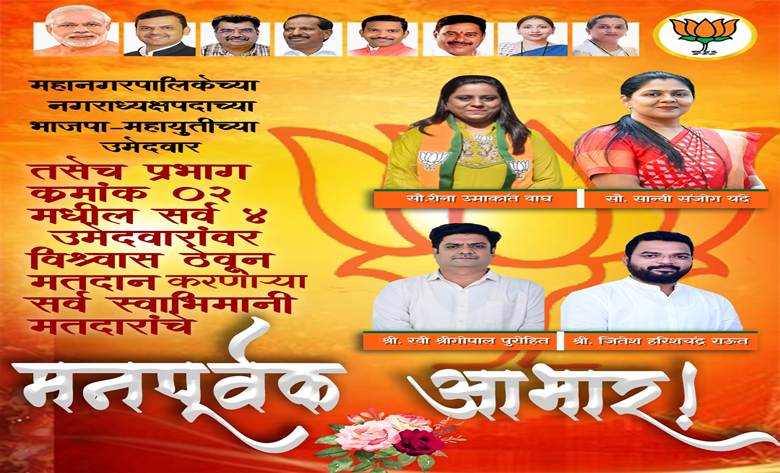
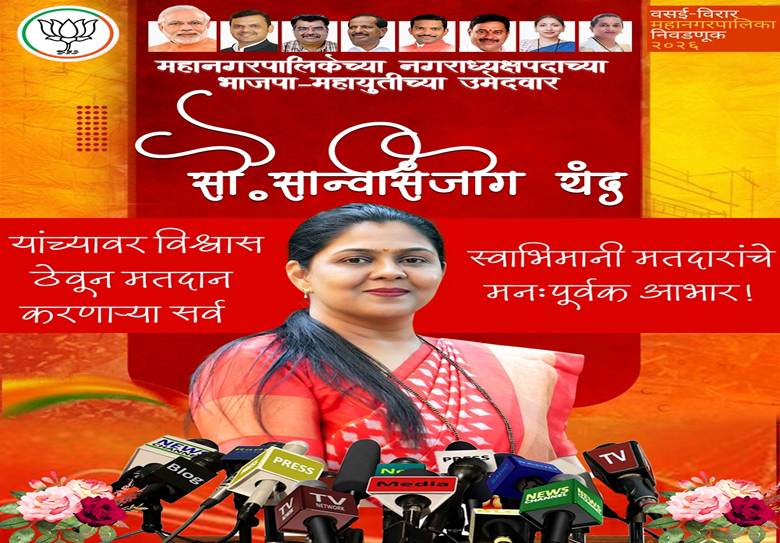
आज हम वार्ड क्रमांक 2 की बात कर रहे हैं, जहां भाजपा ने विरार पश्चिम ग्लोबल सिटी की सभी चार सीटों पर जीत हासिल की है।
आज हम विरार वेस्ट ग्लोबल सिटी के बारे में बात करने जा रहे हैं। ग्लोबल सिटी जहां भाजपा उम्मीदवार ने ग्लोबल सिटी में ऐतिहासिक बदलाव की नींव रखी एक ऐसी जगह जहाँ लोग अपने जीवन में बदलाव लाना चाहते हैं और इसी वजह से यहां की जनता ने भारी परिपक्वता के साथ भाजपा उम्मीदवार को मतदान किया।
ग्लोबल सिटी की आबादी अपने-अपने क्षेत्रों में कई समस्याओं का सामना कर रही है, खासकर यहाँ पानी की समस्या। यहां लोग मानव की मूलभूत आवश्यकताओं का सामना कर रहे हैं। यहां ग्लोबल सिटी की पूरी आबादी पानी के टैंक पर निर्भर है और इससे दैनिक जीवन में कई समस्याएं पैदा होती हैं। उदाहरण के लिए, पानी के टैंक पर निर्भरता प्रत्येक समाज या प्रत्येक व्यक्ति के भरण-पोषण के खर्च को बढ़ा रही है। इस क्षेत्र में खराब पानी की वजह से लोगों को कई बीमारियों का सामना करना पड़ रहा है और यह ग्लोबल सिटी में एक बड़ी समस्या है।
खराब पानी के अलावा, यहाँ के लोगों को और भी कई समस्याओं का सामना करना पड़ रहा है और यही कारण है कि लोग बदलाव के लिए वोट देते हैं। यहां भाजपा उम्मीदवार ग्लोबल सिटी के आम नागरिकों से वादा किया है कि वे निकट भविष्य में इन सभी समस्याओं का समाधान करेंगे और यही कारण है कि लोग भाजपा उम्मीदवार और उनके वादों पर भरोसा जताते हुए भाजपा उम्मीदवार के पक्ष में मतदान किया।
वार्ड क्रमांक 2 में भाजपा उम्मीदवारों ने चारों सीटों पर शानदार जीत हासिल की है, जो उनके प्रति जनता के समर्थन और उनके वादों को दर्शाती है। यहां लोगों ने भाजपा पर भरोसा दिखाया और भाजपा उम्मीदवार के पक्ष में मतदान किया।
पार्टी सदस्यों, सभी बड़े नेताओं और उम्मीदवारों की कड़ी मेहनत के कारण ही बहुजन विकास अघाड़ी पार्टी के सदस्यों के खिलाफ जीत हासिल करने में मदद मिली। यहां भाजपा उम्मीदवार ने काफी मेहनत की और इसी मेहनत की बदौलत उन्हें वार्ड क्रमांक 2 में भारी बहुमत से जीत हासिल हुई। भाजपा उम्मीदवार और पार्टी सदस्यों के अथक प्रयासों के कारण, जिन्होंने भाजपा के समर्थन में जीत दिलाने के लिए दिन-रात संघर्ष किया, यह संभव हो पाया।
विरार वेस्ट ग्लोबल सिटी वार्ड क्रमांक 02 के सभी विजयी उम्मीदवारों को ondemandnewz.com की तरफ से बधाई।
The Supreme Court of India had mandated that Maharashtra conduct local body elections—including for Zila Parishads, Panchayat Samitis, and municipal corporations—by January 31, 2026. This came after significant delays due to litigation over OBC reservation and delimitation issues. The court emphasized that elections must proceed irrespective of ongoing delimitation, giving a one-time extension only.
According to official records, the election process unfolded in phases:
Municipal council and Nagar Panchayat elections were held between December 2 and December 15, 2025.
Elections for 29 Municipal Corporations took place on January 15, 2026, with results counted on January 16.
2. Key Results & Political Outcomes
2.1. Overall Results
The BJP-led Maha Yuti alliance achieved a sweeping victory across the state, securing majorities in 25 of the 29 municipal corporations. They won approximately 1,425 seats out of nearly 2,868 contested.
2.2. Brihanmumbai Municipal Corporation (BMC)
In a historic shift, the alliance broke the decades-long dominance of the Thackeray-led Shiv Sena:
BJP: 89 seats
Shinde-led Shiv Sena: 29 seats
UBT Shiv Sena: 65 seats
MNS: 6 seats
Congress: 24 seats
AIMIM: 8 seats
NCP/SP/others: various small counts
The alliance crossed the majority mark with 118 seats out of 227, marking a major urban power shift.
2.3. Other Major Cities
Pune Municipal Corporation: BJP won 116 of 165 seats, far ahead of NCP (20) and Congress (15).
Navi Mumbai: BJP won 65 of 111 seats; Shiv Sena secured 43.
Nashik: BJP won 72 of 122 seats.
Nagpur: BJP emerged as the single largest party with 102 of 151 seats; Congress followed with 34.
2.4. AIMIM Gains
The All India Majlis-e-Ittehadul Muslimeen (AIMIM), led by Asaduddin Owaisi, made substantial gains—winning 126 seats across municipal corporations, up from just 56 previously. Their strongest performance was in Chhatrapati Sambhajinagar, where they secured 33 seats.
2.5. Unopposed Wins & Turnout
A notable 65–68 candidates (reports vary) were elected unopposed, mostly from the BJP (43–44), followed by Shiv Sena and NCP. The SEC is investigating the circumstances surrounding these uncontested victories.
Voter turnout remained modest at 54–55%, with urban centers like Mumbai, Pune, and Thane showing lower engagement. Analysts attributed this to urban apathy and administrative disconnect.
3. Political Reactions & Broader Implications
Chief Minister Devendra Fadnavis described the results as an “unprecedented endorsement” of the BJP–Maha Yuti alliance and credited development-focused governance and effective ground mobilization.
Prime Minister Narendra Modi hailed the results as a deepening bond between the NDA and Maharashtra’s electorate, praising the pro-people governance narrative.
The Supreme Court’s earlier directive, the scale of unopposed wins, and the low turnout in metros continue to fuel debates about democratic participation and administrative transparency.
Summary Table
Category
Key Highlights
Legal Mandate
SC ordered elections by Jan 31, 2026; phased polls in Dec 2025–Jan 2026
Overall Outcome
BJP-led alliance dominates 25/29 municipal corporations, wins ~1,425 seats
Mumbai (BMC)
BJP-Shinde alliance wins 118/227 seats; the Thackerays are ousted from dominance
Other Cities
BJP strong in Pune, Nashik, Nagpur, Navi Mumbai
AIMIM Performance
Gains to 126 seats; strong in Sambhajinagar and Vidarbha
Unopposed Wins
65–68 candidates won unopposed, mostly from BJP; SEC investigating
Voter Turnout
Around 54–55%, lower in urban centers
Political Impact
Boost for BJP narrative; questions on democratic engagement
YouTube, as the world’s largest video-sharing platform, is the primary destination for official trailers, teasers, behind-the-scenes footage, and cast interviews. The viral potential of YouTube content means that a well-crafted trailer can reach millions within hours, sparking global conversations and building anticipation.
Short video platforms capitalize on snackable, shareable content—such as quick clips, challenges, or memes—that can trend rapidly. Studios often collaborate with influencers or create official challenges to encourage user-generated content, enhancing organic reach and engagement.
Examples:
RRR (2022): The film’s trailer release on YouTube garnered over 100 million views, while dance challenges on TikTok and Instagram Reels helped the film trend internationally.
Barbie (2023): Warner Bros. used YouTube for trailer drops and partnered with TikTok for themed filters and challenges, generating viral buzz and massive pre-release interest.
Pathaan (2023): The official YouTube trailer broke records for most views in 24 hours, and short behind-the-scenes clips and dance challenges spread widely on Instagram Reels.
By harnessing the reach and engagement of YouTube and short video platforms, film promotions can build excitement, create viral moments, and drive audiences to theaters or streaming platforms.
A. TRAILER LAUNCHES, REACTION VIDEOS, INFLUENCER WATCH PARTIES
Here’s an overview of how YouTube and short video platforms are used for trailer launches, reaction videos, and influencer watch parties, with examples from international, national (Indian), and local/regional films.
1. Trailer Launches
International Example:
Avengers: Endgame (2019):
Marvel Studios launched the official trailer on YouTube, which broke viewership records with over 289 million views in 24 hours. The trailer’s release became a global event, shared across Instagram Reels and TikTok as fans remixed scenes and audio.
National (India) Example:
KGF: Chapter 2 (2022):
The trailer premiered on YouTube and amassed over 100 million views in just a few days, trending nationwide. Clips from the trailer were widely shared on Instagram Reels and Moj (an Indian short video platform).
Local/Regional Example:
Minnal Murali (Malayalam, 2021):
The trailer was released on YouTube and promoted via short clips on ShareChat and Josh (popular in South India), helping the film reach a broad regional audience.
2. Reaction Videos
International Example:
Spider-Man: No Way Home (2021):
Fans and influencers worldwide posted real-time reaction videos on YouTube within hours of the trailer launch. Some channels received millions of views, adding to the hype and spreading the trailer organically.
National (India) Example:
RRR (2022):
The movie’s trailer inspired countless Indian and international YouTubers to upload reaction videos, many trending in YouTube’s Top 10. We further clipped these reactions and shared them as short videos across Instagram Reels.
Local/Regional Example:
Sairat (Marathi, 2016):
Regional YouTube creators posted reaction and review videos, which boosted the film’s reach beyond Maharashtra, especially among the Marathi-speaking diaspora.
3. Influencer Watch Parties
International Example:
The Gray Man (2022, Netflix):
Netflix hosted YouTube and TikTok watch parties with international influencers who streamed their live reactions, encouraging fans to join and discuss in real time.
National (India) Example:
Gehraiyaan (2022, Amazon Prime Video):
Leading Bollywood influencers and digital creators were invited to virtual watch parties, sharing snippets of their reactions on Instagram Stories and Reels, boosting post-release engagement.
Local/Regional Example:
Jathi Ratnalu (Telugu, 2021):
Telugu YouTubers and local Instagram creators organized online watch parties, sharing highlights and memes on short video platforms, making the film viral within the Telugu-speaking community.
Summary Table
Platform
Trailer Launch
Reaction Videos
Influencer Watch Parties
International
Avengers: Endgame
Spider-Man: No Way Home
The Gray Man
National (India)
KGF: Chapter 2, RRR
RRR, KGF: Chapter 2
Gehraiyaan
Local/Regional
Minnal Murali, Sairat
Sairat, Jathi Ratnalu
Jathi Ratnalu
Conclusion: YouTube and short video platforms play a pivotal role in modern film promotion at every level—amplifying reach, building hype, and encouraging community participation through innovative digital experiences.
B. INDIAN PLATFORMS: SHARECHAT, CHINGARI, ROPOSO
Here’s a focused answer on how Indian short video platforms—ShareChat, Chingari, and Roposo—are used for film promotion, with illustrative case studies and examples from Indian and local films.
YouTube & Short Video Platforms for Film Promotion: Indian Platforms
1. ShareChat
About: ShareChat is a leading Indian social media and short video app available in 15+ regional languages, popular in Tier 2 and 3 cities.
Film Promotion Usage:
Case Study: Pushpa: The Rise (2021)
The film’s catchy songs and dialogues were promoted via ShareChat stickers and short video challenges in Telugu, Hindi, and other languages.
Users created thousands of lip-sync and dance videos to the song “Srivalli,” pushing organic reach even to non-metro audiences.
Example: KGF: Chapter 2 (2022)
ShareChat users widely shared the trailer and “Rocky Bhai” dialogues as short clips, memes, and status updates, contributing to the film’s trend in multiple languages.
2. Chingari
About: Chingari is a homegrown short video platform, popular for its viral content and “trending challenges.”
Film Promotion Usage:
Case Study: Bhool Bhulaiyaa 2 (2022)
The “Hare Ram” dance challenge was officially launched on Chingari, with influencers and users participating in the trend, leading to millions of views and boosting the song’s popularity.
Example: Local Films (e.g., Gujarati or Marathi releases)
Regional movie promotions often run hashtag challenges (e.g., “#DanceLikeHero”) on Chingari, leveraging local influencers to create buzz for film releases in their respective language belts.
3. Roposo
About: Roposo is a video-sharing social media platform that focuses on entertainment content across India’s major languages.
Film Promotion Usage:
Case Study: Liger (2022)
The film’s promotion included exclusive behind-the-scenes content and actor interactions on Roposo. Fans could duet with stars or create their own short videos using official film audio and stickers.
Example: Local Films (e.g., Kannada, Tamil)
Roposo partnered with film producers to offer early access to music tracks and exclusive snippets, encouraging user-generated content and meme creation, which helped local films gain visibility.
Summary Table
Platform
Case Study (National)
Local/Regional Example
ShareChat
Pushpa: The Rise, KGF 2
Status clips, memes for local films
Chingari
Bhool Bhulaiyaa 2
Marathi/Gujarati challenges
Roposo
Liger
Kannada/Tamil music launches
Conclusion: ShareChat, Chingari, and Roposo are vital for film promotion in India, especially for reaching vernacular and regional audiences. These platforms foster viral trends, influencer collaborations, and user-generated content, making them powerful tools for both national blockbusters and local films to build buzz and engagement across diverse Indian markets.
Branding establishes a unique identity through logos, names, and values, making products instantly recognizable in competitive markets. It builds emotional connections, encourages loyalty, and justifies premium pricing, as consumers trust familiar brands over generics. Strong branding also simplifies marketing efforts and supports higher customer retention.
Packaging Role
Packaging protects products from damage, extends shelf life, and enhances convenience during storage and transport. Beyond functionality, it promotes brand visibility with eye-catching designs that differentiate items on shelves and create a memorable unboxing experience. Custom packaging tells a brand’s story, boosting awareness among consumers and wholesalers.
Labeling Functions
Labeling provides essential details like ingredients, usage, price, and quality, empowering informed buying decisions and ensuring regulatory compliance. It aids product identification, prevents malpractices, and reinforces branding through clear, bold information. Effective labels build trust by transparently communicating value and features.
Importance in Rural Marketing
1. Branding
Trust Building: Rural consumers often rely on brand reputation, as personal recommendations and word-of-mouth are strong influences.
Simplified Choices: Brands help rural buyers identify quality and authenticity in unfamiliar product categories.
Emotional Connection: Strong brands can create emotional connections, especially when aligned with local values or aspirations.
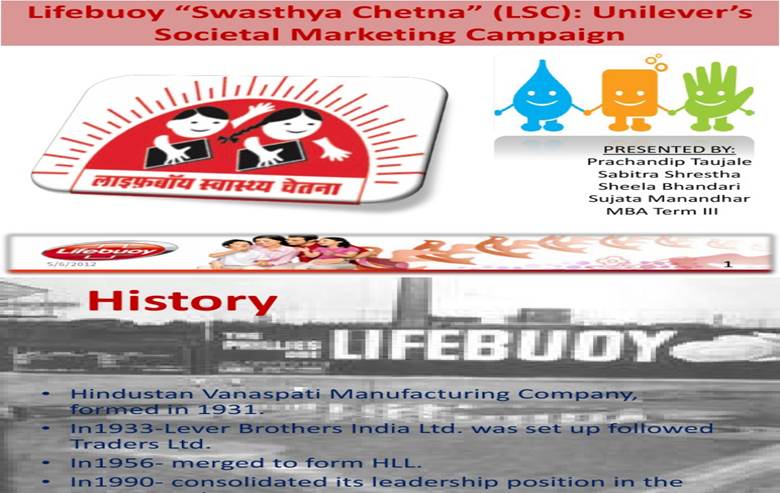
Lifebuoy is a trusted brand in rural India due to consistent branding focused on health and hygiene. Their campaigns, such as “Swastya Chetna,” built trust and brand recall among rural consumers, making Lifebuoy a household name.
2. Packaging
Affordability and Accessibility: Innovative packaging (like sachets or smaller packs) makes products affordable for rural consumers with limited disposable income.
Protection: Packaging ensures products withstand harsh storage and transportation conditions in rural areas.
The introduction of low-cost shampoo sachets revolutionized rural personal care markets in India. By offering affordable, single-use packs, companies like Chik and Clinic Plus captured a vast rural customer base that couldn’t afford larger bottles.
3. Labeling
Local Language Communication: Labels in regional languages make products accessible and understandable.
Information Dissemination: Labels provide necessary usage information, expiry dates, and ingredients, which is crucial where literacy rates may be lower.
Trust and Authenticity: Proper labeling assures consumers about product genuineness and safety.
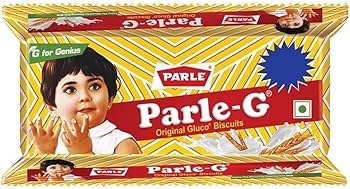
Parle-G uses simple, bold labeling with clear product images and regional language text, making it easy for rural buyers to identify. Tata Salt’s labeling emphasizes purity and health, addressing rural concerns about adulteration.
Case Studies
Case Study 1: Nirma Detergent
Nirma’s low-cost, brightly colored packaging and simple branding appealed directly to rural Indian homemakers.
The product’s jingle, mascot, and easy-to-recognize yellow packaging helped build strong recall and trust in villages.
Case Study 2: Colgate Toothpaste
Colgate invested in education-driven branding, such as oral health camps in rural areas.
Packaging in smaller tubes and local language labeling increased accessibility, adoption, and trust.
Key Takeaways
Branding builds trust and recall, which is vital where personal recommendations matter.
Packaging enables affordability and convenience, making products physically and economically accessible.
Labeling bridges communication gaps, ensuring information is clear and persuasive.
In summary:
Strong branding, smart packaging, and regional labeling are not just marketing tools—they’re essential strategies for success in rural markets, as seen in the above examples from India and other developing economies.
Importance in Rural Marketing
1. Branding
Trust and Reliability: Rural consumers often rely heavily on trust and word-of-mouth when choosing products. Strong brands become symbols of reliability.
Easy Recognition: In areas with lower literacy rates, recognizable logos and colors help consumers pick the right products.
Aspirational Value: Brands can represent modernity or status, influencing rural buying decisions.
Example: Nirma Detergent
Nirma’s simple, memorable branding and jingle made it a household name in rural India, appealing to consumers’ trust and aspirations for cleanliness.
2. Packaging
Affordable Pack Sizes: Small sachets and low-cost packs make products affordable for daily-wage earners and low-income families.
Protection: Robust packaging ensures products survive rough transportation and storage in rural areas.
Convenient Use: Easy-to-open and resealable packs suit rural consumers’ needs.
Example: Shampoo Sachets (Chik, Clinic Plus)
The introduction of shampoo in sachets allowed rural consumers to try and use branded shampoo at a low cost, leading to rapid market expansion.
3. Labeling
Local Language Instructions: Labels in regional languages make products understandable and accessible to non-English-speaking consumers.
Essential Information: Clear labeling assures consumers of quality, expiry dates, and authenticity.
Building Trust: Proper labeling helps fight counterfeiting—a major rural concern.
Example: Parle-G Biscuits
Parle-G uses distinctive, simple labeling in regional languages, making it instantly recognizable and trusted in rural areas.
Case Studies
Case Study 1: HUL’s Lifebuoy in Rural India
Branding: Lifebuoy focused on health and hygiene, values highly relevant in rural communities.
Packaging: Sold soaps in affordable small packs.
Labeling: Used regional languages, making the product accessible and trusted.
Case Study 2: Tata Salt
Branding: Marketed as “Desh Ka Namak” (the nation’s salt), building an emotional connection.
Labeling: Emphasized purity and iodization in local languages, educating rural consumers.
Summary Table
Aspect
Importance in Rural Marketing
Example
Branding
Builds trust, recognition, aspiration
Nirma, Lifebuoy
Packaging
Ensures affordability, protection, convenience
Chik/Clinic Plus Sachets
Labeling
Communicates quality, usage, and safety
Parle-G, Tata Salt
In conclusion:
Branding, packaging, and labeling are not just marketing tools; they are vital for building trust, ensuring accessibility, and driving product acceptance in rural markets. Successful companies tailor these elements specifically for rural consumers, as seen in the above examples.
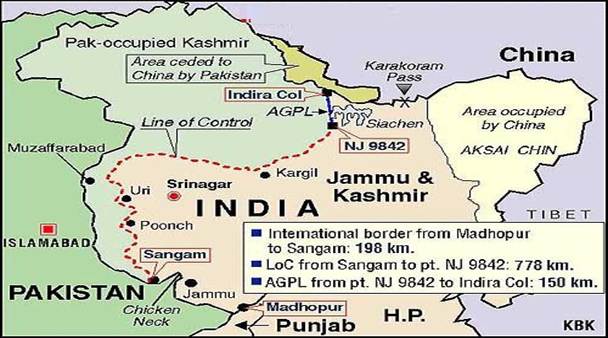
The roots of the Kargil Conflict can be traced back to the long-standing territorial dispute between India and Pakistan over the region of Jammu and Kashmir. The Line of Control (LoC), established in 1972, demarcated the de facto border between the two nations in the region. In early 1999, Pakistani military forces, operating covertly, infiltrated across the LoC into the Indian-controlled territory of Kargil. Their objective was to capture strategic positions along the heights and disrupt Indian supply lines.
2. Key Events and Military Strategies
The conflict began to escalate when the Indian Army discovered the presence of Pakistani infiltrators on the Indian side of the LoC. India responded by launching Operation Vijay, a military campaign aimed at evicting the Pakistani forces from the infiltrated positions. The challenging terrain of the Kargil sector, located at high altitudes in the Himalayas, posed significant logistical and operational challenges for both sides.
The Indian military, utilizing a combination of ground forces, artillery, and airpower, initiated a series of counter-offensives to dislodge the entrenched Pakistani troops. The Indian Air Force played a crucial role in providing close air support and carrying out targeted strikes against enemy positions. The conflict witnessed intense combat, with both sides engaging in artillery duels, infantry assaults, and aerial dogfights.
3. International Diplomacy and Escalation
As news of the conflict spread, international pressure mounted on Pakistan to withdraw its forces from the Indian side of the LoC. The international community, including the United States, urged Pakistan to respect the sanctity of the Line of Control and resolve the dispute through diplomatic means. India, on the other hand, maintained that the infiltrators must be completely expelled before any negotiations could take place. The conflict witnessed a dangerous escalation when Pakistan attempted to widen the scope of the conflict by targeting Indian cities with cross-border shelling. This move heightened tensions between the two nations, with fears of a broader war and concerns over the nuclear capabilities of both countries.
4. Resolution and Aftermath
Despite the challenging terrain and intense combat, the Indian military gradually regained control of the infiltrated areas. Pakistan faced mounting international pressure and diplomatic isolation, leading to a decision to withdraw its forces. By July 26, 1999, India declared a complete military victory, and Pakistan began a phased withdrawal of its troops.
5. The Kargil Conflict had several significant implications
It underscored the importance of vigilance along the Line of Control, exposed vulnerabilities in border security, and highlighted the need for improved intelligence and surveillance capabilities. The conflict also served as a reminder of the nuclear threat posed by the neighboring nations and the potential risks associated with their ongoing territorial disputes.
The Kargil Conflict was a stark reminder of the volatile nature of the India-Pakistan relationship and the deep-rooted issues surrounding the region of Jammu and Kashmir. The conflict tested the military capabilities, resolve, and diplomatic channels of both nations. While it resulted in a military victory for India, the Kargil Conflict serves as a sobering reminder of the constant challenges and complexities faced in maintaining peace and stability in the region.
The Kargil Conflict, which took place between India and Pakistan in 1999, presented unique challenges for media coverage due to the remote mountainous terrain and the limited access journalists had to the conflict zone. Analyzing the Kargil Conflict from the media’s perspective reveals the role of media in shaping public opinion, the challenges faced by journalists in reporting on a sensitive military operation, and the impact of media coverage on the conduct of the conflict and subsequent diplomatic efforts.
Limited Access and Reporting Challenges
The Kargil Conflict unfolded in a geographically challenging region, making it difficult for journalists to access the conflict zone. The remote locations, rugged terrain, and hostile weather conditions presented significant logistical challenges for journalists. Limited access to the frontlines and the need to rely on official briefings and military press releases posed difficulties in providing comprehensive and independent reporting.
1. Embedding Journalists and Official Narratives
During the Kargil Conflict, embedding journalists with military units was not a prevalent practice. Journalists had to rely on official military statements and information provided by the government. This reliance raised concerns about potential biases and the framing of the conflict through the lens of official narratives. Journalists faced the challenge of balancing their access to information with their responsibility to provide objective reporting.
2. Coverage of Human Stories and Sacrifices
Despite the limitations, journalists sought to cover the human side of the conflict by reporting on the stories of soldiers, their sacrifices, and the impact on their families. This focus on human stories added depth and emotional resonance to media coverage, helping the public connect with the personal experiences and hardships faced by those involved in the conflict.
3. Nationalism, Patriotism, and Media
Media coverage of the Kargil Conflict in India was marked by a surge in nationalism and patriotism. Journalists were faced with the challenge of reporting on the conflict objectively while responding to public sentiment and expectations. The media played a role in shaping public opinion, fostering a sense of unity, and garnering support for the military operation.
4. Information War and Propaganda
The Kargil Conflict witnessed an information war, with both India and Pakistan attempting to control the narrative and manipulate public perception. Governments on both sides disseminated propaganda, highlighting their military successes and downplaying their losses. Journalists had to critically analyze the information provided by official sources and navigate through conflicting claims to present an accurate picture to the public.
5. Public Engagement and Media’s Role
Media coverage of the Kargil Conflict played a significant role in engaging the public and fostering a sense of national solidarity. The reporting provided updates on the progress of military operations, showcased the bravery of soldiers, and sought to rally public support for the war effort. The media acted as a bridge between the frontlines and the public, keeping the nation informed and invested in the outcome of the conflict.
6. Diplomatic Implications and Peace Efforts
Media coverage of the Kargil Conflict also had implications for diplomatic efforts and peace negotiations between India and Pakistan. The reporting helped shape the public discourse surrounding the conflict and influenced the political environment. The media played a role in holding the government accountable, scrutinizing decision-making, and providing insights into the diplomatic efforts aimed at resolving the conflict peacefully.
7. Aftermath and Lessons Learned
The media’s coverage of the Kargil Conflict raised important questions about the conduct of the war and subsequent lessons learned. Journalists reflected on the limitations of reporting in conflict zones, the importance of independent verification, and the need to critically analyze official narratives. The conflict highlighted the significance of the media’s role in shaping public opinion and the responsibility of journalists to present a comprehensive and accurate account of events.
Media coverage of the Kargil Conflict played a crucial role in shaping public understanding, fostering national unity, and influencing the diplomatic efforts that followed. Despite the challenges of limited access and reliance on official narratives, journalists strove to provide comprehensive reporting, highlighting the human stories, sacrifices, and impact of the conflict. Media coverage also brought forth the complexities of an information war and the need for critical analysis of official claims.
The media’s portrayal of the Kargil Conflict sparked a surge of patriotism and national unity, with journalists playing a pivotal role in engaging the public and rallying support for the military operation. However, this heightened nationalism also presented challenges in maintaining objective reporting and critical analysis. Journalists faced the delicate task of balancing their duty to inform the public with their responsibility to question and scrutinize official narratives.
The media coverage of the Kargil Conflict extended beyond national borders, with international media outlets reporting on the developments and diplomatic efforts. The coverage influenced diplomatic discussions, public perceptions, and peace negotiations between India and Pakistan. Journalists played a crucial role in holding the government accountable, scrutinizing decision-making processes, and facilitating informed public discourse on the conflict’s aftermath.
The lessons learned from the media’s coverage of the Kargil Conflict emphasized the importance of independent journalism, verification of information, and critical analysis of official narratives. Journalists faced the challenge of reporting on a sensitive military operation while maintaining objectivity and avoiding the pitfalls of propaganda. The conflict underscored the media’s role in shaping public opinion, fostering national unity, and influencing diplomatic outcomes.
In conclusion, the media’s coverage of the Kargil Conflict exemplified the challenges and responsibilities faced by journalists reporting on sensitive military operations. Despite limited access and reliance on official narratives, journalists sought to provide comprehensive reporting, highlight human stories, and engage the public in understanding the impact of the conflict. The media played a crucial role in fostering national unity, shaping public perceptions, and influencing diplomatic efforts. The lessons learned from the media’s coverage continue to inform the practice of journalism in conflict zones, emphasizing the importance of independence, critical analysis, and responsible reporting.
SURGICAL STRIKES ON PAKISTAN
Introduction
In response to the devastating terrorist attack on an Indian military base in Uri on September 18, 2016, India launched a bold and unprecedented operation known as the “surgical strike.” This meticulously planned military action aimed to strike terrorist launch pads across the Line of Control (LoC) in Pakistan-administered Kashmir. In this brief and detailed section, we will explore the circumstances leading up to the surgical strike, the execution of the operation, its strategic implications, and the aftermath.
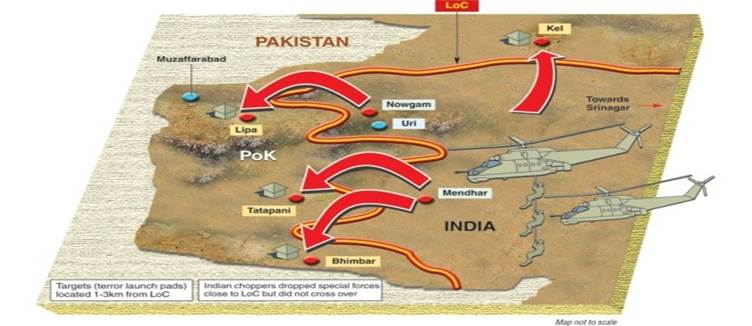
Source Image: India Today
1. Background and Justification
The Uri attack, orchestrated by Pakistan-based terrorist groups, resulted in the loss of 19 Indian soldiers. The brazen assault on the military base sparked outrage and a strong desire for retribution among the Indian populace. The attack underscored the urgent need for India to respond to such acts of terrorism originating from across the border.
2. Execution of the Surgical Strike
On the intervening night of September 28-29, 2016, India’s Special Forces conducted a surgical strike across the LoC. The operation involved targeted strikes on multiple terrorist launch pads located in the vicinity of the LoC. Special Forces units infiltrated deep into enemy territory under the cover of darkness, neutralizing terrorists and destroying infrastructure without causing collateral damage or escalating the conflict.
The surgical strike showcased India’s military precision, with troops employing advanced surveillance equipment, night vision devices, and GPS-guided munitions to carry out the operation. The mission’s success hinged on maintaining secrecy, minimizing risks, and swiftly withdrawing after achieving its objectives.
3. Strategic Implications and Global Response
India’s surgical strike on Pakistan marked a significant departure from its previous restrained approach to cross-border counterterrorism operations. By directly targeting terrorist infrastructure on Pakistani soil, India aimed to send a clear message that it would not tolerate cross-border terrorism. The surgical strike demonstrated India’s willingness to take proactive measures to protect its national security interests.
4. The global response to the surgical strike was varied
While many nations, including the United States, expressed understanding of India’s concerns regarding terrorism, some called for restraint and de-escalation of tensions between the nuclear-armed neighbors. Pakistan denied the occurrence of any surgical strike and downplayed the incident as routine border skirmishes.
5. Aftermath and Future Implications
The surgical strike significantly impacted the dynamics between India and Pakistan. It signaled India’s resolve to respond decisively to terrorist attacks and put Pakistan on notice regarding its support for militant groups. The surgical strike also had domestic implications, boosting the morale of the Indian armed forces and garnering public support for the government’s strong stance against terrorism. However, the surgical strike did not eliminate the threat of terrorism completely. The incident underscored the need for sustained efforts to dismantle terrorist networks, enhance border security, and improve intelligence-sharing mechanisms to prevent future attacks.
India’s surgical strike on Pakistan in response to the Uri attack showcased the nation’s determination to combat cross-border terrorism and protect its national security interests. The operation exemplified precision, careful planning, and a commitment to minimizing collateral damage. While the surgical strike served as a strategic statement, it also highlighted the ongoing challenges posed by terrorism in the region and the need for continued efforts to address the root causes of such acts.
Analyzing the media’s perspective on the surgical strikes conducted by India on Pakistan reveals a complex interplay between patriotism, media coverage, and the challenges of reporting on sensitive military operations. The surgical strikes, which took place in 2016 and 2019, were significant events that garnered widespread attention and sparked intense media coverage. Examining the media’s role in reporting these strikes sheds light on the challenges faced by journalists, the influence of nationalism and public sentiment, and the ethical considerations that come into play.
6. Limited Access and Information Control
Reporting on surgical strikes presented unique challenges due to limited access to the actual operations and the high level of information control by the respective governments. Journalists faced restrictions on entering the conflict zones and gathering firsthand information. They had to rely on official statements, government briefings, and military sources, which raised concerns about the potential bias and the need for independent verification.
7. Nationalism, Jingoism, and Media Coverage
The surgical strikes invoked strong nationalist sentiments in India, which had a significant impact on media coverage. Journalists faced the challenge of balancing their responsibility to provide accurate and objective reporting with the expectations and sentiments of the public. The media played a role in fostering patriotism and national unity, often amplifying the government’s narrative and evoking jingoistic sentiments.
8. Verification and Independence
The veracity of surgical strikes was a subject of debate and skepticism, particularly from the Pakistani side. Journalists had the responsibility to verify the facts and independently corroborate the claims made by the government. The challenge of obtaining reliable information, given the sensitive nature of the operations, required journalists to exercise caution and seek multiple perspectives to ensure accurate reporting.
9. Propaganda and Counter-Narratives
The surgical strikes triggered a battle of narratives and propaganda between India and Pakistan. Both sides sought to shape public perception through media channels and social media platforms. Journalists had to navigate through conflicting claims, propaganda, and disinformation campaigns, emphasizing the need for critical analysis and fact-checking to present an accurate picture to the public.
10. Ethical Considerations and Sensationalism
Reporting on sensitive military operations like surgical strikes raised ethical dilemmas for journalists. They had to balance the duty to inform the public with the potential risks of compromising national security or escalating tensions. Sensationalism and exaggeration were potential pitfalls that journalists had to avoid, ensuring responsible reporting and maintaining the public’s trust.
11. International Coverage and Diplomatic Implications
The surgical strikes received significant international attention, with media outlets around the world reporting on the developments and their implications. Journalists played a role in shaping international perceptions, influencing diplomatic discussions, and generating debates on the escalation of tensions between India and Pakistan. Reporting on the strikes required a nuanced understanding of regional dynamics and geopolitical implications.
12. Social Media and Instantaneous Reporting
The advent of social media platforms intensified the speed and reach of information dissemination during the surgical strikes. Journalists had to grapple with the challenges of handling unverified information, rumors, and the rapid spread of unfiltered narratives. The responsibility to fact-check, verify sources, and present accurate information became even more crucial in this era of instant reporting.
13. Public Sentiment and Media Accountability
The media’s coverage of the surgical strikes played a significant role in shaping public sentiment and influencing public opinion on national security issues. However, media accountability and responsible reporting became crucial in avoiding misinformation, sensationalism, and the manipulation of public sentiment. Journalists were under scrutiny to maintain objectivity and adhere to ethical standards amidst intense nationalistic fervor.
The media’s coverage of the surgical strikes on Pakistan exemplified the complexities and challenges faced by journalists reporting on sensitive military operations. Balancing the responsibility to inform the public with the need for independent verification and critical analysis proved to be essential. The media’s role in fostering nationalism, shaping public sentiment, and navigating the battle of narratives between India and Pakistan was evident in the coverage of the surgical strikes. Journalists were tasked with maintaining their independence and providing accurate reporting while being mindful of the potential for propaganda and sensationalism.
14. Ethical considerations
Ethical considerations played a crucial role in the media’s coverage of the surgical strikes. Journalists had to carefully weigh the potential risks of compromising national security or escalating tensions against the public’s right to be informed. Responsible reporting necessitated verifying facts, seeking multiple perspectives, and presenting a balanced view of the events.
The emergence of social media as a powerful platform during the surgical strikes added a new layer of complexity to media coverage. Journalists had to contend with the rapid dissemination of unverified information and the need to counteract misinformation and disinformation. Fact-checking and responsible use of social media became imperative in ensuring accurate reporting and countering potential biases.
International media coverage of the surgical strikes had diplomatic implications, with journalists playing a role in shaping international perceptions and influencing diplomatic discussions. Understanding the geopolitical context and presenting a nuanced view of the events became essential in accurately portraying the situation and avoiding further escalation.
The media’s accountability to the public was a critical aspect of the coverage. Journalists were under scrutiny to maintain objectivity, adhere to journalistic standards, and provide accurate and unbiased reporting. Journalistic integrity and transparency were key in maintaining public trust, particularly during a time of heightened nationalism and emotionally charged events.
Conclusion
The coverage of the surgical strikes demonstrated the evolving role of the media in reporting on sensitive military operations. Journalists faced challenges of limited access, verification of information, and navigating the complexities of nationalism and propaganda. Ethical considerations and responsible reporting were paramount in ensuring accurate and unbiased coverage, while social media added new dimensions and challenges to the media landscape.
In conclusion, the media’s perspective on the surgical strikes reflected the intricate dynamics of reporting on sensitive military operations. Journalists had to navigate through limited access, nationalist sentiments, propaganda, and ethical considerations to provide accurate and responsible reporting. The media’s role in shaping public sentiment, influencing international perceptions, and upholding journalistic integrity played a significant role in the coverage of the surgical strikes and its subsequent impact on public discourse and diplomatic efforts.