Life style

वसई-विरार सफाई कर्मचारी हड़ताल क्योंकि उन्हें अभी तक भुगतान नहीं किया गया है, और ठेकेदारों में बदलाव से शहर की सफाई सेवाएं बंद हो जाती हैं। कचरा मजदूर मंगलवार को हड़ताल पर चले गए, जिससे हर दिन चीजों को साफ रखना मुश्किल हो गया है। शहर के कई इलाकों में कूड़े के ढेर लगे हुए हैं।
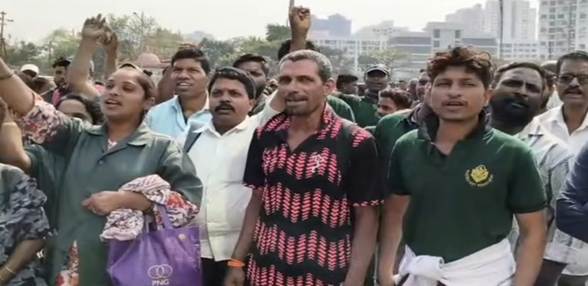
वसई: वसई में 400 से 500 वी. वी. सी. एम. सी. सफाई कर्मचारियों द्वारा पी. एफ., ग्रेच्युटी और उचित वेतन के लिए हड़ताल की गई क्योंकि उन्हें एक नए श्रमिक ठेकेदार की आदत हो गई थी। सफाई सेवाओं में बाधा आई है क्योंकि श्रमिक मांग कर रहे हैं कि काम पर वापस जाने से पहले उनके अधिकारों का सम्मान किया जाए।

वसई-विरार नगर निगम (वी. वी. सी. एम. सी.) के कई सफाई कर्मचारियों ने अपने लंबे समय से चले आ रहे अनुरोधों को पूरा नहीं करने के विरोध में मंगलवार को वसई में हड़ताल की। विरोध प्रदर्शन में चार सौ से पाँच सौ सफाई कर्मचारी शामिल थे, जिन्होंने कुछ स्थानों पर सफाई बंद कर दी।

वसई विरार नगर निगम (वी. वी. एम. सी.) के सफाई कर्मचारी जो चाहते हैं उसे पाने के लिए मंगलवार को वसई में हड़ताल पर चले गए। तीन सौ से पाँच सौ सफाईकर्मियों ने भाग लिया है। कंपनी द्वारा पुराने के स्थान पर एक नया सौदा किया गया है। लेकिन उन्होंने कहा कि लंबे समय से वहां काम कर रहे श्रमिकों की जरूरतों को पूरा किया जाना चाहिए।

पिछले कुछ वर्षों से वसई विरार नगर निगम ने अनुबंध के आधार पर सफाई का काम करने के लिए हजारों लोगों को काम पर रखा है। वे सड़कों पर झाड़ू लगा रहे हैं, हर दिन कचरा उठा रहे हैं और फेंक रहे हैं, दवाओं का छिड़काव कर रहे हैं और गड्ढों की सफाई कर रहे हैं। लेकिन इन श्रमिकों को मुश्किलों का सामना करना पड़ रहा है क्योंकि नगरपालिका उन्हें सही उपकरण प्रदान नहीं करती है। कई बार अधिकारियों से शिकायत करने के बावजूद कोई कार्रवाई नहीं की जा रही है।

कंपनी ने अब 20 जनवरी को काम पर रखे गए पिछले ठेकेदार का अनुबंध समाप्त कर दिया है। 2025-26 से 2030-31 तक पांच वर्षों के लिए एक नया ठेकेदार नियुक्त किया गया है। इस वजह से नगर निगम ने पहले के ठेकेदारों को अपना काम बंद करने के लिए कहा।

हालांकि, इस आदेश के बाद से, हर दिन शहर की सफाई करने वाले लोगों ने हिंसक आंदोलन शुरू कर दिया है। मजदूर मंगलवार को वसई पश्चिम के साईनाथ नगर इलाके में विरोध करने के लिए इकट्ठा हुए। हमने लंबे समय तक साथ काम किया है। लोगों का कहना है कि नगरपालिका ने अनुबंध बदलकर सफाई कर्मचारियों के साथ अन्याय करने की कोशिश की, क्योंकि हमें अभी तक भविष्य निधि या ग्रेच्युटी जैसे कोई अन्य लाभ नहीं मिले हैं। हमें नए ठेकेदार से कोई समस्या नहीं है, लेकिन हमारे श्रमिकों को जो लाभ मिल रहा है, वह हमें कब मिलेगा? टॉयलेट क्लीनर गीतेश घरत ने पूछा।

हड़ताल के लिए तैयार

विरोध शुरू हुआ क्योंकि नगर निगम ने पुरानी के बजाय एक नई श्रम एजेंसी को काम पर रखने का विकल्प चुना। ठेकेदारों में बदलाव आया है, लेकिन श्रमिकों, जिनमें से कई वर्षों से शहर के साथ हैं, का तर्क है कि पहले उनके अधिकारों और लाभों की रक्षा की जानी चाहिए।

वी. वी. सी. एम. सी. हजारों अस्थायी सफाई कर्मचारियों को सड़कों की सफाई और हर दिन कचरा उठाने जैसे महत्वपूर्ण काम करने के लिए काम पर रखता है। कचरे को उन जगहों पर ले जाना जहाँ इसे फेंका जा सकता है।

कीटनाशकों को लगाना और नालियों की सफाई करना

भले ही वे ये महत्वपूर्ण काम कर रहे हैं, श्रमिकों का कहना है कि उनके पास बुनियादी उपकरण नहीं हैं और उन्हें लंबे समय से समस्याएं हो रही हैं। उनका कहना है कि निगम ने बार-बार उनकी शिकायतों को नजरअंदाज किया है।

नए अनुबंधों को लेकर लड़ाई हुई।

20 जनवरी से, पूर्व ठेकेदार का कार्यकाल समाप्त हो गया, और एक नए को 2025-26 से 2030-31 तक पांच साल के लिए काम पर रखा गया। नतीजतन, निगम ने पूर्व कर्मचारियों को पहले की तरह काम करना बंद करने के लिए कहा।

मजदूर इस आदेश से नाराज थे, और मंगलवार को वे वसई पश्चिम के साईनाथ नगर इलाके में मिले और कहा कि वे क्या सोचते हैं। श्रमिक स्पष्ट करते हैं कि वे नए ठेकेदार के खिलाफ नहीं हैं, बल्कि इस विचार के खिलाफ हैं कि वे समय के साथ अर्जित भत्तों को खो सकते हैं।

कर्मचारियों का बयान

विरोध प्रदर्शन के दौरान सफाई कर्मचारी गीतेश घरत ने श्रमिकों की भलाई के बारे में कई महत्वपूर्ण सवाल पूछे। श्रमिक मांग कर रहे हैं कि उनके भविष्य निधि (पीएफ) और ग्रेच्युटी का भुगतान तुरंत किया जाए, क्योंकि वे कहते हैं कि उन्हें वर्षों से भुगतान नहीं किया गया है। मुख्य मांगों में से एक “समान काम के लिए समान वेतन” है। कुछ लोग उन पूर्व श्रमिकों के बारे में चिंतित थे जो सेवानिवृत्त हो गए थे या अपनी बकाया राशि प्राप्त किए बिना ही उनकी मृत्यु हो गई थी।

विरोध कर रहे श्रमिकों ने कहा, “निगम को नए अनुबंध को अंतिम रूप देने से पहले श्रमिकों को विश्वास में लेना चाहिए था और इन लंबित मुद्दों का समाधान करना चाहिए था।

लोग इस बात से चिंतित हैं कि शहर अब कितना साफ है क्योंकि हड़ताल के कारण दैनिक कचरा संग्रह अभी भी गड़बड़ है। इस बिंदु पर, श्रमिकों ने कहा है कि वे तब तक काम पर वापस नहीं जाएंगे जब तक कि उन्हें उनकी सामाजिक सुरक्षा और अवैतनिक बिलों के बारे में विशिष्ट गारंटी नहीं दी जाती।

ENGLISH TRANSLATION

A strike by city workers makes the city less clean.

Vasai-Virar sanitation workers go on strike because they haven’t been paid yet, and a change in contractors stops city cleaning services. The garbage workers went on strike on Tuesday, which has made it harder to keep things clean every day. There are garbage piles in many parts of the city.

A stop-work strike by 400 to 500 VVCMC sanitation workers in Vasai called for PF, gratuity, and fair pay as they got used to a new labor contractor. Cleaning services have been hampered because workers are demanding that their rights be respected before they can go back to work.

Many sanitation workers from the Vasai-Virar City Municipal Corporation (VVCMC) went on a “stop-work” strike in Vasai on Tuesday to protest not getting their long-standing requests met. Four hundred to five hundred sanitation workers were involved in the protest, which stopped cleaning in some places.

Sanitation workers from Vasai Virar Municipal Corporation (VVMC) went on strike in Vasai on Tuesday to get what they want. Three hundred to five hundred cleaning workers have taken part. A new deal has been made by the company in place of the old one. But he said that the needs of the workers who have been there for a long time should be met.

For the past few years, the Vasai Virar Municipal Corporation has hired thousands of people to do cleaning work on a contract basis. They are sweeping the streets, picking up and throwing away trash every day, spraying medicines, and cleaning out ditches. But these workers are having a hard time because the municipality doesn’t provide them with the right tools. Even though complaining to the officials several times, nothing is being done about it.

The company has now ended the contract of the previous contractor they hired on January 20. A new contractor has been hired for five years, from 2025–26 to 2030–31. Because of this, the city corporation told the earlier contractors to stop their work.

However, since this order, the people who clean the city every day have started a violent movement. The workers got together in the Sainath Nagar area of Vasai West on Tuesday to protest. We’ve worked together for a long time. People say that the municipality tried to be unfair to the safai karamcharis by changing the contract, since we haven’t gotten any other perks like the provident fund or the gratuity yet.

“We don’t have a problem with the new contractor, but when will we get the benefits that our workers are getting?” asked Gitesh Gharat, a toilet cleaner.

Set off for Strike

The protest started because the Municipal Corporation chose to hire a new labor agency instead of the old one. There has been a change in contractors, but the workers, many of whom have been with the city for years, argue that their rights and benefits must be protected first.

The VVCMC hires thousands of temporary sanitation workers to do important jobs like cleaning the streets and picking up trash every day. Taking trash to places where it can be dumped.

Putting down pesticides and cleaning gutters

Even though they are doing these important jobs, workers say they don’t have basic tools and have been having problems for a long time. They say that the Corporation has ignored their complaints over and over again.

There was a fight over new contracts.

With effect from January 20, the former contractor’s term ended, and a new one was hired for five years, from 2025–26 to 2030–31. As a result, the Corporation told the former employees to stop working the way they were.

The workers were angry about this order, and on Tuesday they met in the Sainath Nagar area of Vasai West to say what they thought. The workers make it clear that they are not against the new contractor, but rather the idea that they might lose the perks they have earned over time.

Statement from Workers

During the protest, sanitation worker Gitesh Gharat asked a number of important questions about the workers’ well-being. Workers are asking that their Provident Fund (PF) and Gratuity be paid right away, since they say they haven’t been paid in years. One of the main demands is “Equal Pay for Equal Work.” Some people were worried about former workers who retired or died without getting the money they were owed.

“The Corporation should have taken the workers into confidence and addressed these pending issues before finalizing the new contract,” said the workers who were protesting.

People are worried about how clean the city is now that daily trash collection is still messed up because of the strike. At this point, the workers have said that they won’t go back to work until they are given specific guarantees about their social security and unpaid bills.

Introduction

Generic advertising provides a unique window through which to observe advertising effects on market performance, because changes in the dispersion of consumers’ valuations systematically redistribute rents among firms according to observable characteristics of producer size.

According to the American Marketing Association, AMA Dictionary. “Generic advertising is an approach to preparing advertising messages that concentrates on the customer benefits that apply to all brands in a product category, rather than benefits that are unique to specific brands.”

According to advertising wearout, defined as the declining effectiveness of a commercial or campaign associated with increased exposure, it is examined from a generic advertising perspective.

Generic advertising campaigns of the type typically undertaken by agricultural commodity groups differ from branded advertising in that the former seek to increase aggregate demand for a product category (e.g., beef, milk, wool) rather than the market share of a particular brand within a category. For example, most commodities in the United States have check-off programs assessing producers for generic advertising and promotion, a public good for producers. Examples of the more popular programs include “Got Milk?” and “Beef, It’s What’s for Dinner,” etc.

Generic advertising is a type of marketing designed to promote a general product rather than a specific brand name. Such campaigns have been produced for everything from fresh milk to gemstones. This type of advertising does not mention particular brand names but attempts to build consumer support for the product in general.

Does the industry need generic advertising today?

Generic Advertising of Rhein Maas

Since 1 July 2018, Veiling Rhein-Maas has collected a levy for generic promotion from the auction customers, which is passed on to the two above-mentioned initiatives. Below, you can find all relevant information about the possibilities that ‘Flower Council of Holland’ and ‘Blumen—1000 Gute Gründe’ offer to the customers of the auction as well as the next upcoming events, presentations, and campaigns.

Flower Council of Holland

The ‘Flower Council of Holland’ takes care of the consumer-oriented promotion of flowers and plants in various European countries. Funnyhowflowersdothat.co.uk and thejoyofplants.co.uk are showing the customer that flowers make us happy and that everything is a little bit less stressed and more comfortable in the company of plants. You can also find both brands on Facebook, Twitter, Pinterest, and Instagram.

In addition, the ‘Flower Council of Holland’ regularly launches campaigns such as ‘Houseplant of the Month,’ ‘Garden Plant of the Month,’ and the ‘Flower Agenda,’ where different flowers and plants are placed in the spotlight every month. The ‘Flower Council of Holland’ also provides you with photographic material (image bank), texts, posters, and graphics free of charge. Use these promotional materials to boost your sales! The initiative has also issued a calendar for 2019, which includes all the important days in the flower industry from several European countries.

Voluntary generic advertising in India

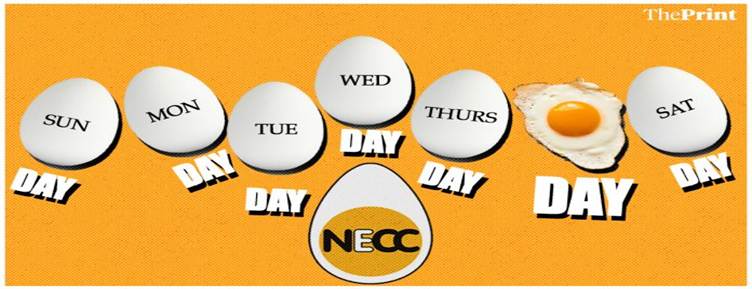
The ‘voluntary’ prefix says that only those companies that wish to pay towards the campaign do so. Such advertising is perhaps most prominent in the promotion of agricultural produce, with campaigns promoting milk, chicken, eggs, and other foodstuffs.

Introduction

An advertisement is a communication that promotes a product or a facility or gives information to the public. Advertisements may take many forms, such as press advertisements in newspapers or magazines, television and radio advertisements, or signs in shops. Advertisements are mainly made to encourage consumers to buy exact products or services.

Advertising can be directed at the final user of a product or service, in contrast to advertising aimed at businesses and industries. Sometimes customer advertising is directed toward a purchaser of a product or service who will then pass on that product or facility to its ultimate consumer, as in the holder of pet food advertising. Most radio, television, newspaper, and magazine commercials and advertisements are customer advertising.

The consumer is the final user of a product or service. The consumer is not always the customer of a product. In the case of pet food, for example, the pet is officially the consumer because it is the final user, although of course the advertising is aimed at the pet owner.

Consumers are careful to be the users of the final product.

This format is in contrast to industrial advertising, which is particularly directed and marketed toward businesses. The aim of consumer advertising is to introduce, or sometimes re-introduce, products and services to families and private individuals for daily use and expenditure. These can be automobiles for family use, household appliances, home electronic devices, clothes, books, movies, and now just about anything else normally found in an individual or family household.

Advertising is often designed to be strategic and manipulative. By targeting a specific demographic, consumer advertising is able to connect with the common hopes, fears, dreams, and needs of that target group and use that correlation to create product desire. This is often seen through the use of sexuality and provoking images directed at certain genders, language and images pleasing to a specific age variety, highlighted beliefs and values planned to be held in common between manufacturers, businesses, and consumers, and several other methods of consumer advertising.

An effort is made to appeal to a consumer’s sense of self-image and wish to appear confident to other people, despite whether the product actually does what the advertising claims. Though the result may be somewhat misleading advertising, these methods are habitually quite effective.

Consumer advertising refers to advertising on purchaser-generated media. This phrase typically refers to sponsored content on blogs, wikis, social networking websites, and personal websites. This sponsored substance is also known as sponsored posts, paid posts, or sponsored reviews. The substance includes links that point to the home page or precise product pages of the website of the sponsor. Examples include Diet Coke and Mentos videos and Star Wars fan films.

This is advertising. Your mind is being sold to these advertisers. Advertising is the promotion of products or services. This process provides companies with a method to present their products to consumers, thereby maximizing their sales potential. Without advertisement, not a single firm or company can develop in this world of competition.

Like all other aspects, advertising has both positive and negative points. If it has positive features that impact society socially and economically, then it also has negative impacts. Advertising a public interest program positively impacts society, while featuring a sensationalized woman in an advertisement negatively affects societal perceptions.

Advertising can also be used to tell the public about social events like concerts and performances. Charities can use media to advertise about the illnesses and persuade people to offer assistance. Social organizations and NGOs can use the means of advertisement for promoting their campaigns. Looking for help through advertisement during epidemics or natural calamities can help a lot.

So, I can say that advertising has positive as well as negative impacts on society. We should focus more on balancing what is required and what is really not required. Advertisement can create satisfaction but can also simultaneously create unhappiness. Our society and the marketing of products depend so badly on advertisement that even its negative impact on society can’t compensate for the many positive social and economic effects.

Types of Consumer Advertising

A successful advertising campaign will spread the word about your products and services, attract customers, and generate sales. Whether you are trying to persuade new customers to buy an existing product or beginning a new service, there are many options to choose from. The following list is an introduction to an advertising campaign that you could use.

1. Newspaper: Newspaper advertising can expose your business to a wide range of customers. Display advertisements are to be found throughout the paper, while classified schedules are under subject headings in a precise section.

If your products require to be displayed in color, then glossy advertisements in a magazine can be ideal, though they are normally more expensive than newspaper advertisements.

3. Radio: Advertising on the radio is a fantastic way to reach your target audience. If your target market listens to a particular station, then regular advertising can draw new customers.

4. Television: Television has a widespread reach, and advertising this way is perfect if you supply to a large market in a large area. Television advertisements have the advantage of sight, sound, movement, and color to influence a customer to buy from you. They are mostly useful if you need to reveal how your product or service works.

Directories

Directories catalogue businesses by name or category (e.g., Yellow Pages phone directories). Customers who refer to directories have often previously made up their mind to buy; they just need to make a decision about who to buy from.

Outdoor and Transit

There are numerous ways to advertise outside and on the go. Outdoor billboards can be signs by the road or hoardings at sports stadiums. Transit advertising can be posters on buses, taxis, and bicycles. Large billboards can get your message across with a big impact.

Direct Mail

Direct mail means writing to customers directly. The more specific your mailing list or distribution area, the more of your target market you will reach. A direct mail approach is more personal, as you can choose your audience and plan the timing to suit your business.

Online

Other ways to advertise your business online include promoting your products or services on social media sites, blogs, search engines, and other websites that your target audience visits.

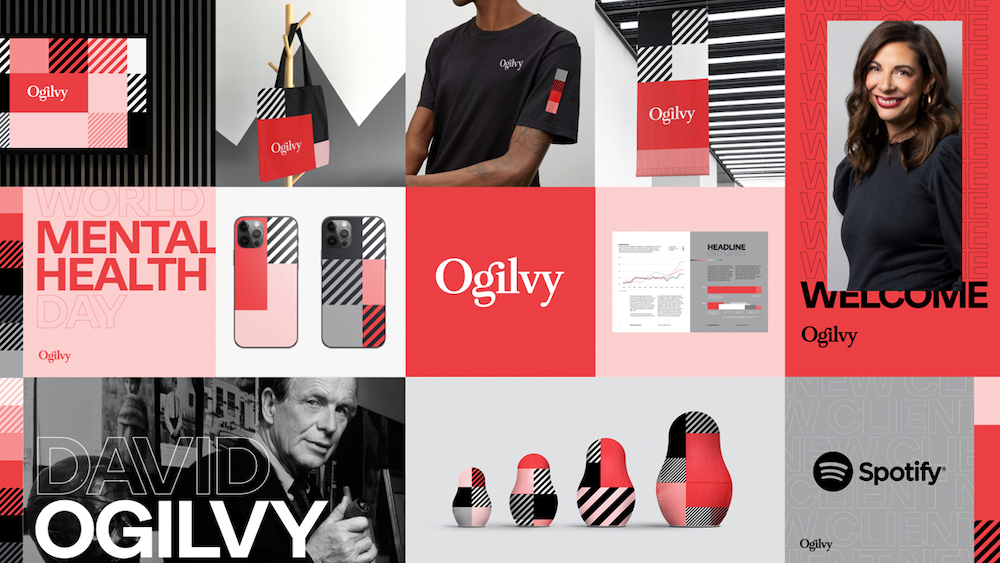
Ogilvy, founded in 1948 by David Ogilvy in New York, revolutionized advertising through research-driven, long-copy campaigns emphasizing facts and persuasion over entertainment. Now part of WPP as a global creative network, it serves brands across advertising, PR, digital, and experience design in over 130 countries. The agency pioneered iconic work like the Hathaway shirt man and Rolls-Royce ads, building a legacy of “Big Ideas” that blend creativity with measurable impact.

Founding and Early Growth

David Ogilvy, dubbed the “Father of Advertising,” launched Hewitt, Ogilvy, Benson, & Mather with British backing, securing clients like Guinness and Sunoco through informative ads such as “The Guinness Guide to Oysters.” By the 1950s, it had evolved into Ogilvy & Mather, known for clean layouts, large photos, and consumer insights that won American Express and Dove accounts.

Modern Evolution

Acquired by WPP in 1989, Ogilvy expanded into PR (1980s), health, and digital, going public in 1966 under Ogilvy’s leadership. Today, it focuses on integrated services like brand strategy and AI-driven innovation, maintaining offices in India for local campaigns in media and consumer sectors.

A. Print advertising campaign

Here are four notable print advertising campaigns by Ogilvy, each with analysis and criticism:

  1. Dove—“Real Beauty”
    Analysis:

    Ogilvy’s print ads for Dove’s “Real Beauty” campaign featured non-model, everyday women of various ages, shapes, and ethnicities. The aim was to challenge traditional beauty standards and celebrate diversity, often using simple, unretouched photos.

Criticism:
While the campaign was praised for inclusivity, some critics argued that it still focused on women’s appearance and that Dove’s parent company, Unilever, also marketed products that contradicted the message.

  1. American Express – “Don’t Leave Home Without It”
    Analysis:

    These iconic print ads featured celebrity endorsements and everyday scenarios, positioning American Express as essential for safety and convenience during travel and daily life.

Criticism:
The campaign was highly effective, but some critics observed that the focus on exclusivity and prestige made the card seem unattainable for average consumers, potentially alienating a segment of the audience.

  1. KFC–“FCK” (UK Apology Ad)
    Analysis:

    When KFC ran out of chicken in the UK, Ogilvy crafted a bold print ad showing a KFC bucket with the letters rearranged to “FCK,” accompanied by a sincere apology. The ad used humor and humility to address customer frustration.

Criticism:
Although widely praised for transparency and wit, some critics felt it skirted the line of good taste and used humor to downplay a serious operational issue.

  1. IBM—“Smart Ideas for Smarter Cities”
    Analysis:

    Ogilvy’s print ads for IBM’s “Smarter Cities” initiative used clever visuals—like benches and shelters in the shape of graphs or data lines—to demonstrate how technology can improve urban life.

Criticism:
While visually engaging and conceptually strong, critics pointed out that the print ads sometimes oversimplified complex urban challenges and did not always clearly communicate how IBM’s solutions worked.

B. TVC Advertising campaign

Here are four notable TVC (television commercial) advertising campaigns by Ogilvy, each with a brief analysis and criticism:

  1. Dove—“Real Beauty Sketches”
    Analysis:

    This emotionally powerful TVC depicted forensic artists sketching women based on their own descriptions and then on descriptions from strangers, highlighting the gap between self-perception and how others see us. It reinforced Dove’s brand position around real beauty and self-esteem.

Criticism:
While the campaign was widely praised for its positive message, some critics argued it still emphasized appearance as central to a woman’s value and that it subtly reinforced certain beauty standards.

  1. Guinness – “Surfer”
    Analysis:

    This iconic ad featured a surfer waiting for the perfect wave, set against dramatic black-and-white visuals and poetic narration. It drew a parallel between waiting for a Guinness to settle and the patience of a surfer.

Criticism:
Although visually stunning and memorable, some viewers found the metaphor obscure and felt the link to the product was indirect, potentially reducing immediate impact on sales.

  1. Cadbury Dairy Milk—“Kuch Meetha Ho Jaaye” (India)
    Analysis:

    Ogilvy’s TVCs for Cadbury Dairy Milk, especially the famous cricket field ad, celebrated small, joyful moments with chocolate. The ads created a strong emotional connection and established Dairy Milk as the go-to treat for celebrations.

Criticism:
Though beloved, some later campaign iterations were criticized for becoming formulaic and losing the originality and warmth of the originals.

  1. BMW—“The Hire”
    Analysis:

    A series of short films directed by famous filmmakers, starring Clive Owen as “The Driver.” These cinematic ads showcased BMW’s vehicles through action-packed storytelling, blurring the lines between advertising and entertainment.

Criticism:
While groundbreaking for branded content, some critics argued the focus on action and celebrity overshadowed the product benefits, and the format risked missing less engaged viewers.

C. Outdoor Advertising campaign

Here are four notable outdoor advertising campaigns by Ogilvy, each with analysis and criticism:

  1. IBM—“Smart Ideas for Smarter Cities”
    Analysis:

    Ogilvy Paris created outdoor installations for IBM that doubled as functional street furniture—benches, rain shelters, and ramps—shaped to visually represent IBM’s data-driven solutions for urban life. The campaign physically demonstrated how smart ideas could make cities better for everyone.

Criticism:
While the installations were innovative and visually clever, critics noted they worked best in controlled, urban environments and were more symbolic than practical on a large scale. Some also felt the connection to IBM’s actual tech services was not always clear to the public.

  1. KFC–“FCK” Bucket Apology (UK)
    Analysis:

    After a chicken shortage, Ogilvy UK placed billboards and posters with a KFC bucket rearranged to spell “FCK” and a humorous apology. This bold outdoor ad addressed customer frustration with honesty and wit, turning a PR nightmare into a brand win.

Criticism:
While praised for transparency, some critics felt the humor bordered on inappropriate for a family brand and that the campaign risked trivializing a serious operational issue.

  1. Coca-“Cola—“Share a Coke” (Global)
    Analysis:

    Ogilvy’s outdoor billboards and digital screens displayed personalized Coke bottles with people’s names, encouraging consumers to “Share a Coke” with friends and family. This campaign drove massive engagement and made the brand feel highly personal.

Criticism:
The campaign was lauded for its creativity and reach, but some felt it was less effective in cultures where personalized names on products were less meaningful, and it risked excluding those with uncommon names.

  1. Sprite—“Heat Happens” (China)
    Analysis:

    To address hot summer weather, Ogilvy created outdoor ads for Sprite featuring giant interactive billboards that sprayed mist or water on passersby, literally helping people “cool off” with Sprite.

Criticism:
The campaign was fun and memorable, but some questioned the environmental impact of water use, and the novelty might have overshadowed the product’s benefits beyond the initial spectacle.

D. Digital Advertising campaign

Here are four notable digital advertising campaigns by Ogilvy, each with a brief analysis and criticism:

  1. Burger King—“Whopper Detour”
    Analysis:

    Ogilvy New York launched a clever mobile campaign where users could receive a Whopper for 1 cent if they ordered it using the Burger King app while physically near a McDonald’s. This geo-fencing stunt drove massive app downloads and social buzz and positioned Burger King as a fun, irreverent challenger brand.

Criticism:
While it was praised for creativity, it was also criticized for being overly aggressive toward a competitor and for raising concerns about digital privacy and data usage.

  1. Dove—“Self-Esteem Project: #NoLikesNeeded”
    Analysis:

    In this campaign, Dove tackled the negative effects of social media validation on young people’s self-esteem. Through Instagram and YouTube, the campaign encouraged teens to value themselves beyond likes and follows, using influencers and real stories.

Criticism:
While the message was powerful, critics noted the irony of delivering it on social media platforms that perpetuate the very issues Dove was addressing. Some also questioned the campaign’s actual impact versus its visibility.

  1. IBM—“Watson AI Chef”
    Analysis:

    Ogilvy and IBM created a digital experience where users could interact with IBM Watson’s AI, which suggested unique recipes based on available ingredients. This showcased IBM Watson’s power in a fun, engaging, and accessible way, blending tech innovation with everyday utility.

Criticism:
The concept was innovative but niche; critics pointed out that the campaign may have overestimated user interest in AI recipes and did not directly connect to IBM’s core B2B offerings.

  1. Vodafone—“Raising“Voices”
    Analysis:

    Ogilvy’s digital campaign in Turkey used AI and voice recognition to help women report domestic abuse discretely via the Vodafone app. The initiative used digital technology to support social improvements and received international acclaim.

Criticism:
While the campaign’s purpose was widely applauded, privacy experts raised concerns about data protection and the potential risks if the feature was discovered by abusers or misused.

Rural consumer V/s Urban consumers-

A. Understanding basic difference between Rural and urban consumers’ behavior

B. Understanding the nature of competition in rural marketing.

Introduction

In India, rural consumers value quality, durability, and community involvement more than urban consumers who seek ease, brands, and trends. This is because rural spending (68.84% of population) is higher than urban spending (31.16%). Because their wages change with the seasons, people in rural areas like small packs and local shops, while people in cities choose high-end, tech-driven purchases. In rural areas, loyalty is shown through symbols, and in cities, it’s shown through ads.

Key Differences

AspectRural ConsumersUrban Consumers
Purchase FrequencyWeekly, small packs for affordability ​Less frequent, bulk/economy packs ​
Brand LoyaltyHigh via color/logo, less ad-driven ​Brand-conscious, influenced by trends ​
Shopping ChannelsVillage shops, haats for credit/bargains ​Malls, online for convenience ​
Decision FactorsFamily/elders, price sensitivity ​Individual, tech/products ​
Product PreferenceDurables for utility, sachets ​Advanced gadgets, fast food ​

Examples

Rural: Bihar villagers buy FMCG sachets post-Digital India exposure, valuing presence over ads. Urban: Delhi youth prefer online fast food via apps, prioritizing speed. Rural favors two-wheelers for practicality; urban opts luxury cars for status.​

Case Studies

Godrej’s “Godrej Ki Doli” campaign reached 1 crore+ rural consumers in 28,000 UP/AP/Maharashtra villages via door-to-door, contacting 1.7 lakh retailers and building loyalty without heavy ads. Bihar online buying study showed rural 35% rise via YouTube, but urban leads in tech adoption due to infrastructure. Migrants from rural to urban retain haat habits initially but shift to malls.

A. BASIC DIFFERENCES BETWEEN RURAL AND URBAN CONSUMER BEHAVIOR

1. Income and Spending Power

  • Rural Consumers: Usually have lower and more irregular incomes, leading to cautious spending and preference for affordable products.
  • Urban Consumers: Typically have higher, more stable incomes, allowing greater discretionary spending and willingness to try premium or new products.

2. Product Awareness and Information Sources

  • Rural Consumers: Rely more on word-of-mouth, local opinion leaders, and traditional media (radio, regional TV). Advertising impact is limited unless localized.
  • Urban Consumers: Exposed to multiple information channels like digital media, TV, print, social networks. More aware of brands and product options.

3. Buying Behavior

  • Rural Consumers: Prefer small pack sizes (sachets, single-use), buy less frequently, and make purchases mostly from local kirana stores or markets. Price sensitivity is high.
  • Urban Consumers: Buy in bulk or larger packs, shop more frequently in supermarkets, malls, and online platforms. More brand and quality conscious.

4. Brand Loyalty

  • Rural Consumers: Less brand loyal; will switch brands for price or availability.
  • Urban Consumers: More likely to be brand loyal, influenced by advertising and perceived quality.

5. Influencers

  • Rural Consumers: Influenced by family, community leaders, and local traditions.
  • Urban Consumers: Influenced by celebrities, social media influencers, peer groups, and advertising.

6. Payment Methods

  • Rural Consumers: Prefer cash; digital payment adoption is growing but still limited.
  • Urban Consumers: Comfortable with digital payments, cards, and wallets.

Example

  • Shampoo Purchase:
    • Rural Consumer: Buys ₹1 sachet from a kirana shop, influenced by neighbor’s recommendation.
    • Urban Consumer: Buys a branded family-size bottle from a supermarket or online, influenced by TV/online ads.

Case Study 1: Sachet Revolution (Hindustan Unilever Limited)

Problem:
HUL’s shampoo bottles were too expensive for rural consumers, who were hesitant to spend a large amount at once.

Solution:
HUL introduced ₹1 shampoo sachets, making the product affordable and accessible for rural consumers who preferred buying in small quantities.

Impact:

  • Massive increase in rural sales.
  • Urban consumers continued buying large bottles, valuing convenience and long-term savings.

Learning:
Rural consumers prioritize affordability and immediate needs, while urban consumers value convenience and are less sensitive to price per unit.


Case Study 2: Mobile Phones – JioPhone vs. Smartphones

Situation:
Urban consumers demand smartphones with advanced features for communication, work, and entertainment.

Solution for Rural Markets:
Reliance Jio launched the JioPhone, an affordable internet-enabled feature phone, catering to rural needs for basic connectivity and long battery life.

Impact:

  • JioPhone saw massive rural adoption.
  • Urban buyers continued purchasing high-end smartphones (Samsung Galaxy, iPhone).

Learning:
Urban consumers seek technology and status, while rural consumers focus on essential functions and affordability.


Case Study 3: Media Consumption and Advertising

Scenario:
A detergent brand wants to reach both rural and urban markets.

Approach:

  • Urban: Runs TV and digital ad campaigns featuring celebrities, and partners with e-commerce sites.
  • Rural: Sponsors local events, uses folk media, and organizes product demonstrations at village fairs, relying on word-of-mouth.

Impact:
Urban sales rise due to aspirational advertising; rural sales grow through trust-building, personal interaction, and localized messaging.

Conclusion:

Rural consumer behavior is driven by price, accessibility, and local influence, while urban consumer behavior is shaped by higher income, brand value, modern retail, and digital exposure. Successful businesses tailor their strategies to these fundamental differences.

B. UNDERSTANDING THE NATURE OF COMPETITION IN RURAL MARKETING

Nature of Competition in Rural Markets

  1. Fragmented Market: Many small players and unorganized local brands compete with large national brands.
  2. Low Brand Loyalty: Rural consumers often switch brands based on price, availability, or local influence.
  3. Price Sensitivity: Price is a key factor; even a small difference can sway consumers.
  4. Distribution Challenges: Companies compete to reach remote locations and ensure product availability.
  5. Communication Barriers: Marketing must overcome language, literacy, and cultural diversity.
  6. Trust and Relationship Building: Local relationships and word-of-mouth are vital; brands often compete for trust as much as for sales.
  7. Product Adaptation: Competition may lead to product modifications (smaller packs, local flavors, etc.) to suit rural needs.
  8. Non-traditional Promotions: Competitors use fairs, melas, van campaigns, and local influencers instead of only mass media.

Case Studies and Examples

Case Study 1: HUL vs. Local Brands – Detergent Market

Scenario:
Hindustan Unilever Limited (HUL) markets Wheel detergent in rural India, but faces competition from local, unbranded detergents sold at lower prices.

Competitive Strategies:

  • HUL introduced smaller, affordable sachets.
  • Launched rural-specific promotions (e.g., “Wheel Lucky Draw” at village fairs).
  • Built a robust rural distribution network using local wholesalers.

Outcome:
Wheel became a leading rural brand, but HUL had to continually innovate on price, pack size, and promotions due to persistent competition from local brands.


Case Study 2: Colgate vs. Neem Sticks

Scenario:
Rural India traditionally used neem sticks for oral hygiene.

Competitive Approach:

  • Colgate marketed toothpaste in small sachets to make it affordable.
  • Ran educational campaigns in villages about dental hygiene, sometimes partnering with local health workers.
  • Sponsored rural events and distributed free samples.

Outcome:
Colgate became the No.1 toothpaste in rural India, but competition from traditional practices and local brands remains strong, requiring ongoing education and adaptation.


Case Study 3: Britannia vs. Local Bakeries

Scenario:
Britannia aimed to grow biscuit sales in villages where local bakeries sold loose, unpackaged biscuits.

Competitive Moves:

  • Introduced low-priced “Tiger” biscuits in small packs (₹2–₹5).
  • Partnered with rural retailers and offered incentives.
  • Used mobile vans to reach remote villages, creating brand visibility.

Outcome:
Britannia gained a strong rural presence, but continues to face price and availability competition from local bakers.

YouTube
Instagram