Social marketing was “born” as a discipline in the 1970s, when Philip Kotler and Gerald Zaltman realized that the same marketing principles that were being used to sell products to consumers could be used to “sell” ideas, attitudes, and behaviors. Kotler and Andresen define social marketing as “differing from other areas of marketing only with respect to the objectives of the marketer and his or her organization. Social marketing seeks to influence social behaviors not to benefit the marketer, but to benefit the target audience and the general society.” Social marketing is an approach used to develop activities aimed at changing or maintaining people’s behavior for the benefit of individuals and society as a whole.
So what, exactly, is social marketing? In the Social Marketing Report, it’s defined as “the application of commercial marketing techniques to social problems.” It means to take the same principles used in selling goods—such as shoes, television shows, or pizza—to convince people to change their behavior.
What does that mean? Well, instead of selling hamburgers, you’re selling a life without heart attacks. Instead of convincing teenagers to buy blue jeans, you’re convincing them to buy the advantages of postponing pregnancy.
If you are selling blue jeans, you’re still trying to influence behavior—you’re convincing people they need to wear your jeans, either for comfort or for style or for value. So then, what is the difference between social marketing and commercial marketing?
Definition
Before we focus on social marketing, we should clarify the nature of marketing as both an academic discipline and a management practice.
The definition offered by Kotler, Roberto, and Lee (2002, p. 5) is a useful one:
“The use of marketing principles and techniques to influence a target audience to voluntarily accept, reject, modify, or abandon a behavior for the benefit of individuals, groups, or society as a whole.”
Social marketing relies on voluntary compliance rather than legal, economic, or coercive forms of influence.
Kotler et al. (2002) argue that social marketing is often used to influence an audience to change their behavior for the sake of one or more of the following:
Improving health—health issues
Preventing injuries—safety issues
Protecting the environment – environmental issues
Contributing to the community involves issues of community-building.
Lazer and Kelley (1973, p. ix) define social marketing as follows:
“Social marketing is concerned with the application of marketing knowledge, concepts, and techniques to enhance social as well as economic ends. It is also concerned with analysis of the social consequences of marketing policies, decisions, and activities.”
Corporate Social Responsibility (CSR) is a continuing commitment by businesses to integrate social and environmental concerns into their business operations. Changes in the global environment increasingly challenge businesses around the world to look beyond financial performance and to integrate social and environmental concerns into their strategic management.
India traditionally viewed CSR as a philanthropic activity prior to the Companies Act 2013. And in keeping with the Indian tradition, it was believed that every company has a moral responsibility to play an active role in discharging its social obligations, subject to its financial health. In the early 90s, Mahatma Gandhi introduced the concept of trusteeship, helping socio-economic growth. Family values, traditions, culture, and religion influenced CSR.
On 29th August 2013, the Companies Act of 2013 replaced the Companies Act of 1956. The New Act has introduced far-reaching changes that affect company formation, administration, and governance, and it incorporates an additional section, i.e., Section 135—a clause on Corporate Social Responsibility obligations (“CSR”) for companies listed in India. The clause covers the essential prerequisites pertaining to the execution, fund allotment, and reporting for successful project implementation.
India became the first country to legislate the need to undertake CSR activities and mandatorily report CSR initiatives under the new Companies Act 2013. This is the beginning of a new era for CSR in India.
Companies to implement their CSR in PROJECT MODE are:
Suggested Areas of Activities for (As per Schedule VII)
Eradicating hunger, poverty and malnutrition; promoting health care including preventive health care and sanitation, including contribution to the Swachh Bharat Kosh set-up by the Central Government for the promotion of sanitation; and making available safe drinking water;
Promoting education, including special education and employment-enhancing vocation skills especially among children, women, the elderly, and the differently abled and livelihood enhancement projects;
Promoting gender equality, empowering women, setting up homes and hostels for women and orphans; setting up old age homes, day care centers, and such other facilities for senior citizens, and taking measures for reducing inequalities faced by socially and economically backward groups;
Ensuring environmental sustainability, ecological balance, protection of flora and fauna, animal welfare, agroforestry, conservation of natural resources, and maintaining the quality of soil, air, and water, including contributions to the Clean Ganga Fund set up by the Central Government for the rejuvenation of the Ganga River;
Protection of national heritage, art and culture, including restoration of buildings and sites of historical importance and works of art; setting up public libraries; promotion and development of traditional art and handicrafts;
Measures for the benefit of armed forces veterans, war widows and their dependents;
Training to promote rural sports, nationally recognized sports, Paralympic sports and olympic sports;
Contribution to the Prime Minister’s National Relief Fund or any other fund set up by the Central Government for the socio-economic development, relief, and welfare of the Scheduled Castes, Scheduled Tribes, other backward classes, minorities, and women;
The Central Govt. approves and provides contributions or funds to technology incubators located within academic institutions.
The tagline “jaago re” from TATA Tea is considerably encouraging to the public, as it conveys a positive message to “awaken” the people of India towards their real aims and duties.
Coca-Cola Mehman Nawaaji
Coca-Cola is taking ‘mehman nawaazi’ to a new level with #CokeNawaazi, where vada pav is being served with Coke, paranthas are being had with Coke, and 4’s and 6’s are being celebrated with shots of Coke.
P & G (Padegha, India; Badegha, India)
Shiksha is now in its 7th year and is back with an even stronger commitment—to take its current impact of 150,000 children to the 200,000 mark. On May 7, 2011, Shiksha held an event in Delhi. Shiksha ambassadors Anupam Kher and Dr. Kiran Bedi, as well as recent Shiksha supporter Jacqueline Fernandes, unveiled the plan of the Shiksha-RTI School in Purkhas, Haryana. This school is one of the 20+ schools that Shiksha is building in 2010-11 alone.
B. Advocacy Advertising
Introduction
Advocacy advertisements are communications intended to bring awareness to a certain problem. It is a kind of advertisement that is used in order to influence the public on political or social matters. Moreover, it is also concerned with the propagation of ideas and the explanation of controversial social issues that are deemed important in public policy terms.
Advocacy advertising is commonly regarded as a subdivision of corporate or institutional advertising. Contrasting commercial advertising, advocacy advertising is considered to be undertaken in the interest of a group or the public and naturally does not promote a product or service. Funding for advocacy advertising can be provided by nonprofit organizations, corporations, or private advocacy groups.
Advocacy advertising in India
Indian brands are taking advantage of the new call of social selling, employer branding, social hiring, personal branding, social PR, etc., which are the key principles of brand advocacy. Nowadays every brand begins changing their colors. Literally. Well, we are referring to the sudden switch to saffron, white, and green (India’s flag colors) in their marketing communication to celebrate Independence Day. But beyond these surface-level changes, there are a few brands that go the extra mile and design a campaign to aptly represent the spirit of independence and what it means for India.
Incorporating the brand message into the advertisement adds a unique touch. Undoubtedly, these campaigns continue to resonate with Indian consumers even after their discontinuation. So here’s a look at a few such memorable campaigns that evoke a strong sense of patriotism in every Indian.
Bajaj (‘Buland bharat ki buland tasveer – Hamara Bajaj’)
In this ad, Bajaj encapsulates the aspirations and spirit of a pre-liberalization India through its flagship scooter brand, Chetak. A simple middle-class family riding the scooter, a Parsi man wiping it clean, and yet another family worshipping the scooter before the first ride—each of these instances resonated well with the Indian consumer and positioned it as the perfect family two-wheeler. In fact, the sense of belonging this ad created was so strong that even today, the words ‘Buland bharat ki buland tasveer – Hamara Bajaj’ immediately make the Indian consumer nostalgic.
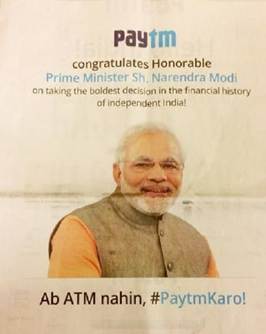
Paytm
Theme: Freedom is realizing that you have a choice.
Year of release: 2016
Hope and the possibility of a corruption-free India are the messages that mobile payments and the e-commerce platform Paytm convey through this ad film. It narrates three instances where it seems like there would be an exchange of money as a bribe but, in a pleasant twist, shows an exchange of emotions instead. “Jab cash nahi hoga, toh corruption kaise hoga?” The last frame of the ad urges people to work towards India’s freedom from corruption by encouraging them to use less cash and more digital payments.
Note: Interestingly, three months later, the government of India announced the demonetization of high-value currency, with one of the objectives being a cash-free economy.
National advertising means advertisements, brochures, catalogues, and similar marketing materials published and distributed to consumers; included in publications intended for consumers; or broadcast through television, the Internet, radio, or other media that are designed and intended to promote the sale of approved products, including point-of-purchase displays for use by retailers and marketing and promotional pieces provided to retailers for use in sales promotions to consumers.
Geographically speaking, national advertising is extended to the territorial limits of the country. The advertiser uses the national media to inform the consumer about the product. The advertiser uses the national, local, or regional language but prefers the national language. It can be available everywhere in the country and easily purchased. For example, Nestlé Kit Kat
Nestle Kit Kat in India
Nestlé Kit Kat was launched in India in 1995 and was well received by consumers owing to both the ‘finger format’ of the chocolate as well as the way its advertising celebrated the ‘consumption ritual.’ Through different creative renditions, the brand has always propagated the ‘BREAK IN ROUTINE’ communication. The new ad concept has really come out very well, based on the concept of animals emoting human emotions, particularly love.
The TVC that hit the screens a few days back has already garnered a huge fan base of over 40,000 viewers on YouTube. Basking in this, the company has even introduced various different format portions of the chocolate in 1-2-3 and 4-finger at convenient price points of Rs.5 and Rs.10, respectively.
Hyundai in India
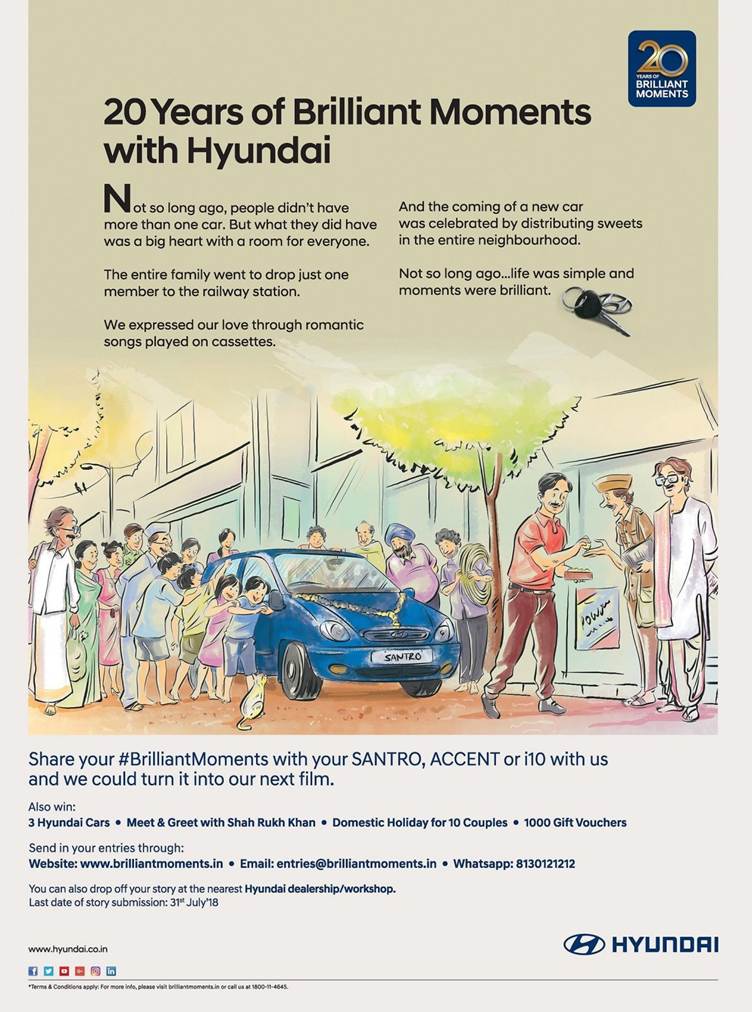
Hyundai, the South Korean automobile manufacturer, has recently marked its 20th anniversary in the Indian market. This cause for celebration paved the way for a beautiful ad, ‘Hyundai brilliant moments,’ that narrated the story of a family’s memories with their Hyundai Accent.
Hyundai Motor India Ltd. (HMIL), the country’s second largest car manufacturer and the largest exporter since inception, launched the innovative Emotional and Recalling Brilliant Moments with Hyundai Campaign to celebrate 20 years of sales and production in the Indian market. To celebrate Hyundai’s legacy and thank over 5.5 million valuable customers, the emotionally connecting Brilliant Moments with Hyundai (BMH) campaign will invoke nostalgic memories to connect with all Hyundai customers. The Brilliant Moments Campaign will provide a unique experience through various experiential marketing, sales, and service initiatives at all Hyundai touchpoints and invite the customers of SANTRO, ACCENT, and i10 to share their brilliant moment stories.
B. Global advertising
Introduction
Only a few generations ago, it took months to ship products to a market in another country, and doing so was such a difficult undertaking that only major trading companies were able to take the risk. Then, developments in transportation technology made it possible for people and products to move much faster, and the first push toward globalization began.
More recently, information technology and particularly the Internet have shrunk the world even further. A business might have partners and employees half a world away, and consumers can get products from those locations in a matter of days.
Global marketing is more than simply selling a product internationally. Rather, it includes the whole process of planning, producing, placing, and promoting a company’s products in a worldwide market. Large businesses often have offices in the foreign countries they market to, but with the expansion of the Internet, even small companies can reach customers throughout the world.
Even if a company chooses not to expand globally, it may well face domestic competition from foreign companies that are. This competition has made it nearly a necessity for most businesses to establish an international presence.
Who employs global marketing?
Global marketing is particularly important for products that have universal demand, such as food and automobiles. Thus, a beverage company is likely to be in more markets than, say, a wooden toy company, but even a wooden toy company may find niche markets in diverse corners of the world.
However, even today most companies are focused on the domestic market (which is the largest economy in the world), with only one percent of U.S. companies invested in exporting. Nevertheless, the value of U.S. exports continues to increase, amounting to some $2.1 trillion in 2011.
Some individual examples of global marketing include:
Coca-Cola started selling internationally back in 1919 and is now present in more than 200 countries. In order to keep a consistent brand, Coke tastes the same in every region (although outside of the United States, the recipe uses sugar instead of high-fructose corn syrup), but the size, shape, and labeling of the bottle are changed to match the norms in each country. While the company formerly used a standardized advertising approach, it has changed to adapt advertising messages to local culture. Additionally, it adjusts its product line-up to fit local tastes, including a number of additional beverage brands.
McDonald’s makes certain that a Big Mac tastes the same in every country, but it also varies items on its menu according to local tastes. Customers in Mexico can order a green chili cheeseburger, customers in Korea get to eat bulgogi burgers, and customers in many Arab countries can enjoy the McArabia, a grilled kofta sandwich on pita bread.
Starbucks also adjusts their menu to fit local tastes. In Hong Kong, for example, they sell Dragon Dumplings. And as a global buyer of coffee, the company has long had a reputation for engaging local cultures according to their needs.
In Japan, Kentucky Fried Chicken has managed to associate their product with Christmas, and every year Japanese line up around the block to get their KFC chicken on that day.
For a non-American example of global marketing, consider Ahava, which started out as a tourist stand on the Dead Sea selling bottles of mud and salt from the renowned body of water. From this inauspicious start, they developed a line of cosmetics, and after partnering with an American company that already has a global distribution network, their cosmetics are being sold in high-end department stores throughout the world.
What kinds of customers does global marketing reach?
Since global marketing involves a variety of different products and opportunities, it’s impossible to identify a single customer profile. A global company must be prepared to develop multiple profiles for each of the different regions it trades in. The United States’ biggest trading partners are Canada, Mexico, China, and the European Union, but international trade by no means ends there.
Depending on the product, customers can be reached nearly anywhere in the world. In order to do so, global companies may rely on local distribution networks, but as they grow in particular markets, they may establish their own networks. Companies attempting to enter new markets tend to start with heavily populated urban centers before moving out to surrounding regions.
Particular attention needs to be paid to the growing international online market, which vastly increases businesses’ access to customers worldwide if they can speak the language. J.P. Morgan, in a report for the Department of Commerce, estimated that only 27 percent of online shoppers speak English. Nonetheless, in Korea, 99 percent of those with Internet access shop online; in Germany and Japan, 97 percent. Thus, companies that wish to break into those markets need to not only create a good product and do what works stateside; they also need to immerse themselves in the language and culture of the international market they wish to break into.
How is a global marketing campaign developed?
When marketing products globally, companies must recognize that a marketing mix that works in the domestic market may not have the same success in another market. Differences in local competition may require a different pricing strategy. Local infrastructure may affect how products are produced and shipped. In some cases, it may be more profitable to produce things locally; in others, it may be cheaper to ship them in from across the globe.
Partnerships with local businesses may be an important step in expanding into one market, while in another market, such partnerships might dilute the brand. The savvy global marketer must consider all these aspects of marketing in addition to the task of communicating cross-culturally.
When promoting a product or brand globally, a company must make decisions regarding trade-offs between standard and local messages. A single message is cheaper to produce and maintains the consistency of the brand, but it may not perform well in some regions due to differences in cultural values or expectations.
A global company must carefully research the various markets and prepare to make adjustments to its product and messaging wherever required. Sometimes this requires changing a name (for example, the Chevy Nova didn’t sell well in Spain, as “no va” in Spanish means “no go”). Sometimes it even involves changing the packaging (in America, Gerber baby food has a cute baby on the label to represent the brand, but in some countries shoppers expect the picture to represent the contents of the jar and were appalled by the image).
Individual marketers working with global campaigns should strive to learn the language of the market they’re assigned to, both for the purpose of managing business relationships with local companies and in order to verify translation efforts. For example, how do you evaluate the work of someone who has translated your company website? Is it a meaningful translation, or is it just full of buzzwords?
Additionally, marketers should personally visit their target markets and spend time in them—even moving to them for a time. Here they can develop local contacts, as well as gain a deeper understanding about how business is conducted in the area. In Japan, for example, it is not enough just to speak Japanese; you must also conduct business the Japanese way. Learn what is valued culturally—and what is offensive.
Developing and respecting local business talent is also critical for global marketing. If you have an office in Hong Kong, for example, you want to make full use of talented Hong Kong Chinese professionals in your marketing, advertising, and distribution. Many companies have lost opportunities and alienated allies by having the attitude that as Americans, they automatically knew better than their foreign partners.
J. International advertising
Introduction
As technology creates leaps in communication, transportation, and financial flows, the world continues to feel smaller and smaller. It is possible for companies and consumers to conduct business in almost any country around the world thanks to advances in international trade. According to the World Trade Organization, the volume of international merchandise trade increased 33 times between 1951 and 2010.
Brands and products that originate in one country are enthusiastically accepted in others. For example, Louis Vuitton handbags, BMWs, and Columbian coffee, all foreign products, are symbols of status and quality in the United States—and many American brands, like Warner Brothers motion pictures, have similar footholds overseas.
However, globalization has created just as many challenges as opportunities for brands that venture overseas. Because consumers have so many more options for similar products, companies must ensure that their products are high in quality and affordability. Additionally, these products cannot be marketed identically across the globe. (See also Global Marketing.) International marketing takes more into consideration than just language—it involves culture, market saturation, and customer behaviors. American and European companies especially have turned their international marketing efforts into something more than just exporting—they have adapted their branding to account for differences in consumers, demographics, and world markets.
Companies who have done this very well include Coca-Cola, who discovered that the word ‘Diet’ carries a negative connotation in Latin America and changed the name of their zero-calorie product to ‘Coke Lite’ for those countries. UPS, known in America for their brown trucks, issued a fleet of a different color after learning that their flagship brown trucks resembled Spanish hearses.
What is international marketing?
International marketing is the application of marketing principles in more than one country, by companies overseas or across national borders. International marketing is based on an extension of a company’s local marketing strategy, with special attention paid to marketing identification, targeting, and decisions internationally (see also Local Marketing).
According to the American Marketing Association (AMA), “International marketing is the multinational process of planning and executing the conception, pricing, promotion, and distribution of ideas, goods, and services to create exchanges that satisfy individual and organizational objectives.”
Who employs international marketing?
Rapid technological advances mean that geographical and cultural communication barriers are disappearing, and even smaller businesses without a physical presence in other countries can market and sell their products internationally (see also Diversity Marketing). This means that almost anyone with the desire can market internationally but will do so with varying levels of success, depending on the thought and research that is put into the international marketing strategy.
Companies selling goods that have customs restrictions, like food and live plants, must contend with a more rigorous regulatory process before marketing their products internationally. While they may have a more difficult time setting up their international export business, they also have the opportunity to expose other countries to native products they couldn’t access otherwise. Other types of companies that often perform well internationally include those involved in export, joint ventures, and direct investment.
Exporting is the practice of shipping goods directly to a foreign country. Prominent companies that do an excellent job of marketing their foreign exports to the United States include Fanta soft drinks, Honda, and retail giant H&M. In fact, H&M paid $3.5 million for a 30-second commercial during the 2012 Super Bowl, a marketing bonanza that has long been dominated by American brands.
Joint venture companies refer to the combined efforts of two or more businesses for their mutual benefit. One of the most famous international joint venture success stories is Sony-Ericsson, a partnership between a Japanese electronics company and a Swedish telecommunications company. Their international marketing strategy, comprised of bright colors and modern shapes, has helped make the joint venture known the world over. (See also Cooperative Marketing.)
A direct investment company places a fixed asset in a foreign country with the aim of manufacturing a product, or part of a product, abroad. Dell computers, for example, is an American company with factories in many other countries that assemble personal computers from parts made all around the world. Dell then markets their computers with an exceptional emphasis on customer needs and customization—unlike other companies that sell pre-manufactured products, Dell computers are custom-assembled after customers place their orders.
What kinds of customers are effectively marketed to with international marketing?
Depending on your brand, any foreign citizen is a potential customer. But how does a marketing team figure out how to tap into an international market? Customers who live in foreign markets have different buying habits, preferences, and priorities than the customers they’re familiar with. By tracking these foreign customers through market research and cultural surveys, marketers can discover the best methods of reaching them.
Trying to market a brand to international customers without researching is just asking for trouble, as companies have proven time and time again. Careful consideration of a culture’s beliefs and prejudices is important in international marketing. For example, the Muslim culture considers dogs to be dirty animals. So, positioning a dog as “man’s best friend” in a Middle Eastern country will surely fall flat.
Huge international Marketing Blunders
Pepsodent tried to market its toothpaste in Southeast Asia by claiming that it “whitens your teeth” before learning that some locals chewed betel nuts to blacken their teeth, a sign of attractiveness in their culture.
The Scandinavian vacuum manufacturer Electrolux didn’t account for a common American colloquialism when marketing their vacuum in the U.S.: “Nothing sucks like an Electrolux.”
The soft drink Fresca was marketed under that name in Mexico … before the company discovered that ‘fresca’ is a slang term for lesbian in parts of Mexico.
Pepsi used the slogan “Come Alive With Pepsi” in Taiwan … or so they thought. The slogan was actually translated as “Pepsi brings your ancestors back from the dead.”
The Coors slogan “Turn It Loose” was translated into Spanish as “Suffer From Diarrhea.”
How is an international marketing plan developed and employed?
It can be difficult for a small or medium-sized corporation to initially build an international marketing plan because they generally don’t have the expertise or budget to launch the campaign. By partnering with another group or hiring marketing experts with knowledge of foreign markets, smaller companies can build their cultural research and implement more successful campaigns. Whether a company chooses to partner with another foreign agency or hire an inside international marketing representative, the most important facet of building a successful international marketing campaign is the research they conduct. Research will inform the company’s marketing mission as they proceed, allowing them to maximize potential in new markets.
Once research is completed and a market is chosen, experts should examine and modify a brand’s marketing strategy so that it fits their target demographics. Hiring representatives from the country will help ensure that all cultural differences are handled appropriately and with sensitivity. For an emerging international brand, establishing partnerships and networking with other companies in the country are essential for success. Partners within a target market help new companies establish themselves in markets where they would otherwise have gone unnoticed.
Finally, it is important to review an international marketing strategy on a quarterly basis. Even if a company sends representatives to travel to the foreign market, it is much more difficult to keep a finger on the pulse of an overseas marketing campaign. This means that results need to be tracked extremely closely, and tweaks should be made regularly to help a product gain the appropriate foothold for success.
We know it when we see it. We are exposed to it thousands of times every day. Most of us are reasonably proficient, although rarely perfect, at distinguishing it from other kinds of messages. But what is this thing called advertising?
In other words, advertising is the act of calling public attention to an idea, product, or service through paid announcements by an identified sponsor. But there’s more to advertising. An average human is exposed to around thousands of advertising messages in a day. Advertisements come in many different ways, like shapes, sizes, colors, patterns, and forms.
Definition
According to Philip Kotler, “Advertising is any paid form of non-personal presentation and promotion of goods, services, or ideas by an identified sponsor.”
According to Frank Presbrey, “Advertising is a printed, written, oral, and illustrated art of selling. Its objective is to encourage sales of the advertiser’s products and to create in the minds of people, individually or collectively, an impression in favor of the advertiser’s interest.”
According to Wheeler, “Advertising is any form of paid non-personal presentation of ideas, goods, and services for the purpose of inducing people to buy.”
The mediums used are print, broadcast, and direct.
According to William Stanton, “Advertising consists of all activities involved in presenting to a group a non-personal, oral or visual, openly sponsored, identified message regarding a product, service, or idea. The message, called an advertisement, is disseminated through one or more media and is paid for by the identified sponsor.”
A. Evolution of Advertising
Advertisements have come a long way in the past century or so. As it’s had to adapt and change to suit new mediums and audiences constantly. To raise the value of the advertising of today and imagine the advertising of tomorrow, we need to comprehend the origin and evolution of advertising.
Advertising was produced by a market-driven system and developed in a capitalistic, free enterprise market economy in which mass production utilized advertising as an essential tool. Urbanization, transportation expansion, and communication advancements all facilitated the use and growth of advertising, the result of which is that advertising is firmly entrenched as a business function in different societies with deeply rooted economic and cultural foundations.
Advertising is the result of years of development in capitalism and its use in mass communication media. We can define advertising as a form of commercial mass communication designed to promote the sale of a product or service or a message on behalf of an institution, organization, or candidate for political office. That implies concepts such as market, publics, sponsors, persuasion, products, services, mass communication, etc.
1. The Beginning
In the Middle Ages, together with street callers, brands appeared on products for identifying the maker, giving them a sign of individuality from a manufacturer from others, allowing for differentiation, for example, between wines and geographical areas such as Osnabruck and Westphalia.
In this period, a big number of people can’t read. So, signs that today would say “cobbler,” “miller,” “tailor,” or “blacksmith” would use an image associated with their trade, such as a boot, a suit, a hat, a clock, a diamond, a horseshoe, a candle, or even a bag of flour.
Gutenberg’s printing press (1438) really began the era of mass communication in that now printed materials could be mass-produced, whereas prior to the printing press, books and other printed materials had to be made individually. A Londoner printed the first English newspaper in 1622, and the first ad appeared in 1625.
That 1622’s first newspaper was the Weekly News, by Nicholas Brown and Thomas Archer. Other newspapers of this time were the Mercurius Britannicus, in 1665, and La Gazzette from Paris by Théophraste Renaudot in 1630. Those were considered beginners of modern advertising, despite the fact that the first newspaper announcement appeared in 1650 in the Several Proceedings in Parliament; it was about offering a reward for returning twelve stolen horses.
2. Propaganda and Mechanization
Today, the word ‘propaganda’ carries a negative and harmful connotation.
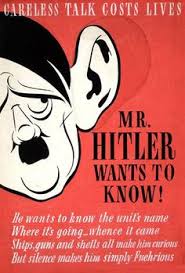
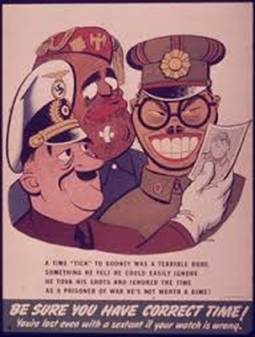
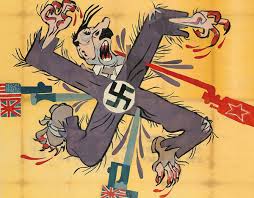
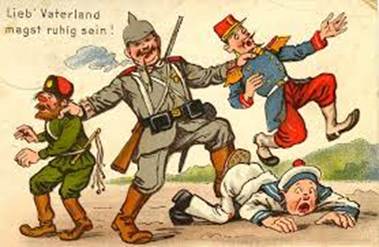
During World War I, advertising became a medium for propaganda. Governments used advertising to convince their citizens to join the military. This period also saw increased mechanization of the industry, making ads more costly.
a. Why do the war perpetrators use propaganda?
Each of the nations that participated in World War One from 1914 to 1918 used propaganda posters.
They used posters to:
Justify their involvement to their own population
As a means of recruiting men
A way to raise money and resources to sustain the military campaign.
To urge conservation
b. Why Posters?
Television had not yet been invented
Not everyone owned or had access to a radio
Posters were the most effective means of getting a message across
3. The Emergence of New Media
The major media types or groups that have been introduced since the beginning of the twentieth century include film, sound recordings, radio, television, personal computers, videocassettes, video games, and the Internet. During this time, new mass media, radio, and cinema became commercially available in the first part of the 20th century; the advertising industry quickly took advantage of their reach, spread, and popularity.
New media are forms of media that are native to computers, computational, and rely on computers for redistribution. Some examples of new media are telephones, computers, virtual worlds, single media, website games, human-computer interfaces, computer animation, and interactive computer installations.
New media are often contrasted to “old media,” such as television, radio, and print media, although scholars in communication and media studies have criticized rigid distinctions based on oldness and novelty. New media does not include television programs (only analogue broadcast), feature films, magazines, or books, unless they contain technologies that enable digital generative or interactive processes.
Wikipedia, an online encyclopaedia, is a good example of new media, combining Internet-accessible digital text, images, and video with web links; creative participation of contributors; interactive feedback of users; and formation of a participant community of editors and donors for the benefit of non-community readers.
Facebook is another type of new media, belonging to the category of social media model, in which most users are also participants. Another type of new media is Twitter, which also belongs to the social media category, through which users interact with one another and make announcements that the public receives. Both Facebook and Twitter have risen in usage recently and have become an online resource for acquiring information.
4. The Creative Advertising Revolution
At that time there was not a great deal of competition for an advertising message. Television was just beginning; people had time to read. But it was clear to us that there would soon be tremendous competition for the attention of the consumer. And that unless the advertising message was put down in a fresh way that made people select it out of a bombardment of messages and that made people care and respond to it, it was not even going to be perceived.
Before 1949, typically advertising copywriters would write ad copy and then take the text to their art department to lay out the ad. Bernbach’s advertising firm, Doyle Dane Bernbach, combined copywriters and graphic designers into one collaborative creative team that sought to produce ads that were original, fresh, and imaginative. Doyle Dane Bernbach’s ads were prominent drivers of a creative revolution in U.S. advertising.
Competition for attention today has reached a level that Bill Bernbach probably never imagined. A creative revolution in advertising today requires deep changes in business organization and integrating sense in communication across words, images, and personal actions.
The ad that changed advertising
Carl Hahn had contracted his agency, Doyle Dane Bernbach (DDB), to promote a car called the Volkswagen in the United States. Bernbach’s problem was that Hahn’s call came at the end of the fifties, when America was in a deep love affair with stylish vehicles made in Detroit, USA. How could DDB sell a small, ugly, cheap, foreign car that Hitler had a hand in creating to the American public? Luckily for Hahn, Bill Bernbach was the most innovative ad man of his time, being a key player in what is today known as the Creative Revolution.
The campaign that DDB put together for Volkswagen in 1959 would not only make their car “as American as apple pie” but also be recognized by Advertising Age as being the greatest ad of all time and change the industry forever.
4. Contemporary Advertising
Contemporary advertising attracting customers to their product range has become more difficult because consumers have become more literate in technology and, therefore, can research items before purchase. Nowadays remote controls are in the hands of every individual, and the access to hundreds of cable channels means that advertising must generate interest among the viewers. Along with these experiments, there are also new leading edges, such as Internet and social media marketing. In contemporary times advertisers and agencies today see innovations like digital ads and interactive advertising as challenges and opportunities rather than difficulties.
Contemporary advertising are methods of advertising that are basically generic in nature and are widely used. It can be used to build the relationship with the client through market sensing and recognizing categories of clients according to their choice. It also helps to bridge the gap via the use of digital inbound marketing techniques.
The Future of Advertising
Yulia Khansvyarova, Head of Digital Marketing at SEMrush,
“I have no doubts that the future of advertising lies in the digital world. Traditional marketing channels have exhausted themselves and are now stepping back. In my opinion, the future of digital advertising is about personalization, multi-device targeting, and building a unified user-centered ecosystem. Right now such ecosystems are just appearing.
There is a lot of talk about cross-device tracking, mobile ads, and different marketing channels used as a complex. But in reality, if you want to build a system that will be able to keep an eye on user behavior and follow all user steps in decision-making, you will still need to code a lot and build a custom solution yourself. In the nearest future, I guess, this situation will change for the better.”
There’s no question that technology will continue to shape the future of advertising. We’ve already seen dramatic shifts in form and factor, powered by technologies such as 3D, artificial intelligence, augmented reality, and virtual reality. As the landscape continues to change, advertisers that don’t follow suit risk getting left behind.
Artificial intelligence will eliminate the loopholes in the existing digital advertising processes. AI relies on data-driven accumulated information; the AI-based neural networks are capable of experience-based self-learning. This means that with more interaction or repeated application, they evolve to become better and better. To put it into perspective, in the context of advertising, AI can provide the consumer behavior patterns with more precision; it can help create better campaigns by identifying more focused target consumer groups and more.
It is tough to forecast what form advertising will take in the future. But one thing is sure: it will continue to advance and strive to become more useful to business and to the consumer.
B. Importance of Advertising
Introduction
We come across the different types of advertisements in our day-to-day life. In these times of social, economic, and political change, it’s more important than ever to build trust using reputable, respected communications and channels in your marketing. The success of any business, large or small, depends on that business’s ability to market their products and services effectively. Having a great product and great customer service, but if people don’t know your business exists, you are not going to have any sales!
Consumer expectations remain higher than ever when it comes to advertising, or rather, the lack of it. The effectiveness of advertising depends on the assessment of the consumer’s motivation in buying and a direct or indirect appeal to that motivation; sometimes it depends on the creation of that motivation by an appeal to a range of consumers’ natures. Advertisements are of countless importance for any business activity, as they appeal to people to use the particular service.
Now let’s find out why advertising is important for any business.
1. Launch of new product or services
Introducing a new product to the market gives a company the chance to endorse its new offering and encourage its reputation and image at the same time. Launching a new product can be an exciting time for any company. Whether it is the first product the company has offered or an addition to an already existing line, the eagerness is catching the dreams of instant success.
Example:
a. Pingit by Barclays
In 2012, Barclays launched the mobile app Pingit, a mobile payment service that lets users transfer money easily through their mobile phones. Available only for U.K. residents, the service allows users to transfer money to other people using only their phone numbers. Soon after the app was launched, Barclays made the most of its social media buzz to collect real-time user feedback.
b. Chrome by Google (Thailand Launch)
Google wanted to introduce its Chrome browser to a more diverse market by bringing it to Thailand. But launching a product in a diverse market comes with its own challenges, as you need to adapt your strategy according to cultural preferences. Realizing that people in Thailand appreciate traditional storytelling, Google decided to implement that into their product launch campaign.
They chose to tell the story of Ramakien, a national epic that stems from the Hindu story of Ramayana and focuses on the triumph of good over evil. The idea was to use visual storytelling to demonstrate the features of Chrome while bringing the ancient story to life. This helped users understand the browser’s capabilities without having to watch a long, boring tutorial. They even added in-story games so that the audience remained intrigued throughout the interactive experience.
2. Source of income
Advertising revenue is the monetary income that individuals and businesses earn from displaying paid advertisements on their websites, social media channels, or other platforms surrounding their internet-based content. In September 2018, the U.S. Internet advertising market was estimated to be worth $111 billion, with market share being held mostly between Google, Facebook, Amazon, and Microsoft. These companies earn revenue through online advertising but also have initiated pathways for individual users and social media “influencers” to earn an income. Individuals and businesses can earn advertising revenue through advertisement networks such as Google AdSense, YouTube monetization, and others.
3. Advertisement and Sales Promotion
Sales promotion is implemented to attract new customers, to hold present customers, to counteract competition, and to take advantage of opportunities that are revealed by market research. It is made up of activities, both outside and inside activities, to enhance company sales. Outside sales promotion activities include advertising, publicity, public relations activities, and special sales events. Inside sales promotion activities include window displays, product and promotional material displays, and promotional programs such as premium awards and contests.
Sale promotions often come in the form of discounts. Discounts impact the way consumers think and behave when shopping. The type of savings and its location can affect the way consumers view a product and affect their purchase decision. The two most common discounts are price discounts (“on sale items”) and bonus packs (“bulk items”). Price discounts are the reduction of an original sale by a certain percentage, while bonus packs are deals in which the consumer receives more for the original price. Many companies present different forms of discounts in advertisements, hoping to convince consumers to buy their products.
4. Increases sales
Advertising increases the visibility of your brand. This attracts prospects who need your product. Whether you are trying to encourage new customers to buy an existing product or launching a new service, there are many advertising channels to choose from.
It’s important to choose an advertising strategy that suits your business and targets the right audience, and you have to choose the right type of advertising, which will increase sales.
5. Maximizes profit
Advertising is a technique used by firms in monopolistic competition to create product differentiation and gain some control of the market, and as a result, charge a higher price. Excessive advertising will serve to inform consumers about the physical difference in the product, and the perceived difference will lead to increased product differentiation. If advertising convinces customers that the product is superior to the competitor’s, then the firm would charge a higher price
6. Advertisement make aware and educate them.
Advertising helps to make consumers aware of a product and aims to build preference for that product over its competitors. If advertising succeeds in those two tasks, consumers will choose the advertised product when they make their next purchase. Advertising helps to protect consumers against false advertisements, which improves the information consumers can use to make decisions about which products and services to buy.
An advertisement benefits both the seller and the consumer. Sellers can promote their goods through ads. On the other hand, consumers can know the information of goods and discount deals available in the market, so they can make informed decisions.
7. Is Art, Science, and Profession
Is advertising an art or a science? This debate continues to rage endlessly. According to Bill Bernbach, “Advertising is fundamentally persuasion, and persuasion happens to be not a science, but an art.” Advertising is all about the art of persuasion, of selling products and services. An advertiser is a salesperson creating sales for business by making people want to buy things.
“The more creative an ad is, and the better it works, the harder it is to actually pre-test that using conventional methods like question and answer,” Pynta said. “The ads are often indirect, they’re quirky, they’re different, and the traditional sort of methods struggle to capture that.
To succeed in the fast-paced world of today’s marketing, the modern marketer must be multi-dimensional, with multifaceted knowledge ability. Although art and science tend to lean toward different ends of the creative spectrum, the modern marketer must channel both artistry and science. Social media today reported on an infographic by Matt Wesson from Pardot that explains the dual role of the modern marketer.
According to the infographic, marketers today need to find a balance between art and science. In the ever-evolving marketing landscape, the role of the marketer is no longer reliant upon an ad campaign’s level of catchiness. It’s simply not enough. Marketers must harness both the left brain and the right brain to communicate successfully.
Social media today suggests that modern marketers “have a strategic and analytical mind dedicated to measurable metrics but that is always craving a creative outlet.” As the infographic suggests, the modern marketer is one part artist and one part scientist. Create a seamless blend of creativity and analytics, and marketing success is attainable.
8. Element of a marketing mix
The marketing mix consists of four important variables of marketing, or the 4 Ps: Product, Price, Promotion, and Place. Aside from the traditional 4 Ps, there are also other variables like packaging, position, and pace.
9. Persuasion for results
Advertising uses persuasion to make people act in a desired direction.
It pursues people to:
Purchase (buy) products,
Subscribe a service,
Invest in ideas,
Attend events, and so on.
10. Monitor demand and supply
Advertising spending is one of those ambiguous areas of supply and demand theory where we don’t really know exactly what will happen, but we can make a pretty good guess. Advertising is an effective way to build brand awareness and to tell consumers about the benefits of your product or service.
Creating targeted advertising campaigns can help businesses increase demand for their offerings. But advertising also costs firms money. The distinction we have to keep in mind is whether or not advertising affects the marginal cost of production or whether their advertising budget is fixed. The difference between these two methods decides whether or not to supply the side. However, if an advertising campaign is unsuccessful, it can also reduce the demand for the products or services. It’s important to understand how advertising works and the ways it can change the demand or supply for your product.
11. Build’s brand image
Brand advertising is a form of advertising used to establish connections and build strong, long-term relationships with consumers over time. Companies that use brand advertising aim to get long-term positive recognition by establishing brand identity, credibility, and loyalty and connecting with prospects intellectually and emotionally to motivate them to take action in the future.
For example: BMW
Better customer experiences mean happier customers, and happier customers mean better brand equity! So how do leading brands find that sweet spot with local marketing?
BMW is one of the best examples of a brand doing this right. As one of the most well-known brands in the automotive industry, today BMW is synonymous for car buyers with both refined elegance and blistering performance. Featuring a diverse line of luxury sedans, convertibles, and coupes, BMW offers the very finest in automotive engineering. You’re probably thinking of one or two of their “Ultimate Driving Machine” ads just hearing about it.
But the true piece de resistance for BMW’s brand equity is the customer’s dealership experience. Through powerful local marketing—advertisements, on-premise marketing materials, direct mail campaigns, co-op programs, and more—the organization’s unique values are delivered right to the brand’s customers where they already are. In this article, we’re going to dive right into how BMW makes this all happen to learn how a great brand builds up brand equity through exceptional local marketing.
Targeted advertising is a form of online advertising that is directed towards audiences with certain traits, based on the product or person the advertiser is promoting. These traits can either be demographic, which are focused on race, economic status, sex, age, level of education, income level, and employment, or they can be psychographic, which are focused on the consumer’s values, personality, attitudes, opinions, lifestyles, and interests. They can also be behavioral variables, such as browser history, purchase history, and other recent activity. Targeted advertising is focused on certain traits, and the consumers who are likely to have a strong preference will receive the message instead of those who have no interest and whose preferences do not match a product’s attribute. This eliminates wastage.
13. Generate employment
Advertising is a type of marketing communication used to promote or sell something—like goods, services, or ideas. Because there are so many steps to creating an advertisement, and given the varied types of jobs in the industry as a whole, there are many advertising job titles and descriptions.
Advertising is usually paid for by sponsors and viewed through various media such as websites, newspapers, magazines, television, radio, outdoor advertising, or direct mail. An advertising firm might create advertising campaigns for various clients or for one company. Advertising gives companies the opportunity to differentiate themselves and highlight their unique selling points.
Advertising increases the sale of goods, which enables the advertisers to produce goods on a large scale. Advertising thus provides employment to a huge number of people and raises their standard of living.
C. Features of Advertising
Introduction
An advertisement is a way of marketing a brand, a product, or a service. Everything needs to be popularized and promoted by way of an advertisement. Hence, understanding advertising is very necessary. Here are some features of advertisements:
1. Advertisement must have paid form
Advertising is an art, and it requires skills. There are advertising companies that offer advertising services to companies and charge them heavily for the services that they provide. However, sometimes companies end up paying billions on an advertising campaign and don’t get effective results in return. Effective advertising is that which generates much more profit than what a company has paid to get the service. Advertising is always a paid form of communication and hence commercial in nature.
2. It is nonpersonal. The person need not be present
Advertising should be impersonal. You can make an ad for a targeted group of people. That does not mean you can direct a message towards an individual through advertising.
For example, if an ad agency of some product, on its own, advertises a brand about a particular product, it will convey to the consumers necessary information regarding that product, but no expenditure has been incurred by the seller for these advertisements.
3. Advertising has to promote goods, services & ideas
It is directed towards increasing the sale of the products and services of a business unit. Advertising is aimed at promoting and selling not only tangible and physical goods but also ideas and services like banking and insurance companies.
4. There must be an identified sponsor
Another feature of advertising is that its sponsor can be identified. Whenever we come across an advertisement, its sponsor is easily identified. Advertising discloses or identifies the source of the opinions and ideas it presents. On the other hand, the sponsor for publicity or propaganda can remain unidentified.
D. Benefits of Advertising
Introduction
According to C.L. Bolling, “Advertising can be described as the art of creating a demand for an article or a service. From the various definitions of advertising mentioned above, the key elements of advertising are:
It is the non-personal selling of goods or services or ideas to the public in general.
It carries a message to the customers and reminds them carefully.
It informs the existing and prospective customers about the quality and utility of the goods or service.
It builds interest in new products, new technology, new business concerns, etc.
It is sponsored and paid for.
It creates awareness regarding the products, etc.
The main benefits of advertising are as under:
Benefits to Manufacturers
It increases sales volume by creating attraction towards the product.
It helps with the easy introduction of new products into the markets by the same manufacturer.
It helps to create an image and reputation not only of the products but also of the producer or advertiser. In this way, it creates goodwill for the manufacturer.
Retail price and maintenance are also possible by advertising where price appeal is the promotional strategy.
It helps to establish direct contact between manufacturers and consumers.
It leads to smoothing the demand of the product. It saves the product from seasonal fluctuations by discovering new and new usages of the product.
It creates a highly responsive market and thereby quickens the turnover that results in lower inventory.
Selling cost per unit is reduced because of increased sale volume. Consequently, product overheads are also reduced due to mass production and sale.
Advertising gives the employees a feeling of pride in their jobs and in being in the service of such a concern of repute. It thus inspires the executives and workers to improve their efficiency.
Advertising is necessary to meet the competition in the market and to survive.
Benefits to Wholesalers
Advertisements facilitate easy sale of product; they reduce the selling efforts and the selling expenses of the wholesalers.
It increases the stock turnover rate of the wholesalers.
The reputation for a product created by the manufacturer through advertisements is shared by the wholesalers.
Advertising provides product information to the wholesalers.
Benefits to retailers
Advertisements reduce the sales efforts and the selling expenses of the retailers, as the consumers are already aware of the availability and the features of the advertised products.
It contributes to large sales volume.
It increases the stock turnover rate of the retailers.
The reputation of the product created by the manufacturer through advertisement is shared by the retailers.
It enables the retailers to have product information.
Advertising builds up prestige for the retailers’ shops
It stabilizes the prices and thereby protects the retailers against any loss resulting from price fluctuations.
A small retailer cannot afford to employ salesmen for canvassing to get orders. But because of the advertisements placed by the manufacturer, he can get orders easily.
Benefits to salesman
Introducing the product becomes quite easy and convenient because the manufacturer has already advertised the goods, informing the consumers about the product and its quality.
Advertising prepares necessary ground for a salesman to begin his work effectively. Hence, sales efforts are reduced.
The contact established with the customer by a salesman is made permanent through effective advertising because a customer is assured of the quality and price of the product.
The salesman can weigh the effectiveness of advertising when he makes direct contact with the consumers.
Benefits to consumers
An advertisement brings the new products to the notice of the consumers and helps them satisfy their wants.
It raises the standard of living of the consumers by stimulating their desire for a variety of new products.
It provides protection against deception, because advertised products are, generally, of good quality.
It saves time, effort, and money for the consumers in obtaining information about the product.
Advertisements contribute to the reduction in the selling prices of goods for the consumers by encouraging increased sales and production.
By providing information about the relative merits of the various goods available in the market, advertising helps the consumer in intelligent buying.
Prices of advertised goods are known to the consumers. As such, the consumers can get the goods at the advertised retail prices and protect themselves against the higher prices that may be charged by the dealers.
Modern advertisement is highly informative. Through it, the consumers can know the varied uses of the products.
Benefits to society
Advertising, in general, is educative in nature.
Advertising leads to large-scale production, creating more employment opportunities for the public in various jobs directly or indirectly.
It initiates a process of creating more wants and their satisfaction, a higher standard of living. For example, advertising has made more popular and universal the uses of such inventions as the automobile, radio, and various household appliances.
Newspapers would not have become so popular and so cheap if there had been no advertisements. The cheap production of newspapers is possible only through the publication of advertisements in them. It sustains the press.
It assures employment opportunities for the professional men and artists.
Advertising does provide a glimpse of a country’s way of life. It is, in fact, a running commentary on the way of living and the behavior of the people and is also an indicator of some of the future in this regard.
E. Limitation of advertising
The following are the main limitations of advertising:
1. Less Forceful
Absence of personal touch makes advertising less forceful. Paying attention to the message is not compulsory for the customers. For example, jewelry advertisements do not give a personal touch to male viewers.
2. Lack of Feedback
It is very difficult to judge the effectiveness of an advertising message, as there is no accurate feedback regarding its impact. For example, in times of political surveys, respondents are not clear about the political parties, their agenda, or work, and sometimes the biased nature of respondents also limits the feedback.
3. Inflexibility
Advertising messages are standardized and hence cannot be changed according to the requirements of different customers. This is a limitation of advertising because society is divided into a number of segments like demographic, geographic, psychographic, etc. However, the market is diversified by large different viewers; hence, one particular product advertisement targets a limited specific group. For example, baby diaper advertisements (Pampers, Huggies, etc.) are mainly targeted to newborn babies.
4. Low Effectiveness
An increase in the volume of advertising has made it difficult to make any advertising message in general be received properly by the target customers. Many messages don’t really get even noticed, not to speak of being effective, etc. For example, on the TV channel or on the road in India, there are more advertisements than content, which is irritating and distracting us, and we look for advertisement-free channels.
F. Effects of Advertising
The image of definite, attractive, unique, memorable, and encouraging advertisements has all the time had a deep impact on the society, be it positive or negative. So, if an advertisement is positive and has good principles, it helps to better the society we exist in. However, on the other hand, if an advertisement is ambiguous or undesirable, it strongly affects the society in a negative manner. So, there are thousands of advertisements produced every year, and most of them disappear with a certain impact, intentionally or unintentionally, in the minds of the public.
There are many advertisements that have a positive impact on the minds of people, such as the advertisement promotion of “TATA Tea” with its tagline “jaago re,” which is significantly cheering to the public, as it has a positive communication to “awaken” the people of India in the direction of their real aims and duties. P&G advertisement promotion also has a positive impact on the society, as it donates a piece of the sales earned to an NGO named “Shiksha.”
This advertising campaign inculcates a sense of awareness and care among the masses. Even the advertisement campaigns of certain financial firms serve to be helpful to the society, as they make the public aware of how certain significant and useful financial matters work. Such advertisement campaigns include that of LIC, Manappuram Gold Loan, bank advertisements, SEBI, etc.
Thus, there are a variety of such advertisements that have a positive impact on the society we live in and are therefore advantageous as well. However, there is a greatly more shady and grave side of this field, which is a serious matter of concern. While there are definite advertisements that have a positive outcome on the society, there are many more advertisements that have a very negative impact on the society and drag it towards the wrong direction.
For example, the Center Fruit advertisement shows that, immediately by considering the name of the product, one’s tongue starts lisping and goes out of control. Another example of such overstatement is the recent 5 Star advertisement campaign, which shows that, on eating the chocolate, due to its flimsiness, one gets lost into the world of his own…!! Also, in the Fevistick ad campaign, they show that whatever thing can be joined by using the product, just anything, and that too in no time! Even if the coin given for change while buying the Fevistick is kept on the product, it gets fixed to it! In Happydent White’s advertisement, one’s teeth start shining the moment he/she chews the product, and then the teeth can serve as an alternative to tube lights…!!
There are a variety of such advertisements that show an extremely overstated use of the product/service to be marketed. Due to such advertisements, even if the public knows the real usefulness of the product, they will go and buy the product. Looking at the nationwide point of view, this is a total waste of resources. In a way, it is fooling the public to sell the products.
The major aim of approximately all firms to sell their products is the youth. Thus, nearly all advertisements made today are youth-centered. While making the advertisements, they comprise certain matter that no doubt attracts the youth but is frequently harmful for them and others. For example, advertisements of Thums Up, Mountain Dew, Bajaj Pulsar, etc., show a convincing deadly stunt, which increases the “cool quotient” of the product. Though there is a small mark of disclaimer at the underside of the screen while the advertisement is broadcasted, the youth jumps to copy the stunts, and the penalty of such actions may be deadly. So, the youth tries to copy the stunts shown in the advertisements in pleasure, and then insensitive penalties follow.
Thus, various advertisements direct attention to the social evils that are well-known in the nation. The most horrible example is the treatment of women. The way women are projected in the advertisements today has led to certain terrible stereotypes. They are just kept to grab the interest of the public in the direction of the product. Nowadays, instead of giving sufficient information about the product, the makers choose to keep women for the sake of attainment of attention.
If women are offended in the society today, much of it is due to such advertisements! Just for the sake of exceeding the sales, the dignity of a gender is put at risk. You must have seen all the advertisements for “AXE” deodorants. It is the most awful example of how women are used to give the wrong impression to the public towards the product to be sold. There are many more such examples of advertisements, like those of Set Wet, Engagement Deodorants, Wild Stone, Fair and Handsome, Gillette, Mahindra Centro Bike, etc., which project women just as a symbol of seduction to draw more customers in the direction of the product.
Thus, the advertisements mainly influence the society both positively and negatively, and also the society affects the advertisements being made in the country, up to a convinced extent. However, as accountable to citizens of India, we should feel free to convey our thoughts against any such advertisement that we find deceptive or unwanted and try to recover the condition of our society with little but with the best we can do! Anyways, we can never run away from this outcome of advertisements. We will remain on altering the advertisements they make and will keep on changing us.
CRITICISM OF ADVERTISING
Introduction
The shaping of the most frequent criticism of advertising depends on who is doing the criticizing. Advertisers complain about the high cost to advertise. Consumers criticize ambiguous claims and products that don’t live up to their advertising. Advertising has been criticized as long as it has existed. Several objections have been raised to advertising, and some people criticize advertising as a social waste. The following is the criticism of advertising:
1. Elevated Price: It is said that large amounts used up on advertising raise the cost of distribution, which is transferred to customers in the form of higher prices. This disagreement may be true in the case of inelastic demand, when advertising just transfers demand from one producer to another. But efficient advertising frequently creates demand and increases the level of production. Large-scale operations result in lower costs and lower prices. In developed countries, businessmen have condensed costs and prices while spending millions on advertising every year.
2. Uneconomical Consumption: Advertising increases the needs of people and encourages harmful consumption. By exploiting human sentiments, it persuades people to buy products that they do not need or cannot have enough money to buy. Advertising promotes artificial living and wastefulness and creates demand for unimportant goods. This claim may be true to some level, but it is based on the statement that satisfaction of psychological needs is not as significant as that of physiological needs. Moreover, new tastes and better emotional experiences of life are necessary for the growth of civilization. By itself, advertising cannot force people to buy things that they consider needless.
3. Misleads the Consumer: It is said that advertising is frequently misleading and misrepresents facts to the consumer. Overstated and elaborate languages are used to fool innocent consumers. They are induced or defrauded through fake testimonials and false comparisons to buy goods of doubtful value. There is no denying the detail that some firms spoil in false and misleading advertising, and dishonest use of advertising by them destroys public confidence in advertising. But just because a few people use wrong advertising, it does not mean that advertising itself is bad or unnecessary.
4. Creates domination: Advertising creates brand preferences and restricts open competition. Large firms, which can pay for huge amounts of money on advertising, remove small firms by creating brand domination. Advertising thus encourages the continued existence of the mightiest rather than the best. But promotion creates only a temporary brand monopoly, as after some time other brands offer competition. For instance, the ‘Amul’ brand of butter enjoys domination of the brand but has to face competition from Vita, Neutralite, Go, and other brands of butter.
5. Wastage of National Resources: In order to make use of advertising, producers create unimportant differences in their products. The expensive resources that can be used to create new industries are exhausted in the production of needless varieties and designs. Appearance, design, and style have become more significant than the physical usefulness of the product. Manipulative and aggressive advertising leads to criminal wastage of resources.
6. Undermines Social Values: Advertisement is a kind of daydreaming for the people. These days it is pleasing the people away from actuality and into the kingdom of artificiality. Through its medium, people get information about new products.
7. Confuses the Buyers: Many a time a twisted description of reality is shown in the advertising. Believing in advertising, consumers buy the product. They come to understand later that the information given in the advertisement was something else, whereas the actual product was quite different from it. On its use, they feel cheated.
8. Encourages Sale of Inferior Products: Every company projects its product as the greater one in the advertisement. Therefore, the buyer is incapable of deciding as to which product is actually good. It affects other sellers also. Therefore, it is said that advertisement encourages the sale of low-grade products.
9. Some Advertisement Is in Bad Taste: Many times, unclean language and unpleasant pictures are used in advertising in order to be a focus for a particular class. They may be offensive to a particular class. It causes decay of social values.
10. Annoyances and Cautions: Other criticisms of advertising are that most of it is ridiculous or abusive and often entices people to buy things they don’t need or want. What’s ridiculous or abusive to one person, however, may be funny or heading for to another. So before running an advertisement, advertisers sometimes rely on focus groups to give their impartial opinions.
G. 5M’s of advertising
Introduction
The five M’s of advertising are described by Philip Kotler in his book Marketing Management, Eleventh Edition (Prentice Hall). Advertising is any paid form of non-personal presentation and promotion of ideas, goods, or services by an identified sponsor.
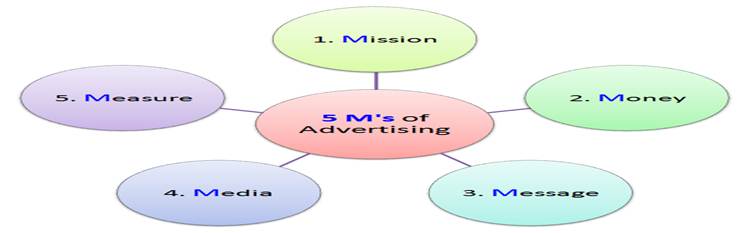
In developing an advertising program, always start with identifying the target market and the buyer’s motives. Advertising is one of the most popular and powerful tools of market promotion. It involves several decisions. Some experts explain advertising decisions and activities in the form of five ‘M’s as under: mission, money, message, media, and measurement.
1. The first ‘M’ stands for Mission – Advertising Objectives
Advertising objectives can be classified as to whether their aim is:
To inform: This aim of advertising is generally true during the pioneering stage of a product category, where the objective is building a primary demand.
This may include:
Telling the market about a new product.
Suggesting new uses for a product.
Informing the market of a price change.
Informing how the product works.
Describing available services.
Correcting false impressions.
Reducing buyers’ fears.
Building a company image
To persuade: Most advertisements are made with the aim of persuasion. Such advertisements aim at building a selective brand.
To remind: Such advertisements are highly effective in the maturity stage of the product. The aim is to keep the consumer thinking about the product.
2. The second ‘M’ stands for Money – Advertising Budget
As time is important in the advertisement, how can you ignore your budget? Money is also a critical decision while going for advertisement.
Different media charge different costs. The Internet is cheap media to advertise, but everyone cannot use the Internet in his advertisement strategy.
TV is a more costly but effective medium for advertisements. Most of the companies reserve media budgets separately.
Every type of media has different package for advertisements; for example, newspapers have so many packages for advertisements, and TV channels also have different budget packages according to time
3. The third ‘M’ stands for Message – Creating Advertising Message and Copy
Message generation can be done in the following ways:
Inductive: By talking to consumers, dealers, experts, and competitors. Consumers are the major source of good ideas. Their feeling about the product, its strengths, and weaknesses gives enough information that could aid the message generation process.
Deductive: John C. Meloney proposed a framework for generating advertising messages.
According to him, a buyer expects four types of rewards from a product:
Rational
Sensory
Social
Ego Satisfaction.
Buyers might visualize these rewards from:
Results-of-use Experience
Product-in-use Experience
Incidental-to-use Experience
4. The fourth ‘M’ stands for Media—Advertising Media Selection and Media Scheduling
Definitely, the selection of media is the most important component in the advertisement. There are so many media available for advertisement, but selection is at the same time so much more critical.
The decision of media selection depends on the target market because the organization will first analyze how its target market gets information about the organization, whether they are connected to the internet or through traditional media like the newspaper.
Use of media is also critical because of the money budget and time budget. Different media charge different costs at different times.
It is the promotional manager’s duty to study which time is effective with which media.
5. The fifth ‘M’ stands for Measurement—Measuring and Evaluating Advertising Effectiveness (MEAE)
Evaluating the effectiveness of the Advertisement Program is very important, as it helps prevent further wastage of money and helps make corrections that are important for further advertisement campaigns. Researching the effectiveness of the advertisement is the most used method of evaluating the effectiveness of the Advertisement Program. Research can be in the form of:
Women are becoming more and more important in Indian politics. They have a big impact on policy, increase democratic involvement, and drive social change, even though there are still problems. Their importance comes from the fact that more and more of them are voting, running for office, being organizers, and becoming leaders at all levels, from local self-government to Parliament.
Role of Women in Indian Politics
Voters and Mobilizers: Women’s voter turnout has seen impressive growth, reaching over 65% in recent national elections. Political parties now actively target “women’s votes,” recognizing their importance in electoral outcomes.
Legislative Representation: Women constitute about 14% of Lok Sabha members and 9% in state assemblies. Although low by global standards, these numbers are increasing steadily.
Leaders and Ministers: Women have held top roles—Prime Minister (Indira Gandhi), Chief Ministers, and union and state cabinet ministers—demonstrating competence in governance, diplomacy, and policy.
Grassroots Leadership: In local self-government, reservation policies (one-third of seats in Panchayats and Urban Local Bodies, with many states having 50% reservations) have resulted in women comprising up to 44% of grassroots representatives, empowering millions across India.
Significance
Deepening Democracy: Women’s presence broadens the perspectives in decision-making, promotes inclusive policies—especially in health, education, and welfare—and strengthens democratic functioning.
Empowerment and Social Change: Women leaders challenge patriarchal norms, drive gender-sensitive reforms, and serve as role models, inspiring new generations to engage in politics and advocacy.
Enhanced Representation: Parliamentary debates and legislation increasingly address issues central to women—such as safety, health, education, and legal rights—because of women’s active representation.
International Commitments: India is a signatory to global conventions (CEDAW, Beijing Declaration) and continues to align domestic policy with global gender equality goals.
Key Developments
Women’s Reservation (106th Amendment, 2023): The Women’s Reservation Act reserves 33% of seats for women in Lok Sabha and State Assemblies, further advancing representation (to be implemented after the next census).
Capacity-building Initiatives: Training, leadership programs, and “pink booths” during elections foster participation and skill development.
Empowerment through SHGs: Over 10 crore women in Self Help Groups are transforming rural economies, gaining economic and political clout.
Challenges
Gender Discrimination & Violence: Social norms, patriarchal attitudes, violence, and resource limitations still hinder women’s full participation in politics.
Underrepresentation: Despite progress, women’s share in higher legislative bodies remains low; effective implementation of reservation policies is needed.
Data at a Glance
Level
Women’s Representation (2024)
Lok Sabha
13.6% (74 MPs)
State Assemblies
9% average
Local Self-Government
44% (Panchayats/ULBs)
Women are thus central to India’s political future—as voters, representatives, leaders, and agents of change—with their role and importance set to increase further with meaningful policy reforms and societal support.
Originally, there were 22 parts; today, there are 25 parts covering topics like the Union and its territory, citizenship, fundamental rights, directive principles, the Union and states, the judiciary, elections, and special provisions for certain regions or groups.
Articles are specific sections within these parts; the total has grown from 395 at inception to 448 today.
Schedules
The schedules are appendices that contain additional details, lists, and guidelines to supplement constitutional provisions.
The original 8 Schedules have expanded to 12, dealing with issues such as the allocation of powers, lists of states and territories, administration of tribal areas, and official languages.
Federal Structure with Unitary Features
India is a federal union with a strong center but with unitary features such as a single constitution, single citizenship, a unified judiciary, and emergency powers.
Powers are divided among the Union, states, and (after amendments) local governments.
Basic Structure Doctrine
Landmark Supreme Court judgments have established that certain core features (the “basic structure”) of the Constitution cannot be amended by Parliament. These include supremacy of the Constitution, democracy, secularism, separation of powers, fundamental rights, rule of law, and more.
Summary Table: Structure of Indian Constitution
Component
Details
Preamble
States aspirational values (justice, liberty, equality, fraternity)
Parts
25 thematic divisions (originally 22)
Articles
448 numbered provisions (originally 395)
Schedules
12 lists/appendices (originally 8)
Federalism
Federal in structure, unitary in spirit
Basic Structure
Key unamendable features per Supreme Court
This detailed framework allows India to accommodate its diversity, balance central authority with local autonomy, and protect foundational democratic values.
B. THE PREAMBLE OF THE INDIAN CONSTITUTION
The Preamble of the Indian Constitution is a brief introductory statement that sets out the guiding values, principles, and objectives of the Constitution. It serves as the “identity card” of the document, summarizing its essence and reflecting the aspirations of the people of India.
Full Text of the Preamble
Decorative page from the original Constitution of India displaying the Preamble, adopted November 26, 1949
WE, THE PEOPLE OF INDIA, having solemnly resolved to constitute India into a SOVEREIGN SOCIALIST SECULAR DEMOCRATIC REPUBLIC and to secure to all its citizens:
JUSTICE, social, economic and political;
LIBERTY of thought, expression, belief, faith and worship;
EQUALITY of status and of opportunity; and to promote among them all
FRATERNITY assuring the dignity of the individual and the unity and integrity of the Nation;
IN OUR CONSTITUENT ASSEMBLY this twenty-sixth day of November, 1949, we HEREBY ADOPT, ENACT, AND GIVE TO OURSELVES THIS CONSTITUTION.
Highlights of the Preamble
Source of authority: The Constitution derives its power from “the people of India.”
Nature of State: Declares India as a sovereign, socialist, secular, democratic republic.
Objectives: Secures justice, liberty, equality, and fraternity for all citizens.
Date of adoption: Adopted by the Constituent Assembly on November 26, 1949.
The Preamble encapsulates the philosophy and vision of the Indian Constitution, guiding its interpretation and implementation.
C. MAIN BODY OF THE INDIAN CONSTITUTION
The main body of the Indian Constitution is detailed, comprehensive, and organized into a system of parts, articles, and schedules. It establishes the structure, powers, and functions of the principal organs of government and lays down the rights and duties of citizens.
Key Features of the Main Body
1. Parts and Articles
The Constitution is divided into 25 parts (originally 22), each covering a major aspect of governance, rights, and administration.
These parts contain a total of 448 articles (originally 395), numbered sequentially, which provide detailed legal provisions.
Notable parts include:
Part I: Union and its Territory
Part II: Citizenship
Part III: Fundamental Rights
Part IV: Directive Principles of State Policy
Part V/VI: Structure and functioning of Union and State governments
Part IX/IXA: Local self-government (Panchayats, Municipalities)
Part XVIII: Emergency Provisions
2. Schedules
12 schedules (originally 8), appended at the end, provide lists, classifications, and additional details to support the main text.
Topics include allocation of powers, lists of states/territories, forms of oaths, and division of legislative subjects.
3. Institutional Structure
The Constitution establishes three primary organs:
Legislature (Parliament: Rajya Sabha and Lok Sabha)
Executive (President, Prime Minister, Council of Ministers, Governors)
Judiciary (Supreme Court, High Courts, Subordinate Courts)
Outlines a parliamentary system, with India being a federal country having strong central (unitary) features.
4. Quasi-Federal System
India’s Constitution grants powers to both the Union and State governments but has significant unitary provisions (single citizenship, integrated judiciary, emergency powers).
5. Basic Structure Doctrine
Certain features—such as the supremacy of the Constitution, secularism, republicanism, federalism, and separation of powers—form an unamendable “basic structure” as recognized by the judiciary.
Parliament, President, Council of Ministers, Judiciary, States
The main body thus provides the backbone of governance, law, and administration in India, ensuring both flexibility and stability.
D. SCHEDULE THE INDIAN CONSTITUTION
Schedules of the Indian Constitution
There are 12 Schedules in the Indian Constitution, each dealing with a specific subject. These schedules serve to clearly organize laws, administrative details, and official policy areas, making implementation efficient and reference straightforward.
Schedule
Subject Matter
First
List of States, Union Territories, and their territories
Second
Emoluments, allowances, and privileges of key officials: President, Governors, Judges, etc.
Third
Forms of oaths and affirmations for union and state ministers, legislators, judges
Fourth
Allocation of seats for States/UTs in Rajya Sabha (Council of States)
Fifth
Provisions regarding administration of Scheduled Areas/Scheduled Tribes
Sixth
Provisions for tribal areas in Assam, Meghalaya, Tripura, Mizoram
Seventh
Division of powers: Union, State, Concurrent legislative lists
Eighth
List of 22 official languages
Ninth
Acts and regulations protected from judicial review (mainly land reforms)
Tenth
Disqualification on grounds of defection (Anti-defection Law)
Eleventh
Powers, authority, and responsibilities of Panchayats (73rd Amendment)
Twelfth
Powers, authority, and responsibilities of Municipalities (74th Amendment)
These schedules help in efficient governance and reduce the complexity of the main constitutional text.
E. BASIC FEATURES OF THE INDIAN CONSTITUTION
The Basic Features of the Indian Constitution, also known as the Basic Structure Doctrine, are fundamental principles that form the core of the Constitution and cannot be altered or destroyed by any constitutional amendment by Parliament. This doctrine was established by the Supreme Court in the landmark Kesavananda Bharati case (1973) to ensure the stability and integrity of the Constitution.
Key Basic Features
Supremacy of the Constitution: The Constitution is the supreme law of the land; all laws and amendments must conform to it.
Democratic Principles: India is a sovereign, democratic, and republican state with free and fair elections reflecting the people’s will.
Fundamental Rights: These rights are inviolable and cannot be diluted by amendments.
Separation of Powers: Distinct division and independence of the Legislature, Executive, and Judiciary to ensure checks and balances.
Judicial Review: The judiciary has the authority to review and strike down unconstitutional laws or amendments.
Federalism: Distribution of powers between the Union and States, maintaining the federal structure.
Secularism: Equal treatment of all religions by the state, with no state religion.
Unity and Integrity: Preservation of national unity and territorial integrity.
Rule of Law: All citizens and authorities are subject to the law, ensuring justice and equality.
Parliamentary System: Governance follows a federal parliamentary democracy.
Welfare State: Commitment to social and economic justice for all citizens.
Free and Fair Elections: Ensuring democratic representation without manipulation or coercion.
Limited Power of Parliament: Parliament cannot amend or abrogate the basic structure or core principles of the Constitution.
Significance
This doctrine protects India’s constitutional vision by preventing arbitrary or authoritarian changes while allowing flexibility for legitimate amendments. It ensures the Constitution’s foundational values remain intact, promoting democracy, individual rights, and governance with accountability.
This doctrine remains a critical safeguard in India’s constitutional jurisprudence, balancing change with continuity.