In the ever-evolving landscape of media and journalism, two influential theories offer useful information about the relationship between media and its audiences: agenda setting and uses and gratifications. These theories shed light on how media influences public opinion and how individuals actively engage with media to fulfill their needs and desires. In this section, we will take up the concepts of agenda setting and uses and gratifications, exploring their implications and providing prominent recent examples that demonstrate their significance in the realm of journalism.
Understanding the theories of agenda setting and uses and gratifications is crucial for journalism students. These theories illuminate the ways in which media shapes public discourse and how individuals actively engage with media to satisfy their personal needs. By comprehending these dynamics, aspiring journalists can enhance their understanding of audience preferences, refine their storytelling techniques, and contribute to a media landscape that informs and empowers the public.
Agenda Setting: Shaping Public Discourse
The theory of agenda-setting says that the media can change how important and relevant issues are in people’s minds. The media, through their selection and emphasis on certain topics, determine which issues gain prominence and public attention. This theory posits that the media’s agenda influences the public’s agenda, shaping their perception of what is significant and worthy of discussion.
Prominent Recent Examples of Agenda Setting:
1. Climate Change: Over the past decade, media outlets worldwide have given increasing attention to the time-sensitive issue of climate change. Through extensive coverage of scientific reports, extreme weather events, and activist movements like Fridays for Future, the media has significantly influenced public awareness and policy discussions surrounding climate change. This agenda-setting role has propelled climate change to the forefront of public consciousness and political agendas.
2. Social Justice Movements: In recent years, media coverage of social justice movements, such as the Black Lives Matter movement and the #MeToo movement, has played a vital role in driving public discourse and pushing for societal change. By giving voice to marginalized communities and shedding light on systemic injustices, the media has brought these issues to the forefront, shaping public perceptions and policy debates.
Noam Chomsky, a distinguished linguist, philosopher, and political activist, revolutionized the field of media studies with his groundbreaking theory of “Manufacturing Consent” and the Propaganda Model. Chomsky’s critical analysis challenged the traditional understanding of media as a neutral watchdog, highlighting the pervasive influence of corporate and political elites in shaping public opinion. In this section, we will cover Chomsky’s theory and explore prominent recent examples that illustrate its relevance in today’s media landscape.
From a journalism standpoint, Noam Chomsky’s theory of “Manufacturing Consent” provides an essential lens through which we can critically examine the functioning of the media in a democratic society. Chomsky argues that the media, far from being an independent entity serving as a restriction on power, often plays a role in reinforcing existing power structures. Understanding this theory empowers journalists to navigate the complexities of media production, challenge dominant narratives, and fulfill their crucial role as watchdogs of democracy.
A. Manufacturing Consent: Unveiling the Propaganda Model
Noam Chomsky and Edward S. Herman’s seminal work, “Manufacturing Consent,” exposes the mechanisms by which media, often unwittingly, serve the interests of powerful entities. The Propaganda Model, developed by Chomsky and Herman, outlines five filters that shape media content: ownership, advertising, sourcing, flak, and ideology.
1. Ownership: The concentration of media ownership in the hands of a few corporations results in a narrowing of perspectives and a potential bias toward elite interests. Media outlets owned by conglomerates may prioritize profitability and cater to the agendas of their corporate owners.
2. Advertising: The reliance on advertising revenue creates a symbiotic relationship between media outlets and corporations. This relationship can influence media content, as outlets may avoid or downplay stories that could harm their advertisers’ interests.
3. Sourcing: Journalists often rely on official sources, such as government officials and corporate spokespersons, which can result in a narrow range of perspectives and limit critical analysis. Alternative or dissenting voices may be marginalized or excluded from media coverage.
4. Flak: Powerful entities can exert pressure and create a culture of intimidation that discourages critical journalism. Organizations and individuals who challenge established narratives may face backlash, including smear campaigns, lawsuits, or threats to funding and access.
5. Ideology: Dominant ideologies and narratives shape media content, framing debates within certain boundaries and excluding alternative perspectives. Chomsky argues that the media often serves to reinforce existing power structures and perpetuate societal norms.
B. Recent Examples: Unmasking the Manufacturing Consent
Prominent recent examples showcase the continued relevance of Chomsky’s theory in the contemporary media landscape:
1. Coverage of War and Conflict: Media coverage of international conflicts often reflects the perspectives of political elites or military establishments, shaping public opinion and justifying interventionist policies. Alternative narratives or voices challenging the prevailing consensus may be marginalized or ignored.
2. Corporate Influence on Climate Change Reporting: In discussions surrounding climate change, media outlets owned by fossil fuel companies have been accused of downplaying or undermining scientific consensus to protect their economic interests. This bias in reporting can hinder public understanding and delay effective action.
3. Election Campaigns and Political Coverage: Media outlets influenced by corporate interests can shape electoral debates and favor candidates aligned with the economic elites. The influence of money in politics, coupled with biased media coverage, can undermine the democratic process.
C. Watchdogs of democracy
From a journalism standpoint, Noam Chomsky’s theory of “Manufacturing Consent” provides an essential lens through which we can critically examine the functioning of the media in a democratic society. Chomsky argues that the media, far from being an independent entity serving as a check on power, often plays a role in reinforcing existing power structures. Understanding this theory empowers journalists to navigate the complexities of media production, challenge dominant narratives, and fulfill their crucial role as watchdogs of democracy.
1. Coverage of Social Movements: Media coverage of social movements can be influenced by the interests of political and economic elites. Mainstream media outlets may marginalize or misrepresent grassroots movements, failing to provide nuanced and comprehensive coverage. This can perpetuate stereotypes and hinder the public’s understanding of important social issues.
2. Digital Media and Filter Bubbles: The rise of digital media platforms and personalized algorithms has exacerbated the issue of filter bubbles, where individuals are exposed only to information that aligns with their existing beliefs. This reinforcement of ideological perspectives limits the diversity of viewpoints and can contribute to polarization within society.
By critically engaging with Noam Chomsky’s theory of “Manufacturing Consent” and the Propaganda Model, journalists can identify and challenge the structural biases and influences that impact media content. This knowledge helps them work toward media independence, look for different points of view, and hold those in power accountable. Embracing a critical approach to media production and consumption is essential for upholding the principles of journalism and ensuring a well-informed and democratic society.
Noam Chomsky’s theory of “Manufacturing Consent” and the Propaganda Model offer invaluable insights into the complex relationship between media, power, and public opinion. By unpacking the filters that shape media content, including ownership, advertising, sourcing, flak, and ideology, Chomsky encourages us to critically analyze the media’s role in society. Recent examples from war coverage to climate change reporting and social movements illustrate the ongoing relevance of this theory. For journalism students, understanding and grappling with these ideas is essential for cultivating a responsible and independent media that serves the public interest, challenges power structures, and upholds the principles of democracy.
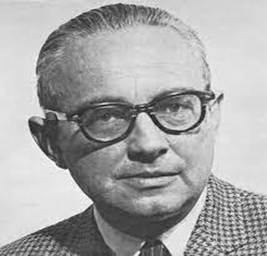
Paul Lazarsfeld, an influential American sociologist, made key contributions to the field of communication research, particularly through his work on the two-step flow of information. Lazarsfeld’s theory contested the conventional belief in direct media influence on individuals and presented a more sophisticated comprehension of information dissemination within social networks. Let’s read about Lazarsfeld’s research and explore some recent examples that illustrate the relevance of the two-step flow of information in contemporary society.
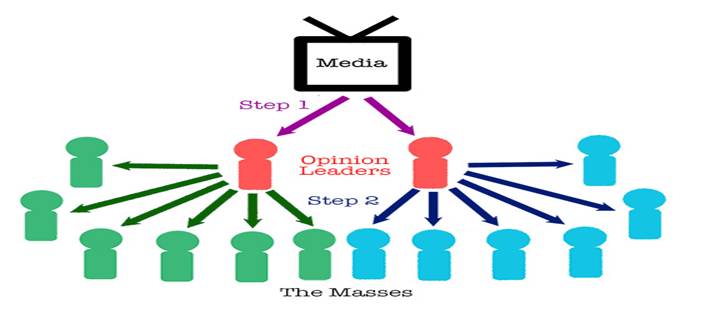
Lazarsfeld’s two-step flow of information theory posits that individuals are not directly influenced by media but rather by opinion leaders who receive and interpret media messages before disseminating them to their peers.
Recent examples highlight the continued relevance of Lazarsfeld’s two-step flow of information theory. Social media platforms have become a prominent channel for information dissemination, and the role of influencers in shaping public opinion has received considerable scrutiny. Influencers, who often possess substantial online followings and expertise in specific fields, act as modern-day opinion leaders. They curate and interpret information from various sources, offering their perspectives and influencing the opinions of their followers.
For example, during the COVID-19 pandemic, the role of influencers in disseminating health information and shaping public behavior became particularly evident. Many influencers used their platforms to promote public health guidelines, debunk misinformation, and share personal experiences related to the virus. Their ability to communicate with authenticity and connect with their audience contributed to the adoption of safety measures, such as wearing masks and practicing social distancing.
Another example that illustrates the two-step flow of information theory is the rise of podcasting. Podcast hosts, often considered opinion leaders within specific domains, interview experts and discuss various topics in depth. Listeners engage with these podcasts and develop a sense of trust in the hosts’ perspectives and expertise. The information shared on podcasts can then be disseminated further through offline conversations, creating a ripple effect of influence within social networks.
However, it is important to note that the two-step flow of information theory does not negate the role of media entirely. Rather, it highlights the mediating influence of opinion leaders in the process of information dissemination. Media, such as news outlets and online publications, still play a crucial role in shaping the initial narratives and information that opinion leaders consume and subsequently transmit.
In conclusion, Paul Lazarsfeld’s research on the two-step flow of information offers helpful knowledge about the complex dynamics of information dissemination and opinion formation. Recent examples, such as the influence of social media influencers during the pandemic and the impact of podcast hosts on public discourse, illustrate the continued relevance of this theory in contemporary society. Understanding the role of opinion leaders and social networks in shaping public opinion enables us to navigate a confusing information landscape and recognize the importance of interpersonal communication in influencing our attitudes and behaviors.
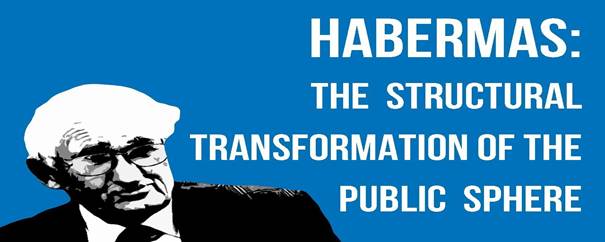
Jurgen Habermas, a renowned German philosopher and sociologist, introduced the concept of the public sphere, which has become a crucial framework for understanding the role of communication and discourse in democratic societies. Habermas’s theory highlights the importance of a vibrant public sphere for the functioning of democracy and the formation of public opinion. Let’s start with the idea of the public sphere and explore some recent examples that illustrate its significance in contemporary society.
Habermas defined the public sphere as a realm of social life where individuals come together as equals to discuss matters of common concern and engage in rational, inclusive deliberation. According to him, the public sphere serves as a counterbalance to state power and economic interests, providing a space for citizens to form opinions, debate ideas, and hold those in power accountable. Habermas emphasized that a healthy public sphere requires open access, free expression, and inclusive participation.
Prominent recent examples showcase the relevance of the public sphere in contemporary society. Social media platforms have emerged as virtual public spheres, enabling people from diverse backgrounds to engage in discussions and share their perspectives.
For example, movements like the Arab Spring and the Black Lives Matter movement have utilized social media to mobilize public opinion, raise awareness, and demand social and political change. These online platforms have facilitated the exchange of ideas and the formation of public discourse on a global scale.
Furthermore, the #MeToo movement serves as another compelling example of the public sphere in action. The movement originated on social media, with individuals sharing their experiences of sexual harassment and assault. Through this collective sharing and engagement, the movement gained momentum, sparking a widespread public conversation about gender inequality, power dynamics, and accountability. The public sphere provided a space for survivors to share their stories, connect with others, and challenge the prevailing social norms.
However, it is important to acknowledge the challenges that the public sphere faces in the digital age. The proliferation of misinformation, echo chambers, and online harassment poses significant threats to the quality and inclusivity of public discourse. Algorithms on social media platforms can prioritize sensationalism and polarization, hindering the formation of reasoned and constructive debates. These challenges indicate that people require critical engagement and media literacy to navigate the complexities of the digital public sphere.
In conclusion, Jurgen Habermas’s idea of the public sphere gives us useful information about how democracy works and how communication affects public opinion. Recent examples such as social media movements and online activism demonstrate the effectiveness of the public sphere in mobilizing collective action, amplifying marginalized voices, and challenging existing power structures.
However, it is essential to address the challenges posed by the digital age to ensure an inclusive and informed public sphere that fosters democratic deliberation and facilitates the exchange of diverse ideas. By actively participating in the public sphere and promoting open and inclusive dialogue, individuals can contribute to the vitality of democracy and the pursuit of social progress.
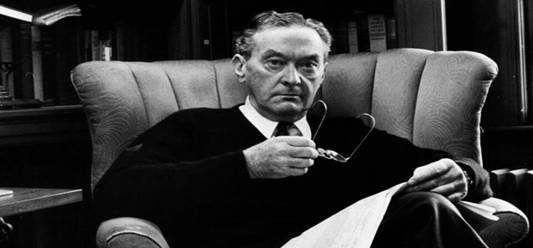
Walter Lippmann, a prominent American journalist and political commentator, made important contributions to the field of media theory, particularly in relation to modern media and its impact on society. Lippmann’s ideas centered near around the concept of technocracy and the role of media in shaping public opinion. Let’s discuss Lippmann’s theories and explore some recent examples that illustrate their relevance in today’s media landscape.
Lippmann argued that modern societies are too complex for individuals to fully comprehend the vast array of information and events occurring around them. He coined the term “technocracy” to describe a system where experts, rather than the general public, hold the knowledge and make decisions on behalf of society. Lippmann believed that due to the sheer volume and complexity of information, individuals rely heavily on mediated representations of reality to form their opinions and make sense of the world.
According to Lippmann, the media plays a pivotal role in shaping public opinion by filtering and interpreting information before presenting it to the public. He coined the term “manufacturing consent” to describe the media’s ability to shape the narrative and influence public perception. Lippmann argued that this selective presentation of information can lead to distorted views of reality and ultimately impact the decision-making processes of individuals and societies.
Recent examples highlight Lippmann’s theories in action. The phenomenon of “fake news” has become increasingly prevalent in the digital age. Misinformation and disinformation can spread rapidly through social media platforms, leading to widespread public confusion and even influencing elections and public discourse. In these instances, the media’s role in verifying and contextualizing information becomes crucial in preventing the distortion of reality and maintaining the integrity of public discourse.
Another example is the media coverage of political events and policy debates. Media outlets often focus on specific aspects of complex issues, selectively highlighting certain viewpoints and neglecting others. This bias can shape public opinion by presenting a skewed understanding of the topic at hand. The media’s role as gatekeepers of information, deciding what to cover and how to frame it, becomes a powerful tool in shaping public discourse and influencing public opinion.
Additionally, the rise of personalized news algorithms and echo chambers on social media platforms further supports Lippmann’s theories. These algorithms tailor content to individual preferences and beliefs, creating information bubbles where individuals are exposed only to viewpoints that align with their existing opinions. This phenomenon can reinforce existing biases, limit exposure to diverse perspectives, and contribute to the fragmentation of public discourse.
In conclusion, Walter Lippmann’s theories on modern media and technocracy continue to resonate in today’s media landscape. His insights into the power of media to shape public opinion and the complexities of information dissemination remain highly relevant. Recent examples such as the spread of fake news, biased media coverage, and personalized news algorithms highlight the ongoing influence of media in shaping public discourse and the need for critical engagement with mediated representations of reality. As consumers of media, it is essential to be aware of these dynamics and strive for a well-rounded understanding of the complex issues facing society today.
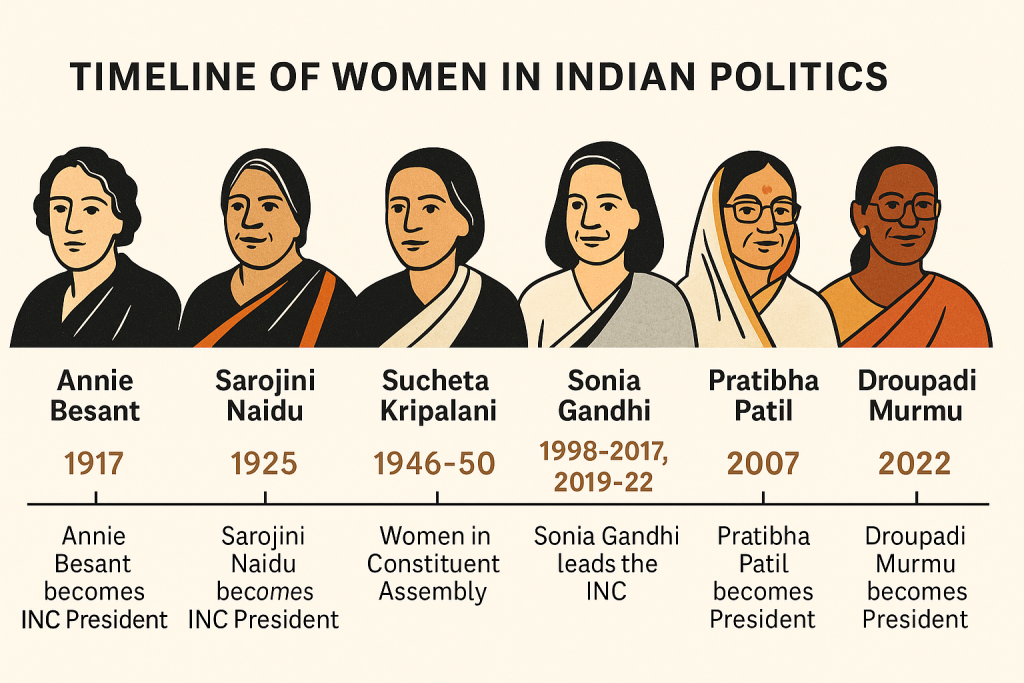
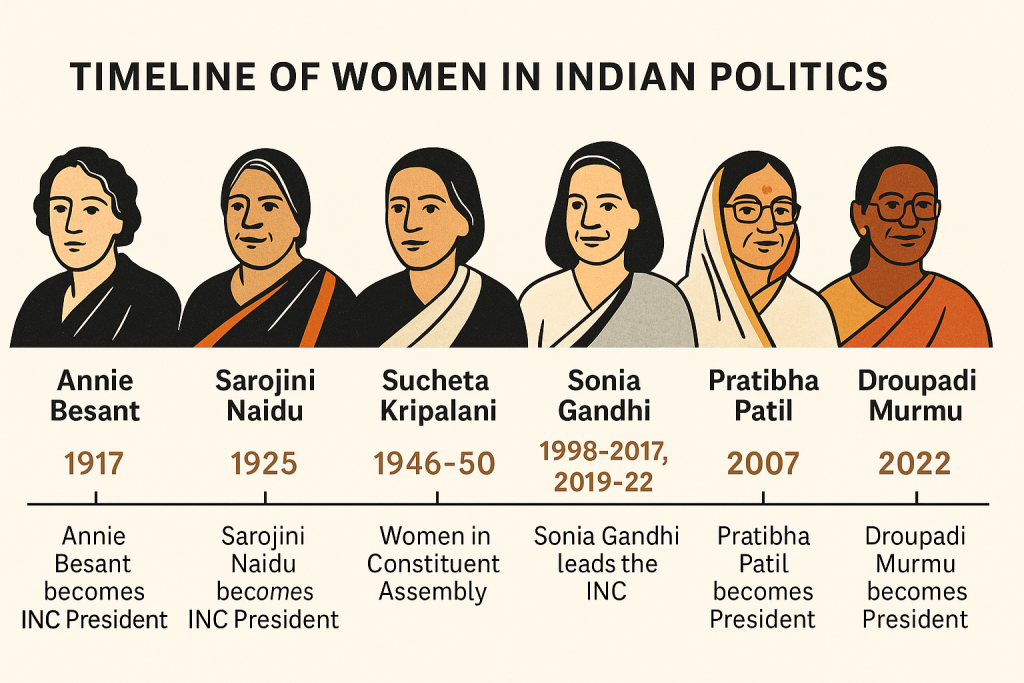
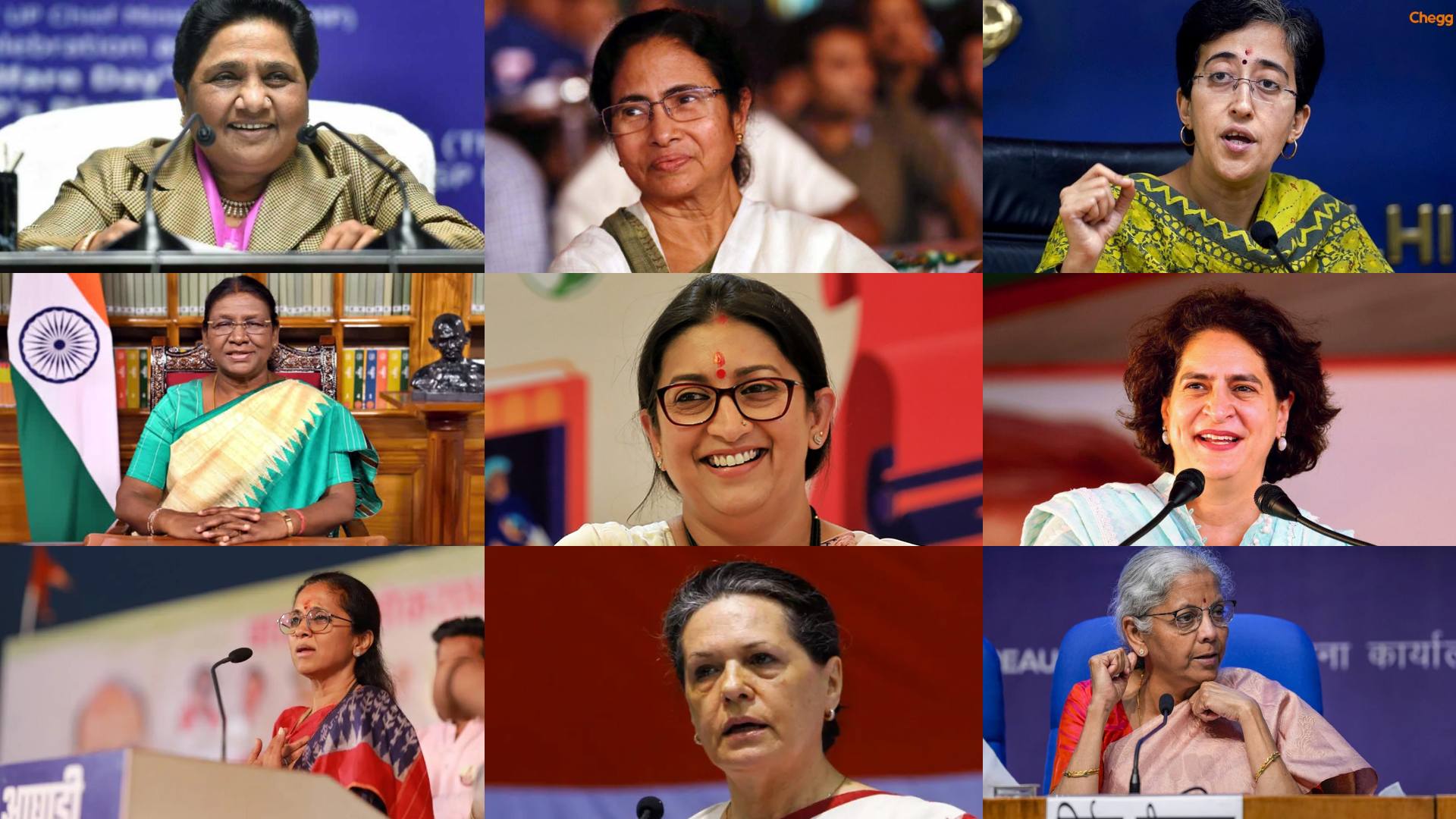
Women are becoming more and more important in Indian politics. They have a big impact on policy, increase democratic involvement, and drive social change, even though there are still problems. Their importance comes from the fact that more and more of them are voting, running for office, being organizers, and becoming leaders at all levels, from local self-government to Parliament.
Role of Women in Indian Politics
Voters and Mobilizers: Women’s voter turnout has seen impressive growth, reaching over 65% in recent national elections. Political parties now actively target “women’s votes,” recognizing their importance in electoral outcomes.
Legislative Representation: Women constitute about 14% of Lok Sabha members and 9% in state assemblies. Although low by global standards, these numbers are increasing steadily.
Leaders and Ministers: Women have held top roles—Prime Minister (Indira Gandhi), Chief Ministers, and union and state cabinet ministers—demonstrating competence in governance, diplomacy, and policy.
Grassroots Leadership: In local self-government, reservation policies (one-third of seats in Panchayats and Urban Local Bodies, with many states having 50% reservations) have resulted in women comprising up to 44% of grassroots representatives, empowering millions across India.
Significance
Deepening Democracy: Women’s presence broadens the perspectives in decision-making, promotes inclusive policies—especially in health, education, and welfare—and strengthens democratic functioning.
Empowerment and Social Change: Women leaders challenge patriarchal norms, drive gender-sensitive reforms, and serve as role models, inspiring new generations to engage in politics and advocacy.
Enhanced Representation: Parliamentary debates and legislation increasingly address issues central to women—such as safety, health, education, and legal rights—because of women’s active representation.
International Commitments: India is a signatory to global conventions (CEDAW, Beijing Declaration) and continues to align domestic policy with global gender equality goals.
Key Developments
Women’s Reservation (106th Amendment, 2023): The Women’s Reservation Act reserves 33% of seats for women in Lok Sabha and State Assemblies, further advancing representation (to be implemented after the next census).
Capacity-building Initiatives: Training, leadership programs, and “pink booths” during elections foster participation and skill development.
Empowerment through SHGs: Over 10 crore women in Self Help Groups are transforming rural economies, gaining economic and political clout.
Challenges
Gender Discrimination & Violence: Social norms, patriarchal attitudes, violence, and resource limitations still hinder women’s full participation in politics.
Underrepresentation: Despite progress, women’s share in higher legislative bodies remains low; effective implementation of reservation policies is needed.
Data at a Glance
Level
Women’s Representation (2024)
Lok Sabha
13.6% (74 MPs)
State Assemblies
9% average
Local Self-Government
44% (Panchayats/ULBs)
Women are thus central to India’s political future—as voters, representatives, leaders, and agents of change—with their role and importance set to increase further with meaningful policy reforms and societal support.
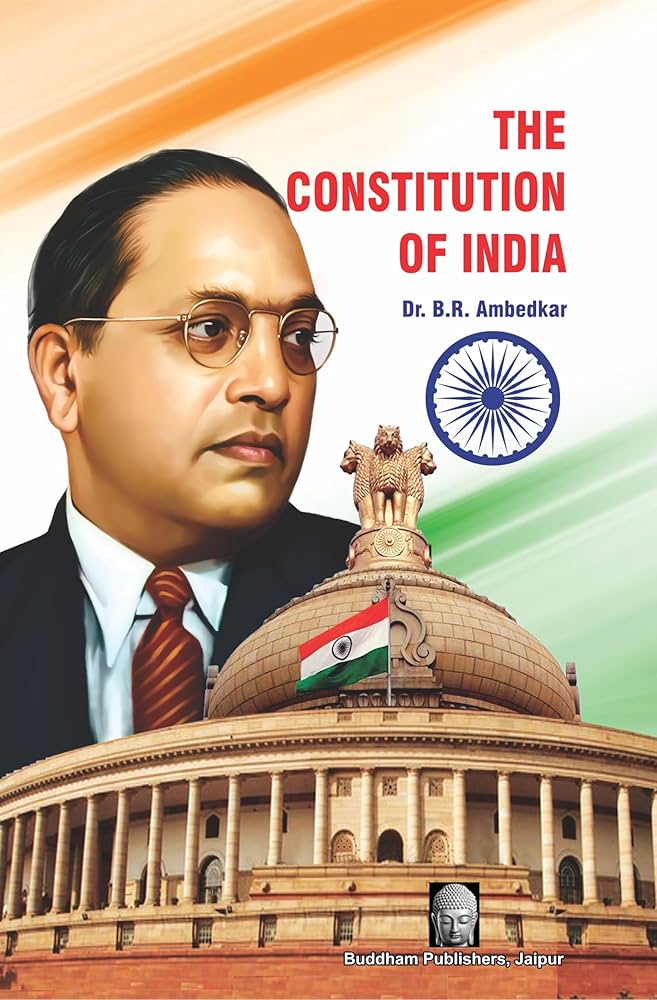
Originally, there were 22 parts; today, there are 25 parts covering topics like the Union and its territory, citizenship, fundamental rights, directive principles, the Union and states, the judiciary, elections, and special provisions for certain regions or groups.
Articles are specific sections within these parts; the total has grown from 395 at inception to 448 today.
Schedules
The schedules are appendices that contain additional details, lists, and guidelines to supplement constitutional provisions.
The original 8 Schedules have expanded to 12, dealing with issues such as the allocation of powers, lists of states and territories, administration of tribal areas, and official languages.
Federal Structure with Unitary Features
India is a federal union with a strong center but with unitary features such as a single constitution, single citizenship, a unified judiciary, and emergency powers.
Powers are divided among the Union, states, and (after amendments) local governments.
Basic Structure Doctrine
Landmark Supreme Court judgments have established that certain core features (the “basic structure”) of the Constitution cannot be amended by Parliament. These include supremacy of the Constitution, democracy, secularism, separation of powers, fundamental rights, rule of law, and more.
Summary Table: Structure of Indian Constitution
Component
Details
Preamble
States aspirational values (justice, liberty, equality, fraternity)
Parts
25 thematic divisions (originally 22)
Articles
448 numbered provisions (originally 395)
Schedules
12 lists/appendices (originally 8)
Federalism
Federal in structure, unitary in spirit
Basic Structure
Key unamendable features per Supreme Court
This detailed framework allows India to accommodate its diversity, balance central authority with local autonomy, and protect foundational democratic values.
B. THE PREAMBLE OF THE INDIAN CONSTITUTION
The Preamble of the Indian Constitution is a brief introductory statement that sets out the guiding values, principles, and objectives of the Constitution. It serves as the “identity card” of the document, summarizing its essence and reflecting the aspirations of the people of India.
Full Text of the Preamble
Decorative page from the original Constitution of India displaying the Preamble, adopted November 26, 1949
WE, THE PEOPLE OF INDIA, having solemnly resolved to constitute India into a SOVEREIGN SOCIALIST SECULAR DEMOCRATIC REPUBLIC and to secure to all its citizens:
JUSTICE, social, economic and political;
LIBERTY of thought, expression, belief, faith and worship;
EQUALITY of status and of opportunity; and to promote among them all
FRATERNITY assuring the dignity of the individual and the unity and integrity of the Nation;
IN OUR CONSTITUENT ASSEMBLY this twenty-sixth day of November, 1949, we HEREBY ADOPT, ENACT, AND GIVE TO OURSELVES THIS CONSTITUTION.
Highlights of the Preamble
Source of authority: The Constitution derives its power from “the people of India.”
Nature of State: Declares India as a sovereign, socialist, secular, democratic republic.
Objectives: Secures justice, liberty, equality, and fraternity for all citizens.
Date of adoption: Adopted by the Constituent Assembly on November 26, 1949.
The Preamble encapsulates the philosophy and vision of the Indian Constitution, guiding its interpretation and implementation.
C. MAIN BODY OF THE INDIAN CONSTITUTION
The main body of the Indian Constitution is detailed, comprehensive, and organized into a system of parts, articles, and schedules. It establishes the structure, powers, and functions of the principal organs of government and lays down the rights and duties of citizens.
Key Features of the Main Body
1. Parts and Articles
The Constitution is divided into 25 parts (originally 22), each covering a major aspect of governance, rights, and administration.
These parts contain a total of 448 articles (originally 395), numbered sequentially, which provide detailed legal provisions.
Notable parts include:
Part I: Union and its Territory
Part II: Citizenship
Part III: Fundamental Rights
Part IV: Directive Principles of State Policy
Part V/VI: Structure and functioning of Union and State governments
Part IX/IXA: Local self-government (Panchayats, Municipalities)
Part XVIII: Emergency Provisions
2. Schedules
12 schedules (originally 8), appended at the end, provide lists, classifications, and additional details to support the main text.
Topics include allocation of powers, lists of states/territories, forms of oaths, and division of legislative subjects.
3. Institutional Structure
The Constitution establishes three primary organs:
Legislature (Parliament: Rajya Sabha and Lok Sabha)
Executive (President, Prime Minister, Council of Ministers, Governors)
Judiciary (Supreme Court, High Courts, Subordinate Courts)
Outlines a parliamentary system, with India being a federal country having strong central (unitary) features.
4. Quasi-Federal System
India’s Constitution grants powers to both the Union and State governments but has significant unitary provisions (single citizenship, integrated judiciary, emergency powers).
5. Basic Structure Doctrine
Certain features—such as the supremacy of the Constitution, secularism, republicanism, federalism, and separation of powers—form an unamendable “basic structure” as recognized by the judiciary.
Parliament, President, Council of Ministers, Judiciary, States
The main body thus provides the backbone of governance, law, and administration in India, ensuring both flexibility and stability.
D. SCHEDULE THE INDIAN CONSTITUTION
Schedules of the Indian Constitution
There are 12 Schedules in the Indian Constitution, each dealing with a specific subject. These schedules serve to clearly organize laws, administrative details, and official policy areas, making implementation efficient and reference straightforward.
Schedule
Subject Matter
First
List of States, Union Territories, and their territories
Second
Emoluments, allowances, and privileges of key officials: President, Governors, Judges, etc.
Third
Forms of oaths and affirmations for union and state ministers, legislators, judges
Fourth
Allocation of seats for States/UTs in Rajya Sabha (Council of States)
Fifth
Provisions regarding administration of Scheduled Areas/Scheduled Tribes
Sixth
Provisions for tribal areas in Assam, Meghalaya, Tripura, Mizoram
Seventh
Division of powers: Union, State, Concurrent legislative lists
Eighth
List of 22 official languages
Ninth
Acts and regulations protected from judicial review (mainly land reforms)
Tenth
Disqualification on grounds of defection (Anti-defection Law)
Eleventh
Powers, authority, and responsibilities of Panchayats (73rd Amendment)
Twelfth
Powers, authority, and responsibilities of Municipalities (74th Amendment)
These schedules help in efficient governance and reduce the complexity of the main constitutional text.
E. BASIC FEATURES OF THE INDIAN CONSTITUTION
The Basic Features of the Indian Constitution, also known as the Basic Structure Doctrine, are fundamental principles that form the core of the Constitution and cannot be altered or destroyed by any constitutional amendment by Parliament. This doctrine was established by the Supreme Court in the landmark Kesavananda Bharati case (1973) to ensure the stability and integrity of the Constitution.
Key Basic Features
Supremacy of the Constitution: The Constitution is the supreme law of the land; all laws and amendments must conform to it.
Democratic Principles: India is a sovereign, democratic, and republican state with free and fair elections reflecting the people’s will.
Fundamental Rights: These rights are inviolable and cannot be diluted by amendments.
Separation of Powers: Distinct division and independence of the Legislature, Executive, and Judiciary to ensure checks and balances.
Judicial Review: The judiciary has the authority to review and strike down unconstitutional laws or amendments.
Federalism: Distribution of powers between the Union and States, maintaining the federal structure.
Secularism: Equal treatment of all religions by the state, with no state religion.
Unity and Integrity: Preservation of national unity and territorial integrity.
Rule of Law: All citizens and authorities are subject to the law, ensuring justice and equality.
Parliamentary System: Governance follows a federal parliamentary democracy.
Welfare State: Commitment to social and economic justice for all citizens.
Free and Fair Elections: Ensuring democratic representation without manipulation or coercion.
Limited Power of Parliament: Parliament cannot amend or abrogate the basic structure or core principles of the Constitution.
Significance
This doctrine protects India’s constitutional vision by preventing arbitrary or authoritarian changes while allowing flexibility for legitimate amendments. It ensures the Constitution’s foundational values remain intact, promoting democracy, individual rights, and governance with accountability.
This doctrine remains a critical safeguard in India’s constitutional jurisprudence, balancing change with continuity.
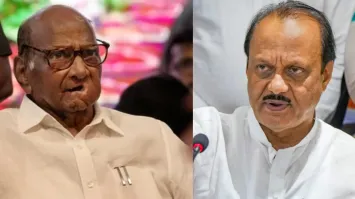
The recent merger has instilled a sense of discomfort among certain leaders of the NCP (SP), as they are reluctant to operate once more under the stewardship of Ajit Pawar, who has forged an alliance with the BJP.
In late December 2025, Ajit Pawar announced an alliance between his NCP faction and Sharad Pawar’s NCP (SP) for the Pimpri-Chinchwad and Pune municipal corporation polls scheduled for January 15, 2026, framing it as a “Pawar parivar” reunion to consolidate votes against BJP dominance. While both factions stressed the tie-up is limited to these local elections with separate symbols and seat-sharing (e.g., NCP contesting 125 seats in Pune, NCP-SP 40), speculation surged about a full merger post-polls, potentially positioning Ajit to lead Maharashtra politics and Supriya Sule for central roles after Sharad Pawar’s retirement. No full merger occurred by year-end, but the move stemmed from worker pressure, shared turf threats from BJP, and avoiding vote splits.
Background: The 2023 NCP Split
In July 2023, the NCP split when Ajit Pawar, along with several leaders, broke away to join the BJP–Shiv Sena alliance, taking oath as Deputy Chief Minister of Maharashtra. The Election Commission later recognized Ajit Pawar’s faction as the official NCP with the “clock” symbol, while Sharad Pawar’s camp became known as NCP (SP) with the “tutari” (trumpet) symbol. This set the stage for two competing entities contesting future elections separately.
Recent Developments: Reunification in Civic Polls
Pimpri-Chinchwad Municipal Corporation (PCMC)
Alliance Announced: On December 29, 2025, Ajit Pawar publicly announced that both factions will contest the upcoming PCMC elections together, stating that “the parivar (family) has come together”.
Symbol Reconciliation: This move symbolizes a reunification of sorts, merging the “clock” and “tutari” symbols for the civic polls.
Strategic Intent: The announcement is framed as a decision in Maharashtra’s interest, aiming for a consolidated front in local governance.
Pune Municipal Corporation (PMC)
Alliance Also in Pune: Following the PCMC alliance, the two factions extended cooperation to Pune civic elections. NCP (SP) will contest 40 seats, while Ajit Pawar’s NCP will field candidates in 125 wards.
Symbol Retention: Each faction will use its own party symbol—clock for Ajit Pawar’s NCP and tutari for Sharad Pawar’s NCP (SP).
Alliance Scope: This cooperation is explicitly limited to PCMC and PMC only; broader reunification remains unconfirmed.
Political Motive: Rohit Pawar emphasized that the alliance reflects the will of local party workers and aims to counter the BJP’s influence.
Election Context
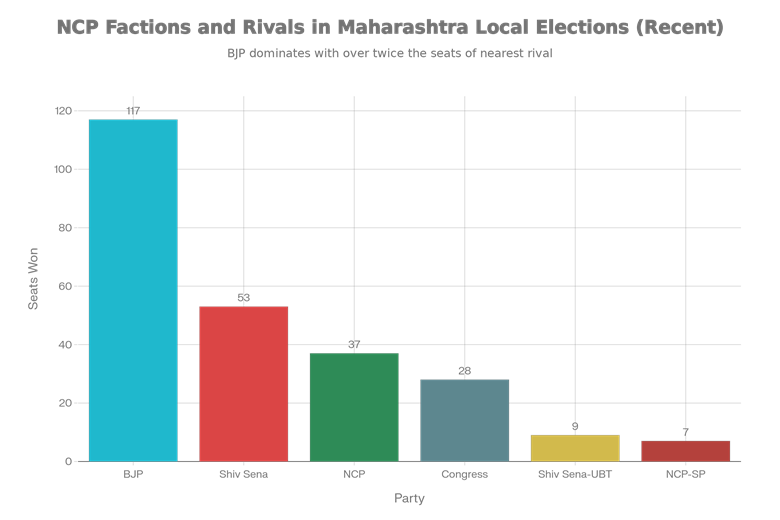
Pimpri-Chinchwad and Pune represent NCP strongholds, where the 2023 split weakened both factions against BJP-Shiv Sena alliances. Ajit Pawar’s group holds more ground but faces anti-incumbency; Sharad’s relies on loyalists amid MVA rifts. Polls test if reunion boosts combined vote share in these urban civic bodies amid Maharashtra’s 29 municipal elections.
PCMC Polls Strategy
In Pimpri-Chinchwad Municipal Corporation (PCMC), the alliance counters BJP’s expansion after NCP’s 2023 vertical split eroded its base. Ajit Pawar declared the “clock” (NCP) and “tutari” (NCP-SP) symbols uniting, with seat talks finalized to prevent three-way fights benefiting rivals. Analysts view this as a low-risk trial: success rebuilds NCP brand pre-2026 broader polls; failure limits damage to local races. Outcomes could foreshadow statewide realignment, echoing past INC-NCP dominance in councils per historical analyses. Some NCP-SP leaders resigned over Ajit-BJP ties, highlighting internal tensions.
Pune: Talks Collapse for PMC
Negotiations Fail: Prior to the eventual alliance, talks between factions for a Pune-only alliance collapsed on December 27, 2025. Sharad Pawar’s faction rejoined the Maha Vikas Aghadi (MVA) due to disagreements over the seat-sharing ratio and symbol usage.
Core Issue: Ajit Pawar insisted that all candidates from Sharad Pawar’s faction contest under the “clock” symbol and rejected their demand for 68 seats—an offer deemed unacceptable as it would dissolve Sharad Pawar’s faction in Pune.