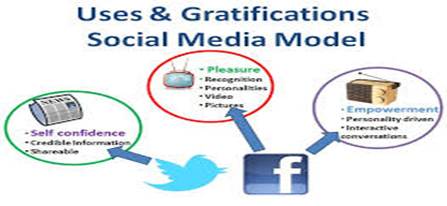
In the ever-evolving landscape of media and journalism, two influential theories offer useful information about the relationship between media and its audiences: agenda setting and uses and gratifications. These theories shed light on how media influences public opinion and how individuals actively engage with media to fulfill their needs and desires. In this section, we will take up the concepts of agenda setting and uses and gratifications, exploring their implications and providing prominent recent examples that demonstrate their significance in the realm of journalism.
Understanding the theories of agenda setting and uses and gratifications is crucial for journalism students. These theories illuminate the ways in which media shapes public discourse and how individuals actively engage with media to satisfy their personal needs. By comprehending these dynamics, aspiring journalists can enhance their understanding of audience preferences, refine their storytelling techniques, and contribute to a media landscape that informs and empowers the public.
Agenda Setting: Shaping Public Discourse
The theory of agenda-setting says that the media can change how important and relevant issues are in people’s minds. The media, through their selection and emphasis on certain topics, determine which issues gain prominence and public attention. This theory posits that the media’s agenda influences the public’s agenda, shaping their perception of what is significant and worthy of discussion.
Prominent Recent Examples of Agenda Setting:
1. Climate Change: Over the past decade, media outlets worldwide have given increasing attention to the time-sensitive issue of climate change. Through extensive coverage of scientific reports, extreme weather events, and activist movements like Fridays for Future, the media has significantly influenced public awareness and policy discussions surrounding climate change. This agenda-setting role has propelled climate change to the forefront of public consciousness and political agendas.
2. Social Justice Movements: In recent years, media coverage of social justice movements, such as the Black Lives Matter movement and the #MeToo movement, has played a vital role in driving public discourse and pushing for societal change. By giving voice to marginalized communities and shedding light on systemic injustices, the media has brought these issues to the forefront, shaping public perceptions and policy debates.
Noam Chomsky, a distinguished linguist, philosopher, and political activist, revolutionized the field of media studies with his groundbreaking theory of “Manufacturing Consent” and the Propaganda Model. Chomsky’s critical analysis challenged the traditional understanding of media as a neutral watchdog, highlighting the pervasive influence of corporate and political elites in shaping public opinion. In this section, we will cover Chomsky’s theory and explore prominent recent examples that illustrate its relevance in today’s media landscape.
From a journalism standpoint, Noam Chomsky’s theory of “Manufacturing Consent” provides an essential lens through which we can critically examine the functioning of the media in a democratic society. Chomsky argues that the media, far from being an independent entity serving as a restriction on power, often plays a role in reinforcing existing power structures. Understanding this theory empowers journalists to navigate the complexities of media production, challenge dominant narratives, and fulfill their crucial role as watchdogs of democracy.
A. Manufacturing Consent: Unveiling the Propaganda Model
Noam Chomsky and Edward S. Herman’s seminal work, “Manufacturing Consent,” exposes the mechanisms by which media, often unwittingly, serve the interests of powerful entities. The Propaganda Model, developed by Chomsky and Herman, outlines five filters that shape media content: ownership, advertising, sourcing, flak, and ideology.
1. Ownership: The concentration of media ownership in the hands of a few corporations results in a narrowing of perspectives and a potential bias toward elite interests. Media outlets owned by conglomerates may prioritize profitability and cater to the agendas of their corporate owners.
2. Advertising: The reliance on advertising revenue creates a symbiotic relationship between media outlets and corporations. This relationship can influence media content, as outlets may avoid or downplay stories that could harm their advertisers’ interests.
3. Sourcing: Journalists often rely on official sources, such as government officials and corporate spokespersons, which can result in a narrow range of perspectives and limit critical analysis. Alternative or dissenting voices may be marginalized or excluded from media coverage.
4. Flak: Powerful entities can exert pressure and create a culture of intimidation that discourages critical journalism. Organizations and individuals who challenge established narratives may face backlash, including smear campaigns, lawsuits, or threats to funding and access.
5. Ideology: Dominant ideologies and narratives shape media content, framing debates within certain boundaries and excluding alternative perspectives. Chomsky argues that the media often serves to reinforce existing power structures and perpetuate societal norms.
B. Recent Examples: Unmasking the Manufacturing Consent
Prominent recent examples showcase the continued relevance of Chomsky’s theory in the contemporary media landscape:
1. Coverage of War and Conflict: Media coverage of international conflicts often reflects the perspectives of political elites or military establishments, shaping public opinion and justifying interventionist policies. Alternative narratives or voices challenging the prevailing consensus may be marginalized or ignored.
2. Corporate Influence on Climate Change Reporting: In discussions surrounding climate change, media outlets owned by fossil fuel companies have been accused of downplaying or undermining scientific consensus to protect their economic interests. This bias in reporting can hinder public understanding and delay effective action.
3. Election Campaigns and Political Coverage: Media outlets influenced by corporate interests can shape electoral debates and favor candidates aligned with the economic elites. The influence of money in politics, coupled with biased media coverage, can undermine the democratic process.
C. Watchdogs of democracy
From a journalism standpoint, Noam Chomsky’s theory of “Manufacturing Consent” provides an essential lens through which we can critically examine the functioning of the media in a democratic society. Chomsky argues that the media, far from being an independent entity serving as a check on power, often plays a role in reinforcing existing power structures. Understanding this theory empowers journalists to navigate the complexities of media production, challenge dominant narratives, and fulfill their crucial role as watchdogs of democracy.
1. Coverage of Social Movements: Media coverage of social movements can be influenced by the interests of political and economic elites. Mainstream media outlets may marginalize or misrepresent grassroots movements, failing to provide nuanced and comprehensive coverage. This can perpetuate stereotypes and hinder the public’s understanding of important social issues.
2. Digital Media and Filter Bubbles: The rise of digital media platforms and personalized algorithms has exacerbated the issue of filter bubbles, where individuals are exposed only to information that aligns with their existing beliefs. This reinforcement of ideological perspectives limits the diversity of viewpoints and can contribute to polarization within society.
By critically engaging with Noam Chomsky’s theory of “Manufacturing Consent” and the Propaganda Model, journalists can identify and challenge the structural biases and influences that impact media content. This knowledge helps them work toward media independence, look for different points of view, and hold those in power accountable. Embracing a critical approach to media production and consumption is essential for upholding the principles of journalism and ensuring a well-informed and democratic society.
Noam Chomsky’s theory of “Manufacturing Consent” and the Propaganda Model offer invaluable insights into the complex relationship between media, power, and public opinion. By unpacking the filters that shape media content, including ownership, advertising, sourcing, flak, and ideology, Chomsky encourages us to critically analyze the media’s role in society. Recent examples from war coverage to climate change reporting and social movements illustrate the ongoing relevance of this theory. For journalism students, understanding and grappling with these ideas is essential for cultivating a responsible and independent media that serves the public interest, challenges power structures, and upholds the principles of democracy.
Paul Lazarsfeld, an influential American sociologist, made key contributions to the field of communication research, particularly through his work on the two-step flow of information. Lazarsfeld’s theory contested the conventional belief in direct media influence on individuals and presented a more sophisticated comprehension of information dissemination within social networks. Let’s read about Lazarsfeld’s research and explore some recent examples that illustrate the relevance of the two-step flow of information in contemporary society.
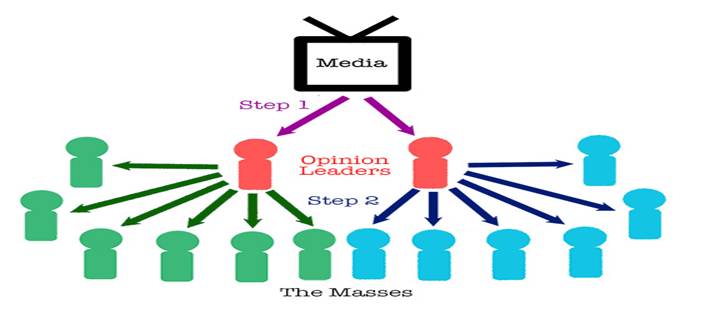
Lazarsfeld’s two-step flow of information theory posits that individuals are not directly influenced by media but rather by opinion leaders who receive and interpret media messages before disseminating them to their peers.
Recent examples highlight the continued relevance of Lazarsfeld’s two-step flow of information theory. Social media platforms have become a prominent channel for information dissemination, and the role of influencers in shaping public opinion has received considerable scrutiny. Influencers, who often possess substantial online followings and expertise in specific fields, act as modern-day opinion leaders. They curate and interpret information from various sources, offering their perspectives and influencing the opinions of their followers.
For example, during the COVID-19 pandemic, the role of influencers in disseminating health information and shaping public behavior became particularly evident. Many influencers used their platforms to promote public health guidelines, debunk misinformation, and share personal experiences related to the virus. Their ability to communicate with authenticity and connect with their audience contributed to the adoption of safety measures, such as wearing masks and practicing social distancing.
Another example that illustrates the two-step flow of information theory is the rise of podcasting. Podcast hosts, often considered opinion leaders within specific domains, interview experts and discuss various topics in depth. Listeners engage with these podcasts and develop a sense of trust in the hosts’ perspectives and expertise. The information shared on podcasts can then be disseminated further through offline conversations, creating a ripple effect of influence within social networks.
However, it is important to note that the two-step flow of information theory does not negate the role of media entirely. Rather, it highlights the mediating influence of opinion leaders in the process of information dissemination. Media, such as news outlets and online publications, still play a crucial role in shaping the initial narratives and information that opinion leaders consume and subsequently transmit.
In conclusion, Paul Lazarsfeld’s research on the two-step flow of information offers helpful knowledge about the complex dynamics of information dissemination and opinion formation. Recent examples, such as the influence of social media influencers during the pandemic and the impact of podcast hosts on public discourse, illustrate the continued relevance of this theory in contemporary society. Understanding the role of opinion leaders and social networks in shaping public opinion enables us to navigate a confusing information landscape and recognize the importance of interpersonal communication in influencing our attitudes and behaviors.
Jurgen Habermas, a renowned German philosopher and sociologist, introduced the concept of the public sphere, which has become a crucial framework for understanding the role of communication and discourse in democratic societies. Habermas’s theory highlights the importance of a vibrant public sphere for the functioning of democracy and the formation of public opinion. Let’s start with the idea of the public sphere and explore some recent examples that illustrate its significance in contemporary society.
Habermas defined the public sphere as a realm of social life where individuals come together as equals to discuss matters of common concern and engage in rational, inclusive deliberation. According to him, the public sphere serves as a counterbalance to state power and economic interests, providing a space for citizens to form opinions, debate ideas, and hold those in power accountable. Habermas emphasized that a healthy public sphere requires open access, free expression, and inclusive participation.
Prominent recent examples showcase the relevance of the public sphere in contemporary society. Social media platforms have emerged as virtual public spheres, enabling people from diverse backgrounds to engage in discussions and share their perspectives.
For example, movements like the Arab Spring and the Black Lives Matter movement have utilized social media to mobilize public opinion, raise awareness, and demand social and political change. These online platforms have facilitated the exchange of ideas and the formation of public discourse on a global scale.
Furthermore, the #MeToo movement serves as another compelling example of the public sphere in action. The movement originated on social media, with individuals sharing their experiences of sexual harassment and assault. Through this collective sharing and engagement, the movement gained momentum, sparking a widespread public conversation about gender inequality, power dynamics, and accountability. The public sphere provided a space for survivors to share their stories, connect with others, and challenge the prevailing social norms.
However, it is important to acknowledge the challenges that the public sphere faces in the digital age. The proliferation of misinformation, echo chambers, and online harassment poses significant threats to the quality and inclusivity of public discourse. Algorithms on social media platforms can prioritize sensationalism and polarization, hindering the formation of reasoned and constructive debates. These challenges indicate that people require critical engagement and media literacy to navigate the complexities of the digital public sphere.
In conclusion, Jurgen Habermas’s idea of the public sphere gives us useful information about how democracy works and how communication affects public opinion. Recent examples such as social media movements and online activism demonstrate the effectiveness of the public sphere in mobilizing collective action, amplifying marginalized voices, and challenging existing power structures.
However, it is essential to address the challenges posed by the digital age to ensure an inclusive and informed public sphere that fosters democratic deliberation and facilitates the exchange of diverse ideas. By actively participating in the public sphere and promoting open and inclusive dialogue, individuals can contribute to the vitality of democracy and the pursuit of social progress.
Walter Lippmann, a prominent American journalist and political commentator, made important contributions to the field of media theory, particularly in relation to modern media and its impact on society. Lippmann’s ideas centered near around the concept of technocracy and the role of media in shaping public opinion. Let’s discuss Lippmann’s theories and explore some recent examples that illustrate their relevance in today’s media landscape.
Lippmann argued that modern societies are too complex for individuals to fully comprehend the vast array of information and events occurring around them. He coined the term “technocracy” to describe a system where experts, rather than the general public, hold the knowledge and make decisions on behalf of society. Lippmann believed that due to the sheer volume and complexity of information, individuals rely heavily on mediated representations of reality to form their opinions and make sense of the world.
According to Lippmann, the media plays a pivotal role in shaping public opinion by filtering and interpreting information before presenting it to the public. He coined the term “manufacturing consent” to describe the media’s ability to shape the narrative and influence public perception. Lippmann argued that this selective presentation of information can lead to distorted views of reality and ultimately impact the decision-making processes of individuals and societies.
Recent examples highlight Lippmann’s theories in action. The phenomenon of “fake news” has become increasingly prevalent in the digital age. Misinformation and disinformation can spread rapidly through social media platforms, leading to widespread public confusion and even influencing elections and public discourse. In these instances, the media’s role in verifying and contextualizing information becomes crucial in preventing the distortion of reality and maintaining the integrity of public discourse.
Another example is the media coverage of political events and policy debates. Media outlets often focus on specific aspects of complex issues, selectively highlighting certain viewpoints and neglecting others. This bias can shape public opinion by presenting a skewed understanding of the topic at hand. The media’s role as gatekeepers of information, deciding what to cover and how to frame it, becomes a powerful tool in shaping public discourse and influencing public opinion.
Additionally, the rise of personalized news algorithms and echo chambers on social media platforms further supports Lippmann’s theories. These algorithms tailor content to individual preferences and beliefs, creating information bubbles where individuals are exposed only to viewpoints that align with their existing opinions. This phenomenon can reinforce existing biases, limit exposure to diverse perspectives, and contribute to the fragmentation of public discourse.
In conclusion, Walter Lippmann’s theories on modern media and technocracy continue to resonate in today’s media landscape. His insights into the power of media to shape public opinion and the complexities of information dissemination remain highly relevant. Recent examples such as the spread of fake news, biased media coverage, and personalized news algorithms highlight the ongoing influence of media in shaping public discourse and the need for critical engagement with mediated representations of reality. As consumers of media, it is essential to be aware of these dynamics and strive for a well-rounded understanding of the complex issues facing society today.
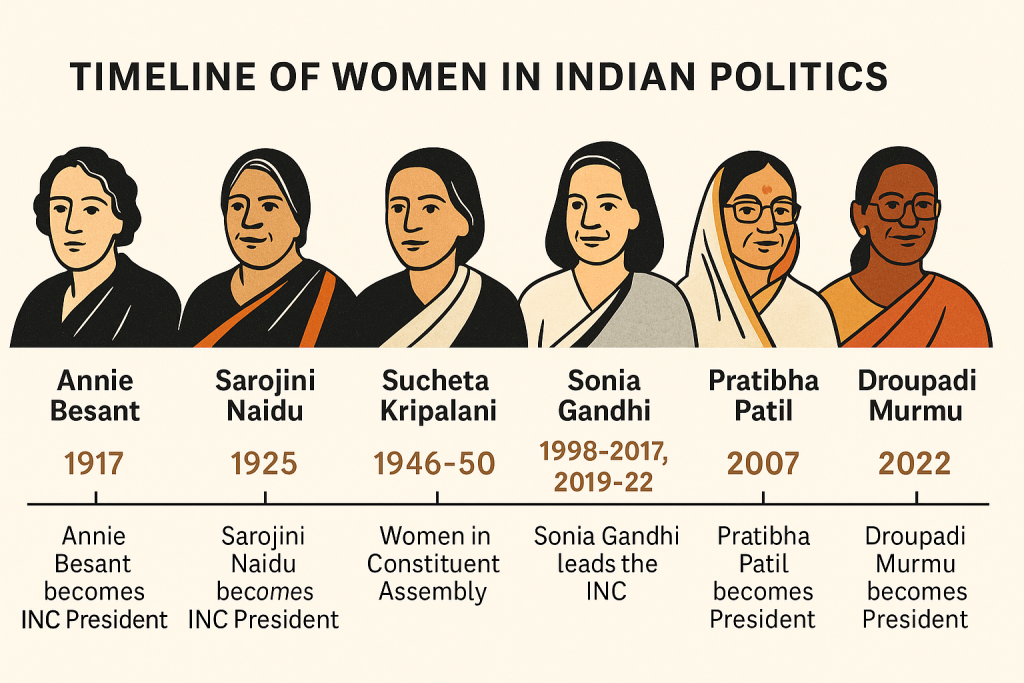
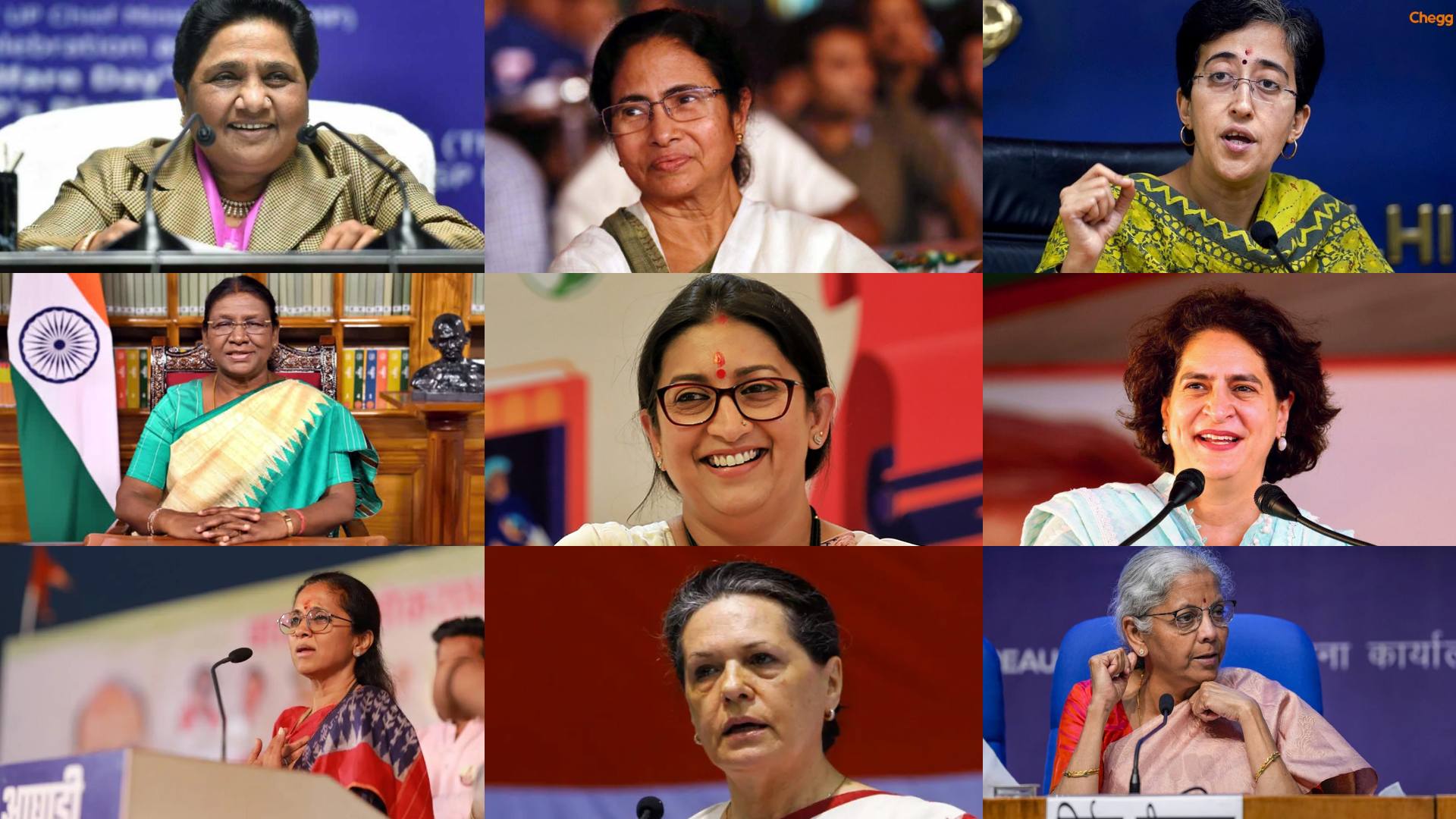
Women are becoming more and more important in Indian politics. They have a big impact on policy, increase democratic involvement, and drive social change, even though there are still problems. Their importance comes from the fact that more and more of them are voting, running for office, being organizers, and becoming leaders at all levels, from local self-government to Parliament.
Role of Women in Indian Politics
Voters and Mobilizers: Women’s voter turnout has seen impressive growth, reaching over 65% in recent national elections. Political parties now actively target “women’s votes,” recognizing their importance in electoral outcomes.
Legislative Representation: Women constitute about 14% of Lok Sabha members and 9% in state assemblies. Although low by global standards, these numbers are increasing steadily.
Leaders and Ministers: Women have held top roles—Prime Minister (Indira Gandhi), Chief Ministers, and union and state cabinet ministers—demonstrating competence in governance, diplomacy, and policy.
Grassroots Leadership: In local self-government, reservation policies (one-third of seats in Panchayats and Urban Local Bodies, with many states having 50% reservations) have resulted in women comprising up to 44% of grassroots representatives, empowering millions across India.
Significance
Deepening Democracy: Women’s presence broadens the perspectives in decision-making, promotes inclusive policies—especially in health, education, and welfare—and strengthens democratic functioning.
Empowerment and Social Change: Women leaders challenge patriarchal norms, drive gender-sensitive reforms, and serve as role models, inspiring new generations to engage in politics and advocacy.
Enhanced Representation: Parliamentary debates and legislation increasingly address issues central to women—such as safety, health, education, and legal rights—because of women’s active representation.
International Commitments: India is a signatory to global conventions (CEDAW, Beijing Declaration) and continues to align domestic policy with global gender equality goals.
Key Developments
Women’s Reservation (106th Amendment, 2023): The Women’s Reservation Act reserves 33% of seats for women in Lok Sabha and State Assemblies, further advancing representation (to be implemented after the next census).
Capacity-building Initiatives: Training, leadership programs, and “pink booths” during elections foster participation and skill development.
Empowerment through SHGs: Over 10 crore women in Self Help Groups are transforming rural economies, gaining economic and political clout.
Challenges
Gender Discrimination & Violence: Social norms, patriarchal attitudes, violence, and resource limitations still hinder women’s full participation in politics.
Underrepresentation: Despite progress, women’s share in higher legislative bodies remains low; effective implementation of reservation policies is needed.
Data at a Glance
Level
Women’s Representation (2024)
Lok Sabha
13.6% (74 MPs)
State Assemblies
9% average
Local Self-Government
44% (Panchayats/ULBs)
Women are thus central to India’s political future—as voters, representatives, leaders, and agents of change—with their role and importance set to increase further with meaningful policy reforms and societal support.
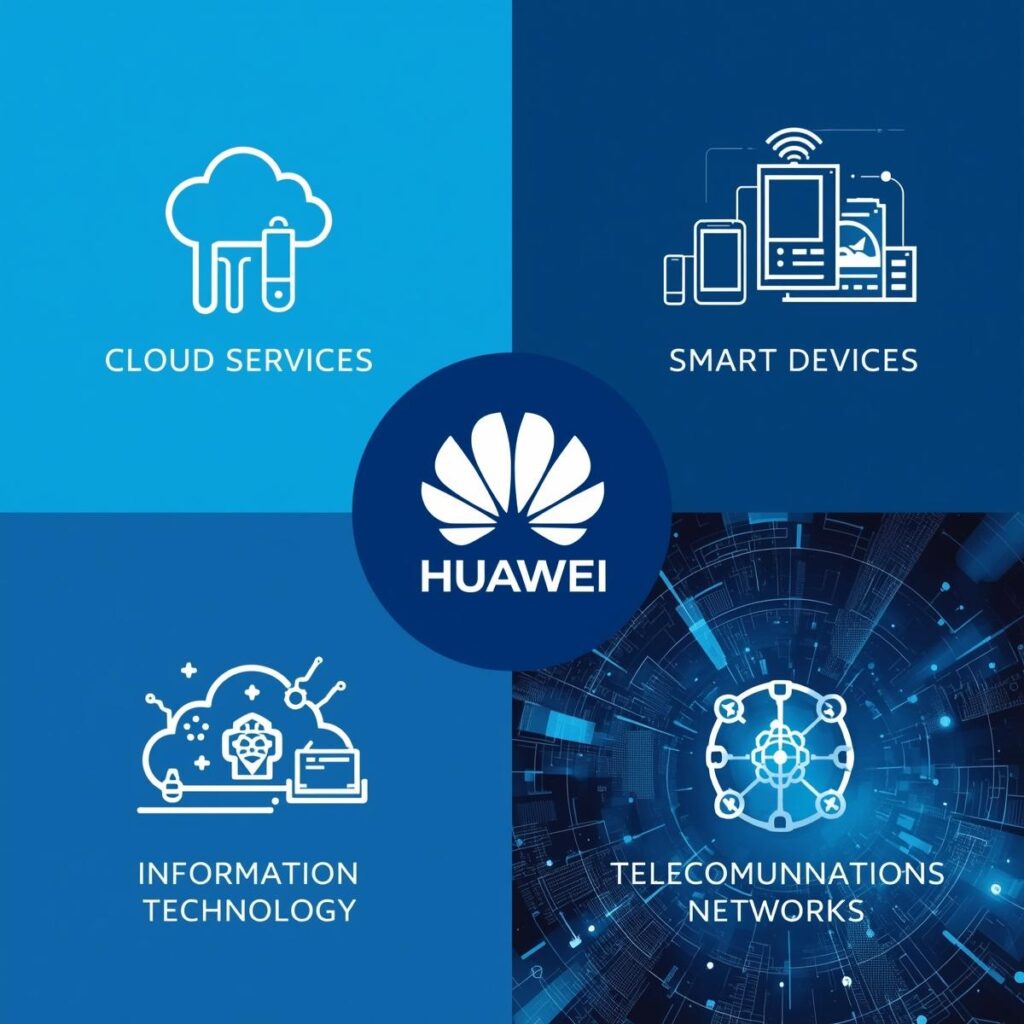
The corporation known as Huawei TechnologiesCo., Ltd. is based in China. These days, Huawei is becoming a highly well-known firm all over the world as a result of the high technological quality of its goods and the innovations it has introduced. The Chinese corporation in question is the most prominent provider of information and communications technology infrastructure as well as intelligent gadgets on a global scale. Huawei achieves this by providing integrated solutions across four essential sectors: cloud services, smart devices, information technology, and telecommunications networks.
Huawei is dedicated to bringing digital technology to every individual, household, and business to create a world that is completely connected and intelligent. The purpose of our proposal is to investigate the international strategies that Huawei has been using to achieve its success. What distinguishes this corporation from its rivals? Could you elucidate why clients or customers choose Huawei over other organizations known for their technological capabilities? And what are some ways in which they might enhance their business to increase the number of customers they serve, as well as to expand their reach into new areas and make their products more competitive?
<A comprehensive study examines how Huawei Technologies made strategic decisions about when and how to enter an established market facing intense competition.</A> In addition to this, the study investigates the significant aspects of their business model, which include the precise pricing strategy, market segmentation, and the moment at which they entered the market.
1. Company profile
Huawei is a privately held firm that has more than 180,000 workers and conducts business in more than 170 countries across the globe. Huawei is a significant global provider of information and communication technology infrastructure as well as smart devices. They offer cloud services, smart devices, infrastructure for telecommunicatitos, and information technology. Their goal is to fulfill their commitment to providing digital technology to every individual, household, and bustoder to create a world that is fully linked and intelligent. They have a vision and objective to bring digital to every person, home, and organization in order to create a world that is fully linked and intelligent, and at the moment, they are concentrating on information and communication technology (ICT) and intelligent gadgets. According to Interbrand International, a renowned worldwide brand consultancy, Huawei experienced a growth of 21% in 201 in the rankings compared to the previous year, and the company’s brand value increased by 14%, which is approximately this year. Huawei moved up several places in the rankings from the previous year, and the company’s brand worth increased by 14%, which is equivalent to an estimated 7.6 billion US dollars.
A number of nations, including Silicon Valley and Dallas in the United States of America, Stockholm in Sweden, Moscow in Russia, Bangalore in India, and Beijing, Shanghai, Nanjing, Shenzhen, Hangzhou, and Guangzhou in China, are home to Huawei’s research and development facilities on a global scale.
2. Background
Huawei Technologies is the foremost global provider of telecommunications technologies and the second-largest privately held firm in China, with a vision “to enrich life through communication.” Huawei has established itself as one of the most active, rapidly expanding, and inventive global technology firms today. Their tactics have enabled the company to attain a status as one of the most significant and esteemed firms globally, behind Apple and Samsung. Moreover, their communication channels and logistics have also contributed to Huawei’s development and facilitated its expansion into new areas.
Huawei is a worldwide telecommunications solutions supplier primarily centered on customer requirements and innovation. With its distinctive comprehensive provision of equipment in telecom networks, global services, and devices, it has garnered a global reputation in wireline, wireless, and IP technologies, serving roughly one-third of the world’s population.
However, nations skeptical of Huawei’s transparency deficiencies voiced security apprehensions that hindered its globalization initiatives. ansion endeavors. However, Huawei’s globalization initiatives were hindered by security apprehensions voiced by nations dubious of its transparency deficiencies. The United States has strongly opposed Huawei’s expansion efforts within its borders. For Huawei to attain the status of a genuinely global enterprise, it was imperative to cultivate its market presence in the United States. This case study will examine Huawei’s expansion. Huawei has developed different entry modes based on the impact of US security concerns on its global development.
3. Entry mode to different markets
Different entry modes have been developed by Huawei, depending on the geographical distance between countries, different markets, and different products. Huawei is constantly thinking about the needs of their customers and what they can do to satisfy those needs and make them possible to obtain , Huawei has established a all people around the world. As a result, Huawei is also competing in terms of price. Among these unique approaches are the following:
In the Russian market, a joint venture. The market selection strategy employed by Huawei focuses on expanding into markets that have a limited telecommunications infrastructure but have significant potential for growth.
Export entry mode in countries such as south America, Asia and Africa, Huawei use the export method as an input mode, due to factors of great influence on both sides, these factors such as geographical distance and local market conditions, within this point is important to highlight that in countries such as Colombia, Huawei just offer smartphones and tablet, they have not exporting laptops and some others products they use to offer, the price also plays an important role within countries like Colombia, Ecuador and some others, because the products are high quality ones and consider as luxury and they are not as expensive as some others brand, so Huawei have gained lot of market within this countries.
There is a different entry mode for North America. Huawei had to face some challenges in order to penetrate this market, so they decided to use the same strategy to get into the American market as the one they use in Western Europe. this method include franchising, co-research, co-production (OEM) and co-sales (helping each other to sell products in each of their own markets). the table below reflects these alliances
Additionally, Huawei utilizes a variety of entrance techniques in a flexible manner for a variety of products, particularly those that do not offer any advantages. For example, in the field of 2G mobile networks, Huawei used to collaborate with established companies. In addition, the company employs the methods of joint ventures, franchising, or co-research for the products that they feel to be advantageous. These products have a technological advantage but do not have any commercial resources. Furthermore, Huawei’s astute strategy of brand collaborations throughout its development has been a crucial contributor to the company’s emergence from a regional player to a worldwide leader.
4. Promotional channels
According to Huawei, its services and products are currently being utilized in close to one hundred and forty nations all over the world. Additionally, the company provides its services to the five leading telecom sector operators in the global market.
76,000 of the company’s 170,000 employees are employed in the research and development department, which is responsible for ensuring that the company’s operations are carried out in an effective manner. China, Canada, the United States of America, Pakistan, Germany, Sweden, Colombia, Turkey, Russia, and other countries are among the countries that Huawei has established 21 research and development institutions in.
From the beginning, Huawei’s distribution channels have consistently been exceedingly efficient. It has a strong belief in the development of joint ventures with local authorities, and as part of this connection, it offers dividends to local authorities in exchange for their use of Huawei goods.
Due to the fact that Huawei believes in building an appropriate route of distribution that comprises distributors, a sales networking team, enterprises, and consumers, the brand Huawei does not currently deal directly with customers. At this point in time, it is of utmost significance for the corporation to produce a certain quantity of products on a specific day at a specific location. Location, market coverage, mobile phones, and the online market are all examples of what “place” refers to. It possesses two channels that are quite important. In the first place, there is a seller’s channel that establishes an office in the target market for the purpose of direct product sales. In the second place, there is a joint venture that is used to construct additional brand channels.
5. R&D Management System
The groundwork for all other advancements at Huawei is provided by their innovative management. To quickly seize fleeting market opportunities, the organization has implemented R&D management methods and fortified the support of its common platforms. A technology sharing system comprising multiple levels such as system design, platform, modules, and components has been built by Huawei with CBB, a hardware and software sharing module.
In addition to streamlining their processes and organizational framework to avoid technology leaks, Huawei advocates for standardized, component-based, and platform-specific management in their R&D. Huawei manages the time-to-market of goods, speeds up their response time to market demands, and organizes development progress at multiple levels using an asynchronous new product development process. Final product delivery is often possible within four days after contract signing. As a major competency, Huawei integrates breakthroughs in numerous sectors, which allows it to achieve the top in its field.
6. Market Share of Huawei
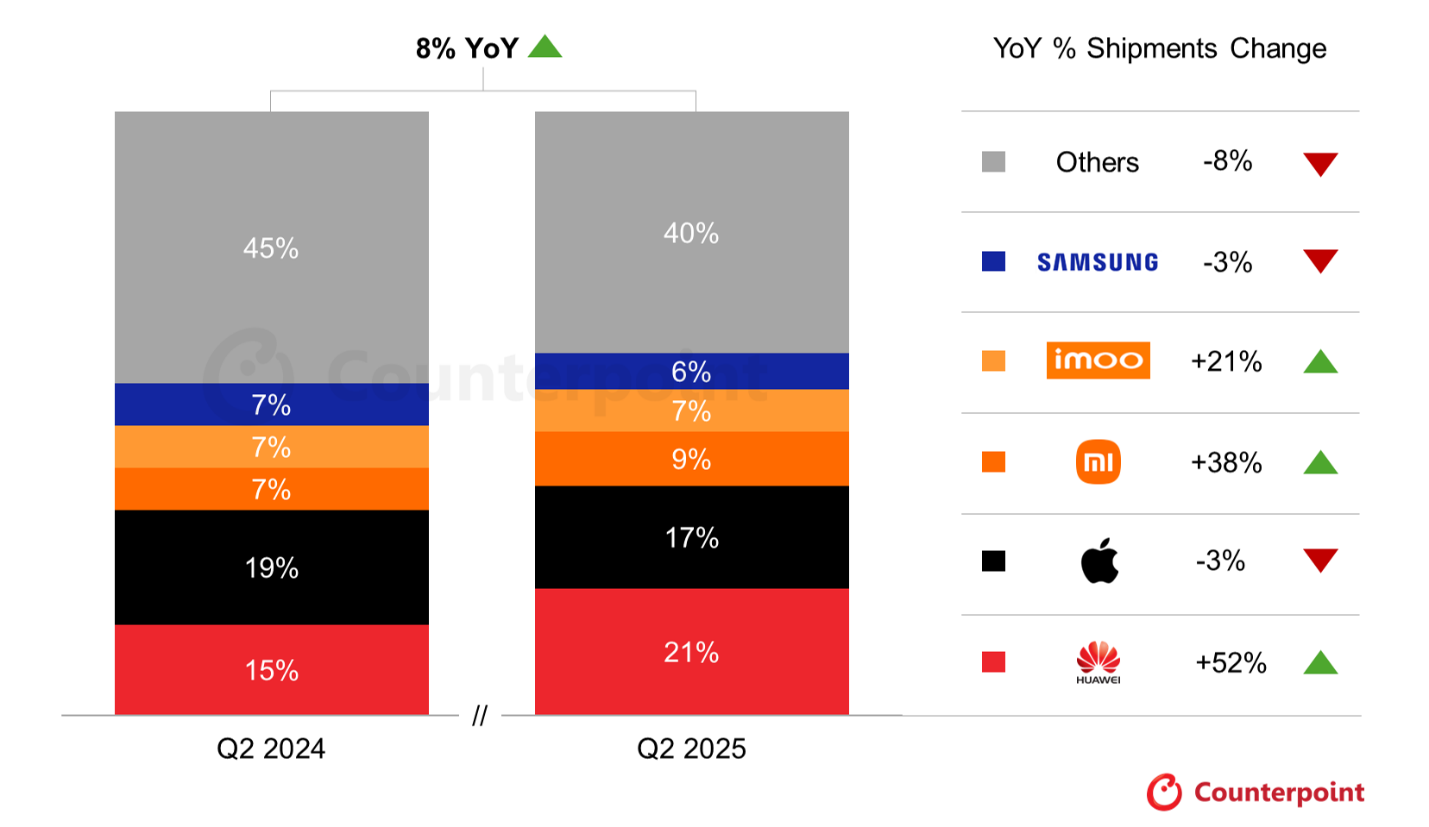
Global Smartwatch Shipments Market Share, Q2 2024 vs Q2 2025
Apple will take the top spot in worldwide shipment leadership for the first time. With more than three-quarters of its shipments centered in China and the bulk of its portfolio priced between $100 and $400, Huawei continues to provide a compelling range of smartwatches that appeal to a wide spectrum of consumers. Beyond that, Huawei has been gradually increasing its presence in other regions such as Europe, the Middle East, and Asia Pacific in order to broaden its worldwide customer base. Its growing smartphone user base in China, combined with its integrated ecosystem strategy, fueled this expansion.”
At the same time, Apple’s worldwide smartwatch shipments fell for the seventh consecutive quarter, resulting in the brand losing its position at the top of the global market. Nevertheless, it maintained its position at the forefront of the advanced smartwatch market, supported by the robustness of its iOS ecosystem and enduring user loyalty.
Xiaomi and Imoo experienced significant growth in their shipments during the quarter, each effectively targeting unique market segments among the top five players. Xiaomi dominated the basic smartwatch market, propelled by its focus on value and extensive geographic presence. Meanwhile, Imoo maintained its stronghold in the kids’ smartwatch market, utilizing its unique features and solid brand reputation among both young users and their parents. Samsung, a significant contender in the global market, experienced a 3% year-over-year decrease in shipments. The recent declines for both Apple and Samsung were largely influenced by consumers delaying purchases in expectation of new-generation devices anticipated to debut in Q3 2025.
7. Huawei Core Values:
Customers Come First: Huawei exists to meet the needs of its customers, whose wants and needs drive our growth. Our buyers always get long-term value from us because we listen to their needs and wants. Because we can only be successful if our customers are successful, we judge our work by how much worth we bring to them.
Dedication: Customers value and trust us because we work hard at what we do. It includes everything we do to make our services better and give our users more value. We appreciate what our employees do and reward them properly.
Always Getting Better: We need to keep getting better so that we can be better partners for our customers, make our business better, and grow as people. To get better, we have to constantly listen and learn during this process.
Be open and take the lead: Because we care about what our customers want, we are always looking for new ways to make things better for them. We think that business success is the best way to judge the worth of any new technology, product, solution, or method.
Being honest: Honesty is the most important thing we have. We are honest and keep our promises because we want to earn the trust and respect of our customers.
Working together: We can only do well if we work together. By working together closely through good and bad times, we set the stage for successful cross-cultural teamwork, streamlined departmental cooperation, and processes that work well.
8. Human resources
Ren Zhengfei is the principal shareholder of Huawei, possessing a 1.4% stake. The remaining 98.6% is owned by Huawei personnel. By the conclusion of 2014, out of 170,000 employees, 80,000 possessed an equity interest in the company, with no external stakeholders present. Interviews with over 100 Huawei executives indicate that the majority endorse the employee shareholding arrangement, fostering a collective ownership mentality of “fighting the fight together.”
9. Finance
Based on the exchange rate at the end of that reporting period, Huawei’s revenue for the first half of 2018 was 325.7 billion yuan, or approximately $49 billion. Based on year-end exchange rates, the Chinese company recorded $92.5 billion in revenue for the entire year of 2017. Strong success in a number of industries, particularly the consumer sector, which has been steadily increasing, has been the main driver of the expansion thus far. By market share, Huawei has surpassed Apple to become the second-largest smartphone manufacturer in the world.
10. Challenges and competition analysis
Despite Huawei’s remarkable success over the past three decades, it faces distinct business obstacles. In the rapidly evolving digital and technology sector, it remains crucial for Huawei to prioritize innovation within its strategy.
Despite maintaining an innovative trajectory, Huawei confronts numerous challenges stemming from intense competition within the industry and the historical failures of comparable enterprises. History demonstrates that monopolistic dominance is ephemeral; structural dynamics in every sector have evolved and will persist in changing, as exemplified by BlackBerry’s decline from its former prominence. The foremost error of successful organizations is complacency. For Huawei, merely advancing research and development is inadequate. Nokia allocated tenfold resources to R&D compared to Apple over an extended duration, erroneously focusing on items that catered to its primary market segment while neglecting the limited consumer interest in prospective touch-screen technology. Likewise, Huawei must consistently endeavor to fulfill and anticipate future consumer demands rather than merely addressing present ones. Moreover, a current benefit of Huawei is its status as a wholly employee-owned private enterprise, which will undoubtedly draw interest from investors seeking to capitalize on its remarkable growth.
A significant challenge Huawei encountered in its transition from a Chinese technological firm to a global entity was its brand image in the United States, where the most formidable obstacle in Huawei’s global strategy was the disparagement campaign orchestrated by the U.S. government. Intelligence officials have advised American companies against engaging in business with Huawei owing to probable Chinese state influence and security apprehensions. Furthermore, this company has been actively seeking an opportunity to expand into North America, which constitutes approximately 20% of global telecommunications expenditure. Since a 2007 article revealed CEO Ren Zhengfei’s military history, Huawei has been designated as a political target. Prior to establishing Huawei in 1987, Ren served as a civil engineering director for the Chinese military. Huawei presently supplies telecommunications equipment to prominent Internet service providers, who then transmit data for nearly all government entities. The U.S. intelligence committee advised that American telecommunications companies refrain from engaging in business with Huawei due to probable Chinese governmental influence and security risks.
In response, Huawei has initiated a strategic outreach to analysts, journalists, and lawmakers to alleviate doubts. Huawei additionally revealed the constituents of its Board of Directors. The aforementioned B2B problems partially elucidate why the smartphone is poised to be pivotal for Huawei’s expansion in America. Huawei cannot concede defeat or entirely relinquish the U.S. market, as it constitutes approximately 20% of worldwide telecommunications expenditure. Although it need not dominate the U.S. market, it must gain acceptance as it expands as a smartphone brand. If Huawei executes this effectively, it may serve as a substantial demonstration of corporate citizenship and secure the brand a position among other prominent Asian technology companies in the United States, including Samsung, Lenovo, and LG. Going forward, Huawei should disclose further financial and corporate information to enhance openness.
Huawei has initiated a deliberate effort to enhance international and diverse experience within its managerial ranks, encompassing both the board and various senior and mid-management positions. This strategy has facilitated the company’s transition towards a brand-oriented global leadership. Additionally, Huawei has begun recruiting prominent Western executives to diversify its senior management team. This plan must be executed comprehensively to ensure that different, global perspectives and experiences are deeply integrated into the organization’s structure. A genuinely international senior management team is crucial for Huawei’s success in outside markets.
11. Conclusion
The conclusion is that a significant portion of Huawei’s success can be attributed to the implementation of an appropriate and well-chosen strategy to penetrate new markets and develop their business around the globe. The strategic decision that the company made, as well as their policies and practices, served to analyze and identify the advantages that the company will have if they use different entry modes to penetrate specific markets with a large portfolio of their products. These factors contributed to the rapid growth of the company, which ultimately resulted in the company becoming one of the most important and recognized brands in the technological sector all over the world.
The partnership that Huawei has formed with the LEICA camera company and the utilization of their technology to enhance the camera capabilities of Huawei’s smartphones to compete with products like the iPhone and Samsung Galaxy are noteworthy aspects that should be highlighted. This partnership has added value to Huawei’s smartphones, which is a result of the company’s desire to innovate at a rapid pace. In order to fine-tune each of those components, make design decisions, and develop the entire photography experience of Huawei phones, Leica and Huawei have a team of engineers who are dedicated to working together.
However, the most important factors that contributed to the company’s success in overcoming these challenges were the constant analysis of the environment and the well-understood and known industry and sector. This caused the company to improve their practices and find a solution to their situation. Despite the fact that the company has presented moments of difficulty and challenges, one of the most relevant ones will be the American case.
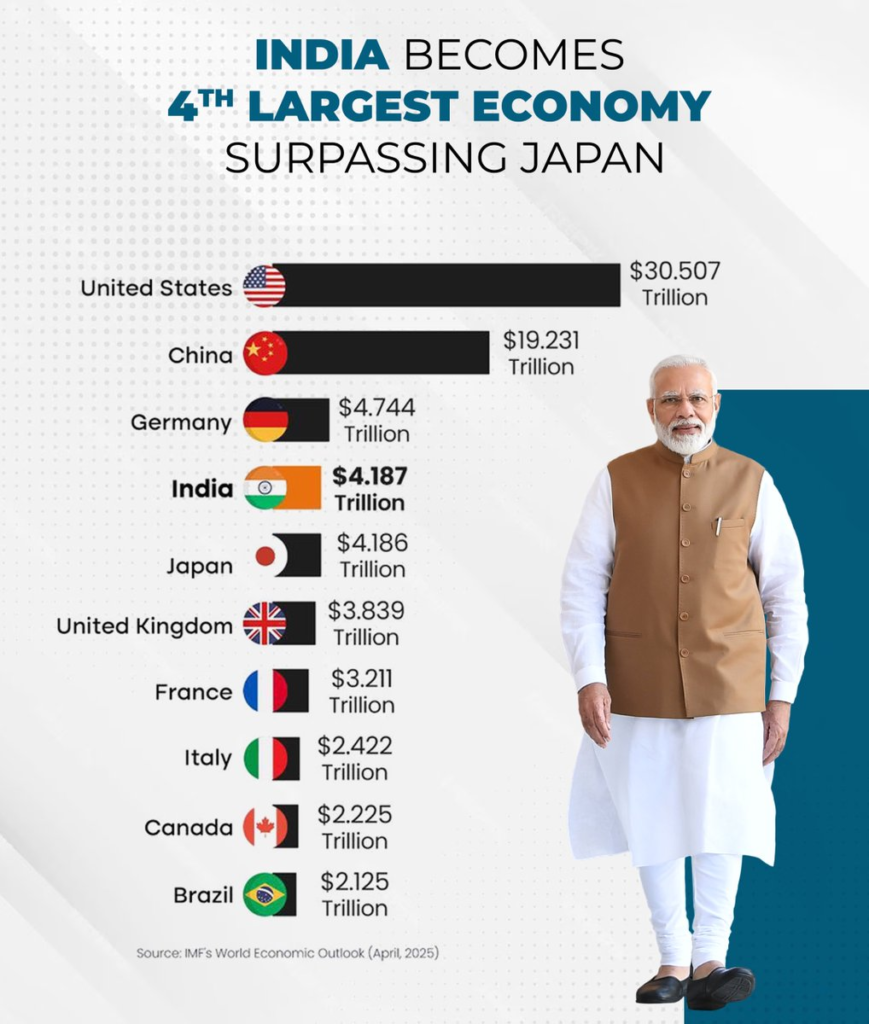
Government data indicates India’s GDP is US$4.18 trillion, with forecasts suggesting it may exceed Germany’s by 2026, notwithstanding global trade obstacles.
India has surpassed Japan to emerge as the fourth-largest economy globally, with a GDP estimated at $4.18 trillion. The increase signifies a decade marked by swift growth, robust domestic demand, and significant reforms, despite ongoing challenges such as low per capita income, pressures for job creation, and uncertainties in global trade that continue to influence India’s economic path.
India is poised to surpass Germany, emerging as the third-largest economy by 2030, supported by robust growth figures.
“India, with a GDP of $4.18 trillion, has eclipsed Japan to emerge as the fourth-largest economy globally and is on track to overtake Germany within the next 2.5 to 3 years, with a projected GDP of $7.3 trillion by 2030,” as stated in the release.
The United States and China represent the foremost economies globally, as determined by their respective gross domestic product (GDP) figures.
New Delhi’s optimistic evaluation persists in the face of economic concerns following Washington’s imposition of substantial tariffs on its acquisitions of Russian oil in August.
India articulated that its sustained growth is indicative of its fortitude in the face of ongoing global trade uncertainties.
What are the driving forces behind India’s growth narrative?
The central government, in its recent announcement, highlighted India’s growth trajectory, noting that the GDP has reached a six-quarter peak during the July-September period of the financial year concluding in 2025-26.
The nation’s development arises from its steadfastness in the face of ongoing global trade ambiguities. The domestic drivers within India, propelled by private consumption, have been pivotal in bolstering the nation’s GDP growth.
The government has also pointed out that inflation staying beneath the lower threshold, a decrease in unemployment, and enhanced export performance are among the key indicators that bolster India’s growth trajectory.
“The financial landscape has remained favorable, characterized by robust credit inflows to the commercial sector, while demand conditions persist with vigor, bolstered by an additional enhancement of urban consumption,” the government stated. The International Monetary Fund’s forecasts for 2026 estimate India’s economy to reach US$4.51 trillion, surpassing Japan’s projected US$4.46 trillion.
The United States holds the position of the world’s largest economy, while China ranks as the second largest.
The upward trajectory of growth has exceeded expectations, with GDP reaching a six-quarter peak in the second quarter of 2025-26, illustrating India’s robustness in the face of ongoing global trade uncertainties, it noted. The expansion was fundamentally supported by domestic drivers, prominently characterized by strong private consumption.
The announcement indicated that global organizations have reflected this optimism and referenced forecasts provided by multiple sources. The World Bank anticipates a growth rate of 6.5% for the year 2026, while Moody’s forecasts that India will continue to be the fastest-growing economy within the G20, projecting growth rates of 6.4% in 2026 and 6.5% in 2027. The International Monetary Fund has elevated its projections to 6.6% for 2025 and 6.2% for 2026, while the Organisation for Economic Cooperation and Development anticipates a growth rate of 6.7% in 2025 and 6.2% in 2026. Furthermore, the S&P forecasts a growth of 6.5% for the current fiscal year and 6.7% for the subsequent year. The Asian Development Bank has revised its 2025 estimate upward to 7.2%, while Fitch has increased its FY26 projection to 7.4%, attributing this adjustment to heightened consumer demand.
“India stands as one of the most rapidly advancing major economies globally and is strategically poised to maintain this trajectory.” The government stated, “With the aspiration of achieving high middle-income status by 2047, the centenary of its independence, the nation is constructing upon robust foundations of economic growth, structural reforms, and social advancement.”
The announcement underscored that inflation persists beneath the lower tolerance threshold, unemployment is on a downward trajectory, and export performance is steadily enhancing. Moreover, the financial landscape has remained favorable, characterized by robust credit inflows to the commercial sector, while demand conditions persist with resilience, bolstered by an additional enhancement in urban consumption.
The upward trajectory of growth has exceeded expectations, with GDP reaching a six-quarter peak in the second quarter of 2025-26, illustrating India’s robustness in the face of ongoing global trade uncertainties, as noted.
The expansion was fundamentally supported by domestic drivers, prominently featuring strong private consumption.
The announcement additionally indicated that global organizations have resonated with this optimism, referencing forecasts articulated by diverse bodies.
The World Bank anticipates a growth rate of 6.5% for the year 2026, while Moody’s forecasts that India will continue to be the fastest-growing economy within the G20, with projected growth rates of 6.4% in 2026 and 6.5% in 2027.
The International Monetary Fund has adjusted its growth projections to 6.6% for the year 2025 and 6.2% for 2026, while the Organisation for Economic Co-operation and Development anticipates a growth rate of 6.7% in 2025 and 6.2% in 2026.
Furthermore, S&P projects a growth rate of 6.5% for the current fiscal year and 6.7% for the subsequent year; the Asian Development Bank has revised its 2025 forecast upward to 7.2%; and Fitch has elevated its FY26 projection to 7.4% in light of heightened consumer demand.