


Introduction

Branding Benefits
Branding establishes a unique identity through logos, names, and values, making products instantly recognizable in competitive markets. It builds emotional connections, encourages loyalty, and justifies premium pricing, as consumers trust familiar brands over generics. Strong branding also simplifies marketing efforts and supports higher customer retention.
Packaging Role
Packaging protects products from damage, extends shelf life, and enhances convenience during storage and transport. Beyond functionality, it promotes brand visibility with eye-catching designs that differentiate items on shelves and create a memorable unboxing experience. Custom packaging tells a brand’s story, boosting awareness among consumers and wholesalers.
Labeling Functions
Labeling provides essential details like ingredients, usage, price, and quality, empowering informed buying decisions and ensuring regulatory compliance. It aids product identification, prevents malpractices, and reinforces branding through clear, bold information. Effective labels build trust by transparently communicating value and features.
Importance in Rural Marketing
1. Branding
- Trust Building: Rural consumers often rely on brand reputation, as personal recommendations and word-of-mouth are strong influences.
- Simplified Choices: Brands help rural buyers identify quality and authenticity in unfamiliar product categories.
- Emotional Connection: Strong brands can create emotional connections, especially when aligned with local values or aspirations.
Example:
Lifebuoy Soap (Hindustan Unilever Limited)
Lifebuoy is a trusted brand in rural India due to consistent branding focused on health and hygiene. Their campaigns, such as “Swastya Chetna,” built trust and brand recall among rural consumers, making Lifebuoy a household name.

2. Packaging
- Affordability and Accessibility: Innovative packaging (like sachets or smaller packs) makes products affordable for rural consumers with limited disposable income.
- Protection: Packaging ensures products withstand harsh storage and transportation conditions in rural areas.
- Convenience: Easy-to-use packaging attracts busy rural consumers.
Example:
Shampoo Sachets (CavinKare, HUL, P&G
The introduction of low-cost shampoo sachets revolutionized rural personal care markets in India. By offering affordable, single-use packs, companies like Chik and Clinic Plus captured a vast rural customer base that couldn’t afford larger bottles.
3. Labeling
- Local Language Communication: Labels in regional languages make products accessible and understandable.
- Information Dissemination: Labels provide necessary usage information, expiry dates, and ingredients, which is crucial where literacy rates may be lower.
- Trust and Authenticity: Proper labeling assures consumers about product genuineness and safety.
Example:
FMCG Products (Parle-G Biscuits, Tata Salt)
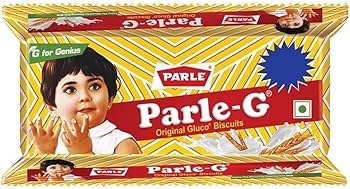
Parle-G uses simple, bold labeling with clear product images and regional language text, making it easy for rural buyers to identify. Tata Salt’s labeling emphasizes purity and health, addressing rural concerns about adulteration.
Case Studies
Case Study 1: Nirma Detergent
- Nirma’s low-cost, brightly colored packaging and simple branding appealed directly to rural Indian homemakers.
- The product’s jingle, mascot, and easy-to-recognize yellow packaging helped build strong recall and trust in villages.
Case Study 2: Colgate Toothpaste
- Colgate invested in education-driven branding, such as oral health camps in rural areas.
- Packaging in smaller tubes and local language labeling increased accessibility, adoption, and trust.
Key Takeaways
- Branding builds trust and recall, which is vital where personal recommendations matter.
- Packaging enables affordability and convenience, making products physically and economically accessible.
- Labeling bridges communication gaps, ensuring information is clear and persuasive.
In summary:
Strong branding, smart packaging, and regional labeling are not just marketing tools—they’re essential strategies for success in rural markets, as seen in the above examples from India and other developing economies.
Importance in Rural Marketing
1. Branding
- Trust and Reliability: Rural consumers often rely heavily on trust and word-of-mouth when choosing products. Strong brands become symbols of reliability.
- Easy Recognition: In areas with lower literacy rates, recognizable logos and colors help consumers pick the right products.
- Aspirational Value: Brands can represent modernity or status, influencing rural buying decisions.
Example: Nirma Detergent
- Nirma’s simple, memorable branding and jingle made it a household name in rural India, appealing to consumers’ trust and aspirations for cleanliness.
2. Packaging
- Affordable Pack Sizes: Small sachets and low-cost packs make products affordable for daily-wage earners and low-income families.
- Protection: Robust packaging ensures products survive rough transportation and storage in rural areas.
- Convenient Use: Easy-to-open and resealable packs suit rural consumers’ needs.
Example: Shampoo Sachets (Chik, Clinic Plus)
- The introduction of shampoo in sachets allowed rural consumers to try and use branded shampoo at a low cost, leading to rapid market expansion.
3. Labeling
- Local Language Instructions: Labels in regional languages make products understandable and accessible to non-English-speaking consumers.
- Essential Information: Clear labeling assures consumers of quality, expiry dates, and authenticity.
- Building Trust: Proper labeling helps fight counterfeiting—a major rural concern.
Example: Parle-G Biscuits
- Parle-G uses distinctive, simple labeling in regional languages, making it instantly recognizable and trusted in rural areas.
Case Studies
Case Study 1: HUL’s Lifebuoy in Rural India
- Branding: Lifebuoy focused on health and hygiene, values highly relevant in rural communities.
- Packaging: Sold soaps in affordable small packs.
- Labeling: Used regional languages, making the product accessible and trusted.

Case Study 2: Tata Salt
- Branding: Marketed as “Desh Ka Namak” (the nation’s salt), building an emotional connection.
- Packaging: Hygienic, moisture-proof packs protected product integrity.
- Labeling: Emphasized purity and iodization in local languages, educating rural consumers.
Summary Table
| Aspect | Importance in Rural Marketing | Example |
| Branding | Builds trust, recognition, aspiration | Nirma, Lifebuoy |
| Packaging | Ensures affordability, protection, convenience | Chik/Clinic Plus Sachets |
| Labeling | Communicates quality, usage, and safety | Parle-G, Tata Salt |
In conclusion:
Branding, packaging, and labeling are not just marketing tools; they are vital for building trust, ensuring accessibility, and driving product acceptance in rural markets. Successful companies tailor these elements specifically for rural consumers, as seen in the above examples.
About the Author