Atish Singh

Introduction

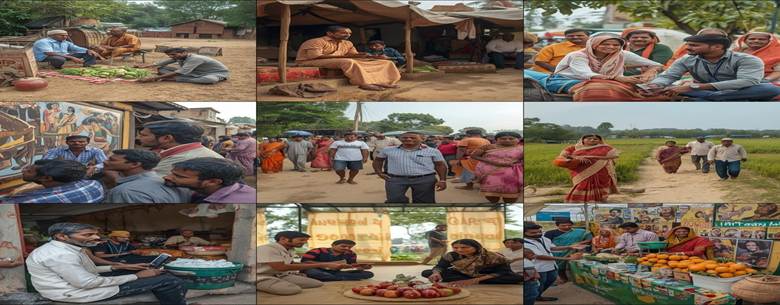
Rural marketing in India offers particular difficulties and opportunities due to the distinct characteristics of rural consumers, such as lower purchasing power, diverse cultural backgrounds, and limited access to mainstream media. As a result, companies must adopt specialized pricing and promotional strategies to effectively reach and engage this vast market segment.

Pricing strategies for rural marketing focus on making products affordable and accessible. This often involves introducing smaller pack sizes, value-based pricing, flexible credit options, and installment payment schemes tailored to the financial realities of rural households.

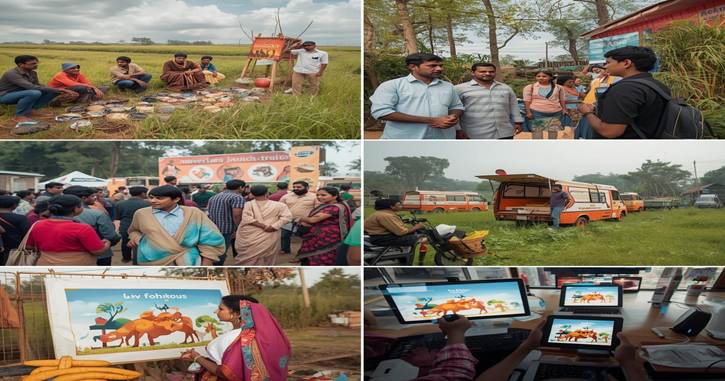
Promotional strategies in rural areas leverage local culture, traditions, and communication channels. Companies employ methods like participation in village fairs, wall paintings, folk media, mobile vans, and collaborations with local influencers to build trust and create product awareness.

Together, these strategies are essential for building brand presence, driving adoption, and achieving long-term success in rural markets. HereтАЩs a detailed yet concise explanation of pricing strategies and promotional strategies for rural marketing in India, with examples and case studies:

A. Pricing Strategies for Rural Marketing

1. Affordable/Low-Unit Pricing

  • Strategy:┬аOffer products in small, low-priced packs to match rural consumersтАЩ purchasing power.
  • Example:┬аFMCG companies like Hindustan Unilever (HUL) sell shampoos and detergents in sachets priced as low as тВ╣1-тВ╣2.
  • Case Study:
    Clinic Plus┬аShampoo sachets by HUL became a rural staple, making shampoo affordable and accessible, driving massive volume sales.

2. Value-based Pricing

  • Strategy:┬аPrice products according to perceived value, often focusing on utility and durability in rural contexts.
  • Example:┬аGodrejтАЩs тАЬChotuKoolтАЭ refrigerator was priced much lower than conventional fridges, targeting rural households needing affordable cooling solutions.

3. Flexible Credit and Installment Payments

  • Strategy:┬аEnable rural customers to buy on credit or via easy installments.
  • Example:┬аMahindraтАЩs тАЬMahindra FinanceтАЭ offers tractors and vehicles to farmers with flexible payment plans, boosting adoption.

B. Promotional Strategies for Rural Marketing

1. Local Festivals and Melas

  • Strategy:┬аUse rural gatherings, fairs, and festivals as platforms for product promotion and demonstration.
  • Case Study:
    Coca-Cola┬аorganized тАЬCoke MelasтАЭ in Uttar Pradesh, where villagers could sample drinks, engage in games, and win prizes, increasing brand awareness and sales.

2. Use of Rural Influencers and Opinion Leaders

  • Strategy:┬аPartner with schoolteachers, panchayat leaders, and local shopkeepers to build trust and endorse products.
  • Example:┬аColgate┬аpartnered with village school teachers for oral health education programs, increasing toothpaste adoption.

3. Mobile Vans and Door-to-Door Campaigns

  • Strategy:┬аDeploy mobile vans for live demonstrations and direct selling in villages.
  • Case Study:
    ITC e-Choupal┬аused mobile vans to educate farmers on agri-products and buy-back schemes, boosting both product knowledge and sales.

4. Wall Paintings and Local Media

  • Strategy:┬аUse wall paintings, local cable ads, and folk media due to low print literacy and limited digital penetration.
  • Example:┬аLifebuoy┬аsoap uses wall paintings and street plays (тАЬnukkad natakтАЭ) to demonstrate handwashing.

Summary Table

Strategy TypeExample/Case StudyDescription/Impact
Low-unit pricingHULтАЩs Clinic Plus sachetsAffordable, increases penetration
Value pricingGodrej ChotuKoolMeets rural affordability and need
InstallmentsMahindra FinanceMakes durable goods accessible
Local eventsCoca-Cola Coke MelasDrives sampling and engagement
Opinion leadersColgate in schoolsBuilds trust through influencers
Direct campaignsITC e-Choupal vansEducation and sales through demonstrations
Folk mediaLifebuoy wall paintingsEffective awareness in low-literacy areas

In summary:
Rural marketing in India requires tailored pricing and promotional strategies that fit local needs, purchasing power, and communication channels. Successful brands use creative, affordable, and trust-based approaches to reach and win rural consumers.

рд╡рд╕рдИ-рд╡рд┐рд░рд╛рд░ рд╕рдлрд╛рдИ рдХрд░реНрдордЪрд╛рд░реА рд╣рдбрд╝рддрд╛рд▓ рдХреНрдпреЛрдВрдХрд┐ рдЙрдиреНрд╣реЗрдВ рдЕрднреА рддрдХ рднреБрдЧрддрд╛рди рдирд╣реАрдВ рдХрд┐рдпрд╛ рдЧрдпрд╛ рд╣реИ, рдФрд░ рдареЗрдХреЗрджрд╛рд░реЛрдВ рдореЗрдВ рдмрджрд▓рд╛рд╡ рд╕реЗ рд╢рд╣рд░ рдХреА рд╕рдлрд╛рдИ рд╕реЗрд╡рд╛рдПрдВ рдмрдВрдж рд╣реЛ рдЬрд╛рддреА рд╣реИрдВред рдХрдЪрд░рд╛ рдордЬрджреВрд░ рдордВрдЧрд▓рд╡рд╛рд░ рдХреЛ рд╣рдбрд╝рддрд╛рд▓ рдкрд░ рдЪрд▓реЗ рдЧрдП, рдЬрд┐рд╕рд╕реЗ рд╣рд░ рджрд┐рди рдЪреАрдЬреЛрдВ рдХреЛ рд╕рд╛рдл рд░рдЦрдирд╛ рдореБрд╢реНрдХрд┐рд▓ рд╣реЛ рдЧрдпрд╛ рд╣реИред рд╢рд╣рд░ рдХреЗ рдХрдИ рдЗрд▓рд╛рдХреЛрдВ рдореЗрдВ рдХреВрдбрд╝реЗ рдХреЗ рдвреЗрд░ рд▓рдЧреЗ рд╣реБрдП рд╣реИрдВред

рд╡рд╕рдИ: рд╡рд╕рдИ рдореЗрдВ 400 рд╕реЗ 500 рд╡реА. рд╡реА. рд╕реА. рдПрдо. рд╕реА. рд╕рдлрд╛рдИ рдХрд░реНрдордЪрд╛рд░рд┐рдпреЛрдВ рджреНрд╡рд╛рд░рд╛ рдкреА. рдПрдл., рдЧреНрд░реЗрдЪреНрдпреБрдЯреА рдФрд░ рдЙрдЪрд┐рдд рд╡реЗрддрди рдХреЗ рд▓рд┐рдП рд╣рдбрд╝рддрд╛рд▓ рдХреА рдЧрдИ рдХреНрдпреЛрдВрдХрд┐ рдЙрдиреНрд╣реЗрдВ рдПрдХ рдирдП рд╢реНрд░рдорд┐рдХ рдареЗрдХреЗрджрд╛рд░ рдХреА рдЖрджрдд рд╣реЛ рдЧрдИ рдереАред рд╕рдлрд╛рдИ рд╕реЗрд╡рд╛рдУрдВ рдореЗрдВ рдмрд╛рдзрд╛ рдЖрдИ рд╣реИ рдХреНрдпреЛрдВрдХрд┐ рд╢реНрд░рдорд┐рдХ рдорд╛рдВрдЧ рдХрд░ рд░рд╣реЗ рд╣реИрдВ рдХрд┐ рдХрд╛рдо рдкрд░ рд╡рд╛рдкрд╕ рдЬрд╛рдиреЗ рд╕реЗ рдкрд╣рд▓реЗ рдЙрдирдХреЗ рдЕрдзрд┐рдХрд╛рд░реЛрдВ рдХрд╛ рд╕рдореНрдорд╛рди рдХрд┐рдпрд╛ рдЬрд╛рдПред

рд╡рд╕рдИ-рд╡рд┐рд░рд╛рд░ рдирдЧрд░ рдирд┐рдЧрдо (рд╡реА. рд╡реА. рд╕реА. рдПрдо. рд╕реА.) рдХреЗ рдХрдИ рд╕рдлрд╛рдИ рдХрд░реНрдордЪрд╛рд░рд┐рдпреЛрдВ рдиреЗ рдЕрдкрдиреЗ рд▓рдВрдмреЗ рд╕рдордп рд╕реЗ рдЪрд▓реЗ рдЖ рд░рд╣реЗ рдЕрдиреБрд░реЛрдзреЛрдВ рдХреЛ рдкреВрд░рд╛ рдирд╣реАрдВ рдХрд░рдиреЗ рдХреЗ рд╡рд┐рд░реЛрдз рдореЗрдВ рдордВрдЧрд▓рд╡рд╛рд░ рдХреЛ рд╡рд╕рдИ рдореЗрдВ рд╣рдбрд╝рддрд╛рд▓ рдХреАред рд╡рд┐рд░реЛрдз рдкреНрд░рджрд░реНрд╢рди рдореЗрдВ рдЪрд╛рд░ рд╕реМ рд╕реЗ рдкрд╛рдБрдЪ рд╕реМ рд╕рдлрд╛рдИ рдХрд░реНрдордЪрд╛рд░реА рд╢рд╛рдорд┐рд▓ рдереЗ, рдЬрд┐рдиреНрд╣реЛрдВрдиреЗ рдХреБрдЫ рд╕реНрдерд╛рдиреЛрдВ рдкрд░ рд╕рдлрд╛рдИ рдмрдВрдж рдХрд░ рджреАред

рд╡рд╕рдИ рд╡рд┐рд░рд╛рд░ рдирдЧрд░ рдирд┐рдЧрдо (рд╡реА. рд╡реА. рдПрдо. рд╕реА.) рдХреЗ рд╕рдлрд╛рдИ рдХрд░реНрдордЪрд╛рд░реА рдЬреЛ рдЪрд╛рд╣рддреЗ рд╣реИрдВ рдЙрд╕реЗ рдкрд╛рдиреЗ рдХреЗ рд▓рд┐рдП рдордВрдЧрд▓рд╡рд╛рд░ рдХреЛ рд╡рд╕рдИ рдореЗрдВ рд╣рдбрд╝рддрд╛рд▓ рдкрд░ рдЪрд▓реЗ рдЧрдПред рддреАрди рд╕реМ рд╕реЗ рдкрд╛рдБрдЪ рд╕реМ рд╕рдлрд╛рдИрдХрд░реНрдорд┐рдпреЛрдВ рдиреЗ рднрд╛рдЧ рд▓рд┐рдпрд╛ рд╣реИред рдХрдВрдкрдиреА рджреНрд╡рд╛рд░рд╛ рдкреБрд░рд╛рдиреЗ рдХреЗ рд╕реНрдерд╛рди рдкрд░ рдПрдХ рдирдпрд╛ рд╕реМрджрд╛ рдХрд┐рдпрд╛ рдЧрдпрд╛ рд╣реИред рд▓реЗрдХрд┐рди рдЙрдиреНрд╣реЛрдВрдиреЗ рдХрд╣рд╛ рдХрд┐ рд▓рдВрдмреЗ рд╕рдордп рд╕реЗ рд╡рд╣рд╛рдВ рдХрд╛рдо рдХрд░ рд░рд╣реЗ рд╢реНрд░рдорд┐рдХреЛрдВ рдХреА рдЬрд░реВрд░рддреЛрдВ рдХреЛ рдкреВрд░рд╛ рдХрд┐рдпрд╛ рдЬрд╛рдирд╛ рдЪрд╛рд╣рд┐рдПред

рдкрд┐рдЫрд▓реЗ рдХреБрдЫ рд╡рд░реНрд╖реЛрдВ рд╕реЗ рд╡рд╕рдИ рд╡рд┐рд░рд╛рд░ рдирдЧрд░ рдирд┐рдЧрдо рдиреЗ рдЕрдиреБрдмрдВрдз рдХреЗ рдЖрдзрд╛рд░ рдкрд░ рд╕рдлрд╛рдИ рдХрд╛ рдХрд╛рдо рдХрд░рдиреЗ рдХреЗ рд▓рд┐рдП рд╣рдЬрд╛рд░реЛрдВ рд▓реЛрдЧреЛрдВ рдХреЛ рдХрд╛рдо рдкрд░ рд░рдЦрд╛ рд╣реИред рд╡реЗ рд╕рдбрд╝рдХреЛрдВ рдкрд░ рдЭрд╛рдбрд╝реВ рд▓рдЧрд╛ рд░рд╣реЗ рд╣реИрдВ, рд╣рд░ рджрд┐рди рдХрдЪрд░рд╛ рдЙрдард╛ рд░рд╣реЗ рд╣реИрдВ рдФрд░ рдлреЗрдВрдХ рд░рд╣реЗ рд╣реИрдВ, рджрд╡рд╛рдУрдВ рдХрд╛ рдЫрд┐рдбрд╝рдХрд╛рд╡ рдХрд░ рд░рд╣реЗ рд╣реИрдВ рдФрд░ рдЧрдбреНрдвреЛрдВ рдХреА рд╕рдлрд╛рдИ рдХрд░ рд░рд╣реЗ рд╣реИрдВред рд▓реЗрдХрд┐рди рдЗрди рд╢реНрд░рдорд┐рдХреЛрдВ рдХреЛ рдореБрд╢реНрдХрд┐рд▓реЛрдВ рдХрд╛ рд╕рд╛рдордирд╛ рдХрд░рдирд╛ рдкрдбрд╝ рд░рд╣рд╛ рд╣реИ рдХреНрдпреЛрдВрдХрд┐ рдирдЧрд░рдкрд╛рд▓рд┐рдХрд╛ рдЙрдиреНрд╣реЗрдВ рд╕рд╣реА рдЙрдкрдХрд░рдг рдкреНрд░рджрд╛рди рдирд╣реАрдВ рдХрд░рддреА рд╣реИред рдХрдИ рдмрд╛рд░ рдЕрдзрд┐рдХрд╛рд░рд┐рдпреЛрдВ рд╕реЗ рд╢рд┐рдХрд╛рдпрдд рдХрд░рдиреЗ рдХреЗ рдмрд╛рд╡рдЬреВрдж рдХреЛрдИ рдХрд╛рд░реНрд░рд╡рд╛рдИ рдирд╣реАрдВ рдХреА рдЬрд╛ рд░рд╣реА рд╣реИред

рдХрдВрдкрдиреА рдиреЗ рдЕрдм 20 рдЬрдирд╡рд░реА рдХреЛ рдХрд╛рдо рдкрд░ рд░рдЦреЗ рдЧрдП рдкрд┐рдЫрд▓реЗ рдареЗрдХреЗрджрд╛рд░ рдХрд╛ рдЕрдиреБрдмрдВрдз рд╕рдорд╛рдкреНрдд рдХрд░ рджрд┐рдпрд╛ рд╣реИред 2025-26 рд╕реЗ 2030-31 рддрдХ рдкрд╛рдВрдЪ рд╡рд░реНрд╖реЛрдВ рдХреЗ рд▓рд┐рдП рдПрдХ рдирдпрд╛ рдареЗрдХреЗрджрд╛рд░ рдирд┐рдпреБрдХреНрдд рдХрд┐рдпрд╛ рдЧрдпрд╛ рд╣реИред рдЗрд╕ рд╡рдЬрд╣ рд╕реЗ рдирдЧрд░ рдирд┐рдЧрдо рдиреЗ рдкрд╣рд▓реЗ рдХреЗ рдареЗрдХреЗрджрд╛рд░реЛрдВ рдХреЛ рдЕрдкрдирд╛ рдХрд╛рдо рдмрдВрдж рдХрд░рдиреЗ рдХреЗ рд▓рд┐рдП рдХрд╣рд╛ред

рд╣рд╛рд▓рд╛рдВрдХрд┐, рдЗрд╕ рдЖрджреЗрд╢ рдХреЗ рдмрд╛рдж рд╕реЗ, рд╣рд░ рджрд┐рди рд╢рд╣рд░ рдХреА рд╕рдлрд╛рдИ рдХрд░рдиреЗ рд╡рд╛рд▓реЗ рд▓реЛрдЧреЛрдВ рдиреЗ рд╣рд┐рдВрд╕рдХ рдЖрдВрджреЛрд▓рди рд╢реБрд░реВ рдХрд░ рджрд┐рдпрд╛ рд╣реИред рдордЬрджреВрд░ рдордВрдЧрд▓рд╡рд╛рд░ рдХреЛ рд╡рд╕рдИ рдкрд╢реНрдЪрд┐рдо рдХреЗ рд╕рд╛рдИрдирд╛рде рдирдЧрд░ рдЗрд▓рд╛рдХреЗ рдореЗрдВ рд╡рд┐рд░реЛрдз рдХрд░рдиреЗ рдХреЗ рд▓рд┐рдП рдЗрдХрдЯреНрдард╛ рд╣реБрдПред рд╣рдордиреЗ рд▓рдВрдмреЗ рд╕рдордп рддрдХ рд╕рд╛рде рдХрд╛рдо рдХрд┐рдпрд╛ рд╣реИред рд▓реЛрдЧреЛрдВ рдХрд╛ рдХрд╣рдирд╛ рд╣реИ рдХрд┐ рдирдЧрд░рдкрд╛рд▓рд┐рдХрд╛ рдиреЗ рдЕрдиреБрдмрдВрдз рдмрджрд▓рдХрд░ рд╕рдлрд╛рдИ рдХрд░реНрдордЪрд╛рд░рд┐рдпреЛрдВ рдХреЗ рд╕рд╛рде рдЕрдиреНрдпрд╛рдп рдХрд░рдиреЗ рдХреА рдХреЛрд╢рд┐рд╢ рдХреА, рдХреНрдпреЛрдВрдХрд┐ рд╣рдореЗрдВ рдЕрднреА рддрдХ рднрд╡рд┐рд╖реНрдп рдирд┐рдзрд┐ рдпрд╛ рдЧреНрд░реЗрдЪреНрдпреБрдЯреА рдЬреИрд╕реЗ рдХреЛрдИ рдЕрдиреНрдп рд▓рд╛рдн рдирд╣реАрдВ рдорд┐рд▓реЗ рд╣реИрдВред рд╣рдореЗрдВ рдирдП рдареЗрдХреЗрджрд╛рд░ рд╕реЗ рдХреЛрдИ рд╕рдорд╕реНрдпрд╛ рдирд╣реАрдВ рд╣реИ, рд▓реЗрдХрд┐рди рд╣рдорд╛рд░реЗ рд╢реНрд░рдорд┐рдХреЛрдВ рдХреЛ рдЬреЛ рд▓рд╛рдн рдорд┐рд▓ рд░рд╣рд╛ рд╣реИ, рд╡рд╣ рд╣рдореЗрдВ рдХрдм рдорд┐рд▓реЗрдЧрд╛? рдЯреЙрдпрд▓реЗрдЯ рдХреНрд▓реАрдирд░ рдЧреАрддреЗрд╢ рдШрд░рдд рдиреЗ рдкреВрдЫрд╛ред

рд╣рдбрд╝рддрд╛рд▓ рдХреЗ рд▓рд┐рдП рддреИрдпрд╛рд░

рд╡рд┐рд░реЛрдз рд╢реБрд░реВ рд╣реБрдЖ рдХреНрдпреЛрдВрдХрд┐ рдирдЧрд░ рдирд┐рдЧрдо рдиреЗ рдкреБрд░рд╛рдиреА рдХреЗ рдмрдЬрд╛рдп рдПрдХ рдирдИ рд╢реНрд░рдо рдПрдЬреЗрдВрд╕реА рдХреЛ рдХрд╛рдо рдкрд░ рд░рдЦрдиреЗ рдХрд╛ рд╡рд┐рдХрд▓реНрдк рдЪреБрдирд╛ред рдареЗрдХреЗрджрд╛рд░реЛрдВ рдореЗрдВ рдмрджрд▓рд╛рд╡ рдЖрдпрд╛ рд╣реИ, рд▓реЗрдХрд┐рди рд╢реНрд░рдорд┐рдХреЛрдВ, рдЬрд┐рдирдореЗрдВ рд╕реЗ рдХрдИ рд╡рд░реНрд╖реЛрдВ рд╕реЗ рд╢рд╣рд░ рдХреЗ рд╕рд╛рде рд╣реИрдВ, рдХрд╛ рддрд░реНрдХ рд╣реИ рдХрд┐ рдкрд╣рд▓реЗ рдЙрдирдХреЗ рдЕрдзрд┐рдХрд╛рд░реЛрдВ рдФрд░ рд▓рд╛рднреЛрдВ рдХреА рд░рдХреНрд╖рд╛ рдХреА рдЬрд╛рдиреА рдЪрд╛рд╣рд┐рдПред

рд╡реА. рд╡реА. рд╕реА. рдПрдо. рд╕реА. рд╣рдЬрд╛рд░реЛрдВ рдЕрд╕реНрдерд╛рдпреА рд╕рдлрд╛рдИ рдХрд░реНрдордЪрд╛рд░рд┐рдпреЛрдВ рдХреЛ рд╕рдбрд╝рдХреЛрдВ рдХреА рд╕рдлрд╛рдИ рдФрд░ рд╣рд░ рджрд┐рди рдХрдЪрд░рд╛ рдЙрдард╛рдиреЗ рдЬреИрд╕реЗ рдорд╣рддреНрд╡рдкреВрд░реНрдг рдХрд╛рдо рдХрд░рдиреЗ рдХреЗ рд▓рд┐рдП рдХрд╛рдо рдкрд░ рд░рдЦрддрд╛ рд╣реИред рдХрдЪрд░реЗ рдХреЛ рдЙрди рдЬрдЧрд╣реЛрдВ рдкрд░ рд▓реЗ рдЬрд╛рдирд╛ рдЬрд╣рд╛рдБ рдЗрд╕реЗ рдлреЗрдВрдХрд╛ рдЬрд╛ рд╕рдХрддрд╛ рд╣реИред

рдХреАрдЯрдирд╛рд╢рдХреЛрдВ рдХреЛ рд▓рдЧрд╛рдирд╛ рдФрд░ рдирд╛рд▓рд┐рдпреЛрдВ рдХреА рд╕рдлрд╛рдИ рдХрд░рдирд╛

рднрд▓реЗ рд╣реА рд╡реЗ рдпреЗ рдорд╣рддреНрд╡рдкреВрд░реНрдг рдХрд╛рдо рдХрд░ рд░рд╣реЗ рд╣реИрдВ, рд╢реНрд░рдорд┐рдХреЛрдВ рдХрд╛ рдХрд╣рдирд╛ рд╣реИ рдХрд┐ рдЙрдирдХреЗ рдкрд╛рд╕ рдмреБрдирд┐рдпрд╛рджреА рдЙрдкрдХрд░рдг рдирд╣реАрдВ рд╣реИрдВ рдФрд░ рдЙрдиреНрд╣реЗрдВ рд▓рдВрдмреЗ рд╕рдордп рд╕реЗ рд╕рдорд╕реНрдпрд╛рдПрдВ рд╣реЛ рд░рд╣реА рд╣реИрдВред рдЙрдирдХрд╛ рдХрд╣рдирд╛ рд╣реИ рдХрд┐ рдирд┐рдЧрдо рдиреЗ рдмрд╛рд░-рдмрд╛рд░ рдЙрдирдХреА рд╢рд┐рдХрд╛рдпрддреЛрдВ рдХреЛ рдирдЬрд░рдЕрдВрджрд╛рдЬ рдХрд┐рдпрд╛ рд╣реИред

рдирдП рдЕрдиреБрдмрдВрдзреЛрдВ рдХреЛ рд▓реЗрдХрд░ рд▓рдбрд╝рд╛рдИ рд╣реБрдИред

20 рдЬрдирд╡рд░реА рд╕реЗ, рдкреВрд░реНрд╡ рдареЗрдХреЗрджрд╛рд░ рдХрд╛ рдХрд╛рд░реНрдпрдХрд╛рд▓ рд╕рдорд╛рдкреНрдд рд╣реЛ рдЧрдпрд╛, рдФрд░ рдПрдХ рдирдП рдХреЛ 2025-26 рд╕реЗ 2030-31 рддрдХ рдкрд╛рдВрдЪ рд╕рд╛рд▓ рдХреЗ рд▓рд┐рдП рдХрд╛рдо рдкрд░ рд░рдЦрд╛ рдЧрдпрд╛ред рдирддреАрдЬрддрди, рдирд┐рдЧрдо рдиреЗ рдкреВрд░реНрд╡ рдХрд░реНрдордЪрд╛рд░рд┐рдпреЛрдВ рдХреЛ рдкрд╣рд▓реЗ рдХреА рддрд░рд╣ рдХрд╛рдо рдХрд░рдирд╛ рдмрдВрдж рдХрд░рдиреЗ рдХреЗ рд▓рд┐рдП рдХрд╣рд╛ред

рдордЬрджреВрд░ рдЗрд╕ рдЖрджреЗрд╢ рд╕реЗ рдирд╛рд░рд╛рдЬ рдереЗ, рдФрд░ рдордВрдЧрд▓рд╡рд╛рд░ рдХреЛ рд╡реЗ рд╡рд╕рдИ рдкрд╢реНрдЪрд┐рдо рдХреЗ рд╕рд╛рдИрдирд╛рде рдирдЧрд░ рдЗрд▓рд╛рдХреЗ рдореЗрдВ рдорд┐рд▓реЗ рдФрд░ рдХрд╣рд╛ рдХрд┐ рд╡реЗ рдХреНрдпрд╛ рд╕реЛрдЪрддреЗ рд╣реИрдВред рд╢реНрд░рдорд┐рдХ рд╕реНрдкрд╖реНрдЯ рдХрд░рддреЗ рд╣реИрдВ рдХрд┐ рд╡реЗ рдирдП рдареЗрдХреЗрджрд╛рд░ рдХреЗ рдЦрд┐рд▓рд╛рдл рдирд╣реАрдВ рд╣реИрдВ, рдмрд▓реНрдХрд┐ рдЗрд╕ рд╡рд┐рдЪрд╛рд░ рдХреЗ рдЦрд┐рд▓рд╛рдл рд╣реИрдВ рдХрд┐ рд╡реЗ рд╕рдордп рдХреЗ рд╕рд╛рде рдЕрд░реНрдЬрд┐рдд рднрддреНрддреЛрдВ рдХреЛ рдЦреЛ рд╕рдХрддреЗ рд╣реИрдВред

рдХрд░реНрдордЪрд╛рд░рд┐рдпреЛрдВ рдХрд╛ рдмрдпрд╛рди

рд╡рд┐рд░реЛрдз рдкреНрд░рджрд░реНрд╢рди рдХреЗ рджреМрд░рд╛рди рд╕рдлрд╛рдИ рдХрд░реНрдордЪрд╛рд░реА рдЧреАрддреЗрд╢ рдШрд░рдд рдиреЗ рд╢реНрд░рдорд┐рдХреЛрдВ рдХреА рднрд▓рд╛рдИ рдХреЗ рдмрд╛рд░реЗ рдореЗрдВ рдХрдИ рдорд╣рддреНрд╡рдкреВрд░реНрдг рд╕рд╡рд╛рд▓ рдкреВрдЫреЗред рд╢реНрд░рдорд┐рдХ рдорд╛рдВрдЧ рдХрд░ рд░рд╣реЗ рд╣реИрдВ рдХрд┐ рдЙрдирдХреЗ рднрд╡рд┐рд╖реНрдп рдирд┐рдзрд┐ (рдкреАрдПрдл) рдФрд░ рдЧреНрд░реЗрдЪреНрдпреБрдЯреА рдХрд╛ рднреБрдЧрддрд╛рди рддреБрд░рдВрдд рдХрд┐рдпрд╛ рдЬрд╛рдП, рдХреНрдпреЛрдВрдХрд┐ рд╡реЗ рдХрд╣рддреЗ рд╣реИрдВ рдХрд┐ рдЙрдиреНрд╣реЗрдВ рд╡рд░реНрд╖реЛрдВ рд╕реЗ рднреБрдЧрддрд╛рди рдирд╣реАрдВ рдХрд┐рдпрд╛ рдЧрдпрд╛ рд╣реИред рдореБрдЦреНрдп рдорд╛рдВрдЧреЛрдВ рдореЗрдВ рд╕реЗ рдПрдХ “рд╕рдорд╛рди рдХрд╛рдо рдХреЗ рд▓рд┐рдП рд╕рдорд╛рди рд╡реЗрддрди” рд╣реИред рдХреБрдЫ рд▓реЛрдЧ рдЙрди рдкреВрд░реНрд╡ рд╢реНрд░рдорд┐рдХреЛрдВ рдХреЗ рдмрд╛рд░реЗ рдореЗрдВ рдЪрд┐рдВрддрд┐рдд рдереЗ рдЬреЛ рд╕реЗрд╡рд╛рдирд┐рд╡реГрддреНрдд рд╣реЛ рдЧрдП рдереЗ рдпрд╛ рдЕрдкрдиреА рдмрдХрд╛рдпрд╛ рд░рд╛рд╢рд┐ рдкреНрд░рд╛рдкреНрдд рдХрд┐рдП рдмрд┐рдирд╛ рд╣реА рдЙрдирдХреА рдореГрддреНрдпреБ рд╣реЛ рдЧрдИ рдереАред

рд╡рд┐рд░реЛрдз рдХрд░ рд░рд╣реЗ рд╢реНрд░рдорд┐рдХреЛрдВ рдиреЗ рдХрд╣рд╛, “рдирд┐рдЧрдо рдХреЛ рдирдП рдЕрдиреБрдмрдВрдз рдХреЛ рдЕрдВрддрд┐рдо рд░реВрдк рджреЗрдиреЗ рд╕реЗ рдкрд╣рд▓реЗ рд╢реНрд░рдорд┐рдХреЛрдВ рдХреЛ рд╡рд┐рд╢реНрд╡рд╛рд╕ рдореЗрдВ рд▓реЗрдирд╛ рдЪрд╛рд╣рд┐рдП рдерд╛ рдФрд░ рдЗрди рд▓рдВрдмрд┐рдд рдореБрджреНрджреЛрдВ рдХрд╛ рд╕рдорд╛рдзрд╛рди рдХрд░рдирд╛ рдЪрд╛рд╣рд┐рдП рдерд╛ред

рд▓реЛрдЧ рдЗрд╕ рдмрд╛рдд рд╕реЗ рдЪрд┐рдВрддрд┐рдд рд╣реИрдВ рдХрд┐ рд╢рд╣рд░ рдЕрдм рдХрд┐рддрдирд╛ рд╕рд╛рдл рд╣реИ рдХреНрдпреЛрдВрдХрд┐ рд╣рдбрд╝рддрд╛рд▓ рдХреЗ рдХрд╛рд░рдг рджреИрдирд┐рдХ рдХрдЪрд░рд╛ рд╕рдВрдЧреНрд░рд╣ рдЕрднреА рднреА рдЧрдбрд╝рдмрдбрд╝ рд╣реИред рдЗрд╕ рдмрд┐рдВрджреБ рдкрд░, рд╢реНрд░рдорд┐рдХреЛрдВ рдиреЗ рдХрд╣рд╛ рд╣реИ рдХрд┐ рд╡реЗ рддрдм рддрдХ рдХрд╛рдо рдкрд░ рд╡рд╛рдкрд╕ рдирд╣реАрдВ рдЬрд╛рдПрдВрдЧреЗ рдЬрдм рддрдХ рдХрд┐ рдЙрдиреНрд╣реЗрдВ рдЙрдирдХреА рд╕рд╛рдорд╛рдЬрд┐рдХ рд╕реБрд░рдХреНрд╖рд╛ рдФрд░ рдЕрд╡реИрддрдирд┐рдХ рдмрд┐рд▓реЛрдВ рдХреЗ рдмрд╛рд░реЗ рдореЗрдВ рд╡рд┐рд╢рд┐рд╖реНрдЯ рдЧрд╛рд░рдВрдЯреА рдирд╣реАрдВ рджреА рдЬрд╛рддреАред

ENGLISH TRANSLATION

A strike by city workers makes the city less clean.

Vasai-Virar sanitation workers go on strike because they haven’t been paid yet, and a change in contractors stops city cleaning services. The garbage workers went on strike on Tuesday, which has made it harder to keep things clean every day. There are garbage piles in many parts of the city.

A stop-work strike by 400 to 500 VVCMC sanitation workers in Vasai called for PF, gratuity, and fair pay as they got used to a new labor contractor. Cleaning services have been hampered because workers are demanding that their rights be respected before they can go back to work.

Many sanitation workers from the Vasai-Virar City Municipal Corporation (VVCMC) went on a “stop-work” strike in Vasai on Tuesday to protest not getting their long-standing requests met. Four hundred to five hundred sanitation workers were involved in the protest, which stopped cleaning in some places.

Sanitation workers from Vasai Virar Municipal Corporation (VVMC) went on strike in Vasai on Tuesday to get what they want. Three hundred to five hundred cleaning workers have taken part. A new deal has been made by the company in place of the old one. But he said that the needs of the workers who have been there for a long time should be met.

For the past few years, the Vasai Virar Municipal Corporation has hired thousands of people to do cleaning work on a contract basis. They are sweeping the streets, picking up and throwing away trash every day, spraying medicines, and cleaning out ditches. But these workers are having a hard time because the municipality doesn’t provide them with the right tools. Even though complaining to the officials several times, nothing is being done about it.

The company has now ended the contract of the previous contractor they hired on January 20. A new contractor has been hired for five years, from 2025тАУ26 to 2030тАУ31. Because of this, the city corporation told the earlier contractors to stop their work.

However, since this order, the people who clean the city every day have started a violent movement. The workers got together in the Sainath Nagar area of Vasai West on Tuesday to protest. We’ve worked together for a long time. People say that the municipality tried to be unfair to the safai karamcharis by changing the contract, since we haven’t gotten any other perks like the provident fund or the gratuity yet.

“We don’t have a problem with the new contractor, but when will we get the benefits that our workers are getting?” asked Gitesh Gharat, a toilet cleaner.

Set off for Strike

The protest started because the Municipal Corporation chose to hire a new labor agency instead of the old one. There has been a change in contractors, but the workers, many of whom have been with the city for years, argue that their rights and benefits must be protected first.

The VVCMC hires thousands of temporary sanitation workers to do important jobs like cleaning the streets and picking up trash every day. Taking trash to places where it can be dumped.

Putting down pesticides and cleaning gutters

Even though they are doing these important jobs, workers say they don’t have basic tools and have been having problems for a long time. They say that the Corporation has ignored their complaints over and over again.

There was a fight over new contracts.

With effect from January 20, the former contractor’s term ended, and a new one was hired for five years, from 2025тАУ26 to 2030тАУ31. As a result, the Corporation told the former employees to stop working the way they were.

The workers were angry about this order, and on Tuesday they met in the Sainath Nagar area of Vasai West to say what they thought. The workers make it clear that they are not against the new contractor, but rather the idea that they might lose the perks they have earned over time.

Statement from Workers

During the protest, sanitation worker Gitesh Gharat asked a number of important questions about the workers’ well-being. Workers are asking that their Provident Fund (PF) and Gratuity be paid right away, since they say they haven’t been paid in years. One of the main demands is “Equal Pay for Equal Work.” Some people were worried about former workers who retired or died without getting the money they were owed.

“The Corporation should have taken the workers into confidence and addressed these pending issues before finalizing the new contract,” said the workers who were protesting.

People are worried about how clean the city is now that daily trash collection is still messed up because of the strike. At this point, the workers have said that they won’t go back to work until they are given specific guarantees about their social security and unpaid bills.

A. Contracts and Negotiations

Introduction

Contracts are the backbone of business and legal relationships in India, governed primarily by the Indian Contract Act, 1872. A contract is a legally enforceable agreement between two or more parties that creates mutual obligations. Negotiation is the process through which parties discuss, modify, and finalize the terms of a contract to ensure that the agreement is fair, clear, and mutually beneficial.

In India, contracts can range from simple purchase agreements to complex joint ventures, mergers, or licensing deals. Negotiations are critical because they determine the rights, duties, and remedies of each party, reduce the risk of disputes, and foster trust.

Key Features of Contracts in India

  • Offer and Acceptance:┬аA valid contract requires a clear offer by one party and its unconditional acceptance by the other.
  • Consideration:┬аThere must be something of value exchanged.
  • Capacity:┬аParties must be competent (e.g., of legal age, of sound mind).
  • Legality:┬аThe agreement must be for a lawful purpose.

Examples and Case Studies

1. Reliance Jio and Facebook (2020):

  • Context:┬аFacebook acquired a 9.99% stake in Jio Platforms.
  • Negotiation:┬аIntense negotiations were held around price, governance rights, and digital collaboration.
  • Outcome:┬аA landmark deal that set new standards for tech investments in India, with all terms documented in a detailed share subscription agreement and strategic partnership contract.

2. Vendor Agreement in IT Sector:

  • Example:┬аInfosys contracts with global clients for software services.
  • Negotiation Points:┬аScope of work, payment terms, intellectual property rights, service-level agreements (SLAs), and dispute resolution mechanisms.
  • Impact:┬аWell-negotiated contracts protect both client and service provider, ensuring project success and legal compliance.

3. Real Estate Lease Agreement Dispute:

  • Case:┬аDelhi High CourtтАЩs ruling in DLF v. MCD (2012).
  • Issue:┬аDisagreement over lease terms and maintenance obligations.
  • Learning:┬аHighlighted the importance of detailed negotiations and clear terms to avoid litigation.

Summary:
In India, effective contracts and skilled negotiations are essential for business stability and growth. Notable deals (like Reliance-Facebook) and everyday vendor agreements demonstrate how thorough negotiation and clear documentation safeguard interests and reduce risks.

B. Revenue sharing model

Revenue Sharing Model in Contracts and Negotiations

revenue sharing model is an agreement where two or more parties agree to divide the income generated from a business activity in a specified proportion. This model is widely used in sectors like technology, media, entertainment, franchising, e-commerce, and sports. Revenue sharing aligns incentives, reduces upfront costs for partners, and spreads risk.

Key Features

  • Percentage Split:┬аRevenue is often split based on a pre-decided ratio (e.g., 70:30 or 50:50).
  • Scope:┬аApplies to gross or net revenues, and the contract specifies what counts as “revenue.”
  • Duration:┬аThe agreement can be for a fixed term or tied to the lifespan of the venture/product.
  • Audit Rights:┬аParties may have rights to inspect books to ensure correct sharing.

Recent Examples and Case Studies

1. OTT Platforms and Film Producers

Example: Netflix & Dharma Productions (2022тАУ2023)

  • Context:┬аDharma Productions licensed several films to Netflix India.
  • Revenue Sharing:┬аInstead of a simple one-time fee, Dharma and Netflix agreed on a model where streaming revenue (from subscriptions/viewership) is shared in a set ratio, incentivizing both to promote the films.
  • Outcome:┬аBoth parties benefitтАФproducers gain recurring revenue, and Netflix shares risk and reward.

2. E-commerce Marketplace Sellers

Example: Amazon India and Small Retailers

  • Context:┬аSellers on Amazon India agree to a revenue sharing model, where Amazon takes a commission (ranging from 5% to 25%) on each sale.
  • Negotiation Points:┬аCommission percentage, payment timelines, promotional costs, and handling of returns.
  • Case:┬аDuring the 2023 festive sales, Amazon introduced special revenue-sharing incentives for local artisans under its тАЬLocal Shops on AmazonтАЭ program, increasing their share for a limited period to boost participation.

3. IPL (Indian Premier League) – Broadcasting Rights

Case Study: BCCI & Broadcasters (2023тАУ2027)

  • Context:┬аThe BCCI sold IPL media rights to Viacom18 and Star India in a multi-billion dollar deal.
  • Revenue Sharing:┬аBroadcasters and BCCI share advertising and subscription revenue based on detailed contractual terms.
  • Impact:┬аThis model ensures the BCCI gains from the leagueтАЩs growing popularity, while broadcasters are incentivized to maximize viewership and ad sales.

4. Music Streaming Platforms

Example: Gaana/Saavn & Independent Artists

  • Context:┬аIndian music streaming platforms share revenue with artists/labels based on streams.
  • Model:┬аA percentage of subscription/ad revenue is distributed to rights holders, negotiated individually or via collective rights organizations.

Summary Table

SectorParties InvolvedRevenue Sharing ModelRecent Example/Case Study
OTT & FilmProducer & StreamerPercentage of streaming revenueNetflix & Dharma Productions
E-commerceMarketplace & SellerCommission per saleAmazon India & Local Retailers
Sports BroadcastingLeague & BroadcasterShare of ad/subscription revenueIPL Media Rights (BCCI & Viacom18)
Music StreamingPlatform & Artists/LabelsPro-rata share of platform revenueGaana/Saavn & Indie Artists

In summary:

Revenue sharing models are now central to many Indian business contracts and negotiations, ensuring risk and reward are balanced between parties. These models are increasingly favored due to their flexibility and ability to incentivize long-term collaboration.

B. Minimum guarantee model

The minimum guarantee model is a contractual arrangement where one party (usually a distributor, platform, or licensee) commits to paying the other (often a content creator, producer, or rights holder) a fixed minimum amount, regardless of actual revenue or performance. If revenues exceed the MG, additional profits may be shared according to agreed terms. This model is common in entertainment, publishing, and licensing industries.

How It Works

  • Upfront Payment:┬аThe licensee/distributor pays a non-refundable minimum guarantee to the producer/content owner.
  • Recoupment:┬аThe licensee recovers this amount from future earnings (sales, subscriptions, box office, etc.).
  • Additional Revenue:┬аIf earnings surpass the MG, surplus is split based on a negotiated revenue-sharing ratio.
  • Risk:┬аThe licensee bears the risk if actual revenues are less than the MG.

Examples and Case Studies

1. Indian Film Distribution

Example:
A Bollywood producer sells theatrical rights for a new film to a regional distributor for a minimum guarantee of тВ╣20 crore.

  • The distributor pays тВ╣20 crore upfront.
  • If box office collections in that region exceed тВ╣20 crore (after costs), the surplus is shared as per contract (e.g., 50:50 split).
  • If collections fall short, the distributor absorbs the loss.

Case Study:
Baahubali: The Beginning (2015)

  • The Telugu filmтАЩs Hindi theatrical rights were sold to Karan JoharтАЩs Dharma Productions with a substantial MG.
  • Dharma paid a high upfront MG, banking on the filmтАЩs pan-India appeal.
  • As the film became a blockbuster, revenues far exceeded the MG, benefiting both parties.

2. OTT Platform Acquisitions

Example:
Amazon Prime Video acquires exclusive streaming rights to a highly anticipated Tamil movie for an MG of тВ╣30 crore.

  • The producer receives this amount regardless of the filmтАЩs streaming performance.
  • If the film drives massive new subscribers, the platform can realize greater long-term value, but bears risk if viewership is low.

Case Study:
Soorarai Pottru (2020)

  • Amazon Prime Video reportedly paid a significant MG to acquire worldwide streaming rights, providing financial security to the producers during the pandemic when theatrical releases were uncertain.

3. Music Licensing

Example:
A music label sells digital rights for a new album to a streaming service for an MG of тВ╣5 crore.

  • The streaming service must pay this sum, regardless of the albumтАЩs performance on the platform.
  • Additional royalties may be paid if streams surpass a certain threshold.

Summary Table

SectorParties InvolvedMG ApplicationExample/Case Study
Film DistributionProducer & DistributorUpfront minimum for theatrical rightsBaahubali, Bollywood deals
OTT AcquisitionProducer & OTT PlatformUpfront MG for digital rightsSoorarai Pottru, Amazon Prime
Music LicensingLabel & Streaming ServiceMG for album/track rightsMajor Indian label deals

In summary:

The minimum guarantee model provides financial assurance to content creators and shifts risk to distributors or platforms. It is widely used in Indian entertainment, with successful examples in film and digital content. Thorough negotiation of MG terms and revenue-sharing ratios is crucial to balance risk and reward for both parties.

C. Share in profits model

Share in Profits Model in Contracts and Negotiations

The share in profits model is an agreement where two or more parties agree to split the actual profits generated from a business activity, project, or intellectual property, according to a pre-agreed ratio. Unlike minimum guarantee or revenue sharing, this model focuses on profits (net of costs/expenses), so all parties are invested in both generating income and controlling costs.

How It Works

  • Profit Calculation:┬аNet profit is calculated after deducting all expenses (production, marketing, distribution, taxes, etc.) from total revenue.
  • Profit Split:┬аThe remaining profit is distributed among stakeholders as per the contract (e.g., 60:40, 50:50 splits).
  • Alignment of Interests:┬аBoth sides are incentivized to maximize profitability, not just gross revenue.

Recent Indian Examples and Case Studies

1. Bollywood Co-production Agreements

Example:
Pathaan (2023) тАУ Produced by Yash Raj Films, several distributors and exhibitors entered into profit-sharing agreements rather than flat-fee deals. After deducting costs, profits from box office collections were shared between the producer and key distribution partners, which incentivized both to invest in marketing and maximize earnings.

2. Actor-Producer Partnerships

Example:
In recent years, top actors like Akshay Kumar and Shah Rukh Khan have taken a share in profits instead of a fixed upfront fee for certain films. For instance, Akshay Kumar, for Mission Mangal (2019), reportedly opted for a lower upfront fee in exchange for a larger share of profits, aligning his compensation with the movieтАЩs success.

3. OTT Originals (Web Series and Films)

Case Study:
Sacred Games (Netflix India) тАУ The production house, Phantom Films, negotiated a profit-sharing arrangement with Netflix, where profits from international syndication and merchandise were shared, not just the initial licensing fee. This encouraged the production team to maintain high quality and cross-promotional efforts.

4. Franchise and Sports Leagues

Example:
Indian Premier League (IPL) franchises share profits with team owners, sponsors, and players through bonus pools, especially based on team performance and seasonal profits, ensuring all stakeholders benefit from the leagueтАЩs commercial success.

5. Manufacturing: Tata Motors & Component Suppliers

Context:
Tata Motors, in some strategic partnerships for new vehicle launches, uses profit-sharing agreements with key component manufacturers, especially for electric vehicles.

How it Works:
Instead of a fixed payment, suppliers receive a percentage of net profits from vehicle sales. This incentivizes suppliers to maintain quality and innovation, as their earnings grow with the success of the vehicle line.

6.. Pharmaceuticals: Dr. ReddyтАЩs Laboratories & International Licensing Partners

Context:
Dr. ReddyтАЩs Labs has entered into profit-sharing arrangements with overseas pharma companies for co-developed or out-licensed drugs.

Details:
After deducting manufacturing and marketing costs, profits from drug sales in target markets are split between Dr. ReddyтАЩs and the partner company, ensuring both share rewards and risks.

7. E-Commerce: Flipkart & Private Label Brands

Context:
Flipkart collaborates with private label brands on a profit-sharing basis for exclusive product launches.

Mechanism:
Instead of buying inventory outright, Flipkart agrees to share profits (after costs) from sales of the product line, encouraging both parties to invest in marketing, quality, and supply chain efficiency.

8. Media & Entertainment: Zee Music & Independent Artists

Context:
Zee Music often enters profit-sharing contracts with independent artists for digital releases.

How it Works:
After deducting promotion and distribution costs, remaining profits from streams and digital sales are split between the label and the artist, allowing both to benefit from a songтАЩs popularity.

Summary Table

SectorParties InvolvedShare in Profits ModelExample/Case Study
Film ProductionProducers & DistributorsProfits post-expenses split among stakeholdersPathaan, Mission Mangal
Talent ContractsProducers & ActorsActor receives % of net profitsAkshay Kumar, Shah Rukh Khan
OTT OriginalsProducers & PlatformsProfit share from syndication/merchandisingSacred Games/Netflix
Sports/FranchisesLeague, Franchise, PlayersProfits shared as bonuses or dividendsIPL teams

In summary: The share in profits model is increasingly popular in Indian films, OTT, and sports, fostering collaboration, aligning incentives, and maximizing value for all parties involved. Thorough negotiation and transparent accounting are crucial

A. Introduction to Company Law

Company law in India is a specialized branch of law that governs the formation, functioning, and dissolution of companies. It establishes the legal framework that companies must operate within, ensuring transparency, accountability, and protection of stakeholder interests. The primary legislation governing company law in India is the┬аCompanies Act, 2013.

Key Aspects of Company Law

  • Formation and Incorporation:
    Lays down rules for how companies are legally created, including requirements for directors, shareholders, and capital.
  • Corporate Governance:
    Specifies how companies should be managed, including board structure, meetings, disclosures, and audits.
  • Rights and Duties:
    Outlines the rights and responsibilities of directors, shareholders, and other officers.
  • Regulatory Compliance:
    Mandates regular filings, audits, and disclosures to ensure companies remain compliant and transparent.
  • Winding Up:
    Provides procedures for dissolution or closure of a company.

Indian Examples and Case Studies

1. Tata Consultancy Services (TCS): Corporate Governance

  • TCS, as a public limited company, strictly complies with the Companies Act, 2013 and SEBI’s listing obligations.
  • The companyтАЩs strong board structure, regular disclosures, and adherence to independent directorsтАЩ requirements are exemplary, showing the ActтАЩs impact on governance and transparency.

2. Satyam Scandal (2009): Lessons in Ethics and Law

  • Satyam Computer Services was involved in one of IndiaтАЩs largest corporate frauds, where its founder admitted to manipulating accounts.
  • The scandal exposed gaps in regulatory oversight and led to significant amendments in company law, emphasizing stricter auditor oversight and more robust disclosure norms in the Companies Act, 2013.

3. Section 135 тАУ Corporate Social Responsibility (CSR)

  • India became the first country to mandate CSR spending for certain companies through Section 135 of the Companies Act, 2013.
  • Example:┬аInfosys, Reliance, and ITC have set up extensive CSR programs in compliance with this requirement, investing in education, healthcare, and rural development.

4. ByjuтАЩs (2023тАУ2024): Compliance and Governance

  • ByjuтАЩs faced regulatory scrutiny due to delayed financial reporting and alleged lapses in governance.
  • The case highlights the importance of transparency, timely filings, and adherence to statutory obligations under company law.

Summary:
Company law in India is essential for fostering fair, ethical, and transparent business practices. High-profile examples like TCS and Infosys illustrate the benefits of strong corporate governance, while cases like Satyam and ByjuтАЩs show the consequences of non-compliance and unethical conduct. The Companies Act, 2013 continues to evolve, adapting to new business realities and global standards.

B. Registration Procedures and Exceptions

Standard Registration Procedures

In India, company registration is governed by the Companies Act, 2013. The process has become largely digital and streamlined through the Ministry of Corporate Affairs (MCA) portal. HereтАЩs a step-by-step overview:

  1. Choose a Business Structure:
    Select the appropriate entity type (Private Limited Company, Public Limited Company, LLP, OPC, etc.) based on your needs.
  2. Name Reservation:
    Apply for name approval via the RUN (Reserve Unique Name) service on the MCA portal.
  3. Obtain Digital Signature Certificates (DSC) and Director Identification Numbers (DIN):
    All directors must have a DSC and DIN for digital filings.
  4. Draft Charter Documents:
    Prepare the Memorandum of Association (MOA) and Articles of Association (AOA).
  5. File Incorporation Forms:
    Submit the SPICe+ (Simplified Proforma for Incorporating Company Electronically Plus) form, which integrates registration for PAN, TAN, GST, EPFO, and ESIC.
  6. Certificate of Incorporation:
    Upon approval, the Registrar of Companies (RoC) issues a Certificate of Incorporation. The company can then open bank accounts and commence business.

Case Study:
Zepto (2021):
Zepto, a quick-commerce startup, was incorporated as a Private Limited Company using the SPICe+ form. The digital process enabled the founders to register and start operations within days, facilitating rapid expansion and fundraising.

Exceptions and Simplified Procedures

To foster entrepreneurship, certain company types and initiatives enjoy simplified or special procedures:

1. One Person Company (OPC)

  • What:┬аAllows a single individual to incorporate a company with limited liability.
  • Exception:┬аReduced compliance compared to other companies (e.g., no need for annual general meetings).
  • Example:┬аMany tech consultants and solo entrepreneurs in India register as OPCs for ease and protection.

2. Startup India Recognition

  • What:┬аStartups recognized under the Startup India scheme get expedited registration, tax exemptions, and relaxed compliance.
  • Exception:┬аFaster incorporation and self-certification for labor and environmental laws.
  • Case Study:
    Razorpay (2014):
    Recognized as a startup, Razorpay benefited from quick registration and compliance under Startup India, enabling it to focus on innovation and scale rapidly.

3. Limited Liability Partnership (LLP)

  • What:┬аHybrid between partnership and company; simpler compliance and lower cost of registration.
  • Exception:┬аLess regulatory burden than a Private Limited Company.
  • Example:┬аMany small service firms (consultancies, legal firms) prefer LLPs for flexibility and limited liability.

4. SPICe+ Integrated Form

  • What:┬аAllows for single-window registration covering company, PAN, TAN, GST, ESIC, and EPFO.
  • Exception:┬аReduces paperwork and time-to-incorporation for all company types.
  • Case Study:
    Nykaa (2012):
    Used the then-available digital forms (precursor to SPICe+) for swift registration and compliance, supporting rapid growth.

Summary Table

Procedure/ExceptionDescriptionExample/Case Study
Standard RegistrationName, DSC, DIN, MOA/AOA, SPICe+, RoCZepto
OPCSingle founder, reduced complianceTech consultants
Startup IndiaFaster process, tax benefitsRazorpay
LLPHybrid entity, easier complianceLegal/accounting firms
SPICe+ FormOne-stop digital registrationNykaa

In summary:
IndiaтАЩs company registration process is robust yet increasingly simplified, with notable exceptions for new-age businesses and startups. Case studies like Zepto, Razorpay, and Nykaa show how these procedures and exceptions enable rapid, compliant business creation and growth.

C. Company Procedure and Ethics

Company Procedure

Company procedure refers to the formal steps and processes that companies must follow to operate legally and efficiently. These include:

  • Conducting Board and General Meetings:┬аProper notice, agenda, and minutes must be maintained.
  • Statutory Filings:┬аAnnual returns, financial statements, and other documents must be filed with the Registrar of Companies (RoC).
  • Compliance with Laws:┬аAdhering to the Companies Act, SEBI regulations (for listed companies), and other applicable laws.
  • Maintaining Registers and Records:┬аCompanies must keep statutory registers of members, directors, and charges.

Recent Example:
Tata Consultancy Services (TCS):
TCS consistently demonstrates robust corporate procedures, with timely annual general meetings (AGMs), transparent disclosures, and meticulous compliance with SEBI and Companies Act norms. This has helped TCS maintain investor confidence and avoid regulatory penalties.

Company Ethics

Company ethics refer to the principles of integrity, transparency, fairness, and accountability in business conduct. Ethical lapses can lead to regulatory scrutiny, reputational damage, and legal consequences.

Recent Indian Cases:

  1. ByjuтАЩs (2023тАУ2024):
    • Issue:┬аByjuтАЩs, a leading edtech firm, faced criticism for delayed financial disclosures, aggressive sales tactics, and alleged misrepresentation in its accounts.
    • Ethical Concern:┬аLack of transparency and potential misleading of stakeholders led to investigations and loss of trust among investors and customers.
  2. Satyam Scandal (Legacy, but still relevant):
    • Issue:┬аSatyam Computers (2009) involved large-scale financial fraud, falsification of accounts, and unethical board conduct.
    • Impact:┬аThe scandal prompted reforms in corporate governance and ethics, influencing the Companies Act, 2013.
  3. Zilingo (2022):
    • Issue:┬аSingapore-based, but with significant Indian operations, Zilingo suspended its CEO over alleged financial irregularities. The case highlighted the importance of ethical leadership and strong internal controls for startups operating in India.

Summary Table

AspectExample/CaseBrief Description
Company ProcedureTCSStrong compliance, timely AGMs, transparent disclosures
EthicsByjuтАЩsTransparency issues and delayed financial reporting
EthicsSatyamAccounting fraud, led to stricter corporate governance laws
EthicsZilingoLeadership suspended over financial irregularities

In summary:
Company procedures ensure legal compliance and orderly operation, while robust ethics build trust and long-term sustainability. Recent Indian cases like ByjuтАЩs and TCS illustrate the impactтАФboth positive and negativeтАФof following or ignoring these principles.

Company creation is the process by which entrepreneurs formally establish a legal business entity to operate, grow, and scale their ideas. This process involves transforming an innovative concept into a structured organization recognized by law, allowing for organized operations, access to funding, and legal protection for founders.

Key Steps in Company Creation

  1. Idea Validation:
    Assessing the feasibility and market demand for the business concept.
  2. Choosing a Business Structure:
    Selecting the most suitable formтАФsuch as sole proprietorship, partnership, Limited Liability Partnership (LLP), private limited company, or public limited companyтАФbased on scale, liability, and goals.
  3. Legal Registration:
    Registering the entity with government authorities (such as the Registrar of Companies in India), obtaining necessary licenses, and complying with statutory requirements.
  4. Operational Setup:
    Setting up banking, hiring, creating operational processes, and launching products or services.

Examples and Case Studies

1. Start-up Example: Nykaa

  • Background:┬аFalguni Nayar founded Nykaa in 2012 as a private limited company.
  • Process:
    • Registered as FSN E-Commerce Ventures Pvt Ltd.
    • Secured initial funding, set up e-commerce operations, and established partnerships with suppliers.
    • Transitioned to a public limited company before its IPO in 2021.
  • Outcome:┬аToday, Nykaa is a leading e-commerce platform in the beauty sector and a publicly listed company.

2. Social Enterprise Example: SELCO India

  • Background:┬аSELCO was founded to make solar energy accessible to rural India.
  • Process:
    • Registered as a private limited company focused on social impact.
    • Developed partnerships with local banks for financing.
    • Built a scalable model that combines profit with social good.
  • Outcome:┬аSELCO has impacted over half a million households and received national and international recognition.

3. Tech Start-up Example: Zepto

  • Background:┬аFounded by two teenagers in 2021, Zepto started as a quick-commerce grocery delivery company.
  • Process:
    • Registered as a private limited company in Mumbai.
    • Raised venture capital funding.
    • Scaled operations rapidly across major Indian cities.
  • Outcome:┬аZepto became a recognized brand in the 10-minute delivery space and secured significant investment.

Summary:
Company creation is a foundational step for any aspiring entrepreneur, providing a legal identity and framework for business growth. Real-world examples like Nykaa, SELCO, and Zepto highlight the diverse ways companies can be createdтАФwhether for profit, social impact, or rapid innovationтАФby following structured steps from ideation to legal formation and operational rollout.

Company Creation

Company creation is the act of legally establishing a business entity. This process transforms a business idea into an officially recognized organization, allowing it to operate, contract, hire, and grow. Common types of business entities include:

  • Sole Proprietorship
  • Partnership
  • Limited Liability Partnership (LLP)
  • Private Limited Company
  • Public Limited Company
  • One Person Company (OPC)

Choosing the right structure depends on factors like the number of founders, liability protection, capital needs, and regulatory requirements.

Processes of Registration and Incorporation

1. Choosing a Business Structure

Select the most suitable type of company based on your needs (e.g., private limited for startups seeking investment).

2. Name Reservation

Choose a unique name and check its availability using the Ministry of Corporate Affairs (MCA) portal. Submit your name for approval.

3. Preparing Documents

Draft the Memorandum of Association (MOA) and Articles of Association (AOA), which define your companyтАЩs objectives and internal rules.

4. Obtaining Digital Signatures and DIN

Directors must get Digital Signature Certificates (DSC) and Director Identification Numbers (DIN) to sign documents electronically.

5. Filing Incorporation Forms

Submit all required documents using forms like SPICe+ (Simplified Proforma for Incorporating Company Electronically Plus) on the MCA portal. This integrated form covers company registration, PAN, TAN, GST, ESIC, and EPFO registration.

6. Verification and Approval

The Registrar of Companies (RoC) reviews the documents and may seek clarifications or corrections.

7. Certificate of Incorporation

Once approved, the RoC issues a Certificate of Incorporation. Your company is now a distinct legal entity and can commence business activities.

Examples and Case Studies

Case Study 1: Nykaa

  • Background:┬аFounded by Falguni Nayar in 2012.
  • Process:┬аRegistered as FSN E-Commerce Ventures Private Limited using the MCA portal. Followed all standard steps, raised funding, and later converted to a public company for IPO.
  • Outcome:┬аBecame a leading beauty e-commerce player in India, demonstrating the importance of professional incorporation and compliance.

Case Study 2: Zepto

  • Background:┬аQuick-commerce startup founded in 2021 by two young entrepreneurs.
  • Process:┬аIncorporated as a Private Limited Company in Mumbai using the SPICe+ form, allowing quick digital registration and access to investors.
  • Outcome:┬аRaised significant venture capital and expanded rapidly, showing how robust incorporation enables fast scaling.

Example: One Person Company (OPC)

  • Context:┬аIntroduced in India for solo founders.
  • Example:┬аA software consultant registers as an OPC for limited liability and ease of compliance, making it easier to contract with larger firms and banks.

Summary Table

StepDescriptionExample/Case Study
Structure SelectionDecide between Pvt Ltd, LLP, OPC, etc.Zepto chose Pvt Ltd
Name ReservationPropose and get approval for company nameNykaa reserved unique name
DSC & DINObtain digital signatures and director IDsStandard for all founders
MOA & AOADraft company purpose and rulesNykaa, Zepto
Filing RegistrationSubmit SPICe+ and documents on MCA portalAll registered digitally
Incorporation Cert.Receive legal status and commence operationsNykaa, Zepto, OPC examples.

In summary:
Company creation and incorporation involve structured legal steps that provide a foundation for business growth and credibility. Successful examples like Nykaa and Zepto illustrate how following these processes enables companies to attract investment, scale operations, and achieve industry leadership.

Entrepreneurship routes refer to the various pathways individuals can take to start and grow a business. Each route offers distinct opportunities, challenges, and strategic considerations, allowing entrepreneurs to choose the path that best aligns with their goals, resources, and interests.

Common routes include starting a business from scratch with a novel idea, acquiring an existing business, entering into franchising agreements, engaging in social entrepreneurship to address societal challenges, and practicing intrapreneurship by innovating within established organizations. Understanding these different approaches helps aspiring entrepreneurs identify the most suitable avenue for launching and scaling their ventures, considering factors like industry trends, market needs, and available support systems.

Business Plans and Ideation

Business Ideation is the process of generating creative ideas for a new business, often by identifying problems and designing solutions that can be scaled. This stage involves brainstorming, market research, and evaluating the feasibility of ideas.

Business Plans are structured documents outlining the business idea, target market, competition, marketing and sales strategies, operational plans, and financial projections. A well-crafted business plan helps in securing funding and guiding the growth of the business.


Entrepreneurship Routes

  1. Starting from Scratch:
    Building an entirely new business based on an original idea.
    Example: Ola Cabs was built from scratch to solve urban mobility issues in India.
  2. Franchising:
    Purchasing the right to operate under an established brand and business model.
    Example: McDonald’s and DominoтАЩs franchises in India.
  3. Acquisition:
    Buying an existing business and scaling or transforming it.
    Example: ZomatoтАЩs acquisition of Uber Eats India.
  4. Social Entrepreneurship:
    Establishing ventures that address social or environmental challenges.
    Example: SELCO India, which provides sustainable energy solutions to underserved communities.
  5. Intrapreneurship:
    Innovating within an existing large organization.
    Example: Tata GroupтАЩs launch of Tata Neu as a super-app was driven by an internal team.

Relevant and Time-Specific Case Studies

  1. Zepto (2023тАУ2024):
    • Route:┬аStarting from scratch (Quick-commerce)
    • Idea:┬а10-minute grocery delivery targeting urban millennials.
    • Outcome:┬аRapid expansion, significant funding, and setting benchmarks for speed and efficiency in Indian e-commerce.
  2. Nykaa (2021 IPO):
    • Route:┬аStarting from scratch (E-commerce)
    • Idea:┬аFocused on beauty and personal care products, leveraging digital marketing and logistics.
    • Outcome:┬аSuccessful IPO, strong brand recall, and a dominant position in online beauty retail.
  3. PharmEasy (2022):
    • Route:┬аAcquisition
    • Idea:┬аStarted as an online pharmacy, later acquired Medlife to expand its customer base and logistics network.
    • Outcome:┬аBecame a leading digital healthcare platform, raised significant capital, and expanded offerings.
  4. Araku Coffee:
    • Route:┬аSocial Entrepreneurship
    • Idea:┬аEmpowering tribal farmers through sustainable coffee production and global distribution.
    • Outcome:┬аInternational recognition for both quality coffee and a sustainable, equitable business model.

Summary Table

RouteExample BusinessIdea DescriptionRecent Outcome
Start from ScratchZepto, NykaaQuick delivery, online beauty retailRapid growth, IPO (Nykaa)
FranchisingDominoтАЩs IndiaFood service expansionMarket leader in pizza delivery
AcquisitionPharmEasyDigital pharmacy, Medlife acquisitionLeading health platform
Social EntrepreneurshipAraku CoffeeSustainable coffee, tribal upliftmentInternational acclaim
IntrapreneurshipTata NeuSuper-app within Tata GroupDigital ecosystem expansion

рднрд╛рд░рддреАрдп рдЬрдирддрд╛ рдкрд╛рд░реНрдЯреА рдХреЗ рд▓рд┐рдП рд╕рдВрдЧрдарди рдкрд░реНрд╡ рдХреЗрд╡рд▓ рдПрдХ рдкреНрд░рдХреНрд░рд┐рдпрд╛ рдирд╣реАрдВ, рдмрд▓реНрдХрд┐ рд▓реЛрдХрддрдВрддреНрд░ рдХрд╛ рдЙрддреНрд╕рд╡ рд╣реИред рдЬрд╣рд╛рдБ рдЕрдиреНрдп рджрд▓ рдкрд░рд┐рд╡рд╛рд░-рдХреЗрдВрджреНрд░рд┐рдд рд░рд╛рдЬрдиреАрддрд┐ рддрдХ рд╕реАрдорд┐рдд рд░рд╣реЗ рд╣реИрдВ, рд╡рд╣реАрдВ рднрд╛рдЬрдкрд╛ рдПрдХрдорд╛рддреНрд░ рдРрд╕реА рдкрд╛рд░реНрдЯреА рд╣реИ, рдЬреЛ рдмреВрде рд╕реНрддрд░ рд╕реЗ рд▓реЗрдХрд░ рд░рд╛рд╖реНрдЯреНрд░реАрдп рд╕реНрддрд░ рддрдХ рдкрд╛рд░рджрд░реНрд╢реА, рд╕рд╣рднрд╛рдЧреА рдФрд░ рд▓реЛрдХрддрд╛рдВрддреНрд░рд┐рдХ рддрд░реАрдХреЗ рд╕реЗ рдЕрдкрдиреЗ рдиреЗрддреГрддреНрд╡ рдХрд╛ рдЪрдпрди рдХрд░рддреА рд╣реИред

рдЬрдирд╕рдВрдШ рдХреА рд╕реНрдерд╛рдкрдирд╛ рд╕реЗ рд▓реЗрдХрд░ рднрд╛рд░рддреАрдп рдЬрдирддрд╛ рдкрд╛рд░реНрдЯреА рдХреЗ рдЧрдарди рдФрд░ рдЕрдм рддрдХ рдЪреБрдиреЗ рдЧрдП рд░рд╛рд╖реНрдЯреНрд░реАрдп рдЕрдзреНрдпрдХреНрд╖реЛрдВ рдХреА рдкрд░рдВрдкрд░рд╛ рдЗрд╕ рд╕рдЪреНрдЪрд╛рдИ рдХрд╛ рдЬреАрд╡рдВрдд рдкреНрд░рдорд╛рдг рд╣реИ рдХрд┐ рднрд╛рдЬрдкрд╛ рдореЗрдВ рдмрдбрд╝реЗ рдкрдж рдФрд░ рдмрдбрд╝реА рдЬрд╝рд┐рдореНрдореЗрджрд╛рд░рд┐рдпрд╛рдБ рдХрд┐рд╕реА рдкрд░рд┐рд╡рд╛рд░ рд╕реЗ рдирд╣реАрдВ, рдмрд▓реНрдХрд┐ рдкрд░рд┐рд╢реНрд░рдо, рд╕рдорд░реНрдкрдг, рдЬрдирд╕реЗрд╡рд╛ рдФрд░ рджреЗрд╢рд╕реЗрд╡рд╛ рдХреЗ рдЖрдзрд╛рд░ рдкрд░ рддрдп рд╣реЛрддреА рд╣реИрдВред

рдЖрдЬ рд╣рдо рд╡рд╛рд░реНрдб рдХреНрд░рдорд╛рдВрдХ 2 рдХреА рдмрд╛рдд рдХрд░ рд░рд╣реЗ рд╣реИрдВ, рдЬрд╣рд╛рдВ рднрд╛рдЬрдкрд╛ рдиреЗ рд╡рд┐рд░рд╛рд░ рдкрд╢реНрдЪрд┐рдо рдЧреНрд▓реЛрдмрд▓ рд╕рд┐рдЯреА рдХреА рд╕рднреА рдЪрд╛рд░ рд╕реАрдЯреЛрдВ рдкрд░ рдЬреАрдд рд╣рд╛рд╕рд┐рд▓ рдХреА рд╣реИред

рдЖрдЬ рд╣рдо рд╡рд┐рд░рд╛рд░ рд╡реЗрд╕реНрдЯ рдЧреНрд▓реЛрдмрд▓ рд╕рд┐рдЯреА рдХреЗ рдмрд╛рд░реЗ рдореЗрдВ рдмрд╛рдд рдХрд░рдиреЗ рдЬрд╛ рд░рд╣реЗ рд╣реИрдВред рдЧреНрд▓реЛрдмрд▓ рд╕рд┐рдЯреА рдЬрд╣рд╛рдВ рднрд╛рдЬрдкрд╛ рдЙрдореНрдореАрджрд╡рд╛рд░ рдиреЗ рдЧреНрд▓реЛрдмрд▓ рд╕рд┐рдЯреА рдореЗрдВ рдРрддрд┐рд╣рд╛рд╕рд┐рдХ рдмрджрд▓рд╛рд╡ рдХреА рдиреАрдВрд╡ рд░рдЦреА рдПрдХ рдРрд╕реА рдЬрдЧрд╣ рдЬрд╣рд╛рдБ рд▓реЛрдЧ рдЕрдкрдиреЗ рдЬреАрд╡рди рдореЗрдВ рдмрджрд▓рд╛рд╡ рд▓рд╛рдирд╛ рдЪрд╛рд╣рддреЗ рд╣реИрдВ рдФрд░ рдЗрд╕реА рд╡рдЬрд╣ рд╕реЗ рдпрд╣рд╛рдВ рдХреА рдЬрдирддрд╛ рдиреЗ рднрд╛рд░реА рдкрд░рд┐рдкрдХреНрд╡рддрд╛ рдХреЗ рд╕рд╛рде рднрд╛рдЬрдкрд╛ рдЙрдореНрдореАрджрд╡рд╛рд░ рдХреЛ рдорддрджрд╛рди рдХрд┐рдпрд╛ред

рдЧреНрд▓реЛрдмрд▓ рд╕рд┐рдЯреА рдХреА рдЖрдмрд╛рджреА рдЕрдкрдиреЗ-рдЕрдкрдиреЗ рдХреНрд╖реЗрддреНрд░реЛрдВ рдореЗрдВ рдХрдИ рд╕рдорд╕реНрдпрд╛рдУрдВ рдХрд╛ рд╕рд╛рдордирд╛ рдХрд░ рд░рд╣реА рд╣реИ, рдЦрд╛рд╕рдХрд░ рдпрд╣рд╛рдБ рдкрд╛рдиреА рдХреА рд╕рдорд╕реНрдпрд╛ред рдпрд╣рд╛рдВ рд▓реЛрдЧ рдорд╛рдирд╡ рдХреА рдореВрд▓рднреВрдд рдЖрд╡рд╢реНрдпрдХрддрд╛рдУрдВ рдХрд╛ рд╕рд╛рдордирд╛ рдХрд░ рд░рд╣реЗ рд╣реИрдВред рдпрд╣рд╛рдВ рдЧреНрд▓реЛрдмрд▓ рд╕рд┐рдЯреА рдХреА рдкреВрд░реА рдЖрдмрд╛рджреА рдкрд╛рдиреА рдХреЗ рдЯреИрдВрдХ рдкрд░ рдирд┐рд░реНрднрд░ рд╣реИ рдФрд░ рдЗрд╕рд╕реЗ рджреИрдирд┐рдХ рдЬреАрд╡рди рдореЗрдВ рдХрдИ рд╕рдорд╕реНрдпрд╛рдПрдВ рдкреИрджрд╛ рд╣реЛрддреА рд╣реИрдВред рдЙрджрд╛рд╣рд░рдг рдХреЗ рд▓рд┐рдП, рдкрд╛рдиреА рдХреЗ рдЯреИрдВрдХ рдкрд░ рдирд┐рд░реНрднрд░рддрд╛ рдкреНрд░рддреНрдпреЗрдХ рд╕рдорд╛рдЬ рдпрд╛ рдкреНрд░рддреНрдпреЗрдХ рд╡реНрдпрдХреНрддрд┐ рдХреЗ рднрд░рдг-рдкреЛрд╖рдг рдХреЗ рдЦрд░реНрдЪ рдХреЛ рдмрдврд╝рд╛ рд░рд╣реА рд╣реИред рдЗрд╕ рдХреНрд╖реЗрддреНрд░ рдореЗрдВ рдЦрд░рд╛рдм рдкрд╛рдиреА рдХреА рд╡рдЬрд╣ рд╕реЗ рд▓реЛрдЧреЛрдВ рдХреЛ рдХрдИ рдмреАрдорд╛рд░рд┐рдпреЛрдВ рдХрд╛ рд╕рд╛рдордирд╛ рдХрд░рдирд╛ рдкрдбрд╝ рд░рд╣рд╛ рд╣реИ рдФрд░ рдпрд╣ рдЧреНрд▓реЛрдмрд▓ рд╕рд┐рдЯреА рдореЗрдВ рдПрдХ рдмрдбрд╝реА рд╕рдорд╕реНрдпрд╛ рд╣реИред

рдЦрд░рд╛рдм рдкрд╛рдиреА рдХреЗ рдЕрд▓рд╛рд╡рд╛, рдпрд╣рд╛рдБ рдХреЗ рд▓реЛрдЧреЛрдВ рдХреЛ рдФрд░ рднреА рдХрдИ рд╕рдорд╕реНрдпрд╛рдУрдВ рдХрд╛ рд╕рд╛рдордирд╛ рдХрд░рдирд╛ рдкрдбрд╝ рд░рд╣рд╛ рд╣реИ рдФрд░ рдпрд╣реА рдХрд╛рд░рдг рд╣реИ рдХрд┐ рд▓реЛрдЧ рдмрджрд▓рд╛рд╡ рдХреЗ рд▓рд┐рдП рд╡реЛрдЯ рджреЗрддреЗ рд╣реИрдВред рдпрд╣рд╛рдВ рднрд╛рдЬрдкрд╛ рдЙрдореНрдореАрджрд╡рд╛рд░ рдЧреНрд▓реЛрдмрд▓ рд╕рд┐рдЯреА рдХреЗ рдЖрдо рдирд╛рдЧрд░рд┐рдХреЛрдВ рд╕реЗ рд╡рд╛рджрд╛ рдХрд┐рдпрд╛ рд╣реИ рдХрд┐ рд╡реЗ рдирд┐рдХрдЯ рднрд╡рд┐рд╖реНрдп рдореЗрдВ рдЗрди рд╕рднреА рд╕рдорд╕реНрдпрд╛рдУрдВ рдХрд╛ рд╕рдорд╛рдзрд╛рди рдХрд░реЗрдВрдЧреЗ рдФрд░ рдпрд╣реА рдХрд╛рд░рдг рд╣реИ рдХрд┐ рд▓реЛрдЧ рднрд╛рдЬрдкрд╛ рдЙрдореНрдореАрджрд╡рд╛рд░ рдФрд░ рдЙрдирдХреЗ рд╡рд╛рджреЛрдВ рдкрд░ рднрд░реЛрд╕рд╛ рдЬрддрд╛рддреЗ рд╣реБрдП рднрд╛рдЬрдкрд╛ рдЙрдореНрдореАрджрд╡рд╛рд░ рдХреЗ рдкрдХреНрд╖ рдореЗрдВ рдорддрджрд╛рди рдХрд┐рдпрд╛ред

рд╡рд╛рд░реНрдб рдХреНрд░рдорд╛рдВрдХ 2 рдореЗрдВ рднрд╛рдЬрдкрд╛ рдЙрдореНрдореАрджрд╡рд╛рд░реЛрдВ рдиреЗ рдЪрд╛рд░реЛрдВ рд╕реАрдЯреЛрдВ рдкрд░ рд╢рд╛рдирджрд╛рд░ рдЬреАрдд рд╣рд╛рд╕рд┐рд▓ рдХреА рд╣реИ, рдЬреЛ рдЙрдирдХреЗ рдкреНрд░рддрд┐ рдЬрдирддрд╛ рдХреЗ рд╕рдорд░реНрдерди рдФрд░ рдЙрдирдХреЗ рд╡рд╛рджреЛрдВ рдХреЛ рджрд░реНрд╢рд╛рддреА рд╣реИред рдпрд╣рд╛рдВ рд▓реЛрдЧреЛрдВ рдиреЗ рднрд╛рдЬрдкрд╛ рдкрд░ рднрд░реЛрд╕рд╛ рджрд┐рдЦрд╛рдпрд╛ рдФрд░ рднрд╛рдЬрдкрд╛ рдЙрдореНрдореАрджрд╡рд╛рд░ рдХреЗ рдкрдХреНрд╖ рдореЗрдВ рдорддрджрд╛рди рдХрд┐рдпрд╛ред

рдкрд╛рд░реНрдЯреА рд╕рджрд╕реНрдпреЛрдВ, рд╕рднреА рдмрдбрд╝реЗ рдиреЗрддрд╛рдУрдВ рдФрд░ рдЙрдореНрдореАрджрд╡рд╛рд░реЛрдВ рдХреА рдХрдбрд╝реА рдореЗрд╣рдирдд рдХреЗ рдХрд╛рд░рдг рд╣реА рдмрд╣реБрдЬрди рд╡рд┐рдХрд╛рд╕ рдЕрдШрд╛рдбрд╝реА рдкрд╛рд░реНрдЯреА рдХреЗ рд╕рджрд╕реНрдпреЛрдВ рдХреЗ рдЦрд┐рд▓рд╛рдл рдЬреАрдд рд╣рд╛рд╕рд┐рд▓ рдХрд░рдиреЗ рдореЗрдВ рдорджрдж рдорд┐рд▓реАред рдпрд╣рд╛рдВ рднрд╛рдЬрдкрд╛ рдЙрдореНрдореАрджрд╡рд╛рд░ рдиреЗ рдХрд╛рдлреА рдореЗрд╣рдирдд рдХреА рдФрд░ рдЗрд╕реА рдореЗрд╣рдирдд рдХреА рдмрджреМрд▓рдд рдЙрдиреНрд╣реЗрдВ рд╡рд╛рд░реНрдб рдХреНрд░рдорд╛рдВрдХ 2 рдореЗрдВ рднрд╛рд░реА рдмрд╣реБрдордд рд╕реЗ рдЬреАрдд рд╣рд╛рд╕рд┐рд▓ рд╣реБрдИред рднрд╛рдЬрдкрд╛ рдЙрдореНрдореАрджрд╡рд╛рд░ рдФрд░ рдкрд╛рд░реНрдЯреА рд╕рджрд╕реНрдпреЛрдВ рдХреЗ рдЕрдердХ рдкреНрд░рдпрд╛рд╕реЛрдВ рдХреЗ рдХрд╛рд░рдг, рдЬрд┐рдиреНрд╣реЛрдВрдиреЗ рднрд╛рдЬрдкрд╛ рдХреЗ рд╕рдорд░реНрдерди рдореЗрдВ рдЬреАрдд рджрд┐рд▓рд╛рдиреЗ рдХреЗ рд▓рд┐рдП рджрд┐рди-рд░рд╛рдд рд╕рдВрдШрд░реНрд╖ рдХрд┐рдпрд╛, рдпрд╣ рд╕рдВрднрд╡ рд╣реЛ рдкрд╛рдпрд╛ред

рд╡рд┐рд░рд╛рд░ рд╡реЗрд╕реНрдЯ рдЧреНрд▓реЛрдмрд▓ рд╕рд┐рдЯреА рд╡рд╛рд░реНрдб рдХреНрд░рдорд╛рдВрдХ 02 рдХреЗ рд╕рднреА рд╡рд┐рдЬрдпреА рдЙрдореНрдореАрджрд╡рд╛рд░реЛрдВ рдХреЛ ondemandnewz.com рдХреА рддрд░рдл рд╕реЗ рдмрдзрд╛рдИред

Introduction

Product planning and development is an essential measure of any successful product’s promotion and lifecycle. It is the process of starting new product experiences. In simple terms, it is nothing more than the established actions that put the entrepreneur’s idea into reality.

The product planning and development process is an idea for a product that can meet a need, deliver a service, or solve a problem. It starts with a known consumer need or with a basic product idea recognized through market research or other sources. The stages can vary depending on the specifics of the market and business. There are eight major steps in the new product development processes.

1. Idea generation

The new product development process starts with idea generation. It refers to the systematic search for a new product. Idea generation is a step of the creative problem-solving process that involves the entrepreneur generating and detailing ideas.

Usually, the process of developing a new product involves identifying a specific audience and determining which needs the product should address. The idea stage is the process of creating a solution to a particular problem. At the end of this step, the entrepreneur will have a list of innovative ideas. However, when an entrepreneur applies many ideas to a particular problem, it requires evaluating each one carefully before implementation.

2. Idea screening

The succeeding step in the new product development process is idea screening. This step is also called screening, and the key point is to set some criteria for new ideas and pick out beneficial ones. In other words, all ideas generated are screened to spot beneficial ones and drop poor ones as soon as possible. The purpose of this stage was to create a large number of ideas, and succeeding stages are to reduce that number. During this product planning process, entrepreneurs need to prove that the idea has a market to sell to.

3. Concept development and testing

After crossing two steps of the new product development process, you need to build a concept and confirm that there is a place in the market for the newly invented product. In this step, the entrepreneur needs to develop new attractive ideas into a product concept. Evaluate the costs of manufacturing, designing, distribution, and others that are required for leading product concepts and testing.

Concept development and testing steps are required to identify the human and capital resources as per the entrepreneur’s need and the essential features that must exist for a functioning product. In addition, begin to break out a potential marketing plan and larger business strategy, including revenues and market share for this product.

4. Marketing strategy development

In the marketing strategy development phase, a promising idea has been established and validated; now, it is time to create an initial marketing plan for the new product, which will be based on the product concept for its market introduction.

5. Business analysis

In this stage, once it finalizes the marketing strategy and product concept, the organization starts assessing the business appeal of the projected new product.

6. Product development

Product development involves the real manufacture and design of the product. It begins with the manufacture of a sample that eases the market testing. Grounded on the results of the tests, the business owner decides on whether to undertake large-scale production or not.

7. Commercialisation

Encouraging results in the product development stage pave the way for large-scale manufacture and commercialization. Here, the organization launches its promotion campaign for the new product. The market research conducted during the formation stage affects the location and timing of the product launch.

INSTAGRAM
error: Content is protected !!