By Souvik Das
Let’s get one thing straight — what we are witnessing is not an LPG emergency. It’s a stress test. And India is not failing it.Every time there’s geopolitical turbulence, a section of political voices rushes to amplify fear. The current narrative around an alleged LPG crisis is one such example. Yes, supply chains are under pressure. Yes, global tensions are real. But calling it an “emergency” is not just exaggerated — it’s misleading.
India isn’t reacting. India is executing.
At the heart of this issue lies the strategically critical Strait of Hormuz — a chokepoint through which a significant portion of the world’s energy supply passes. With rising tensions involving Iran and Western powers, concerns over LPG shipments are understandable. But here’s what the panic narrative conveniently ignores: India is already ahead of the curve.
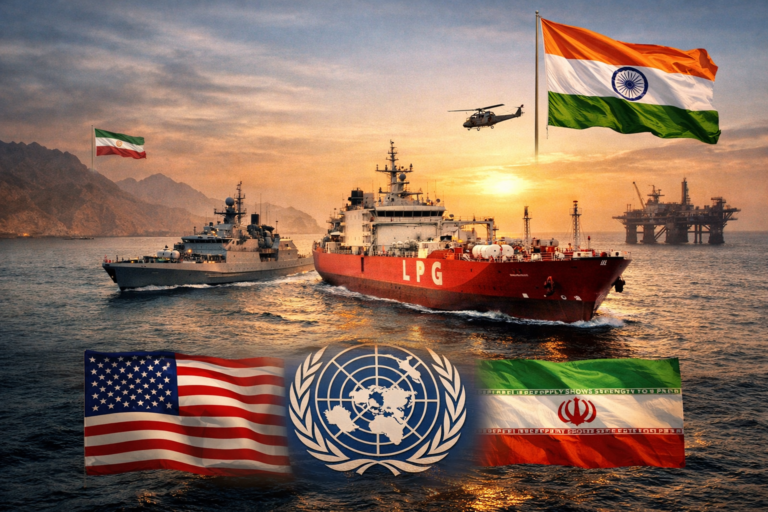
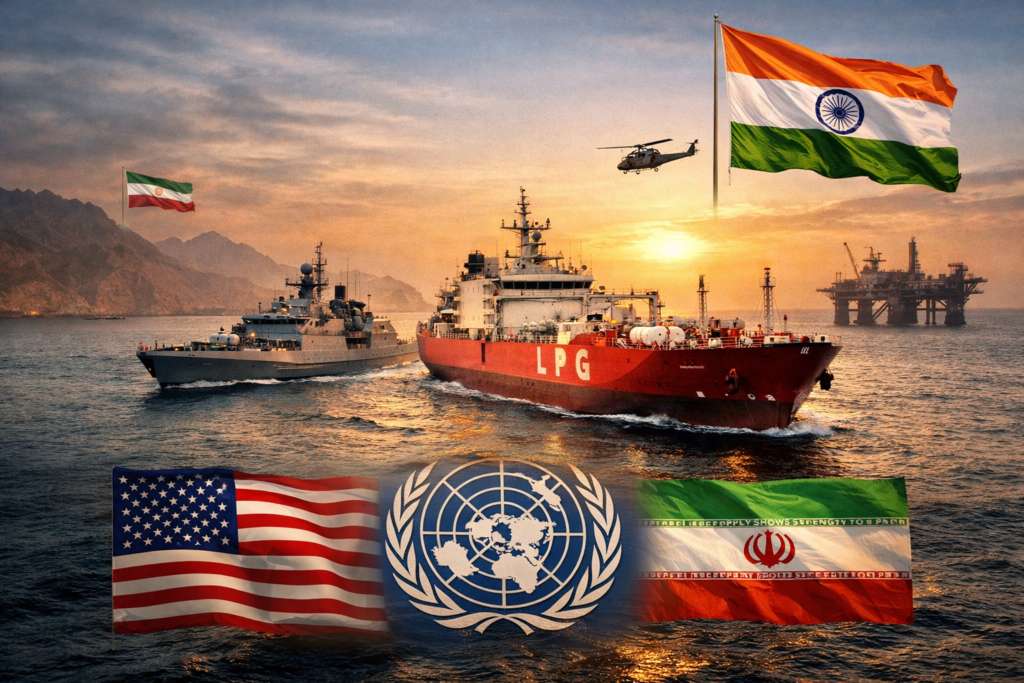
The government is in active diplomatic engagement with Iran to ensure safe passage for LPG tankers. This isn’t speculation — it’s policy in motion. Some vessels, including the naval-backed Shivalik, have already successfully crossed the Hormuz corridor. That’s not disruption. That’s controlled navigation through risk.
This is where India’s foreign policy muscle becomes visible.
Unlike reactionary states, India has maintained a balanced and pragmatic approach in international relations. It engages with all sides without becoming a pawn to any. Whether it is maintaining ties with Iran, managing strategic relations with the United States, or navigating tensions in West Asia — India is not choosing sides blindly. It is choosing stability.
And stability is power.
Let’s zoom out. This is not just India’s problem. The ripple effects of prolonged geopolitical conflicts are being felt globally. Energy markets are tightening. Freight costs are rising. Insurance premiums for maritime routes are increasing. Countries across continents are recalibrating their supply chains.
This is what a prolonged conflict looks like.
The ongoing standoff — shaped in part by the assertive posture of Donald Trump and the uncompromising stance of Iran’s newly elevated supreme leadership — is not de-escalating anytime soon. Both sides are signaling strength, not retreat. And when egos dominate diplomacy, the world pays the price.
But here’s the difference: strong nations prepare for impact. Weak narratives amplify fear.
India has diversified its energy basket, built strategic reserves, and strengthened naval capabilities to secure maritime routes. It is not dependent on a single corridor or a single partner. That’s not luck — that’s long-term planning.
Meanwhile, institutions that are supposed to maintain global peace are failing to deliver. The United Nations, once seen as the guardian of international stability, increasingly appears ineffective in preventing or resolving such prolonged conflicts. Statements are issued, meetings are held — but outcomes remain absent.
In a world where global watchdogs are losing bite, national strength matters more than ever.
So, let’s cut through the noise.
There is pressure — yes.
There is uncertainty — absolutely.
But there is no collapse.
India is not scrambling. It is negotiating, securing, and moving forward. The successful passage of LPG shipments through volatile waters is proof of capability, not crisis.
This moment doesn’t expose India’s weakness. It highlights its preparedness. Because in geopolitics, the real story isn’t who shouts the loudest — it’s who delivers under pressure. And right now, India is doing exactly that.