An idea creation skill is the creative process of coming up with solutions and accepted knowledge. The concept of creating a new venture idea needs to know how new business ideas can change the level of venture processes that regularly will lead to more success and productivity.
Idea creation is one of the main factors that contribute to the success of any business prospect. Usually, great business ideas are always around the entrepreneur. Here, you just need to open the inside creativity and open all possibilities to find the best within. The creative self is more important because the business’s potential energy at start-up levels depends on the ideas that need to be implemented and put into reality. Considering entrepreneurship? Look to these places for some potential business ideas.
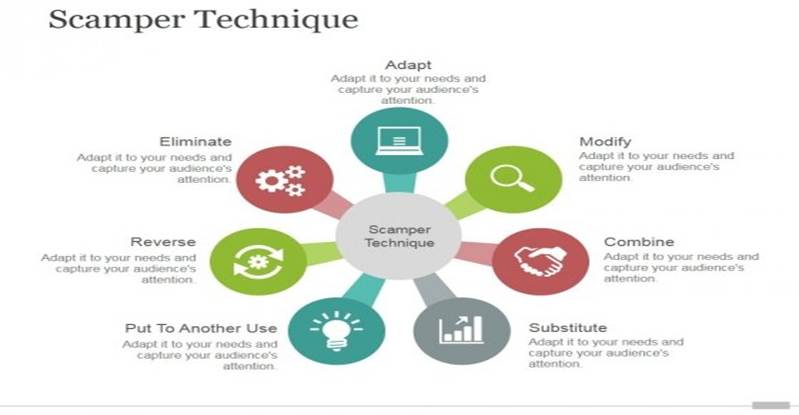
1. SCAMPER
Each alphabet of SCAMPER symbolizes another delicate term that then discusses other steps that need to follow for carrying those necessary new ideas. Here is SCAMPER, and each letter stands for:
Substitute
Combine
Adapt
Modify
Put to another use
Eliminate
Reverse
2. Past work experience
An idea generation comes from the past success and failure experience of an entrepreneur. For example, an individual might have experience in public relations through occasional involvement with client relation development.
3. Market surveys
An idea can also be generated from recognition of what customers need in the market. The customer’s choices are varying according to current market trends. The most essential market trend is based on technological advances, economic development, standard of living, social developments of society, and others. Changes in these areas often provide the impetus for new business ideas.
4. Role-playing
In this technique entrepreneurs take up roles to play in different situations. These roles are usually different from the present role. For example, in this technique, instead of playing the role of an owner, an entrepreneur could take up the roles of customers, consumers, suppliers, the government, and others. These roles could lead to stumbling upon some good ideas.
5. Prospective consumers
A prospective consumer distinguishes what they want as per their regular habit and interests. Mostly, new product or service idea creation may come from the consumer’s reactions to existing products and what changes they want within.
6. Existing organisation analysis
An analysis of the capability consumption of various industries offers information about the possibilities for further investment. Many ideas for successful businesses come from people who have worked in a particular market and industry.
7. Consultations or advice from the experts
“Consultations” generally means to seek advice or meet with an expert. Usually, the experts have many years of involvement and experience in the businesses. Therefore, seeking expert advice will help us understand the pros and cons of businesses. The business experts also help set realistic goals and future prospects for businesses.
8. Market gap investigation
Necessity has always been the mother of invention. Here, an entrepreneur just needs to observe what goes on around them. For example, an idea or new product launched in the USA but not yet tried in India.
9. Research and development An entrepreneur can also conduct research on existing products and services that are available in the market with high demand. There are many areas where entrepreneurs explore, like digital platforms, medicines for various viruses, equipment, tools, and others.
YouTube, as the world’s largest video-sharing platform, is the primary destination for official trailers, teasers, behind-the-scenes footage, and cast interviews. The viral potential of YouTube content means that a well-crafted trailer can reach millions within hours, sparking global conversations and building anticipation.
Short video platforms capitalize on snackable, shareable content—such as quick clips, challenges, or memes—that can trend rapidly. Studios often collaborate with influencers or create official challenges to encourage user-generated content, enhancing organic reach and engagement.
Examples:
RRR (2022): The film’s trailer release on YouTube garnered over 100 million views, while dance challenges on TikTok and Instagram Reels helped the film trend internationally.
Barbie (2023): Warner Bros. used YouTube for trailer drops and partnered with TikTok for themed filters and challenges, generating viral buzz and massive pre-release interest.
Pathaan (2023): The official YouTube trailer broke records for most views in 24 hours, and short behind-the-scenes clips and dance challenges spread widely on Instagram Reels.
By harnessing the reach and engagement of YouTube and short video platforms, film promotions can build excitement, create viral moments, and drive audiences to theaters or streaming platforms.
A. TRAILER LAUNCHES, REACTION VIDEOS, INFLUENCER WATCH PARTIES
Here’s an overview of how YouTube and short video platforms are used for trailer launches, reaction videos, and influencer watch parties, with examples from international, national (Indian), and local/regional films.
1. Trailer Launches
International Example:
Avengers: Endgame (2019):
Marvel Studios launched the official trailer on YouTube, which broke viewership records with over 289 million views in 24 hours. The trailer’s release became a global event, shared across Instagram Reels and TikTok as fans remixed scenes and audio.
National (India) Example:
KGF: Chapter 2 (2022):
The trailer premiered on YouTube and amassed over 100 million views in just a few days, trending nationwide. Clips from the trailer were widely shared on Instagram Reels and Moj (an Indian short video platform).
Local/Regional Example:
Minnal Murali (Malayalam, 2021):
The trailer was released on YouTube and promoted via short clips on ShareChat and Josh (popular in South India), helping the film reach a broad regional audience.
2. Reaction Videos
International Example:
Spider-Man: No Way Home (2021):
Fans and influencers worldwide posted real-time reaction videos on YouTube within hours of the trailer launch. Some channels received millions of views, adding to the hype and spreading the trailer organically.
National (India) Example:
RRR (2022):
The movie’s trailer inspired countless Indian and international YouTubers to upload reaction videos, many trending in YouTube’s Top 10. We further clipped these reactions and shared them as short videos across Instagram Reels.
Local/Regional Example:
Sairat (Marathi, 2016):
Regional YouTube creators posted reaction and review videos, which boosted the film’s reach beyond Maharashtra, especially among the Marathi-speaking diaspora.
3. Influencer Watch Parties
International Example:
The Gray Man (2022, Netflix):
Netflix hosted YouTube and TikTok watch parties with international influencers who streamed their live reactions, encouraging fans to join and discuss in real time.
National (India) Example:
Gehraiyaan (2022, Amazon Prime Video):
Leading Bollywood influencers and digital creators were invited to virtual watch parties, sharing snippets of their reactions on Instagram Stories and Reels, boosting post-release engagement.
Local/Regional Example:
Jathi Ratnalu (Telugu, 2021):
Telugu YouTubers and local Instagram creators organized online watch parties, sharing highlights and memes on short video platforms, making the film viral within the Telugu-speaking community.
Summary Table
Platform
Trailer Launch
Reaction Videos
Influencer Watch Parties
International
Avengers: Endgame
Spider-Man: No Way Home
The Gray Man
National (India)
KGF: Chapter 2, RRR
RRR, KGF: Chapter 2
Gehraiyaan
Local/Regional
Minnal Murali, Sairat
Sairat, Jathi Ratnalu
Jathi Ratnalu
Conclusion: YouTube and short video platforms play a pivotal role in modern film promotion at every level—amplifying reach, building hype, and encouraging community participation through innovative digital experiences.
B. INDIAN PLATFORMS: SHARECHAT, CHINGARI, ROPOSO
Here’s a focused answer on how Indian short video platforms—ShareChat, Chingari, and Roposo—are used for film promotion, with illustrative case studies and examples from Indian and local films.
YouTube & Short Video Platforms for Film Promotion: Indian Platforms
1. ShareChat
About: ShareChat is a leading Indian social media and short video app available in 15+ regional languages, popular in Tier 2 and 3 cities.
Film Promotion Usage:
Case Study: Pushpa: The Rise (2021)
The film’s catchy songs and dialogues were promoted via ShareChat stickers and short video challenges in Telugu, Hindi, and other languages.
Users created thousands of lip-sync and dance videos to the song “Srivalli,” pushing organic reach even to non-metro audiences.
Example: KGF: Chapter 2 (2022)
ShareChat users widely shared the trailer and “Rocky Bhai” dialogues as short clips, memes, and status updates, contributing to the film’s trend in multiple languages.
2. Chingari
About: Chingari is a homegrown short video platform, popular for its viral content and “trending challenges.”
Film Promotion Usage:
Case Study: Bhool Bhulaiyaa 2 (2022)
The “Hare Ram” dance challenge was officially launched on Chingari, with influencers and users participating in the trend, leading to millions of views and boosting the song’s popularity.
Example: Local Films (e.g., Gujarati or Marathi releases)
Regional movie promotions often run hashtag challenges (e.g., “#DanceLikeHero”) on Chingari, leveraging local influencers to create buzz for film releases in their respective language belts.
3. Roposo
About: Roposo is a video-sharing social media platform that focuses on entertainment content across India’s major languages.
Film Promotion Usage:
Case Study: Liger (2022)
The film’s promotion included exclusive behind-the-scenes content and actor interactions on Roposo. Fans could duet with stars or create their own short videos using official film audio and stickers.
Example: Local Films (e.g., Kannada, Tamil)
Roposo partnered with film producers to offer early access to music tracks and exclusive snippets, encouraging user-generated content and meme creation, which helped local films gain visibility.
Summary Table
Platform
Case Study (National)
Local/Regional Example
ShareChat
Pushpa: The Rise, KGF 2
Status clips, memes for local films
Chingari
Bhool Bhulaiyaa 2
Marathi/Gujarati challenges
Roposo
Liger
Kannada/Tamil music launches
Conclusion: ShareChat, Chingari, and Roposo are vital for film promotion in India, especially for reaching vernacular and regional audiences. These platforms foster viral trends, influencer collaborations, and user-generated content, making them powerful tools for both national blockbusters and local films to build buzz and engagement across diverse Indian markets.
The synergy between OTT platforms and theatrical releases represents a dynamic shift in content distribution and consumption. Rather than existing as mutually exclusive options, these two modes increasingly complement each other. Theatrical releases can serve as high-profile events that build anticipation and buzz, while OTT platforms offer films a longer lifecycle, reaching wider and more diverse audiences.
This synergy enables filmmakers and studios to maximize revenue, enhance audience engagement, and experiment with new release strategies, such as simultaneous or staggered premieres. As consumer preferences evolve, the collaboration between OTT and theatrical channels is reshaping the future of entertainment, offering greater flexibility and accessibility while preserving the unique value of both experiences.
A. NETFLIX, AMAZON PRIME VIDEO, JIOCINEMA, HOTSTAR STRATEGIES
Here’s a refined and structured overview of OTT & theatrical synergy, including strategic approaches by Netflix, Amazon Prime Video, and JioHotstar (successor to JioCinema and Hotstar), along with illustrative case studies and film examples.
1. OTT & Theatrical Synergy: A New Distribution Paradigm OTT platforms and theatrical releases are increasingly viewed not as competing channels, but as complementary tools. Theatrical runs can build cultural impact and prestige, while OTT ensures wider reach and longer tail viewership. This synergy allows studios and platforms to optimize both revenue and audience engagement.
2. Netflix Strategies
Awards-Driven Limited Theatrical Runs Netflix frequently employs short theatrical releases to qualify for awards while prioritizing streaming. Roma (2018), for example, premiered in select theaters across 42 countries just three weeks before streaming, earning 10 Oscar nominations and winning Big Three awards.
“Sneak-Preview” Hybrid Model More recently, Netflix experimented with a hybrid model for Glass Onion: A Knives Out Story—a 17-day theatrical run in 696 U.S. theaters, followed by a blackout period before streaming.
Major Blockbusters on IMAX In 2025, Netflix announced a pivot toward large-scale theatrical engagement with Greta Gerwig’s The Chronicles of Narnia reboot. The film will play exclusively on around 1,000 IMAX screens across 90 countries for up to four weeks before debuting on Netflix, supported by a robust marketing campaign.
3. Amazon Prime Video Strategies
Traditional Wide Release for Prestige Amazon broke ground earlier with Manchester by the Sea (2016), which secured a wide theatrical release (over 1,200 theaters) before streaming, earning critical acclaim and Best Picture nominations.
Hybrid Releases with Short Windows A more recent example is Red One, which had a 28-day theatrical window before streaming on Prime Video. The film grossed $175 million globally and maintained strong box office retention.
Expanding Indian Theatrical Footprint Starting in 2026, Amazon MGM Studios plans to release 3–4 Indian films theatrically each year before streaming, signaling a renewed focus on theatrical-first strategies in India.
4. JioHotstar (formerly JioCinema & Hotstar)
Platform Consolidation and Vertical Integration In February 2025, JioCinema and Disney+ Hotstar merged under the JioStar joint venture, launching JioHotstar, which now combines extensive content libraries and sports rights with vertical distribution control.
OTT-After-Theatrical Model in Indian Cinema Several Indian films have followed a traditional theatrical-first release before transitioning to streaming on JioHotstar:
• Subham (Telugu horror-comedy) – theatrical release on May 9, 2025; OTT debut on JioHotstar from June 13, 2025. • DNA (Tamil thriller) – theatrical release on June 20, 2025; OTT streaming from July 19, 2025. • Ronth (Malayalam crime thriller) – theatrical release mid-June 2025; OTT from July 22, 2025. • Sweetheart! (Tamil romantic comedy)—theatrical release March 14, 2025; OTT from April 11, 2025.
Direct OTT Releases & Mixed Strategies Sarzameen (Hindi action drama) skipped theatrical release and launched directly on JioHotstar on July 25, 2025. Soothravakyam (Malayalam suspense thriller) was released theatrically on July 11, 2025; its OTT rights were acquired by Lionsgate Play and Amazon Prime Video in August.
5. Key Insights and Comparative Analysis
Netflix focuses on prestige and cultural buzz through strategic theatrical windows, with recent expansion into large-scale blockbusters to amplify global impact.
Amazon Prime Video balances prestige (wide releases) with efficiency (short theatrical windows), especially in markets like India.
JioHotstar benefits from full vertical integration, enabling flexible release strategies—from traditional theatrical runs to direct OTT premieres—tailored to regional content and audience preferences.
6. Case Study Highlights
Roma (Netflix): Prestige-driven theatrical release, Oscar recognition.
Glass Onion: Hybrid sneak-preview model.
Narnia Reboot: IMAX-first strategy.
Manchester by the Sea (Amazon): Traditional theatrical-first success.
Red One: Short-window hybrid release.
Subham, DNA, and Ronth: Indian films with clear theatrical-to-OTT trajectories.
Sarzameen: Direct OTT premiere.
Soothravakyam: Theatrical release with multi-platform OTT licensing.
B. PRE-RELEASE BUZZ VS. POST-RELEASE ENGAGEMENT
Below is a structured analysis of OTT & Theatrical Synergy: Pre-release Buzz vs. Post-release Engagement, including international and national (Indian) case studies, film examples, and a summary.
OTT & Theatrical Synergy:
Pre-release Buzz vs. Post-release Engagement
1. The Concept
Pre-release Buzz: The excitement and anticipation generated before a film’s release are driven by marketing, trailers, social media, star cast, and exclusive previews—especially through theatrical premieres.
Post-release Engagement: The sustained interaction and discussion after the film’s release, primarily supported by OTT availability, social media trends, user reviews, memes, and repeat viewing.
Synergy: Theatrical releases create event-like anticipation (buzz), while OTT ensures the film remains in the cultural conversation, accessible to broader audiences for a longer period (engagement).
2. International Case Study: Glass Onion: A Knives Out Mystery (Netflix, 2022)
Pre-release Buzz: Netflix gave the film a limited one-week theatrical run in major markets before streaming. The star-studded cast, mystery genre, and director Rian Johnson’s reputation generated massive media and social media attention. Result: Sold-out shows, headlines about Netflix’s rare theatrical move, and Oscar buzz.
Post-release Engagement: After streaming began, the film trended globally on Netflix, sparking meme culture, fan theories, and extensive online discussion. The accessibility on OTT enabled viewers who missed the theatrical window to watch and discuss it, keeping the film relevant for weeks.
3. National (Indian) Case Study: Jawan (2023)
Pre-release Buzz: Starring Shah Rukh Khan, Jawan had a massive promotional campaign, with trailers, music launches, and nationwide media coverage. The theatrical release was treated as a cultural event; advance bookings broke records.
Post-release Engagement: After an extremely successful theatrical run, the film debuted on Netflix. The OTT release sparked renewed conversations, with fans dissecting plot twists, sharing clips, and introducing the film to new audiences who hadn’t seen it in theaters. The #JawanOnNetflix trend brought the film back into the spotlight, amplifying its lifecycle.
4. Comparative Examples
International:
Roma (Netflix): Limited theatrical run for Oscar buzz, then global post-release discussion upon streaming.
Dune (Warner Bros.): Simultaneous release in theaters and HBO Max. Pre-release anticipation for visuals, post-release engagement focused on accessibility and rewatchability online.
National (India):
RRR (2022): Extensive theatrical campaign, followed by viral OTT popularity on Netflix and ZEE5, which reached international audiences and fueled post-release social media trends.
Shershaah (2021): Skipped theatrical release due to COVID-19 but leveraged OTT (Amazon Prime Video) for post-release engagement, with songs and scenes trending long after launch.
5. Summary
Pre-release Buzz is most effectively built through theatrical events, media campaigns, and exclusivity, making the release an “event.”
Post-release engagement thrives on OTT platforms, which provide longevity and accessibility and encourage ongoing discussions, memes, and repeat viewing.
The synergy of these strategies maximizes both box office returns and long-term popularity, as seen in both international and Indian contexts.
In essence: Theatrical releases ignite anticipation and cultural excitement, while OTT platforms ensure films remain relevant, discussed, and accessible—prolonging their impact well beyond opening weekend.
The international conflicts in Europe have their roots in a multitude of historical factors. The two World Wars, sparked by complex alliances, territorial disputes, and rising nationalism, stand as significant events that reshaped the political and social landscape of Europe. Additionally, conflicts such as the breakup of Yugoslavia and the subsequent Balkan Wars, the Irish Troubles, and the more recent conflict in Ukraine are emblematic of the region’s complex historical divisions and unresolved tensions.
2. Key Players
Various actors have played pivotal roles in the international conflicts in Europe:
European Powers: Throughout history, major European powers, including France, Germany, and the United Kingdom, have been central figures in European conflicts. Their shifting alliances, competing interests, and struggles for dominance have been influential in shaping the outcomes of these conflicts.
International Organizations: Entities such as the European Union (EU) and the North Atlantic Treaty Organization (NATO) have played significant roles in managing and mitigating conflicts in Europe. The EU has sought to promote economic integration and foster peaceful cooperation among member states, while NATO has focused on ensuring collective defense and security.
Regional and Ethnic Groups: Europe is home to diverse regional and ethnic groups, some of which have experienced conflicts related to identity, autonomy, and self-determination. Examples include the Basque conflict in Spain, the Chechen conflict in Russia, and the Kurdish struggle for recognition and rights in several countries.
Global Powers: Superpowers like the United States and Russia have exerted influence in European conflicts. Cold War dynamics, power struggles, and competing geopolitical interests have shaped the involvement of these global players.
3. Impact and Legacy
The international conflicts in Europe have had far-reaching consequences:
Loss of Life and Displacement: These conflicts have caused immense human suffering, with millions of lives lost and millions more displaced from their homes. The scars of war and conflict continue to affect individuals and communities, leaving a lasting impact on the social fabric of affected regions.
Political Realignment: European conflicts have prompted significant political realignments and territorial changes. The collapse of empires, the redrawing of borders, and the creation of new states have altered the geopolitical landscape of Europe, with lasting effects on national identities and relationships between nations.
Economic Disruptions: Conflict disrupts economic stability and development, resulting in significant economic challenges for affected countries and regions. The cost of rebuilding infrastructure, addressing post-war economic disparities, and the diversion of resources towards military expenditures can impede long-term growth and development.
Social and Cultural Divisions: Conflicts often exacerbate existing social and cultural divisions, deepening rifts between communities and fostering mistrust. Reconciliation and healing in the aftermath of conflicts become critical to building cohesive societies and fostering peaceful coexistence.
Peacebuilding and Integration Efforts: International organizations, regional initiatives, and grassroots movements have emerged to promote peace, reconciliation, and integration in Europe. Initiatives like the European project, truth and reconciliation processes, and cross-border cooperation aim to foster stability and prevent future conflicts.
The international conflicts in Europe have shaped the region’s history, politics, and identity. Understanding the historical origins, key players, and long-lasting impact of these conflicts is crucial for comprehending Europe’s complex geopolitical landscape. By acknowledging the lessons learned from past conflicts, fostering dialogue and cooperation, and promoting peace-building efforts, Europe can work towards a more peaceful and united future.
4. Lessons Learned and Challenges Ahead
Reflecting on the international conflicts in Europe, several lessons emerge:
Diplomacy and Dialogue: Diplomatic efforts and dialogue are crucial in preventing and resolving conflicts. Europe has seen successful examples of diplomacy, such as the Good Friday Agreement in Northern Ireland, that offer valuable lessons for resolving complex disputes through peaceful negotiations.
Multilateralism and Cooperation: International and regional organizations, such as the EU and NATO, play a vital role in promoting peace and stability. Strengthening multilateralism and fostering cooperation among nations are key in preventing conflicts and addressing shared challenges.
Addressing Root Causes: Understanding and addressing the root causes of conflicts, including historical grievances, social inequalities, and political aspirations, are essential for sustainable peace. Economic development, social justice, and respect for human rights are integral components of preventing and resolving conflicts.
Media and Information: The media’s role in reporting conflicts is crucial. Journalists have the responsibility to provide accurate, balanced, and objective coverage that promotes understanding and empathy. Combating misinformation and propaganda is vital in preventing the escalation of conflicts.
5. Moving forward, Europe faces on-going challenges in the realm of international conflicts
Resolving Unresolved Conflicts: Several conflicts in Europe, such as the conflict in Ukraine and the frozen conflicts in Transnistria, Abkhazia, and South Ossetia, remain unresolved. Dedicated efforts, diplomatic negotiations, and inclusive dialogue are necessary to find lasting solutions and foster reconciliation.
Rise of Populism and Nationalism: The rise of populist movements and nationalist sentiments in some European countries poses challenges to regional integration and cooperation. Addressing the underlying causes of these movements and promoting inclusive societies are crucial for maintaining stability and preventing conflicts.
Managing Migration and Refugee Crises: Europe has faced significant migration and refugee challenges in recent years, leading to political tensions and societal divisions. Effective management of migration flows, equitable burden-sharing, and integration efforts are necessary to foster social cohesion and prevent conflicts arising from these challenges.
Hybrid and Cyber Threats: The digital era has brought new forms of conflict, including hybrid warfare and cyber threats. Europe needs to enhance its capabilities to address these non-traditional security challenges, protect critical infrastructure, and strengthen cyber defenses.
The international conflicts in Europe have left a profound impact on the continent, shaping its history, politics, and societies. By drawing lessons from past conflicts, promoting dialogue and cooperation, addressing root causes, and embracing multilateralism, Europe can strive for a more peaceful and integrated future. It is essential for journalists, policymakers, and citizens to work together in fostering understanding, countering misinformation, and building inclusive societies to prevent conflicts and ensure a prosperous and harmonious Europe.
6. Comprehensive understanding of media coverage in European conflicts
Europe, a region marked by diverse histories and geopolitical complexities, has witnessed numerous conflicts that have garnered global attention. Aspiring journalists, it is crucial to explore the nuances of media coverage in international conflicts in Europe. This student-friendly and engaging section aims to provide a comprehensive understanding of media coverage in European conflicts, incorporating abstracts from a journalism point of view and promoting critical thinking and ethical reporting.
Understanding European Conflicts: Europe’s history is intertwined with conflicts that have shaped the continent’s political landscape. These conflicts have diverse origins, including territorial disputes, ethnic tensions, economic disparities, and ideological differences. Understanding the historical context of each conflict is crucial for accurate reporting.
Challenges in Reporting on European Conflicts: Journalists reporting on European conflicts face several challenges. Language barriers, cultural nuances, and differences in media landscapes across countries can complicate the collection and interpretation of information. Journalists must navigate diverse perspectives, biases, and the potential politicization of conflicts to provide balanced and accurate reporting.
From a journalism perspective, reporting on European conflicts requires adherence to ethical principles and responsible reporting practices. Journalists should strive for accuracy, fairness, and impartiality. Verifying information through multiple reliable sources and fact-checking are crucial in countering misinformation and propaganda that often accompany conflicts.
Journalists should be aware of their own biases and strive to present diverse perspectives. Recognizing the complexities of conflicts in Europe, journalists must aim to provide context and analysis to foster a comprehensive understanding among their audiences.
7. Ethical Considerations
Ethics play a vital role in reporting on European conflicts. Journalists must prioritize the safety and well-being of individuals involved in the conflict, including sources and subjects. Sensitivity to the cultural, historical, and political dimensions of the conflict is essential in producing ethical and responsible reporting.
Additionally, journalists should exercise sensitivity to the cultural, historical, and political dimensions of the conflict. Cultural awareness and respect for local customs and traditions are paramount to ensure accurate and respectful reporting. Journalists should avoid perpetuating stereotypes or reinforcing biases, striving instead for balanced and nuanced coverage.
8. Promoting Accuracy and Context
In reporting on European conflicts, journalists should aim for accuracy and context. The complex nature of these conflicts demands in-depth research, interviews with key stakeholders, and an understanding of historical events. Providing accurate and comprehensive information is vital to promote understanding and foster dialogue.
9. Engaging Diverse Perspectives
Reporting on European conflicts necessitates amplifying diverse perspectives. Journalists should seek out voices from different sides of the conflict, including representatives from conflicting parties, civil society organizations, and local communities affected by the conflict. This approach encourages a more nuanced and balanced portrayal of the conflict.
10. The Power of Storytelling
Storytelling is a powerful tool in reporting on European conflicts. By humanizing the conflict through personal stories, journalists can elicit empathy and create a deeper understanding among their audience. It is crucial to maintain sensitivity and respect for the individuals whose stories are shared, protecting their privacy and ensuring their safety.
Media coverage of international conflicts in Europe carries immense responsibility. Journalism students must navigate the challenges of reporting on diverse European conflicts while upholding ethical principles. By embracing critical thinking, seeking diverse perspectives, and providing accurate and balanced reporting, they can contribute to a more comprehensive understanding of European conflicts.
Responsible reporting not only informs the public but also helps promote understanding, empathy, and dialogue. Journalism students have the power to shed light on the complexities of European conflicts, challenge stereotypes, and contribute to a more peaceful and inclusive world. By engaging in informed and ethical reporting, they can shape public discourse and inspire positive change.
11. Historical Context of European Conflicts
Europe has a rich history of conflicts, shaped by a complex tapestry of historical events, cultural differences, and political dynamics. These conflicts range from the World Wars to the breakup of Yugoslavia, the Northern Ireland Troubles, and more recent conflicts such as the Ukraine crisis. Understanding the historical context of each conflict is crucial for journalists reporting on them, as it provides valuable insights into the root causes, grievances, and dynamics at play.
12. Challenges of Reporting on European Conflicts
Journalists reporting on European conflicts face a range of challenges. Language barriers can make it difficult to gather accurate information and interview key sources, particularly in regions with diverse linguistic backgrounds. Cultural nuances and historical sensitivities require journalists to have a deep understanding of the local context and dynamics to accurately convey the complexities of the conflict.
Another challenge is the potential politicization of conflicts. Journalists must navigate biases, propaganda, and disinformation campaigns that may be employed by different parties involved in the conflict. It is essential for journalists to remain vigilant, fact-check claims, and present a balanced account of events to counteract potential biases.
From a journalism perspective, reporting on European conflicts demands adherence to ethical standards and responsible reporting practices. Journalists should prioritize accuracy and factual integrity, ensuring that information is verified and corroborated through multiple reliable sources. This is particularly important in conflicts where competing narratives and misinformation are prevalent.
Journalists should be aware of their own biases and strive to present diverse perspectives. Balancing conflicting viewpoints can provide audiences with a more nuanced understanding of the complexities inherent in European conflicts. It is crucial to avoid sensationalism and instead provide comprehensive analysis and context to foster a deeper understanding among readers.
13. Promoting Accuracy, Context, and Accountability
In reporting on European conflicts, journalists should prioritize accuracy and provide essential context. Historical background, political dynamics, and the impact of the conflict on the lives of people must be conveyed to create a comprehensive understanding among readers. Journalists should also hold all parties accountable for their actions, providing thorough investigations into human rights abuses, war crimes, and other violations of international law.
14. Engaging Diverse Perspectives and Humanizing the Conflict
Journalists should seek out and amplify diverse perspectives in their coverage of European conflicts. This includes providing a platform for voices from conflicting parties, civil society organizations, and local communities affected by the conflict. By presenting the human stories behind the conflicts, journalists can evoke empathy and foster a greater understanding among their audience.
Media coverage of international conflicts in Europe is a challenging but essential task for journalists. Reporting on these conflicts requires a deep understanding of the historical context, cultural nuances, and political dynamics at play. By upholding ethical principles, promoting accuracy, providing context, and amplifying diverse perspectives, journalism students can contribute to a more comprehensive understanding of European conflicts. Responsible reporting fosters empathy, challenges biases, and plays a crucial role in shaping public discourse and promoting peace and reconciliation.
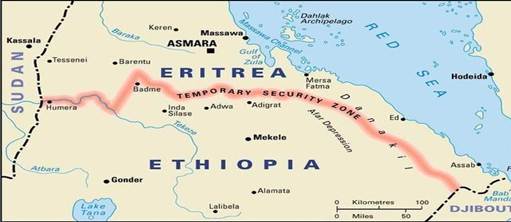
ERITREA-ETHIOPIA BORDER CONFLICT (CASES STUDY)
While media coverage often focuses on conflicts, it is essential to acknowledge instances where media played a significant, albeit underrated, role in resolving international conflicts. One such example is the role of media in helping to solve the Eritrea-Ethiopia border conflict. The conflict, which lasted for decades and resulted in a devastating war, was finally brought to an end through a combination of diplomatic efforts and the influential role of the media in fostering peace.
1. Background
The Eritrea-Ethiopia border conflict dates back to the late 20th century when Eritrea sought independence from Ethiopia. Following a long and bloody war, Eritrea gained independence in 1993. However, disputes over border territories remained, leading to sporadic clashes and tensions between the two nations.
2. The Role of Media in Conflict Resolution
Media coverage brought attention to the Eritrea-Ethiopia conflict, particularly during periods of heightened violence. Journalists reported on the human toll, displacement of communities, and the devastating consequences of the conflict. This raised awareness among the international community and put pressure on both nations to seek a resolution.
3. International Diplomatic Pressure
Media coverage played a crucial role in mobilizing international diplomatic efforts to resolve the conflict. News reports shed light on the human rights abuses, displacement, and humanitarian crises resulting from the conflict, prompting international organizations and countries to take action. The media acted as a catalyst, pushing for diplomatic negotiations and dialogue between the two nations.
4. Peacebuilding Narratives
Media outlets played a significant role in shaping peace-building narratives and fostering dialogue between Eritrea and Ethiopia. Journalists highlighted stories of reconciliation, peace initiatives, and shared cultural heritage between the two nations. By emphasizing commonalities and promoting empathy, the media contributed to creating an environment conducive to peaceful resolution.
5. Public Opinion
Media coverage influenced public opinion both domestically and internationally. As the conflict received increased media attention, public sentiment began to shift, urging governments to prioritize peace. Within Eritrea and Ethiopia, media outlets provided platforms for peace activists, intellectuals, and civil society groups to voice their concerns and advocate for a peaceful resolution.
6. Track II Diplomacy
Media platforms facilitated “Track II Diplomacy,” which involved unofficial negotiations and dialogues between individuals, organizations, and intellectuals from both nations. By providing a space for discussions and promoting alternative viewpoints, the media helped build bridges and fostered mutual understanding and trust.
The underrated role of media in resolving the Eritrea-Ethiopia border conflict showcases the significant impact media can have in international conflict resolution. Through raising awareness, mobilizing international diplomatic pressure, shaping peacebuilding narratives, influencing public opinion, and facilitating Track II Diplomacy, the media played a vital role in bringing the conflict to an end.
This example highlights the power of the media as a force for positive change and peacebuilding. It underscores the importance of responsible journalism, accurate reporting, and the media’s ability to shape public discourse. By recognizing and highlighting such instances, we can appreciate the potential of the media in resolving conflicts, fostering dialogue, and building a more peaceful world.
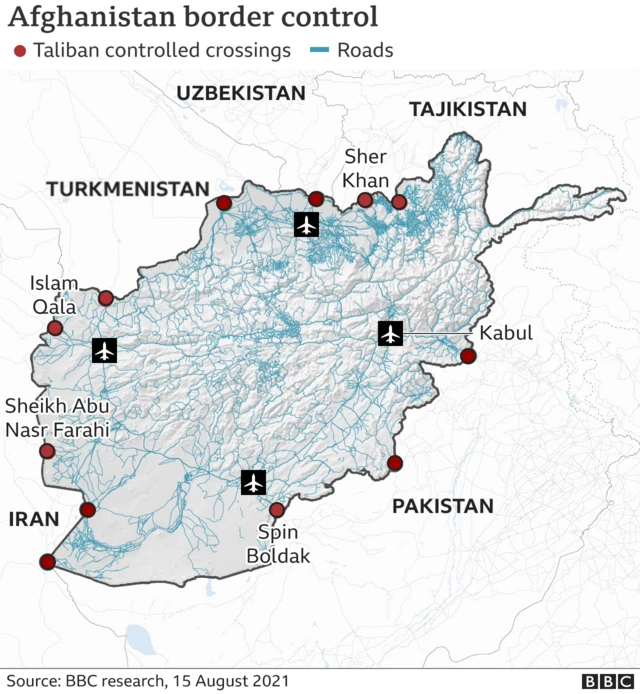
The Afghanistan conflict traces its roots to the Soviet invasion in 1979, when the Soviet Union sought to prop up a communist government in Afghanistan. The invasion was met with resistance from various Afghan factions, giving rise to the Mujahideen, who fought against Soviet forces with support from the United States and other countries. Following the Soviet withdrawal in 1989, internal power struggles led to a period of civil war and the eventual rise of the Taliban.
2. Key Players
The Afghanistan conflict involves numerous key players, each with their own interests and agendas:
Afghan Government: The internationally recognized Afghan government, supported by the United States and its allies, seeks stability, governance, and development in the country. It has undergone multiple transitions, with successive leaders working towards building a viable state.
Taliban: The Taliban emerged in the early 1990s and eventually gained control over most of Afghanistan, imposing a strict interpretation of Islamic law. They provided a safe haven for international terrorist groups, including Al-Qaeda. Following the 2001 U.S.-led invasion, the Taliban was overthrown but later regrouped and re-emerged as an insurgent force.
International Military Coalition: Led by the United States, a multinational coalition deployed forces to Afghanistan in 2001 to oust the Taliban regime and combat terrorism. The coalition worked to stabilize the country, rebuild institutions, and train Afghan security forces.
Regional and International Actors: Neighboring countries, such as Pakistan, Iran, and Russia, have had varying degrees of involvement and influence in the Afghan conflict. Additionally, international organizations such as the United Nations and NATO have played critical roles in facilitating peace processes and providing humanitarian assistance.
3. Evolving Dynamics and Challenges
The Afghanistan conflict has evolved over time, with shifting dynamics and persistent challenges:
Insurgency and Counterinsurgency: The conflict has been characterized by an insurgency led by the Taliban and other militant groups, who continue to wage a guerrilla war against Afghan government forces and international troops. The counterinsurgency efforts by Afghan security forces and their international allies have sought to dismantle militant networks and establish stability.
Counterterrorism Efforts: The fight against terrorism has been a central component of the conflict, with a focus on eliminating Al-Qaeda and other extremist groups that have sought refuge in Afghanistan. Counterterrorism operations, including targeted airstrikes and intelligence cooperation, have been ongoing.
Governance and State-Building: The Afghan government has faced significant challenges in establishing effective governance, combating corruption, and extending its authority throughout the country. Building capable institutions, promoting the rule of law, and ensuring accountable governance remain essential for long-term stability.
Humanitarian and Development Issues: The conflict has had devastating humanitarian consequences, including widespread displacement, civilian casualties, and limited access to essential services such as healthcare and education. Addressing humanitarian needs and promoting sustainable development are crucial for the well-being of the Afghan population.
4. Quest for Peace and Stability
Efforts to achieve peace and stability in Afghanistan have been ongoing:
Peace Negotiations: Various peace initiatives and negotiations have been attempted over the years, involving the Afghan government, the Taliban, and regional and international stakeholders. These negotiations aim to reach a political settlement, ceasefires, and a framework for power-sharing.
Reconciliation and Reintegration Efforts: Reconciliation and reintegration programs seek to provide pathways for former Taliban fighters to lay down their weapons, reintegrate into society, and participate in the political process. These initiatives aim to foster dialogue, build trust, and create conditions for sustainable peace.
International Diplomacy: The international community, including regional powers, has played a crucial role in facilitating peace talks, supporting negotiations, and providing diplomatic assistance. Coordination and cooperation among these actors are vital in fostering a conducive environment for peace.
Security Sector Reform: Enhancing the capacity and effectiveness of Afghan security forces is a key component of achieving stability. Training programs, equipment provision, and support from international partners aim to build a capable and professional Afghan security apparatus.
Socio-Economic Development: Promoting socio-economic development, including infrastructure projects, access to education, healthcare, and employment opportunities, is crucial for improving livelihoods and addressing root causes of conflict. International aid and investment play a significant role in supporting development initiatives.
The Afghanistan international conflict is a multifaceted struggle characterized by historical, political, and social complexities. Understanding its origins, key players, evolving dynamics, and efforts for peace and stability is vital for journalism students seeking to report on this conflict. Reporting on the Afghanistan conflict requires careful consideration of diverse perspectives, adherence to ethical principles, and a commitment to accurate and balanced reporting. Journalists must deal with issues like access, safety risks, and cultural sensitivity to provide comprehensive coverage that promotes understanding and empathy.
By engaging in critical analysis, seeking multiple sources, and emphasizing the human impact of the conflict, journalism students can contribute to informed public discourse and advocate for sustainable peace in Afghanistan. Through responsible and ethical reporting, they have the opportunity to shed light on the complexities of the conflict, amplify marginalized voices, and foster global understanding of the Afghan people’s aspirations for peace and stability.
5. Media coverage
Media coverage has an important impact on the public perception and understanding of international conflicts. One such conflict that has received significant media attention is the protracted one in Afghanistan. As aspiring journalists, it is essential to explore the complexities of media coverage in international conflicts, with a specific focus on Afghanistan. This engaging and student-friendly section aims to provide a detailed examination of media coverage in the Afghan conflict, incorporating abstracts from a journalism perspective and promoting critical thinking and ethical reporting.
Understanding the Afghan Conflict: To comprehend media coverage of the Afghan conflict, it is important to recognize the historical and political context. The conflict in Afghanistan originated with the Soviet invasion in 1979, followed by years of internal strife, the rise of the Taliban, and subsequent military interventions by international forces. The conflict involves a multitude of actors, complex tribal dynamics, and a struggle for power, stability, and influence in the region.
Challenges Faced by Journalists: Journalists reporting on the Afghan conflict encounter numerous challenges. Firstly, gaining access to accurate and reliable information can be challenging due to the complexity of the conflict and the presence of multiple actors and interests. Journalists must navigate a web of political affiliations, cultural nuances, and potential security risks to gather diverse perspectives and present a comprehensive narrative.
Safety: Safety is a critical concern, as Afghanistan remains a dangerous environment for journalists. They face risks such as violence, kidnapping, and censorship from various parties involved in the conflict. Journalists must prioritize their safety while continuing to report on the ground, often relying on local sources and fixers for guidance and protection.
Ethical principles and responsible reporting practices: From a journalism perspective, reporting on the Afghan conflict requires adherence to ethical principles and responsible reporting practices. Journalists should prioritize accuracy, verifying information through multiple reliable sources, and fact-checking to counter misinformation and propaganda that often permeate conflicts. Maintaining objectivity while recognizing the complexities of the conflict and the diverse range of perspectives is crucial for fair and balanced reporting.
Sensitive: Journalists must also be sensitive to the cultural, religious, and social contexts of Afghanistan. Respect for local customs, traditions, and the rights of the Afghan people is essential. Reporting should aim to amplify the voices of Afghan citizens, including marginalized communities and women, to ensure diverse perspectives are represented.
6. Ethical Considerations
Ethics plays a vital role in reporting on the Afghan conflict. Journalists must consider the potential impact of their reporting on the safety and security of individuals involved, including sources and subjects. The Afghan conflict often involves sensitive issues such as human rights abuses, civilian casualties, and ongoing peace negotiations. When writing about these issues, journalists should be kind, respectful, and dedicated to the truth and justice.
Promoting an informed understanding of the Afghan conflict requires responsible journalism. Journalists should avoid sensationalism, biases, and oversimplification, recognizing the nuances and complexities inherent in the conflict. They should seek to provide context, analysis, and in-depth reporting to foster public engagement and critical thinking among their audiences.
7. Media coverage in international conflicts
Media coverage in international conflicts, such as the Afghan conflict, carries significant responsibility. Journalists face numerous challenges when reporting on this multifaceted conflict, including access to reliable information, safety risks, and ethical dilemmas.
By understanding the complexities, questioning biases, and adhering to ethical reporting practices, journalism students can navigate the intricacies of reporting on the Afghan conflict.
Responsible reporting not only informs the public but also helps to foster understanding, empathy, and dialogue. As future journalists, students have the power to shed light on the human stories, amplify diverse perspectives, and contribute to a more comprehensive understanding of the Afghan conflict. By embracing critical thinking, empathy, and ethical reporting, they can contribute to a more informed and engaged global audience.
Journalism students should strive for accuracy, balance, and objectivity in their reporting. They must seek out multiple sources of information, corroborate facts, and provide context to the events unfolding in Afghanistan. By presenting a comprehensive picture of the conflict, they can help the public understand the historical, political, and social dynamics at play.
Ethical considerations are crucial when reporting on the Afghan conflict. Journalists should prioritize the safety and well-being of the Afghan people, including sources and subjects. They must be cautious not to further endanger individuals or contribute to potential harm through their reporting.
Cultural sensitivity is paramount in reporting on Afghanistan. Journalists should respect the cultural norms, traditions, and religious beliefs of the Afghan people. They should be mindful of the potential impact of their reporting on local communities, taking care to avoid reinforcing stereotypes or perpetuating biases.
Conclusion
Journalism students have an opportunity to shed light on the human impact of the conflict. By telling the stories of Afghan individuals affected by the violence, displacement, and challenges of daily life, they can humanize the conflict and foster empathy among their audience.
In conclusion, media coverage in international conflicts like Afghanistan is a critical responsibility for journalists. Journalism students must navigate the challenges of reporting on a complex conflict, uphold ethical principles, and strive for accurate and balanced reporting. By providing comprehensive and empathetic coverage, they can contribute to a better understanding of the Afghan conflict and its implications for the Afghan people and the wider world.
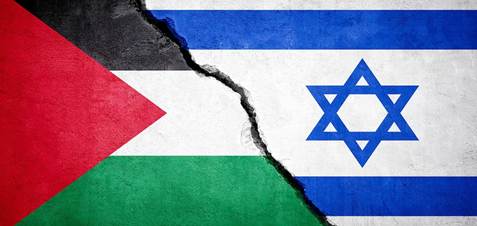
The roots of the Israel-Palestine conflict can be traced back to the early 20th century when Zionist Jews sought to establish a homeland in Palestine, which was then under Ottoman rule. Following World War I, Britain gained control of Palestine and issued the Balfour Declaration in 1917, expressing support for the establishment of a “national home for the Jewish people.” The subsequent influx of Jewish immigrants and the Arab population’s concerns set the stage for decades of tension and conflict.
2. Partition and the Creation of Israel
Amidst growing tensions, the United Nations proposed a partition plan in 1947, which recommended the division of Palestine into separate Jewish and Arab states. While the Jewish leadership accepted the plan, Arab leaders rejected it, leading to the 1948 Arab-Israeli War. The Nakba, or catastrophe, is the term Palestinians use for the establishment of Israel and the displacement of hundreds of thousands of them.
3. 1967 Six-Day War and Occupation
The 1967 Six-Day War further altered the dynamics of the conflict. Israel successfully captured and occupied the West Bank, including East Jerusalem, the Gaza Strip, and the Golan Heights. The occupation of these territories and the establishment of Israeli settlements have been key sources of contention, as Palestinians view them as obstacles to the realization of their statehood and self-determination.
4. Key Issues
The Israel-Palestine conflict encompasses several fundamental issues:
Borders and Territorial Disputes: The determination of borders and the status of Jerusalem remain highly contentious. Israelis and Palestinians both claim Jerusalem as their capital.
Israeli Settlements: The expansion of Israeli settlements in the occupied territories is a major point of contention. Palestinians argue that these settlements violate international law and hinder the establishment of a viable Palestinian state.
Security and Violence: The conflict has been marred by cycles of violence, including suicide bombings, rocket attacks, and military operations, resulting in loss of life, destruction, and mutual mistrust.
The 1948 Arab-Israeli War and subsequent conflicts, which resulted in the displacement of Palestinians, have led to a significant refugee population. The right of return for Palestinian refugees and their descendants to their ancestral homes remains a highly sensitive and unresolved issue.
5. Actors and International Involvement: The Israel-Palestine conflict involves a range of actors:
Israeli Government: The Israeli government, led by various political parties, seeks to ensure the security and survival of the State of Israel and protect its citizens.
Palestinian Authority: The Palestinian Authority, established through the Oslo Accords, governs parts of the West Bank and engages in negotiations with Israel.
Hamas: A Palestinian political and militant group controlling the Gaza Strip, Hamas is viewed as a resistance movement by some Palestinians and a terrorist organization by others.
International Community: Numerous countries, regional organizations, and international bodies, such as the United Nations, European Union, and Arab League, have been involved in efforts to mediate and facilitate a resolution to the conflict.
6. Paths to Resolution
Resolving the Israel-Palestine conflict requires addressing the core issues and aspirations of both parties. Various proposals, negotiations, and peace initiatives have been put forward over the years in search of a lasting resolution. Some potential paths to resolution include:
Two-State Solution: This approach calls for the establishment of an independent and sovereign Palestinian state alongside Israel, with mutually agreed-upon borders. It includes the recognition of East Jerusalem as the capital of Palestine and the negotiation of a just and fair resolution to the refugee issue.
Negotiations and Peace Processes: Several peace initiatives, such as the Oslo Accords, Camp David Summit, and the Annapolis Conference, have sought to facilitate negotiations between Israeli and Palestinian leaders. These processes aim to address key issues and establish a framework for peaceful coexistence.
International Diplomacy and Mediation: The international community has played a crucial role in facilitating dialogue, offering mediation, and promoting peace initiatives. Support from key stakeholders, including the United States, the European Union, and Arab states, has been instrumental in encouraging negotiations and building confidence between the parties.
Grassroots Initiatives and People-to-People Engagement: Civil society organizations, peace activists, and grassroots initiatives have sought to foster understanding, trust, and cooperation between Israelis and Palestinians. People-to-people engagement, educational exchanges, and joint projects can help build bridges and create conditions for peaceful coexistence.
The Israel-Palestine conflict remains a deeply entrenched and multifaceted issue, with far-reaching consequences for the people of the region and global stability. Understanding the historical background, key issues, and aspirations of both Israelis and Palestinians is essential for journalism students.
Reporting on the Israel-Palestine conflict requires a commitment to accurate, fair, and unbiased journalism. Journalists must navigate complexities, question biases, and present diverse perspectives to contribute to a comprehensive understanding of the conflict. Ethical reporting, sensitivity to human suffering, and an emphasis on the human stories behind the conflict are crucial in fostering empathy, dialogue, and peace.
As journalism students, by embracing critical thinking, promoting balanced reporting, and engaging with diverse narratives, you can play a vital role in informing the public, challenging misconceptions, and contributing to efforts aimed at a just and lasting resolution to the Israel-Palestine conflict.
7. Media coverage of the Israeli-Palestinian conflict
Media coverage has a major influence on public perception and understanding of international conflicts. One such conflict that garners significant attention is the ongoing Israeli-Palestinian conflict. As journalism students, it is essential to explore the complexities of media coverage in international conflicts, specifically focusing on Israel. This student-friendly and engaging section aims to provide a detailed examination of media coverage in the Israeli-Palestinian conflict, incorporating abstracts from a journalism point of view and promoting critical thinking and ethical reporting.
Understanding the Israeli-Palestinian Conflict: To comprehend media coverage of the Israeli-Palestinian conflict, it is crucial to grasp the historical and political context. The conflict revolves around competing national aspirations and territorial disputes between Israelis and Palestinians. It encompasses issues such as land ownership, borders, settlements, security concerns, self-determination, and the status of Jerusalem. Both sides have experienced periods of violence, negotiations, and attempts to reach a peaceful resolution.
Challenges in Reporting on the Israeli-Palestinian Conflict: Journalists reporting on the Israeli-Palestinian conflict face a myriad of challenges. One key challenge is the deep-rooted narrative divide between the two sides, each having their own perspective and historical narratives. Journalists must navigate these complexities while maintaining objectivity and ensuring the inclusion of diverse voices. Access to information and sources can be another challenge. The conflict is marked by restrictions on movement, security concerns, and limitations imposed by authorities on both sides. Journalists must work diligently to seek out reliable and balanced sources to present an accurate and comprehensive account of events.
Media Narratives and Bias: Media narratives in the Israeli-Palestinian conflict play a significant role in shaping public opinion and understanding. Different media outlets may have inherent biases or perspectives that can influence the framing of events. This underscores the importance of media literacy, critical thinking, and the need to question sources, credibility, and objectivity.
Fact-checking and corroborating information from multiple sources: From a journalism perspective, reporting on the Israeli-Palestinian conflict requires adherence to ethical principles and responsible reporting practices. Journalists should strive for accuracy, fairness, and balance in their reporting. Fact-checking and corroborating information from multiple sources are critical to counter misinformation and ensure credibility. Journalists must also be mindful of their own biases and strive to present diverse perspectives. Providing a platform for Israeli and Palestinian voices, as well as voices from civil society organizations and experts, is essential in fostering a nuanced understanding of the conflict.
Ethical Considerations: Ethics play a vital role in reporting on the Israeli-Palestinian conflict. Journalists must maintain sensitivity, empathy, and respect for the people affected by the conflict. Reporting on human rights abuses, casualties, and other sensitive topics requires careful consideration of the potential impact on individuals and communities. Additionally, journalists must be cautious when reporting on security matters and military operations, ensuring that sensitive information is not inadvertently disclosed, compromising national security or endangering lives.
Promoting Dialogue and Understanding: Journalists have the power to promote dialogue, understanding, and empathy in the coverage of the Israeli-Palestinian conflict. By presenting balanced and accurate reporting, highlighting the human stories, and exploring the underlying causes of the conflict, journalists can contribute to a more informed and empathetic public discourse.
Media coverage in international conflicts, such as the Israeli-Palestinian conflict, carries immense responsibility. Journalists face numerous challenges when reporting on this complex and deeply divisive issue. By understanding the complexities, questioning biases, and adhering to ethical reporting practices, journalism students can navigate the intricacies of reporting on the Israeli-Palestinian conflict. Responsible reporting not only informs the public but also fosters understanding, empathy, and dialogue, contributing to a more peaceful and just world where diverse perspectives are acknowledged and respected.
Navigating media coverage: The Israeli-Palestinian conflict requires critical thinking skills and media literacy. Students should actively seek out different sources of information, compare narratives, and question the motivations behind media portrayals. Understanding the historical context, the complexities of the conflict, and the aspirations of both Israelis and Palestinians is crucial in presenting a balanced and accurate account.
Conclusion
Journalism students must approach the Israeli-Palestinian conflict with a commitment to ethical reporting. They should strive for accuracy, fairness, and impartiality, diligently fact-checking and verifying information before disseminating it. It is essential to challenge stereotypes, biases, and preconceived notions that may influence reporting. Moreover, responsible reporting on the Israeli-Palestinian conflict requires a commitment to human rights and an understanding of the impact of media coverage on affected individuals and communities. Journalists should ensure that their reporting is sensitive, respectful, and mindful of the potential consequences.
In a conflict as deeply entrenched as the Israeli-Palestinian, promoting dialogue, understanding, and empathy becomes paramount. Journalism students have the opportunity to shed light on the human stories behind the conflict, amplify voices from diverse perspectives, and contribute to meaningful conversations that transcend divisive narratives. By engaging in critical analysis, embracing ethical standards, and approaching media coverage of the Israeli-Palestinian conflict with empathy and objectivity, journalism students can play a pivotal role in fostering informed discussions, challenging misconceptions, and ultimately contributing to efforts towards peace and reconciliation.
Media coverage of the Israeli-Palestinian conflict demands a nuanced understanding, critical thinking, and ethical reporting. By exploring the complexities of the conflict, questioning biases, and presenting diverse perspectives, journalism students can contribute to a more comprehensive and responsible portrayal of the Israeli-Palestinian conflict. As future journalists, their commitment to accuracy, fairness, and promoting understanding is essential in shaping a more informed and empathetic public discourse.
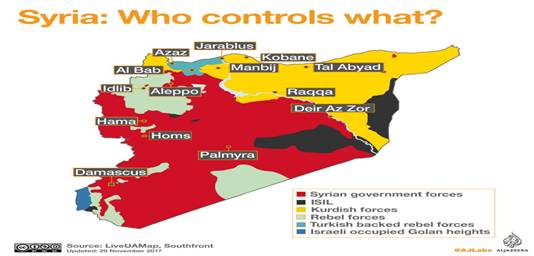
The origins of the Syrian conflict can be traced back to the Arab Spring, a wave of pro-democracy uprisings that swept across the Middle East in 2011. Inspired by movements in Tunisia and Egypt, Syrians took to the streets to demand political reforms, social justice, and an end to corruption. The Assad regime’s brutal crackdown on these peaceful protests sparked widespread discontent and armed resistance, triggering the escalation into a full-blown conflict.
2. Key Players
The Syrian conflict involves a complex web of actors with diverse interests and agendas. The primary parties include:
Syrian Government: Led by President Bashar al-Assad, the government seeks to maintain its grip on power and preserve the existing political order.
Opposition Forces: The opposition is a fragmented coalition consisting of various armed groups, rebel factions, and political entities. These groups range from moderate factions to more extremist organizations like Hayat Tahrir al-Sham and the Islamic State (ISIS).
International Actors: External powers have played a significant role in the Syrian conflict. Russia and Iran have provided military and financial support to the Assad regime, while various Gulf States and Turkey have supported different rebel groups. Additionally, the United States and European countries have supported certain opposition factions and conducted airstrikes against ISIS.
3. Humanitarian Crisis and Displacement
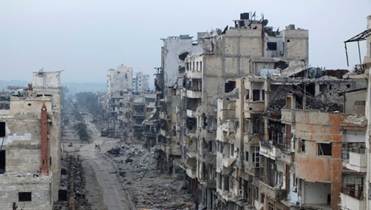
The Syrian conflict has caused immense human suffering, with catastrophic consequences for the civilian population. The violence and indiscriminate attacks by all parties have resulted in the loss of hundreds of thousands of lives. The widespread use of barrel bombs, chemical weapons, sieges, and deliberate targeting of civilian infrastructure has led to extensive displacement, with millions of Syrians seeking refuge both within the country and in neighboring countries.
The humanitarian crisis in Syria has also been exacerbated by severe shortages of food, clean water, medical supplies, and adequate healthcare. The dire situation has given rise to issues such as malnutrition, disease outbreaks, and a generation of children deprived of education and traumatized by the violence.
4. Global Repercussions
The Syrian conflict has had far-reaching implications for regional and international security. It has become a focal point for various geopolitical rivalries, exacerbating tensions between Iran and Saudi Arabia, Russia and the United States, and Turkey and the Kurds.
The rise of ISIS, which took advantage of the power vacuum and instability in Syria, led to a significant international effort to combat the group. The conflict also witnessed the use of chemical weapons, leading to calls for accountability and renewed debates on the prohibition and enforcement of such weapons.
Moreover, the influx of Syrian refugees has had profound socio-political and economic effects on neighboring countries and Europe. The mass migration has strained resources, triggered political tensions, and fuelled anti-immigrant sentiments in certain regions.
The conflict in Syria is a tragic and multi-faceted crisis that has devastated the country and reverberated across the world. Originating from peaceful protests for reform, the conflict has transformed into a complex civil war involving numerous domestic and international actors. The humanitarian consequences have been dire, with extensive loss of life, mass displacement, and a severe strain on basic services.
As efforts continue to achieve a political resolution to the conflict, addressing the immediate humanitarian needs and ensuring accountability for war crimes are paramount. The Syrian crisis reminds us how important it is to stop these kinds of wars from happening and how important diplomacy, conflict resolution, and working together with other countries are to keep the region peaceful and stable.
The path to resolving the Syrian conflict remains challenging and requires a comprehensive approach. It entails finding a political solution that addresses the grievances of all parties involved, fostering reconciliation, and facilitating the rebuilding and reconstruction of the war-torn nation. The international community plays a crucial role in supporting diplomatic efforts, providing humanitarian aid, and promoting dialogue among the conflicting parties.
Furthermore, addressing the root causes of the conflict, such as socio-economic inequalities, political repression, and sectarian tensions, is crucial to preventing future crises. Investing in sustainable development, inclusive governance, and human rights protection can help create the conditions for long-term stability and reconciliation in Syria.
The conflict in Syria serves as a stark reminder of the devastating consequences of war, the complexities of resolving international conflicts, and the importance of responsible and unbiased media coverage. Journalists have played a crucial role in shedding light on human suffering, raising awareness, and holding those responsible accountable. By understanding the complexities of the Syrian conflict and engaging in informed reporting, journalism students can contribute to fostering greater understanding, empathy, and dialogue among global audiences, ultimately paving the way for a more peaceful and just world.
Role and challenges of media
In the modern era, the media plays a crucial role in shaping public perception and understanding of international conflicts. One such conflict that has received extensive media coverage is the ongoing crisis in Syria. This engaging and student-friendly section aims to delve into the complexities of media coverage in international conflicts, specifically focusing on Syria. Drawing from a journalism perspective, we will explore the challenges faced by journalists, the impact of media narratives, and the ethical considerations involved in reporting on this complex and multifaceted conflict.
1. Understanding the Conflict
To comprehend media coverage of the Syrian conflict, it is essential to grasp the intricate nature of the crisis itself. The conflict in Syria emerged in 2011 as a series of protests against the government of President Bashar al-Assad, which later evolved into a full-scale civil war. The involvement of multiple factions, including government forces, rebel groups, extremist organizations, and international actors, has made it a highly complex and volatile situation.
2. Challenges Faced by Journalists
Journalists reporting on the Syrian conflict encounter a myriad of challenges. Firstly, gaining access to reliable and accurate information can be difficult due to the intensity of the conflict and the presence of multiple conflicting narratives. Journalists often risk their safety and face hazards such as violence, kidnapping, and censorship while operating in the region. Additionally, media organizations face constraints on reporting due to limited resources, language barriers, and political pressures.
3. Impact of Media Narratives
Media narratives play a significant role in shaping public opinion and understanding of the Syrian conflict. Different media outlets may have varying perspectives, biases, and agendas, which can influence the way events are portrayed. This highlights the importance of media literacy and critical thinking, encouraging students to question the sources, credibility, and objectivity of the information they consume.
From a journalism perspective, reporting on the Syrian conflict requires adherence to ethical standards and responsible journalism practices. Journalists should strive for accuracy, verifying information through multiple sources before reporting. Due to the fluid and evolving nature of the conflict, updates and developments should be shared promptly, while acknowledging the possibility of misinformation and the need for ongoing fact-checking.
Journalists should also consider the potential impact of their reporting on the conflict’s participants and the wider public. Sensitivity, empathy, and respect for the people affected by the conflict are crucial when crafting narratives. Balancing the need to inform the public with the potential consequences of certain information becoming public is a constant ethical dilemma for journalists.
Ensuring diverse perspectives and voices are represented in media coverage is essential to provide a comprehensive understanding of the conflict. Journalists should seek out perspectives from different factions, locals, humanitarian organizations, and experts to present a nuanced view of the situation.
4. Reporting Challenges and Opportunities
Reporting on the Syrian conflict poses several challenges, including physical risks, access to reliable sources, and navigating the complexities of the conflict itself. Journalists often face dangers such as airstrikes, bombings, and hostile checkpoints, making it imperative to prioritize their safety while gathering information.
Language barriers can also hinder effective reporting, as journalists may need interpreters or translators to communicate with locals and various factions. Moreover, the fluid nature of the conflict requires journalists to be adaptable and resilient, as the situation on the ground can change rapidly.
Despite these challenges, technological advancements offer opportunities for innovative reporting. Social media platforms, citizen journalism, and user-generated content have become integral sources of information, providing real-time updates and eyewitness accounts. However, journalists must exercise caution when verifying and contextualizing such content to maintain journalistic integrity.
5. Ethical Considerations
Ethics play a critical role in reporting on the Syrian conflict. Journalists must prioritize the safety and well-being of the people they report on, ensuring that their identities are protected when necessary. This is particularly important when covering sensitive topics such as human rights abuses, refugee stories, and the involvement of minors in the conflict. Respect for cultural norms, privacy, and the potential for retribution are essential ethical considerations.
Additionally, journalists must be conscious of the potential impact of their reporting on ongoing hostilities. The dissemination of certain information, such as troop movements or sensitive military strategies, could have unintended consequences, endangering lives and undermining peace efforts. Balancing the public’s right to know with the responsibility to avoid harm requires careful judgment and editorial discretion.
Promoting accurate and unbiased reporting is paramount. Journalists should strive to provide a comprehensive picture of the conflict by seeking multiple perspectives and verifying information through independent sources. Fact-checking and cross-referencing are vital tools to counter misinformation and propaganda that often permeate conflicts.
6. Journalistic Responsibility and Role
Journalists reporting on the Syrian conflict have a vital role in bringing attention to the humanitarian crisis, human rights violations, and the complexities of the conflict. By providing accurate and comprehensive coverage, they contribute to international awareness, foster dialogue, and hold those responsible accountable for their actions.
Journalists also play a crucial role in giving voice to the voiceless. Reporting on the experiences and perspectives of affected individuals, including refugees, internally displaced persons, and local communities, helps humanize the conflict and raises awareness of the human cost.
Journalism students must recognize their responsibility to approach conflict reporting with empathy, sensitivity, and integrity. They should strive to uphold the principles of truth, accuracy, fairness, and impartiality. By understanding the challenges, ethical considerations, and the power of media narratives, they can contribute to meaningful and impactful reporting in the future.
Media coverage of international conflicts, such as the Syrian crisis, carries immense responsibility. Journalists face significant challenges, including access to reliable information, physical risks, and ethical dilemmas. Understanding the complexities of the conflict and the impact of media narratives is essential for journalism students.
By maintaining journalistic integrity, seeking diverse perspectives, and adhering to ethical standards, journalists can provide accurate and comprehensive coverage that contributes to a better understanding of the conflict. Responsible reporting not only informs the public but also highlights the human stories and promotes empathy and global awareness.
As journalism students, embracing the complexities of media coverage in international conflicts like Syria empowers them to become conscientious journalists who navigate the challenges, promote truth, and play a crucial role in shaping public discourse and understanding of complex global issues.
Media coverage in international conflicts, such as the Syrian crisis, holds immense power to shape public perception, influence policy debates, and impact the lives of those involved. Journalists face numerous challenges when reporting on the Syrian conflict, from accessing reliable information to navigating safety risks.
Understanding media narratives, critically analyzing information, and promoting ethical journalism practices are vital for students studying journalism to navigate the complexities of reporting on international conflicts like Syria. By being aware of these challenges and ethical considerations, future journalists can strive for accurate, comprehensive, and responsible reporting, contributing to a more informed global audience.
Indian films cater to a wide range of linguistic, cultural, and regional audiences. As a result, publicity assets must be crafted thoughtfully to resonate with different segments while maintaining a consistent brand identity for the film. These materials are not only designed to inform audiences about the film’s release but also to create excitement, establish visual identity, and connect emotionally with viewers.
In summary, the art of designing publicity assets for Indian films plays a crucial role in shaping public perception, driving audience engagement, and ensuring a film’s commercial success in a highly competitive market.
Here are four movie case studies—two old and two new—highlighting the design and impact of publicity assets such as motion posters, lyric videos, and BTS (behind-the-scenes) reels, as well as the tools used in their creation:
I. MOTION POSTERS, LYRIC VIDEOS, BTS REELS
Here’s an analysis of motion posters, lyric videos, and BTS (behind-the-scenes) reels in Indian film marketing, with case studies of both old and new movies:
1. Motion Posters
Old Movie Example: “Ghajini” (2008)
Innovation: One of the first Indian films to use a motion poster for promotion.
Impact: The animated poster, featuring Aamir Khan’s muscular look and the film’s intense theme, created immense pre-release buzz and set a trend for dynamic digital promotional materials.
New Movie Example: “KGF: Chapter 2” (2022)
Modern Use: High-quality motion posters introducing lead characters were released online.
Impact: The visually rich and animated posters were widely shared on social media, attracting national attention and building anticipation across linguistic audiences.
2. Lyric Videos
Old Movie Example: “Dil Se” (1998)
Approach: Songs like “Chaiyya Chaiyya” were promoted through TV music channels with on-screen lyrics, though not as stylized as today’s lyric videos.
Impact: Made the songs accessible, allowing audiences to sing along and increasing recall value.
New Movie Example: “Pushpa: The Rise” (2021)
Strategy: Official lyric videos for songs like “Srivalli” and “Daakko Daakko Meka” were released on YouTube, featuring animated text and visuals from the movie.
Impact: These videos went viral, contributing to the songs’ popularity even before the movie’s release, and helping the film reach pan-Indian audiences.
3. BTS (Behind-the-Scenes) Reels
Old Movie Example: “Lagaan” (2001)
Method: Special behind-the-scenes TV features showcased the making of the cricket sequences and the film’s scale.
Impact: Helped audiences appreciate the effort and authenticity, enhancing the movie’s prestige and word-of-mouth promotion.
New Movie Example: “Pathaan” (2023)
Modern Approach: Short BTS reels were released as Instagram Reels and YouTube Shorts, highlighting action training, stunts, and candid moments with the cast.
Impact: Created a sense of excitement, allowed fans to connect with the stars, and drove engagement across digital platforms.
Summary Table
Asset Type
Old Movie Example
Impact
New Movie Example
Impact
Motion Poster
Ghajini (2008)
Created trend, built anticipation
KGF: Chapter 2 (2022)
Went viral, expanded reach
Lyric Video
Dil Se (1998)
Song recall, audience engagement
Pushpa (2021)
Viral reach, pre-release song success
BTS Reel
Lagaan (2001)
Built credibility, audience connection
Pathaan (2023)
Social media buzz, fan engagement
Conclusion: Motion posters, lyric videos, and BTS reels have become increasingly sophisticated and vital to film marketing over time. Old films laid the groundwork, while new movies leverage digital platforms and innovative design to maximize reach, hype, and audience connections.
II. TOOLS: CANVA, ADOBE PREMIERE PRO, CAPCUT, INSHOT
Here’s how tools like Canva, Adobe Premiere Pro, CapCut, and InShot are used in the creation of publicity assets for films, with examples and case studies from both old and new movies:
1. Canva
Use:
Design posters, social media graphics, infographics, event invites, and simple motion assets.
Film Examples:
Old Movie (“Dilwale Dulhania Le Jayenge”, 1995):
While Canva wasn’t available, similar graphic design tools were used for creating posters and lobby cards. If the movie were promoted today, Canva would be used for Instagram posts and fan engagement graphics.
New Movie (“RRR”, 2022):
Canva was used by the marketing team for rapid creation of shareable social media posters, countdown graphics, and regional language promotional posts, helping the film’s pan-India appeal.
2. Adobe Premiere Pro
Use:
Professional video editing for trailers, teasers, motion posters, lyric videos, and BTS reels.
Film Examples:
Old Movie (“Lagaan”, 2001):
Early digital editing suites like Adobe Premiere were used to cut trailers and TV promos, as well as to stitch together BTS featurettes aired on television.
New Movie (“Pathaan”, 2023):
Adobe Premiere Pro was central for editing sleek trailers, high-adrenaline BTS reels, and music video teasers released across YouTube and social media.
3. CapCut
Use:
Mobile-friendly, quick video edits for TikTok/Reels, meme videos, short lyric clips, and influencer collaborations.
Film Examples:
Old Movie (“Kabhi Khushi Kabhie Gham”, 2001):
While CapCut did not exist, similar short-form edits for TV spots were done with available tools. If promoted today, CapCut would be used for meme edits and Instagram Reels.
New Movie (“Jawan”, 2023):
CapCut was widely used for snappy, viral BTS clips, dance challenges, and fan engagement reels, making the promotional content more accessible and shareable.
4. InShot
Use:
Quick edits, resizing videos for different platforms, adding text, stickers, and effects for Instagram Stories and Facebook posts.
Film Examples:
Old Movie (“Dil Se”, 1998):
Modern re-releases or anniversary promotions use InShot for creating retro-style lyric videos and throwback content for social media.
New Movie (“Pushpa: The Rise”, 2021):
InShot was used to cut and format lyric videos, dialogue snippets, and dance step tutorials for Instagram and YouTube Shorts, driving fan challenges and trends.
Summary Table
Tool
Function in Film Publicity
Old Movie Example
New Movie Example
Canva
Posters, social graphics
DDLJ (if today)
RRR
Adobe Premiere Pro
Trailers, BTS reels, lyric videos
Lagaan
Pathaan
CapCut
Short-form, mobile-friendly video assets
K3G (if today)
Jawan
InShot
Quick edits for stories, lyric cutdowns
Dil Se (modern promos)
Pushpa: The Rise
Conclusion: Modern tools like Canva, Adobe Premiere Pro, CapCut, and InShot have transformed film publicity, making high-quality graphic and video content creation accessible, efficient, and tailored for a digital, social-first audience. Old movies relied on traditional editing suites, while new films leverage these tools for engaging and viral promotions.
In the 90s, while digital platforms were absent, SRK (Shah Rukh Khan) and Kajol made multiple TV and radio appearances.
Organic Buzz: Word-of-mouth and fan clubs, especially among young audiences, played a key role. Fans organized screenings and events, keeping the film alive in public memory—leading to its record-breaking run in theaters.
Fandom Leverage: The film’s songs and dialogues were widely shared, and the cast’s charisma turned them into youth icons, encouraging organic fan-driven promotion.
New Movie: “Jawan” (2023)
Bollywood Star Power:
Shah Rukh Khan collaborated with major YouTube reviewers and regional influencers to promote the movie.
Paid Promotions: Official movie trailers and songs were released exclusively through popular YouTube channels, and influencers were invited to special screenings.
Organic Buzz: SRK’s massive fan clubs created viral trends on Twitter/X, Instagram Reels, and Facebook, sharing memes, dance covers, and reaction videos.
Regional Influencers: The film’s multi-language release led to collaborations with South Indian stars and influencers, expanding its reach.
Hybrid Example: “KGF: Chapter 2” (2022)
Regional Influencers:
The producers engaged Kannada, Telugu, Tamil, and Hindi influencers for paid promotions and preview events.
Organic Buzz:
Fan armies shared posters, created hashtag trends, and made fan edits—these were not sponsored but driven by genuine excitement.
YouTube reviewers like Filmi Indian and BeYouNick reviewed and discussed the movie, blending paid and organic content.
Summary Table
Movie
Paid Promotion Example
Organic Buzz Example
DDLJ (1995)
TV/radio interviews by actors
Fan clubs, word-of-mouth, iconic scenes
Jawan (2023)
Influencer screenings, YouTube collaborations
Viral hashtags, fan content, meme culture
KGF: Chapter 2 (2022)
Influencer previews, regional tie-ins
Fan edits, social media trends, reactions
Key Insights
Paid collaborations ensure wide, targeted reach and control over messaging.
Organic buzz builds credibility and longevity, often driven by passionate fandoms and regional influencers.
The most successful marketing campaigns blend both, leveraging star power and fan enthusiasm for maximum impact.
Branding establishes a unique identity through logos, names, and values, making products instantly recognizable in competitive markets. It builds emotional connections, encourages loyalty, and justifies premium pricing, as consumers trust familiar brands over generics. Strong branding also simplifies marketing efforts and supports higher customer retention.
Packaging Role
Packaging protects products from damage, extends shelf life, and enhances convenience during storage and transport. Beyond functionality, it promotes brand visibility with eye-catching designs that differentiate items on shelves and create a memorable unboxing experience. Custom packaging tells a brand’s story, boosting awareness among consumers and wholesalers.
Labeling Functions
Labeling provides essential details like ingredients, usage, price, and quality, empowering informed buying decisions and ensuring regulatory compliance. It aids product identification, prevents malpractices, and reinforces branding through clear, bold information. Effective labels build trust by transparently communicating value and features.
Importance in Rural Marketing
1. Branding
Trust Building: Rural consumers often rely on brand reputation, as personal recommendations and word-of-mouth are strong influences.
Simplified Choices: Brands help rural buyers identify quality and authenticity in unfamiliar product categories.
Emotional Connection: Strong brands can create emotional connections, especially when aligned with local values or aspirations.
Lifebuoy is a trusted brand in rural India due to consistent branding focused on health and hygiene. Their campaigns, such as “Swastya Chetna,” built trust and brand recall among rural consumers, making Lifebuoy a household name.
2. Packaging
Affordability and Accessibility: Innovative packaging (like sachets or smaller packs) makes products affordable for rural consumers with limited disposable income.
Protection: Packaging ensures products withstand harsh storage and transportation conditions in rural areas.
The introduction of low-cost shampoo sachets revolutionized rural personal care markets in India. By offering affordable, single-use packs, companies like Chik and Clinic Plus captured a vast rural customer base that couldn’t afford larger bottles.
3. Labeling
Local Language Communication: Labels in regional languages make products accessible and understandable.
Information Dissemination: Labels provide necessary usage information, expiry dates, and ingredients, which is crucial where literacy rates may be lower.
Trust and Authenticity: Proper labeling assures consumers about product genuineness and safety.
Parle-G uses simple, bold labeling with clear product images and regional language text, making it easy for rural buyers to identify. Tata Salt’s labeling emphasizes purity and health, addressing rural concerns about adulteration.
Case Studies
Case Study 1: Nirma Detergent
Nirma’s low-cost, brightly colored packaging and simple branding appealed directly to rural Indian homemakers.
The product’s jingle, mascot, and easy-to-recognize yellow packaging helped build strong recall and trust in villages.
Case Study 2: Colgate Toothpaste
Colgate invested in education-driven branding, such as oral health camps in rural areas.
Packaging in smaller tubes and local language labeling increased accessibility, adoption, and trust.
Key Takeaways
Branding builds trust and recall, which is vital where personal recommendations matter.
Packaging enables affordability and convenience, making products physically and economically accessible.
Labeling bridges communication gaps, ensuring information is clear and persuasive.
In summary:
Strong branding, smart packaging, and regional labeling are not just marketing tools—they’re essential strategies for success in rural markets, as seen in the above examples from India and other developing economies.
Importance in Rural Marketing
1. Branding
Trust and Reliability: Rural consumers often rely heavily on trust and word-of-mouth when choosing products. Strong brands become symbols of reliability.
Easy Recognition: In areas with lower literacy rates, recognizable logos and colors help consumers pick the right products.
Aspirational Value: Brands can represent modernity or status, influencing rural buying decisions.
Example: Nirma Detergent
Nirma’s simple, memorable branding and jingle made it a household name in rural India, appealing to consumers’ trust and aspirations for cleanliness.
2. Packaging
Affordable Pack Sizes: Small sachets and low-cost packs make products affordable for daily-wage earners and low-income families.
Protection: Robust packaging ensures products survive rough transportation and storage in rural areas.
Convenient Use: Easy-to-open and resealable packs suit rural consumers’ needs.
Example: Shampoo Sachets (Chik, Clinic Plus)
The introduction of shampoo in sachets allowed rural consumers to try and use branded shampoo at a low cost, leading to rapid market expansion.
3. Labeling
Local Language Instructions: Labels in regional languages make products understandable and accessible to non-English-speaking consumers.
Essential Information: Clear labeling assures consumers of quality, expiry dates, and authenticity.
Building Trust: Proper labeling helps fight counterfeiting—a major rural concern.
Example: Parle-G Biscuits
Parle-G uses distinctive, simple labeling in regional languages, making it instantly recognizable and trusted in rural areas.
Case Studies
Case Study 1: HUL’s Lifebuoy in Rural India
Branding: Lifebuoy focused on health and hygiene, values highly relevant in rural communities.
Packaging: Sold soaps in affordable small packs.
Labeling: Used regional languages, making the product accessible and trusted.
Case Study 2: Tata Salt
Branding: Marketed as “Desh Ka Namak” (the nation’s salt), building an emotional connection.
Labeling: Emphasized purity and iodization in local languages, educating rural consumers.
Summary Table
Aspect
Importance in Rural Marketing
Example
Branding
Builds trust, recognition, aspiration
Nirma, Lifebuoy
Packaging
Ensures affordability, protection, convenience
Chik/Clinic Plus Sachets
Labeling
Communicates quality, usage, and safety
Parle-G, Tata Salt
In conclusion:
Branding, packaging, and labeling are not just marketing tools; they are vital for building trust, ensuring accessibility, and driving product acceptance in rural markets. Successful companies tailor these elements specifically for rural consumers, as seen in the above examples.