INTERPERSONAL RELATIONSHIP AND SOCIAL SKILLS


INTERPERSONAL RELATIONSHIP AND SOCIAL SKILLS
- Understanding the dynamics of healthy relationships
- Developing empathy and compassion
- Effective teamwork and basics of leadership
- Digital communication etiquette
- Conflict resolution and negotiation skills
- Cultural intelligence and diversity
INTERPERSONAL RELATIONSHIP AND SOCIAL SKILLS
Introduction
Interpersonal relationship and social skills are the foundation for effective communication, cooperation, and harmony in society. These skills include empathy, teamwork, conflict resolution, leadership, and cultural awareness, shaping how individuals connect and collaborate. In India, such abilities are crucial in diverse settings, from families to workplaces and community groups.
For instance, the Mumbai Dabbawalas demonstrate exceptional teamwork and interpersonal coordination, delivering over 200,000 lunchboxes daily with minimal errors. Another example is the Self-Help Group (SHG) movement in Maharashtra, where rural women unite to support each other financially and emotionally, fostering mutual respect and empowerment. During the COVID-19 pandemic, neighborhood volunteers in cities like Pune and Mumbai provided food, medicine, and emotional support to vulnerable populations, highlighting the power of compassion and social responsibility. These real-life examples underline how strong interpersonal relationships and social skills drive collective success and resilience in India’s dynamic society.
I. UNDERSTANDING THE DYNAMICS OF HEALTHY RELATIONSHIPS
Healthy relationships are fundamental to personal happiness, mental well-being, and the smooth functioning of society. These relationships—whether between family, friends, colleagues, or community members—are built on mutual respect, trust, communication, and emotional support. Understanding their dynamics involves recognizing the elements that make them thrive, the challenges they face, and the real-life contexts in which they develop.
Key Elements of Healthy Relationships
- Trust and Honesty: Trust forms the backbone of any strong relationship, enabling open communication and emotional safety. When individuals are honest with each other, it creates a secure environment where vulnerabilities can be shared without fear of judgment.
- Respect and Equality: Respect means valuing the other person’s opinions, boundaries, and feelings. Equality ensures that no one dominates or feels inferior in the relationship, leading to balanced power dynamics.
- Effective Communication: Healthy relationships require open, clear, and empathetic communication. This includes both verbal and non-verbal cues, active listening, and the expression of thoughts and emotions.
- Support and Empathy: Providing emotional and practical support during difficult times strengthens bonds. Empathy—the ability to understand and share another person’s feelings—deepens connections and fosters compassion.
- Conflict Resolution: Disagreements are natural, but how they are managed is crucial. Healthy relationships use constructive conflict resolution techniques, such as dialogue, compromise, and forgiveness.
Case Studies
1. Self-Help Groups (SHGs) in Maharashtra
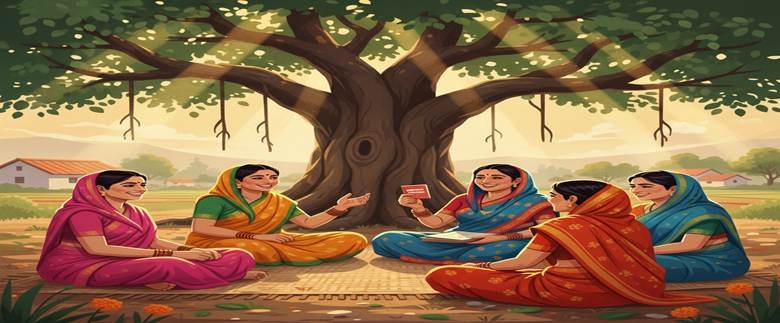
Self-Help Groups, especially among women in rural Maharashtra, highlight the dynamics of healthy relationships within communities. SHGs are small, voluntary associations of women from similar socio-economic backgrounds who come together for mutual financial and emotional support. These groups promote trust, honesty, and equality, as each member has an equal say in group decisions.
Case Example:
In the district of Solapur, the ‘Mahila Bachat Gat’ (women’s savings group) became a source of empowerment for local women. Through regular meetings, members developed open communication, learned to manage conflicts, and provided mutual support during crises such as family illness or crop failure. The collective strength of the group enabled them to start small businesses, improve family finances, and advocate against domestic violence in their villages. The success of the group was rooted in healthy interpersonal dynamics—trust, respect, empathy, and shared responsibility.
2. College Peer Groups
In Indian universities, peer relationships play a significant role in shaping student experiences. Healthy peer relationships foster academic collaboration, personal growth, and emotional well-being.
Conclusion
Healthy relationships are dynamic and require continuous effort from all parties involved. Trust, respect, communication, empathy, and effective conflict resolution are the pillars that sustain these connections. Indian case studies—from rural self-help groups to urban professional networks and families—demonstrate that nurturing these elements leads to stronger, more resilient individuals and communities. Understanding and practicing the dynamics of healthy relationships is essential for personal fulfillment and the overall progress of society.
II. DEVELOPING EMPATHY AND COMPASSION
Introduction
Empathy and compassion are cornerstones of strong social relationships and a harmonious society. While empathy involves understanding and sharing another person’s feelings, compassion inspires positive action to alleviate suffering. In India, the significance of these qualities is evident in numerous community initiatives, educational programs, and social movements.
The Importance of Empathy and Compassion
- Strengthens Social Bonds: Empathy helps build trust and deeper connections, making communities more resilient.
- Promotes Social Justice: Compassion empowers individuals to act against injustice and support vulnerable groups.
- Boosts Mental Health: Both qualities contribute to collective well-being and reduce feelings of isolation.
Ways to Develop Empathy and Compassion
- Active Listening: Paying full attention to others’ perspectives without judgment.
- Volunteering: Engaging in community service to understand diverse life experiences.
- Education and Dialogue: Classroom activities, role-playing, and discussions that encourage students to consider how others feel.
- Mindfulness: Practices such as meditation can enhance self-awareness and sensitivity towards others.
Indian Case Studies (Outside Maharashtra)
1. Robin Hood Army (Delhi and Nationwide)
Background:
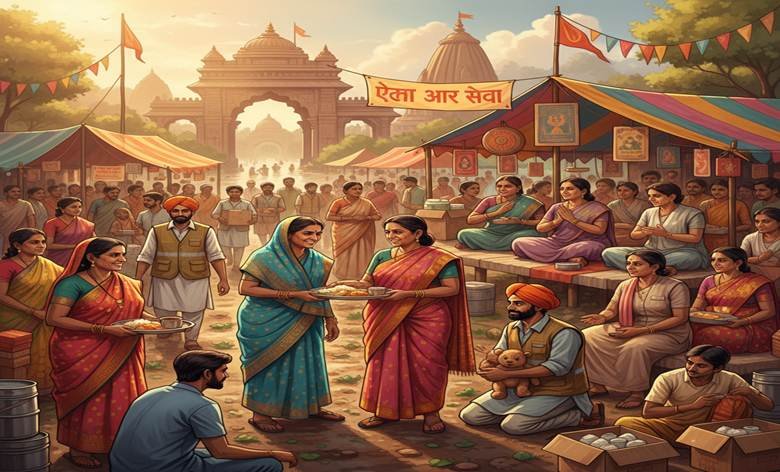
Founded in Delhi, the Robin Hood Army is a volunteer-based organization that works to eliminate hunger by collecting surplus food from restaurants and distributing it to the needy.
Case Example:
During the COVID-19 lockdowns, hundreds of young volunteers in Delhi and other cities risked their safety to deliver food to migrant workers, daily wage earners, and homeless individuals. They listened to people’s stories of hardship, responded to their needs, and treated everyone with dignity. Their actions exemplified compassion in practice—going beyond sympathy to direct involvement and support.
2. Kerala’s Flood Relief Efforts (2018 and 2021)
Background:
Kerala faced devastating floods in 2018 and subsequent years, resulting in massive displacement and loss.
Case Example:
The state witnessed an extraordinary outpouring of empathy and compassion from ordinary citizens. Volunteers, including students and local residents, set up relief camps, distributed food, and provided medical assistance. People opened their homes to strangers, and local fishermen risked their lives to rescue those stranded, demonstrating collective empathy and selflessness. The government’s “Compassion Kerala” campaign coordinated donations and support from across the nation.
Conclusion
Empathy and compassion are not just personal virtues but social assets that drive community resilience and positive change. From the Robin Hood Army’s service to the flood relief efforts in Kerala, and from Akshaya Patra’s mid-day meals to Goonj’s innovative social work in North India, these case studies reveal the transformative impact of caring for others. By cultivating empathy and compassion through education, volunteering, and awareness, India continues to build a more inclusive and humane society.
III. EFFECTIVE TEAMWORK AND BASICS OF LEADERSHIP
Introduction
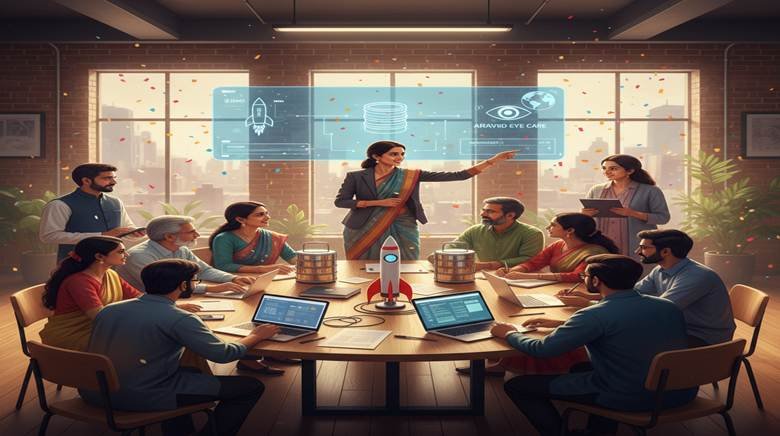
Teamwork and leadership are two interconnected skills essential for success in any collaborative environment, from classrooms to corporations and community projects. While teamwork focuses on how individuals work together to achieve shared goals, leadership ensures there is direction, motivation, and coordination within the group. Both are especially important in India’s multicultural and diverse settings.
Key Characteristics of Effective Teamwork
1. Clear Goals and Purpose
- Every successful team starts with a shared vision or objective. Knowing what the group aims to achieve provides motivation and helps align individual efforts.
- Example: In the ISRO Chandrayaan-3 mission, all scientists and engineers worked with the unified goal of achieving a successful lunar landing.
2. Defined Roles and Responsibilities
- Clear allocation of tasks prevents confusion and overlapping duties. When members understand their specific roles, they can focus on contributing their strengths.
- Example: In Mumbai’s dabbawala system, each member knows his place in the delivery chain, from collecting lunchboxes to sorting and final delivery.
3. Open and Respectful Communication
- Effective teams prioritize honest, transparent, and two-way communication. Sharing ideas, feedback, and concerns openly helps identify issues early and fosters trust.
- Example: In Aravind Eye Care System, regular meetings and open discussions allow doctors, nurses, and staff to coordinate seamlessly and address challenges proactively.
4. Trust and Mutual Respect
- Trust is the foundation of teamwork. Team members rely on one another to fulfill commitments, and mutual respect allows for healthy disagreements and diverse opinions.
- Example: Self-Help Groups (SHGs) across India thrive because members trust each other with financial contributions and personal stories, fostering deep bonds.
5. Shared Responsibility and Accountability
- In effective teams, success or failure is shared. Team members hold themselves and each other accountable for results.
- Example: In large group projects at Indian universities, coordinated effort is crucial; when everyone feels responsible, outcomes improve and blame games reduce.
6. Constructive Conflict Resolution
- Disagreements are natural, but effective teams view conflict as an opportunity for growth. Addressing issues constructively leads to better decisions and innovation.
- Example: In corporate settings, such as Infosys, structured feedback sessions and mediation help resolve conflicts among diverse teams.
7. Flexibility and Adaptability
- Teams must adapt to changing circumstances, challenges, or feedback. Flexibility in roles and strategy ensures continued progress.
- Example: During the COVID-19 pandemic, many Indian companies and NGOs quickly restructured teams to focus on relief and remote operations, demonstrating adaptability.
8. Recognition and Celebration of Success
- Acknowledging achievements and milestones boosts morale and motivates team members to keep contributing.
- Example: Indian schools and organizations often celebrate team wins in sports, cultural events, or projects, reinforcing the value of collaboration.
Basics of Leadership in Teamwork
1. Setting a Vision: Leaders define the team’s direction and inspire members to work towards it.
2. Motivating and Empowering Others: Good leaders encourage participation, recognize contributions, and provide learning opportunities.
3. Decision-Making: Timely and fair decisions are essential to keep the team moving forward.
4. Delegation: Effective leaders match tasks to members’ strengths, trusting them with responsibility.
5. Leading by Example: Ethical conduct and hard work by leaders set a standard for the team.
Conclusion
Effective teamwork is built on clear goals, defined roles, open communication, trust, shared responsibility, constructive conflict resolution, flexibility, and recognition. Leadership complements these elements by setting vision, motivating, making decisions, delegating, and modeling positive behavior. Indian examples—from ISRO’s scientific feats to SHGs’ grassroots empowerment—prove that when teamwork and leadership are aligned, extraordinary results are possible, even with limited resources or in challenging circumstances.
IV. DIGITAL COMMUNICATION ETIQUETTE
1. Introduction
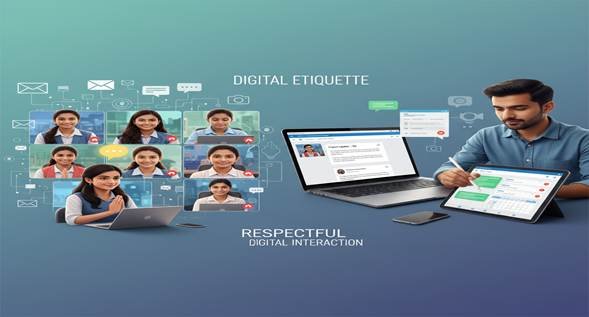
Digital communication etiquette, also known as netiquette, refers to the rules and guidelines for effective, respectful, and professional behavior when communicating via electronic means. With the rapid growth of social media, emails, instant messaging, and video conferencing, digital etiquette has become essential in both personal and professional domains. Proper digital etiquette promotes clarity, prevents misunderstandings, and supports healthy relationships in the virtual world.
2. Key Principles of Digital Communication Etiquette
- Clarity and Brevity: Messages should be concise and to the point. Avoid jargon and ambiguous language.
- Respect and Tone: Use polite language, even when disagreeing. Avoid sarcasm or negative comments, especially in written form where tone can be misinterpreted.
- Appropriate Language and Emojis: Formal communications (emails, work chats) require professional language. Emojis should be used sparingly, if at all, in professional settings.
- Timeliness: Respond to messages within a reasonable timeframe.
- Privacy and Confidentiality: Do not share private information or screenshots without consent.
- Proper Use of Platforms: Use appropriate platforms for different types of communication (e.g., WhatsApp for informal chats, email for official correspondence).
- Subject Lines and Greetings: Always use relevant subject lines in emails and begin with a courteous greeting.
- Avoiding Spamming: Do not send unnecessary messages or “reply all” unless essential.
3. Indian Context and Challenges
India’s digital landscape is incredibly diverse, with millions of new internet users each year crossing linguistic, generational, and cultural barriers. Issues like language diversity, digital literacy gaps, and differing social norms often affect digital communication.
Example: During the COVID-19 pandemic, millions of students and teachers shifted to online learning platforms like Zoom, Google Meet, and Microsoft Teams. The sudden transition highlighted the importance of digital etiquette — such as muting microphones when not speaking, using chat features responsibly, and maintaining a professional appearance on video.
4. Case Studies
A. The Rise of Online Education in India
Context:
In 2020, as schools and colleges closed due to the pandemic, classes shifted online. Many teachers and students lacked experience with digital platforms, resulting in etiquette challenges.
Issues:
- Students would frequently interrupt classes by leaving microphones unmuted.
- Some students used inappropriate language in chat boxes or group messages.
- Teachers sometimes sent late-night messages, blurring work-life boundaries.
Solutions Implemented:
- Schools issued digital etiquette guidelines: mute mics, use “raise hand” features, dress appropriately, and avoid multitasking.
- Workshops for parents and students on digital citizenship.
- Teachers learned to schedule messages and respect students’ personal time.
Impact:
These changes fostered more respectful, effective virtual learning environments and reduced misunderstandings.
B. Workplace Digital Communication: Infosys’ Internal Policy
Context:
Infosys, a leading Indian IT company, employs people from diverse backgrounds and locations, making digital communication essential.
Practices:
- Mandatory training modules on digital communication etiquette for new hires.
- Email templates and guidelines on tone, addressing cultural differences, and dealing with remote teams.
- Policies against sharing sensitive information on unofficial platforms.
Result:
Improved professionalism, reduced email misunderstandings, and enhanced collaboration across global teams.
V. CONFLICT RESOLUTION AND NEGOTIATION SKILLS
1. Introduction
Conflict resolution is the process of resolving a dispute or disagreement between two or more parties. Negotiation skills are the abilities needed to reach a mutually acceptable solution. Both are vital for healthy relationships, efficient teamwork, and a functional society.

2. Core Elements of Conflict Resolution
- Active Listening: Giving full attention to each party’s concerns.
- Empathy: Understanding the emotions and perspectives of all involved.
- Open Communication: Encouraging honest, respectful expression of grievances.
- Finding Common Ground: Identifying shared interests or goals.
- Problem-Solving: Brainstorming solutions that address key concerns.
- Compromise: Being willing to adjust one’s position for overall benefit.
- Mediation: Involving a neutral third party if needed.
3. Negotiation Skills
- Preparation: Know your goals, priorities, and the other party’s likely position.
- Clear Articulation: Express your needs and reasons logically.
- Listening: Understand the other party’s perspective to find win-win solutions.
- Patience and Calm: Stay composed, especially when discussions become heated.
- Flexibility: Be open to alternative solutions and creative compromises.
4. Indian Context and Challenges
India’s social structure, with its linguistic, religious, and cultural diversity, often results in complex conflicts—ranging from interpersonal and community disputes to workplace disagreements and national-level negotiations. Traditional values of respect, hierarchy, and consensus often influence conflict resolution styles.
5. Case Studies
A. Lok Adalats: People’s Courts
Context:
India faces a massive backlog of legal cases. Lok Adalats (People’s Courts) provide an alternative dispute resolution platform, particularly for minor civil and criminal cases.
Process:
- Disputes are settled through negotiation and compromise, under the guidance of a neutral facilitator.
- Both parties are encouraged to resolve their issues amicably, without lengthy litigation.
Example:
In 2023, the National Legal Services Authority reported that Lok Adalats settled over 1 crore (10 million) cases, ranging from property disputes to family matters. The system’s success lies in its emphasis on dialogue, empathy, and win-win solutions.
B. Farmers’ Protests and Government Negotiations (2020-2021)
Context:
Introduction of new farm laws led to widespread protests, especially in Punjab, Haryana, and Uttar Pradesh.
Conflict Resolution Process:
- Multiple rounds of talks between farmer leaders and government officials.
- Farmers articulated concerns about minimum support prices and contract farming.
- The government made offers for amendments, while farmers insisted on repealing the laws.
Outcome:
- The process, although contentious, highlighted the importance of negotiation skills, active listening, and patience.
- Ultimately, the government agreed to repeal the laws after prolonged dialogue and peaceful protest, demonstrating the effectiveness of negotiation and non-violent resolution.
C. Workplace Mediation: Tata Steel’s Joint Consultative Committees
Context:
At Tata Steel, India’s oldest and largest private steel manufacturer, worker-management conflicts are resolved through Joint Consultative Committees (JCCs).
Process:
- Regular meetings between management and worker representatives.
- Open discussion of grievances and proposals.
- Emphasis on partnership, mutual respect, and shared decision-making.
Outcome:
- The JCC model has helped maintain industrial peace and high productivity, even during challenging periods such as economic recessions.
VI. CULTURAL INTELLIGENCE AND DIVERSITY
1. Introduction
Cultural intelligence (CQ) is the ability to understand, respect, and work effectively with people from different cultural backgrounds. In India—a country known for its “unity in diversity”—cultural intelligence is essential for social harmony, business success, and personal growth.
2. Elements of Cultural Intelligence
- Cognitive CQ: Knowledge of cultural differences, values, and practices.
- Motivational CQ: Interest and confidence in interacting across cultures.
- Behavioral CQ: Ability to adapt one’s behavior and communication style to suit different cultural contexts.
- Metacognitive CQ: Awareness and regulation of one’s own cultural assumptions and responses.
3. Importance of Diversity
- Innovation: Diverse teams bring varied perspectives and creative solutions.
- Resilience: Exposure to different ideas and experiences builds adaptability.
- Social Cohesion: Respect for diversity reduces prejudice and conflict.
4. Indian Context
India’s diversity is reflected in its 22 official languages, hundreds of dialects, and a mosaic of religions, castes, and traditions. Navigating this diversity requires cultural intelligence in both daily life and organizational settings.
5. Case Studies
A. Infosys and Tata Consultancy Services (TCS): Corporate Diversity Initiatives
Context:
Both companies employ people from across India and the globe. Their workforce represents a spectrum of languages, religions, and backgrounds.
Practices:
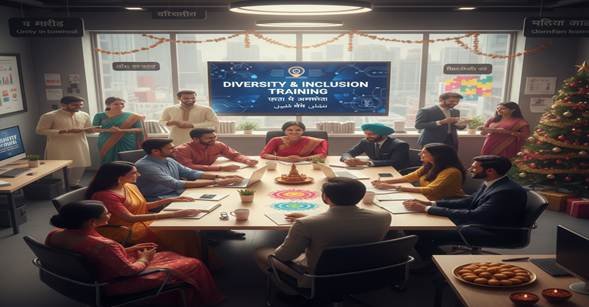
- Diversity training and sensitization workshops.
- Celebration of multiple festivals (e.g., Diwali, Eid, Christmas, Onam) at offices.
- Employee Resource Groups for women, LGBTQ+ staff, and various cultural communities.
Result:
These initiatives foster a welcoming environment, reduce workplace bias, and enhance collaboration.
B. Unity in Diversity: The Indian Armed Forces
Context:
The Indian Army, Navy, and Air Force recruit from all regions, castes, and communities.
Practices:
- Training programs emphasize national identity over regional or religious differences.
- Soldiers celebrate each other’s festivals, learn basic phrases in multiple languages, and develop deep camaraderie.
Outcome:
The forces’ unity is a testament to the strength that comes from embracing diversity and developing cultural intelligence.
C. Intercultural Student Exchanges: AFS India
Context:
AFS India runs programs for high school and college students from different states and countries to live and learn together.
Experience:
- Students from Kerala, Gujarat, Assam, and other regions spend time in host families across India or abroad.
- They learn new languages, adapt to different cuisines, and participate in local festivals.
Impact:
Participants report increased empathy, open-mindedness, and the ability to thrive in diverse settings—hallmarks of high cultural intelligence.
D. Workplace Language Policies: Wipro
Context:
Wipro, a top IT company, has a multilingual workforce.
Practices:
- Official communications are primarily in English, but the company encourages employees to use regional languages in informal settings.
- Language learning programs help team members understand each other better.
Outcome:
These steps increase inclusivity, reduce miscommunication, and support retention of talent from different regions.
6. Challenges
Despite positive examples, India still faces hurdles such as regionalism, linguistic divides, and unconscious bias. Overcoming these requires continuous effort in education, policy-making, and leadership.
7. Strategies to Enhance Cultural Intelligence
- Education: Include cultural studies and sensitivity training in academic curricula.
- Exposure: Encourage travel, exchange programs, and interaction with diverse groups.
- Role Models: Highlight leaders and organizations that exemplify cultural intelligence.
- Dialogue: Facilitate open conversations about prejudice, inclusion, and equity.
Conclusion
Digital communication etiquette, conflict resolution and negotiation skills, and cultural intelligence are indispensable in today’s interconnected, diverse society. Indian case studies—from virtual classrooms and Lok Adalats to corporate diversity policies—demonstrate the practical value of these skills. Cultivating them fosters respectful, effective relationships, empowers innovation, and strengthens the fabric of Indian society.
About the Author