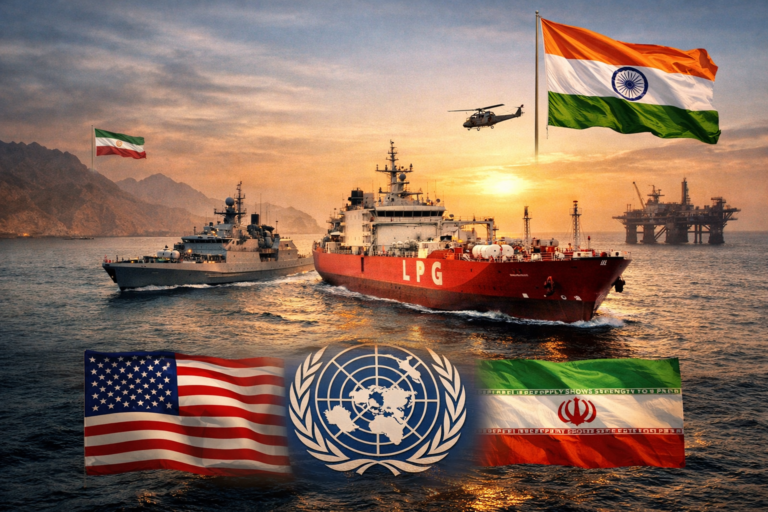


Media is key to determining public perception and influencing public discourse on government policies. In the Indian context, where governance affects the lives of over 1.3 billion people, the media’s coverage of government policies is of utmost importance. This section provides a detailed exploration of the use of media in covering the policies of the Indian government, shedding light on the dynamics, challenges, and responsibilities faced by journalists in this critical domain.
1. The Role of Media in Democracy
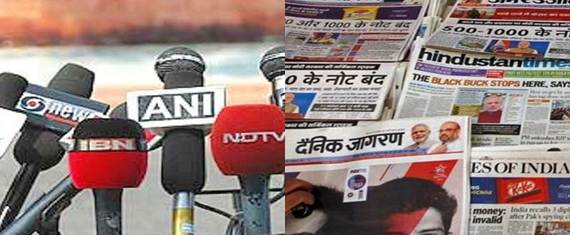
A robust and independent media is essential for a thriving democracy. In India, the media, being the fourth pillar of Indian democracy, acts as a crucial bridge between the government and its citizens, providing information, analysis, and scrutiny of government policies. By holding the government accountable, the media serves as a watchdog, facilitating transparency and fostering informed public debates.
2. The Power of Agenda Setting
Media coverage has the power to set the agenda for public discussions on government policies. Journalists and news organizations decide which policies receive prominence and how they are framed, influencing public perception and understanding. The media’s selection of policy issues, angles, and narratives shapes the public’s priorities, making agenda setting a significant responsibility for journalists.
3. Objective Reporting vs. Advocacy Journalism
Journalists face the challenge of maintaining objectivity while reporting on government policies. Striking the right balance between objective reporting and advocacy journalism can be complex. While journalists should present factual information and diverse perspectives, they must also critically analyze policies, evaluate their impact, and hold the government accountable for its actions.
4. Challenges of Access and Information Flow
Journalists often face challenges in accessing accurate and timely information about government policies. Government agencies may selectively disseminate information, hindering journalists’ ability to provide comprehensive coverage. Obtaining access to key decision-makers, relevant documents, and data can be a daunting task, requiring persistence, source-building, and investigative skills.
5. Media Biases and Ideological Influences
Media biases and ideological influences can impact the coverage of government policies. Journalists and news organizations may hold inherent biases that influence their reporting, framing, and interpretation of policies. These elements can result in either a favorable or critical portrayal of government initiatives, potentially shaping public opinion in the process.
6. Balancing Complexity and Simplification
Government policies often involve intricate details and technical jargon that may be challenging for the general public to comprehend. Journalists face the task of simplifying complex policy matters without oversimplifying or distorting the information. For communication to work and for people to understand, it’s important to achieve the right balance between accuracy and accessibility.
The media’s coverage of government policies in India carries immense significance in a democratic society. Journalists play a critical role in informing citizens, analyzing policies, and holding the government accountable. By understanding the dynamics of media coverage, the challenges faced by journalists, and the ethical responsibilities they carry, media students can equip themselves to become informed, fair, and responsible journalists who contribute to a vibrant and well-informed democracy.
Foreign Policy
Introduction
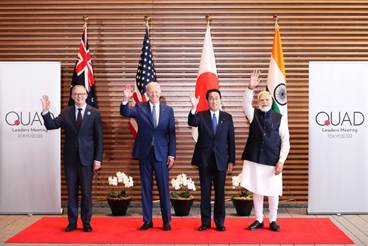
Indian foreign policy holds serious implications for the country’s global standing, international relations, and national interests. The role of media in covering foreign policy is crucial, as it shapes public perception, offers perspectives about diplomatic endeavors, and fosters informed discussions on global affairs. This section examines the dynamic use of media in covering Indian foreign policy, exploring key aspects, challenges, and recent prominent examples from a journalistic standpoint.
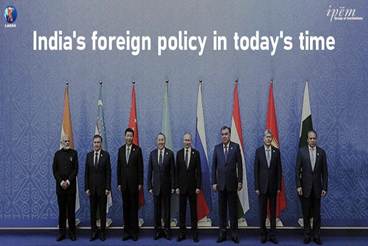
Covering Indian foreign policy requires journalists to navigate complex international relations, balance diplomatic sensitivities, and provide accurate analysis. Journalists play a vital role in informing the public about India’s engagement with the world, the country’s positions on global issues, and the impact of foreign policy decisions. By upholding journalistic ethics, critically analyzing policies, and seeking diverse perspectives, journalists contribute to informed public debates on India’s role in the international arena.
1. Shaping Public Perception
Media coverage plays a significant role in shaping public perception of India’s foreign policy and its global engagements. Journalists have the responsibility to present accurate and comprehensive coverage that elucidates the government’s positions, diplomatic strategies, and international commitments. By providing balanced and contextualized reporting, media outlets influence public understanding of India’s role in the world.
2. Analyzing Diplomatic Strategies
Journalists covering foreign policy must analyze and interpret the diplomatic strategies employed by India. This involves examining bilateral and multilateral engagements, analyzing key speeches and statements by political leaders, and evaluating the objectives and outcomes of diplomatic efforts. By providing insightful analysis, journalists contribute to a deeper understanding of India’s diplomatic endeavors.
3. Diverse Perspectives and Expert Opinions
Media coverage of Indian foreign policy should incorporate diverse perspectives and seek insights from experts in international relations, diplomacy, and regional studies. Journalists should engage with analysts, diplomats, and scholars to provide nuanced perspectives and foster informed discussions. These diverse viewpoints enhance the depth and quality of media coverage, offering readers a more comprehensive understanding of complex global issues
4. Balancing National Interests and Global Responsibilities
Coverage of Indian foreign policy necessitates balancing national interests with global responsibilities. Journalists should critically analyze how India’s foreign policy decisions impact national security, economic growth, and regional stability. They should also explore how India navigates its international commitments, such as sustainable development goals, human rights, and global cooperation, while safeguarding its own interests.
Prominent Recent Examples
Recent examples of media coverage of Indian foreign policy include the India-China border tensions, India’s participation in international climate change negotiations, and India’s diplomatic engagements in the Indo-Pacific region. Journalists played a crucial role in reporting on these developments, providing analysis, expert opinions, and real-time updates. Accurate and timely reporting on these matters contributed to informed public discussions and a better understanding of India’s foreign policy priorities.
1. Communication and Public Diplomacy
Media coverage plays a significant role in communicating India’s foreign policy positions to both domestic and international audiences. Journalists act as intermediaries, conveying diplomatic messages, explaining policy decisions, and projecting India’s image on the global stage. Through responsible reporting and accurate representation, journalists contribute to effective public diplomacy, promoting India’s interests and values worldwide.
2. Contextualizing Geopolitical Dynamics
Media coverage of Indian foreign policy should place it within the broader geopolitical context. Journalists should analyze the evolving global landscape, major international trends, and regional dynamics to provide a comprehensive understanding of India’s foreign policy decisions. This contextualization enables readers to grasp the strategic considerations, alliances, and interests that shape India’s engagements with other nations.
3. Diplomatic Disputes and Conflict Resolution
Foreign policy coverage often involves reporting on diplomatic disputes and efforts towards conflict resolution. Journalists play a crucial role in examining the root causes, historical context, and potential solutions to such conflicts. By providing in-depth analysis, interviewing experts, and reporting on peace-building initiatives, media coverage contributes to public awareness and encourages dialogue and understanding.
4. Tracking International Agreements and Treaties
Media coverage should closely monitor India’s participation in international agreements, treaties, and forums. Journalists should analyze the implications of such engagements on national interests, economic cooperation, and global governance. By reporting on India’s commitments and outcomes of international negotiations, media coverage enhances public understanding of India’s role in shaping the global agenda.
5. Evaluating Public Diplomacy Initiatives
Indian foreign policy often includes public diplomacy initiatives aimed at promoting the nation’s image, culture, and values abroad. Journalists should evaluate the effectiveness and impact of these initiatives in shaping international perceptions of India. By critically examining the outcomes and public responses to public diplomacy efforts, media coverage contributes to a broader understanding of India’s soft power and its influence in the global arena.
Conclusion
Media coverage of Indian foreign policy holds immense significance in informing, shaping, and fostering public understanding of India’s global engagements. Journalists, armed with journalistic integrity, critical analysis skills, and a commitment to unbiased reporting, play a pivotal role in providing accurate, insightful, and balanced coverage. By comprehensively covering foreign policy, media students can contribute to informed public discourse, promote transparency, and actively participate in shaping India’s role in the global arena.
Case study on Iran Nuclear Deal
Introduction
Media is key to determining public opinion, influencing political discourse, and ultimately impacting the formation of national and foreign policies. The negotiation and implementation of the Iran Nuclear Deal is a recent example of how important the media is in making policy. This complex and highly debated agreement between Iran and world powers was heavily influenced by media coverage, which shaped public perception, influenced political decision-making, and ultimately impacted the policy outcome.
Background
The Iran Nuclear Deal, officially known as the Joint Comprehensive Plan of Action (JCPOA), was an agreement signed in 2015 between Iran and the P5+1 group of countries (United States, United Kingdom, France, Germany, Russia, and China) along with the European Union. The aim of the deal was to curb Iran’s nuclear program in exchange for the lifting of economic sanctions.
Role of Media in Policy Formation
Throughout the negotiation and implementation process of the Iran Nuclear Deal, media coverage played a pivotal role in shaping the direction and outcome of the policy. Several key aspects highlight the influence of media:
1. Shaping Public Opinion
Media coverage significantly influenced public opinion regarding the Iran Nuclear Deal. Different media outlets presented varying perspectives, ranging from support for diplomacy and engagement to skepticism and criticism. News articles, opinion pieces, and televised debates provided information and analysis that shaped public perception of the agreement, impacting public support or opposition.
2. Framing the Narrative
Media framing played a critical role in shaping the narrative surrounding the Iran nuclear deal. Journalists and media organizations framed the deal based on their ideological and geopolitical perspectives. Some portrayed the agreement as a historic diplomatic achievement, emphasizing its potential to prevent Iran from obtaining nuclear weapons. Others framed it as a flawed and dangerous compromise, highlighting potential risks and loopholes.
3. Influencing Political Decision-Making
Media coverage influenced political decision-making processes surrounding the Iran Nuclear Deal. Political leaders and policymakers closely monitor public opinion as they make policy choices. The media’s portrayal of the deal and its perceived public reception influenced the positions taken by political leaders, impacting their support, opposition, or willingness to negotiate.
4. Shaping International Relations
Media coverage of the Iran Nuclear Deal had a significant impact on international relations. The portrayal of the agreement in global media influenced how other countries, including key stakeholders in the deal, perceived and responded to it. Media coverage helped shape the international community’s view of the agreement, influencing its implementation and potential future diplomatic engagements.
5. Ethical Considerations
Ethical considerations for journalists reporting on policies with significant international implications like the Iran Nuclear Deal include:
6. Accuracy and Fairness
Journalists have a responsibility to provide accurate and fair reporting, presenting multiple perspectives and avoiding undue bias. Reporting should be based on verified information and expert analysis to ensure an informed public discourse.
7. Contextual Understanding
Journalists should strive to provide context and background information to enhance public understanding of complex policy issues. This includes explaining the historical, geopolitical, and strategic factors that shape policy decisions and their potential consequences.
8. Transparency and Accountability
Journalists should hold political leaders and policymakers accountable for their actions and decisions. This involves investigating and reporting on potential motives, interests, and consequences of policy choices, promoting transparency and accountability in policy-making processes.
Conclusion
The Iran Nuclear Deal serves as a recent example highlighting the significant role of media in the formation of national and foreign policies. Media coverage influenced public opinion, framed the narrative, influenced political decision-making, and shaped international relations.
Ethical considerations, such as accuracy, fairness, contextual understanding, and accountability, play a crucial role in ensuring responsible journalism in the coverage of policies with far-reaching implications. Understanding the media’s influence in policy formation is vital for individuals to engage in informed and critical discussions and for policymakers to consider the broader impact of media narratives.
It is important for journalists to approach policy-related coverage with integrity, avoiding sensationalism and providing accurate, balanced, and nuanced reporting. In doing so, they can help foster a well-informed public discourse and contribute to the democratic process.
Additionally, media consumers must develop media literacy skills to critically evaluate news coverage, recognize bias, and seek multiple perspectives. By engaging with diverse sources of information and maintaining a discerning approach, individuals can form their own well-rounded opinions and actively participate in shaping national and foreign policies.
Ultimately, the example of the Iran Nuclear Deal illustrates how media coverage can significantly influence the formation of policies with global implications. Recognizing and understanding the power of media in shaping public opinion and political decision-making is essential for both journalists and citizens. By promoting responsible journalism and media literacy, we can strive for a more transparent, informed, and inclusive policy-making process that addresses the complex challenges of our interconnected world.
About the Author